


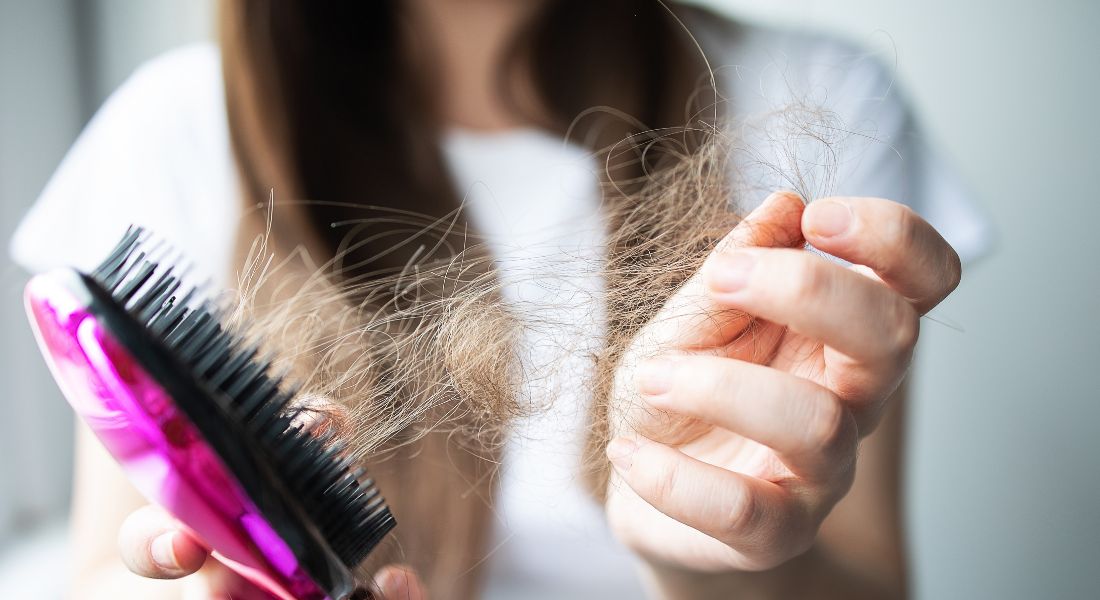
Hair loss on its own can be worrying. When it’s accompanied by symptoms like itching, burning, tenderness, or pain, it often raises deeper concern. These sensations are not just uncomfortable side effects. In many cases, they signal active inflammation within the scalp.
Inflammation changes how dermatologists approach both diagnosis and treatment. It can determine whether hair loss is reversible, progressive, or permanent. Ignoring these symptoms or assuming they are harmless can lead to delayed treatment and poorer long-term outcomes.
In this article, I’ll explain how dermatologists recognise inflammatory scalp changes, why these symptoms matter, how inflammation influences prognosis, and why early intervention can make a critical difference.
Why Scalp Symptoms Should Never Be Ignored
Scalp symptoms are often dismissed as minor or temporary, especially when attributed to dryness, stress, or hair products. However, when itching, burning, or discomfort occurs alongside hair loss, it may signal an underlying biological process. These symptoms can reflect active inflammation affecting the hair follicles. Recognising this early is important for protecting long-term hair health.
- Symptoms suggest active inflammation – Persistent itching, burning, or tenderness often indicate inflammatory activity rather than simple dryness.
- Follicles may be under attack – When inflammation targets hair follicles, it can disrupt growth cycles or cause permanent damage.
- Different from silent shedding – Hair loss with symptoms is biologically distinct from conditions like telogen effluvium, which are usually symptom-free.
- Risk of scarring conditions – Symptomatic hair loss raises concern for inflammatory or scarring alopecias that require early treatment.
- Signals need for assessment – Ongoing scalp discomfort alongside hair loss should prompt dermatological evaluation.
Ignoring scalp symptoms can delay diagnosis and reduce treatment options. Early recognition allows inflammation to be controlled before irreversible follicle damage occurs, improving both prognosis and outcomes.
What Scalp Inflammation Actually Means
Scalp inflammation refers to immune or inflammatory activity occurring in the skin layers around hair follicles. This process can damage follicles even when changes are not obvious on the surface. Inflammation may be acute, intermittent, or chronic. Persistent inflammation increases the risk of follicle weakening and long-term hair loss.
In some cases, the scalp may look relatively normal despite ongoing inflammatory activity beneath the skin. Symptoms are not always visible or dramatic. Dermatologists are trained to detect subtle clinical and trichoscopic signs of inflammation. Early recognition allows timely treatment and better protection of follicle health.
Common Symptoms That Suggest Inflammatory Alopecia

Inflammatory forms of alopecia often cause noticeable scalp sensations before significant hair loss is visible. These early symptoms provide important clues that inflammation is affecting the hair follicles and should not be ignored.
1. Itching as an Early Warning Sign – Persistent or unexplained itching is one of the most common early features. It often reflects inflammatory activity around the hair follicles rather than simple dryness.
2. Burning or Stinging Sensations – A burning or stinging feeling can suggest nerve irritation caused by inflammation. This type of discomfort is not typical of non-inflammatory hair loss.
3. Tenderness or Scalp Pain – Pain or tenderness may indicate deeper inflammation at the base of the follicles. When present, it raises concern for conditions that can cause permanent damage if untreated.
Because these symptoms are unusual in non-inflammatory hair loss, they should always prompt timely assessment by a specialist. Early evaluation improves the chance of protecting follicle health.
Why Inflammation Changes Hair Loss Prognosis
Hair follicles are highly sensitive structures that rely on a stable environment to grow normally. When inflammation develops around them, this balance is disrupted. The duration and intensity of inflammation directly influence whether hair loss is temporary or permanent. Understanding this distinction is key to predicting outcomes.
- Disruption of normal growth – Inflammation interferes with the hair growth cycle, preventing healthy hair production.
- Short-term inflammatory effects – Temporary inflammation can push hairs into the shedding phase, leading to reversible hair loss.
- Chronic inflammation risks – Ongoing inflammation may cause follicle miniaturisation or complete destruction.
- Impact on regrowth potential – Once follicles are damaged or destroyed, natural regrowth becomes unlikely.
- Different biological behaviour – Inflammatory alopecias behave differently from non-inflammatory conditions and carry a more guarded prognosis.
Because inflammation can permanently alter follicle health, early recognition and control are essential. Managing inflammation promptly helps preserve follicles and improves long-term hair outcomes.
How Dermatologists Assess Scalp Inflammation

Assessment begins with detailed history-taking. Dermatologists ask about symptoms such as itching, pain, or burning, along with timing, triggers, and progression of hair loss. They also explore associated medical conditions, medications, and autoimmune history. This context helps determine whether inflammation is likely to be primary or secondary.
Physical examination focuses on visible signs such as redness, scaling, pustules, follicular loss, or early scarring. Gentle palpation may reveal tenderness that is not obvious visually. While inflammation is often diagnosed clinically, additional tools are commonly used. These may include trichoscopy, blood tests, or biopsy to confirm the diagnosis and guide treatment.
The Role of Trichoscopy in Detecting Inflammation
Trichoscopy is a non-invasive, magnified examination of the scalp that provides detailed insight beyond what the naked eye can detect. It allows dermatologists to identify subtle signs of inflammation and follicular damage early. This information is critical in distinguishing different types of alopecia and predicting outcomes. Trichoscopy often guides both diagnosis and prognosis.
- Reveals hidden inflammation – Redness surrounding follicles can be detected even when the scalp appears normal.
- Identifies scale patterns – Specific scaling patterns help differentiate inflammatory from non-inflammatory conditions.
- Detects follicular dropout – Areas where follicles are missing suggest more advanced or scarring processes.
- Shows early scarring changes – Subtle scarring signs can be identified before permanent hair loss becomes obvious.
- Distinguishes alopecia types – Trichoscopic features help classify hair loss accurately.
- Assesses reversibility – Findings often indicate whether follicles are still viable and capable of regrowth.
By revealing microscopic changes early, trichoscopy plays a vital role in guiding treatment decisions. It helps determine whether hair loss is potentially reversible and how aggressively inflammation should be managed.
Why Symptoms Can Exist Without Obvious Redness
Some inflammatory scalp conditions primarily affect the deeper layers of the skin rather than the surface. In these cases, the epidermis may appear normal even while immune activity is occurring around the hair follicles. Because there is little surface change, redness or scaling may be absent in the early stages. This can create a false sense of reassurance. The inflammation, however, can still interfere with normal hair growth and follicle health beneath the surface.
As a result, symptoms such as pain, tenderness, burning, or abnormal sensitivity may be the earliest signs. These sensations reflect irritation of deeper skin structures and nerve endings. Many patients dismiss these symptoms because nothing obvious can be seen. Unfortunately, this delay can allow inflammation to persist unchecked. By the time visible signs appear, significant follicular damage may already have occurred.
Waiting for clear redness or hair loss progression is therefore risky. Inflammatory damage can become irreversible if treatment is delayed too long. Early symptom reporting allows dermatologists to investigate sooner and intervene before permanent loss develops. Subtle symptoms should always be taken seriously, even when the scalp looks normal.
Inflammatory vs Non-Inflammatory Alopecia
Hair loss conditions are broadly divided into inflammatory and non-inflammatory types. Understanding the difference is essential, as the underlying process determines both urgency and treatment approach.
1. Non-Inflammatory Alopecia – Conditions such as androgenetic hair loss usually develop gradually and occur without pain, itching, or scalp discomfort. The process is driven by genetic and hormonal factors rather than active inflammation.
2. Inflammatory Alopecia – Inflammatory alopecia involves immune activity, irritation, or infection directly affecting the hair follicles. Symptoms such as itching, burning, tenderness, or pain are common, and progression can be more rapid.
3. Why the Distinction Matters – Inflammatory forms of hair loss carry a higher risk of permanent follicle damage if not treated promptly. Correctly identifying the type of alopecia ensures timely intervention and appropriate management.
Distinguishing between these two categories allows clinicians to protect follicle health and tailor treatment effectively.
Alopecia Areata and Scalp Sensations
Alopecia areata is an autoimmune condition in which the immune system targets hair follicles. Before visible hair loss appears, some people experience tingling, itching, or scalp tenderness in affected areas. These sensations reflect underlying inflammatory activity, even when the skin surface looks normal.
In most cases, hair follicles remain structurally intact, which means regrowth is possible. However, ongoing inflammation increases the risk of progression or relapse. Early recognition and suppression of inflammation can improve long-term stability and reduce the likelihood of repeated episodes.
Scarring Alopecia: Where Inflammation Is Most Dangerous
Scarring alopecias are conditions in which inflammation directly damages and destroys hair follicles. Over time, the follicle is replaced with scar tissue, making the hair loss permanent. This is why inflammation in these conditions is considered particularly dangerous.
Symptoms such as burning, pain, tenderness, or itching often act as early warning signs. Once follicles are destroyed, regrowth is no longer possible. The primary aim of treatment is early diagnosis and rapid control of inflammation to preserve any remaining follicles.
Types of Scarring Alopecia Linked to Symptoms
Certain scarring alopecias are commonly associated with noticeable scalp discomfort. Unlike silent hair loss conditions, these disorders often produce symptoms that reflect active inflammation. Recognising these early warning signs is crucial for timely diagnosis and intervention. Prompt treatment can significantly influence long-term outcomes.
- Lichen planopilaris (LPP) – Frequently causes itching, burning, or soreness due to active follicular inflammation.
- Frontal fibrosing alopecia (FFA) – Often presents with tightness, tenderness, or discomfort along the hairline or temples.
- Symptomatic inflammation – Sensations such as pain or itching usually indicate ongoing disease activity rather than past damage.
- Progressive nature – Without treatment, these conditions can continue to destroy follicles and expand affected areas.
- Diagnostic importance of symptoms – Patient-reported discomfort provides valuable clues alongside clinical findings.
- Treatment-responsive phase – Early inflammatory stages are more likely to respond to medical therapy.
Because symptoms often signal active scarring alopecia, they should never be ignored. Early recognition and prompt treatment can slow or halt progression, helping preserve remaining hair and scalp health.
Why Early Treatment Matters So Much
Inflammatory hair loss is strongly influenced by time. Ongoing inflammation continues to damage hair follicles, and the longer it remains active, the higher the risk of irreversible loss. Acting early can make a decisive difference.
1. Inflammation Causes Progressive Follicle Damage – Persistent inflammation gradually weakens and destroys hair follicles. Once this damage becomes permanent, regrowth is no longer possible.
2. Early Treatment Preserves Regrowth Potential – Prompt treatment can suppress immune activity and calm inflammation before follicles are permanently affected. This keeps the focus on regrowth rather than damage control.
3. Delayed Treatment Limits Options – When treatment is postponed, the aim often shifts from restoring hair to slowing further loss. This significantly reduces achievable outcomes.
For this reason, hair loss accompanied by symptoms should never be monitored passively. Early assessment and intervention offer the best chance of protecting long-term hair density.
How Inflammation Affects Treatment Choices
When hair loss is driven by inflammation, treatment must focus on medical control rather than cosmetic improvement. Inflammatory alopecias require therapies that suppress immune or inflammatory activity within the scalp.
Topical or systemic anti-inflammatory medications are usually introduced first to protect follicle health. Hair growth stimulants alone are ineffective if active inflammation continues unchecked.
Dermatologists therefore prioritise stabilising the disease before addressing density or regrowth. Controlling inflammation creates the foundation for any meaningful long-term outcome.
Why Standard Hair Loss Treatments May Fail

Common hair growth stimulants, such as minoxidil, promote hair regrowth but do not address underlying inflammation. Relying on these treatments alone can give a false sense of progress while the root cause continues to damage follicles.
1. Growth Stimulants Don’t Treat Inflammation – Medications like minoxidil work by encouraging follicle activity, but they do not suppress immune responses or irritation that may be attacking the follicles.
2. Symptoms Can Be Masked – Using growth stimulants alone may temporarily improve hair density or appearance, which can hide ongoing damage. This often results in sudden or accelerated hair loss when the underlying condition progresses unnoticed.
3. Controlling Inflammation Is Essential – Sustainable regrowth depends on first reducing or eliminating inflammation. Only once the follicle environment is stabilised can growth stimulants achieve meaningful, long-term results.
Addressing the underlying inflammatory process is therefore critical for effective and lasting hair restoration.
The Link Between Scalp Pain and Disease Activity
Scalp pain, burning, or discomfort often reflects active inflammation around hair follicles. Monitoring these symptoms provides valuable insight into disease progression and treatment effectiveness. Recognising the connection between symptoms and activity helps guide ongoing management.
- Pain signals active inflammation – Discomfort usually indicates that the immune system is attacking follicles.
- Flares correspond to higher disease activity – Sudden increases in burning or soreness often coincide with accelerated hair loss.
- Symptom improvement reflects response – Reduction in discomfort can indicate that treatment is controlling inflammation.
- Persistent symptoms suggest inadequate control – Ongoing pain may signal the need for treatment adjustment.
- Used for monitoring – Dermatologists track symptoms alongside clinical and trichoscopic findings to assess disease status.
- Supports proactive management – Early recognition of symptom changes allows timely intervention to prevent follicle loss.
By linking scalp symptoms to disease activity, dermatologists can make more informed decisions. This approach helps protect follicles and optimize long-term hair outcomes.
Psychological Impact of Symptomatic Hair Loss
Hair loss can be emotionally challenging, and symptoms like pain, itching, or burning intensify that distress. Many patients feel anxious when they don’t understand the cause or likely outcome of their condition.
Knowing what these symptoms indicate whether inflammation, autoimmune activity, or another process provides reassurance and reduces uncertainty.
An accurate diagnosis not only guides effective treatment but also helps patients regain a sense of control over their hair and overall wellbeing.
Inflammation and Long-Term Hair Stability
Achieving visible regrowth is only part of the goal in inflammatory hair loss. Ongoing inflammation can undermine results, increasing the risk of relapse even after successful treatment.
1. Persistent Inflammation Threatens Hair Stability – If immune activity continues unchecked, newly grown hair can be lost and follicles can suffer renewed damage. Controlling inflammation is key to protecting regrowth.
2. Maintenance Therapy Supports Lasting Results – Long-term management often includes continued topical or systemic therapy, tailored to each patient’s condition. Regular follow-up ensures that flares are detected early and addressed promptly.
3. Monitoring Matters as Much as Regrowth – Sustained hair health requires vigilance over time. Stability and prevention of further follicle damage are as important as achieving initial hair regrowth.
A long-term perspective ensures that improvements are not only achieved but maintained, maximising the chances of enduring hair restoration.
Why Blood Tests May Be Needed
In some cases, hair loss is connected to underlying autoimmune or systemic conditions. Blood tests help uncover these contributing factors, allowing treatment to target the root cause rather than just the symptoms. Identifying and managing systemic issues can improve both hair and overall health.
- Detects autoimmune links – Conditions like lupus or other autoimmune disorders can contribute to scalp inflammation.
- Identifies hormonal or thyroid issues – Thyroid dysfunction can trigger or worsen hair loss.
- Reveals nutritional deficiencies – Low iron, vitamin D, or other deficiencies may affect hair growth.
- Guides targeted treatment – Correcting systemic imbalances can enhance response to local therapies.
- Supports prognosis assessment – Blood test results help dermatologists predict potential for regrowth.
- Prevents overlooked causes – Systemic factors may be subtle but have a significant impact on hair health.
By investigating underlying contributors, blood tests allow a more comprehensive approach. Treating both the scalp and systemic factors improves outcomes and supports long-term hair preservation.
The Importance of Specialist Assessment
Inflammatory alopecia is a complex condition that can be easily misdiagnosed. Specialist evaluation ensures that subtle symptoms are interpreted correctly, guiding appropriate treatment. Early and accurate diagnosis is crucial because misdiagnosis or delayed treatment can result in permanent hair loss. A reputable clinic providing Alopecia treatment in London focuses on identifying inflammatory disease promptly, helping preserve hair and improve long-term outcomes.
When Biopsy Is Required
A scalp biopsy is usually recommended when scarring alopecia is suspected. It provides a definitive diagnosis and helps dermatologists plan the most effective treatment.
Performing a biopsy early is particularly valuable, as it identifies whether follicles are at risk before irreversible damage occurs.
While the idea of a biopsy can feel intimidating, the procedure is minor and plays a crucial role in preventing further hair loss and guiding long-term care.
Monitoring Inflammation Over Time
Managing inflammatory alopecia is an ongoing process. Regular follow-up allows clinicians to track changes, adjust treatment, and protect follicles before irreversible damage occurs.
1. Disease Activity Can Fluctuate – Inflammation may wax and wane, so periodic assessment is essential to detect early signs of flare-ups or progression.
2. Multiple Measures Are Used – Clinicians reassess symptoms, hair density, and trichoscopy findings to gain a comprehensive view of scalp health. This ensures treatment is targeted and responsive.
3. Adjusting Treatment Is Normal – Changes in therapy are part of proactive management, not an indication that previous care failed. Continuous monitoring maximises the chances of long-term hair preservation and regrowth.
Ongoing follow-up is a key strength of effective inflammatory alopecia management, helping patients achieve stable, lasting results.
Lifestyle and Scalp Inflammation
Everyday habits can influence scalp health and the course of inflammatory hair loss. While medical treatment is essential, addressing lifestyle factors helps reduce ongoing irritation and supports recovery. Small changes can make a meaningful difference in long-term outcomes.
- Stress can exacerbate inflammation – High stress levels may trigger or worsen immune-mediated scalp conditions.
- Friction and traction matter – Tight hairstyles, excessive brushing, or rubbing can aggravate follicles.
- Harsh styling products and irritants – Strong chemicals or frequent heat styling can inflame sensitive scalp tissue.
- Gentle hair care practices – Using mild shampoos, soft brushes, and avoiding aggressive treatments helps minimize irritation.
- Reducing triggers supports therapy – Lifestyle adjustments enhance the effectiveness of medical interventions.
- Part of comprehensive management – Dermatologists often combine lifestyle guidance with targeted treatment for optimal results.
Incorporating these practices alongside clinical care helps protect hair follicles and reduces ongoing scalp inflammation, improving both short- and long-term hair outcomes.
When Hair Transplant Is Not Appropriate
Hair transplantation can offer excellent results, but timing is critical. Performing surgery on an inflamed scalp carries significant risks and may compromise both graft survival and long-term outcomes.
1. Active Inflammation Is a Contraindication – Ongoing scalp inflammation can interfere with healing and increase the likelihood of transplant failure. Surgery should be postponed until the condition is fully controlled.
2. Risk of Graft Loss and Disease Spread – Transplanting into affected areas can damage the grafts and potentially exacerbate underlying disease, reducing the overall success of the procedure.
3. Ensuring Disease Stability First – Only once inflammation is suppressed and the scalp is stable should surgical options be considered. Prioritising scalp health maximises the chance of safe, durable results.
Waiting for stability ensures that hair transplantation is both safe and effective, protecting long-term outcomes.
Why Some Hair Loss Feels “Different”
Not all hair loss feels the same. Inflammatory conditions often produce sensations—like burning, itching, or tenderness that signal active disease. Paying attention to these differences can help detect problems early and protect follicles before permanent damage occurs.
- Distinct sensory cues – Inflammatory hair loss may be accompanied by itching, burning, soreness, or tightness.
- Patient intuition is valuable – Many patients correctly notice that this shedding feels different from normal hair loss.
- Reflects underlying activity – Symptoms often indicate ongoing inflammation targeting hair follicles.
- Early detection aids prognosis – Recognising these warning signs allows timely intervention to preserve hair.
- Guides treatment decisions – Dermatologists use symptom reports alongside examinations to tailor therapy.
- Supports long-term hair health – Responding to these signals helps prevent irreversible follicle damage.
Listening to your scalp’s signals empowers both patients and dermatologists to act quickly, improving outcomes and preserving hair over the long term.
FAQs:
1. How can scalp inflammation affect hair loss?
Scalp inflammation can disrupt the normal hair growth cycle by damaging or weakening hair follicles. When immune or inflammatory activity targets follicles, it can accelerate shedding, cause follicles to miniaturize, or even lead to permanent loss in severe cases. Unlike non-inflammatory hair loss, which is often gradual and symptom-free, inflammation can produce sensations such as itching, burning, or tenderness, signaling active damage that requires timely medical attention. Early recognition and management are crucial to preserving follicle health and preventing irreversible outcomes.
2. What symptoms indicate that hair loss might be inflammatory rather than normal shedding?
Hair loss accompanied by sensations such as persistent itching, burning, tenderness, or pain often indicates an underlying inflammatory process. These symptoms can precede visible thinning or patchy hair loss and reflect activity at the follicular level. Inflammatory hair loss differs from non-inflammatory conditions like telogen effluvium because the scalp experiences discomfort and irritation. Even when the skin surface appears normal, these sensations may signal active immune activity targeting hair follicles. Recognizing these early warnings allows for prompt evaluation and intervention.
3. How do dermatologists detect scalp inflammation that isn’t visible?
Dermatologists rely on a combination of clinical examination, patient history, and specialized tools such as trichoscopy to identify inflammation beneath the surface. While the scalp may appear normal to the naked eye, subtle signs like follicular redness, scaling patterns, or microscopic follicular dropout can reveal ongoing disease activity. Detailed history-taking about symptoms, triggers, and hair loss progression further informs diagnosis. In some cases, blood tests or scalp biopsies are required to confirm the presence and type of inflammatory alopecia and to guide an appropriate treatment plan.
4. Can early symptoms of scalp inflammation predict the severity of hair loss?
Yes, early symptoms such as itching, burning, or tenderness often correlate with the degree and progression of follicular damage. Persistent or severe discomfort may indicate that inflammation is actively interfering with hair growth and potentially causing irreversible follicle destruction. Conversely, mild or intermittent symptoms might suggest early-stage inflammation that is more likely to be reversible with prompt treatment. Paying attention to these warning signs allows dermatologists to assess risk, determine urgency, and implement interventions that can preserve hair density over the long term.
5. Why is early treatment of inflammatory hair loss important?
Early treatment targets the underlying inflammatory process before it causes permanent follicular damage. Once follicles are destroyed, regrowth becomes unlikely, making delayed intervention far less effective. Prompt medical therapy suppresses immune activity, calms inflammation, and protects the remaining follicles, improving the chances of meaningful hair regrowth. Delaying treatment can limit options to slowing further loss rather than restoring hair, reducing both the quality and quantity of achievable results.
6. How does inflammation influence treatment strategies for alopecia?
Treatment strategies for hair loss driven by inflammation focus on controlling the underlying immune or inflammatory activity rather than solely promoting hair growth. Dermatologists often begin with topical or systemic anti-inflammatory medications to stabilize the scalp. Hair growth stimulants alone are insufficient if inflammation continues unchecked, as they do not address the root cause. Once the inflammatory process is controlled, additional therapies can support regrowth and density, ensuring that any hair restoration is both effective and sustainable.
7. When might a scalp biopsy be necessary in cases of hair loss?
A scalp biopsy is typically recommended when there is suspicion of scarring or when the type of alopecia cannot be determined through clinical evaluation alone. Biopsy provides a definitive diagnosis, allowing dermatologists to identify whether follicles are at risk and to tailor treatment accordingly. Performing the procedure early is particularly valuable, as it can detect inflammation before permanent follicular destruction occurs. This helps guide both the intensity and type of therapy needed to preserve remaining hair.
8. Can hair loss feel different depending on whether it is inflammatory?
Many patients report that hair loss associated with inflammation feels distinct from normal shedding. Sensations like burning, itching, tightness, or tenderness can make the hair loss experience noticeably uncomfortable, unlike non-inflammatory alopecia, which is typically symptom-free. These sensory cues often correspond to active disease activity and can serve as an early warning sign that prompt evaluation is needed. Recognizing these differences helps both patients and dermatologists prioritize early intervention and preserve hair follicles.
9. How does chronic scalp inflammation affect long-term hair stability?
Chronic or recurrent inflammation can compromise long-term hair stability by continuously damaging follicles and creating an environment in which new growth is difficult to sustain. Even after initial regrowth, ongoing immune activity can lead to relapse or thinning. Long-term management often includes maintenance therapy, regular monitoring, and lifestyle adjustments to minimize triggers. Addressing inflammation comprehensively ensures that hair gains are preserved and the risk of future loss is reduced.
10. What lifestyle factors can influence scalp inflammation and hair loss?
Everyday habits such as stress levels, tight hairstyles, friction, or the use of harsh chemical products can exacerbate scalp inflammation and interfere with treatment. Excessive brushing or heat styling can further irritate follicles, while maintaining gentle hair care practices and minimizing triggers supports recovery. Lifestyle management complements medical therapy by reducing ongoing inflammation, protecting follicle health, and improving overall outcomes. Combining clinical intervention with mindful daily practices enhances both short-term improvements and long-term hair preservation.
Final Thought: Prioritising Early Intervention for Healthy Hair
Scalp inflammation is more than a minor discomfort it can directly affect hair follicle health and long-term hair density. Recognising early warning signs such as itching, burning, or tenderness allows timely intervention, which can prevent irreversible damage and improve treatment outcomes. For anyone experiencing symptomatic hair loss, consulting a specialist ensures that the underlying inflammation is properly assessed and managed.
If you’re considering alopecia treatment in London, contact us at London Dermatology Centre to book a consultation with one of our specialists. Early evaluation and targeted treatment remain the most effective strategies for maintaining healthy hair and scalp over the long term.
References
1. Kaštelan, M. and Vičić, M. (2024) Deciphering the complex immunopathogenesis of alopecia areata, International Journal of Molecular Sciences, 25(11), p.5652. https://www.mdpi.com/1422-0067/25/11/5652
2. The frontal fibrosing alopecia treatment dilemma (2023) Journal of Clinical Medicine, 13(7), p.2137 discusses the inflammatory pathology in FFA, a scarring alopecia subtype. https://www.mdpi.com/2077-0383/13/7/2137
3. Role of Substance P in regulating micro-milieu of inflammation in alopecia areata (2022) Journal of Dermatological Science shows localized inflammatory cytokine changes in AA lesions and confirms inflammatory pathways in hair loss pathology. https://pubmed.ncbi.nlm.nih.gov/35948329/
4. Association between scalp microbiota imbalance, disease severity, and systemic inflammatory markers in alopecia areata (2024) Dermatology and Therapy – links scalp microbial dysbiosis with inflammation severity in AA and implicates systemic inflammatory markers. https://pubmed.ncbi.nlm.nih.gov/39384736/
5. Alkhalifah, A., et al., 2010. Alopecia areata: A review of disease pathogenesis, diagnosis, and treatment. Experimental Dermatology, 19(12), pp. 903–918. https://www.sciencedirect.com/science/article/pii/S2210836X13000237/