


If you’ve noticed patches of hair disappearing from your beard, it can feel unsettling and confusing. Many people experience beard alopecia at some point, and it often appears suddenly sometimes overnight. You may wake up to find a round, smooth, hairless patch on your jawline, cheek, or chin, and it may leave you wondering whether it will spread or grow back. You’re not alone in feeling concerned. Beard alopecia is surprisingly common, and understanding why it happens is the first step in managing it.
Beard alopecia can arise from several causes, but one of the most common is alopecia areata an autoimmune condition where your immune system mistakenly targets your hair follicles. This can cause patchy hair loss on the scalp, eyebrows, beard, and other areas. Some people experience only one or two patches, while others have recurring episodes throughout life. The unpredictability of the condition can be stressful, especially when it affects visible areas like the beard.
What Exactly Is Alopecia of the Beard?
Beard alopecia refers to any loss of hair in the beard region, particularly when it appears in patches rather than as general thinning. The most recognisable pattern is a smooth circular or oval patch where the hair falls out suddenly. You may notice no discomfort at all, or you might feel mild tingling or itching before the patch appears.
This type of patchy hair loss is most often linked to alopecia areata, an autoimmune condition. In alopecia areata, your immune system becomes overactive and mistakenly targets your hair follicles, causing them to temporarily stop producing hair. The follicles are still alive they’re just not active. That’s why regrowth is often possible once inflammation settles.
Although alopecia areata is the most common cause of beard alopecia, it’s not the only one. Sometimes the hair loss stems from fungal infections, local irritation, trauma, or inflammatory skin conditions. Understanding the cause is essential because the right treatment depends entirely on what’s behind the hair loss.
Beard alopecia is not contagious, and it’s not caused by poor hygiene. It can affect anyone at any age, although it tends to appear most frequently in young to middle-aged adults. The condition can feel emotionally challenging, especially if the patches are visible and unpredictable, but it is treatable in many cases.
Why Does Beard Alopecia Happen? Understanding the Underlying Causes
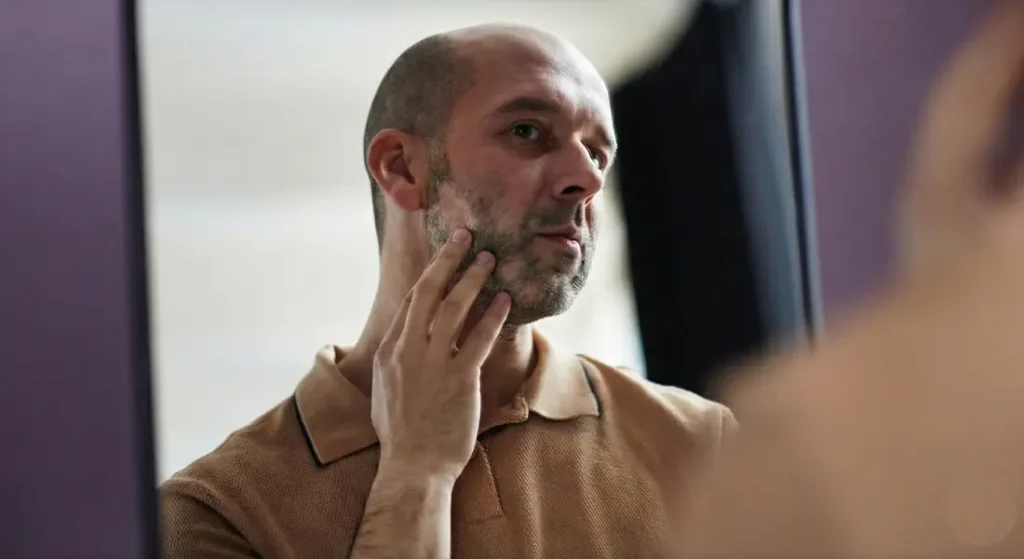
Beard hair loss can be unsettling, especially when it appears suddenly or without an obvious reason. Many men worry it signals a serious health issue, but in most cases, beard alopecia has a clear and manageable cause. Understanding why it happens is the first step towards proper diagnosis, effective treatment, and realistic expectations for regrowth.
Alopecia Areata (Autoimmune Activity): Alopecia areata is the most common cause of patchy beard hair loss and occurs when the immune system mistakenly attacks the hair follicles, leading to sudden shedding. The beard is a frequently affected area, along with the scalp.
Tinea Barbae (Fungal Infection): Tinea barbae is a fungal infection of the beard area, similar to ringworm, and presents very differently from alopecia areata. It usually causes redness, scaling, itching, broken hairs, and sometimes pustules or crusting due to active inflammation.
Traction or Grooming-Related Hair Loss: Although less common, certain grooming habits can contribute to hair loss in the beard. Over-aggressive plucking, shaving irritation, or constant pulling may weaken the follicles and lead to temporary shedding. This type of hair loss usually resolves once the irritating factors are removed.
Contact Dermatitis and Irritation: Some men develop alopecia from reactions to beard oils, skincare products, aftershaves, or dyes. These reactions can cause inflammation around the follicles and trigger shedding. Once the irritant is identified and removed, regrowth often begins naturally.
Scarring Alopecia: This is rare in the beard, but certain inflammatory or autoimmune skin conditions such as lichen planopilaris or discoid lupus can cause scarring hair loss. In these cases, the follicle is permanently damaged, meaning regrowth is not possible. Early diagnosis is vital to prevent spread.
How Dermatologists Diagnose Beard Alopecia
If you notice a patch of hair missing from your beard, consulting a dermatologist is the most important step. Diagnosis is often straightforward, but it relies on careful assessment of the skin and hair follicles to identify the underlying cause. During a clinical examination, your dermatologist looks for features such as smooth skin, broken hairs, redness, scaling, inflammation, and visible follicular openings, which help distinguish between autoimmune, infectious, inflammatory, or grooming-related hair loss.
In some cases, additional tests may be recommended. Blood tests can be useful if alopecia areata is linked to other autoimmune conditions, such as thyroid disorders, especially when there is a suggestive history. A skin biopsy is rarely required but may be performed if scarring alopecia is suspected. Once the cause is clearly identified, your dermatologist can design a personalised treatment plan to encourage regrowth and reduce the likelihood of recurrence.
Treatment Options for Beard Alopecia

Losing hair from the beard can feel distressing, but the good news is that most forms of beard alopecia are treatable. The key is identifying the exact cause, as treatment works best when it targets the underlying mechanism rather than just the visible hair loss. In many cases, dermatologists use a combination of therapies to reduce inflammation, reactivate dormant follicles, and support healthy regrowth over time.
Corticosteroid Injections (Intralesional Steroids): This is one of the most effective treatments for alopecia areata in the beard. Tiny amounts of steroid medication are injected into the affected patches to reduce local immune activity.Many people begin to see regrowth within 4–8 weeks.
Topical Corticosteroids: If injections are not suitable or the affected area is small, topical steroid creams or lotions may be prescribed. These help reduce inflammation near the follicles. They are not always as effective as injections but can be useful as supportive treatment, particularly for mild cases.
Minoxidil (Beard Growth Support): Minoxidil is widely used for scalp hair loss, but it can also stimulate beard growth. It doesn’t treat the autoimmune cause directly, but it can encourage regrowth once inflammation is under control.
JAK Inhibitors: For people with extensive or persistent alopecia areata, JAK inhibitor medications have shown promising results. These drugs target specific immune pathways that contribute to follicle inflammation.
Antifungal Treatments: If your beard hair loss is due to tinea barbae, antifungal treatment is essential. This may include oral antifungal tablets combined with topical antifungal creams or washes. Treating fungal infections promptly prevents scarring and supports full regrowth.
Treatment for Contact Dermatitis: If an allergic reaction or irritant is causing inflammation, avoiding the trigger is the most important step. Your dermatologist may prescribe creams to soothe the inflammation and restore the barrier. Once your skin heals, hair often begins to regrow naturally.
Laser and Light-Based Therapies: Some people benefit from low-level laser therapy or light-based treatments that stimulate follicles and support regrowth. These are not essential for everyone but may help in combination with other treatments.
PRP (Platelet-Rich Plasma): PRP therapy involves using your own blood plasma, which is rich in growth factors, to stimulate follicles. It is sometimes used for beard alopecia, although its results vary and it is more commonly used for scalp alopecia.
Realistic Expectations: What Kind of Regrowth Can You Expect?

Regrowth from beard alopecia can vary widely from person to person. Some individuals see full regrowth within a few months, while others experience slower progress with periods of improvement followed by shedding. This variability is normal and depends on the underlying cause and how your body responds to treatment.
In the early stages, regrowth often begins as fine, light-coloured “vellus” hairs. Over time, these hairs usually darken, thicken, and become more noticeable. Regrowth may appear patchy at first and can fill in unevenly before becoming more uniform through multiple growth cycles.
The outlook depends strongly on the cause. Hair loss due to fungal infection or irritation often regrows very well once the trigger is treated or removed. Scarring alopecia is different, as follicle damage is permanent, which is why early diagnosis and treatment are essential to protect the remaining hair.
How Long Does Treatment Take to Work?
Most treatments for beard alopecia take time, and it’s important to set realistic expectations. Early changes are often subtle, with visible regrowth usually appearing after several weeks rather than days. Corticosteroid injections tend to produce the quickest response, sometimes showing regrowth within 4–8 weeks, while topical treatments and minoxidil often require consistent use for several months before noticeable improvement occurs.
The overall timeline varies depending on the cause of hair loss, the treatment used, and how your follicles respond. You may need multiple treatment sessions, and progress can be gradual because beard hair grows more slowly than scalp hair. Patience and consistency are key.
Lifestyle Factors That Influence Beard Alopecia
Although beard alopecia is primarily a medical condition, lifestyle factors can influence how often flare-ups occur and how well the skin and hair follicles recover. Stress is one of the most important contributors, particularly in alopecia areata, as emotional or physical stress can trigger immune activity that leads to sudden hair shedding. Poor sleep and ongoing fatigue can further disrupt immune balance, making flare-ups more likely or slowing recovery.
Local habits matter as well. Over-grooming, aggressive shaving, frequent plucking, or using harsh beard products can irritate follicles and worsen inflammation. Choosing gentle grooming practices and avoiding known irritants helps create a healthier environment for regrowth. While lifestyle changes alone won’t cure beard alopecia, supporting overall immune health and reducing unnecessary follicle stress can improve treatment outcomes and reduce the risk of repeated episodes.
Managing Emotional Stress Related to Beard Hair Loss
Managing beard hair loss isn’t just about treating the skin it’s also about coping with the emotional impact. Sudden patches in the beard can affect self-confidence and self-image, particularly because facial hair is so visible and closely tied to personal identity. It’s common to feel anxious, frustrated, or self-conscious, even though the condition itself isn’t medically dangerous.
If these feelings are affecting your day-to-day life, you’re not alone. Many people experience similar emotions when dealing with unpredictable hair loss. Talking openly with family or friends, joining support groups, or seeking professional counselling can be very helpful. Clear guidance from your dermatologist about the cause, treatment plan, and likelihood of regrowth can also provide reassurance and significantly reduce anxiety.
How Dermatologists Create a Personalised Treatment Plan
A personalised treatment plan for beard alopecia is created after carefully assessing the underlying cause, the extent of hair loss, your medical history, and your expectations for regrowth. Dermatologists recognise that no two cases are the same, so treatment is tailored to your specific situation rather than relying on a single, standard approach.
In many cases, a combination of therapies is used to achieve the best results. This may include steroid injections to calm local immune activity, topical medications to support follicle recovery, and lifestyle guidance to reduce potential triggers such as stress or skin irritation. Using multiple treatments together often helps speed up regrowth and reduce the risk of further patches developing.
For people seeking advanced options or long-term management, specialist centres with experience in alopecia can provide access to a wider range of treatments and support. Exploring services that focus on alopecia treatment in London may be helpful, as these centres often combine medical, procedural, and supportive therapies to deliver more comprehensive care.
How to Protect Your Beard While You Recover
During treatment and regrowth, the skin in the beard area is often more sensitive and prone to irritation. Using gentle, non-soap cleansers and fragrance-free grooming products can help protect the skin barrier, while avoiding aggressive shaving or frequent trimming gives follicles time to recover. If the area becomes inflamed, protecting it from excessive sun exposure is also important.
Consistency with any prescribed creams or lotions is essential, as these treatments support healing and regrowth over time. Making small, mindful changes to your grooming routine can reduce irritation, improve comfort, and create the best conditions for healthy beard hair recovery.
Will Beard Alopecia Come Back? Understanding Recurrence
Beard alopecia, particularly when caused by alopecia areata, can be unpredictable, and recurrence is possible even after successful regrowth. Some people experience only a single episode that never returns, while others may notice periodic flare-ups over time. The pattern varies widely from person to person and does not necessarily indicate worsening disease.
Learning to recognise early warning signs such as itching, tingling, or the appearance of small smooth patches can make a meaningful difference. Seeking treatment at an early stage often leads to faster regrowth and may limit how large or noticeable the affected areas become.
If you experience recurring episodes, your dermatologist can help develop a long-term management strategy. This may include maintenance treatments, trigger management, and regular monitoring to keep future flare-ups under control and reduce their impact on your appearance and confidence.
When Should You See a Dermatologist?
If you notice new patches of hair loss in your beard, it’s best to consult a dermatologist as early as possible. Early assessment allows treatment to begin while the hair follicles are still healthy and capable of regrowth, which often improves outcomes and shortens recovery time. Delaying evaluation can sometimes allow the condition to progress or become more difficult to manage.
You should seek professional advice if the hair loss appears suddenly, involves more than one patch, or seems to be spreading. These patterns may indicate an underlying medical cause, such as alopecia areata or a fungal infection, that requires targeted treatment rather than watchful waiting.
It is also important to see a dermatologist if the skin beneath your beard is red, flaky, painful, or itchy. These symptoms suggest inflammation or infection and should not be ignored, as treating the skin condition itself is often key to restoring hair growth.
If you have a personal or family history of autoimmune disease, or if you are unsure why the hair loss has occurred, a dermatologist can provide clarity. Through proper examination and testing, they can identify the underlying cause and recommend the most effective treatment plan for your situation.
FAQs:
1. Is beard alopecia considered a form of alopecia areata?
Yes, beard alopecia is most commonly a manifestation of alopecia areata, an autoimmune condition in which the immune system mistakenly targets hair follicles. Medical literature published in MDPI journals explains that the beard area is a frequent site of involvement due to its high concentration of terminal hair follicles and immune sensitivity.
2. Can stress really trigger sudden beard hair loss?
Research published on PubMed and PMC consistently shows that psychological and physiological stress can act as a trigger for alopecia areata, including beard involvement. Stress does not directly cause hair follicles to die, but it can disrupt immune regulation, leading to an inflammatory response around the follicle.
3. How do dermatologists distinguish beard alopecia from fungal infections?
According to studies available through ScienceDirect and Oxford Academic, dermatologists rely on clinical appearance, dermoscopy, and laboratory testing to differentiate beard alopecia from infections such as tinea barbae. Alopecia areata presents with smooth, non-scaly patches and preserved follicular openings, whereas fungal infections show redness, scaling, broken hairs, and sometimes pustules.
4. Is beard alopecia associated with other autoimmune diseases?
Evidence from PMC and PubMed indicates that alopecia areata, including beard involvement, may coexist with other autoimmune conditions such as thyroid disease, vitiligo, or type 1 diabetes. This does not mean that everyone with beard alopecia has another autoimmune disorder, but dermatologists may recommend screening whenclinical history suggests an association.
5. Why do corticosteroid injections work so well for beard alopecia?
MDPI and ScienceDirect publications explain that intralesional corticosteroids suppress local immune activity around the affected follicles. By reducing inflammation, these injections allow dormant follicles to re-enter the growth phase. Because the medication is delivered directly into the patch, systemic side effects are minimal, and regrowth is often visible within weeks, making this one of the most effective first-line treatments for limited beard alopecia.
6. Can beard hair regrow completely after alopecia areata?
According to long-term outcome studies published in Oxford Academic journals, complete regrowth is common in non-scarring beard alopecia, particularly when treatment begins early. Initial regrowth often appears as fine, light-coloured hairs that gradually thicken and darken over successive growth cycles.
7. Does minoxidil treat the underlying cause of beard alopecia?
Research discussed in PubMed and PMC makes it clear that minoxidil does not treat the autoimmune process responsible for alopecia areata. Instead, it acts as a growth stimulant by prolonging the anagen phase of the hair cycle. Dermatologists often use minoxidil as a supportive therapy alongside anti-inflammatory treatments to encourage faster and denser regrowth once immune activity has been reduced.
8. Are JAK inhibitors effective for beard alopecia?
Recent studies published in MDPI and ScienceDirect report that JAK inhibitors can be effective in cases of moderate to severe alopecia areata, including facial hair loss. These medications work by blocking specific immune signalling pathways involved in follicular inflammation. While promising, they are usually reserved for extensive or treatment-resistant cases due to cost, monitoring requirements, and potential side effects.
9. Can lifestyle changes improve treatment outcomes?
Evidence from Oxford Academic and PMC suggests that while lifestyle changes alone do not cure beard alopecia, they can influence disease activity and recovery. Managing stress, correcting nutritional deficiencies, avoiding smoking, and reducing local irritation can support immune balance and follicle health.
10. What is the long-term prognosis for beard alopecia?
According to large clinical reviews on PubMed and ScienceDirect, the prognosis for beard alopecia is generally favourable when it is non-scarring. Many individuals experience full regrowth, although the condition can be unpredictable and may recur. Early diagnosis, targeted treatment, and regular dermatological follow-up significantly improve outcomes and help patients manage future flare-ups with confidence.
Final Thought: Managing Beard Alopecia: Steps Towards Effective Treatment and Regrowth
Beard alopecia can feel distressing, particularly when hair loss appears suddenly and affects such a visible area of the face. While the condition is often unpredictable, most forms of beard alopecia are non-scarring and treatable, especially when diagnosed early. Understanding the underlying cause whether autoimmune, infectious, inflammatory, or irritation-related plays a crucial role in choosing the right treatment and setting realistic expectations for regrowth.
If you are thinking about Alopecia treatment in London, book a consultation with our specialist at the London Dermatology Centre. Expert assessment ensures an accurate diagnosis, a personalised treatment plan, and the best possible support for managing beard alopecia confidently and effectively.
References:
1. Jimenez J. J., Issa N. T. Beard Alopecia: An Updated and Comprehensive Review of Etiologies, Presentation and Treatment. https://www.mdpi.com/2077-0383/12/14/4793
2. Frontal Fibrosing Alopecia in Men: A Review of the Literature. Clin Exp Dermatol. Oxford Academic. https://academic.oup.com/ced/article-abstract/50/7/1427/7997477
3. Alopecia Areata Barbae in a Nutshell. Skin Appendage Disord. PMC. 2023;9(3):179–186. Comprehensive summary of beard alopecia areata (BAA). https://pmc.ncbi.nlm.nih.gov/articles/PMC10264905/
4. Beard Alopecia: An Updated and Comprehensive Review of Etiologies, Presentation and Treatment. https://pubmed.ncbi.nlm.nih.gov/37510908/
5. Tinea Barbae an Overview. ScienceDirect Topics. Explanation of fungal infection of the beard area (tinea barbae). https://www.sciencedirect.com/topics/pharmacology-toxicology-and-pharmaceutical-science/tinea-barbae