


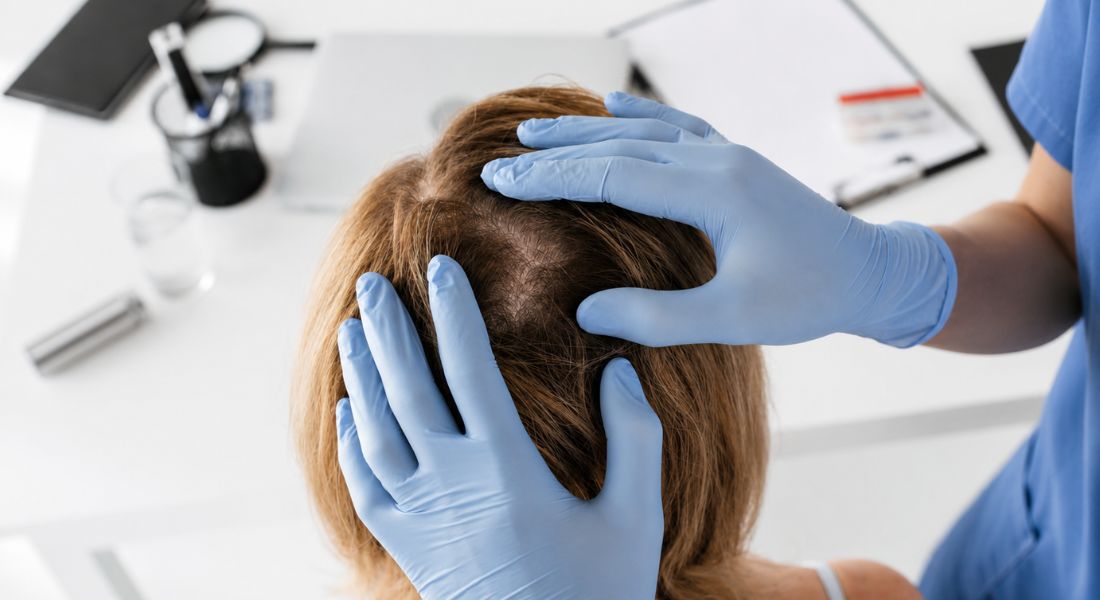
Alopecia areata is an autoimmune condition that causes sudden hair loss, often in patches, and it can have a significant impact on your confidence and quality of life. If you have severe alopecia areata involving at least 50% scalp hair loss, you may find that traditional treatments, such as corticosteroids or topical immunotherapies, do not always provide the improvement you are looking for.
The BRAVE-AA1 and BRAVE-AA2 clinical trials investigated baricitinib, an oral Janus kinase (JAK) inhibitor, as a targeted treatment for adults with severe alopecia areata involving at least 50% scalp hair loss. These studies were designed to evaluate how well baricitinib could promote hair regrowth while also assessing its safety and long-term benefits.
Understanding the design and results of the BRAVE-AA trials can help you make sense of how baricitinib fits into modern alopecia areata treatment. The findings have expanded treatment options and offered new hope for people living with this challenging condition.
What Baricitinib Is
Baricitinib inhibits JAK1 and JAK2 signalling pathways involved in the inflammatory immune response associated with alopecia areata. This can reduce immune activity around the hair follicle and allow regrowth in some people, but it does not cure the condition or guarantee that hair will regrow.
By reducing abnormal immune signalling, baricitinib helps limit the attack on your hair follicles that causes hair shedding. As the inflammation settles, your hair follicles have the opportunity to recover, which may allow you to experience gradual hair regrowth over time.
Unlike topical treatments or corticosteroid injections that only treat specific areas, baricitinib works throughout your body. If you have widespread alopecia areata or other treatments have not given you the results you hoped for, this targeted systemic approach may offer another effective treatment option.
Rationale for the BRAVE-AA Trials
The BRAVE-AA trials were designed to find out whether baricitinib could restore hair growth in adults with severe alopecia areata involving at least 50% scalp hair loss. If you are considering this treatment, understanding the purpose of these studies can help you see why baricitinib has become an important option in modern alopecia areata care.
The researchers aimed to collect robust evidence on how effective baricitinib was, how safe it was to use and whether its benefits could be maintained over time. These questions were essential for determining whether the treatment could be used confidently in routine clinical practice.
To strengthen the evidence, two large Phase III studies, BRAVE-AA1 and BRAVE-AA2, were carried out in parallel. By repeating the research in separate groups of participants, the investigators were able to confirm that the results were consistent and reliable, giving you and your clinician greater confidence in the findings.
Evidence Note
BRAVE-AA1 and BRAVE-AA2 were randomised, double-blind, placebo-controlled Phase III trials involving 1,200 adults with severe alopecia areata and at least 50% scalp hair loss. Participants received baricitinib 4 mg, baricitinib 2 mg or placebo once daily.
The primary outcome was the proportion of participants achieving a SALT score of 20 or less at Week 36. The duplicate trial design strengthened confidence that the hair-regrowth findings were reproducible across two separate study populations.
Study Design: BRAVE-AA1
BRAVE-AA1 was a randomised, double-blind, placebo-controlled Phase III clinical trial designed to evaluate how well baricitinib works for adults with severe alopecia areata involving at least 50% scalp hair loss. If you are exploring treatment options, understanding this study can help you see why baricitinib has received so much attention. The study design also helps you judge how reliable the results are.
To join the trial, participants had to have at least 50% scalp hair loss, meaning the study focused on people with clinically significant alopecia areata. If you have extensive hair loss, these are the types of patients whose results are most relevant to your situation. This allowed you to compare the outcomes with people who had a similar severity of disease.
The primary goal was to see how many participants achieved substantial scalp hair regrowth after 36 weeks of treatment. Researchers measured this using the Severity of Alopecia Tool (SALT) score, which is widely used to assess hair loss. If you are reading about clinical trials, you will often see the SALT score used to measure how well a treatment is working.
Study Design: BRAVE-AA2
BRAVE-AA2 was designed using the same rigorous methodology as BRAVE-AA1, allowing researchers to compare the results across two large clinical trials. If you are reviewing the evidence for baricitinib, this consistent study design helps you understand how reliable the findings are. The trial used the same inclusion criteria and primary endpoints to ensure meaningful comparisons.
By repeating the study in a separate group of participants, researchers were able to confirm that the results were consistent across different populations. This gives you greater confidence that the benefits of baricitinib were not limited to a single study or group of patients.
Both BRAVE-AA1 and BRAVE-AA2 also included long-term follow-up to assess safety and the durability of hair regrowth. This means you can see not only how well the treatment worked initially, but also whether the benefits and safety profile were maintained over time.
BRAVE-AA1 and BRAVE-AA2 at a Glance
| Feature | BRAVE-AA1 | BRAVE-AA2 |
| Phase | Phase III | Phase III |
| Design | Randomised, double-blind, placebo-controlled | Randomised, double-blind, placebo-controlled |
| Participants | 654 adults | 546 adults |
| Disease severity | SALT score of at least 50 | SALT score of at least 50 |
| Treatment groups | Baricitinib 4 mg, 2 mg or placebo | Baricitinib 4 mg, 2 mg or placebo |
| Primary endpoint | SALT score ≤20 at Week 36 | SALT score ≤20 at Week 36 |
| Main finding | Both doses superior to placebo | Both doses superior to placebo |
Primary Endpoint: Hair Regrowth
The primary goal of the BRAVE-AA trials was to determine how many participants achieved a SALT score of 20 or less at Week 36, meaning that no more than 20% of the scalp remained affected by hair loss. If you are reading the trial results, you will often see this measured using the Severity of Alopecia Tool (SALT) score, which is the standard way of assessing scalp hair loss in clinical studies.
Reaching this level of hair regrowth was considered a clinically meaningful improvement because it reflects a substantial reduction in visible hair loss. If you have severe alopecia areata involving at least 50% scalp hair loss, this level of regrowth may have a positive impact on both appearance and confidence.
The researchers compared the percentage of participants who reached this target in the baricitinib groups with those who received a placebo. This allowed you to see whether baricitinib provided a genuine treatment benefit beyond what might occur without active therapy.
Patient Population
The trials enrolled adults with severe alopecia areata defined by at least 50% scalp hair loss. Some participants also had eyebrow or eyelash hair loss, and these areas were evaluated through additional endpoints.
Participants had severe and often longstanding alopecia areata, but their individual treatment histories varied. The results should not be interpreted as applying only to people in whom every conventional treatment had failed.
The studies also enrolled a diverse group of participants, helping researchers evaluate baricitinib across a broad patient population. This gives you greater confidence that the results are more likely to apply to people with different backgrounds and varying patterns of alopecia areata.
Dosing Regimens
In the BRAVE-AA trials, baricitinib was taken as an oral tablet once a day at either a 2 mg or 4 mg dose. If you are considering treatment, a once-daily tablet may be easier to fit into your routine than treatments that require frequent applications or injections.
The straightforward dosing schedule offered a practical alternative to topical therapies or injectable treatments. This convenience may help you follow your treatment plan more consistently, particularly if you are managing long-term alopecia areata.
Researchers evaluated both dose levels to understand how they balanced effectiveness with safety and tolerability. If you are prescribed baricitinib, your clinician will recommend the dose that is most appropriate for your individual condition, treatment goals and overall health.
Secondary Endpoints
The BRAVE-AA trials also looked at several secondary endpoints to provide a broader picture of how well baricitinib worked. If you have hair loss affecting more than your scalp, these additional outcomes may be particularly relevant to your treatment goals.
Researchers assessed improvements in eyebrow, eyelash and body hair, alongside patient-reported outcomes that measured quality of life, confidence and the emotional impact of alopecia areata. These results helped show whether the treatment made a meaningful difference to everyday life as well as hair regrowth.
Safety and tolerability were also important parts of the secondary assessment. This means you can consider not only how effective baricitinib was, but also how well participants tolerated treatment throughout the clinical trials.
Key Findings: Efficacy
The BRAVE-AA trials showed that baricitinib 4 mg produced significantly higher rates of scalp hair regrowth than placebo. If you are considering this treatment, these findings provide strong evidence that baricitinib can promote meaningful hair regrowth in adults with severe alopecia areata involving at least 50% scalp hair loss.
In BRAVE-AA1, 38.8% of participants taking baricitinib 4 mg and 22.8% taking 2 mg achieved a SALT score of 20 or less at Week 36, compared with 6.2% receiving placebo. In BRAVE-AA2, the corresponding response rates were 35.9%, 19.4% and 3.3%.
A SALT score of 20 or less means that 20% or less of the scalp remained affected by hair loss. These results show that baricitinib improved the chance of substantial scalp hair regrowth, particularly at the 4 mg dose, but they also show that not everyone achieved the primary endpoint.
Many participants also experienced improvements in their eyebrows and eyelashes, which are areas that can be particularly difficult to treat. If you have hair loss beyond your scalp, these results suggest that the benefits of baricitinib may extend to other hair-bearing areas as well.
Rapid Onset of Action
Later analyses of BRAVE-AA data found that response timing varied. Some eventual responders showed improvement within approximately 12 weeks, while others responded gradually between Weeks 12 and 36 or after Week 36. Early regrowth should not be promised, and a lack of visible improvement during the first few months does not always predict the final response.
Early signs of hair regrowth can help encourage people to stay consistent with their medication, particularly when treating a long-term condition. If you begin to notice positive changes, you may feel more confident about continuing treatment as advised by your clinician.
Early regrowth may be personally encouraging, but response timing varies and should not be promised. For many people, seeing early improvement can boost confidence and provide reassurance that the treatment is beginning to work.
Research Insight
Longer-term analyses show that response timing varies. Some people begin responding within 12 weeks, while others improve gradually between Weeks 12 and 36 or after Week 36. People with the most extensive baseline hair loss may take longer to respond, so treatment expectations should be individualised.
Comparison Between Doses
The BRAVE-AA trials found that the 4 mg dose of baricitinib generally produced greater hair regrowth than the 2 mg dose, although both doses performed better than placebo. If you are discussing treatment with your clinician, these results can help you understand why different dose options are available.
Choosing the most appropriate dose depends on several factors, including the severity of your alopecia areata, how well you tolerate treatment and your overall medical history. Your clinician will weigh the potential benefits and risks before recommending the option that best suits your needs.
In the UK product information, the recommended adult dose for alopecia areata is 4 mg once daily. A 2 mg dose is recommended for some people with greater safety risks, including those aged 65 or over and those at increased risk of thrombosis, major cardiovascular events, malignancy or recurrent infection.
Dose selection is therefore not based only on how severe the hair loss is. Age, kidney function, infection history, cardiovascular and clotting risks, cancer risk, response and tolerability all need to be considered by the prescribing specialist.
Main Week-36 Scalp Hair-Regrowth Results
| Treatment | BRAVE-AA1 | BRAVE-AA2 |
| Baricitinib 4 mg | 38.8% | 35.9% |
| Baricitinib 2 mg | 22.8% | 19.4% |
| Placebo | 6.2% | 3.3% |
Safety Profile
The BRAVE-AA trials showed that baricitinib was generally well tolerated by most participants. If you are considering this treatment, understanding its safety profile is just as important as knowing how well it works.
The most commonly reported side effects included upper respiratory tract infections and headaches, and these were usually mild to moderate in severity. While not everyone experiences side effects, you should let your clinician know if you notice any new or persistent symptoms during treatment.
No new safety signal was identified during the reported trial periods, but this does not remove the established JAK-inhibitor warnings or exclude uncommon harms. These findings provide useful safety information from the trial programme, but they do not remove the recognised JAK-inhibitor risks or exclude uncommon and long-term adverse effects.
Quality of Life Outcomes

Alopecia areata can have a substantial emotional and social impact, so hair regrowth may be personally meaningful for many people. Participants in the BRAVE-AA programme completed patient-reported assessments alongside the clinical hair-growth measures.
However, the quality-of-life findings were less consistent than the scalp hair-regrowth results. NICE noted that the trials did not demonstrate a clear, meaningful improvement across many of the health-related quality-of-life measures compared with placebo.
This does not mean that hair regrowth has no emotional value. It means that the trial evidence was stronger for visible hair regrowth than for proving a consistent improvement in quality-of-life scores across the whole study population.
Laboratory Monitoring
Routine blood tests are recommended while you are taking baricitinib to help monitor your safety during treatment. Monitoring may include blood cell counts, liver and kidney function and blood lipids such as cholesterol. The exact schedule depends on baseline results, dose, risk factors and local prescribing protocols.
Regular monitoring becomes particularly important if you remain on treatment for a longer period. By reviewing your results at scheduled intervals, your clinician can identify any changes early and decide whether your treatment should continue or be adjusted.
Baricitinib is a selective JAK inhibitor, which provides a more targeted approach than many traditional immunosuppressive medicines. Although it has demonstrated a observed trial safety profile in clinical trials, ongoing monitoring helps identify laboratory changes or emerging risks and supports decisions about whether treatment should continue or be adjusted.
Clinical Tip
Before baricitinib is prescribed, your dermatologist may review infection history, vaccination status, blood counts, liver function, cholesterol, smoking history, cardiovascular risk, previous blood clots, cancer history and pregnancy plans. Monitoring requirements vary according to your health profile and local prescribing guidance.
Infection Risk
The BRAVE-AA trials found that mild infections were reported slightly more often in people taking baricitinib than in those receiving a placebo. Many reported infections were mild, but treatment may need to be interrupted if a serious or opportunistic infection develops.
Patients may need screening for infections such as tuberculosis and hepatitis according to clinical circumstances, and live vaccines are generally avoided during treatment. Any persistent fever, shingles-type rash, breathlessness or other signs of infection should be reported promptly.
Within the BRAVE-AA trial populations, serious events were uncommon during the reported placebo-controlled period. Individual risk assessment remains essential because uncommon and longer-term JAK-inhibitor risks cannot be ruled out by these trials.
Cardiovascular Considerations
Major cardiovascular and thrombotic events were uncommon in the BRAVE-AA trials, but the studies were not designed to rule out uncommon long-term risks. JAK inhibitors carry important safety warnings, so clinicians assess age, smoking history, cardiovascular disease, cancer risk and previous thrombosis before prescribing.
If you have existing cardiovascular risk factors, such as high blood pressure, high cholesterol or a history of heart disease, your clinician may recommend closer monitoring during treatment. This helps ensure that your overall health is taken into account alongside the potential benefits of baricitinib.
Long-term real-world studies continue to provide additional information about the safety of baricitinib in everyday clinical practice. As more evidence becomes available, you and your clinician can use both clinical trial data and real-world experience to make informed treatment decisions.
Treatment Discontinuation
Discontinuation because of adverse events was relatively uncommon during the reported trial periods. This is useful tolerability information, but it should not be interpreted as evidence that long-term treatment is low risk for every patient.
Most participants tolerated baricitinib well throughout the study, allowing researchers to assess its benefits over the planned treatment period. As with any medication, your clinician will monitor your response and discuss any side effects you may experience during treatment.
These findings support the use of baricitinib as a long-term oral treatment option for severe alopecia areata involving at least 50% scalp hair loss. If you respond well to treatment and continue regular follow-up, continued treatment may be considered when benefit continues to outweigh risk.
Implications for Clinical Practice
The BRAVE-AA trials have established baricitinib as an effective oral treatment option for adults with severe alopecia areata involving at least 50% scalp hair loss. If you have extensive hair loss, a once-daily tablet may offer a more convenient alternative to topical treatments or repeated injections.
Baricitinib may be particularly suitable if you have not achieved satisfactory results with topical therapies, corticosteroid injections or other systemic treatments. Your clinician will consider factors such as the severity of your alopecia areata, your medical history and your treatment goals before deciding whether it is the right option for you.
In clinical practice, baricitinib is used as part of a personalised management plan rather than as a standalone treatment. Alongside regular follow-up and safety monitoring, this approach helps you receive treatment that is tailored to your individual needs while supporting the best possible long-term outcomes.
Rapid Response and Patient Satisfaction
One of the most encouraging findings from the BRAVE-AA trials was that some participants experienced visible hair regrowth within the first few months of treatment. If you begin to notice early improvement, it can provide reassurance that the treatment is having an effect and help maintain motivation during the regrowth process.
Early results can also improve treatment satisfaction and encourage you to continue taking your medication as prescribed. Staying consistent with treatment is important because hair regrowth often continues gradually over time rather than happening all at once.
This is particularly important in alopecia areata, where changes in appearance can affect confidence and emotional well-being. For many people, seeing early signs of regrowth can have a positive impact on both treatment confidence and quality of life.
Maintenance Therapy
Maintaining hair regrowth often requires ongoing treatment. If you respond well to baricitinib, continuing therapy as advised by your clinician may help preserve the hair you have regained and reduce the risk of future hair loss.
Alopecia areata is a long-term autoimmune condition, so stopping treatment too soon may allow the disease to become active again. Your clinician will review your progress regularly and discuss whether continuing treatment is appropriate based on your response and overall health.
Regular follow-up appointments and routine monitoring help ensure that treatment remains both safe and effective. By attending these reviews and following your treatment plan, you can give yourself the best chance of maintaining long-term hair regrowth.
Research Insight: What Happened When Treatment Was Stopped?
In a later BRAVE-AA1 withdrawal analysis, participants who had achieved meaningful regrowth after one year were either continued on baricitinib or switched to placebo. Most people who stopped active treatment subsequently lost treatment benefit, while continued treatment was more likely to preserve regrowth.
This supports alopecia areata as a relapsing condition that may require maintenance therapy. It does not mean that treatment must continue indefinitely for everyone, because the ongoing benefit and safety risks should be reviewed regularly.
Special Populations
The BRAVE-AA trials included a diverse group of adults with severe alopecia areata involving at least 50% scalp hair loss, making the findings relevant to many people seen in everyday clinical practice. However, if you are an adolescent or have several other medical conditions, the available evidence is still more limited and further research is needed.
Treatment decisions should always be personalised to your individual circumstances. Your clinician will consider factors such as your age, overall health, other medications and the severity of your alopecia areata before recommending whether baricitinib is suitable for you.
If you have additional medical conditions or require long-term treatment, regular follow-up is especially important. Ongoing monitoring helps ensure that you continue to receive the greatest benefit from treatment while maintaining an available safety evidence.
The pivotal BRAVE-AA1 and BRAVE-AA2 trials enrolled adults. Current UK product information licenses baricitinib for severe alopecia areata in adults and states that its safety and efficacy for alopecia areata have not been established in people under 18. Treatment options for adolescents should therefore be discussed separately using age-specific licensing, evidence and NHS guidance.
Integration With Other Therapies
The pivotal BRAVE-AA trials evaluated baricitinib under controlled study conditions and did not establish that combining it routinely with other systemic or topical alopecia treatments improves outcomes. Any combination approach should be recommended by a dermatologist after considering evidence, interactions and cumulative risks.
Supportive care may include treatments aimed at improving scalp health, managing symptoms or addressing areas such as the eyebrows or eyelashes. If you are receiving more than one treatment, your clinician will explain how each option fits into your overall management plan.
Combination treatment should always be guided by a specialist rather than started independently. By tailoring therapy to your condition, treatment response and medical history, your clinician can help you achieve the best possible outcome while maintaining safety.
Patient Education

Understanding how baricitinib works can help you feel more confident about your treatment. Before you start therapy, your clinician should explain how long hair regrowth may take, the possible side effects and why regular monitoring is an important part of treatment.
Setting realistic expectations is equally important. If you know that hair regrowth is usually gradual rather than immediate, you may find it easier to stay committed to your treatment plan and avoid becoming discouraged if results take time to appear.
Good patient education also supports shared decision-making. When you understand the potential benefits and risks of treatment, you can work with your clinician to make informed decisions that reflect your individual needs and treatment goals.
Psychological Support
Alopecia areata can affect much more than your hair. If you are living with the condition, you may experience changes in self-esteem, confidence and emotional well-being, particularly if hair loss affects your daily life or social interactions.
Medical treatment is important, but emotional support can also play a valuable role in your overall care. Depending on your needs, you may benefit from counselling, psychological support or connecting with others through peer support groups who understand the challenges of living with alopecia areata.
Looking after your emotional well-being is an important part of treatment. By addressing both the physical and psychological effects of alopecia areata, you and your clinician can work towards a more comprehensive and supportive management plan.
Long-Term Management Strategy
Alopecia areata is a long-term autoimmune condition, so practical lifestyle measures that support your overall health and wellbeing rather than a short course of therapy. If you respond well to treatment, regular follow-up appointments can help monitor your progress and ensure your management plan continues to meet your needs.
Long-term management may include maintenance treatment, routine monitoring and practical lifestyle measures that support your overall health and well-being. Your clinician will review your response over time and make any necessary adjustments to help maintain hair regrowth while monitoring for potential side effects.
Starting treatment should not be delayed unnecessarily once you and your dermatologist have agreed that its potential benefits outweigh the risks. However, response cannot be predicted solely from how quickly treatment begins.
Cost and Access Considerations
Baricitinib is a newer oral treatment, so the cost and availability may vary depending on where you receive care and how your treatment is funded. If you are considering this medication, it is worth discussing these practical factors with your clinician before starting treatment.
Access to baricitinib may also depend on local prescribing guidance, healthcare funding or private medical insurance. Your clinician can explain whether the treatment is available to you and discuss any alternative options if access is limited.
Before starting private treatment, ask for a written explanation of medication, consultation, blood-test and follow-up costs. Check whether your insurer covers the medicine and ongoing monitoring, as authorisation requirements vary.
UK Access Note
Baricitinib is licensed for severe alopecia areata, but NICE does not currently recommend it for routine NHS use in adults with severe alopecia areata in England. Access may therefore differ between private care, NHS services, insurers and other healthcare systems. Your dermatologist can explain the current options available in your individual circumstances.
Real-World Applicability
The BRAVE-AA trials provide strong evidence of efficacy under controlled clinical-trial conditions. Outcomes in routine practice may differ because patients can have broader medical histories, different adherence, concomitant treatments and longer treatment exposure.
Your clinician will tailor your treatment plan to your individual circumstances, taking into account the severity of your alopecia areata, any previous treatments you have tried and your personal preferences. This personalised approach helps ensure that you receive the most appropriate care for your condition.
Regular follow-up remains an essential part of treatment. By attending routine reviews and monitoring your progress, you and your clinician can assess how well the treatment is working, manage any side effects and make adjustments if needed to achieve the best possible outcome.
Emerging Research
Research into alopecia areata continues to evolve, and future studies are expected to explore combination treatments, longer-term safety and the use of baricitinib in groups such as children, adolescents and older adults. If you are following developments in this field, these studies may provide a clearer understanding of how the treatment can be used in different patient populations.
Researchers are also working to refine personalised treatment strategies, helping clinicians identify which therapies are most likely to benefit individual patients. As new evidence becomes available, you may see treatment recommendations become increasingly tailored to disease severity, treatment history and other personal factors.
These ongoing advances will help clinicians optimise the management of alopecia areata while continuing to improve safety and long-term outcomes. For you, this means future treatment decisions are likely to be supported by an even stronger evidence base.
Shared Decision-Making
Shared decision-making is an important part of managing alopecia areata. If you are considering baricitinib, taking time to discuss your treatment options with your clinician can help you feel more confident about the decisions you make.
A clear conversation about the potential benefits, possible risks and realistic expectations helps ensure that your treatment plan reflects your individual goals and preferences. When you understand what to expect, you may find it easier to stay committed to your treatment and attend regular follow-up appointments.
This approach is especially valuable for a chronic condition such as alopecia areata, where treatment decisions can affect both your physical appearance and emotional well-being. By working together, you and your clinician can develop a personalised plan that supports the best possible long-term outcome.
Summary of Clinical Significance
The BRAVE-AA1 and BRAVE-AA2 trials have shown that baricitinib is an effective and well-tolerated oral treatment for adults with severe alopecia areata involving at least 50% scalp hair loss. If you are exploring treatment options, these studies provide strong clinical evidence to support the use of baricitinib in appropriate patients.
The trials demonstrated meaningful hair regrowth, sustained treatment benefits and improvements in quality of life for many participants. If you have experienced the emotional and physical impact of extensive hair loss, these findings highlight how targeted treatment may improve both hair growth and overall well-being.
Overall, the BRAVE-AA programme represents an important milestone in the management of alopecia areata. The results have given clinicians greater confidence in prescribing baricitinib and provide you with an evidence-based treatment option that can be considered as part of a personalised care plan.
Myth vs Fact
| Myth | Fact |
| Baricitinib works for everyone with alopecia areata. | A meaningful proportion responded, but many participants did not achieve the primary Week-36 endpoint. |
| Hair always grows back within three months. | Some people respond early, while others respond gradually or later. |
| The 4 mg dose is automatically suitable for everyone. | Dose selection depends on response, safety risks, age and medical history. |
| Once hair regrows, treatment can always be stopped. | Hair loss may return after withdrawal, and maintenance decisions require specialist advice. |
| A tablet does not require safety monitoring. | Baricitinib is a systemic JAK inhibitor and requires clinical assessment and laboratory monitoring. |
| Baricitinib is routinely funded by the NHS for alopecia areata. | NICE does not currently recommend it for routine NHS use for severe alopecia areata in adults in England. |
Key Takeaways
- BRAVE-AA1 and BRAVE-AA2 evaluated baricitinib in adults with severe alopecia areata affecting at least 50% of the scalp.
- Baricitinib 4 mg produced higher scalp hair-regrowth response rates than 2 mg and placebo at Week 36.
- Not everyone achieved substantial regrowth, and response timing varied.
- Eyebrow and eyelash improvements were also reported in some participants.
- Quality-of-life evidence was less conclusive than the scalp hair-regrowth results.
- Baricitinib is a systemic JAK inhibitor and requires careful safety assessment and monitoring.
- NICE does not currently recommend baricitinib for routine NHS treatment of severe alopecia areata in adults in England.
- Treatment and continued maintenance should be individualised with a dermatologist.
FAQs
1. What were the BRAVE-AA1 and BRAVE-AA2 trials?
The BRAVE-AA1 and BRAVE-AA2 trials were large Phase III clinical studies that evaluated the safety and effectiveness of baricitinib in adults with severe alopecia areata involving at least 50% scalp hair loss. They compared baricitinib with a placebo to determine whether the medication could promote meaningful hair regrowth.
2. What is baricitinib, and how does it work for alopecia areata?
Baricitinib is an oral Janus kinase (JAK) inhibitor that blocks specific immune pathways involved in alopecia areata. By reducing the immune attack on hair follicles, it may allow hair regrowth in some patients.
3. Who was eligible to participate in the BRAVE-AA studies?
The trials enrolled adults with severe alopecia areata, defined by a SALT score of at least 50, meaning at least half of the scalp was affected by hair loss. Eligibility also included specific requirements relating to the current episode and evidence that spontaneous improvement was unlikely.
4. How effective was baricitinib in the BRAVE-AA trials?
The studies showed that baricitinib, particularly the 4 mg dose, helped significantly more participants achieve substantial scalp hair regrowth compared with placebo. Improvements in eyebrow and eyelash hair were also reported.
5. How long does baricitinib take to show results?
The primary assessment occurred at Week 36, but later analyses found that some people continued to improve after this point. Response timing varies considerably, and some people continue improving after Week 36.
6. What side effects were reported during the BRAVE-AA studies?
Frequently reported adverse events included upper respiratory tract infections, headache and acne. Serious events were uncommon during the controlled trial period, but baricitinib also carries recognised JAK-inhibitor warnings requiring individual risk assessment.
7. Is regular monitoring required while taking baricitinib?
Yes. Regular blood tests are recommended to monitor blood cell counts, liver function and other health markers throughout treatment. Routine follow-up appointments also help assess treatment response and identify possible safety concerns.
8. Can baricitinib be combined with other alopecia areata treatments?
The pivotal trials did not prove that combining baricitinib with other active alopecia treatments improves outcomes. Any additional treatment should be discussed with the prescribing dermatologist.
9. Does hair remain after stopping baricitinib?
Alopecia areata is a chronic autoimmune condition, and hair loss may return after treatment is stopped. Ongoing therapy may be recommended to help maintain hair regrowth, depending on individual response and specialist advice.
10. What is the clinical importance of the BRAVE-AA trials?
The trials established that baricitinib increased the probability of substantial scalp hair regrowth compared with placebo in adults with severe alopecia areata. They also showed that many participants did not reach the primary endpoint and that safety monitoring remains essential.
Final Thoughts: What the BRAVE-AA Trials Mean for the Future of Alopecia Areata Care
The BRAVE-AA1 and BRAVE-AA2 trials have transformed the treatment landscape for severe alopecia areata involving at least 50% scalp hair loss by demonstrating that baricitinib can achieve meaningful and sustained hair regrowth for many eligible adults. Alongside improvements in scalp, eyebrow and eyelash hair, the studies also highlighted the positive impact that successful treatment can have on confidence, emotional wellbeing and overall quality of life.
If you’re considering Alopecia treatment in London, you can get in touch with us at London Dermatology Centre. An experienced dermatologist can assess your condition, discuss whether treatments such as baricitinib may be appropriate for you, and develop a personalised management plan based on your individual needs and treatment goals.
References:
- National Institute for Health and Care Excellence (2023) Baricitinib for treating severe alopecia areata. Technology appraisal guidance TA926. Available at:
https://www.nice.org.uk/guidance/ta926 - King, B., Ohyama, M., Kwon, O. et al. (2022) ‘Two phase 3 trials of baricitinib for alopecia areata’, New England Journal of Medicine, 386(18), pp.1687–1699. Available at:
https://pubmed.ncbi.nlm.nih.gov/35334197/ - Kwon, O., Senna, M.M., Sinclair, R. et al. (2023) ‘Efficacy and safety of baricitinib in patients with severe alopecia areata over 52 weeks of continuous therapy in two phase III trials: BRAVE-AA1 and BRAVE-AA2’, American Journal of Clinical Dermatology, 24, pp.443–451. Available at: https://pmc.ncbi.nlm.nih.gov/articles/PMC9974384/
- King, B., Mostaghimi, A., Shimomura, Y. et al. (2023) ‘Integrated safety analysis of baricitinib in adults with severe alopecia areata from two randomised clinical trials’, British Journal of Dermatology, 188(2), pp.218–227. Available at:
https://academic.oup.com/bjd/article/188/2/218/6821292 - King, B., Ko, J., Forman, S. et al. (2023) ‘When to expect scalp hair regrowth during treatment of severe alopecia areata with baricitinib: Insights from trajectory analyses of BRAVE-AA1 and BRAVE-AA2’, British Journal of Dermatology, 189(6), pp.666–673. Available at:
https://academic.oup.com/bjd/article/189/6/666/7273977