



Anyone with chronic skin conditions knows the frustrating cycle of flare-ups and remissions. After periods of improvement, symptoms often return, sometimes more intense than before, whether it’s eczema, psoriasis, or acne. This recurring pattern can feel discouraging but is common in many dermatological conditions.
Understanding why this happens is crucial in developing effective treatment plans. These conditions often have underlying triggers or immune system involvement, leading to periods of flare-ups and remission. Dermatologists work to manage these cycles by identifying triggers, using preventive treatments, and addressing flare-ups early.
To manage your condition effectively, it’s important to follow your dermatologist’s guidance and adopt strategies that minimise triggers. Consistent treatment, lifestyle adjustments, and early intervention can help break the cycle and reduce the impact of flare-ups, leading to better long-term control.
Why Skin Conditions Follow a Relapsing-Remitting Pattern
Many dermatological conditions are chronic, meaning they persist over time, often with periods of flare-ups and improvements. These conditions are influenced by a variety of factors, including genetics, immune system activity, and environmental triggers.
For example, psoriasis is an autoimmune condition where the body’s immune system attacks healthy skin cells, leading to skin flaking, redness, and irritation. Stress, infection, or weather changes can trigger flare-ups, but once the triggering factor is removed, the skin may improve. However, in the absence of long-term management, the condition often relapses.
This cycle of improvement and relapse is common in several chronic skin conditions and can be frustrating for patients who experience periods of hope, only to have symptoms return.
What Causes the Relapse in Chronic Skin Conditions?
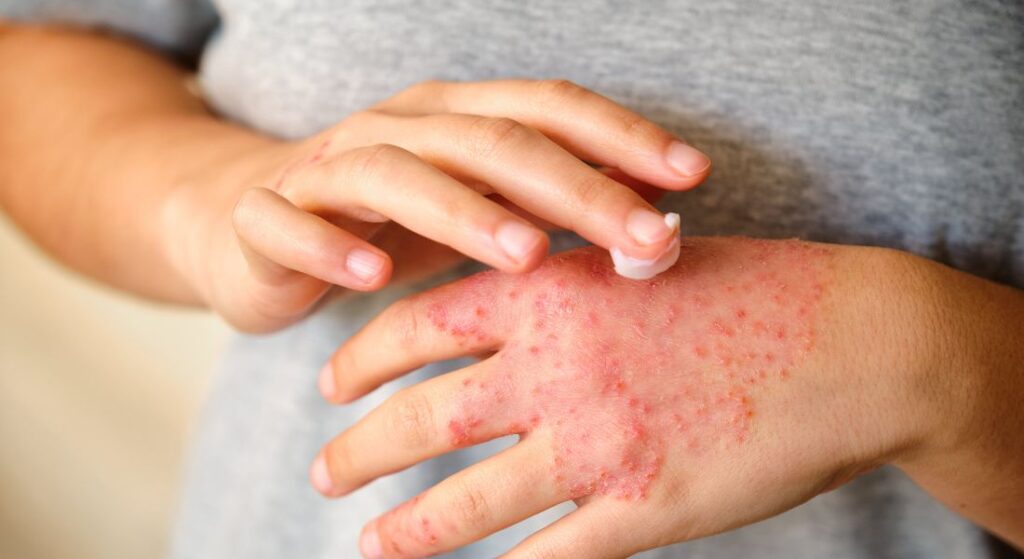
Chronic skin conditions don’t have a simple one-time trigger. Rather, they involve multiple interconnected factors, which contribute to both improvement and relapse.
1. Immune System Activity: Conditions like eczema, psoriasis, and lupus are immune-mediated. The body’s immune system becomes overactive, leading to inflammation in the skin. While flare-ups may subside when the immune response is controlled, it can reactivate if new triggers occur, leading to another flare.
2. Environmental Triggers: Weather changes, pollution, allergens, stress, or even diet can trigger a relapse. For example, dry winter air can aggravate eczema, while stress can cause psoriasis flare-ups. These external factors are often unpredictable, and they play a significant role in the cyclical nature of these conditions.
3. Hormonal Changes: Hormonal fluctuations, particularly in women, can contribute to the relapse of certain skin conditions. Conditions like acne, rosacea, and eczema can worsen during pregnancy, menstruation, or menopause. These hormonal shifts can cause flare-ups even when the skin appeared to be under control.
4. Infection: Skin conditions like eczema and psoriasis can worsen in response to bacterial or viral infections. For example, a common cold or skin infection can trigger an eczema flare.
Understanding these underlying mechanisms is essential for managing flare-ups effectively. Dermatologists take all of these factors into account when devising long-term treatment plans.
How Dermatologists Manage Relapsing Conditions
When managing chronic skin conditions, dermatologists focus on long-term control rather than aiming for a quick fix. The goal is to reduce flare frequency, manage symptoms, and prevent long-term damage.
Early Intervention and Monitoring
Proactively addressing a flare-up as soon as symptoms appear can prevent it from escalating. Regular check-ups help adjust treatments as necessary and monitor for any signs of worsening conditions.
If you notice early signs of a relapse, such as dryness, redness, or irritation, it’s important to seek advice from The London Dermatology Centre. Quick intervention can reduce the severity and duration of flare-ups.
Personalised Treatment Plans
Since triggers for skin conditions vary from person to person, treatment plans are tailored to each individual’s needs. A combination of topical treatments, lifestyle adjustments, and sometimes systemic medications are used to control symptoms.
For example, topical steroids or biologics may be prescribed for conditions like psoriasis, while emollients and anti-inflammatory creams are used for eczema. These treatments help manage the condition and reduce inflammation during flare-ups.
Managing Underlying Immune Responses
In autoimmune-related conditions, treatments that target the immune system, like biologic therapies, are often necessary. These therapies help modulate the immune response, reducing the likelihood of flare-ups and improving long-term skin health.
Long-Term Skin Care Strategies
While active treatment can control flare-ups, ongoing skin care plays a crucial role in maintaining remission. Using moisturisers, avoiding harsh skincare products, and staying hydrated can all support skin health and prevent dry, irritated skin that triggers a flare-up.
What You Can Do to Reduce Flare Frequency

Managing a chronic skin condition requires a comprehensive approach that combines prevention, consistency, and self-awareness. Implementing a few simple strategies can help reduce flare frequency and improve skin health over time.
Here’s what you can do:
1. Identifying Triggers: Understanding your personal triggers is crucial to preventing flare-ups. Keep a record of what you’re doing, eating, or experiencing when flare-ups occur, as well as any changes in the weather. This helps you spot patterns over time. Avoiding known triggers, such as certain foods, fabrics, or stressful situations, can significantly reduce the likelihood or severity of flare-ups.
2. Stick to a Routine: A consistent skincare routine helps maintain the skin’s natural barrier and prevent irritation. Include gentle cleansing, moisturising, and sun protection in your daily regimen. For conditions like eczema, using an emollient-based moisturiser can prevent dryness and reduce flare frequency.
3. Stress Management: Since stress is a common trigger for many skin conditions, managing it is essential. Techniques like yoga, mindfulness, regular exercise, and relaxation methods can lower stress levels and prevent flare-ups from being triggered by emotional factors.
4. Keep an Open Dialogue with Your Dermatologist: Regular communication with your dermatologist helps adjust your treatment plan as needed, especially if new triggers are identified. They can offer personalised advice and prescribe treatments to maintain long-term skin health.
By identifying triggers, sticking to a routine, and managing stress, you can reduce the frequency of flare-ups and improve the overall health of your skin. Staying consistent with these strategies over time will help keep your condition under control.
When to Seek Professional Help
While self-care can help manage many skin issues, professional expertise is crucial for chronic or worsening conditions. If symptoms persist or worsen despite initial treatments, it’s time to consult a dermatologist.
Seek professional help if you notice:
- Rapid worsening of symptoms – Sudden changes or escalation in severity that don’t improve with self-care or over-the-counter treatments.
- Persistent or painful flare-ups – Conditions that don’t respond to typical remedies or cause significant discomfort.
- Signs of infection – Increased redness, warmth, or discharge such as pus, indicating a potential infection.
Dermatologists can provide specialised treatments, recommend additional therapies, and closely monitor progress, ensuring that long-term management is effective and tailored to your needs.
The Role of New Treatments in Managing Chronic Skin Conditions

The rapid pace of dermatology research is leading to the development of new treatments to better manage chronic skin conditions. Biologic therapies, for example, have revolutionised the treatment of autoimmune-related conditions like psoriasis and eczema by targeting specific parts of the immune system, offering long-term symptom control with fewer side effects.
As we move into 2026, we can expect even more refined and personalised treatments tailored to individual needs. These advances will help reduce flare-ups and improve the overall quality of life for patients dealing with chronic skin conditions, offering hope for more effective and sustainable management.
With these new treatments, patients can expect more targeted therapies that are both effective and manageable, offering relief from the constant cycle of flare-ups and remissions. The future of dermatology is focused on precision and improved outcomes for long-term skin health.
FAQs:
1. Why do chronic skin conditions like eczema or psoriasis keep coming back after they seem to improve?
Chronic skin conditions often follow a relapsing-remitting cycle, meaning they improve and then flare up again. This happens because these conditions are influenced by multiple factors, such as immune system activity, environmental triggers, and lifestyle. For instance, conditions like psoriasis involve an overactive immune response that can subside temporarily but flare up when triggered by stress, infection, or changes in weather. Without continuous management, flare-ups are common even after a period of improvement.
2. What causes skin conditions like acne to relapse after treatment?
Acne relapses often occur due to a combination of factors including hormonal changes, stress, diet, and inadequate long-term care. While treatments like topical medications or antibiotics may clear acne temporarily, without addressing underlying triggers such as hormonal fluctuations or lifestyle factors, the condition may return. Proper maintenance and lifestyle adjustments are essential to prevent relapse and manage acne over time.
3. How do dermatologists manage chronic skin conditions that tend to relapse?
Dermatologists aim to manage chronic skin conditions with a long-term approach, focusing on both prevention and treatment. They help patients identify specific triggers, recommend a consistent skincare routine, and use preventive treatments to reduce flare frequency. Monitoring the condition regularly allows dermatologists to adjust treatments as needed, and early intervention can often prevent flare-ups from escalating.
4. How can I manage my chronic skin condition at home to reduce flare frequency?
Managing a chronic skin condition at home involves maintaining a consistent skincare routine, identifying and avoiding triggers, and managing stress. Regular moisturising, gentle cleansing, and sun protection are essential. Keeping track of your condition’s patterns and triggers can help prevent flare-ups. Stress management techniques, like yoga or mindfulness, are also crucial in reducing the chances of a flare.
5. When should I see a dermatologist for my skin condition, even if it seems under control?
It’s important to see a dermatologist if you notice any changes in your skin or if flare-ups start becoming more frequent. Even if your skin condition is under control, a dermatologist can help ensure it remains managed, provide advice on your skincare routine, and adjust your treatment plan if necessary. Regular check-ups can catch issues before they escalate into serious flare-ups.
6. Why are environmental triggers like weather and pollution so influential in chronic skin conditions?
Environmental triggers such as weather changes, pollution, allergens, and seasonal changes can exacerbate chronic skin conditions because they directly affect skin health. For instance, cold, dry air can aggravate eczema, while humid environments may contribute to fungal infections. Pollution can also irritate the skin, leading to flare-ups in conditions like acne and rosacea. Understanding how these factors influence your skin can help you take preventive measures.
7. How do stress and hormonal changes contribute to skin condition relapses?
Stress is a major trigger for many skin conditions, including eczema, psoriasis, and acne. Stress can trigger inflammation, weaken the skin barrier, and disrupt hormone levels, which may worsen flare-ups. Hormonal changes, especially in women during pregnancy, menstruation, or menopause, can also exacerbate skin conditions. Both stress and hormonal fluctuations can alter immune function, leading to the reappearance of symptoms.
8. Can lifestyle changes prevent chronic skin conditions from coming back?
Yes, lifestyle changes can significantly reduce the frequency and severity of flare-ups. For example, managing stress through exercise, mindfulness, and relaxation techniques can prevent flare-ups triggered by emotional factors. A balanced diet, avoiding known allergens, and adopting healthy skincare habits can also help control skin conditions. Staying hydrated and avoiding harsh skincare products can help maintain skin health and prevent relapses.
9. How does early intervention help reduce the severity of flare-ups in chronic skin conditions?
Early intervention is crucial because it can prevent flare-ups from escalating into more severe conditions. When symptoms are detected early, dermatologists can adjust treatment quickly, preventing long-term damage. Early intervention can involve adjusting medication, suggesting lifestyle changes, or identifying new triggers that could worsen the condition. Catching a flare-up in its early stages ensures it is easier to control and less disruptive.
10. What new treatments are available to help manage chronic skin conditions?
New treatments for chronic skin conditions are constantly being developed, including biologics and advanced therapies. Biologic therapies, for instance, target specific parts of the immune system involved in conditions like psoriasis and eczema, providing longer-term relief with fewer side effects than traditional treatments. As research in dermatology progresses, more personalized treatments tailored to individual needs will become available, offering patients more options for managing flare-ups effectively.
Final Thoughts: Managing Chronic Skin Conditions for Long-Term Relief
Chronic skin conditions, while frustrating with their cycle of flare-ups and remissions, can be effectively managed with the right approach. Understanding the underlying triggers and following a consistent treatment plan, as advised by your dermatologist, is crucial for reducing the frequency of flare-ups and improving long-term skin health. By staying proactive, identifying triggers, and maintaining a tailored skincare routine, you can minimise the impact of these conditions on your life. If you would like to book a consultation with one of our dermatologists, you can contact us at The London Dermatology Centre. We’re here to help you manage your skin health effectively and sustainably.
Reference:
1. Ordaz-Rodriguez, J. et al. (2024) Inflammatory memory in chronic skin disease, Journal of Investigative Dermatology. https://pubmed.ncbi.nlm.nih.gov/38708420/
2. Elewski, B.E. (2011) Eczema (Atopic Dermatitis), PubMed.
A comprehensive clinical overview of atopic dermatitis highlighting its chronic, relapsing nature and factors that influence flares and long-term disease management. https://pubmed.ncbi.nlm.nih.gov/21913202/
3. Silverberg, J.I. & Gelfand, J.M. (2024) Atopic dermatitis: chronic relapsing–remitting patterns and management, Lancet. https://www.sciencedirect.com/science/article/abs/pii/S0140673624025194
4. Smith, C. & Lee, Y. (2024) Current landscape of chronic inflammatory dermatoses, International Journal of Molecular Sciences, 46(9), pp. 611. https://www.mdpi.com/1467-3045/46/9/611
5. Gonzalez, A. & Ruiz, I. (2024) Inflammation and psoriasis: a comprehensive review, International Journal of Molecular Sciences, 24(22), 16095. https://www.mdpi.com/1422-0067/24/22/16095