



Skincare advice has never been more accessible than it is today. Online platforms, influencers, and product launches constantly promote routines and solutions for every skin concern. Despite this, skin problems such as irritation, breakouts, sensitivity, and stalled improvement are becoming increasingly common. Many people follow routines diligently and invest in high-quality products. Yet visible results often remain disappointing or inconsistent.
In clinical practice, we rarely find that these issues are caused by neglect or poor hygiene. Most patients are actively trying to care for their skin and believe they are doing the right things. Instead, problems usually arise from well-intentioned habits that do not align with skin biology. These habits often disrupt the barrier, provoke inflammation, or overwhelm repair mechanisms. Over time, the skin responds defensively rather than improving.
This article explores the most frequent skincare mistakes dermatologists encounter in everyday practice. We explain why these behaviours cause harm, even when intentions are good. More importantly, we outline how correcting these patterns can restore balance and resilience. Understanding these principles supports long-term skin health rather than short-term fixes.
Why Good Intentions Can Still Harm the Skin
Most skincare mistakes are not careless or uninformed. In practice, we see that they usually stem from people trying very hard to improve their skin. Effort is often high, routines are consistent, and products are chosen with care. However, skin responds to biology rather than intention.
Problems arise when routines become too frequent, too aggressive, or overly complex. The skin has limits to how much stimulation it can tolerate at one time. When those limits are exceeded, repair mechanisms slow instead of accelerating. The result is irritation rather than improvement.
Understanding this shifts the focus away from control and intensity. We encourage a move towards balance, restraint, and biological support. When care aligns with how skin actually functions, outcomes become more stable and sustainable.
Over-Exfoliation and Its Hidden Consequences
Exfoliation is one of the most common contributors to skin damage we encounter. Acids, scrubs, and exfoliating devices are widely used and often combined. When used too frequently, they remove protective layers faster than the skin can rebuild them. This weakens barrier integrity.
As the barrier deteriorates, inflammation increases beneath the surface. Moisture loss rises, sensitivity develops, and breakouts become more frequent. These changes may not appear immediately, which makes the damage harder to recognise early on.
The effects of over-exfoliation are often cumulative rather than sudden. Skin may tolerate excessive exfoliation for weeks before decompensating. By the time symptoms appear, barrier injury is already established.
Why Exfoliation Feels Helpful Before It Becomes Harmful

Exfoliation often feels beneficial at first, which is why overuse develops so easily. Understanding how this shift happens helps explain why skin can worsen despite good intentions.
Here’s how the pattern typically unfolds:
1. Early Exfoliation Gives Positive Feedback – We often see smoother texture, increased brightness, and a more refined feel in the early phase. These visible improvements create the impression that frequent exfoliation is necessary.
2. Early Results Reinforce Continued Use – Because the skin initially responds well, exfoliation is repeated more often. The routine feels effective and becomes habitual.
3. Barrier Damage Develops Gradually – Over time, the protective barrier weakens. Redness, sensitivity, stinging, and breakouts begin to replace smoothness and comfort.
4. Irritation Is Mistaken for Congestion – As symptoms appear, exfoliation is often increased rather than reduced. Barrier injury is misread as clogging, purging, or the need for deeper clearing.
5. A Self-Perpetuating Cycle Forms – Continued exfoliation worsens inflammation and delays recovery. Without recognising barrier damage as the cause, irritation persists and progress stalls.
We explain this cycle to help break it early. Exfoliation feels helpful until biology is pushed too far. Recovery begins when barrier health is prioritised over repeated stimulation.
Using Too Many Active Ingredients at Once
Modern skincare routines frequently include multiple active ingredients. Retinoids, exfoliating acids, vitamin C, and other treatments are often layered together. Each active stimulates a biological response that demands recovery time. When combined, these demands accumulate.
Instead of enhancing results, excessive actives overwhelm the skin’s tolerance. Repair pathways are disrupted, and inflammation becomes chronic. The skin remains in a defensive state rather than progressing towards health.
In clinical care, we prioritise clarity over complexity. Fewer actives used correctly often outperform crowded routines. Skin improves when it can respond fully rather than react constantly.
Why Product Overload Confuses the Skin
Every skincare product sends signals to the skin, guiding how it should behave and respond. When too many signals arrive at once, the skin struggles to process them effectively. Instead of supporting repair, this overload disrupts regulation and slows recovery.
Product overload confuses the skin because:
- Too many signals compete at once – Actives that promote renewal, increase turnover, or control inflammation can clash when layered together.
- Biological efficiency is reduced – The skin cannot prioritise repair when it is responding to multiple, overlapping instructions.
- Healing becomes inconsistent – An unstable barrier leads to fluctuating symptoms despite regular product use.
- Simplification restores regulation – Reducing inputs allows the skin to recover, rebalance, and rebuild more effectively.
By focusing on fewer, well-chosen products, we often see faster, more reliable improvement and better long-term skin stability.
Cleansing Too Often or Too Aggressively
Cleansing plays an important role in skin health, but excess quickly becomes harmful. We often see routines that involve washing multiple times a day or using overly strong cleansers. While the intention is cleanliness, the biological impact is barrier disruption. Skin needs balance, not constant removal.
Harsh cleansing strips away protective lipids that regulate moisture and defence. As these lipids are lost, dryness and sensitivity develop. In response, the skin may increase oil production, creating further imbalance rather than clarity.
Clean skin should feel calm and comfortable. When cleansing leaves skin tight or reactive, it signals that the barrier has been compromised. Effective cleansing supports the skin rather than exhausting it.
Why Foaming and “Squeaky Clean” Are Red Flags
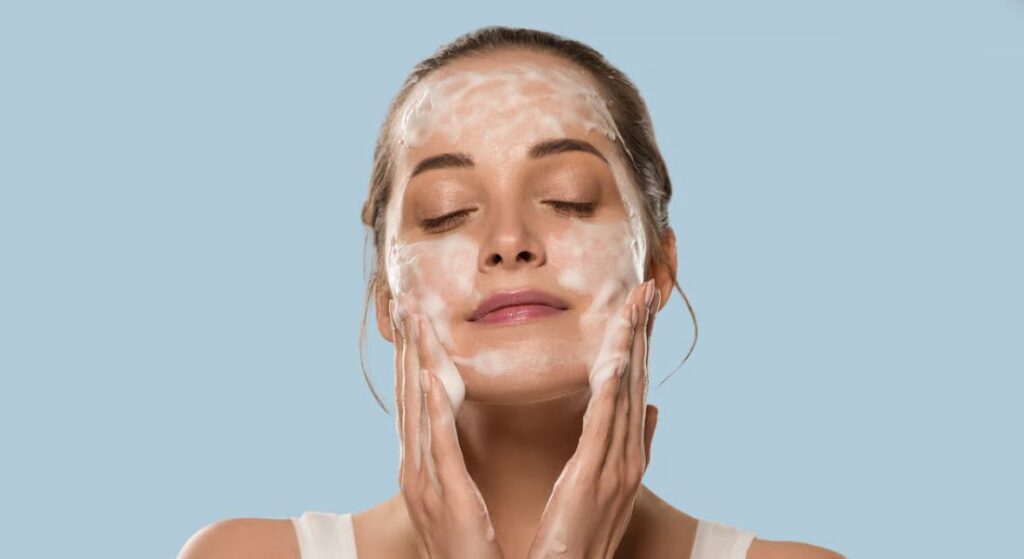
A tight or squeaky sensation after cleansing is often mistaken for effective cleaning. In reality, it usually signals early barrier stress. Understanding this helps prevent long-term skin disruption caused by overly harsh cleansing habits.
Here’s why these sensations matter:
1. “Squeaky Clean” Reflects Lipid Loss – We recognise that tightness or squeakiness after washing indicates removal of essential skin lipids. This leads to surface dehydration rather than true cleanliness.
2. Healthy Skin Should Feel Comfortable After Cleansing – Well-balanced skin retains protective oils even after cleansing. It should feel supple and settled, not stretched, bare, or uncomfortable.
3. Foaming Agents Strip Protective Components – Excessive foaming surfactants are particularly efficient at removing the barrier lipids the skin relies on. Repeated exposure weakens resilience over time.
4. Gentle Cleansing Preserves Barrier Function – By choosing gentle cleansers, barrier lipids are preserved. This supports skin stability and allows treatments to work more effectively.
We encourage comfort, not tightness, as the goal of cleansing. When the barrier is respected, the skin remains calmer, more resilient, and better able to respond to care over the long term.
Ignoring the Skin Barrier
Barrier health is one of the most commonly overlooked aspects of skincare. Many routines focus heavily on active ingredients while neglecting protection and repair. Without a functioning barrier, even well-chosen treatments struggle to perform.
A damaged barrier allows increased water loss and easier penetration of irritants. This leads to sensitivity, inflammation, and inconsistent treatment response. Progress stalls despite continued effort.
Barrier support is foundational rather than optional. When the skin’s protective layer is restored, treatments work more predictably. Stability creates the conditions needed for improvement.
Why Moisturiser Is a Medical Treatment, Not a Cosmetic Step
Moisturisers play a critical therapeutic role in skin health. They restore essential lipids, reduce transepidermal water loss, and support barrier recovery. This biological function goes far beyond cosmetic hydration.
Well-formulated moisturisers improve tolerance to active treatments. They reduce irritation and calm inflammation, allowing the skin to repair rather than react. Skipping this step prolongs instability and discomfort.
Hydration supports healing at every stage of care. Whether managing active disease or maintaining results, moisturisation underpins success. Consistent use strengthens the skin’s ability to respond positively.
Treating Symptoms Without Understanding the Cause
Redness, acne, flaking, and sensitivity are visible signs, not diagnoses. When we focus only on what is seen, improvement is often temporary and relapse is common. Lasting progress depends on identifying what is driving the skin’s behaviour beneath the surface.
Treating symptoms alone leads to problems because:
- Similar-looking conditions behave differently – Different skin disorders can appear alike but respond very differently to treatment.
- Correct treatment can still fail if the diagnosis is wrong – Applying the wrong approach accurately does not produce reliable results.
- Relapse becomes more likely – Without addressing the true cause, symptoms often return once treatment stops.
- Accuracy matters more than speed – When care is aligned with the underlying condition, responses become more stable and predictable.
By prioritising correct identification over quick fixes, we build a stronger foundation for effective, long-term skin care.
Self-Diagnosing Based on Online Content
Online skincare content often lacks essential clinical context. We regularly see routines copied from images or influencers without consideration of skin type, history, or underlying conditions. What appears effective on one person may be inappropriate for another.
Images rarely show the full picture behind improvement. Lighting, filters, short-term results, or combination treatments can distort expectations. This creates false confidence in self-diagnosis and product selection.
Personalised assessment remains irreplaceable. When care is guided by biology rather than comparison, outcomes become safer and more predictable. Context matters more than popularity.
Switching Products Too Frequently
Skin requires time to respond to treatment. We often see progress disrupted by frequent product changes driven by impatience or mixed advice. Constant switching prevents the skin from adapting and stabilising.
Many effective treatments work gradually rather than immediately. Barrier repair, inflammation reduction, and cell turnover occur over weeks, not days. Interrupting this process resets progress repeatedly.
Consistency creates clarity. When products are given adequate time, true response becomes visible. Stability allows informed adjustments rather than reactive changes.
Why Patience Is Essential in Skincare
Skin biology operates on slow timelines. Processes such as collagen production, barrier restoration, and immune regulation cannot be rushed. Expecting instant results creates unnecessary dissatisfaction.
Early improvement is often subtle rather than dramatic. Structural repair occurs beneath the surface before becoming visible. Progress may be happening even when change feels minimal.
Patience supports better decision-making. When expectations align with biology, unnecessary product changes decrease. Long-term improvement depends on allowing the skin to complete its natural repair cycles.
Using Prescription-Strength Products Without Guidance
Prescription-strength treatments can be highly effective when used correctly, but they are not inherently safe without supervision. These products influence skin biology in powerful ways, and problems often develop gradually rather than immediately. Without proper guidance, risk can outweigh benefit.
Using prescription-strength products without oversight is risky because:
- Potent actives can damage the skin – Retinoids, topical steroids, and strong treatments can disrupt the barrier, thin the skin, or trigger rebound inflammation when misused.
- Errors often go unnoticed at first – Skin may tolerate incorrect use initially, with irritation or damage appearing later rather than immediately.
- Inappropriate combinations increase harm – Mixing strong treatments without structure raises the risk of cumulative irritation and instability.
- Precision is essential for safety – Correct selection, strength, frequency, and timing maximise benefit while protecting the skin.
By using prescription treatments under professional guidance, we can harness their effectiveness safely. Potency requires precision, not experimentation, to support long-term skin health.
Incorrect Use of Topical Steroids
Topical steroids are an important medical treatment, but misunderstanding around their use is common. Problems arise not because steroids are inherently unsafe, but because they are often used incorrectly. Clear guidance helps protect both skin health and treatment outcomes.
Here’s how incorrect use affects the skin:
1. Overuse Can Damage the Skin Barrier – We recognise that excessive or prolonged steroid use can thin the skin, disrupt the barrier, and increase the risk of rebound inflammation once treatment stops.
2. Fear-Driven Underuse Leaves Disease Uncontrolled – Avoiding steroids due to fear can be just as harmful. When inflammation is not adequately treated, conditions may worsen, spread, or become chronic.
3. Strength, Duration, and Area Matter – Steroid therapy depends on using the correct strength for the right area, for an appropriate duration. Inconsistent use or prolonged application beyond guidance significantly alters outcomes.
4. Balance Is Essential for Safety and Effectiveness – Effective treatment sits between overuse and avoidance. Balance allows inflammation to settle while protecting long-term skin integrity.
5. Education and Monitoring Prevent Problems – When steroids are used correctly, they are highly effective and safe. Ongoing guidance and review ensure benefits outweigh risks and new issues are avoided.
We emphasise that correct steroid use supports control rather than causing harm. With proper education and monitoring, topical steroids remain a reliable and valuable part of dermatological care.
Applying Products in the Wrong Order
The order in which skincare products are applied directly affects how they perform. We often see irritation or poor results caused not by the product itself, but by incorrect layering. Absorption depends on sequence.
Applying strong actives before the skin is adequately supported increases sensitivity. When treatments are layered onto compromised or unprepared skin, irritation becomes more likely. Structure plays a protective role.
A logical routine improves both safety and outcomes. By respecting formulation design and skin physiology, we allow products to work as intended. Correct order supports consistency and tolerance.
Neglecting Sun Protection
Sun exposure undermines even the most carefully planned skincare routine. We regularly see pigmentation, inflammation, and premature ageing linked to inadequate UV protection. Damage accumulates silently over time.
Many active treatments increase photosensitivity. Without proper sun protection, progress is reversed faster than it is achieved. Treatment benefits cannot be maintained without defence.
Sunscreen functions as preventative medicine for the skin. Consistent protection preserves results and reduces long-term damage. Prevention remains more effective than correction.
Why Sunscreen Is Often Used Incorrectly
Most people apply far less sunscreen than required. Thin layers and missed areas create a false sense of security. Protection becomes inconsistent despite daily use.
Irregular reapplication further reduces effectiveness. Sunscreen degrades with time, sweat, and environmental exposure. Skipping reapplication leaves skin vulnerable.
Correct use is essential for meaningful protection. Adequate quantity and consistent application ensure reliability. Sunscreen only works when used properly.
Over-Cleansing Acne-Prone Skin
Acne is not caused by poor hygiene. We frequently see acne-prone skin worsened by excessive cleansing and harsh routines. Over-washing disrupts the barrier.
Stripping natural oils triggers rebound oil production. This increases congestion and inflammation rather than reducing breakouts. The cycle becomes self-perpetuating.
Gentle cleansing supports recovery. When the skin barrier is protected, reactivity decreases. Balance improves acne outcomes more effectively than aggression.
Why Harsh Treatments Worsen Acne
Acne severity is driven primarily by inflammation rather than blockage alone. When treatments are too aggressive, they irritate the skin and intensify this inflammatory response. Instead of speeding recovery, harsh approaches often prolong breakouts and discomfort.
Harsh treatments worsen acne because:
- Inflammation is amplified – Aggressive products irritate follicles, increasing redness, tenderness, and swelling.
- Healing is delayed – Inflamed tissue repairs itself more slowly, causing lesions to last longer.
- Surrounding skin is damaged – Barrier disruption makes the skin less resilient and more reactive.
- Calm skin heals more efficiently – Reducing irritation allows inflammation to settle and supports faster, more reliable recovery.
By prioritising controlled, supportive strategies over harsh intervention, we create conditions where acne can improve more effectively and sustainably.
Ignoring Lifestyle Factors
Skincare does not function in isolation from the rest of the body. We often see people using excellent products while overlooking sleep, stress, and hydration. These factors directly influence inflammation, repair, and barrier recovery. When systemic balance is disrupted, topical care alone has limited impact. Skin health reflects overall physiological regulation.
Sleep deprivation reduces the skin’s ability to repair itself effectively. We know that collagen production, barrier renewal, and immune control all decline with poor rest. Chronic stress further compounds this by increasing cortisol, which impairs healing and worsens sensitivity. In this state, even gentle routines may struggle to perform as expected.
Hydration and internal balance also play a critical role in skin resilience. We see that dehydrated or nutritionally depleted skin responds more slowly to treatment. Products support the skin, but they cannot override systemic strain. Sustainable improvement requires aligning skincare with lifestyle support, not treating them as separate systems.
Why Stress Sabotages Even Good Routines
Stress has a direct biological impact on the skin. We know that stress hormones disrupt barrier function, slow repair, and amplify inflammation. Even the most carefully designed routine can struggle when cortisol levels remain elevated. This is why flares often appear despite good product adherence.
Chronic stress also alters immune responses in the skin. We see increased sensitivity, delayed healing, and reduced tolerance to active ingredients. Skin in this state becomes reactive rather than resilient. Routine effectiveness drops because the underlying biology is working against it.
Addressing stress is therefore part of effective skin care. We encourage a broader approach that considers triggers beyond products alone. When stress is managed, the skin responds more predictably and treatment outcomes improve. Holistic care supports consistency and long-term stability.
Using Products Meant for a Different Skin Type
Skin type plays a critical role in how products behave. We often see irritation arise when products designed for oily skin are used on dry or sensitive skin. Conversely, rich formulations can overwhelm acne-prone or oily skin. Mismatch creates imbalance rather than benefit.
Each skin type has different barrier needs and tolerance levels. We assess oil production, sensitivity, hydration, and inflammation patterns before recommending products. Without this alignment, even high-quality formulations can cause harm. Reaction does not mean poor product, but poor suitability.
Customisation prevents unnecessary damage. We prioritise matching formulations to skin biology rather than trends or labels. When products align with skin type, tolerance improves and results become more consistent. Correct pairing is foundational to progress.
Assuming “Natural” Means Safe
Natural ingredients are not automatically gentle. We frequently see reactions caused by essential oils, plant extracts, and botanical fragrances. The skin responds to chemical structure, not origin. Natural substances can be just as irritating as synthetic ones.
Formulation determines safety more than marketing terms. We evaluate concentration, delivery system, and overall product balance. Many reactions occur not because an ingredient is harmful, but because it is poorly formulated or unsuitable for the skin. Context matters.
Gentle science often outperforms nature alone. We focus on evidence-based formulations designed to support the barrier and reduce inflammation. A product’s safety lies in how it behaves on the skin, not how it is described. Informed selection reduces unnecessary reactions.
Over-Treating Pigmentation
Pigmentation does not respond well to aggressive treatment. We commonly see dark marks worsen when strong actives are overused. Increased irritation stimulates further pigment production rather than clearing it. This creates a cycle of frustration.
Inflammation is a key driver of pigmentation. When the skin is repeatedly irritated, melanocytes become more active. We see rebound darkening even when treatments initially appear effective. Progress slows because the skin remains in a defensive state.
Controlled treatment produces better outcomes. We prioritise barrier protection, inflammation control, and gradual pigment regulation. Slow improvement is safer and more durable. Restraint reduces the risk of long-term worsening.
Why Treating Pigment Requires Precision
Melanocytes are highly sensitive cells. We understand that any irritation, even subtle, can stimulate pigment production. This makes pigment conditions uniquely vulnerable to over-treatment. Precision is essential to avoid unintended activation.
We tailor pigment treatment carefully based on skin tone, sensitivity, and trigger profile. Not all pigmentation behaves the same way, and not all skins tolerate the same approach. Broad strategies often fail because they ignore these nuances.
Gentle, consistent care delivers the most reliable improvement. We focus on reducing inflammation while supporting gradual correction. Precision protects the skin while allowing steady progress. This approach minimises risk and improves long-term results.
Not Adjusting Routines Seasonally
Skin needs change as the environment changes. We see that cold weather reduces humidity, increases water loss, and weakens the barrier, while warmer months often increase oil production and sweat. A routine that works well in summer may become irritating in winter. Skin biology adapts, even if routines do not.
When routines stay static, tolerance often declines. We frequently see dryness, sensitivity, or congestion emerge simply because products no longer match environmental demands. Seasonal stressors alter barrier function and immune response. Ignoring these shifts places unnecessary strain on the skin.
Seasonal adjustment improves comfort and resilience. We encourage reviewing cleansing, moisturising, and active strength as conditions change. Small, thoughtful changes often prevent flares before they start. Adaptation supports long-term skin stability.
Ignoring Early Warning Signs
Burning, stinging, and tightness are not minor inconveniences. We recognise these sensations as early indicators of barrier disruption and inflammation. When treatment continues despite these signals, damage accumulates quietly. The skin communicates stress before visible injury appears.
Many people interpret discomfort as part of progress. We see this misconception delay recovery and worsen sensitivity. Early symptoms are protective alarms, not obstacles to overcome. Ignoring them allows irritation to become chronic.
Listening to the skin changes outcomes. We advise early adjustment when warning signs appear. Reducing actives or pausing treatment often prevents escalation. Timely response preserves function and prevents long-term problems.
Why “Pushing Through” Irritation Is Harmful
Irritation is not a sign of effectiveness. We understand it as evidence of barrier breakdown and immune activation. When the skin is inflamed, repair processes slow rather than accelerate. Progress cannot occur in a defensive state.
Continuing treatment through discomfort prolongs injury. We often see increased sensitivity, pigmentation, or breakouts follow this approach. The skin becomes less tolerant over time. Healing is delayed because the underlying damage is not addressed.
Restoring comfort restores function. We prioritise calming inflammation and rebuilding the barrier before resuming treatment. Responsiveness to irritation leads to better outcomes. Healing requires flexibility, not endurance.
Why Professional Assessment Makes a Difference
Professional assessment identifies patterns that are easy to miss at home. We recognise signs of barrier damage, treatment mismatch, and evolving conditions quickly. This perspective prevents months of unnecessary trial-and-error. Expertise shortens the path to clarity.
Many skin conditions overlap in appearance. We differentiate between similar-looking problems that require very different strategies. Without reassessment, treatment may remain technically correct but biologically ineffective. Accuracy drives improvement.
Expert input protects skin health. We base decisions on observation, history, and response patterns rather than assumptions. This targeted approach reduces frustration and prevents long-term harm. Early assessment saves both time and skin integrity.
How Dermatologists Correct Skincare Mistakes
Correction usually begins with simplification. We reduce unnecessary actives and remove sources of irritation. This allows the barrier to stabilise and inflammation to settle. Recovery often starts when intensity decreases.
Restoring the barrier is central to correction. We prioritise moisturisation, gentle cleansing, and appropriate treatment spacing. Once the skin regains resilience, tolerance improves naturally. The skin responds when stress is removed.
Progress often follows restraint. We see improvement when routines become clearer and more intentional. Less stimulation allows repair mechanisms to function properly. Balance replaces overload.
When to Seek Expert Advice
If irritation, breakouts, or stalled progress persist, reassessment is important. We recognise these patterns as signs of biological mismatch rather than failure. Continuing without review often worsens the situation. Early intervention prevents escalation.
Ongoing problems suggest that the routine no longer aligns with skin behaviour. Changes in environment, health, or condition may be involved. Without adjustment, treatments lose effectiveness. Review restores direction.
A dermatologist can identify hidden contributors. We clarify diagnosis, assess barrier health, and refine strategy safely. Guided correction reduces risk and supports steady improvement.
How Specialist Care Supports Long-Term Skin Health

Specialist care prioritises stability over quick fixes. We design plans around skin biology, tolerance, and long-term behaviour. This reduces cycles of irritation and relapse. Strategy replaces intensity.
Treatment decisions are evidence-based, not trend-driven. We adjust routines thoughtfully as the skin evolves. This adaptive approach supports durability rather than short-term change. Consistency becomes sustainable.
Long-term skin health depends on informed planning. We focus on resilience, balance, and realistic goals. When care aligns with biology, improvement becomes reliable and maintainable.
FAQs:
1. Why does my skin seem worse even though I am using good-quality skincare products?
Skin problems rarely result from poor product quality alone. In most cases, issues arise because products are being used too frequently, layered incorrectly, or applied in ways that overwhelm the skin’s biology. Even excellent formulations can cause irritation or barrier damage when routines are too aggressive or complex. Skin improves when care aligns with its natural repair capacity rather than when intensity is increased.
2. How can exfoliation damage my skin if it initially makes it look smoother?
Exfoliation removes surface cells, which can temporarily improve brightness and texture. However, when exfoliation is repeated too often, the skin barrier cannot rebuild fast enough. Over time, this leads to increased inflammation, moisture loss, and sensitivity. The early benefits mask cumulative damage that only becomes visible once the barrier has been significantly weakened.
3. Is using multiple active ingredients together more effective than using one at a time?
Using multiple active ingredients does not necessarily improve results and often has the opposite effect. Each active triggers a biological response that requires recovery time. When several actives are layered together, the skin struggles to regulate inflammation and repair itself effectively. Simpler routines allow the skin to respond fully rather than react continuously.
4. Why does my skin feel tight or squeaky after cleansing, and is that a problem?
A tight or squeaky sensation after cleansing usually indicates loss of protective lipids rather than cleanliness. Healthy skin should feel calm and comfortable after washing. Repeated lipid stripping weakens the barrier, increases sensitivity, and makes the skin more reactive over time. Gentle cleansing preserves barrier integrity and supports long-term skin health.
5. Can moisturiser really make a difference if I am already using active treatments?
Moisturiser plays a critical therapeutic role by restoring barrier lipids, reducing water loss, and calming inflammation. Without barrier support, active treatments are more likely to irritate the skin and less likely to work effectively. Moisturisation allows the skin to tolerate treatment and repair itself rather than remaining in a defensive state.
6. Why do my skin problems keep returning even when treatments seem to work at first?
Temporary improvement often reflects symptom suppression rather than resolution of the underlying cause. When the barrier remains damaged or inflammation persists beneath the surface, symptoms frequently return once treatment is reduced. Long-term stability depends on correcting the driving biological factors, not just reducing visible signs.
7. Is switching products frequently preventing my skin from improving?
Yes, frequent product changes interrupt the skin’s ability to adapt and stabilise. Many skin processes, including barrier repair and inflammation reduction, occur gradually over weeks rather than days. Constant switching resets progress repeatedly, making it difficult to identify what is working and preventing sustained improvement.
8. Are prescription-strength products unsafe for long-term use?
Prescription treatments are safe and effective when used correctly under guidance. Problems usually arise from incorrect strength, duration, or combination rather than from the treatments themselves. Without supervision, potent products can quietly damage the barrier or cause rebound inflammation. Proper monitoring ensures benefits outweigh risks.
9. Why does stress affect my skin even when my routine stays the same?
Stress directly influences skin biology by altering immune signalling, hormone levels, and barrier repair. Elevated stress hormones slow healing and increase inflammation, making the skin less tolerant to products that were previously well tolerated. Managing stress supports treatment effectiveness by restoring the skin’s ability to repair itself.
10. When should I seek professional help for skincare problems?
Professional review is important when irritation, breakouts, or stalled progress persist despite consistent care. These patterns usually indicate barrier damage, treatment mismatch, or an evolving skin condition rather than poor effort. Early assessment prevents prolonged damage and allows routines to be corrected safely and effectively.
Final Thoughts: When Better Skincare Means Doing Less, Not More
Many everyday skincare problems develop not from neglect, but from routines that quietly overwhelm the skin barrier and disrupt natural repair. Over-exfoliation, excessive actives, harsh cleansing, and ignoring early irritation signals all keep the skin in a reactive state. Long-term improvement comes from restoring balance, simplifying care, and allowing the skin the time and conditions it needs to heal properly.
When progress remains inconsistent or irritation keeps returning, input from an experienced Dermatologist can make a meaningful difference by identifying hidden mistakes and realigning care with skin biology. You can book a consultation with one of our dermatologists by contacting us at the London Dermatology Centre.
References:
1. Effect of moisturizers on epidermal barrier function (2012) Clinics in Dermatology, 30(3), pp. 286–296. https://www.sciencedirect.com/science/article/abs/pii/S0738081X11002197
2. The role of moisturization as an essential component of atopic dermatitis treatment: It’s all about the fundamentals (2025) JAAD Reviews, 3, pp. 171–178. https://www.sciencedirect.com/science/article/pii/S2950198925000157
3. Proksch, E., Brandner, J.M. and Jensen, J.M. (2008) The skin: an indispensable barrier, Experimental Dermatology, 17(12), pp. 1063–1072. https://pubmed.ncbi.nlm.nih.gov/19043850/
4. Influence of skin type, race, sex, and anatomic location on epidermal barrier function, Experimental Dermatology, 21(6), e501–e505. https://pubmed.ncbi.nlm.nih.gov/22507039/
5. Baker, P., Huang, C., Radi, R., Moll, S.B., Jules, E. and Arbiser, J.L. (2023) Skin Barrier Function: The Interplay of Physical, Chemical, and Immunologic Properties, Cells, 12(23), 2745. https://www.mdpi.com/2073-4409/12/23/2745