



Dermatology is a medical field that is constantly evolving as new research, treatments, and technologies become available. When you visit a dermatologist, you are relying not only on their medical training but also on their commitment to keeping their knowledge up to date. Skin conditions, treatment methods, and patient expectations can all change quickly, which is why ongoing learning remains an important part of modern dermatology practice.
International conferences and training events give dermatologists the chance to stay informed about the latest developments in skin health and patient care. These events often cover new treatment techniques, medical research, and advances in diagnostic technology. By attending these programmes, dermatologists can learn from specialists and experts from around the world. This means they can bring updated knowledge and improved care back to you and other patients.
Training events also help dermatologists strengthen their practical skills and understand how treatments are being used in real clinical settings. Many conferences include workshops, live demonstrations, and case discussions, which allow doctors to gain confidence with newer procedures and technologies. By sharing experiences with other professionals, they can also learn different ways of managing common skin concerns. This kind of learning supports safer and more effective treatment planning for you.
As a patient, it can be reassuring to know that your dermatologist is committed to continuing education. International conferences are not simply professional gatherings or networking events. They play an important role in helping dermatologists maintain high standards of diagnosis, treatment, and patient care. Ongoing training helps ensure that you benefit from the latest knowledge and developments in modern dermatology.
Dermatology Is Always Evolving
Skin conditions can often be complex, and the way they are diagnosed and treated may change over time. New research continues to improve how dermatologists understand concerns such as Acne, Eczema, Psoriasis, Skin Cancer, pigmentation issues, and hair loss. As medical knowledge develops, treatment methods and patient care approaches can become more advanced too. This is why ongoing education remains such an important part of modern dermatology.
By attending international conferences and training events, dermatologists can stay up to date with the latest research and clinical developments. These events give them the opportunity to learn about new treatment options, advanced technologies, and changing medical guidelines. Learning from specialists and researchers from around the world can also strengthen their understanding of different skin conditions. This helps ensure the care you receive reflects current medical standards.
Continuous learning allows dermatologists to improve diagnosis, treatment planning, and patient care over time. Rather than relying only on methods they may have learnt many years ago, they can adapt to new evidence and evolving best practices. Conferences and educational programmes also create opportunities for professionals to share clinical experience and practical knowledge. For you as a patient, this ongoing commitment to learning can offer reassurance that you are receiving informed, modern, and up-to-date care.
Learning About New Research
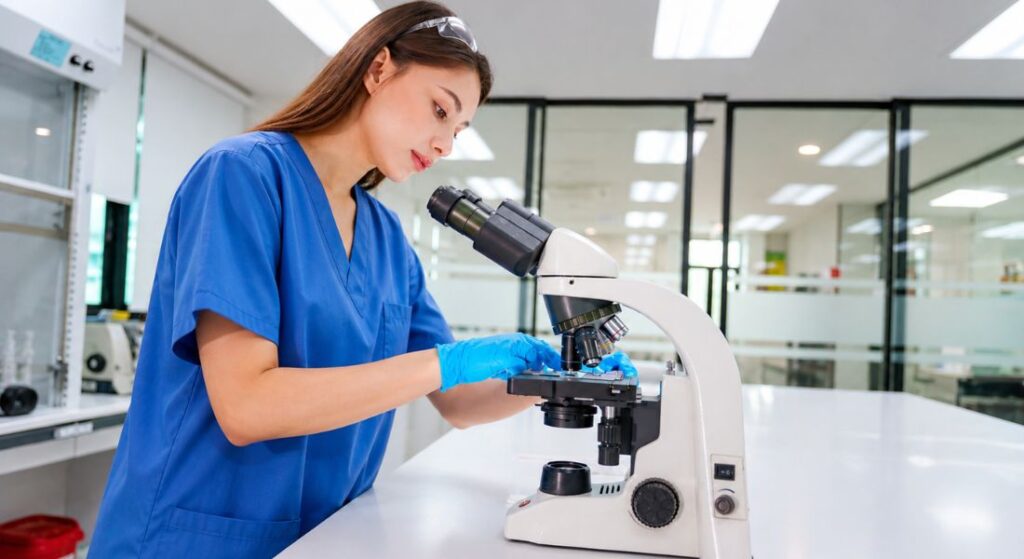
One of the main reasons dermatologists attend conferences and training events is to learn about new research in the field. Specialists from different countries often present findings from clinical studies, treatment reviews, and patient outcome data. These presentations help doctors stay informed about the latest developments in skin health and medical care. Research shared at international events can also highlight emerging trends and challenges in dermatology.
Keeping up with new research helps dermatologists understand how knowledge and treatment approaches are evolving over time. Studies may reveal better ways to manage conditions such as Acne, Eczema, Psoriasis, or Skin Cancer, while also improving patient safety and long-term results. Conferences allow doctors to hear this information directly from the experts involved in the research. This gives them a clearer understanding of how scientific evidence may influence the care you receive in everyday practice.
International conferences also give dermatologists the opportunity to assess whether newer treatments or techniques may be suitable for their own patients. Not every new approach is right for every clinic or every person, so understanding the benefits, risks, and evidence behind a treatment is important. Learning from real patient outcomes and expert discussions helps dermatologists make more informed decisions. This ongoing education supports safer, more effective, and more personalised care for you.
Staying Updated on Treatment Options
Dermatology is a fast-changing field, with new treatments and technologies emerging regularly. Both medical and cosmetic options continue to evolve as research advances. International conferences help dermatologists stay up to date with prescription medicines, laser therapies, injectables, skin surgery, and long-term care approaches. This helps ensure that the care you receive is based on current medical evidence.
- Advances in Medical and Cosmetic Treatments: Conferences often introduce the latest developments in dermatology, from new medicines to improved laser and injectable techniques. These updates help dermatologists understand what is changing and how these advances may improve patient outcomes.
- Better Communication with Patients: A well-informed dermatologist can explain a wider range of treatment options to you more clearly. They can also discuss the benefits, risks, recovery time, and expected results in a way that is easier to understand.
- More Personalised Treatment Choices: Not every treatment is suitable for every skin type, concern, or medical history. By learning from research and expert discussions, dermatologists can choose safer and more suitable options based on your individual needs.
- Improved Safety and Effectiveness: Ongoing education helps doctors understand which treatments are most appropriate in specific situations and which may be best avoided. This can reduce complications and support more reliable treatment outcomes for you.
Staying updated on treatment options is essential in a field that changes as quickly as dermatology. Regular learning allows dermatologists to refine their skills and improve the care they provide. Conferences play an important role in connecting new research with everyday clinical practice, helping to make treatment decisions safer, more effective, and more personalised for patients.
Improving Patient Safety
Patient safety is one of the most important reasons dermatologists continue their medical education throughout their careers. New treatments, procedures, and technologies need to be properly understood before they are introduced into everyday clinical practice. As dermatology continues to evolve, doctors need to stay informed about the safest and most effective ways to care for you. Ongoing training helps support high standards of medical responsibility and professional care.
International conferences and training events often include detailed discussions about treatment safety, possible side effects, and clinical risks. Dermatologists may also learn about contraindications, recovery considerations, and the correct use of medical devices or procedures. Understanding these factors is essential before offering newer treatments to patients. Learning directly from experts and clinical studies can help reduce avoidable risks and improve treatment planning for you.
Continuous education also helps ensure that patient care remains ethical, evidence-informed, and medically appropriate. Not every treatment is suitable for every person, and understanding the limitations of a treatment is just as important as understanding its benefits. Conferences allow dermatologists to review updated safety protocols and best practice guidelines used around the world. This ongoing learning helps doctors provide safer, more informed, and more responsible care for you.
Understanding Global Best Practice
International conferences give dermatologists the opportunity to learn from specialists working in different healthcare systems around the world. Treatment methods, technologies, and clinical approaches that are widely used in one country may still be developing in another. By sharing knowledge and professional experience, these events can help improve standards of dermatology care internationally. Learning from global experts also encourages a broader understanding of how doctors can support you through different skin concerns.
Attending these events allows dermatologists to compare different approaches to diagnosing and treating skin conditions. They may learn how specialists in other countries manage concerns such as Acne, Eczema, Psoriasis, Skin Cancer, or cosmetic procedures. Understanding global best practice helps doctors stay aware of new developments and evolving medical standards. This kind of international collaboration supports continuous professional growth and better-informed decisions about your care.
However, responsible dermatologists do not adopt every new trend immediately simply because it is popular elsewhere. New information and treatments should always be assessed carefully to ensure they are supported by reliable medical evidence and are appropriate for individual patients. Factors such as safety, effectiveness, your personal needs, and long-term outcomes all need to be considered before changes are introduced into practice. This balanced approach helps ensure that the care you receive remains safe, ethical, and evidence-based.
Learning From Complex Case Discussions
Many dermatology conferences include case discussions where specialists review unusual, difficult, or rare patient cases. These sessions are valuable because real-life dermatology is often more complex than what is shown in textbooks. Skin conditions can sometimes look very similar on the surface while having completely different underlying causes. Discussing real cases helps dermatologists build stronger clinical judgement and improve the way they assess your symptoms.
Learning from complex cases allows dermatologists to see how experienced specialists approach challenging situations. Conferences may include discussions about symptoms, diagnosis, treatment decisions, and patient outcomes in cases that are not straightforward. This type of learning helps doctors understand how to think carefully when symptoms overlap or when standard treatments do not work as expected. It also encourages more detailed and thoughtful assessment of your skin concerns.
For you as a patient, this ongoing learning can support more accurate diagnosis and better treatment planning. Dermatologists who regularly engage with complex case discussions may be better prepared to recognise fewer common conditions or unusual presentations. These educational sessions also encourage professionals to share clinical experience and practical knowledge. Over time, this can help improve the quality, safety, and effectiveness of the care you receive.
Keeping Up With Skin Cancer Developments
Skin Cancer diagnosis and management is an important and continually developing area of dermatology. International conferences often include updates on early detection methods, mole assessment, dermoscopy, surgical techniques, and long-term follow-up care. These educational sessions help dermatologists stay informed about changes in clinical practice and evolving medical evidence. Ongoing learning is especially important because early diagnosis can make a significant difference to treatment outcomes.
Conferences also give dermatologists the opportunity to learn from specialists who regularly manage complex skin cancer cases. Discussions may focus on recognising suspicious skin changes, improving diagnostic accuracy, and understanding when further investigation or treatment may be necessary. Learning about updated technologies and assessment techniques helps doctors make more informed decisions when evaluating your skin. This type of education supports safer and more effective care.
For you as a patient, a dermatologist staying updated on skin cancer developments can make a meaningful difference to early recognition and treatment planning. Doctors who continue learning are often better prepared to assess concerning moles or skin changes carefully and responsibly. They can also guide you towards the right next steps, investigations, or specialist care when needed. Continuous education helps ensure that skin cancer management remains accurate, evidence-based, and focused on your safety.
Advancing Knowledge in Cosmetic Dermatology
Cosmetic dermatology is an area of medicine where ongoing training and education are especially important. Treatments such as lasers, chemical peels, injectables, and energy-based devices require technical skill, careful judgement, and a strong understanding of skin structure. As technologies and techniques continue to develop, dermatologists need to stay informed about current standards and best practices. Continuous learning helps support both treatment quality and your safety as a patient.
International conferences and training events give dermatologists the opportunity to learn about newer cosmetic procedures and updated treatment methods. These events often include practical workshops, expert discussions, and clinical demonstrations focused on safe techniques and treatment planning. Dermatologists may also learn about patient selection, realistic expectations, recovery considerations, and possible complications. This type of education helps doctors approach cosmetic treatments more responsibly and professionally, so you can make informed decisions about your care.
For you, proper training in cosmetic dermatology can make a significant difference to both safety and results. Cosmetic procedures should never be treated casually, even when they seem simple or minimally invasive. A well-trained dermatologist is better equipped to assess whether a treatment is suitable for your skin, explain potential risks, and manage complications if they occur. Ongoing education helps ensure that cosmetic care remains safe, ethical, and medically informed.
Better Understanding Different Skin Types
Every patient has unique skin characteristics, including differences in skin tone, sensitivity, texture, and healing response. Because of this, a treatment that works well for one person may not always be suitable for another. Certain skin types are more likely to develop pigmentation changes, irritation, or scarring after procedures if treatments are not chosen carefully. Understanding these differences helps dermatologists create safer and more personalised treatment plans for you.
- Different Reactions to Treatment: Some skin types respond more strongly to lasers, chemical peels, or topical medications than others. If you have sensitive skin or a darker skin tone, there may be a higher risk of irritation or post-inflammatory pigmentation if a treatment is too aggressive.
- Reducing the Risk of Scarring: Conferences often explore ways to minimise scarring and improve healing outcomes across a wide range of skin types. Dermatologists can learn updated techniques that help protect the skin barrier and reduce unnecessary trauma during treatment.
- Personalised Treatment Planning: Learning about diverse skin concerns helps specialists move away from a one-size-fits-all approach. This means your treatment can be adjusted according to your skin’s needs, lifestyle, and long-term goals.
- Safer Care for Diverse Skin Tones: Educational discussions at conferences frequently focus on improving treatment safety for people with different skin tones. This helps dermatologists make more informed decisions and provide care that is both effective and respectful of your individual skin characteristics.
A better understanding of different skin types plays an important role in delivering safe and effective dermatology care. Every person’s skin responds differently, so personalised treatment decisions are essential for achieving the best results while reducing the risk of complications. Ongoing education and conference discussions help dermatologists stay informed about safer approaches for diverse patient groups. This ultimately leads to more thoughtful care, improved outcomes, and greater confidence for you when seeking treatment.
Learning About New Technology
Technology is playing an increasingly important role in modern dermatology. New developments include imaging systems, dermoscopy tools, artificial intelligence support, laser platforms, digital patient records, and teledermatology services. These technologies can help improve diagnosis, treatment planning, communication, and patient monitoring. As technology continues to evolve, dermatologists need ongoing education to understand how these tools can be used safely and effectively for you.
International conferences and training events often include demonstrations and discussions about new dermatology technologies. Dermatologists can learn how different tools are being used in real clinical settings and how they may support patient care. These sessions may also explain the strengths, limitations, and possible risks linked to certain technologies. Understanding both the benefits and the limitations is important before any new system is introduced into everyday practice.
For you as a patient, this ongoing learning helps ensure that technology is used responsibly and appropriately. While advanced tools can support diagnosis and treatment, they should never replace proper medical judgement and clinical experience. A well-trained dermatologist understands when technology may be helpful and when careful human assessment is still essential. Continuous education supports a balanced approach, helping keep your care safe, accurate, and based on current medical evidence.
Improving Diagnostic Accuracy
Accurate diagnosis is one of the most important parts of effective dermatology care. Skin concerns such as rashes, lumps, moles, pigmentation changes, or hair loss can often have several possible causes. Some conditions may look very similar even though they require completely different treatments. This is why careful assessment and clinical judgement are such important parts of the care you receive from a dermatologist.
Training events and international conferences help dermatologists refresh and strengthen their diagnostic skills over time. These educational sessions may include case discussions, image reviews, clinical updates, and expert-led presentations focused on recognising different skin conditions accurately. Learning from real patient examples can help doctors improve how they assess symptoms and interpret clinical signs. Continuous education also helps dermatologists stay aware of changing diagnostic guidelines and newer assessment methods.
For you, improved diagnostic accuracy can lead to more appropriate and effective care. Dermatologists who continue learning may be better prepared to ask detailed questions, carry out careful examinations, and recommend suitable investigations or treatments. Accurate diagnosis can also help avoid unnecessary procedures or delays in treatment. Ongoing training supports safer, more informed, and more confident decision-making in clinical practice.
Sharing Knowledge With Other Specialists
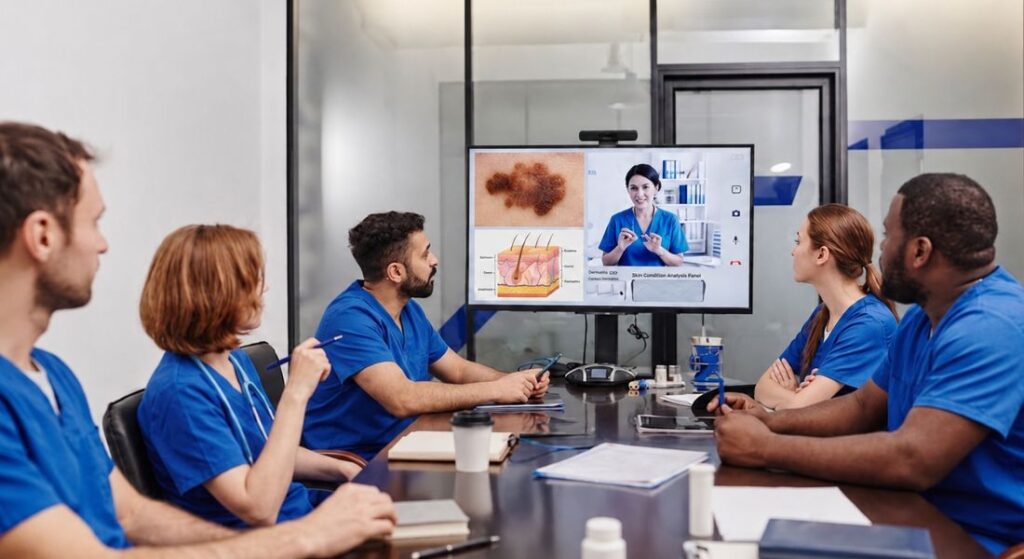
International conferences and training events give dermatologists the opportunity to learn from and speak with specialists from many different areas of medicine. This may include plastic surgeons, oncologists, immunologists, paediatric specialists, pathologists, and medical researchers. These professional discussions allow doctors to share knowledge, experiences, and different clinical perspectives. Learning from other specialties can help dermatologists better understand how your skin health may connect with wider aspects of medical care.
Many skin conditions are linked to broader health issues rather than affecting only the skin itself. Certain rashes, pigmentation changes, or inflammatory conditions may be connected to immune disorders, hormonal changes, infections, or other underlying medical concerns. By working closely with other specialists, dermatologists can build a more complete understanding of complex cases. This type of collaboration supports more thoughtful assessment and treatment planning for you.
For you as a patient, this wider medical perspective can lead to more careful and informed care. Dermatologists who regularly exchange knowledge with other specialists may be better prepared to recognise when symptoms need further investigation or referral. Conferences also encourage multidisciplinary learning, which can improve communication between different areas of healthcare. Ongoing professional collaboration helps support safer, more comprehensive, and more patient-focused dermatology care.
Understanding New Guidelines
Medical guidelines continue to evolve as new research, clinical evidence, and treatment outcomes become available. Dermatologists need to stay informed about changes in diagnosis methods, prescribing practices, treatment pathways, and patient follow-up recommendations. Keeping up with these updates helps ensure that the care you receive reflects current medical standards and best practice. Conferences play an important role by giving specialists direct access to expert discussions and the latest clinical guidance.
- Updates in Diagnosis and Treatment: Conference sessions often explain changes in how skin conditions should be diagnosed and managed. This helps dermatologists improve accuracy and make treatment decisions that align with the latest evidence-based recommendations.
- Safer Prescribing Practices: New guidelines may introduce updated advice on medication safety, dosage adjustments, or monitoring requirements. Understanding these changes helps reduce treatment risks and supports safer long-term care for you.
- Expert Panel Discussions: Many conferences include panel discussions where experienced specialists explain why guideline changes have been introduced. These conversations provide valuable clinical insight and help dermatologists apply new recommendations more confidently in everyday practice.
- Improving Follow-Up Care: Updated guidelines may also affect how patients are reviewed and monitored after treatment. Dermatologists can learn better approaches for follow-up appointments, ongoing assessment, and early identification of complications or when a treatment may not be working as expected.
Understanding new medical guidelines is essential for providing safe, modern, and effective dermatology care. As evidence changes, dermatologists need regular opportunities to update their knowledge and adapt their clinical approach. Conferences help bridge the gap between research and real-world patient care by explaining both the practical and scientific reasons behind new recommendations. This ongoing learning process ultimately supports better outcomes, improved safety, and greater confidence in the treatment decisions made for you.
Developing Practical Clinical Skills
Some dermatology training events include hands-on workshops and live demonstrations where doctors can practise and observe clinical techniques. These sessions may cover procedures such as skin surgery, laser treatments, dermoscopy, biopsies, and cosmetic techniques. Learning in a practical setting allows dermatologists to see how these methods are performed step by step. It also helps them understand the correct use of equipment and tools in real clinical environments, which can directly affect the care you receive.
Practical training is important because dermatology is not only about theoretical knowledge. It also requires precision, careful technique, and confidence when carrying out procedures on patients. Even small differences in technique can affect results, healing, and your comfort during treatment. By practising in a supervised learning environment, dermatologists can strengthen their skills in a safe and structured way.
For you as a patient, this ongoing development of practical skills can lead to better treatment experiences and outcomes. Dermatologists who regularly refine their techniques are often more confident and consistent when performing procedures. They are also better prepared to manage different clinical situations safely and effectively. Continuous hands-on learning helps ensure that the care you receive remains skilled, careful, and up to date.
Learning How to Manage Complications
Every medical treatment carries some level of risk, even when it is performed carefully and correctly. In dermatology, responsible practice means understanding how to reduce these risks as much as possible. It also means being prepared to recognise and manage complications if they do occur. This is an important part of making sure the care you receive remains safe and effective.
International training events often include dedicated sessions on complication management. These discussions may cover possible side effects, unexpected reactions, and how to respond to treatment-related issues in a clinical setting. Dermatologists can learn practical strategies for handling difficult situations, based on real cases and expert experience. This helps them build confidence and make better decisions when challenges arise in practice.
For you as a patient, this type of training can be reassuring because it shows that your dermatologist is prepared for more than just routine care. A well-trained doctor can act quickly and appropriately if a treatment does not go as expected. Learning how to manage complications helps improve safety, reduce risks, and support better overall outcomes in your dermatology care.
Supporting Ethical Medical Practice

Good dermatology is not only about providing treatments. It is also about giving you honest advice and clear guidance so you can make informed decisions about your care. A dermatologist has a responsibility to make sure you understand the potential benefits, risks, and possible outcomes of any treatment. This kind of open communication helps build trust and transparency in clinical practice.
International conferences often include discussions on medical ethics, patient communication, informed consent, and responsible treatment planning. These sessions help dermatologists reflect on how they communicate with patients and how treatment options should be presented. Ethical practice is especially important in dermatology, where concerns about appearance can sometimes make people feel more vulnerable or self-conscious. Learning from experts and case discussions helps reinforce the importance of respectful and patient-centred care.
For you as a patient, ethical medical practice means being treated with honesty and dignity at every stage of your care. A well-trained dermatologist will avoid recommending unnecessary treatments and will focus on what is genuinely appropriate for your individual needs. Ongoing education in ethics helps doctors maintain a balanced approach between medical necessity and patient expectations. This supports safer, more responsible, and more trustworthy dermatology care.
Bringing Better Communication Back to Patients
A dermatologist’s knowledge is only useful if it can be explained clearly to the patient. International conferences often help doctors improve how they communicate complex medical information in a simple and practical way. This includes explaining skin conditions, treatment options, possible risks, recovery times, and long-term care plans. Clear communication helps bridge the gap between medical knowledge and patient understanding.
These events also give dermatologists the chance to learn better ways of discussing sensitive or complex topics with patients. This may include how to explain diagnoses calmly, how to manage expectations, and how to support patients who feel anxious or unsure. Good communication is an important part of building trust and ensuring patients feel comfortable asking questions. It also helps reduce confusion and improves the overall treatment experience.
For patients, this matters because they should feel informed rather than overwhelmed or uncertain. When a dermatologist communicates clearly, it becomes easier to understand your condition and the reasons behind recommended treatments. This allows you to take a more active role in your own care and make decisions with greater confidence. Strong communication ultimately leads to better understanding, better cooperation, and better outcomes.Top of Form
Bottom of Form
Building Professional Networks
International conferences give dermatologists the opportunity to build professional relationships with experts, researchers, and clinical peers from around the world. These connections can support ongoing learning and allow doctors to exchange ideas about diagnosis, treatment, and patient care. Meeting other professionals in person can also encourage collaboration and the sharing of clinical experience. Over time, these networks help strengthen professional knowledge and support better care for you.
These professional relationships can also be useful in everyday medical practice. Dermatologists may seek advice, discuss complex cases, or gain second opinions through their professional network. In some situations, they may also refer patients to other specialists when more focused expertise is needed. This kind of collaboration helps make sure you receive well-rounded and appropriate care.
For you as a patient, this can indirectly improve the quality of care you receive. A dermatologist who is well connected with the wider medical community is often more aware of current expert opinions and new developments in the field. These professional links help support informed decision-making and up-to-date clinical practice. Strong networks ultimately contribute to more comprehensive, reliable, and patient-focused dermatology care.
FAQs:
1. Why do dermatologists attend international conferences?
Dermatologists attend international conferences to stay updated with the latest research, treatments, technologies, and clinical guidelines. These events help them improve patient care and maintain modern, evidence-based practice.
2. How do conferences help dermatologists improve patient care?
Conferences provide access to new medical knowledge, practical training, and expert discussions. This helps dermatologists refine diagnosis, improve treatment planning, and offer safer, more effective care.
3. Do dermatologists learn about new treatments at conferences?
Yes. Dermatologists learn about new medical and cosmetic treatments such as advanced laser therapies, injectable techniques, medications, and evolving skin surgery methods.
4. Why is ongoing training important in dermatology?
Dermatology is a fast-evolving field with continuous advancements in research and technology. Ongoing training ensures dermatologists stay up to date with the most effective and safe approaches.
5. How do conferences improve patient safety?
Conferences include discussions on treatment risks, side effects, and best practices. This helps dermatologists reduce complications and ensure treatments are used appropriately and safely.
6. What role does research play in dermatology conferences?
Research presentations help dermatologists understand new findings, clinical studies, and treatment outcomes. This supports evidence-based decisions in everyday patient care.
7. Do dermatologists improve practical skills at conferences?
Yes. Many conferences include workshops, live demonstrations, and hands-on training sessions that help dermatologists refine procedural and clinical skills.
8. How do conferences help with skin cancer care?
Dermatologists learn about early detection methods, diagnostic tools, biopsy techniques, and updated treatment pathways for skin cancer, improving early diagnosis and management.
9. Why is learning about global best practices important?
It allows dermatologists to compare different treatment approaches used worldwide and adopt methods that are safe, effective, and supported by strong clinical evidence
10. How do conferences benefit patients indirectly?
Patients benefit because their dermatologist stays up to date with modern treatments, improved safety standards, better diagnostic skills, and clearer communication of care options.
Final Thoughts: The Value of Continuous Learning in Modern Dermatology
Dermatology is a rapidly evolving field, and international conferences play a vital role in helping specialists stay up to date with the latest research, treatments, technologies, and clinical guidelines. This ongoing learning directly benefits patients by improving diagnostic accuracy, enhancing treatment safety, and ensuring care is based on the most current medical evidence. It also allows dermatologists to refine both their practical skills and their understanding of complex skin conditions, leading to more confident and informed decision-making in everyday practice.
Ultimately, when dermatologists invest in continuous education, patients receive care that is safer, more effective, and more personalised to their individual needs. If you would like to book a consultation with one of our dermatologists in London, you can contact us at the London Dermatology Centre or learn more through our page on a trusted Dermatologist in London.
References:
- Butt, K.I. et al. (1996) International diploma course in dermatology: educational impact and prospective, International Journal of Dermatology, 35(12), pp. 888–889. Available at: https://pubmed.ncbi.nlm.nih.gov/8970851/
- Vijayashankar, M.R. (2008) Evaluation of speakers at CME: Cosmecon 2006, an international conference on ageing and anti-ageing, Journal of Cutaneous and Aesthetic Surgery, 1(2), pp. 98–102. Available at: https://pmc.ncbi.nlm.nih.gov/articles/PMC2840897/
- Mehta, H. et al. (2024) General dermatology and dermatology in primary healthcare, Clinical and Experimental Dermatology, 49(9), pp. 1089–1090. Available at: https://pubmed.ncbi.nlm.nih.gov/38517015/
- Puri, S. et al. (2023) Technology-enhanced learning interventions in dermatology education: effectiveness and sustainability considerations, Clinical and Experimental Dermatology, 48(3), pp. 228–231. Available at: https://academic.oup.com/ced/article-abstract/48/3/228/6841391
- Harris, J.M. et al. (2001) Internet-based continuing medical education in skin cancer diagnosis, Journal of General Internal Medicine, 16(1), pp. 50–56. Available at: https://pmc.ncbi.nlm.nih.gov/articles/PMC1495165