


If you have ever wondered how dermatology treatments continue to improve year after year, conferences play a major role in that progress. These events bring together experts from around the world to share knowledge, research findings, and real clinical experience. It’s where new techniques and ideas are discussed, challenged, and refined. This process helps turn innovation into safe and effective treatments you may eventually benefit from.
London has become one of the leading global hubs for dermatology conferences. The city regularly hosts large-scale meetings attended by specialists, researchers, and professionals from across the industry. Because of this, it plays an important role in shaping the future of skin health and treatment standards. Being a central location also makes it easier for international collaboration to take place.
In this article, you will understand what typically happens at dermatology conferences in London and why they matter. You’ll also see how these events influence both practitioners and the care you receive as a patient. From new technologies to updated treatment approaches, much of what is discussed at these conferences eventually finds its way into everyday practice.
What Dermatology Conferences Are
Dermatology conferences are professional gatherings that focus on skin health and the latest treatment advancements. They bring together dermatologists, researchers, and other healthcare professionals who are involved in skin care. The main aim is to share knowledge, discuss new ideas, and improve clinical practice. These events play an important role in keeping the field of dermatology moving forward.
At these conferences, you’ll typically find a mix of lectures, hands-on workshops, and panel discussions. Experts present new research findings, demonstrate clinical techniques, and talk through real patient cases. This helps professionals stay up to date with the latest developments and refine their skills. It also encourages open discussion about what works best in practice.
Most dermatology conferences are not open to the general public, as they are designed specifically for medical professionals. However, the impact of these events still reaches you as a patient. The knowledge and techniques shared at these conferences often shape the treatments and standards of care you receive. In this way, they play a direct role in improving patient outcomes.
Why London Hosts Major Conferences
London is recognised as a global medical hub, supported by strong academic institutions and a long history of clinical excellence. Because of this, it attracts leading dermatologists, researchers, and healthcare professionals from around the world. You’ll find that many experts are keen to attend events here due to the city’s reputation. This makes it an ideal setting for major dermatology conferences.
The city also offers excellent facilities for hosting large-scale events. Many conference venues in London are designed to accommodate thousands of attendees comfortably. This allows for a wide range of lectures, workshops, and networking opportunities to take place under one roof. As a result, it supports meaningful international collaboration and knowledge exchange.
Accessibility is another key factor that works in London’s favour. The city is well connected globally, with major airports and transport links making travel convenient. This makes it easier for professionals from different countries to attend. Wider participation ultimately enriches the discussions and advances shared at these conferences.
Who Attends These Conferences
Dermatologists are the main professionals you’ll find at these conferences, as they are directly involved in diagnosing and treating skin conditions. However, they are not the only ones who attend. Researchers, nurses, and aesthetic practitioners also take part, each bringing their own expertise and perspective. This mix of professionals helps create a more well-rounded and practical discussion around skin health.
You’ll also see pharmaceutical and medical technology companies at these events. They use conferences as an opportunity to showcase new products, devices, and treatment options. This gives professionals a chance to learn about the latest innovations and understand how they might be used in real clinical practice. It also helps bridge the gap between research and everyday patient care.
Attendees often travel from many different countries, which creates a diverse and dynamic learning environment. You benefit from a wide exchange of ideas, experiences, and treatment approaches. Hearing global perspectives can challenge existing practices and introduce new ways of thinking. This diversity is one of the key reasons these conferences are so valuable.
Types of Sessions and Presentations
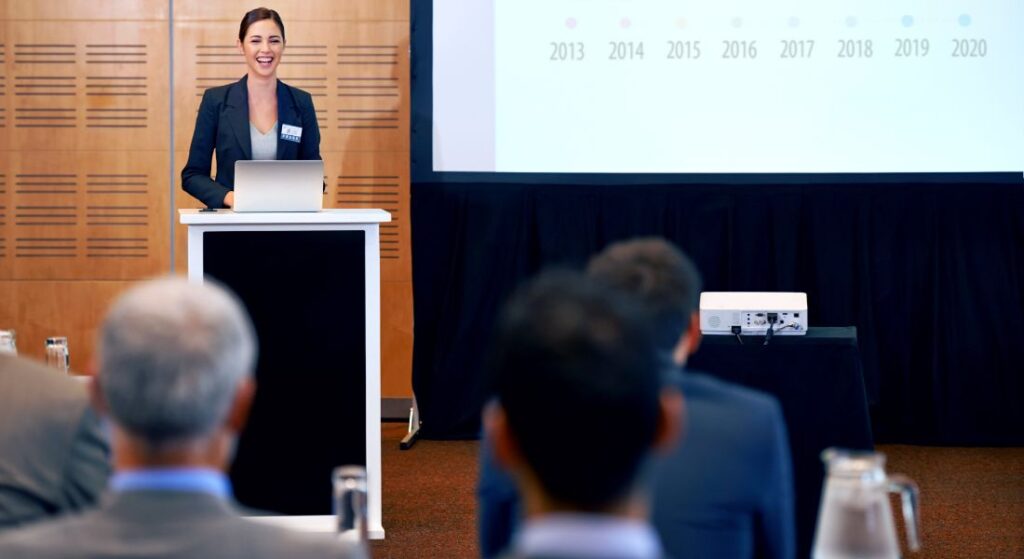
When you attend a conference, you will usually find a wide range of session formats designed to suit different learning styles. Some sessions focus on delivering information, while others encourage participation and discussion. This mix helps keep the experience engaging and more valuable for you. It also means you can choose sessions that match your interests and professional goals.
- Lectures for structured learning: Lectures are typically more formal and focus on presenting new research, data, or key insights. You will usually listen to an expert speak while following a structured presentation. This format is useful when you want to gain a clear understanding of a topic in a short amount of time.
- Workshops for hands-on experience: Workshops are more interactive and allow you to actively take part. You might practise skills, try techniques, or work through real-life scenarios. This makes it easier for you to apply what you learn in your own professional setting.
- Panel discussions for diverse perspectives: Panel sessions bring together multiple experts to discuss a topic from different viewpoints. You get to hear a range of opinions, which can help you understand complex issues more deeply. These sessions often include audience questions, making them more engaging.
- Interactive sessions for engagement and networking: Some conferences include Q&A sessions, roundtables, or group discussions. These give you the chance to share your thoughts, ask questions, and connect with others in your field. This can be especially valuable for building professional relationships.
Overall, the variety of session types ensures you gain both knowledge and practical skills. By attending different formats, you can make the most of the conference and support your ongoing professional development.
Presentation of New Research
One of the most important parts of dermatology conferences is the presentation of new research. Scientists and clinicians share their latest findings, including studies on skin conditions, treatments, and emerging technologies. This gives you a clearer picture of how the field is evolving. It also allows professionals to learn directly from those leading the research.
You’ll often find that new therapies and treatment approaches are introduced at these events. In some cases, early data is discussed before it is widely published or adopted in practice. This means professionals attending the conference are among the first to hear about potential advancements. It helps them stay ahead and prepare for future changes in patient care.
Research plays a key role in improving the understanding of skin conditions and how they should be treated. As new evidence becomes available, treatment methods can be refined and made more effective. This ongoing progress ultimately benefits you as a patient. It leads to safer, more advanced, and better-informed care.
Live Demonstrations and Practical Training
Some dermatology conferences include live demonstrations of procedures, giving you the chance to see techniques performed in real time. This makes it easier to understand how treatments are carried out in practice, rather than just in theory. Watching experts perform procedures can highlight small details that are important for achieving good results. It’s a valuable way for professionals to learn by observation.
Workshops are another key part of these events and often provide hands-on training. Attendees can practise techniques under the guidance of experienced specialists, which helps build confidence and skill. This kind of interactive learning allows you to ask questions and refine your approach. It’s especially useful for mastering newer or more advanced procedures.
Practical learning is essential in dermatology because techniques need to be applied with accuracy and care. By combining theory with hands-on experience, professionals are better prepared to treat patients safely. This reduces the risk of errors and improves overall treatment outcomes. In the end, this focus on training directly supports higher standards of patient care.
Introduction of New Technologies
Technology plays an increasingly important role in modern dermatology, and conferences are often where you first see new developments. These events showcase the latest devices and tools, from advanced diagnostic equipment to innovative treatment systems. This gives professionals a clearer understanding of how technology is shaping the future of skin care. It also highlights what may soon become part of everyday practice.
At these conferences, companies present their latest innovations directly to practitioners. This allows you to evaluate new technologies in detail, ask questions, and understand how they work in real clinical settings. Rather than relying on marketing alone, professionals can make informed decisions based on demonstrations and expert feedback. This helps ensure that only effective and safe technologies are adopted.
The introduction of new technology can significantly improve the quality of care you receive. It may lead to more accurate diagnoses, less invasive treatments, and better overall outcomes. As innovation continues to grow, so does the potential for more personalised and effective treatments. This is why technology remains a key focus at dermatology conferences.
Discussion of Treatment Guidelines

Dermatology conferences often include discussions around clinical guidelines, which are recommendations for managing different skin conditions. These guidelines are based on the latest research as well as expert consensus from experienced professionals. They help you understand what is considered safe, effective, and appropriate in current practice. This makes them an essential part of clinical decision-making.
At these events, updates to existing guidelines are often presented and explained in detail. This ensures that practitioners stay aligned with the most up-to-date standards of care. You’ll find that these updates reflect new evidence, improved techniques, or better understanding of certain conditions. Keeping up with these changes helps professionals provide more reliable and effective treatment.
Guidelines also play an important role in standardising how treatments are delivered. By following consistent recommendations, practitioners can reduce unnecessary variation in care. This ultimately benefits you as a patient by improving safety and treatment outcomes. It helps ensure that you receive a high and consistent standard of care, regardless of where you are treated.
Networking and Collaboration
When you attend a conference, networking becomes one of the most valuable parts of your experience. It gives you the chance to meet professionals from different regions, backgrounds, and areas of expertise. These connections can open doors to new ideas and opportunities that you might not encounter in your day-to-day work. Over time, this kind of interaction helps build a stronger and more connected professional community.
- Connecting with peers from different regions: Conferences bring together professionals from across the country and internationally. You get the opportunity to exchange insights, compare approaches, and learn how others handle similar challenges. This broader perspective can help you refine your own practice.
- Sharing experiences to solve complex cases: Discussing real-world cases with others can be incredibly valuable. You may gain new viewpoints or practical solutions that you had not considered before. These conversations often lead to better decision-making in complex situations.
- Opportunities for collaboration and research: Networking can lead to joint projects, whether that is research, publications, or clinical collaborations. Working with others allows you to combine expertise and explore new ideas more effectively. This type of collaboration plays an important role in advancing the field.
- Building long-term professional relationships: The connections you make at conferences often continue well beyond the event itself. Staying in touch with peers helps you keep learning and sharing knowledge over time. These relationships strengthen the wider dermatology community.
Overall, networking is not just about meeting people in the moment. It is about building meaningful connections that support your growth, encourage collaboration, and contribute to ongoing learning throughout your career.
Focus on Medical Dermatology
Many dermatology conferences place a strong focus on medical dermatology, which covers common conditions such as eczema, psoriasis, and acne. These are issues you may encounter personally or see frequently in clinical practice. The aim is to improve how these conditions are understood and treated. Ongoing research plays a key role in driving these improvements.
At these events, new therapies and updated management strategies are often discussed in detail. This helps clinicians refine how they diagnose, treat, and monitor different skin conditions. You benefit from this as it leads to more effective and tailored care. It also allows professionals to stay aligned with the latest evidence-based approaches.
Understanding the underlying mechanisms of skin diseases is just as important as treating them. Research in this area continues to evolve, offering new insights into how and why these conditions develop. Conferences provide a platform to share and discuss these findings. This ongoing exchange of knowledge supports continuous progress in patient care.
Focus on Aesthetic Dermatology
Aesthetic dermatology is also a major focus at many conferences, covering treatments related to ageing, skin quality, and overall appearance. You’ll often see discussions around procedures such as injectables, laser treatments, and skin rejuvenation techniques. These sessions highlight how aesthetic treatments continue to evolve. It gives professionals a clearer understanding of what’s possible with modern approaches.
Practitioners use these events to learn about emerging trends and newly developed techniques. This helps them stay current and offer updated services in their own practice. You benefit from having access to more advanced and refined treatment options. It also allows clinicians to tailor treatments more effectively to your needs.
Safety and effectiveness remain central to all discussions in aesthetic dermatology. Conferences place strong emphasis on responsible practice and patient wellbeing. You’ll find that new treatments are evaluated carefully before being widely adopted. This focus helps ensure that any procedures you consider are both safe and evidence-based.
Role of Pharmaceutical Companies

Pharmaceutical companies play a significant role in dermatology conferences by presenting new medications and sharing research data. This gives you insight into emerging treatments and how they may be used in clinical practice. These presentations often include clinical trial results and safety information. This helps professionals understand both the benefits and limitations of new options.
They also support conferences by sponsoring sessions, exhibitions, and educational activities. This funding helps make large-scale events possible and ensures that valuable information is widely shared. You’ll often find dedicated exhibition areas where companies showcase their latest developments. This creates opportunities for learning as well as discussion.
However, all information presented is carefully and critically evaluated by professionals. Practitioners are trained to assess the quality of evidence before applying it in practice. This ensures that decisions are based on science rather than promotion. Maintaining this level of scrutiny helps protect patient safety and uphold scientific integrity.
Importance of Evidence-Based Practice
When you attend conferences, a strong emphasis is placed on evidence-based practice. This means the treatments and techniques you use are guided by reliable scientific research rather than trends or assumptions. It helps ensure that what you offer is both effective and safe for your patients. Over time, this approach builds confidence in your clinical decisions.
- Treatments guided by scientific evidence: Evidence-based practice ensures that the treatments you choose are supported by clinical studies and proven outcomes. You are not relying on guesswork, but on methods that have been tested and validated. This improves both safety and consistency in your work.
- Developing critical evaluation skills: Conferences help you learn how to assess research properly. You become better at analysing data, understanding study results, and recognising limitations. This allows you to make more informed choices about which treatments to adopt.
- Improved clinical decision-making: When you base your decisions on solid evidence, you are more likely to choose the most appropriate treatment for each patient. This reduces uncertainty and helps you tailor care more effectively. It also supports better long-term outcomes.
- Better results with reduced risk: Evidence-based care is designed to maximise results while minimising potential risks. By following proven methods, you can avoid unnecessary complications. This directly benefits your patients and enhances the quality of care you provide.
Overall, focusing on evidence-based practice helps you deliver safer, more effective treatments. It strengthens your professional judgement and ensures that your patients receive care that is grounded in reliable, up-to-date research.
Continuing Professional Development
Attending conferences is an important part of your ongoing professional development in dermatology. The field is constantly evolving, with new research, treatments, and technologies emerging all the time. To keep up, you need to stay informed about the latest advancements. Conferences provide a structured way to do this.
Learning doesn’t stop once you’ve qualified. These events offer new insights, updated knowledge, and opportunities to develop practical skills. You can refine your approach by learning from experts and exchanging ideas with peers. This continuous development helps you stay confident and competent in your practice.
Ongoing learning directly improves the care you provide to patients. By staying current, you can offer treatments that are safe, effective, and based on the latest evidence. This ensures your approach remains relevant in modern medicine. In the end, it supports better outcomes and higher standards of care.
Influence on Patient Care
Although you don’t attend dermatology conferences as a patient, you still benefit from them in a very direct way. The knowledge shared at these events is taken back into clinical practice by healthcare professionals. This means that new ideas, techniques, and research findings can quickly start influencing the care you receive. Over time, this helps improve overall treatment outcomes.
Advances discussed at conferences often lead to better and more effective therapies. As research progresses, you gain access to improved treatment options that may be safer, faster, or more targeted. This can make a real difference in how well different skin conditions are managed. In many cases, it also means more personalised care based on the latest evidence.
Conferences play an important role in bridging the gap between research and everyday practice. They help ensure that scientific discoveries are not just theoretical, but actually applied in real clinical settings. This connection is essential for progress in dermatology. Ultimately, it supports continuous improvement in the quality of care you receive.
Global Exchange of Knowledge
International participation at dermatology conferences allows for a valuable global exchange of knowledge. You’ll find that professionals from different countries often bring varied approaches to diagnosing and treating the same skin conditions. These differences can be based on healthcare systems, available technologies, or regional clinical experience. Sharing these perspectives helps broaden understanding across the field.
This diversity of thought often leads to innovation, as new ideas can challenge established practices. When you’re exposed to different ways of thinking, it encourages professionals to reassess and refine their own methods. This can lead to improvements in techniques, treatment strategies, and overall patient care. In many cases, it also sparks collaboration on new research projects.
Global collaboration ultimately strengthens dermatology as a whole. By sharing knowledge across borders, the profession continues to evolve more quickly and effectively. You benefit from this through improved treatments and more informed care. In this way, knowledge shared at conferences has a far-reaching impact on patients worldwide.
Ethical Considerations and Safety
When you attend conferences, you will notice a strong focus on ethics and patient safety. This is especially important in aesthetic medicine, where treatments are often elective and expectations can be high. You are encouraged to practise responsibly and always prioritise patient wellbeing over anything else. This helps ensure that treatments are delivered safely and appropriately.
- Emphasis on responsible practice: Conferences highlight the importance of acting ethically in every stage of treatment. You are reminded to avoid overpromising results and to ensure treatments are genuinely suitable for each patient. This helps maintain professional integrity.
- Informed consent and patient understanding: A key part of ethical care is making sure you obtain clear, informed consent. You need to ensure your patients fully understand the procedure, potential risks, and expected outcomes. This supports transparency and helps patients make confident decisions.
- Risk management and patient safety: You will often hear discussions around identifying and managing potential risks. This includes understanding complications, recognising contraindications, and knowing how to respond if issues arise. Good risk management protects both you and your patients.
- Maintaining professional standards: Ethical guidelines help you maintain consistency in the quality of care you provide. Following these standards ensures treatments are carried out safely and responsibly. It also strengthens trust between you and your patients.
Overall, ethical considerations are a core part of safe aesthetic practice. By following clear guidelines and prioritising patient safety, you help ensure better outcomes and build long-term trust in your work.
Future Trends in Dermatology
Dermatology conferences often place a strong emphasis on future trends, giving you insight into where the field is heading. These may include advancements in technology, new treatment approaches, and evolving clinical practices. By exploring these developments early, professionals can better prepare for changes in everyday practice. This helps ensure that care continues to improve over time.
One key area of focus is emerging fields such as personalised medicine. This approach aims to tailor treatments specifically to you, based on your individual skin type, condition, and even genetic factors. The goal is to make treatments more targeted and effective, rather than using a one-size-fits-all approach. As this area develops, it has the potential to significantly improve outcomes.
Keeping up with these trends allows practitioners to stay ahead in a rapidly evolving field. It ensures they are ready to adapt as new evidence and technologies become available. This forward-thinking approach is essential in modern dermatology. Ultimately, it supports ongoing innovation and better patient care.
Importance of Choosing an Updated Practitioner
A practitioner who regularly attends dermatology conferences is more likely to stay up to date with the latest developments in the field. You can expect them to be aware of new treatments, updated techniques, and the most recent research findings. This ongoing exposure to advancements helps ensure that the care you receive is based on current knowledge rather than outdated information.
Staying updated is essential for safe and effective practice. When your practitioner follows the latest evidence and guidelines, it reduces the risk of relying on older methods that may no longer be considered best practice. This can lead to more accurate treatments, better decision-making, and improved overall outcomes for you. It also supports a higher standard of patient safety.
When you’re choosing a provider, their commitment to continuing education is an important factor to consider. It reflects their dedication to maintaining quality and improving their skills over time. A practitioner who invests in learning is more likely to deliver thoughtful, informed care. Ultimately, this level of expertise can make a meaningful difference to your treatment experience and results.
FAQs:
1. What happens at dermatology conferences in London?
At these conferences, you will find lectures, workshops, and panel discussions led by experts. Professionals share the latest research, clinical techniques, and treatment approaches. It is a space focused on learning and advancement.
2. Can you attend a dermatology conference as a member of the public?
Most dermatology conferences are designed for healthcare professionals. However, the knowledge shared at these events directly influences the care you receive from your practitioner.
3. Why is London a popular location for dermatology conferences?
London attracts leading experts due to its strong medical institutions and global accessibility. This makes it a key centre for innovation and collaboration in dermatology.
4. How do these conferences improve patient care?
The information shared at conferences helps practitioners stay updated with the latest treatments and research. This means you benefit from more effective and safer care.
5. What types of professionals attend these events?
You will find dermatologists, researchers, nurses, and aesthetic practitioners attending. Industry professionals and pharmaceutical companies are also involved in showcasing new developments.
6. Are new treatments introduced at these conferences?
Yes, new therapies and technologies are often presented. You may find that your practitioner adopts these advancements after they have been properly evaluated.
7. Do conferences include practical training?
Many conferences offer workshops and live demonstrations. These help practitioners refine their skills and learn new techniques in a controlled environment.
8. How often do dermatology conferences take place in London?
London hosts multiple dermatology conferences throughout the year. Some are large international events, while others are smaller, specialised meetings.
9. Why is evidence-based practice important in dermatology?
Evidence-based practice ensures that treatments are backed by scientific research. This helps you receive care that is both safe and effective.
10. How can you tell if your practitioner stays updated?
You can ask about their training, conference attendance, and ongoing education. A practitioner who keeps learning is more likely to offer you the most current and appropriate treatments.
Final Thoughts: Why Dermatology Conferences Matter for Your Care
Dermatology conferences in London play a vital role in advancing how skin conditions are understood and treated. While you may not attend these events yourself, the knowledge shared there directly influences the care you receive. From new research findings to improved techniques, these conferences help ensure that treatments continue to evolve. This means you benefit from safer, more effective, and up-to-date approaches.
It is also important to recognise that practitioners who attend these conferences are actively investing in their professional development. By staying informed about the latest innovations and clinical guidelines, they are better equipped to provide high-quality care. This commitment to ongoing learning can make a meaningful difference to your treatment outcomes. Choosing a provider who values education helps ensure you are in capable hands. if you would like to book a consultation with one of our dermatologists, you can contact us at the London Dermatology Centre.
References:
- Plantin, P. (2014) What’s new in paediatric dermatology? Annales de Dermatologie et de Vénéréologie, 141(Suppl. 4), S622-S629. https://pubmed.ncbi.nlm.nih.gov/25539754/
- Thareja, G. and Muthukumar, T. (2024) Partners in crime: Inferring cell-to-cell interactions in kidney allograft rejection from single-cell RNA sequencing. Transplantation, 108(2). https://pubmed.ncbi.nlm.nih.gov/39288372/
- Chen, J., Liu, Y., Wang, X., Zhang, H. and Li, J. (2024) Advances in technique, safety, and clinical outcomes. Journal of Cosmetic Dermatology, 23(5), pp. 1456-1468. https://pmc.ncbi.nlm.nih.gov/articles/PMC12256757/
- Sharma, A., et al. (2022) Applications of telemedicine in dermatology. Journal of Dermatological Treatment. https://pmc.ncbi.nlm.nih.gov/articles/PMC9445412/
- Rodriguez Orengo, A., Moynihan, A., Richardson, C.T., Green, C. and Ryan Wolf, J. (2026) ‘Patient- and provider-specific predictors of urgent care referral to dermatology: A retrospective cohort and survey study’. https://www.sciencedirect.com/science/article/pii/S2666328726000581