


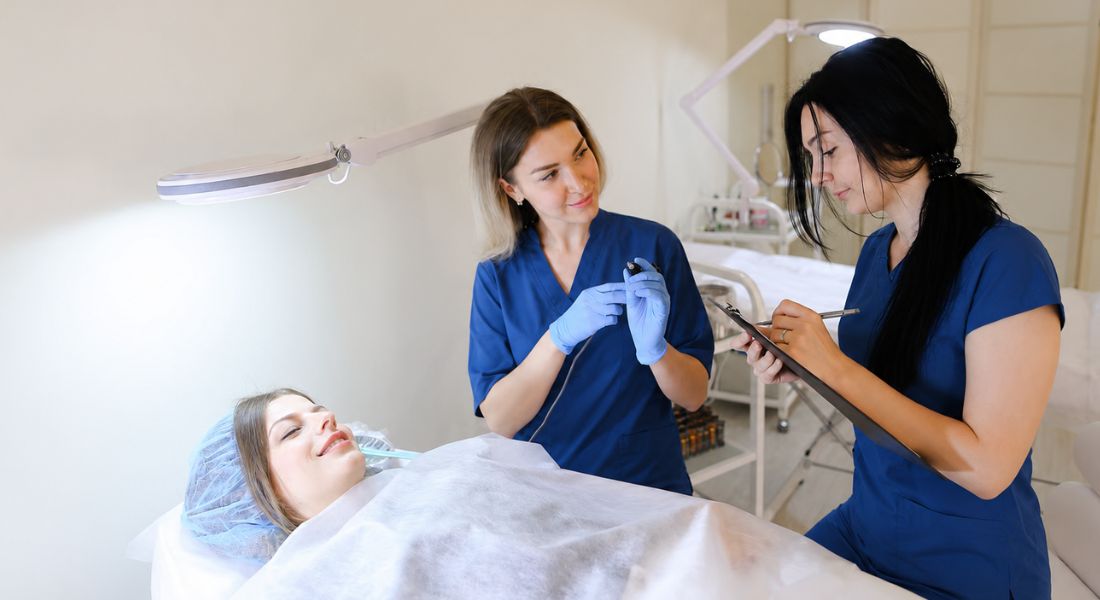
Dermatology is one of the most visually complex and fast-changing areas of medicine. You’ll see a huge range of skin conditions that can look very different in appearance and severity, which is why ongoing learning is so important for clinicians throughout their careers. This constant evolution is also why cities like London have become key hubs for dermatology training.
Across London, you’ll find clinicians taking part in specialist courses that cover everything from medical dermatology and cosmetic procedures to skin surgery, lasers, dermoscopy, and paediatric skin conditions. These programmes aren’t just about learning techniques they also help you build stronger diagnostic skills, improve safety, and refine how you communicate with patients.
When you look at it from a patient care perspective, this kind of continuous education makes a real difference. It helps ensure clinicians stay up to date with best practices and can manage a wide range of skin concerns more confidently. In the end, it all contributes to more accurate assessments and better treatment outcomes in everyday clinical practice.
Why Dermatology Requires Continuous Training
Dermatology requires continuous training because it is a field that evolves quickly with new research, technologies, and treatment options. Conditions like eczema, psoriasis, acne, and skin cancer are now managed very differently compared to even a decade ago, so staying up to date is essential for providing the best possible care.
Even after qualifying as a dermatologist, learning doesn’t stop. You’ll find that ongoing courses and workshops help clinicians refine their diagnostic skills, improve procedural techniques, and stay informed about newer therapies and approaches. Medicine keeps moving forward, so continuous education is part of everyday professional practice.
For you as a patient, this ongoing training is a real advantage. When dermatologists regularly update their knowledge and skills, it supports more accurate diagnoses, safer procedures, and more effective treatment plans. In a field that changes so quickly, continuous learning is a key part of delivering high-quality care.
Why London Is a Major Dermatology Training Centre
London has become a major centre for dermatology training because it brings together world-leading hospitals, research institutions, specialist clinics, and international conferences in one place. This creates a highly active learning environment where you can access both academic knowledge and real-world clinical experience.
As a result, many clinicians travel to London for workshops, hands-on training courses, and advanced specialist programmes. You’ll also find a strong culture of collaboration, where knowledge is shared between experts from different countries and backgrounds. This ongoing exchange helps keep training aligned with the latest developments in dermatology.
For you as a patient, this is important because it means dermatologists who train or practise in London are often closely connected to current research and modern treatment techniques. When clinicians stay engaged with continuous education, it directly supports higher standards of care, more accurate decision-making, and better overall treatment outcomes.
Medical Dermatology Training
Medical dermatology training focuses on helping clinicians diagnose and manage a wide range of skin conditions such as eczema, psoriasis, rosacea, acne, infections, and autoimmune skin diseases. In these training programmes, you’ll often see emphasis on how these conditions can appear differently depending on skin type, age, and individual health factors. You also develop the ability to pick up subtle clinical patterns, interpret test results, and decide on the most appropriate treatment approach.
Some inflammatory skin conditions can be complex and don’t always present in a straightforward way, so careful assessment and strong diagnostic skills are essential. For you as a patient, this level of training can make a real difference. When dermatologists are better trained in recognising early or subtle signs of disease, it can lead to earlier diagnosis and more effective treatment plans. Strong clinical expertise ultimately supports safer, more accurate, and more personalised care.
Pattern Recognition and Diagnostic Skills
Dermatology depends a lot on visual pattern recognition because many skin conditions can initially look quite similar. During training, you’ll find that clinicians learn to carefully assess details like lesion shape, colour, distribution, and texture in order to distinguish between different conditions.
To build this skill, doctors often study large sets of clinical images and real patient cases as part of their training. This repeated exposure helps you develop stronger observational abilities and increases diagnostic confidence over time. The more patterns you see, the easier it becomes to recognise subtle differences in practice.
When diagnostic skills are strong, it can significantly reduce delays in treatment and lower the risk of misdiagnosis. For you as a patient, this means conditions are more likely to be identified accurately and managed appropriately from an earlier stage. Pattern recognition really is one of the core foundations of effective dermatology care.
Dermoscopy Training
Dermoscopy is a diagnostic technique that uses magnification and specialised lighting to examine skin lesions in much greater detail than the naked eye alone. It is especially important in assessing moles and identifying early signs of skin cancer. Many dermatology training programmes in London include structured dermoscopy education to help clinicians build stronger diagnostic skills. This approach has become a core part of modern dermatology practice.
- Improved visualisation of skin structures: Dermoscopy allows you to see patterns and structures beneath the skin surface that are not visible during a standard examination. These details can help distinguish between benign and suspicious lesions. This improves your ability to assess skin changes more accurately.
- Better identification of skin cancer warning signs: Through training, you learn to recognise specific dermoscopic features that may indicate malignancy. These subtle signs can be difficult to detect without magnification. Early recognition plays a key role in improving patient outcomes.
- Enhanced diagnostic confidence and precision: As you become more experienced with dermoscopy, your diagnostic accuracy improves significantly. You are better able to differentiate between harmless moles and lesions that require further investigation. This reduces uncertainty in clinical decision-making.
- Improved patient monitoring and safety: Dermoscopy is not only useful for initial diagnosis but also for tracking changes in lesions over time. Regular monitoring helps detect any concerning evolution early. This leads to safer, more proactive patient care.
Dermoscopy training therefore plays a vital role in strengthening clinical practice in dermatology. By improving how you evaluate skin lesions, it supports earlier detection and more accurate diagnosis of conditions such as skin cancer. As a result, patients benefit from safer assessments and more reliable monitoring over time.
Skin Cancer Education
Skin cancer education is a major part of dermatology training because early and accurate diagnosis can make a significant difference to outcomes. In these courses, clinicians learn how to recognise conditions such as melanoma, basal cell carcinoma, and squamous cell carcinoma, along with when to perform a biopsy and how to plan appropriate treatment or surgical management. Prevention and early detection are also strongly emphasised.
You’ll often find that training includes practical elements like dermoscopic image analysis, case reviews, and sometimes surgical demonstrations. This hands-on approach helps clinicians understand how different skin cancers can present in real patients, and how risk factors such as sun exposure, skin type, and family history can influence both diagnosis and treatment decisions.
For you as a patient, this level of education is extremely important. When clinicians are well trained in recognising early signs of skin cancer, it allows for faster identification and safer, more effective treatment. Strong training doesn’t just improve knowledge it directly supports better outcomes and greater confidence in clinical decision-making.
Surgical Dermatology Courses
Surgical dermatology courses focus on helping clinicians safely perform common procedures such as mole removals, skin biopsies, cyst excisions, and skin cancer surgery. In these training programmes, you’ll learn how to carry out procedures with precision, including correct operative techniques, careful tissue handling, and proper wound closure methods.
You’ll also be taught how to reduce scarring and support better healing outcomes, which is an important part of dermatologic surgery. A strong understanding of skin anatomy is essential here, as it guides how procedures are planned and carried out to achieve both safe and effective results.
For you as a patient, this ongoing surgical training is very valuable. When dermatologists continually refine their procedural skills, it improves both the medical safety and cosmetic appearance of results. Better training leads to more consistent outcomes, and ultimately supports higher-quality care in everyday practice.
Cosmetic Dermatology Training
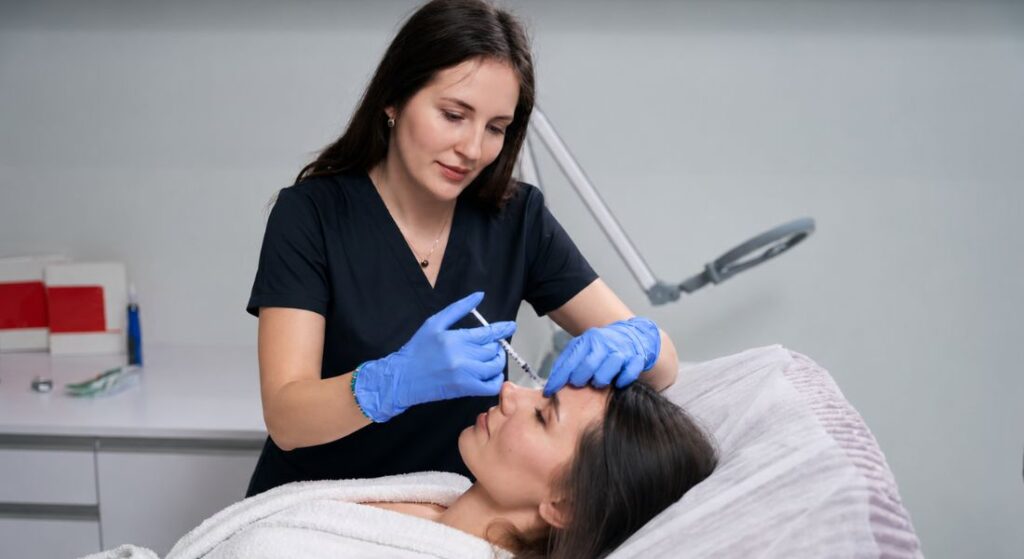
Cosmetic dermatology training in London covers a wide range of aesthetic procedures, including injectables, fillers, skin rejuvenation treatments, lasers, thread lifts, and other advanced non-surgical techniques. Because cosmetic medicine is constantly evolving, these courses help clinicians stay updated with the latest methods and technologies.
During training, you’ll find that the focus isn’t just on technique, but also on understanding facial anatomy, selecting the right patients, and managing any potential complications safely. Ethical practice and patient safety are central parts of learning, since cosmetic procedures require careful medical judgement as well as technical skill.
For you as a patient, this level of training is really important. When your treatment is carried out by a properly trained clinician, you benefit from a better balance of safety, precision, and natural-looking results. Good education doesn’t just improve technique it directly influences the quality and consistency of your outcomes.
Laser and Energy-Based Device Training
Laser and energy-based device training is an important part of modern dermatology because these technologies are used to treat a wide range of skin concerns, including pigmentation, vascular conditions, acne scars, rosacea, hair removal, and overall skin rejuvenation. In these courses, you’ll learn how different laser systems work and when each one is most appropriate to use.
You’ll also be taught how to assess skin type carefully, as this plays a major role in treatment safety and effectiveness. A big part of the training focuses on preventing complications, understanding correct settings, and providing proper aftercare. Because lasers are powerful tools, even small mistakes in usage can potentially lead to skin damage, which is why precision and safety protocols are so important.
For you as a patient, this level of training ensures treatments are carried out more safely and effectively. When clinicians understand how to adjust energy-based devices to suit your skin, the results are more controlled and predictable. Proper expertise means better outcomes, fewer risks, and a more tailored approach to your individual skin needs.
Training in Treating Different Skin Types
Skin conditions and cosmetic treatments don’t always behave the same way across different skin tones, which is why training in this area has become increasingly important. In dermatology, you’ll often encounter variations in how diseases present in lighter versus darker skin, and this can directly affect diagnosis and treatment decisions. As cities like London become more diverse, understanding these differences is essential for delivering safe and effective care.
- Skin conditions can present differently across skin tones: Some conditions may look less red or inflamed in darker skin, while others may show more pigment-related changes such as dark patches. This can make diagnosis more challenging if you are not trained to recognise these variations. Learning these differences improves your clinical accuracy.
- Higher focus on pigmentation risks in treatment planning: Certain procedures, such as lasers or chemical peels, can carry a higher risk of post-inflammatory hyperpigmentation in darker skin types. Training helps you understand how to adjust settings or choose safer alternatives. This reduces complications and improves outcomes.
- Specialist education in ethnic dermatology is expanding: Many dermatology programmes now include dedicated teaching on skin-of-colour medicine. This helps you become more aware of how conditions behave across different ethnic groups. It also improves your ability to tailor treatment plans more appropriately.
- Better communication and personalised care for patients: When you understand skin diversity, you can provide more individualised and culturally sensitive care. Patients are more likely to feel understood and confident in their treatment. This is especially important in multicultural cities like London.
Training in treating different skin types therefore strengthens overall dermatology practice. It helps you make more accurate diagnoses, choose safer treatments, and deliver more personalised care. Ultimately, recognising skin diversity improves both clinical outcomes and patient trust.
Paediatric Dermatology Education
Paediatric dermatology education focuses on understanding and managing skin conditions in children, which often present quite differently compared to adults. In training, you’ll learn about common issues such as eczema, birthmarks, skin infections, genetic conditions, and various inflammatory skin diseases that can affect younger patients.
You’ll also develop skills in communicating effectively with both children and their parents during consultations. Working in paediatric care requires a calm, patient, and reassuring approach, since children may feel anxious and parents often need clear explanations and guidance about diagnosis and treatment options.
For you as a patient or parent, this specialised training is especially valuable. When clinicians are well trained in paediatric dermatology, it allows for earlier recognition of skin conditions and more appropriate treatment plans. This can make a significant difference to long-term outcomes, comfort, and overall skin health in children.
Autoimmune Skin Disease Training
Autoimmune skin disease training focuses on some of the more complex conditions in dermatology, such as lupus, pemphigus, dermatomyositis, and vasculitis. These conditions can be challenging to diagnose because they don’t always present in a straightforward way and may develop gradually or overlap with other skin disorders.
In these courses, you’ll learn how to assess diagnostic criteria, interpret test results, perform and analyse biopsies, and plan appropriate treatment strategies. Because autoimmune diseases can affect not just the skin but also internal organs, management often involves a multidisciplinary approach with other medical specialists working together.
For you as a patient, this level of training is really important. When dermatologists are skilled in recognising autoimmune patterns early, it allows for faster diagnosis and more effective coordination of care. Specialist education helps improve both safety and confidence in managing these complex conditions, leading to better overall outcomes.
Acne and Rosacea Management Courses
Acne and rosacea management courses focus on helping clinicians understand and treat two of the most common, yet sometimes complex, skin conditions. While many cases are mild, you’ll find that more persistent or severe forms often need a structured and long-term approach. Training covers a wide range of modern treatments, including topical and oral medications, hormonal therapies, laser treatments, and strategies to help prevent scarring.
You’ll also learn how to tailor treatment plans based on your skin type, sensitivity, and individual triggers. Because no two patients are the same, personalised care is really important here. Long-term management often plays a key role, especially in conditions like rosacea where flare-ups can come and go over time.
For you as a patient, this kind of training makes a real difference in both results and confidence. When dermatologists are well trained in up-to-date, evidence-based approaches, they can offer more effective and personalised treatment plans. It also helps them understand the emotional impact of chronic skin conditions, which is just as important as the physical symptoms.
Training in Biologic Therapies
Biologic therapies have significantly changed how inflammatory skin conditions such as psoriasis and severe eczema are managed. These treatments work by targeting specific parts of the immune system, rather than affecting the body more generally like traditional medications. Because of this targeted action, they can be highly effective, but they also require careful understanding and monitoring. That’s why specialist training is essential for safe and appropriate use.
- Understanding how biologics work in the body: During training, you learn how biologic medications interact with immune pathways involved in inflammation. This helps you understand why these treatments can be so effective for conditions like psoriasis. It also builds a foundation for making informed prescribing decisions.
- Careful patient selection is essential: Not every patient is suitable for biologic therapy. Training helps you identify who is most likely to benefit based on disease severity, medical history and overall health. Choosing the right patient improves both safety and outcomes.
- Monitoring for side effects and risks: Because biologics affect the immune system, there are potential risks such as increased infection susceptibility. You learn how to monitor patients over time and recognise early warning signs of complications. Ongoing assessment is a key part of safe treatment.
- Long-term management and follow-up care: Biologic treatments often require continuous review and long-term planning. Training covers how to manage treatment response, adjust therapy when needed, and maintain safety over time. This ensures patients receive consistent and effective care.
Training in biologic therapies therefore plays a crucial role in modern dermatology practice. When you understand how these medications work and how to use them safely, you can offer more effective treatment options for complex inflammatory skin conditions. Ultimately, specialist education helps ensure that patients benefit from advanced therapies in a safe and well-managed way.
Practical Workshops and Hands-On Learning
Practical workshops are a really important part of dermatology training because they allow clinicians to actually practise procedures rather than just learning about them in theory. Under expert supervision, you’ll develop technical confidence and precision, which is something that can’t be fully achieved through observation alone.
These sessions often include hands-on training in areas such as suturing, injectables, laser treatments, dermoscopy, biopsies, and various aesthetic procedures. By practising in a controlled environment, you build muscle memory and improve your decision-making, which gradually strengthens your overall clinical skill and judgement.
For you as a patient, this type of training is reassuring because it means clinicians gain experience in a safe, supervised setting before performing procedures independently. This structured learning approach helps improve both safety and quality of care, since skill is developed step by step through repetition and guided practice.
Communication and Consultation Skills

Dermatology isn’t just about diagnosing skin conditions it’s also about how well you communicate with patients and explain sometimes complex medical information in a clear, reassuring way. That’s why many training courses place a strong focus on consultation and communication skills alongside clinical knowledge.
You’ll often see that patients with visible skin conditions may feel anxious, self-conscious, or less confident, so the way information is delivered really matters. When you communicate with empathy and clarity, it helps build trust and makes it easier for patients to understand their condition and treatment options.
For you as a patient, strong communication skills can make a big difference to your experience. When your dermatologist explains things clearly and listens carefully to your concerns, you’re more likely to feel supported and involved in your care. Good communication helps you make informed decisions and improves overall satisfaction with treatment.
Complication Management Training
No medical procedure is completely without risk, so complication management is a key part of dermatology training. In these courses, you’ll learn how to recognise potential side effects early, respond appropriately if something doesn’t go as expected, and use corrective strategies when needed. The aim is always to ensure patient safety and reduce the likelihood of long-term issues.
This is especially important in areas like cosmetic dermatology, skin surgery, and laser treatments, where even small variations in technique or healing can lead to unexpected outcomes. You’re trained not only to perform procedures, but also to stay calm, assess situations accurately, and take the right steps quickly if complications arise. Prevention and preparedness go hand in hand.
For you as a patient, this level of training is very reassuring. When clinicians are prepared to manage complications as well as perform treatments, it significantly improves overall safety. It means care is more responsible, risks are better controlled, and any issues that do occur can be handled effectively and confidently.
Ethical and Professional Standards
Modern dermatology training places strong emphasis on ethics, professionalism, and patient-centred care. As a clinician, you’re not just learning how to diagnose and treat skin conditions you’re also learning how to communicate clearly, manage expectations, and make responsible decisions that prioritise patient wellbeing. This is especially important in both medical and cosmetic dermatology, where decisions can have emotional as well as physical impact.
- Informed consent and clear communication: You learn how to ensure patients fully understand a treatment before agreeing to it. This includes explaining benefits, limitations, risks, and alternatives in a clear and honest way. Good consent is about understanding, not just signing a form.
- Managing expectations realistically: Especially in cosmetic practice, patients may hope for dramatic improvements or emotional change from procedures. Training helps you guide these expectations so they remain realistic and achievable. This reduces the risk of dissatisfaction and supports better outcomes.
- Respecting privacy and patient trust: Confidentiality is a core part of dermatology practice. You are trained to protect patient information and maintain professionalism in all interactions. Trust is built through consistency, respect and discretion.
- Prioritising appropriate care over unnecessary treatment: Ethical practice means recommending treatment only when it is genuinely suitable and beneficial. Sometimes the best decision is not to treat, or to suggest a different approach altogether. This helps protect patient safety and avoids overtreatment.
Ethical and professional standards therefore sit at the centre of modern dermatology. Whether you are managing medical skin disease or performing cosmetic procedures, your responsibility is always to act in the patient’s best interest. When these principles are followed, patients benefit from safer care, clearer communication, and greater trust in their treatment journey.
International Collaboration in Dermatology Education
International collaboration plays a big role in dermatology education, especially in cities like London where clinicians often learn from specialists around the world. When you attend these courses or training programmes, you’re exposed to a wide range of global expertise, which helps broaden clinical understanding and improve overall practice.
You may also find that international speakers bring different experiences, techniques, and treatment approaches from other healthcare systems. This shared learning introduces new ideas in areas such as diagnostics, technology, and treatment strategies, helping you stay up to date with how dermatology is evolving globally.
For you as a patient, this kind of collaboration is beneficial because it means your clinician is not just learning from one system or perspective. Instead, they’re gaining insights from a wider international community, which helps improve decision-making, refine techniques, and ultimately raise the overall standard of care you receive.
How Training Improves Patient Care
Ultimately, the whole purpose of dermatology training is to improve the care you receive as a patient. When clinicians are better educated, they’re able to diagnose skin conditions more accurately, choose more appropriate treatments, and carry out procedures with greater safety and precision. This directly translates into better clinical outcomes.
You might not always see the training and education happening behind the scenes, but you experience its impact through more confident consultations, clearer explanations, and more effective treatment plans. When doctors continue to learn and refine their skills, it strengthens their judgement and helps them make better decisions for your skin health.
Dermatology is a constantly evolving field, so learning never really stops. New research, technologies, and techniques continue to shape how conditions are managed. For you, this ongoing education means safer care, more up-to-date treatments, and a higher overall standard of practice that keeps improving over time.
FAQs:
1. What do dermatology training courses in London actually cover?
When you attend dermatology training in London, you’re exposed to a wide mix of medical, surgical, cosmetic, and laser-based learning. You also build diagnostic skills through real case studies and clinical image analysis. It’s not just theory you’re constantly applying knowledge to real patient scenarios. This helps you become more confident in everyday clinical decision-making.
2. Why is London such a popular place for dermatology training?
London brings together top hospitals, specialist clinics, and international experts in one place. You benefit from a very diverse patient population, which gives you broader clinical exposure. You also get access to advanced technology and global teaching standards. This makes the learning environment more dynamic and up to date.
3. How does dermatology training improve patient care?
When you’re better trained, you’re able to diagnose skin conditions more accurately and earlier. You also learn safer and more effective treatment techniques, which directly improves outcomes. Patients benefit from more confident consultations and clearer explanations. Ultimately, it leads to higher-quality and more consistent care.
4. What is dermoscopy and why is it important in training?
Dermoscopy is a technique that lets you examine skin lesions in much more detail using magnification. It helps you spot early signs of skin cancer and distinguish between harmless and suspicious moles. Training in this area improves your diagnostic accuracy significantly. It’s now a key part of modern dermatology practice.
5. Do dermatology courses include hands-on experience?
Yes, practical workshops are a major part of training. You don’t just observe you actually practise procedures like suturing, biopsies, lasers, and injectables under supervision. This helps you build confidence and technical skill safely. It’s essential for developing real clinical competence.
6. Why is continuous learning important in dermatology?
Dermatology changes quickly with new treatments, technologies, and research. If you don’t keep learning, your knowledge can become outdated quite fast. Ongoing training helps you stay confident with modern techniques and guidelines. It ensures you’re always offering patients the best possible care.
7. How do dermatologists learn to treat different skin types?
Training includes specific education on how skin conditions appear across different skin tones. You learn how pigmentation, sensitivity, and healing responses can vary. This helps you adjust treatments more safely and effectively. It’s especially important in diverse cities like London.
8. Are cosmetic dermatology skills also part of training?
Yes, many courses include aesthetic treatments like fillers, lasers, and skin rejuvenation procedures. You also learn facial anatomy, patient selection, and complication management. The focus is always on safety as well as results. This ensures more natural and balanced outcomes for patients.
9. What role does communication training play?
Good communication is a huge part of dermatology training. You learn how to explain conditions clearly, manage expectations, and support anxious patients. This builds trust and improves the overall consultation experience. Patients feel more involved and informed about their care.
10. Does training help with complex skin conditions?
Yes, advanced training covers conditions like autoimmune diseases, severe acne, psoriasis, and skin cancer. You learn how to diagnose, investigate, and manage these carefully. It often involves working with other specialists as well. This leads to more structured and effective long-term care for patients.
Final Thoughts: How Dermatology Training Improves Patient Care
Dermatology training courses in London play a really important role in shaping how clinicians diagnose, treat, and manage skin conditions. Because dermatology is such a fast-evolving and visually complex field, ongoing education helps you stay confident with new techniques, updated guidelines, and more advanced treatment approaches. This continuous learning ultimately translates into more accurate assessments and safer, more effective care for patients.
What really stands out is how this training goes beyond just theory. You’re constantly developing practical skills like dermoscopy, surgical techniques, laser use, and communication with patients, all of which directly improve everyday clinical decision-making. It also helps you better understand different skin types, complex conditions, and how to tailor treatments more appropriately for each individual. If you’d like to book a consultation with one of our dermatologists in London, you can contact us at the London Dermatology Centre.
References:
- Afvari, S. (2023) Diet, sleep, and exercise in inflammatory skin diseases. Dermatology Review, Available at:https://pmc.ncbi.nlm.nih.gov/articles/PMC10755759/
- Khalil, N.B., Coscarella, G., Dhabhar, F.S. and Yosipovitch, G. (2024) A Narrative Review on Stress and Itch: What We Know and What We Would Like to Know. Journal of Clinical Medicine, Available at: https://www.mdpi.com/2077-0383/13/22/6854
- Arck, P.C., Slominski, A., Theoharides, T.C., Peters, E.M.J. and Paus, R. (2006) Neuroimmunology of stress: skin takes center stage. Journal of Investigative Dermatology, Available at: https://pubmed.ncbi.nlm.nih.gov/16845409/
- Samaniego, M. (2025) Sleep in dermatologic conditions: A review. Journal of Dermatological Science, Available at: https://www.sciencedirect.com/science/article/pii/S2950198925000236
- Lin, T.K. et al. (2017) Association between Stress and the HPA Axis in the Atopic Dermatitis. International Journal of Molecular Sciences, Available at: https://www.mdpi.com/1422-0067/18/10/2131