



When you’re given a skin treatment plan, it can sometimes feel confusing or even overwhelming. You might notice that one person is prescribed a cream, another is given tablets, while someone else is advised to have injections or laser treatment. It’s completely natural to wonder why the approach can vary so much from person to person. After all, the skin concern may seem similar on the surface.
In reality, choosing the right skin treatment is never based on guesswork. Dermatologists follow a careful, structured decision-making process that looks at how effective a treatment is likely to be, how safe it is, and how your skin is expected to respond. They also consider factors such as your age, skin type, medical history, and how severe the condition is. This ensures that the treatment suits you specifically, rather than taking a one-size-fits-all approach.
Your lifestyle and preferences also play a big role in treatment decisions. A dermatologist will think about how easy a treatment is for you to follow, how it may affect your daily routine, and whether it fits realistically into your long-term care plan. For example, some people prefer topical treatments they can use at home, while others may benefit more from in-clinic procedures. The goal is to choose something you can stick with and feel comfortable using.
Why Skin Treatment Decisions Are Individualised
No two people have exactly the same skin, even if you’re dealing with the same diagnosis as someone else. Your skin type, how severe the condition is, your medical history, and even your day-to-day routine all affect how your skin responds. This means a treatment that works well for someone else might not work the same way for you. That’s why your dermatologist looks at your skin as an individual.
Because of these differences, your treatment plan is personalised rather than standardised. Your dermatologist considers what will be most effective for you, while also keeping safety and practicality in mind. They’ll think about how easily you can follow the treatment and how it fits into your lifestyle. The goal is to choose something that gives you results without unnecessary risks.
This personalised approach is key to safe and effective dermatological care. By tailoring treatment to your specific needs, you’re more likely to see consistent, long-term improvements. It also helps you feel more confident and informed about your skin care decisions. Ultimately, individualised care ensures your skin gets exactly what it needs.
Starting With an Accurate Diagnosis
Before you consider any skin treatment, it’s essential to start with a proper and accurate diagnosis. You might be tempted to try the latest creams or treatments you’ve seen online, but without understanding what’s truly causing your skin concern, you’re often just guessing and that rarely gives the results you’re hoping for. By taking the time to understand what’s happening beneath the surface, you can make informed decisions about the treatments that will actually work for you, rather than wasting time, money, or even risking irritation.
1. Your skin is examined in detail: A dermatologist carefully assesses how your skin looks, where the issue appears, and how widespread it is. The pattern and distribution often provide important clues about the underlying condition.
2. Timing and progression are considered: How long the problem has been present and whether it is improving, worsening, or coming and going helps determine whether the condition is acute, chronic, or triggered by specific factors.
3. Potential triggers are identified: Your skincare routine, medications, stress levels, allergies, and environmental exposures are all reviewed. Identifying triggers helps prevent flare-ups and avoids treatments that could aggravate your skin.
Once the diagnosis is clear, treatment choices become purposeful rather than trial and error. This approach helps you get safer, more effective results that are tailored to what your skin truly needs.
Understanding Disease Severity
The severity of your skin condition is a big factor in deciding the right treatment for you. Mild issues often respond well to simpler approaches, while moderate to severe conditions usually need stronger or more targeted therapies. Understanding how severe your condition is helps your dermatologist choose the most effective option for you.
For instance, if you have mild eczema, your dermatologist might suggest moisturisers and gentle topical anti-inflammatories. These can be very effective without putting your body through unnecessary stress. On the other hand, if your eczema is more severe, you might need systemic treatments or injectable therapies to get it under control.
Matching the treatment to how severe your condition is also helps you avoid unnecessary procedures. You don’t want to be over-treated, but you also don’t want to under-treat, which could allow the problem to worsen. Finding the right balance ensures your skin heals properly.
By taking severity into account, your dermatologist can create a treatment plan that is both safe and effective for you. This personalised approach gives you the best chance of managing your condition successfully, while keeping side effects and risks to a minimum.
Why Creams Are Often the First Step

Topical treatments like creams, ointments, and gels are usually the first thing your dermatologist will recommend for many skin conditions. They work directly where you need them, on the surface of your skin, which means they generally have fewer side effects and are safer for long-term use.
For you, this can be ideal if your condition is localised or in the early stages. Often, these simple treatments are all that’s needed to bring your skin back to health, without the need for stronger medications. They’re an easy and effective starting point.
Limitations of Cream-Based Treatments
While topical treatments can be very effective, they do have their limitations. If your skin condition is widespread, using creams or gels over large areas can be impractical and time-consuming.
Sometimes, topical treatments aren’t enough to tackle deeper inflammation beneath the skin’s surface. Certain conditions just can’t be fully controlled with surface treatments alone, no matter how diligently you apply them.
If your skin isn’t responding as expected, your dermatologist may suggest stepping up your treatment. This could mean moving on to tablets, injections, or other therapies that work more deeply or systemically to get your condition under control.
Why Tablets Are Sometimes Necessary
Sometimes, creams and topical treatments aren’t enough, and that’s where tablets come in. If your skin condition is more widespread or particularly active, oral medications can reach areas that surface treatments can’t.
Tablets work from the inside out, targeting inflammation, infection, or immune pathways throughout your body. This makes them especially effective for conditions that affect large areas or are more aggressive in nature.
Because they act systemically, tablets can offer results that topical treatments alone might not achieve. They help bring your condition under control more quickly and can prevent it from worsening over time.
At the same time, your dermatologist will prescribe oral medications carefully. Since they affect your whole body, there’s a need to monitor for potential side effects, ensuring the treatment is safe and effective for you.
Conditions That Commonly Require Oral Medication
While creams, gels, or topical treatments can often manage mild skin concerns, there are times when they just won’t cut it. If you’ve been struggling with persistent or more severe skin issues, oral medication might be the solution you need. Taking medication internally can target the problem at its root, rather than just addressing surface symptoms, helping you see real improvement more quickly.
1. Severe acne or widespread breakouts: If your acne is painful, deep, or covers large areas of your face or body, oral antibiotics or retinoids can work better than creams alone. They help reduce inflammation and bacteria more effectively, giving you clearer skin faster.
2. Psoriasis and autoimmune skin conditions: If you have psoriasis or another autoimmune-related skin condition, oral immunomodulators can help calm your immune system and reduce chronic inflammation, so you feel relief sooner.
3. Persistent fungal infections: Sometimes fungal infections affect areas like your nails or scalp, where creams just don’t reach. Oral antifungals work from the inside, targeting the infection more thoroughly and helping you clear it more effectively.
4. Inflammatory skin disorders: Conditions like severe eczema or other inflammatory skin problems may need oral medications to reduce widespread inflammation and prevent flare-ups from getting worse.
When you’re prescribed oral medication, it’s because your skin needs a stronger, more targeted approach. With the right care and monitoring, it can make a real difference in managing your condition and helping you feel more confident in your skin.
Balancing Benefits and Risks With Tablets
Tablets can be very effective, but they’re not prescribed without careful thought. Your dermatologist takes a close look at your overall health before recommending them.
They’ll consider your medical history, recent blood test results, any other medications you’re taking, and even future plans like pregnancy. All of this helps them weigh the potential risks against the benefits of controlling your skin condition.
Once you start treatment, this balance is reviewed regularly. Your dermatologist will monitor how you’re responding and make adjustments if needed, ensuring the tablets remain both safe and effective for you.
Why Injections Are Used in Certain Skin Conditions
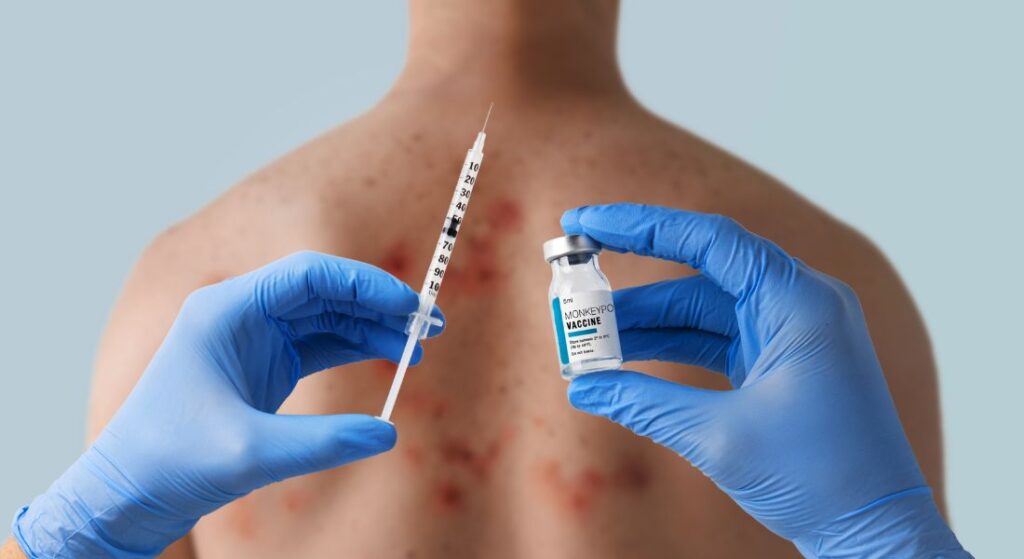
Injections are usually recommended when your skin condition needs more precise treatment. They can target specific pathways in your immune system that are driving the inflammation, rather than affecting your whole body.
For example, biologic injections are designed to focus on the exact inflammatory process causing your symptoms. This means you can get better control over your condition while minimising unnecessary side effects.
They’re especially useful for chronic or stubborn inflammatory skin diseases that haven’t responded well to creams or tablets. By acting directly on the problem, injections can make a noticeable difference in your skin health.
Your dermatologist will guide you on how often you need them and what to expect during treatment. With the right plan, injections can be a highly effective tool in managing your condition long-term
When Injectable Treatments Make Sense
Injectable treatments are often considered when your skin condition is moderate to severe. Conditions like psoriasis, eczema, alopecia areata, and certain autoimmune skin diseases often benefit the most from this approach.
They’re usually recommended when creams or tablets haven’t given you the results you need, or if those treatments aren’t suitable for your situation. Injections can provide a more targeted and powerful way to manage your symptoms.
The goal with injectable therapies is typically long-term control. By targeting the underlying cause of your condition, they help prevent flare-ups and keep your skin in better shape over time.
Your dermatologist will work with you to decide if injections are the right step, how often you’ll need them, and what kind of response to expect. This ensures your treatment plan is tailored to your specific needs and lifestyle.
The Role of Laser Treatments in Dermatology
Laser treatments work in a completely different way compared to creams, tablets, or injections. If you’ve ever wondered how a beam of light can improve your skin, here’s what you need to know.
1. Lasers target very specific areas: Unlike oral or topical treatments that affect your whole body, lasers focus on particular structures in your skin, such as pigment, blood vessels, hair follicles, or scar tissue. This precision means the treatment acts exactly where it’s needed.
2. Local action rather than systemic effects: Because the laser works directly on the problem area, it doesn’t circulate through your entire body. This can reduce the risk of side effects that sometimes happen with oral medications or injections.
3. Ideal for certain skin concerns: Lasers are excellent for things like pigmentation issues, unwanted hair, broken capillaries, or certain types of scars. They can provide results that creams or pills simply can’t achieve on their own.
4. Not suitable for every condition: Some skin problems need systemic treatment, lifestyle changes, or topical care. Lasers aren’t a one-size-fits-all solution, so your dermatologist will decide whether it’s the right option for you.
Laser therapy can be a powerful tool when used correctly, giving you targeted results and improving your skin in ways other treatments sometimes can’t. When combined with the right overall skincare plan, it can make a noticeable difference to how your skin looks and feels.
How Skin Type Influences Treatment Choice

Your skin type is a key factor in deciding which treatment will work best for you. Different skin tones and sensitivities can respond in very different ways, so what works for someone else might not be ideal for you.
For example, if you have a darker skin tone, your dermatologist may be cautious with certain lasers or topical treatments because of the risk of pigmentation changes. It’s not about limiting options it’s about keeping your skin safe.
If your skin is particularly sensitive, aggressive treatments might cause irritation or unwanted reactions. Your dermatologist will consider how your skin reacts and choose gentler approaches when needed.
Ultimately, the goal is to protect your skin’s health while still effectively treating your condition. By tailoring your plan to your skin type, you’re more likely to get results safely and comfortably.
Why Combination Treatment Is Often Used
Many skin conditions respond best when more than one type of treatment is used. Combining therapies allows your dermatologist to tackle different aspects of the condition at the same time.
For example, you might use creams to manage surface symptoms while tablets work internally to reduce inflammation. In some cases, lasers can be added to treat scarring or pigmentation, giving you more comprehensive results.
By using a combination approach, your dermatologist can target multiple layers of the disease simultaneously. This often leads to better outcomes and helps you achieve clearer, healthier skin more effectively.
FAQs:
1. Why does my dermatologist recommend different treatments than someone else with the same skin condition?
Even if your skin concern looks similar to someone else’s, your skin is unique. Your dermatologist considers your skin type, age, medical history, lifestyle, and how severe your condition is. This means the treatment is tailored specifically for you rather than using a one-size-fits-all approach. By personalising your care, your dermatologist can ensure the treatment is both effective and safe for your skin.
2. How important is getting an accurate diagnosis before starting treatment?
It’s absolutely essential. Without a proper diagnosis, you might be guessing and applying treatments that don’t address the root cause. Your dermatologist examines your skin carefully, considers how long the issue has been present, and looks at potential triggers like medications, stress, or environmental factors. This thorough approach helps you receive a treatment plan that actually works and avoids wasting time or risking irritation.
3. When are creams or topical treatments usually recommended?
Topical treatments are often the first choice because they act directly on the area that needs attention. They’re usually ideal for mild or localised conditions, as they tend to have fewer side effects and are safer for long-term use. For you, this means a straightforward option that you can easily apply at home while still seeing improvement.
4. Why might creams not be enough for some skin conditions?
Creams are limited in how deeply they can work. If your condition is widespread or involves inflammation beneath the surface, topical treatments alone may not be sufficient. In such cases, your dermatologist may suggest stepping up to tablets, injections, or other therapies that act more systemically to get your skin under control.
5. When would oral medication be necessary?
Oral treatments are used when creams aren’t enough, particularly for widespread or severe conditions. If you have significant acne, persistent fungal infections, psoriasis, or autoimmune skin disorders, tablets can reach areas that creams cannot. They work from the inside out, helping to control inflammation, infection, or immune responses more effectively and often more quickly.
6. How do dermatologists balance the benefits and risks of tablets?
Because oral medications affect your whole body, your dermatologist carefully considers your medical history, any other medications you take, and even future plans like pregnancy. Once you start treatment, they monitor your progress regularly to ensure the medication remains safe while effectively controlling your condition. This ongoing review helps you get the maximum benefit without unnecessary risk.
7. What role do injections play in skin treatment?
Injections are usually reserved for conditions that need precise, targeted treatment. Biologic injections, for example, focus on specific inflammatory pathways rather than affecting your whole body. If creams or tablets haven’t worked, or if your condition is moderate to severe, injections can help manage flare-ups and provide long-term control. Your dermatologist will guide you on what to expect and how often you’ll need them.
8. How do laser treatments differ from other options?
Laser therapy works very differently because it targets specific structures in your skin, such as pigment, blood vessels, hair follicles, or scars. It acts locally rather than systemically, which can reduce the risk of side effects. Lasers are ideal for pigmentation issues, scars, broken capillaries, or unwanted hair, but they aren’t suitable for every skin problem, so your dermatologist will determine whether it’s the right choice for you.
9. Does my skin type affect which treatment I should have?
Yes, your skin type is a major factor. Different skin tones and sensitivities respond differently to treatments. For instance, darker skin may be more prone to pigmentation changes with certain lasers, while sensitive skin can react to aggressive treatments. Your dermatologist considers this to protect your skin while still treating your condition effectively, helping you get results safely and comfortably.
10. Why are combination treatments sometimes used?
Some skin conditions respond best when multiple approaches are used together. You might use creams to manage surface symptoms while taking tablets to control inflammation internally. Lasers can be added for scarring or pigmentation. Combining treatments allows your dermatologist to address different layers of the condition at the same time, which often leads to better, more lasting results for your skin.
Final Thoughts: Making the Right Skin Treatment Choice
Choosing the right skin treatment can feel overwhelming, but understanding the process your dermatologist follows can make it much clearer. From creams and tablets to injections and laser therapy, every option is carefully considered based on your skin type, condition severity, lifestyle, and long-term safety. Personalised care ensures you receive the most effective treatment while minimising risks, helping you achieve healthier, clearer skin.
You can book a consultation with one of our dermatologists by contacting us at the London Dermatology Centre. With professional guidance, you can feel confident that your skin is receiving the attention and care it truly needs.
References:
Balado‑Simó, P. et al. An Updated Review of Topical Tretinoin in Dermatology: From Acne and 1. Photoaging to Skin Cancer. Journal of Clinical Medicine 14(22):7958. https://www.mdpi.com/2077-0383/14/22/7958
2. Zbrzezny, A. M. & Krzywicki, T. Artificial Intelligence in Dermatology: A Review of Methods, Clinical Applications, and Perspectives. https://www.mdpi.com/2076-3417/15/14/7856
3. Patient‑Centric Design of Topical Dermatological Medicines. PMC10144586. NIH PMC, 2026. https://pmc.ncbi.nlm.nih.gov/articles/PMC10144586/
4. The Need for Evidence‑Based Aesthetic Dermatology Practice. https://pmc.ncbi.nlm.nih.gov/articles/PMC2918343/
5. Melasma Revisited: National Survey Reveals How Dermatologists Diagnose and Treat This Complex Skin Condition. https://pubmed.ncbi.nlm.nih.gov/39410770/