


If you have vitiligo, you’ve probably searched online for answers about how diet may help. It’s one of the most common questions dermatologists hear, and yet the information available is often confusing, contradictory or based on personal anecdotes rather than research. Some people claim that cutting certain foods made their patches stop spreading.
The truth is that vitiligo is a complex autoimmune condition, and no single food or diet can cure it. However, growing evidence suggests that the foods you eat and the nutrients your body stores may contribute to inflammation levels, oxidative stress, and the health of melanocytes.
In this guide, I’ll take you through the science in a clear, practical way so you can understand what research actually shows about diet and vitiligo. You’ll learn about antioxidants, vitamins, autoimmune inflammation, lifestyle patterns and supplements and how they may influence your pigmentation over time.
What We Know About Diet and Vitiligo
It’s important to understand that diet does not cause vitiligo, and changing what your child eats will not reverse existing patches. That said, research shows that nutrition can influence the biological pathways involved in the condition, particularly oxidative stress and immune activity. While diet alone is not a cure, it can support overall skin health and help your child’s body respond better to treatment.
Why Diet Matters
- Oxidative stress: Vitiligo is linked to increased oxidative stress in skin cells, and certain nutrients can help the body neutralise these harmful molecules.
- Immune activity: The immune system plays a key role in vitiligo, and a balanced diet supports healthy immune function.
- Common deficiencies: Some vitamins and minerals, such as vitamin D, B12, and zinc, are more often low in people with vitiligo. Correcting these deficiencies can improve overall health.
- Support for melanin production: Certain nutrients indirectly aid pigment production, helping the skin respond better to medical treatments.
- Overall skin resilience: A nutrient-rich diet keeps skin strong, hydrated, and more capable of coping with environmental stressors.
Think of diet as a supportive tool rather than a solution. It helps your child’s body function efficiently and complements medical treatments, but it cannot replace them.
Understanding Oxidative Stress in Vitiligo
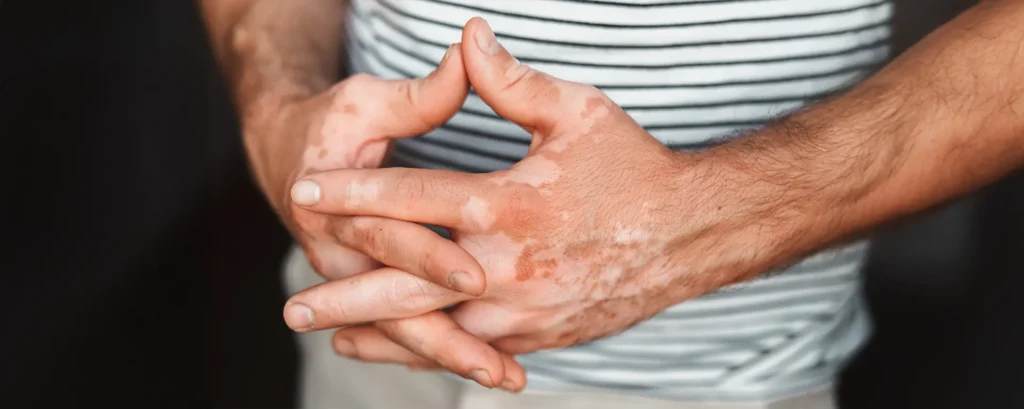
Understanding oxidative stress in vitiligo involves recognising how an imbalance between damaging free radicals and the body’s natural defenses can affect skin pigment. When oxidative stress is high, melanocytes the cells that produce pigment become more fragile and susceptible to damage.
Diet plays a role because antioxidants help neutralise free radicals, certain foods contain compounds that support cellular repair, and nutrient deficiencies can worsen oxidative imbalance. Including antioxidant-rich foods can therefore support overall skin health and may help reduce stress on melanocytes.
Antioxidants That May Support Skin Health
While no antioxidant has been proven to cure vitiligo, research suggests that a diet rich in antioxidant nutrients can help stabilise the skin and may support repigmentation when combined with medical treatment. Antioxidants work by neutralising free radicals, which are molecules that can damage skin cells and contribute to the progression of vitiligo.
Key Antioxidant Types
Vitamin C-rich foods – Citrus fruits, berries, kiwi, and peppers provide vitamin C, which helps protect skin cells from oxidative stress and supports collagen formation.
Vitamin E sources – Nuts, seeds, avocado, and plant oils contain vitamin E, which supports the skin barrier, reduces inflammation, and may improve overall skin resilience.
Polyphenols – Found in green tea, cocoa, olive oil, and colourful vegetables, polyphenols may influence immune activity and help maintain healthy skin function.
Beta-carotene – Carrots, sweet potatoes, pumpkin, and leafy greens contain beta-carotene, an antioxidant that supports skin cell health and pigmentation pathways.
Including a variety of colourful fruits and vegetables in your child’s diet is an easy and natural way to increase antioxidant intake, supporting skin health alongside prescribed medical treatments.
Autoimmune Inflammation and Dietary Patterns
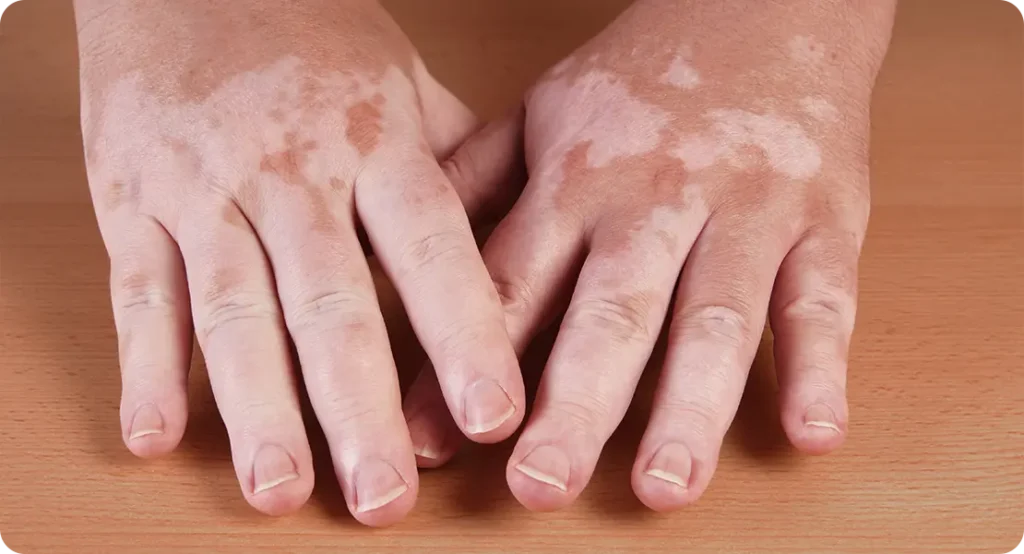
Vitiligo is linked to autoimmune activity, meaning the immune system mistakenly targets pigment cells. Some dietary patterns are known to influence inflammation in the body, and while they don’t target vitiligo directly, they may contribute to overall immune balance.
Dietary Patterns Linked With Reduced Inflammation
Mediterranean-style eating – High in vegetables, healthy fats, whole grains and fish, this pattern supports antioxidant levels and reduces inflammatory markers.
Plant-focused meals – Plant-based diets naturally increase antioxidants and fibre, supporting immune regulation.
Lower processed food intake – Avoiding excessive sugar and refined carbohydrates may reduce inflammatory patterns.
While diet alone cannot halt autoimmune activity, it may make the body’s environment less prone to flare-ups.
Are Certain Foods “Bad” for Vitiligo?
Many sources suggest avoiding certain foods like citrus fruits, tomatoes, gluten, or dairy but research does not support blanket restrictions for vitiligo. No specific food group has been proven to trigger the condition, and reactions can be highly individual.
Strict avoidance diets can lead to nutritional gaps, and most reported improvements from diet changes are anecdotal. Focusing on a balanced, nutrient-rich eating plan is a more sustainable and evidence-based approach for supporting overall skin and immune health.
Vitamin Deficiencies and Vitiligo
Several studies show that people with vitiligo are more likely to have deficiencies in certain vitamins. Correcting these deficiencies does not cure vitiligo but may improve overall skin health and immune function.
Vitamin D: Low vitamin D levels are common in people with vitiligo. This vitamin supports immune regulation, plays a role in melanocyte function, and helps maintain a healthy skin barrier. After a blood test, safe supplementation may be recommended to correct deficiencies.
Vitamin B12 and Folate: Some studies suggest a link between vitiligo and low levels of vitamin B12 and folate, though evidence is mixed. These vitamins support red blood cell formation and may influence homocysteine levels, which are linked to oxidative stress. In some cases, combined B12/folate supplements are used, but benefits can vary between individuals.
Zinc and Copper: Zinc and copper are essential minerals that play a key role in melanin production and overall skin health. They support antioxidant enzymes, contribute to pigment metabolism, and help stabilise skin cells. In some cases, low zinc levels may slow repigmentation, making adequate intake important as part of a balanced diet.
The Truth About Supplements
Supplements are often discussed in vitiligo management, but not all have strong research backing. Options like Ginkgo biloba, alpha-lipoic acid (ALA), polypodium leucotomos extract (PLE), and curcumin may offer antioxidant or anti-inflammatory benefits, potentially supporting melanocyte resilience or reducing oxidative stress. However, supplements should complement, not replace, medical treatment, and must be age-appropriate with dosages checked by a doctor to avoid interactions or excess. Results vary between individuals, so your dermatologist can guide whether and which supplements are suitable for your situation.
Does Gluten-Free Eating Help Vitiligo?
A gluten-free diet may benefit individuals with vitiligo only if they have an underlying gluten sensitivity or coeliac disease. For those without such conditions, there’s no evidence that avoiding gluten improves vitiligo, and unnecessary restriction can lead to nutritional deficiencies. If gluten sensitivity is suspected, testing is advised before making dietary changes.
Role of Gut Health in Vitiligo
Emerging research suggests that the gut microbiome may influence autoimmune conditions, including vitiligo. While this area is still being studied, maintaining a healthy gut could support overall immune balance and general wellbeing, which may indirectly benefit skin health.
Gut-Friendly Habits
- Eat a variety of fruits and vegetables to provide fibre and nutrients
- Include fibre-rich whole grains and legumes
- Add fermented foods such as yoghurt, kefir, or sauerkraut to support healthy gut bacteria
- Limit processed sugars and highly refined foods
Even though research specific to vitiligo is still early, these habits promote overall health and can complement medical treatments.
Can Diet Reverse Vitiligo?
No diet alone can reverse vitiligo or restore lost pigment. Effective repigmentation relies on medical treatments such as topical immunomodulators, corticosteroids, phototherapy, excimer light, or combination therapies tailored by a dermatologist.
However, a balanced, nutrient-rich diet can complement these treatments by supporting overall skin health, reducing oxidative stress, and helping the body respond more effectively during the repigmentation process.
Practical, Evidence-Based Dietary Approach for Vitiligo
Instead of strict rules or elimination diets, a balanced, antioxidant-rich pattern is the most evidence-supported approach.
Foundational Principles
1. Eat a colourful plate – More colours = more antioxidants.
2. Include healthy fats – Olive oil, nuts and fish reduce inflammation.
3. Prioritise whole foods – Whole grains, vegetables, lean proteins and fruits support wellbeing.
4. Moderate sugar intake – Sugar increases inflammation and oxidative stress.
5. Stay hydrated – Water supports skin function and overall health.
These simple habits can fit into everyday life without feeling restrictive.
What Parents Should Know About Vitiligo and Diet in Children
If your child has vitiligo, you may feel pressure to change their diet dramatically. But children need balanced nutrition for healthy growth, and restrictive eating can be harmful.
How to Approach Diet for Children
- Encourage a variety of fruits and vegetables
- Avoid strict diet rules unless medically necessary
- Use supplements only on medical advice
- Focus on long-term, balanced habits
Children often respond better to lifestyle patterns rather than strict regimens.
Frequently Asked Questions:
1. Can diet cure vitiligo?
Diet alone cannot cure vitiligo. While certain nutrients and eating patterns may support skin health and reduce oxidative stress, they cannot restore lost pigment or stop the autoimmune process that underlies the condition. Effective management always relies on medical interventions prescribed by a dermatologist, such as topical therapies, phototherapy, or combination treatments. Diet should be seen as a supportive measure to complement these therapies rather than a replacement.
2. Are there foods that can trigger vitiligo flare-ups?
There is no scientific evidence that any specific food directly triggers vitiligo or causes it to spread. While some anecdotal reports suggest reactions to certain foods, these experiences are highly individual and not consistent across studies. Strict avoidance of foods like citrus, tomatoes, dairy, or gluten is generally unnecessary unless a diagnosed sensitivity exists. Focusing on a balanced, nutrient-rich diet is safer and more sustainable.
3. How do antioxidants help in vitiligo?
Antioxidants do not cure vitiligo but may support melanocyte health by neutralising free radicals and reducing oxidative stress. Compounds found in fruits, vegetables, nuts, and seeds can help protect skin cells from damage and may support the effects of medical treatment. Their role is primarily supportive, helping the body maintain a healthier environment for pigment cells rather than directly inducing repigmentation.
4. Should children with vitiligo take vitamin supplements?
Supplements can be considered if laboratory tests reveal deficiencies in nutrients such as vitamin D, vitamin B12, folate, zinc, or copper. These supplements do not reverse vitiligo but can improve overall health, support immune function, and contribute to skin resilience. Any supplementation should be medically supervised, age-appropriate, and balanced with dietary intake to prevent overdosing or interactions.
5. Can a gluten-free diet help with vitiligo?
A gluten-free diet is only potentially helpful if the individual has gluten sensitivity or coeliac disease. In children and adults without these conditions, there is no evidence that eliminating gluten improves vitiligo. Unnecessary restriction may even result in nutritional deficiencies, so testing and medical advice are recommended before making dietary changes.
6. Does gut health affect vitiligo?
Emerging research suggests that the gut microbiome may play a role in autoimmune conditions, including vitiligo. Maintaining a healthy gut through fibre-rich foods, fermented products, and limiting highly processed foods may support overall immune balance. While this approach is not a treatment for vitiligo itself, it may complement conventional therapies and contribute to general wellbeing.
7. Can diet reverse depigmented patches?
No diet alone can reverse depigmented patches in vitiligo. Restoration of pigment requires medical treatment. However, a balanced diet can support the body during treatment by maintaining skin health, reducing oxidative stress, and ensuring adequate nutrient levels to promote better response to therapies such as topical immunomodulators or phototherapy.
8. Are there any risks to restrictive diets in children with vitiligo?
Strict diets in children can interfere with normal growth and development. Removing entire food groups without medical necessity can lead to nutrient deficiencies, reduced energy levels, and even exacerbate stress on the body. A more effective approach is to encourage balanced eating patterns that provide a variety of nutrients while complementing medical treatment.
9. What is the best practical approach to diet for vitiligo?
A practical approach focuses on balanced, nutrient-rich eating rather than eliminating foods. Incorporating a variety of fruits, vegetables, whole grains, lean proteins, and healthy fats supports antioxidant intake, reduces inflammatory stress, and strengthens overall skin and immune function. Hydration and moderation of sugar intake are additional steps that can support wellbeing. This approach is sustainable and safe for children and adults alike.
10. Can dietary changes replace medical treatment?
Dietary changes should never replace medical treatment for vitiligo. While supportive nutrition can improve skin health and complement therapies, only clinically approved interventions can stop the progression or induce repigmentation of patches. Dermatologists can create a personalised treatment plan and advise on diet and supplements to optimise outcomes safely.
Final Thought: Supporting Vitiligo Management Through Diet
While diet cannot cure vitiligo or reverse depigmented patches, maintaining a balanced, nutrient-rich eating pattern can support overall skin health, reduce oxidative stress, and complement medical treatments. Encouraging a colourful, whole-food-based diet, including antioxidants, healthy fats, and essential vitamins and minerals, can help create an environment where treatments work more effectively.
If you’re considering vitiligo treatment in London, you can contact us at the London Dermatology Centre to book a consultation with one of our specialists. Our team can assess your condition and provide a personalised plan that combines evidence-based therapies with lifestyle guidance to support long-term skin health.
References:
1. Ni, Y., Zhang, Y., Sun, J., Zhao, L., Wu, B. & Ye, J. (2024) ‘The effect of antioxidant dietary supplements and diet‑derived circulating antioxidants on vitiligo outcome: evidence from genetic association and comprehensive Mendelian randomization’, Frontiers in Nutrition. https://pmc.ncbi.nlm.nih.gov/articles/PMC10808665/
2. Olisova, O., Balinskaite, V., & Tamuleviciene, E. (2023) ‘Dietary Interventions, Supplements, and Plant‑Derived Compounds for Adjunct Vitiligo Management: A Review of the Literature’, Nutrients, 17(2), 357. https://www.mdpi.com/2072-6643/17/2/357
3. Huo, L., et al. (2020) ‘Serum level of antioxidant vitamins and minerals in patients with vitiligo: A systematic review and meta-analysis’, Journal of Dermatological Treatment, [online]. https://pubmed.ncbi.nlm.nih.gov/32593085/
4. Assessment of Dietary Supplementation in the Treatment of Vitiligo, (2017) article on ScienceDirect examining the roles of zinc and copper supplementation, oxidative stress and melanogenesis in vitiligo. https://www.sciencedirect.com/org/science/article/pii/S1874372217000098 5. Oxidative Stress and Potential Antioxidant Therapies in Vitiligo: A Narrative Review, (2023) https://pmc.ncbi.nlm.nih.gov/articles/PMC10590312/