


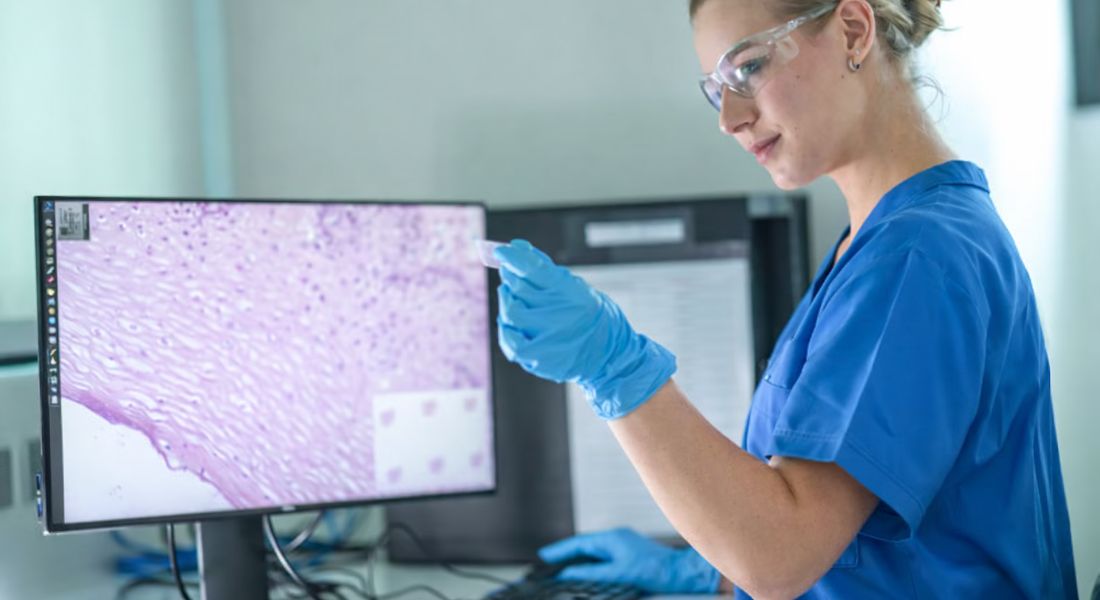
Imagine if your dermatologist could test a treatment on a virtual version of your skin before applying it to you. Instead of trial-and-error, decisions could be guided by predictive modelling tailored to your exact skin structure, genetics, and inflammatory profile. This concept is now being explored under the idea of “digital skin twins.”
A digital twin is a virtual model that replicates a physical system using real-world data. In engineering and cardiology, digital twins are already being developed to simulate heart function and surgical outcomes. Dermatology may soon follow a similar path.
In this article, we explore whether artificial intelligence and advanced imaging could realistically create personalised digital skin models. You will understand what the science currently supports, what remains experimental, and how predictive modelling could shape the future of dermatology decision-making. Innovation is accelerating, but realism remains important.
What Is a Digital Twin?
A digital twin is essentially a living, data-driven virtual model of something physical in this case, potentially your body or even your skin. It continuously integrates real-world data to simulate how that system behaves under different conditions. In medicine, that could mean modelling how tissue responds before you actually undergo a treatment.
If applied to dermatology, a digital twin of your skin would attempt to replicate its structure, hydration levels, pigmentation patterns, collagen density and even inflammatory pathways. In theory, it could simulate how your skin might react to laser therapy, biologic medication or specific topical treatments before anything is done in real life. That level of predictive modelling would require vast amounts of integrated clinical, imaging and molecular data.
The appeal is obvious you’d move from educated estimation to highly personalised simulation. Instead of asking “How might this work?”, your clinician could explore a virtual response model tailored to you. It’s precision medicine taken a step further.
That said, the concept is scientifically ambitious. Your skin is a complex, multilayered organ shaped by genetics, environment, immune signalling and time. Accurately modelling all of those variables in a reliable way remains a major challenge. It’s promising but still very much in development rather than routine practice.
Why Dermatology Is Well-Suited for Digital Twins
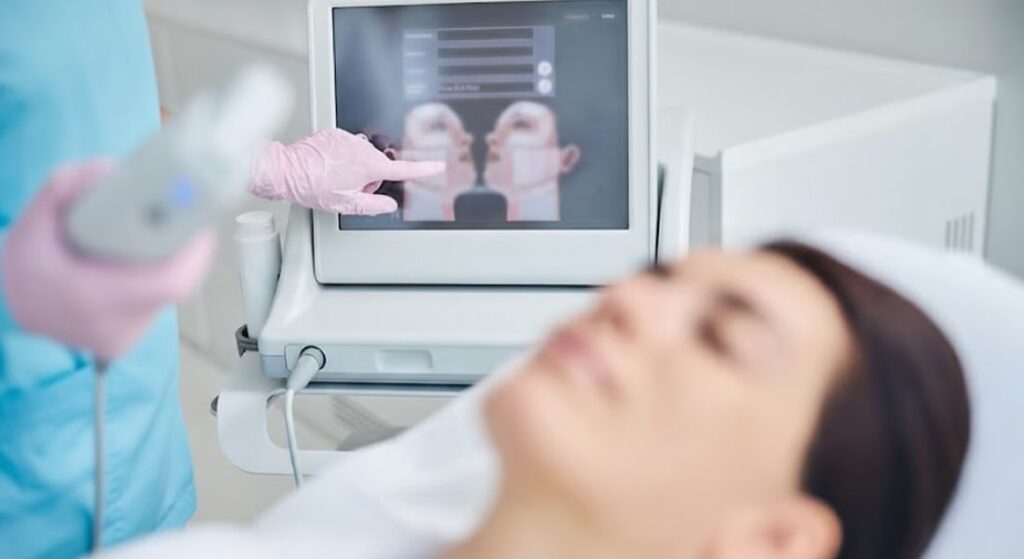
Dermatology is particularly well suited to digital twin development because your skin is visually accessible and highly measurable. High-resolution imaging, dermoscopy and optical coherence tomography already provide detailed structural information about what’s happening beneath the surface. That means there’s a strong foundation of real, quantifiable data to build a digital model around.
Unlike internal organs, your skin can be photographed and scanned repeatedly without invasive procedures. Changes in pigmentation, texture, vascular patterns or lesion size can be tracked over time with precision. This kind of longitudinal data is exactly what predictive systems need to understand how your skin evolves and responds to treatment.
Digital twins depend on large, high-quality datasets and dermatology produces vast image libraries every day. AI systems can analyse these patterns, learn from them and gradually refine their predictions. For you, that opens the possibility of more accurate forecasting of treatment response and disease progression in the future.
The Role of Artificial Intelligence
Artificial intelligence sits at the core of building digital skin twins. Machine learning algorithms can analyse thousands sometimes millions of clinical images and correlate them with outcomes. In doing so, they detect subtle patterns that wouldn’t be obvious to the human eye, even to an experienced clinician.
AI models can already assess melanoma risk with impressive accuracy in controlled settings. The logical next step is moving beyond detection into prediction anticipating how your skin might respond to a specific laser, biologic or topical treatment before you even start. That’s where digital twin modelling becomes especially powerful.
That said, meaningful prediction requires much more than surface imaging. To truly forecast response, systems would need to integrate molecular markers, inflammatory pathways and possibly genetic data. Bringing all of that together into a reliable, clinically useful model is complex, and it’s still very much under active development.
Imaging Technologies Supporting Digital Twins
If you’re hearing more about “digital twins” in medicine, it’s because modelling your skin in highly detailed, data-driven ways is becoming increasingly possible. Advanced imaging technologies now capture structural and cellular information that feeds directly into predictive systems. The more accurately your skin can be mapped, the more reliable these simulations become.
1. Three-dimensional skin mapping: 3D imaging systems capture your skin’s surface contours, texture, and depth variations. This is especially useful for analysing scars, volume loss, and irregular topography. When this information is digitised, it creates a structural blueprint that can be used for modelling treatment outcomes.
2. Reflectance confocal microscopy for cellular detail: Reflectance confocal microscopy allows clinicians to visualise near-cellular level structures in real time. This means your skin can be examined beneath the surface without the need for invasive biopsy in many cases. Cellular-level data strengthens the biological accuracy of digital simulations.
3. Optical coherence tomography (OCT): Optical coherence tomography provides cross-sectional imaging of your skin. It helps measure scar thickness, collagen architecture, and structural irregularities. These measurements add depth data that improves predictive modelling for interventions such as laser or biologic therapy.
4. Data integration into predictive systems: When surface mapping, cellular imaging, and cross-sectional scans are combined, your digital model becomes more comprehensive. These data points allow simulation tools to estimate how your skin may respond to specific treatments before they are performed.
As imaging resolution continues to improve, modelling becomes increasingly precise. The accuracy of a digital twin depends directly on the quality of the data collected. For you, this means future treatments may be guided by highly detailed simulations, improving predictability, safety, and personalised care.
Predicting Laser Treatment Outcomes
One of the most intriguing potential uses of digital skin twins is in planning laser treatments. In theory, a virtual model of your skin could simulate how deeply laser energy might penetrate and how your tissue could respond. It might even estimate collagen stimulation or predict how much pigmentation reduction you’re likely to see.
Rather than relying solely on clinical experience and incremental adjustments, your clinician could preview projected outcomes before delivering treatment. That kind of simulation could help fine-tune energy settings, reducing the risk of overtreatment while still aiming for meaningful improvement. Safety and precision would both benefit.
For you, this could mean fewer unexpected reactions and more predictable results. Instead of adjusting parameters session by session based only on visible response, planning would become more data-informed from the outset.
At present, however, this level of modelling remains largely theoretical. Some prototype systems are under development, but widespread clinical integration isn’t yet standard practice. It’s a promising direction just not routine reality quite yet.
Modelling Inflammatory Skin Conditions
Chronic inflammatory conditions such as psoriasis or eczema involve intricate immune signalling pathways that don’t behave the same way in every person. In theory, a digital twin could model cytokine activity, track flare patterns and help predict how you might respond to a specific biologic therapy. By integrating blood biomarkers and even genomic data, AI systems could identify which immune pathway is most active in your disease and guide more precise treatment selection.
That’s the promise of personalised immunology matching therapy to your dominant inflammatory signature rather than prescribing broadly. However, your immune system is dynamic. Stress, infection, sleep, hormones and environmental triggers can all influence disease behaviour. Capturing that constant variability in a stable, predictive model remains one of the biggest scientific challenges.
Precision Cosmetic Dermatology
Aesthetic dermatology may well adopt digital twin technology sooner than other areas. Cosmetic changes such as wrinkle softening or volume restoration are often more visually measurable and structurally predictable. Three-dimensional modelling is already used in facial surgery planning, so building on that foundation feels like a natural progression.
In the future, you might be able to see a simulation of projected filler placement or preview the likely effects of laser resurfacing before committing to treatment. That kind of visual modelling could help you and your clinician align expectations and refine technique with greater precision. It adds a layer of planning that feels reassuring and transparent.
That said, even the most advanced simulation would provide an estimate rather than a guarantee. Your biological healing response, collagen remodelling and subtle tissue behaviour still vary from person to person. As impressive as the technology may become, realistic expectations will always remain essential.
Integrating Genomic and Molecular Data
For digital skin twins to become truly meaningful, they would need to integrate molecular and genomic data not just surface imaging. Your genetic predispositions influence how you form collagen, how you pigment, and how your immune system responds to injury or inflammation. Bringing that information into a predictive model would significantly strengthen its accuracy.
For instance, certain genetic markers are associated with a higher risk of hypertrophic or keloid scarring. If those markers were incorporated into a digital model, your clinician could potentially adjust laser intensity, modify treatment intervals, or introduce preventative therapies in advance. That’s where precision becomes genuinely data-driven rather than experience-based alone.
The appeal is clear: instead of reacting to complications, care becomes proactive and tailored to your biological profile. Treatment planning could move from probability to personalised risk forecasting.
However, this level of integration remains in the early research phase. Genomic modelling is technically complex, resource-intensive and costly. Translating it into routine clinical practice will likely take years, requiring careful validation, standardisation and regulatory oversight before it becomes widely accessible.
Limitations of Current AI Models
AI in dermatology is advancing quickly, but it’s important for you to understand its current limits. These systems are only as strong as the data they are trained on. While they can analyse patterns at remarkable speed, they do not yet capture the full biological and environmental complexity of your skin. Human expertise remains essential in interpreting and applying AI-driven insights safely.
1. Dependence on high-quality training data: AI models learn from large datasets. If the data used for training is incomplete, inconsistent, or biased, predictions may be less accurate. For example, if certain skin tones or conditions are underrepresented, the system’s reliability for those groups may decrease.
2. Dataset bias can affect fairness: If your skin type or demographic group is not adequately reflected in training data, outcomes may not be equally precise. Addressing diversity in datasets is crucial to ensuring equitable diagnostic and treatment support.
3. Environmental factors are hard to quantify: Your skin does not exist in isolation. Sun exposure, pollution, diet, stress levels, and skincare habits all influence outcomes. Capturing and modelling every external variable remains a significant challenge for current AI systems.
4. Biological variability is unpredictable: Even with detailed imaging and biomarker data, your immune responses and healing patterns may vary. A digital model cannot yet fully replicate the dynamic and adaptive behaviour of living tissue.
5. Human oversight remains essential: AI can support analysis and prediction, but it does not replace clinical judgement. Dermatologists interpret results within the broader context of your health history, symptoms, and preferences. Technology enhances care it does not substitute professional expertise.
In summary, while AI offers powerful tools for analysis and prediction, it still has meaningful limitations. Data quality, representation, environmental complexity, and biological variability all influence accuracy. For you, this means AI should be viewed as an advanced support system one that works best when guided by experienced clinical judgement.
Ethical and Privacy Considerations
Digital skin twins would rely on highly detailed personal data, including clinical images, treatment history and potentially even your genomic information. That makes privacy protection absolutely essential. The more sophisticated the modelling becomes, the more sensitive the data involved so security cannot be an afterthought.
Secure storage systems, clear consent processes and strong ethical governance need to develop alongside the technology itself. You should understand how your data are collected, analysed and stored, and who has access to it. As innovation progresses, ethical frameworks will need to evolve in parallel. Responsible integration depends on maintaining trust and without trust, even the most advanced technology won’t succeed.
Could Digital Twins Reduce Trial-and-Error?
One of the biggest potential advantages of digital twins is reducing the frustrating cycle of trial-and-error. If predictive modelling could flag that you’re unlikely to respond to a particular drug, you might avoid months on an ineffective treatment. That would mean less unnecessary exposure, fewer side effects and a more efficient path to results.
In conditions like acne or eczema where it’s common to try therapies sequentially predictive modelling could significantly shorten the journey to control. Instead of moving step by step through options, your treatment could be guided by probability from the outset. That benefits you directly, and it also eases pressure on healthcare systems.
That said, predictions would need to be highly reliable before replacing established treatment pathways. Clinical confidence can’t be built on theory alone. Robust, evidence-based validation is essential, and cautious implementation helps prevent premature adoption of tools that aren’t yet fully proven.
The Role of Big Data in Dermatology
Large-scale image databases in dermatology are expanding at a remarkable pace. Every clinic visit, dermoscopic scan and treatment follow-up adds to a growing pool of visual and clinical data. AI systems thrive on this diversity quite simply, the more varied and representative the data, the more accurate the predictions become for you.
Collaboration between institutions plays a crucial role here. When hospitals and research centres pool anonymised datasets, models become more robust across different skin tones, age groups and disease patterns. That inclusivity directly improves precision, reducing bias and strengthening reliability in real-world settings.
This kind of big data infrastructure is what makes digital twin development even possible. Without large, high-quality datasets, predictive modelling would remain theoretical. The depth and breadth of information allow systems to recognise patterns that would otherwise go unnoticed.
However, translating this into routine clinical practice requires significant technological investment. Clinics need secure storage systems, compatible imaging platforms and trained staff to manage integration. Adoption is likely to be gradual rather than immediate but the foundations are steadily being built.
Will Digital Twins Replace Dermatologists?
Digital twins aren’t likely to replace dermatologists. What they may do is strengthen decision-making by acting as highly advanced analytical tools. Think of them as an extra layer of data interpretation rather than a substitute for clinical skill.
Your dermatologist brings context into the room your medical history, your preferences, subtle clinical findings, even how your condition is affecting your quality of life. AI can analyse patterns, but it can’t replicate nuanced judgement or human understanding. Oversight and interpretation will always matter.
The most effective future model is collaborative. Technology can augment expertise, offering deeper insight and predictive support. But it works best alongside a trained clinician not instead of one.
Realistic Timeline for Adoption
Early prototypes of predictive dermatology models already exist, and research groups are actively refining them. However, for these systems to move beyond pilot studies, they must undergo regulatory approval, large-scale validation and long-term safety assessment. That process is necessarily thorough and it takes time.
By the late 2020s, you may begin to see limited integration in specialist centres, particularly those linked to academic research institutions. These early adopters are likely to use predictive tools as decision-support systems rather than fully developed digital twins. Widespread, fully personalised digital skin twins are probably further into the future.
For now, it’s best to view this as steady evolution rather than an immediate shift in everyday care. Innovation in medicine tends to progress cautiously, guided by evidence rather than hype. As validation strengthens, adoption will follow but careful implementation will remain central to patient safety.
Potential Impact on Scar Treatment
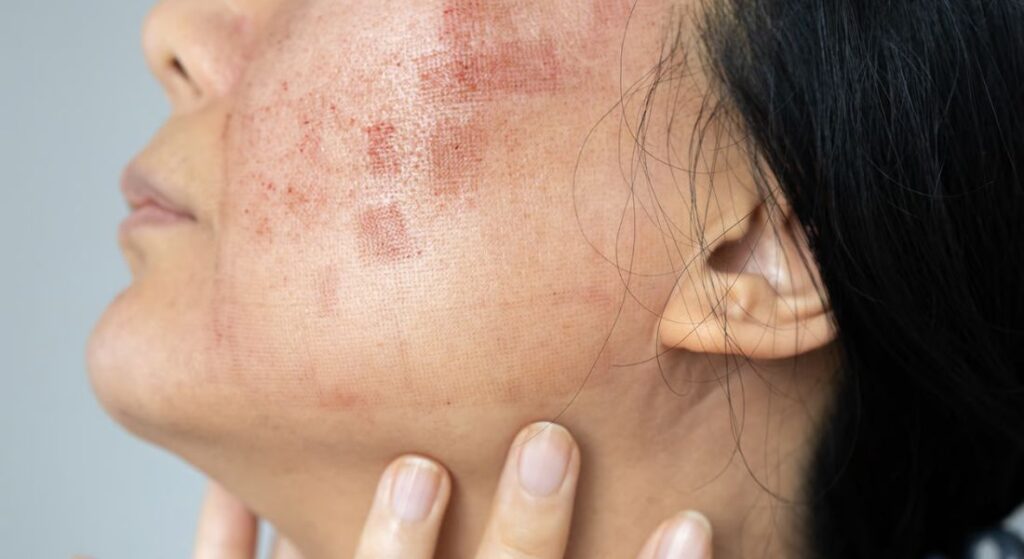
If you’re considering scar treatment, the idea of predictive modelling could significantly change how your care is planned. Instead of relying purely on experience and general protocols, future systems may simulate how your skin is likely to respond before treatment even begins. This kind of digital forecasting could help personalise interventions and improve long-term outcomes.
1. Predicting collagen response: A digital twin of your skin might estimate how your collagen will react to procedures such as microneedling. Rather than adjusting settings through trial and observation, clinicians could use predictive modelling to select parameters that suit your specific biology.
2. Optimising energy-based treatments: For laser or radiofrequency treatments, modelling could suggest the most appropriate energy depth and intensity. This reduces the risk of under-treatment or overtreatment and supports safer, more consistent results tailored to you.
3. Proactive prevention of hypertrophic scarring: If you are at higher risk of developing hypertrophic scars, predictive systems may identify this early. By recognising high-risk patterns in advance, clinicians could introduce preventive strategies sooner, improving long-term control and cosmetic outcomes.
4. Earlier and more targeted intervention: Early modulation of inflammation and collagen signalling could reduce abnormal scar formation. Predictive tools may help determine when intervention is most effective, shifting treatment from reactive correction to proactive management.
5. Recognising biological complexity: That said, scar formation is influenced by both mechanical tension and inflammatory signalling. Your healing response is dynamic and individual. While modelling can assist planning, it cannot yet fully simulate the intricate interaction between structural forces and immune activity.
In summary, predictive modelling has the potential to make scar treatment more personalised and proactive. For you, this could mean smarter energy settings, earlier intervention, and better long-term results. However, because scar biology remains complex and variable, human expertise and clinical judgement continue to play a central role in achieving the best outcomes.
Monitoring Chronic Skin Conditions
Digital twins could play a meaningful role in monitoring chronic skin conditions over time. By analysing longitudinal data such as serial photographs, symptom logs and treatment responses AI systems could model your individual flare patterns. In theory, they might even predict worsening before visible changes fully appear, giving you and your clinician an earlier window to act.
Remote monitoring platforms could integrate with these predictive algorithms. If your skin data were tracked consistently, subtle shifts in inflammation or barrier function might trigger early intervention. That moves care from reactive to proactive, potentially reducing flare severity and improving long-term control.
This kind of disease monitoring is likely to emerge sooner than fully simulated treatment modelling. Tracking progression aligns naturally with AI’s strength in pattern recognition. Rather than a sudden transformation, progress will probably be incremental gradually enhancing how your condition is observed and managed over time.
What Patients Should Expect in the Near Future
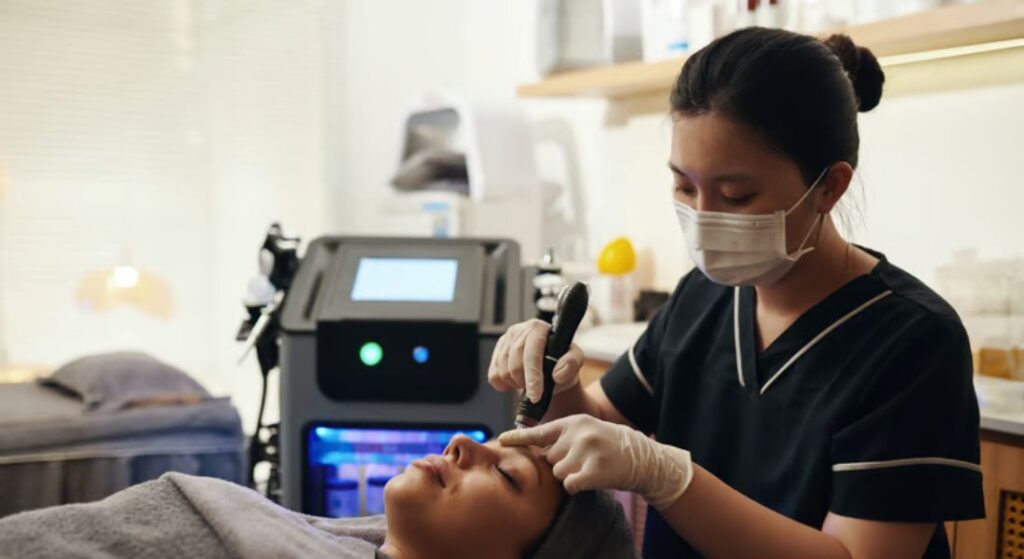
In the near future, you may start to notice subtle shifts rather than dramatic change. AI-assisted imaging tools could appear during consultations, helping your clinician analyse lesions or track treatment response more precisely. Some specialist clinics might also use advanced skin mapping for cosmetic planning. That said, early predictive features are likely to be modest supportive tools rather than fully autonomous systems.
Fully personalised virtual skin replicas remain in the research phase for now. Before they become part of everyday care, they’ll need thorough validation, regulation and long-term safety assessment. What’s most realistic is gradual augmentation of clinical practice, not overnight transformation. Innovation will integrate steadily and sensibly over time.
FAQs:
1. What exactly is a digital skin twin?
A digital skin twin is a data-driven virtual model designed to replicate your skin’s structure and behaviour. In theory, it would integrate imaging, clinical history, and possibly even molecular or genetic data to simulate how your skin might respond to different treatments. Rather than relying purely on estimation, your clinician could explore predicted outcomes in a virtual environment before treating you.
2. Is digital skin twin technology currently available in clinics?
Not yet in a fully developed form. While elements such as AI image analysis and advanced skin mapping are already used in some settings, comprehensive digital twins that model your full biological response remain in research and early prototype stages. You may see supportive AI tools first, with deeper modelling taking longer to become routine.
3. How could a digital twin improve your treatment outcomes?
If developed reliably, it could reduce trial-and-error prescribing. Instead of trying multiple treatments sequentially, your clinician might use predictive modelling to estimate which option you’re most likely to respond to. For you, that could mean fewer ineffective therapies, quicker results, and potentially fewer side effects.
4. Could digital twins help personalise laser treatments?
In theory, yes. A digital model of your skin could simulate how laser energy penetrates and how your collagen might respond. This could allow your clinician to fine-tune energy settings before treatment begins. However, at present, this remains largely conceptual rather than standard clinical practice.
5. Can digital twins predict flare-ups in chronic skin conditions?
They may eventually help with that. By analysing patterns in your previous flare-ups, symptom logs, and imaging data, AI systems could identify early warning signs of worsening inflammation. While predictive monitoring is still evolving, disease tracking is likely to become more sophisticated in the coming years.
6. Will digital skin twins replace your dermatologist?
No, and that’s an important distinction. Even the most advanced predictive system cannot replicate clinical judgement, contextual understanding, or nuanced decision-making. Digital twins would act as analytical tools to support your dermatologist, not replace them. Human oversight remains essential for safe and personalised care.
7. What role does artificial intelligence play in building a digital twin?
AI is central to the concept. Machine learning systems analyse large datasets and identify patterns that inform predictions. For your skin twin to function meaningfully, AI would need to integrate imaging, clinical history, and possibly biomarker data to generate realistic simulations. Without AI, this level of modelling wouldn’t be possible.
8. Are there privacy concerns with digital skin twins?
Yes, and they’re significant. Building a detailed digital model would require highly sensitive information, including images and possibly genetic data. You would need clear consent processes and strong data protection systems to ensure your information is securely stored and ethically managed. Trust and transparency are crucial for adoption.
9. What are the current limitations of digital twin technology?
The biggest challenge is biological complexity. Your skin is influenced by genetics, hormones, stress, environment, and immune signalling, all of which change over time. Current AI systems cannot yet fully capture that dynamic variability. Data quality, representation, and integration also limit predictive accuracy.
10. When might you realistically see digital skin twins used in practice?
You’re unlikely to encounter fully personalised skin replicas in everyday clinics within the next couple of years. Limited predictive tools may appear in specialist or research centres first. Widespread adoption will depend on validation, regulation, and long-term safety data. For now, you can expect gradual integration rather than sudden transformation.
Final Thoughts: Personalised Dermatology and the Promise of Digital Skin Twins
Understanding the concept of digital skin twins begins with recognising how individual your skin truly is. By combining advanced imaging, artificial intelligence and predictive modelling, dermatology may gradually move towards more personalised and data-driven care. While fully developed digital replicas of your skin remain in the research phase, the direction of travel is clear greater precision, reduced uncertainty and more tailored treatment planning.
If you are considering seeing a dermatologist in London, you can book a consultation with our specialist at the London Dermatology Centre. Expert assessment ensures your skin is evaluated thoroughly, your treatment options are explained clearly, and your care plan is guided by both clinical experience and emerging innovation.
References:
1. Esteva, A., Kuprel, B., Novoa, R.A., Ko, J., Swetter, S.M., Blau, H.M. and Thrun, S. (2017) ‘Dermatologist-level classification of skin cancer with deep neural networks’, Nature, 542(7639), pp. 115–118. https://pubmed.ncbi.nlm.nih.gov/28117445/
2. Daneshjou, R., Vodrahalli, K., Novoa, R.A., Jenkins, M., Liang, W., Rotemberg, V., Ko, J., Swetter, S.M., Bailey, E.E. https://pubmed.ncbi.nlm.nih.gov/35132124/
3. Al-Mufti, H., González-Gil, A., Riaño, D. and López-Fraguas, E. (2024) Digital twins in dermatology: current status and the road ahead, npj Digital Medicine, 7, 122. https://pubmed.ncbi.nlm.nih.gov/39187568/
4. Liu, C., Liu, J., Xiao, X., et al. (2023) Medical digital twin: Technical principles and clinical applications, Journal of Healthcare Engineering. https://pmc.ncbi.nlm.nih.gov/articles/PMC11765765/
5. Digital twins in healthcare IoT: A systematic review, High-Confidence Computing, 5(3), 100340. https://www.sciencedirect.com/science/article/pii/S2667295225000443