


If you have noticed changes in your skin colour, it is natural to wonder whether it could be Vitiligo. This condition often begins subtly, so the early signs can be easy to miss. Paying attention to small changes helps you take timely action and seek appropriate advice.
Vitiligo occurs when the cells responsible for producing melanin stop functioning properly. This leads to lighter patches on the skin that may gradually become more noticeable. The pattern and speed of change can vary widely from person to person, which is why early recognition is important.
Understanding what to look for in the initial stages can help you feel more prepared. It allows you to monitor your skin with confidence and seek professional assessment if needed. Early awareness supports better management and informed decision-making moving forward.
What Is Vitiligo?
Vitiligo is a long-term skin condition that affects pigmentation, causing areas of your skin to become lighter than the surrounding tissue. These patches can develop anywhere on your body and may vary in size and shape. You might notice them gradually or more suddenly, depending on how the condition progresses. While it does not affect your physical health directly, it can still feel concerning at first.
- Loss of skin pigment: Vitiligo occurs when melanocytes, the cells responsible for producing pigment, stop functioning properly. This leads to lighter patches that stand out against your natural skin tone. The contrast can be more noticeable in certain areas.
- Uncertain underlying cause: The exact cause of vitiligo is not fully understood. It is often linked to autoimmune processes, where your immune system mistakenly targets pigment cells. Other factors may also play a role.
- Not contagious or physically harmful: You cannot catch vitiligo from someone else, and it does not spread through contact. It is not physically dangerous, but it is still a medical condition that may require attention. Understanding this can help reduce unnecessary worry.
- Emotional and psychological impact: Changes in appearance can affect how you feel about your skin. Some people experience a loss of confidence or self-consciousness. Recognising these feelings is an important part of managing the condition.
Understanding vitiligo helps you approach it with greater confidence and clarity. Early recognition allows you to explore suitable care options if needed. With the right support, you can manage both the physical and emotional aspects effectively.
The First Visible Changes
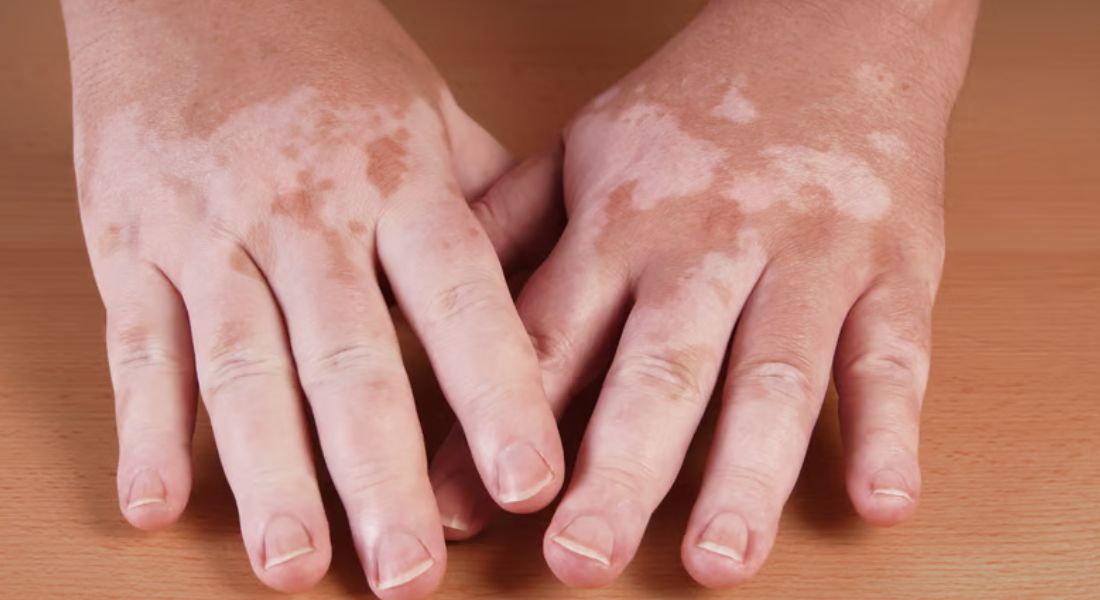
The earliest sign of Vitiligo is often a small, pale patch of skin. You may notice an area that looks lighter than your natural skin tone. In many cases, this change develops gradually rather than appearing suddenly.
These patches commonly appear on areas exposed to the sun, such as the face, hands, and arms. Because these areas are more visible, even slight changes can be easier to spot. You might first notice a faint difference in colour rather than a sharply defined patch.
At the beginning, the change can be very subtle and easy to overlook. Over time, the contrast between affected and unaffected skin may become more noticeable. Keeping an eye on any evolving patches can help you recognise patterns early and decide when to seek advice.
Subtle Loss of Pigment
In the early stages of Vitiligo, pigment loss may be very subtle. Instead of a clearly white patch, the affected area might look slightly lighter or “faded” compared to your natural skin tone. This can make the condition difficult to recognise at first.
You may notice a mild unevenness in your skin tone rather than distinct patches. The change can appear gradual and inconsistent, which is why it is sometimes mistaken for other skin concerns such as dryness or mild irritation. This uncertainty is common in the early phase.
Monitoring these small changes over time is important. Taking note of size, shape, or colour differences can help you track any progression. If the area becomes more defined or spreads, it may be a good time to seek professional advice for an accurate assessment.
Common Areas Where It Starts

Vitiligo often begins in specific areas of the body. The face, hands, elbows, and knees are among the most common starting points. These areas are more prone to early changes, partly because they are frequently exposed and subject to friction.
You may also notice early signs around the eyes and mouth. These regions tend to show pigment changes more clearly, even when the difference is subtle. Environmental exposure, such as sunlight, can make these changes more noticeable over time.
Understanding where vitiligo commonly appears helps you stay more aware of your skin. Checking these areas regularly makes it easier to spot early changes. This awareness supports timely assessment and better management if needed.
Changes Around Body Openings
In early Vitiligo, you may notice changes developing around natural body openings such as your lips, nostrils, and eyes. These areas are often among the first to show subtle lightening of the skin. At first, the changes can be very mild and easy to overlook. Paying close attention helps you recognise these early signs.
- Common areas affected: Vitiligo often appears around the mouth, eyes, and nose in its early stages. These regions have delicate skin and natural pigment variation. This makes changes more noticeable over time.
- Visible contrast in these regions: The contrast between affected and unaffected skin can be more obvious around body openings. This is due to the natural differences in pigmentation in these areas. Even small changes may stand out.
- Gradual development of patches: The lightening usually develops slowly rather than suddenly. You might notice a faint change that becomes clearer over time. Monitoring these subtle shifts is important.
- Importance of early observation: Noticing small differences early allows you to seek advice if needed. Early recognition can support timely assessment and management. It also helps you feel more in control of the situation.
By staying aware of these early changes, you can better understand how vitiligo begins. Observing your skin regularly helps you identify patterns and progression. This awareness supports informed decisions about your care.
Symmetry of Patches
In Vitiligo, you may notice that patches sometimes appear in a symmetrical pattern. This means similar areas on both sides of your body can be affected, such as both hands or around both eyes. This pattern is more common in certain types of vitiligo. However, the way it develops can vary from person to person.
- What symmetry means: Symmetry refers to patches appearing in matching or similar locations on both sides of your body. For example, you might see lightening on both elbows or both sides of your face. This pattern can help doctors identify the type of vitiligo.
- Early stages may differ: In the beginning, you may only notice a single patch. Symmetry often develops over time rather than appearing immediately. This is why early signs can sometimes seem isolated.
- Progression over time: Additional patches may gradually appear and create a more balanced pattern. This progression can happen slowly or at varying speeds. Monitoring these changes helps you understand how the condition is evolving.
- Value for diagnosis: Keeping track of where patches appear can provide useful information for your dermatologist. Patterns such as symmetry can support a more accurate diagnosis. This helps guide the most suitable management plan.
By observing how patches develop, you gain a clearer picture of your condition. Even small changes can offer helpful insights over time. This awareness supports better communication with your dermatologist and more informed care decisions.
Hair Colour Changes
Vitiligo can also affect the colour of hair growing in the involved areas. You may notice that hair becomes white or grey where the skin has lost pigment. This is known as depigmentation of hair and can be an important early clue.
This change may appear early in some people or develop later as the condition progresses. The timing varies from person to person. In some cases, hair colour change may even be one of the first noticeable signs.
You might observe this in scalp hair, eyebrows, or eyelashes. It can also affect body hair in areas where lighter patches are present. Paying attention to these changes can help you recognise patterns and decide when to seek professional advice.
Sensitivity to Sunlight
Vitiligo can make certain areas of your skin more sensitive to sunlight. Because these patches lack melanin, they have less natural protection against UV rays. As a result, they may burn more easily than the surrounding skin. For some people, this increased sensitivity is one of the first noticeable clues.
You might observe redness or irritation in these areas after sun exposure. At the same time, the contrast between affected and unaffected skin can become more pronounced, making patches easier to see. This change in appearance often draws attention to areas that previously seemed subtle.
Protecting your skin from the sun is essential. Using sunscreen, seeking shade, and wearing protective clothing can help reduce the risk of sunburn. These simple steps also help prevent further skin damage and keep your skin healthier overall.
No Physical Discomfort
Vitiligo usually does not cause pain, itching, or irritation. This is one of the reasons it can go unnoticed in the early stages. The primary change is visual rather than physical, which can make it easy to overlook at first.
You may not feel any difference in the affected skin. The texture typically remains smooth and normal. The only noticeable change is the loss of colour, which may appear as lighter or white patches.
Because there are no physical symptoms to draw attention to it, recognition can sometimes be delayed. Being aware of subtle changes in skin tone is important. Early awareness helps you seek advice sooner and understand what is happening.
Gradual Progression
Vitiligo often develops gradually, so you may first notice small patches that slowly change over time. These areas can expand or new patches may appear in different parts of your body. The changes are usually not sudden, which can make them easy to overlook at first. Paying attention to subtle differences helps you stay aware of early progression.
- Slow development of patches: You may notice a small, light patch that gradually becomes more defined. Over time, it can increase in size or become more noticeable. This slow progression is common in many cases.
- Variation in progression speed: The rate at which vitiligo develops can differ from person to person. Some people experience quicker changes, while others see very slow progression. Your experience may not follow a predictable pattern.
- Appearance of new areas: In addition to existing patches growing, new areas may develop elsewhere on your body. These can appear at different times and in different locations. Tracking where and when they appear is helpful.
- Importance of monitoring: Keeping an eye on changes helps you understand your individual pattern. You can note size, location, and timing of new patches. This information is valuable for managing the condition effectively.
By observing gradual progression, you gain better insight into how your skin is changing. This awareness supports more informed decisions about care and treatment. Regular monitoring also helps you feel more prepared and in control.
Triggers and Risk Factors
Vitiligo can sometimes be influenced by certain triggers. These may include emotional stress, skin injury (such as cuts or friction), or sunburn. In some individuals, these factors can contribute to the onset or progression of pigment loss. Being mindful of these triggers can help you manage your skin more carefully.
Genetics may also play a role. If you have a family history of vitiligo or other autoimmune conditions, your likelihood of developing it may be higher. However, it is important to remember that not everyone with these risk factors will develop the condition. Vitiligo often arises from a combination of factors rather than a single cause.
Understanding potential triggers helps you stay more aware of changes in your skin. It also allows you to take simple preventive steps, such as protecting your skin from injury and excessive sun exposure. This awareness supports better long-term management.
The Role of the Immune System
Vitiligo is often linked to how your immune system functions. In this condition, your immune system may mistakenly target melanocytes, the cells responsible for producing skin pigment. This can lead to the loss of colour in certain areas of your skin. Understanding this process can help you make sense of why these changes occur.
- Autoimmune response: Vitiligo is commonly associated with an autoimmune reaction. This means your immune system attacks healthy pigment-producing cells by mistake. As a result, those areas lose their natural colour.
- Variation between individuals: The immune response can differ from person to person. In some cases, it may be more active, leading to faster changes. In others, it may remain stable for long periods.
- Impact on progression: The way your immune system behaves can influence how vitiligo develops. It can affect how quickly patches appear or expand. This is why progression is often unpredictable.
- Relevance to treatment: Many treatment approaches aim to regulate the immune response. By calming this activity, it may be possible to slow or stabilise changes. This is an important part of managing the condition.
By understanding the role of your immune system, you gain a clearer picture of how vitiligo develops. This knowledge can make the condition feel less uncertain. It also helps you approach treatment options with greater confidence.
When to Seek Professional Advice
If you notice unexplained lightening of your skin, it is best to seek advice promptly. Early assessment can help confirm whether it is Vitiligo or another condition. Getting clarity early often brings reassurance and helps you understand what steps to take next.
A dermatologist will examine your skin carefully and may use specialised tools, such as a Wood’s lamp, to assess pigment changes more clearly. This detailed evaluation ensures an accurate diagnosis. It also helps rule out other causes of colour change.
Seeking advice early allows you to explore suitable management options if needed. Even if no immediate treatment is required, having a professional opinion gives you confidence in how to monitor your skin. Early guidance supports better long-term care and informed decision-making.
How Vitiligo Is Diagnosed
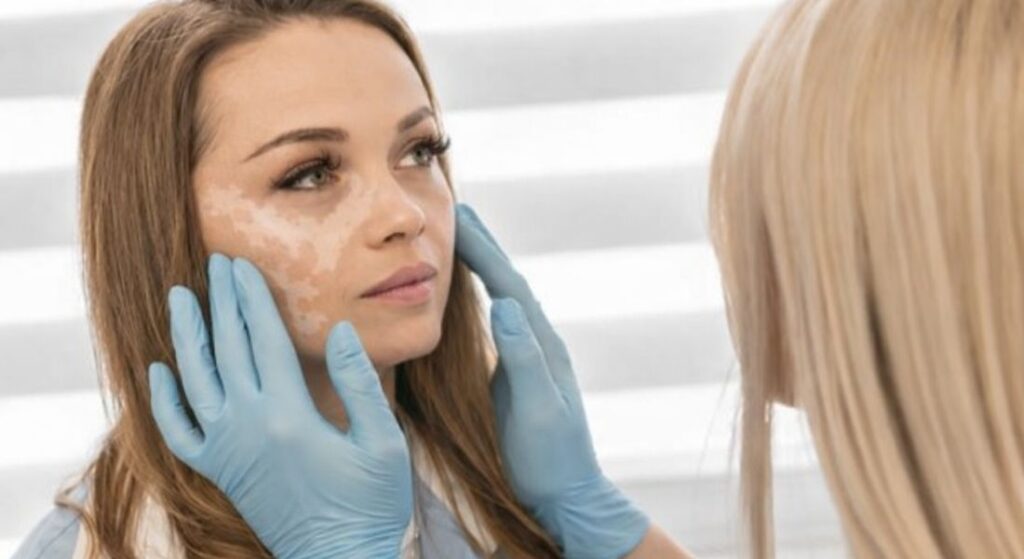
Vitiligo is usually diagnosed through a careful visual examination. A dermatologist looks for characteristic patterns of pigment loss, including the shape, distribution, and borders of lighter patches. This initial assessment often provides strong clues about the condition.
To support the diagnosis, a special light called a Wood’s lamp may be used. This light enhances differences in skin pigmentation, making early or subtle changes easier to see. It can help confirm whether an area has truly lost pigment or if another skin issue is present.
In most cases, additional tests are not required. However, they may be considered if the diagnosis is unclear or if other conditions need to be ruled out. An accurate diagnosis is important because it guides appropriate management and helps you understand what to expect moving forward.
Differentiating from Other Conditions
Vitiligo can sometimes look similar to other skin conditions, especially in the early stages. For example, fungal infections such as Tinea versicolor or changes after skin irritation (post-inflammatory hypopigmentation) may also cause lighter patches. Because these conditions can appear alike, it is easy to feel unsure at first.
A professional assessment helps distinguish between these possibilities. A dermatologist will look at the pattern, distribution, and texture of the affected areas, and may use tools like a Wood’s lamp to support the diagnosis. This careful evaluation helps prevent misdiagnosis and ensures that you receive the most appropriate care.
Understanding the differences between these conditions can reduce unnecessary worry. It allows you to approach the situation with clarity and confidence. Knowing what you are dealing with is the first step towards effective management.
Emotional and Psychological Impact
With Vitiligo, even early changes in your skin can affect how you feel about your appearance. You may notice a shift in your confidence, especially if patches are visible. These feelings are completely normal and something many people experience. Recognising the emotional side of the condition is an important step in managing it.
- Changes in confidence: You might feel more aware of your skin, particularly in social or public situations. Visible patches can draw your attention and affect how you see yourself. This response is natural and understandable.
- Feelings of self-consciousness: It is common to feel self-conscious when your appearance changes. You may worry about how others perceive you. Acknowledging these thoughts can help you address them more effectively.
- Value of professional support: Speaking with healthcare professionals can provide reassurance and guidance. They can help you understand what to expect and how to manage changes. This support can ease uncertainty.
- Importance of emotional wellbeing: Looking after your emotional health is just as important as managing physical symptoms. This might include talking to someone you trust or seeking support if needed. A balanced approach supports overall wellbeing.
By addressing both the physical and emotional aspects of vitiligo, you can feel more in control of your experience. Understanding the condition helps reduce anxiety and build confidence. With the right support, you can manage these changes in a positive and informed way.
Importance of Early Management
With Vitiligo, recognising changes early gives you the opportunity to explore suitable management options. Although vitiligo cannot always be reversed, early action may help control how it progresses. The way the condition behaves can vary, so timing often plays an important role. Taking a proactive approach helps you feel more prepared and informed.
- Early detection and awareness: Noticing changes in your skin at an early stage allows you to seek advice sooner. This can help confirm the diagnosis and rule out other conditions. Early awareness supports better decision-making.
- Potential to manage progression: While results vary, some treatments aim to slow or stabilise the spread of patches. Starting management early may improve how well these approaches work. This can make a meaningful difference over time.
- Guidance from your dermatologist: Your dermatologist may recommend treatments, monitoring, or a combination of both. These plans are tailored to your individual needs and the stage of your condition. Professional guidance ensures safe and appropriate care.
- Taking a proactive role: Being involved in your care helps you stay in control of the process. You can track changes, follow recommendations, and adjust as needed. This active approach supports a more positive experience.
By focusing on early management, you give yourself the best chance to handle vitiligo effectively. Timely action can improve confidence and reduce uncertainty. With the right support, you can approach your care with clarity and reassurance.
Treatment Options in Early Stages
In the early stages of Vitiligo, treatment may include topical therapies or light-based approaches. Topical treatments, such as corticosteroids or calcineurin inhibitors, aim to encourage repigmentation and reduce immune activity in the skin. Light-based treatments, including narrowband UVB therapy, can help stimulate pigment production over time. Results can vary from person to person.
Your treatment plan will always be personalised. It depends on factors such as the size, location, and pattern of the patches, as well as your overall health. A dermatologist will guide you through suitable options and explain what you can realistically expect. This tailored approach helps ensure both safety and effectiveness.
Exploring treatment options early gives you more flexibility. It allows you to start management before changes become more noticeable or widespread. Early guidance and intervention can support better long-term outcomes and help you feel more in control.
Practical Tips for Skin Care

Caring for your skin thoughtfully can make a real difference when managing Vitiligo. Simple, consistent habits help protect sensitive areas and support overall skin health. Protecting your skin from sun exposure is essential. Using a broad-spectrum sunscreen regularly helps reduce the contrast between affected and unaffected areas. It also lowers the risk of sunburn, which can worsen the appearance of patches. Seeking shade and wearing protective clothing can provide added protection.
Avoiding harsh skincare products is equally important. Gentle, fragrance-free cleansers and moisturisers help maintain the skin’s natural barrier. This reduces the risk of irritation, which can sometimes trigger further changes. Maintaining a simple and consistent routine is often the most effective approach. Small daily steps support both skin health and overall wellbeing.
Monitoring Changes Over Time
Keeping track of your skin is an important part of managing Vitiligo. Taking clear photos at regular intervals can help you notice subtle changes that might otherwise be easy to miss. Comparing images over time gives you a better sense of whether patches are stable, improving, or spreading.
Regular check-ups with a dermatologist provide valuable professional input. These visits allow your condition to be assessed objectively and ensure that any treatment or care plan remains appropriate. Consistency with follow-up helps you stay on track and respond early to any changes.
Tracking your skin over time also helps guide treatment decisions. It provides useful information about how your body is responding and whether adjustments may be needed. Just as importantly, it offers reassurance by giving you a clearer understanding of your progress.
FAQs:
1. What are the earliest signs of vitiligo?
The earliest signs of vitiligo usually appear as small, pale patches on your skin. These areas may look slightly lighter than your natural tone rather than completely white at first. You might notice them on sun-exposed areas such as your face or hands. Over time, the contrast can become more noticeable.
2. How can you tell if a light patch is vitiligo?
Vitiligo patches are typically smooth, with no change in skin texture or discomfort. The main difference you will notice is a loss of colour rather than redness or scaling. These patches may gradually become more defined over time. A dermatologist can confirm the diagnosis with a simple examination.
3. Where does vitiligo usually start on the body?
Vitiligo often begins on areas that are frequently exposed to sunlight, such as your face, hands, and arms. It can also appear around your eyes, mouth, and other body openings. These areas may show subtle changes before others. Being aware of these common locations helps you spot early signs more easily.
4. Does vitiligo start suddenly or gradually?
In most cases, vitiligo develops gradually rather than appearing all at once. You may first notice a faint patch that slowly becomes more visible. New patches can appear over time, depending on how the condition progresses. The rate of change varies from person to person.
5. Can vitiligo cause itching or pain in the early stages?
Vitiligo usually does not cause itching, pain, or discomfort. This is why it can sometimes go unnoticed in the early stages. The only change you are likely to see is in skin colour. Because there are no physical symptoms, visual awareness is especially important.
6. Does vitiligo affect hair colour as well?
Yes, vitiligo can affect the colour of hair in the affected areas. You may notice hair turning white or grey where the skin has lost pigment. This can happen on your scalp, eyebrows, eyelashes, or body hair. It may occur early or later, depending on how the condition develops.
7. Are early vitiligo patches always symmetrical?
Early vitiligo patches are not always symmetrical. You may initially notice a single patch on one part of your body. As the condition progresses, similar patches can appear on both sides. Symmetry tends to become more noticeable over time in certain types of vitiligo.
8. Can sun exposure make early vitiligo more visible?
Yes, sun exposure can make vitiligo patches more noticeable. The affected areas lack pigment and may burn more easily than the surrounding skin. This increases the contrast between normal and depigmented skin. Using sunscreen helps protect your skin and reduce this contrast.
9. What conditions can be mistaken for early vitiligo?
Some skin conditions can look similar to early vitiligo, such as fungal infections or post-inflammatory hypopigmentation. These may also cause lighter patches on the skin. However, they often have different causes and may include additional symptoms. A professional assessment helps ensure an accurate diagnosis.
10. When should you see a dermatologist for possible vitiligo?
You should see a dermatologist if you notice unexplained light patches on your skin. Early assessment helps confirm whether it is vitiligo or another condition. It also allows you to explore management options at an early stage. Getting professional advice can give you reassurance and clarity.
Final Thoughts: Recognising Early Signs and Taking Action
Recognising the early signs of vitiligo allows you to take a proactive approach to your skin health. Subtle changes in pigmentation can be easy to overlook, but staying aware helps you seek timely advice and understand your options. Early awareness gives you the confidence to monitor your skin and respond appropriately.
Vitiligo develops differently for everyone, which is why a personalised approach is important. With professional guidance, you can better understand your condition and explore suitable management strategies. Taking early steps can support more effective long-term outcomes and help you feel more in control. If you’re considering vitiligo treatment in London, you can get in touch with us at London Dermatology Centre.
References:
- Speeckaert, R., Van Caelenberg, E., Belpaire, A., Speeckaert, M.M. and van Geel, N. (2024) Vitiligo: From pathogenesis to treatment, Journal of Clinical Medicine, 13(17), p. 5225. https://www.mdpi.com/2077-0383/13/17/5225
- Al-smadi, K., Imran, M., Leite-Silva, V.R. and Mohammed, Y. (2023) Vitiligo: A review of aetiology, pathogenesis, treatment, and psychosocial impact, Cosmetics, 10(3), p. 84. https://www.mdpi.com/2079-9284/10/3/84
- Ezzedine, K., Eleftheriadou, V., Whitton, M. and van Geel, N. (2015) Vitiligo, The Lancet, 386(9988), pp. 74–84. https://pubmed.ncbi.nlm.nih.gov/25596811/
- Bergqvist, C. and Ezzedine, K. (2020) Vitiligo: A review, Dermatology, 236(6), pp. 571–592. https://pubmed.ncbi.nlm.nih.gov/32155629/
- Joge, R.R., Kathane, P.U. and Joshi, S.H. (2022) Vitiligo: A narrative review, Cureus, 14(9), e29307. https://pmc.ncbi.nlm.nih.gov/articles/PMC9586189/