


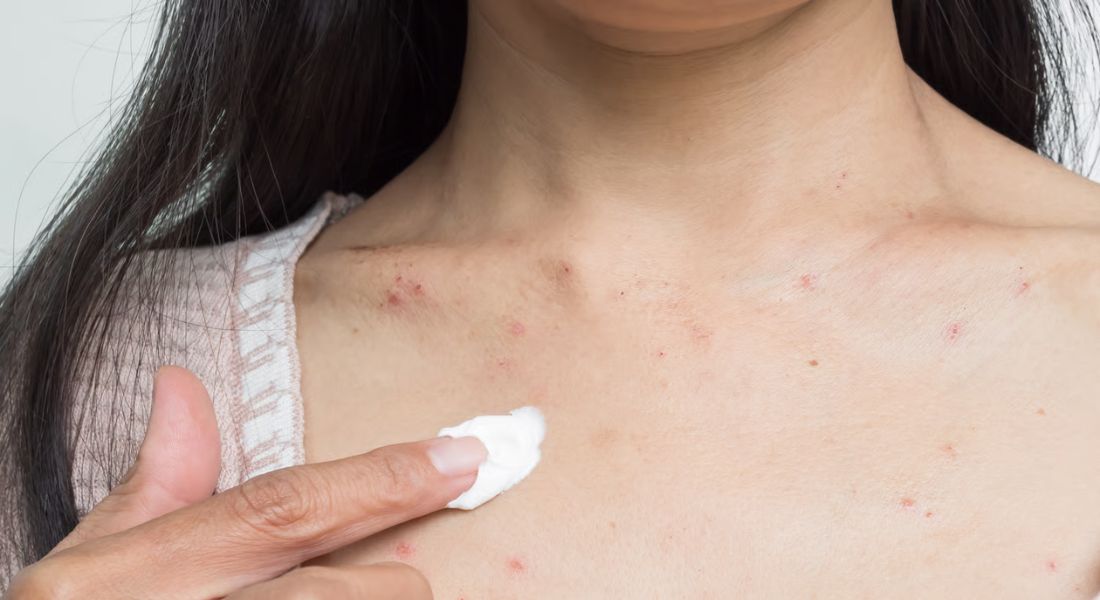
Our environment has a profound impact on skin health, shaping not just its appearance but also its susceptibility to disease. Increasing levels of air pollution, rising urbanisation, and the effects of climate change expose the skin to harmful particles, chemicals, and ultraviolet radiation. These factors can trigger inflammation, oxidative stress, and disruption of the skin barrier, making it more vulnerable to damage.
Pollution and environmental stressors have been linked to a rise in common skin conditions. Inflammatory disorders such as eczema and psoriasis can worsen, while acne and rosacea may become more persistent. Pigmentation issues, including melasma and hyperpigmentation, can also be aggravated by pollutants that affect melanocyte activity. Additionally, prolonged exposure can accelerate the natural ageing process, causing wrinkles, dryness, and loss of elasticity.
Understanding how environmental factors affect individual skin types is now a key focus in dermatology. By identifying specific triggers whether airborne pollutants, UV exposure, or climate-related changes dermatologists can provide targeted advice and treatments. Protective skincare routines, topical antioxidants, and lifestyle adjustments all play a role in reducing the skin’s vulnerability to environmental damage.
For those concerned about the impact of their surroundings on skin health, consulting a dermatologist in London can be particularly beneficial. Specialist assessment allows for personalised care plans that address environmental triggers, prevent worsening of existing conditions, and support overall skin resilience. This approach ensures that your skin remains healthy, balanced, and protected despite the challenges of modern living.
Pollution and Inflammatory Skin Disorders
Airborne pollutants including fine particulate matter, nitrogen dioxide, and volatile organic compounds can penetrate the skin’s natural barrier and trigger inflammatory responses. These substances generate oxidative stress, disrupt the skin’s protective mechanisms, and increase susceptibility to irritation and immune-mediated reactions.
As a result, inflammatory skin conditions such as eczema, psoriasis, and acne are becoming more common and severe in urban areas with high pollution levels. Patients often experience more frequent flare-ups, longer-lasting symptoms, and reduced responsiveness to conventional treatments.
Chronic exposure to environmental pollutants not only worsens existing conditions but can also contribute to the development of new skin problems. Understanding these links helps dermatologists tailor management strategies, including protective skincare routines, anti-inflammatory treatments, and lifestyle adjustments, to mitigate the effects of pollution on vulnerable skin.
Oxidative Stress and Skin Ageing
Environmental factors play a significant role in the ageing of skin, with pollution being a major contributor. Pollutants in the air generate free radicals that cause oxidative stress, damaging essential skin components such as collagen and elastin. Over time, this leads to visible signs of ageing, including fine lines, wrinkles, and loss of firmness. When combined with ultraviolet (UV) exposure, these effects accelerate “environmental ageing,” a pattern increasingly recognised in dermatology.
- Free Radical Generation: Pollutants such as smoke, particulate matter, and chemical irritants produce free radicals in the skin. These unstable molecules attack healthy cells, leading to structural damage and impaired skin function.
- Collagen Breakdown: Collagen provides strength and structure to the skin. Oxidative stress accelerates its degradation, resulting in reduced elasticity, sagging, and the formation of fine lines and wrinkles.
- Elastin Degradation: Elastin fibres give skin its flexibility and resilience. Free radicals can damage these fibres, contributing to loss of firmness and increased susceptibility to sagging and creasing.
- Environmental Ageing Synergy with UV Exposure: Ultraviolet radiation from sunlight works synergistically with pollution to intensify skin ageing. This combination damages DNA, promotes inflammation, and accelerates visible signs of ageing, which is why dermatologists emphasise both sun protection and pollution defence in skin care routines.
In conclusion, oxidative stress caused by pollutants significantly accelerates skin ageing by damaging collagen, elastin, and other structural components. When combined with UV exposure, this leads to pronounced environmental ageing. Understanding these mechanisms underscores the importance of protective strategies, such as antioxidant-rich skincare and sun protection, to maintain healthier, younger-looking skin over time.
Pigmentation Disorders and Urban Living
Environmental factors do more than trigger inflammation they can also affect skin pigmentation. Research indicates that exposure to particulate matter, heavy metals, and other pollutants can increase the risk of hyperpigmentation, melasma, and age spots. These pollutants generate oxidative stress, which disrupts melanocyte activity and leads to uneven pigment production.
Areas of the skin that are frequently exposed, such as the face, neck, and hands, are particularly vulnerable. Over time, repeated oxidative damage can create persistent dark patches, blotchiness, and an overall uneven skin tone.
For individuals living in urban environments, understanding the link between pollution and pigmentation is essential. Dermatologists can recommend targeted treatments, including topical antioxidants, sun protection, and pigment-correcting therapies, to reduce the impact of environmental stressors and promote a more even complexion.
Climate Change and Dermatology
Climate change is increasingly affecting skin health, with rising temperatures and higher UV exposure influencing the prevalence and severity of skin conditions. Heat can worsen inflammatory disorders such as eczema, rosacea, and psoriasis, while changes in humidity may disrupt the skin’s barrier, making it more prone to irritation and infection.
Dermatologists are noticing shifts in seasonal patterns of skin flare-ups. Symptoms may appear earlier, last longer, and be more intense in urban populations exposed to a combination of heat, pollution, and environmental stressors. These changes require patients and clinicians to adjust preventive and treatment strategies accordingly.
Proactive measures are essential to protect the skin. Using broad-spectrum sun protection, maintaining hydration, and applying barrier-supportive skincare can help reduce the impact of climate-related stress. Consulting a dermatologist in London or other urban areas ensures personalised advice and targeted treatments to preserve skin health in a changing environment.
Microbiome Disruption
Pollution doesn’t just irritate the skin it can also disrupt the delicate balance of the skin microbiome. Harmful airborne particles and chemical pollutants can reduce populations of protective bacteria, creating an environment where pathogenic microbes thrive.
This microbial imbalance has been linked to several skin conditions, including acne, rosacea, and atopic dermatitis. When the microbiome is disturbed, the skin becomes more prone to inflammation, infection, and impaired barrier function, making management of these conditions more challenging.
Understanding the connection between environmental exposure and microbiome health allows dermatologists to develop more targeted treatments. Approaches may include topical probiotics, microbiome-friendly skincare, and strategies to reduce pollutant exposure, all aimed at restoring balance and supporting resilient, healthy skin.
Protective Strategies for the Skin
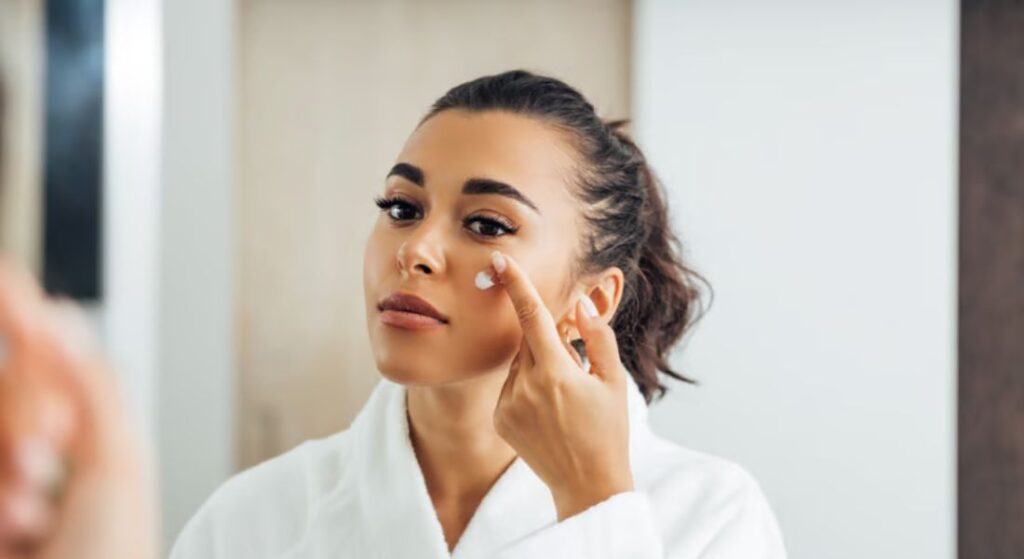
Protecting the skin from environmental damage requires a combination of preventive measures and targeted treatments. Topical and systemic antioxidants can help neutralise free radicals generated by pollution and UV exposure, reducing oxidative stress and cellular damage.
Daily use of broad-spectrum sunscreen is essential, not only to protect against ultraviolet rays but also to mitigate the combined effects of sun and airborne pollutants. Gentle cleansing routines are equally important, removing particulate matter without stripping the skin of its natural oils or compromising the barrier function.
For optimal results, consulting a dermatologist in London can provide personalised guidance. A specialist can design a tailored skin protection plan that considers your specific environmental exposures, lifestyle, and skin type, ensuring long-term skin health and resilience.
Indoor Air Quality
While outdoor pollution often gets the most attention, indoor air quality plays an equally important role in skin health. Everyday household and workplace pollutants, such as volatile organic compounds (VOCs) from cleaning products, heating systems, and smoke, can contribute to skin stress over time. Chronic exposure to these indoor irritants may worsen dryness, trigger sensitivity, and aggravate pre-existing skin conditions, making environmental management a key part of maintaining healthy skin.
- Volatile Organic Compounds (VOCs): Common household products, including cleaners, paints, and air fresheners, release VOCs that can irritate the skin. Prolonged exposure may weaken the skin barrier, making it more prone to dryness and inflammation.
- Smoke and Combustion Byproducts: Indoor smoke from cooking, candles, or tobacco contains pollutants that generate free radicals. These compounds accelerate oxidative stress and can contribute to premature skin ageing and irritation.
- Impact on Sensitive Skin: Individuals with eczema, rosacea, or other skin sensitivities are particularly affected by indoor air pollutants. Even low-level exposure can trigger flare-ups, redness, or discomfort.
- Importance of Ventilation and Air Quality Control: Improving ventilation, using air purifiers, and minimising exposure to chemical irritants can reduce the impact of indoor pollutants. Small changes in the indoor environment can help protect skin integrity and reduce chronic irritation.
In conclusion, indoor air pollutants significantly affect skin health, especially for those with sensitive or compromised skin. VOCs, smoke, and other irritants can exacerbate dryness, inflammation, and pre-existing conditions. By managing indoor air quality and reducing exposure to harmful substances, it is possible to support healthier, more resilient skin over time.
Emerging Research and Future Directions
Emerging research in environmental dermatology is uncovering new insights into how pollution and urban living affect skin health. Scientists are identifying biomarkers that link specific environmental exposures to conditions such as eczema, acne, and hyperpigmentation, providing a clearer picture of disease mechanisms.
Researchers are also investigating targeted therapies designed to strengthen the skin barrier, reduce oxidative damage, and modulate immune responses triggered by environmental stressors. These approaches aim not only to treat existing skin conditions but also to prevent future damage caused by pollution and climate-related factors.
As urbanisation and environmental challenges continue to rise, understanding the interplay between our surroundings and skin health will become increasingly vital. Dermatologists are focusing on integrating these insights into clinical practice, ensuring that patients receive personalised, forward-looking care that addresses both current and emerging environmental risks.
Personalised Skincare

Everyone’s skin reacts differently to environmental stressors, which is why personalised skincare is so important. Selecting the right combination of moisturisers, barrier creams, and targeted serums can help protect against the damaging effects of pollutants, UV radiation, and oxidative stress, all of which contribute to premature ageing and skin inflammation.
A tailored routine not only supports the skin’s natural defenses but also strengthens its barrier, reduces irritation, and helps prevent flare-ups of chronic conditions such as eczema, acne, and rosacea. By addressing the specific vulnerabilities of your skin, personalised care can improve overall texture, tone, and resilience.
Working closely with a dermatologist in London ensures your skincare plan considers your individual skin type, daily habits, and environmental exposures. With expert guidance, you can implement strategies that maximise protection, maintain long-term skin health, and help your skin recover from ongoing environmental stressors more effectively.
The Importance of Personalised Care
Environmental dermatology emphasises that every patient’s exposure to pollutants, UV radiation, and other environmental stressors is unique. Factors such as where you live, your occupation, daily routines, and lifestyle choices all influence how your skin responds and how susceptible you may be to certain conditions.
Because of this variability, a one-size-fits-all approach is rarely effective. Personalised care allows dermatologists to assess individual risk factors, identify specific triggers, and design treatment plans that target both existing skin issues and potential environmental threats.
Consulting an experienced dermatologist in London can be particularly valuable. Tailored strategies ranging from protective skincare routines to targeted medical treatments ensure that interventions are both effective and suited to your personal environmental context, helping maintain healthy, resilient skin over the long term.
Education and Prevention
Awareness is a powerful tool when it comes to protecting skin from environmental damage. Understanding how pollutants both outdoor and indoor affect the skin allows individuals to take proactive steps to maintain skin health. Preventive strategies can significantly reduce cumulative damage, often complementing or even outweighing the benefits of corrective treatments. Educating patients about these measures empowers them to make informed choices for long-term skin wellbeing.
- Avoiding Peak Pollution Hours: Limiting outdoor exposure during times when pollution levels are highest can reduce the skin’s contact with harmful particles. This simple strategy helps minimise oxidative stress and environmental damage.
- Using Protective Skincare: Applying antioxidant-rich creams, moisturisers, and sunscreen provides a barrier against free radicals and UV-induced damage. These products help strengthen the skin’s natural defences and reduce signs of premature ageing.
- Limiting Indoor Irritants: Reducing exposure to volatile organic compounds (VOCs), smoke, and other indoor pollutants supports skin health. Ventilation, air purifiers, and careful product choices can minimise irritation and prevent chronic skin stress.
- Integrating Prevention into Daily Routine: Combining outdoor protection with indoor air management and targeted skincare creates a comprehensive approach. Consistent preventive habits can slow environmental ageing and improve the skin’s resilience over time.
In conclusion, education and prevention are essential for protecting skin from the effects of pollution. By avoiding high-exposure periods, using protective skincare, and managing indoor air quality, patients can significantly reduce environmental damage. Empowering individuals with knowledge allows them to make informed choices, supporting healthier, more resilient skin in the long term.
Access to Expert Care
Environmental skin issues are often complex, arising from a combination of pollution, UV exposure, climate factors, and individual lifestyle habits. Addressing these challenges effectively requires more than general skincare advice it demands a comprehensive, personalised approach.
Consulting a dermatologist in London with expertise in environmental dermatology provides access to specialised knowledge and advanced treatment options. These experts can assess your unique exposure profile, identify specific triggers, and recommend strategies to both prevent and manage skin conditions.
By combining preventive measures, targeted therapies, and patient education, expert care ensures long-term skin health. With a tailored plan, patients can protect their skin from environmental stressors, manage existing conditions more effectively, and maintain resilience against future challenges.
Diet and Skin Health

Diet plays a significant role in supporting skin health, especially in environments with high pollution and other stressors. Consuming foods rich in antioxidants such as berries, leafy greens, and nuts helps combat oxidative stress and free radical damage that can be triggered by environmental toxins.
Anti-inflammatory foods, including fatty fish, turmeric, and olive oil, can help reduce chronic skin inflammation and support barrier function. Adequate hydration also maintains skin elasticity, aids in toxin removal, and keeps the barrier intact against external irritants.
While diet alone cannot completely neutralise environmental pollutants, it provides an important layer of resilience. For urban populations, combining a nutrient-rich diet with personalised skincare and environmental protection strategies enhances overall skin health and helps mitigate the effects of pollution and other environmental stressors.
FAQs:
1. How does pollution affect my skin?
Airborne pollutants such as fine dust, smoke, and chemical particles can penetrate the skin barrier, causing inflammation and oxidative stress. Over time, this can damage collagen and elastin, leading to dryness, sagging, fine lines, and premature ageing, even if your skin appears healthy on the surface.
2. Can pollution worsen existing skin conditions?
Yes. Skin conditions like eczema, psoriasis, acne, and rosacea can become more frequent or severe in polluted environments. Pollutants trigger immune responses and irritation, which may make flare-ups last longer and reduce the effectiveness of usual treatments.
3. How does environmental exposure cause pigmentation problems?
Pollution can affect melanocytes, the cells responsible for producing skin pigment. Repeated exposure to particulate matter and heavy metals may lead to hyperpigmentation, melasma, and uneven skin tone. Areas exposed most often, like the face, neck, and hands, are particularly vulnerable.
4. What role does climate change play in skin health?
Rising temperatures, higher UV exposure, and fluctuating humidity can worsen inflammatory skin disorders and disrupt the skin’s barrier function. These changes can make flare-ups more frequent, intense, and long-lasting, requiring adjustments to your skincare routine and preventive strategies.
5. How can indoor air quality affect my skin?
Indoor pollutants from household products, smoke, and heating systems release volatile organic compounds (VOCs) that irritate the skin over time. Chronic exposure can worsen dryness, trigger sensitivities, and aggravate conditions like eczema or rosacea, highlighting the importance of good ventilation and air purification.
6. What protective strategies can help my skin?
Daily sun protection, antioxidant-rich creams, and gentle cleansing routines are essential. Avoid harsh soaps, remove pollutants carefully without stripping natural oils, and maintain a skincare routine tailored to your environment. Together, these measures strengthen the skin barrier and reduce the long-term impact of environmental stressors.
7. Is personalised skincare important in polluted environments?
Absolutely. Everyone’s skin reacts differently to UV rays, pollution, and oxidative stress. A personalised plan, including moisturisers, serums, and barrier creams, helps protect against damage, minimise irritation, and prevent flare-ups of chronic conditions like acne, eczema, or rosacea.
8. Can diet influence skin resilience against environmental stress?
Yes. A nutrient-rich diet supports skin health from within. Antioxidant foods like berries, leafy greens, and nuts combat free radicals, while anti-inflammatory foods such as fatty fish, turmeric, and olive oil help reduce chronic skin inflammation. Adequate hydration also maintains elasticity and strengthens the skin barrier.
9. How can dermatologists help with pollution-related skin issues?
Dermatologists assess your skin type, lifestyle, and environmental exposures to identify specific triggers. They can recommend protective routines, medical treatments, and personalised strategies to manage flare-ups, prevent future damage, and maintain long-term skin resilience.
10. Can environmental strategies prevent long-term skin ageing?
Yes. Consistent protection against UV rays and pollutants, along with antioxidants, barrier-strengthening skincare, and healthy lifestyle choices, can slow down oxidative damage. Over time, these strategies help maintain smoother, firmer, and healthier skin while reducing the signs of premature ageing.
Final Thoughts: Protecting Skin in a Polluted Environment
Environmental factors such as air pollution, UV exposure, and climate change significantly impact skin health, contributing to inflammation, pigmentation issues, and accelerated ageing. While daily protective measures like antioxidant-rich skincare, sun protection, and barrier-supportive routines are essential, personalised care ensures the best outcomes. Working with an expert allows for tailored strategies that address your unique environmental exposures, skin type, and lifestyle, helping maintain resilience, prevent flare-ups, and support long-term skin health.
You can book a consultation with one of our Dermatologist in London, by contacting us at the London Dermatology Centre. This personalised approach ensures that your skin receives expert guidance and care to thrive despite environmental challenges.
References:
- Zieneldien, T., Ma, S., Tan, I.J., Kim, J. & Cohen, B.A. (2025). The Environmental Determinants of Skin Health: Linking Climate Change, Air Pollution, and the Dermatologic Disease Burden. International Journal of Environmental Research and Public Health, https://www.mdpi.com/1660-4601/22/12/1820
- Puri, P., Nandar, S.K., Kathuria, S. & Ramesh, V. (2017). Effects of Air Pollution on the Skin: A Review. Indian Journal of Dermatology, Venereology and Leprology, https://pubmed.ncbi.nlm.nih.gov/28195077/
- Paik, K., Na, J.-I., Huh, C.-H. & Shin, J.-W. (2024). Particulate Matter and Its Molecular Effects on Skin: Implications for Various Skin Diseases. International Journal of Molecular Sciences, https://pmc.ncbi.nlm.nih.gov/articles/PMC11432173/
- Smith, L.A., et al. (2025). The impact of pollution and climate change on skin health: Mechanisms, protective strategies, and future directions. Experimental Dermatology https://www.sciencedirect.com/science/article/pii/S2950198925000613
- Grether‑Beck, S., Felsner, I., Brenden, H., Marini, A. & Jaenicke, T. (2021). Air pollution‑induced tanning of human skin. British Journal of Dermatology, https://academic.oup.com/bjd/article/185/5/1026/6600094