



The field of dermatology is evolving rapidly, and one of the most exciting areas of innovation is epigenetics. Unlike genetic mutations that alter DNA sequences, epigenetics focuses on changes in gene expression that don’t modify the underlying DNA. These changes, often triggered by environmental or lifestyle factors, play a crucial role in the development and progression of many skin disorders.
From autoimmune conditions like lupus to chronic inflammations such as eczema, epigenetic mechanisms are now recognised as pivotal contributors to disease onset and persistence. With new tools enabling researchers to map these changes more precisely, dermatology is entering an era where treatments could one day be tailored not just to genetic profiles, but also to reversible epigenetic states—potentially transforming care.
Understanding Epigenetics in Dermatology
Epigenetics encompasses several mechanisms—DNA methylation, histone modification, and non-coding RNA activity—that regulate gene activity without altering the DNA code itself. These processes can switch genes on or off, affecting cellular behaviour in subtle but impactful ways. In dermatology, this means that two individuals with identical genetic predispositions might experience vastly different skin health outcomes, depending on their epigenetic profiles.
For instance, factors like UV exposure, stress, diet, and infection can alter epigenetic marks, influencing the development or suppression of skin diseases. The reversible nature of many epigenetic changes presents new therapeutic opportunities, allowing for interventions that could potentially reset abnormal gene expression patterns in affected skin cells.
Epigenetic Signatures in Eczema
Atopic dermatitis (eczema) is one of the most studied inflammatory skin conditions in the context of epigenetics. Researchers have identified distinct epigenetic changes in immune-related genes and skin barrier genes in patients with eczema. DNA methylation patterns have been shown to differ between affected and unaffected skin, even within the same individual. These changes may help explain why some individuals outgrow eczema while others suffer lifelong symptoms.
Moreover, studies suggest that maternal stress and environmental exposures during pregnancy could epigenetically programme a child’s immune system, increasing their risk for eczema. By targeting these epigenetic regulators, future treatments may be able to reduce inflammation and improve barrier function more effectively than current therapies.
Vitiligo and the Role of Epigenetic Regulation
Vitiligo, characterised by the loss of melanocytes resulting in depigmented patches, has both genetic and autoimmune components. Recent studies have highlighted how epigenetic dysregulation could influence the immune system’s attack on melanocytes. Altered histone modifications and DNA methylation have been observed in key immune genes, suggesting that environmental triggers might epigenetically ‘switch on’ autoimmune responses in genetically susceptible individuals.
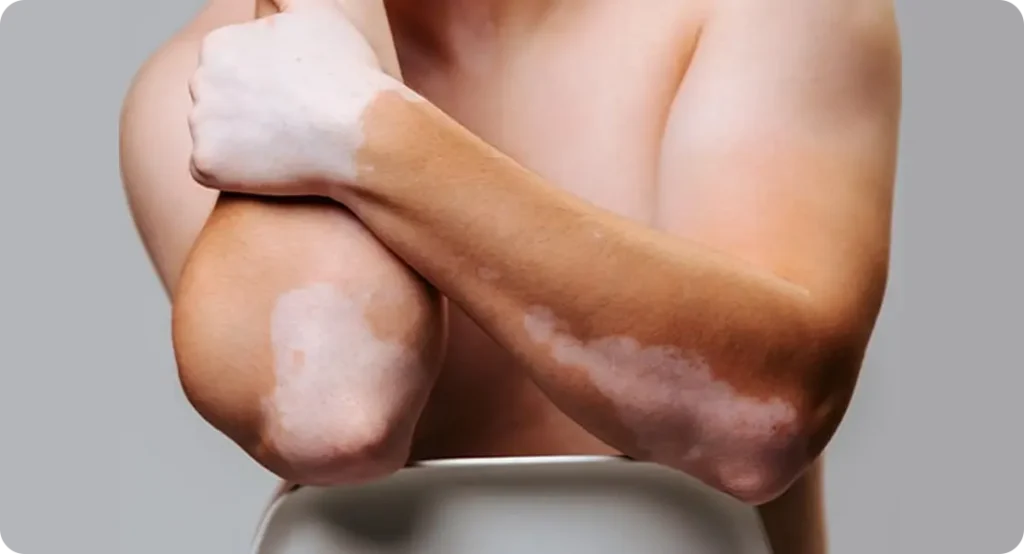
In addition, oxidative stress—a known contributor to vitiligo—can itself cause epigenetic changes, creating a feedback loop that exacerbates disease progression. Understanding these patterns may open new therapeutic doors, such as treatments that restore normal gene expression and halt melanocyte destruction.
Systemic Lupus Erythematosus and Skin Involvement
Systemic lupus erythematosus (SLE) often manifests with cutaneous symptoms and is another condition under the epigenetic microscope. In lupus patients, global DNA hypomethylation has been observed in T-cells, leading to inappropriate activation and autoimmunity. This hypomethylation is thought to be influenced by environmental factors such as UV light, infections, and certain medications.
Epigenetic changes also appear to affect keratinocytes, the primary cells of the skin’s outer layer, making them more prone to immune attack. This understanding suggests that interventions targeting these epigenetic changes—such as DNA methyltransferase inhibitors—could reduce inflammation and tissue damage in the skin, marking a shift from symptom management to modifying disease behaviour at the molecular level.
The Skin’s Environmental Interface
The skin is a unique organ because of its constant exposure to environmental factors. UV radiation, pollution, temperature fluctuations, and microbes all interact with the skin daily and can leave epigenetic marks on skin cells. These external influences can modulate gene expression over time, contributing to both skin ageing and the development of disorders.
For example, UV exposure can alter histone acetylation in keratinocytes, leading to premature ageing or cancerous changes. Understanding how the skin’s epigenetic landscape shifts in response to these exposures could help dermatologists create prevention strategies or develop topical agents that shield skin cells from harmful epigenetic reprogramming.
Non-Coding RNAs: Silent Drivers of Disease
MicroRNAs (miRNAs) and other non-coding RNAs have emerged as key epigenetic regulators in dermatological conditions. These molecules can silence genes post-transcriptionally and have been implicated in inflammatory and autoimmune skin disorders. In psoriasis, for instance, specific miRNAs are found in higher concentrations in lesional skin and blood, affecting pathways related to keratinocyte proliferation and immune activation.
Similarly, in eczema and lupus, altered miRNA expression contributes to dysregulated immune responses. Because these small RNAs can be measured in blood or skin samples, they may serve as useful biomarkers for diagnosis or treatment response, and therapies targeting miRNAs could offer highly specific disease modulation.
Epigenetic Biomarkers in Skin Disease
One promising avenue in epigenetic dermatology is the use of epigenetic markers to aid diagnosis and predict disease progression. Biomarkers such as methylated DNA fragments or miRNA profiles can provide insights into disease severity, response to treatment, or risk of flare-ups.
In eczema, researchers are exploring whether specific methylation signatures could differentiate between types or stages of the condition. For lupus, miRNA patterns might help distinguish between cutaneous and systemic forms of the disease. The development of these biomarkers could improve precision medicine in dermatology, allowing clinicians to tailor treatments more effectively based on individual epigenetic profiles.
Transgenerational Epigenetics: Skin Conditions Passed Down?
A fascinating dimension of epigenetics is the possibility that certain changes can be passed from one generation to the next. This means environmental exposures experienced by parents—such as stress, smoking, or diet—could influence the epigenetic programming of their offspring’s skin and immune system. In mice, prenatal exposure to allergens has been shown to increase the risk of dermatitis in pups through altered DNA methylation.

Although human studies are still emerging, the idea that we may inherit epigenetic susceptibility to skin disease underscores the importance of preconception and prenatal health in dermatology.
Personalised Epigenetic Therapy: A Future Vision
With the growing understanding of skin epigenetics, researchers are now investigating therapies that target these molecular pathways. Epigenetic drugs—such as histone deacetylase inhibitors (HDACi) and DNA methyltransferase inhibitors (DNMTi)—are already used in cancer and may hold promise for skin conditions.
For instance, HDAC inhibitors are being studied for their ability to reduce inflammation and promote skin barrier repair in eczema. These agents could offer a more precise, personalised approach, particularly for patients who do not respond to conventional therapies. However, their systemic effects mean that careful dosing and targeting will be crucial to avoid unwanted side effects.
Challenges in Epigenetic Dermatology
Despite the promise, integrating epigenetics into clinical dermatology presents several challenges. Epigenetic marks can vary between different types of skin cells and even between body regions, complicating analysis. In addition, most studies so far have been small or limited to specific populations. More comprehensive research is needed to confirm findings and determine how best to translate them into practice.
There’s also the challenge of developing safe and effective epigenetic therapies that act locally, especially given the systemic nature of many current drugs. Nonetheless, the foundational science is progressing, laying the groundwork for future breakthroughs.
The Role of Diet and Lifestyle
Emerging evidence suggests that diet and lifestyle choices can influence the skin’s epigenome. Nutrients such as folate, B vitamins, and polyphenols play roles in methylation and histone modification processes. For example, green tea extracts have been shown to alter miRNA expression in keratinocytes, possibly reducing inflammation.

Stress management and sleep also appear to affect epigenetic regulation of the immune system. This raises the possibility of holistic management strategies that not only treat symptoms but also promote healthy epigenetic patterns to support long-term skin health.
Epigenetics in Skin Cancer Prevention
Skin cancers, including melanoma and non-melanoma types, also exhibit epigenetic alterations. Aberrant methylation of tumour suppressor genes and dysregulation of histone acetylation have been linked to tumour initiation and progression. Sun exposure plays a key role in these changes, reinforcing the importance of photoprotection.
Drugs that restore normal epigenetic function may offer a new angle in cancer prevention or therapy. Trials are ongoing to evaluate whether certain epigenetic modulators can be used topically to reverse precancerous changes in the skin, potentially providing a less invasive alternative to surgery or radiation.
Ageing and the Epigenome
Skin ageing isn’t just about collagen loss or reduced cell turnover—it’s also deeply tied to epigenetic changes. Ageing skin cells show widespread epigenetic drift, including changes in DNA methylation and histone modifications that affect gene expression. These changes impair repair mechanisms, weaken the skin barrier, and reduce resilience to environmental stress.
Anti-ageing treatments that focus on epigenetic rejuvenation—such as creams that modulate histone acetylation—are already being explored in cosmetic dermatology. In the future, such treatments may become a core part of preventive skincare.
Skin Microbiome and Epigenetics
The skin’s microbiome may also interact with host epigenetics. Microbial metabolites can influence histone modifications and miRNA expression in skin cells, potentially affecting immune responses and barrier function. Disruptions in the microbiome, such as those seen in eczema or acne, could therefore have downstream epigenetic consequences.
Understanding this crosstalk could lead to new treatments that combine probiotics or postbiotics with epigenetic modulators, providing dual benefits. This intersection of microbiology and epigenetics is a particularly promising area for future dermatological research.
Epigenetics and Skin Barrier Function
A properly functioning skin barrier is essential for preventing water loss and protecting against irritants, allergens, and pathogens. In conditions like eczema and psoriasis, this barrier is often compromised, and epigenetic regulation plays a crucial role in that dysfunction. For example, the filaggrin gene—vital for maintaining the skin’s hydration and structure—can be silenced through hypermethylation, even if no mutations are present.
This suggests that impaired skin barrier function might sometimes be reversible with epigenetic therapy. Research is ongoing to identify how environmental stressors like detergents, pollutants, and microbes might cause epigenetic silencing of key barrier genes and whether topical interventions can reverse this process.
Epigenetic Insights from Animal Models
Animal models have provided valuable insights into how epigenetic changes contribute to skin disorders. In mice, artificially induced alterations in DNA methylation can reproduce the features of human eczema or lupus-like skin inflammation. These models allow scientists to experiment with epigenetic drugs and observe the impact on skin physiology and immune responses. Importantly, some studies show that early-life epigenetic changes—particularly during embryonic development—can predispose animals to exaggerated skin inflammation later in life.
These findings highlight the potential for early-life interventions or even prenatal approaches to preventing certain dermatological conditions.
Epigenetics and Drug Resistance in Skin Disorders
Another emerging area is the role of epigenetics in drug resistance. In chronic inflammatory conditions such as psoriasis, patients may stop responding to standard therapies over time. Research indicates that epigenetic reprogramming of immune cells or skin cells may underpin this resistance.

For example, changes in chromatin accessibility can make inflammatory genes more resistant to suppression by corticosteroids. Understanding these resistance mechanisms could help develop adjunct therapies that restore drug sensitivity—potentially through epigenetic modulation—allowing treatments to remain effective for longer and improving quality of life for patients.
The Ethical Implications of Epigenetic Dermatology
As epigenetic research advances, it brings with it a host of ethical considerations. Should we intervene epigenetically in young children or during pregnancy to prevent future skin disease? How do we manage consent and privacy when using epigenetic biomarkers for diagnosis or risk prediction?
Furthermore, there’s a risk that increased focus on molecular profiles may widen inequalities in care, as personalised epigenetic treatments may not be equally accessible. These questions must be addressed alongside scientific progress to ensure that epigenetic dermatology is developed and applied responsibly, equitably, and ethically.
Combining Epigenetics with Existing Therapies
Rather than replacing current treatments, epigenetic approaches are likely to enhance or complement them. For instance, combining topical corticosteroids with epigenetic modulators could improve efficacy by targeting inflammation through multiple pathways.
Similarly, UV phototherapy might be used in conjunction with agents that open up chromatin structure, allowing better gene correction in autoimmune or pigmentary disorders. By layering these treatments, dermatologists could tailor therapy to individual patient profiles, potentially reducing side effects and improving long-term outcomes.
Epigenetics in Rare Genetic Skin Disorders
Even in monogenic skin disorders—conditions caused by mutations in a single gene—epigenetics plays a role. For example, in epidermolysis bullosa (EB), epigenetic modifications can influence the severity of symptoms and the body’s ability to repair damaged skin.
Some researchers are exploring whether targeted epigenetic therapies might upregulate compensatory pathways or enhance gene therapy effectiveness. Although rare, such conditions provide a controlled environment to study the interaction between genetics and epigenetics, and may help refine tools that can later be applied to more common skin diseases.
Education and Training for Dermatologists
As the science of epigenetics becomes increasingly relevant, there’s a growing need for education and training among dermatologists. Understanding how to interpret epigenetic data, select appropriate biomarkers, and apply novel therapies will be crucial in the coming years.
Many medical schools and dermatology programmes are beginning to incorporate molecular medicine modules, but continuous professional development will be key to keeping pace with this fast-evolving field. Epigenetics represents not just a new chapter in dermatological science but also a shift in how clinicians think about diagnosis, prevention, and treatment.
Collaborative Research and Future Innovation
To fully harness the potential of epigenetics in dermatology, collaboration across disciplines is essential. Dermatologists, geneticists, immunologists, and data scientists must work together to decode complex epigenetic networks and translate findings into clinical practice. The integration of artificial intelligence and machine learning is accelerating this process, allowing researchers to analyse vast datasets and identify meaningful patterns.

As funding and interest in precision medicine grow, the next decade may see the emergence of epigenetic-based diagnostic panels, topical therapeutics, and even preventative strategies tailored to an individual’s skin biology. This collaborative, tech-driven approach marks a transformative moment in how we understand and treat skin disorders.
Public Awareness and Patient Engagement
As epigenetic research progresses, increasing public awareness will play a vital role in its successful application. Patients must understand that their lifestyle choices—diet, stress levels, sun exposure, and even sleep—can influence their skin health at the epigenetic level.
Empowering individuals with this knowledge could encourage preventative behaviours and better adherence to treatment plans. Moreover, involving patients in research through biobanking and longitudinal studies will enhance our understanding of how epigenetic changes unfold over time. Clear communication and transparency from clinicians will be key to building trust and ensuring that advances in epigenetic dermatology are embraced by the people they’re designed to help.
Final Thoughts: A Promising Horizon
Epigenetics is revolutionising our understanding of skin disorders by revealing how genes and environment interact at the molecular level. For conditions like eczema, vitiligo, and lupus, where treatment can be frustratingly imprecise, this new frontier offers hope for more targeted, lasting solutions.
As research deepens, the goal is clear: to develop personalised treatments that modify the epigenetic switches driving disease, rather than merely managing symptoms. The challenge now is translating laboratory findings into safe, effective therapies that benefit patients in real-world settings—a task that will require collaboration between dermatologists, molecular biologists, and pharmaceutical scientists. But the future looks promising.
References:
- Nestle, F.O., Di Meglio, P., Qin, J.Z. and Nickoloff, B.J., 2009. Skin immune sentinels in health and disease. Nature Reviews Immunology, 9(10), pp.679–691.
Available at: https://www.nature.com/articles/nri2622 [Accessed 13 May 2025].
– Discusses the interplay between immune regulation and skin conditions, including how epigenetic regulation may play a role. - Slominski, A.T., Zmijewski, M.A. and Paus, R., 2012. Epigenetic mechanisms in skin ageing, inflammation and cancer. Journal of Investigative Dermatology Symposium Proceedings, 17(2), pp.9–11.
– Explores how epigenetic modifications contribute to age-related and inflammatory skin diseases. - Trowbridge, J.M. and Snow, J.W., 2018. Epigenetics: A Reference Manual. Norfolk: Caister Academic Press.
– A comprehensive manual on epigenetic regulation, with a section dedicated to skin as an emerging model for epigenetic research. - Zhang, P., Su, Y., Chen, H., Zhao, L. and Cheng, L., 2021. Epigenetic regulation in atopic dermatitis: Emerging roles and therapeutic implications. Clinical Epigenetics, 13(1), pp.1–12.
– A recent peer-reviewed article offering a deep dive into epigenetic modifications in atopic dermatitis - National Institutes of Health (NIH), 2020. Epigenomics fact sheet. Bethesda, MD: National Human Genome Research Institute.
Available at: https://www.genome.gov/about-genomics/fact-sheets/Epigenomics-Fact-Sheet [Accessed 13 May 2025].
– A reliable, accessible source summarising the fundamentals of epigenomics and its relevance to health and disease, including dermatology.