


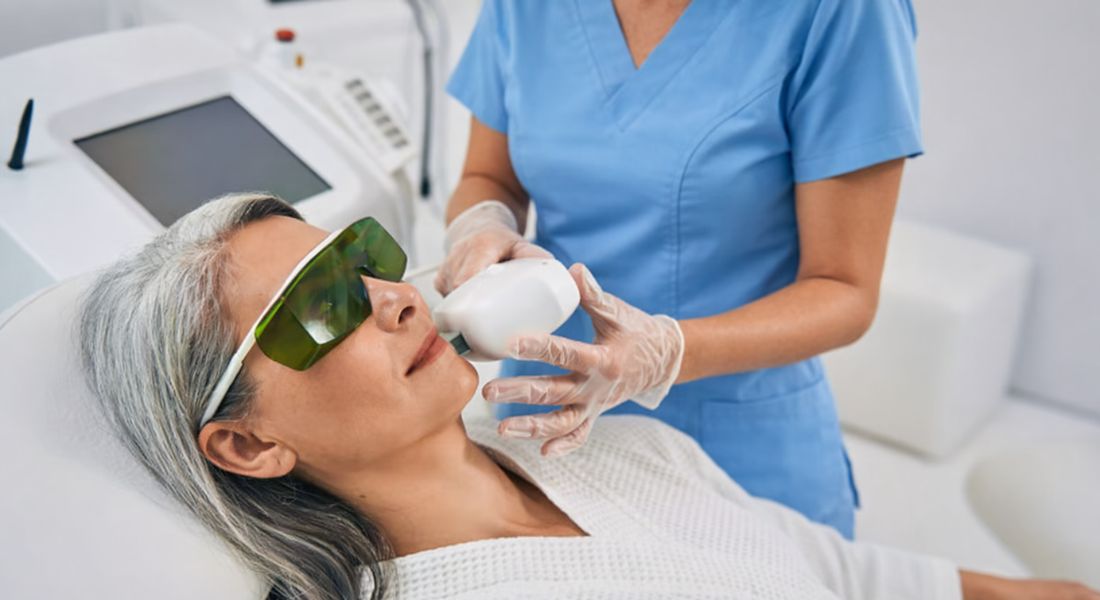
If you’ve ever read about Fraxel, you’ve probably seen it described as a “fractional laser.” That term can sound technical, and most explanations leave you with only a vague sense of “resurfacing” or “rejuvenation.” It can be hard to understand exactly what happens beneath the surface of your skin.
In reality, Fraxel works by creating microscopic columns of controlled injury in the skin, leaving surrounding tissue untouched. This stimulates your body’s natural healing response, including new collagen and elastin production. The surrounding untreated skin helps accelerate recovery, making the process safer and more manageable.
The changes produced by Fraxel develop gradually over weeks and months. You may notice improvements in skin texture, tone, and firmness, along with reduction in pigmentation irregularities or mild scarring. Because results build over time, it is important to have realistic expectations about how quickly and how much change will be visible.
Understanding how Fraxel works and what it can realistically achieve makes a big difference when deciding whether to proceed. Knowing the science behind the treatment helps you plan effectively and align results with your personal skin goals.
What Is Fraxel Laser?
Fraxel is a brand name for a type of fractional laser. Fractional lasers are designed to treat only a fraction of the skin at a time, rather than resurfacing the entire surface. This makes the treatment more targeted and reduces recovery time compared with older, fully ablative lasers.
Fraxel works by creating thousands of microscopic “treatment zones” in your skin while leaving surrounding tissue intact. These tiny areas of controlled micro-injury stimulate your skin’s natural repair processes. The untreated skin between the columns helps speed healing and supports a more even recovery.
The principle is simple but powerful: the controlled injury triggers your body to produce new collagen and elastin. Over time, this regenerates the skin and replaces damaged tissue, improving texture, tone, and overall appearance. Fraxel effectively combines surface renewal with deeper structural improvement.
How Fraxel Actually Works on Skin
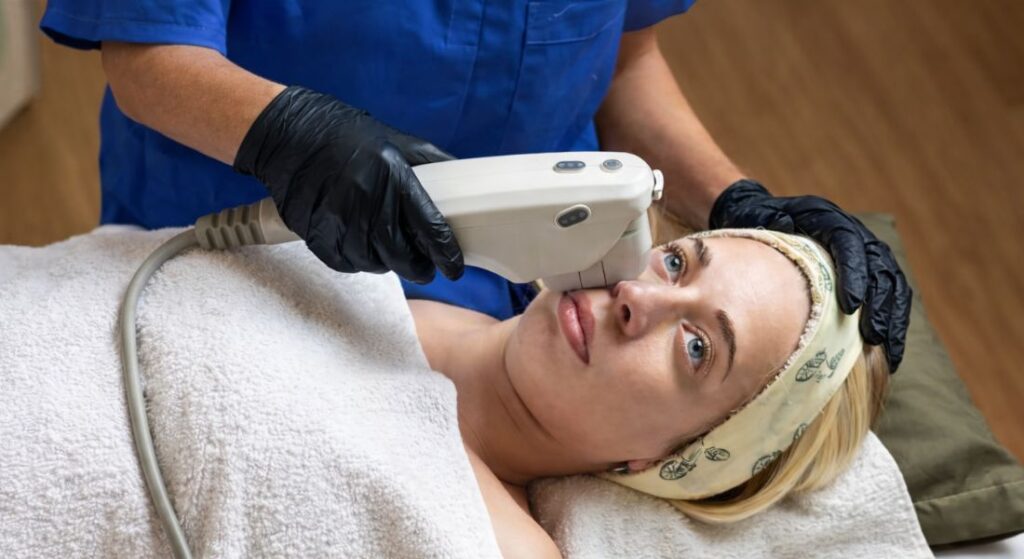
At a microscopic level, Fraxel delivers laser energy in a precise grid-like pattern. Each tiny column penetrates through the epidermis and into the dermis, depending on the treatment settings and your skin concerns. This controlled approach treats only part of the skin at a time, leaving surrounding tissue untouched to support faster healing.
The untreated tissue helps accelerate recovery while the treated areas stimulate the skin’s natural repair processes. Collagen fibres tighten and reorganise, improving the skin’s structure from within. At the same time, damaged pigment cells are broken down and gradually absorbed by the body.
The result is gradual skin renewal that develops over weeks to months. Because only fractions of the skin are directly treated, the overall effect is widespread improvement in texture, tone, and firmness. This is why Fraxel is often described as a “fractional” approach the changes are both targeted and cumulative, producing subtle but meaningful results.
Fractional Technology Explained Simply
Think of your skin like a lawn, with certain squares marked for treatment while the rest remains untouched. The treated areas stimulate growth and renewal, while the untreated sections act as support, helping the skin recover more quickly. This is essentially how fractional laser treatment works.
By only treating a fraction of the skin at a time, the laser harnesses your body’s natural repair mechanisms. The micro-injuries trigger collagen production and tissue regeneration, while the surrounding healthy skin speeds up healing.
This clever approach allows for effective skin remodelling without the extended downtime associated with older, full-surface lasers. Because much of your skin remains untouched, recovery is faster, and the overall results are smoother, more even, and more natural.
Types of Fraxel Laser
Fraxel laser comes in several systems, each tailored to address specific skin concerns. Choosing the right system depends on the type of texture or pigmentation issues you want to target, as well as your skin type and tolerance for downtime. The different Fraxel options vary in intensity, depth of penetration, and focus areas, allowing dermatologists to customise treatment for optimal results. Understanding these options helps you have an informed discussion during your consultation.
1. Fraxel ReStore: This system is primarily used for surface irregularities, pigmentation, and early signs of aging. It works on the superficial layers of skin to smooth texture and even tone. Recovery time is relatively short, making it suitable for moderate, targeted improvements.
2. Fraxel Dual: Fraxel Dual combines two wavelengths to treat both surface pigmentation and deeper wrinkles or scars. This dual approach allows for comprehensive skin rejuvenation, addressing multiple concerns in one treatment. It is ideal for patients seeking broader improvements without excessive downtime.
3. Fraxel Repair: Fraxel Repair is the most intensive option, often reserved for severe sun damage or deeper scarring. It penetrates deeper layers of the skin for significant structural and textural improvements. Downtime is longer, but the results can be more dramatic for extensive concerns.
4. Customised Settings: Beyond choosing the system, dermatologists adjust energy levels, treatment density, and number of passes to suit your skin. These settings influence both effectiveness and recovery, ensuring the treatment aligns with your goals.
Fraxel laser offers versatile options that can be tailored to your skin’s needs. By selecting the appropriate system and settings, dermatologists can address both superficial and deeper concerns. The result is improved texture, tone, and overall skin quality, with a treatment plan designed specifically for you.
What Fraxel Can Treat
Fraxel laser treatment in London is commonly used to address a variety of skin concerns. For skin texture and fine lines, it stimulates collagen to smooth uneven surfaces. It can also target pigmentation issues and sun spots by breaking down melanin, helping to even out skin tone.
Acne scars are another common concern, as Fraxel remodels dermal tissue to reduce the pitted appearance. Surgical or traumatic scars can also benefit, with improvements in thickness, colour, and overall texture. Early signs of ageing are addressed too, as the laser tightens the skin and enhances elasticity over time.
It’s important to remember that while Fraxel can improve many issues, it doesn’t completely eliminate all imperfections. Setting realistic expectations is crucial for satisfaction. Understanding what the treatment can realistically achieve helps ensure you are happy with the gradual, natural results.
What Happens During a Fraxel Session
A typical Fraxel session lasts between 30 and 60 minutes, depending on the area being treated. Before the procedure, a topical anaesthetic is applied to minimise discomfort. During the treatment, the laser is passed systematically over the skin in a precise pattern, targeting only small fractions at a time. You may feel a mild prickling or warmth, but it is generally well tolerated.
Immediately after the session, the skin may appear red and feel slightly swollen. Over the next few days, tiny crusts or flaking may develop as the skin begins its natural repair process. Healing times vary depending on the intensity of the treatment and your skin type.
Most patients experience minimal downtime compared to older, full-surface resurfacing lasers. Because only a fraction of the skin is treated at once, recovery is faster, and results develop gradually, giving a natural and refreshed appearance.
The Healing Process
Fraxel works gradually, allowing your skin to renew itself over time. The microscopic injuries created by the laser stimulate collagen production, which continues for several months after treatment. This helps strengthen the skin’s structure while improving texture and elasticity.
Pigment irregularities and surface imperfections gradually improve as new, healthier skin replaces the damaged tissue. Most patients begin to notice visible changes after about 2–3 weeks. The full benefits, including smoother texture and more even tone, usually become apparent around 3–6 months post-treatment.
Depending on the severity of your concerns and how your skin responds, multiple sessions may be recommended. Each session builds on the previous one, producing gradual and cumulative improvement. This approach ensures natural-looking results while minimising downtime.
How Many Sessions Are Needed?
The number of Fraxel laser sessions required depends on the severity of your skin concerns. Treatments are planned to allow gradual improvement while giving your skin time to heal between sessions. Spacing sessions appropriately ensures better results and reduces the risk of complications. Your dermatologist will tailor the number and timing of sessions to your individual needs, focusing on natural, long-lasting improvement rather than immediate transformation.
1. Mild Pigmentation or Fine Lines: For subtle concerns like minor pigmentation or early signs of aging, 1–3 sessions are often sufficient. These treatments help refine texture and even out tone gradually.
2. Moderate Acne Scarring: Moderate scarring typically requires 3–5 sessions to see noticeable improvement. Each session builds upon the previous, gradually softening scars and enhancing overall skin smoothness.
3. Deep Scarring or Severe Sun Damage: More intensive concerns may need up to 6 sessions or more. These deeper treatments target structural damage and provide more significant rejuvenation over time.
4. Session Spacing and Progress Assessment: Sessions are usually spaced 4–6 weeks apart to allow the skin to heal and remodel. Your dermatologist monitors progress and adjusts the plan as needed, ensuring the treatment remains safe and effective.
Fraxel laser works through a gradual, cumulative process. By following a structured treatment plan, you can achieve smoother, more even skin with results that look natural and well-balanced. Patience and consistent follow-up are key to maximising benefits.
Expected Results for Texture Improvement
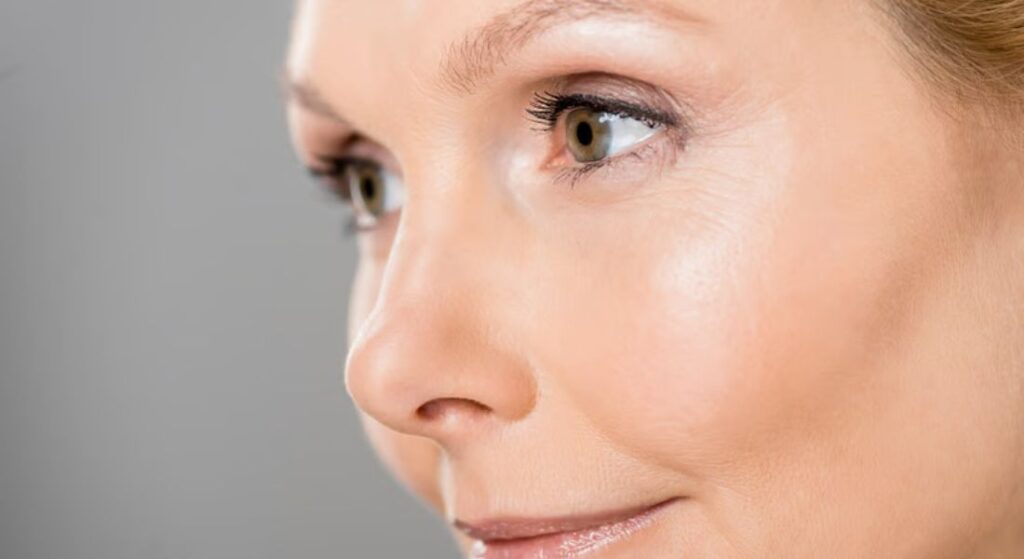
Fraxel can improve skin texture by smoothing rough patches and reducing the appearance of fine lines. The laser’s collagen-stimulating effect helps firm the skin and can tighten pores, giving a more refined overall appearance. After a single session, you can expect subtle to moderate improvement, depending on your skin type and concerns.
Significant smoothing or more noticeable changes usually require multiple treatments. For deeper wrinkles, Fraxel may need to be combined with other modalities such as dermal fillers or radiofrequency for optimal results. The cumulative effect of repeated sessions builds over time, enhancing both texture and tone.
Patience is key with Fraxel, as results develop gradually over weeks and months rather than overnight. This slow, progressive improvement often feels natural and balanced, allowing your skin to look refreshed without dramatic or sudden changes.
Expected Results for Pigmentation
Fraxel can improve skin texture by smoothing rough patches and reducing the appearance of fine lines. The laser’s collagen-stimulating effect helps firm the skin and can tighten pores, giving a more refined overall appearance. After a single session, you can expect subtle to moderate improvement, depending on your skin type and concerns.
Significant smoothing or more noticeable changes usually require multiple treatments. For deeper wrinkles, Fraxel may need to be combined with other modalities such as dermal fillers or radiofrequency for optimal results. The cumulative effect of repeated sessions builds over time, enhancing both texture and tone.
Patience is key with Fraxel, as results develop gradually over weeks and months rather than overnight. This slow, progressive improvement often feels natural and balanced, allowing your skin to look refreshed without dramatic or sudden changes.
Expected Results for Scarring
Acne or surgical scars respond particularly well to Fraxel’s fractional technology. The microscopic laser columns remodel the dermal tissue and stimulate collagen deposition, which helps the skin repair itself from the inside out. Over several months, depressed scars gradually become shallower, and the overall skin tone looks more even.
Multiple sessions are usually required to achieve noticeable improvement, especially for deeper or more extensive scarring. Each session builds on the previous one, allowing gradual and cumulative results. Fraxel works best when combined with realistic expectations and proper aftercare.
It’s important to understand that Fraxel rarely completely erases deep scarring. The realistic goal is improvement rather than perfection. Even modest softening and smoothing of scars can significantly enhance the overall appearance and texture of your skin.
Safety and Side Effects
Fraxel is generally very safe when performed by a qualified dermatologist or trained practitioner. Common side effects include redness, swelling, mild discomfort, and temporary flaking, all of which usually resolve within a few days. These reactions are a normal part of the skin’s healing process.
In rare cases, blisters, prolonged redness, or changes in pigmentation can occur, particularly if aftercare instructions are not followed carefully. Proper pre- and post-treatment care significantly reduces these risks.
This includes avoiding sun exposure, using gentle skincare products, and strictly following your dermatologist’s guidance. By taking these precautions, you can maximise results while keeping side effects minimal and short-lived.
Pre and Post-Treatment Care
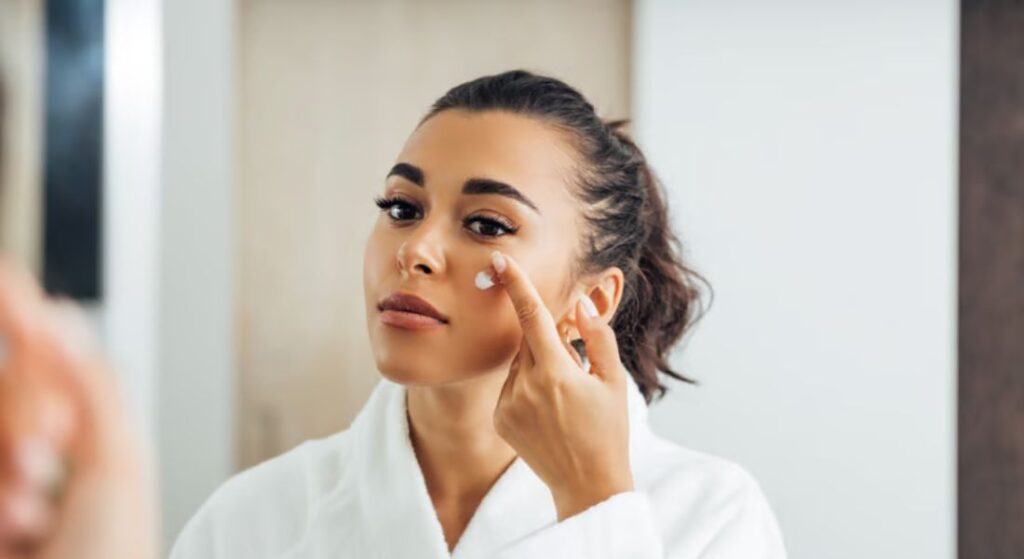
Before Fraxel treatment, your dermatologist may recommend a few preparatory steps. These often include avoiding direct sun exposure, stopping certain topical products that increase skin sensitivity, and using gentle cleansers and moisturisers to keep your skin in optimal condition. Preparing the skin properly helps reduce the risk of side effects and ensures a smoother treatment process.
After the session, careful post-treatment care is equally important. You should apply soothing creams or emollients to support healing, avoid picking at flaking skin, and continue diligent sun protection. These steps protect the newly treated skin and promote even recovery.
Following these instructions closely improves outcomes and minimises complications. Consistent pre- and post-care ensures that the results develop as intended, helping your skin look smoother, healthier, and more refined over time.
Fraxel vs Other Laser Treatments
Fraxel is one of several laser options available for skin rejuvenation. Unlike fully ablative lasers that remove the entire surface of the skin, Fraxel is fractional, treating tiny microzones while leaving surrounding tissue intact. This approach reduces downtime and lowers the risk of complications.
Compared with chemical peels or microdermabrasion, Fraxel penetrates deeper into the skin and stimulates more collagen. It can address concerns such as texture, pigmentation, and scarring more effectively than surface-only treatments.
Choosing the right treatment depends on your skin type, specific concerns, and the amount of downtime you are willing to manage. A dermatologist can assess your skin and tailor the approach to achieve the best results for your individual needs.
Who Is a Good Candidate?
Fraxel laser is suitable for many individuals seeking skin rejuvenation, but results depend on proper candidate selection. Ideal candidates are those with mild to moderate texture or pigmentation concerns who are committed to following pre- and post-treatment care. A consultation helps determine whether the procedure aligns with your skin type, goals, and overall health. Ensuring suitability maximises safety and effectiveness while minimising potential side effects.
1. Adults with Mild to Moderate Photoaging: Fraxel is effective for early signs of sun damage, fine lines, and surface irregularities. It helps restore a more youthful appearance by refining texture and improving tone.
2. Individuals with Pigmentation Irregularities: Uneven skin tone, sun spots, and other pigmentation issues can respond well to Fraxel treatments. The laser targets pigment while promoting collagen for smoother, more balanced skin.
3. Those with Mild to Moderate Acne or Surgical Scars: Fraxel can soften the appearance of shallow scars and improve overall skin smoothness. Results are gradual, giving a natural improvement without aggressive resurfacing.
4. Patients Committed to Care Instructions: Success relies on adherence to pre- and post-treatment guidelines, including sun protection and skincare routines. Following instructions helps reduce risks and optimise healing.
Fraxel is not suitable for everyone; active infections, recent isotretinoin use, or certain skin conditions may require postponing treatment. A thorough consultation ensures the procedure is safe and tailored to your needs, helping you achieve meaningful improvements in texture and tone.
Combining Fraxel With Other Treatments
Fraxel can be combined with other aesthetic treatments to enhance overall results. For example, botulinum toxin can address dynamic wrinkles, while dermal fillers help restore lost volume and contour. Microneedling can provide additional collagen stimulation, and chemical peels can improve surface exfoliation and skin tone.
Using these treatments together allows a more comprehensive approach to skin rejuvenation. Each targets different layers or aspects of the skin, so combining them can produce smoother, firmer, and more even results than Fraxel alone.
It is important that combination therapy is always guided by a qualified dermatologist. Proper assessment and planning ensure safety, minimise risks, and create a tailored plan that meets your individual goals.
Realistic Expectations
It is essential to set realistic goals before undergoing Fraxel treatment. Fraxel is highly effective for improving skin texture, evening out pigmentation, and reducing mild to moderate scarring. However, it is not a substitute for surgical procedures when addressing deep wrinkles or significant skin laxity.
You should expect gradual improvement over several months as collagen remodels and the skin heals. Multiple sessions are often required to achieve optimal results, depending on the severity of your concerns.
Long-term maintenance is also critical for sustaining results. Consistent sun protection, gentle skincare, and healthy habits help preserve the improvements achieved with Fraxel. Understanding these limitations ensures that your expectations are aligned with what the treatment can realistically provide.
FAQs
1. What is Fraxel laser?
Fraxel is a brand of fractional laser that treats only a portion of the skin at a time. It creates microscopic columns of controlled injury while leaving surrounding tissue intact, stimulating collagen and elastin production for gradual skin renewal.
2. How does Fraxel work on the skin?
Fraxel delivers laser energy in tiny, precise columns that penetrate the epidermis and dermis. These micro-injuries trigger natural repair processes, gradually improving texture, tone, firmness, and reducing pigmentation or mild scarring.
3. What does “fractional” mean in Fraxel treatment?
Fractional means the laser treats only a fraction of the skin at a time, leaving untreated areas to support faster healing. This allows effective skin remodelling with shorter downtime compared to full-surface lasers.
4. Can Fraxel help with early signs of aging?
Yes. Fraxel tightens skin, improves elasticity, and smooths fine lines, making it effective for mild to moderate early signs of aging.
5. How should I plan my sessions around my schedule?
Sessions are spaced 4–6 weeks apart to allow healing. Consider planning treatments around social or professional events due to temporary redness or flaking. Your dermatologist can help schedule for minimal disruption.
6. What happens during a Fraxel session?
A session usually lasts 30–60 minutes. A topical anaesthetic is applied first. The laser is passed over the skin systematically, targeting only small fractions. Mild prickling or warmth is normal. Post-treatment redness, swelling, or flaking may occur.
7. How long does it take to see results?
Initial changes may be noticeable in 2–3 weeks, but full results typically appear after 3–6 months. Collagen stimulation continues over time, so results develop gradually and naturally.
8. Can Fraxel be combined with other treatments?
Yes, it can be combined with botulinum toxin, dermal fillers, microneedling, or chemical peels for a more comprehensive approach to skin rejuvenation. Combination therapy should always be guided by a qualified dermatologist.
9. What side effects should I expect?
Common side effects include redness, swelling, mild discomfort, and flaking, which usually resolve within a few days. Rarely, blisters, prolonged redness, or pigment changes may occur, especially if aftercare instructions are not followed.
10. What results can I realistically expect?
Fraxel gradually improves skin texture, tone, and mild to moderate scarring. It is not a substitute for surgical procedures. Results are subtle, natural, and cumulative, often requiring multiple sessions. Long-term maintenance, including sun protection and proper skincare, helps preserve results.
Final Thoughts: Understanding Fraxel for Realistic Skin Renewal
Fraxel laser offers a scientifically backed, gradual approach to skin rejuvenation, improving texture, tone, pigmentation, and mild to moderate scarring over time. Its fractional technology allows targeted treatment with faster recovery compared to older full-surface lasers, making it a versatile option for a range of skin concerns. Patience and adherence to pre- and post-treatment care are key to achieving natural, cumulative results.
If you’re considering Fraxel laser treatment in London, contact us at London Dermatology Centre to book a consultation with one of our specialists. Understanding how Fraxel works and setting realistic expectations ensures you can make the most informed decision for your skin goals.
References
- Cohen, S.R., Henssler, C., Horton, K., Broder, K.W. and Moise‑Broder, P.A., 2008. Clinical experience with the Fraxel SR laser https://pubmed.ncbi.nlm.nih.gov/18453942/
- Filipović, D., Dégerine, M.‑C., et al., 2023. The use of a fractional laser in acne scar treatment A systematic review. https://www.mdpi.com/2075-1729/15/6/915
- Borges, J., et al., 2020. Fractional Laser Resurfacing Treats Photoaging by Promoting Dermal Remodeling. Plastic and Reconstructive Surgery Global Open, https://pmc.ncbi.nlm.nih.gov/articles/PMC7028380/
- Bass, L.S., 2005. Rejuvenation of the Aging Face Using Fraxel Laser Treatment. Aesthetic Surgery Journal, https://academic.oup.com/asj/article-abstract/25/3/307/228307
- Jih, M.H. and Kimyai‑Asadi, A., 2008. Fractional photothermolysis: a review and update. Seminars in Cutaneous Medicine and Surgery, https://pubmed.ncbi.nlm.nih.gov/18486026/