


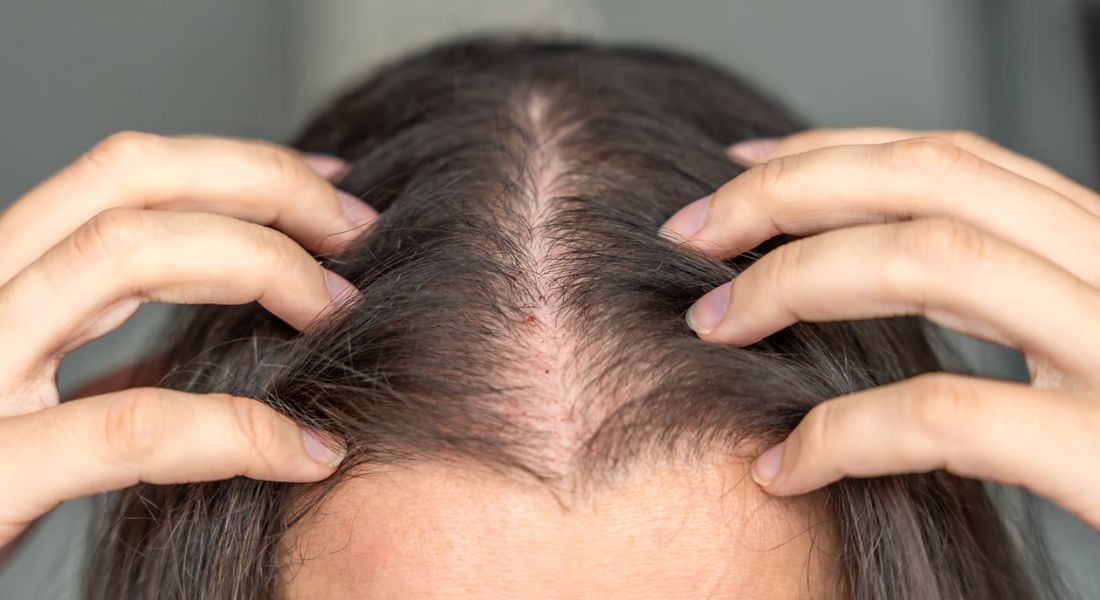
Hair loss can feel deeply personal, especially when you notice thinning, patchy areas, or reduced hair density. It is natural for you to assume that your hair follicles are disappearing altogether. Many people associate hair loss with permanent follicle damage. Research shows, however, that this is not always the case.
In many forms of alopecia, your hair follicles are still present in the scalp. The problem is that they fail to regenerate hair properly. Instead of producing strong, visible strands, these follicles remain in a dysfunctional state. This distinction matters because it changes how you should think about treatment and long-term outcomes.
When follicles are present but inactive, your prognosis may be more hopeful than you expect. Rather than needing to replace follicles, the focus shifts toward restoring their function. This reframes hair loss as a condition that may be biologically modifiable rather than permanently fixed. It also explains why many therapies aim to reactivate growth signals instead of creating new follicles.
In this article, you will explore what research reveals about hair follicle stem cell dysfunction in alopecia and why disrupted signalling pathways are central to the problem. You will also learn how hair follicle stem cells normally regulate the growth cycle and what goes wrong in different types of hair loss. Finally, you will see what this science means for regenerative and stem-cell-based therapies.
Understanding the Hair Follicle as a Regenerative Organ
Your hair follicles are far more complex than they may appear on the surface. They are not passive tubes that simply grow hair and then shut down. Instead, they function as dynamic mini-organs with their own built-in regenerative systems. This complexity explains why hair growth is tightly regulated rather than random.
Each follicle in your scalp cycles repeatedly through phases of growth, regression, rest, and regeneration. This continuous cycling depends on a specialised group of stem cells that remain on standby until they are required. These cells play a central role in restarting hair growth after each resting phase. Without their precise control, normal cycling cannot occur.
Your hair follicle stem cells do not divide constantly. They remain in a quiet state known as quiescence until specific biological signals activate them. When triggered, they begin to proliferate and generate the cells that form a new hair shaft. This controlled activation helps protect the stem cell pool over time.
This ability to regenerate hair repeatedly over decades is remarkable. It also explains why hair loss is often linked to disrupted regulation rather than permanent follicle destruction. In many cases, the follicles are still present but no longer receiving the signals they need to function properly.
What Are Hair Follicle Stem Cells?
Hair follicle stem cells are undifferentiated cells that can self-renew and produce multiple specialised cell types. They are mainly found in a region called the bulge, located just below the sebaceous gland. This area provides a protective microenvironment that helps preserve the stem cells’ long-term regenerative potential.
The bulge shields these stem cells from physical and inflammatory damage, allowing them to remain stable when they are not actively producing hair. Within this protected niche, the cells stay quiescent until they are needed. This stability is essential for supporting repeated hair growth cycles over many years.
When a new hair cycle begins, signals from the surrounding tissue activate the stem cells. They divide to form progenitor cells, which move downward to rebuild the hair-producing part of the follicle. If this activation fails, the follicle remains structurally intact but functionally silent.
Why Hair Can Stop Growing Without Follicles Being Lost

Hair loss can be alarming, but it doesn’t always mean your follicles are gone. In many cases, the hair follicles remain present but enter a dormant or miniaturised state. Understanding this distinction helps you see why some hair loss is reversible with proper intervention.
- Follicles Can Remain Intact Despite Hair Loss: In conditions like androgenetic alopecia and alopecia areata, hair may seem to disappear, but the underlying follicles are often still present. These follicles may be dormant, miniaturised, or temporarily inactive. This means the biological structures for hair growth are not necessarily lost.
- Stem Cell Reservoirs May Persist: Even when the scalp appears bare, the follicle’s stem cells can remain intact. These stem cells hold the potential to regenerate hair under the right conditions. Early intervention can help activate these cells before permanent damage occurs.
- Disrupted Signalling Impedes Growth: Hair growth relies on precise signals that tell stem cells to regenerate hair. When these signals fail or are ignored, follicles stop producing visible hair. Correcting or supporting these signals can sometimes reverse hair loss.
Not all hair loss is permanent; dormant follicles may still have the capacity to regenerate hair. Recognising the role of stem cells and signalling pathways highlights the importance of early detection and treatment. By targeting these underlying mechanisms, it’s possible to encourage regrowth in many cases.
Stem Cell Quiescence Versus Stem Cell Failure
It is important for you to understand the difference between quiescence and dysfunction in stem cells. Quiescent stem cells are healthy but temporarily inactive, simply waiting for the right signals to activate them. Dysfunctional stem cells, on the other hand, cannot respond properly even when activation cues are present. This distinction is crucial for understanding how hair loss progresses.
In the early stages of alopecia, your stem cells may remain quiescent for longer than normal, delaying hair regeneration. In more advanced stages, the signalling pathways that control activation can become impaired, preventing stem cells from functioning correctly. Over time, this prolonged dysfunction may lead to exhaustion of the stem cells or the loss of the supportive niche that protects them.
Recognising where your follicles and stem cells fall along this spectrum is essential. It helps explain why some hair loss may still be reversible and why other forms become increasingly difficult to treat. This understanding is key to developing personalised therapies that target the underlying biology rather than just the visible symptoms.
Signalling Pathways That Control Hair Follicle Regeneration
Your hair follicle stem cells do not function in isolation. They depend on a carefully regulated network of signalling pathways that coordinate the phases of growth, rest, and regeneration. These pathways ensure that hair cycles occur in an orderly and timely manner, maintaining healthy hair over time.
Research has identified several key pathways that play central roles in hair follicle regulation. When these pathways are disrupted, your stem cells can behave unpredictably. They may fail to activate properly, remain dormant for extended periods, or respond inappropriately to growth signals.
As a result, instead of producing normal hair, your follicles may remain inactive or generate progressively thinner hairs. Understanding these signalling mechanisms is essential because it explains why hair loss occurs even when follicles are still present, and it highlights potential targets for future therapies.
The Wnt/β-Catenin Pathway
The Wnt/β-catenin pathway is one of the most important regulators of hair follicle regeneration. It plays a central role in activating your stem cells and triggering a new phase of hair growth. Without this signalling, follicles remain dormant and fail to produce healthy hair.
In healthy hair cycles, Wnt signals increase at the end of the resting phase. This rise pushes stem cells out of quiescence, prompting them to divide and form the cells needed for a new hair shaft. Proper timing and strength of this signal are essential for maintaining normal hair density.
Research shows that reduced Wnt signalling is linked to impaired hair growth in several types of alopecia. When Wnt activity is insufficient, stem cells cannot initiate regeneration, leading to thinning or stalled growth. Because of this, the pathway has become a major focus for experimental regenerative therapies aimed at restoring hair.
The BMP Pathway and Excessive Inhibition
Hair growth relies on a delicate balance of signalling pathways within the follicle. One key pathway, BMP signalling, normally acts as a brake to keep stem cells dormant during the resting phase. When this balance is disrupted, it can prevent hair follicles from regenerating properly.
- BMP Signalling Maintains Dormancy: Bone morphogenetic protein (BMP) acts as a natural brake on hair growth. It keeps stem cells in a quiescent state during the follicle’s resting phase. This prevents uncontrolled or premature hair growth, ensuring follicles cycle normally.
- Excessive BMP Inhibition Can Occur in Alopecia: In some types of hair loss, BMP activity becomes prolonged or too strong. This locks stem cells in a dormant state, stopping new hair from emerging. Even healthy follicles cannot regenerate if BMP signals dominate.
- Balance Between Wnt and BMP is Critical: Hair regeneration depends on Wnt activation counteracting BMP inhibition. Too much BMP suppresses growth even when stem cells are viable. Restoring this balance is essential for stimulating hair regrowth.
Excessive BMP signalling can prevent hair follicles from reactivating, even when they remain intact. Understanding the interplay between BMP and Wnt pathways helps explain why some hair loss is reversible with proper treatment. Targeting this balance could unlock the potential for renewed hair growth.
The JAK–STAT Pathway and Immune Crosstalk
The JAK–STAT pathway is crucial for regulating your immune system and has gained special attention in alopecia areata. In this type of hair loss, immune-mediated disruption interferes with normal hair growth. Rather than destroying follicles, the immune system affects their ability to regenerate properly.
In alopecia areata, inflammatory cytokines trigger JAK–STAT signalling within the follicle environment. This abnormal activation prevents stem cells from initiating growth and disrupts the formation of new hair shafts. The follicles themselves often remain structurally intact, but their function is impaired.
The effectiveness of JAK inhibitors in treating alopecia areata highlights how immune signalling can directly hinder regeneration. By targeting these pathways, therapies can restore follicle activity without needing to create new follicles, offering hope for reversible hair loss.
Sonic Hedgehog Signalling
Sonic Hedgehog (Shh) signalling plays an important role in hair follicle development and cycling. It helps support the proliferation of progenitor cells that are generated by stem cells, ensuring proper formation of the hair-producing structures. Without this signalling, the growth and maintenance of new hair can be compromised.
When the Shh pathway is disrupted, the downward growth of regenerating follicles may be impaired. This can prevent follicles from producing full, healthy hair shafts, even if the stem cells themselves are activated.
Although Sonic Hedgehog is less studied than the Wnt pathway, it remains a key component of hair regeneration. Changes in Hedgehog activity can contribute to weak or thin hair, highlighting how multiple signalling pathways must work together for normal follicle function.
Hair Follicle Stem Cell Dysfunction in Androgenetic Alopecia
Androgenetic alopecia is often misunderstood as a condition in which hair follicles simply die. Research, however, shows a different story. In many cases, the stem cells in your follicles remain present even in balding areas. The problem lies in their ability to generate active progenitor cells needed for hair growth.
Studies reveal that it is the progenitor cell populations that are reduced, rather than a complete loss of stem cells. This indicates a block in differentiation rather than depletion of the stem cell pool. Essentially, the building blocks for new hair are still there, but they are not being properly activated.
Androgens, the hormones linked to this type of hair loss, appear to alter the follicular microenvironment. They disrupt the signalling cues that stem cells rely on to function normally. This interference prevents the follicles from regenerating hair efficiently, leading to the characteristic thinning and miniaturisation seen in androgenetic alopecia.
Miniaturisation and the Stem Cell Niche
Miniaturisation is a key feature of androgenetic alopecia, where your hairs gradually become thinner, shorter, and less pigmented. This change reflects repeated cycles of incomplete regeneration, rather than the outright loss of follicles. Each time stem cells activate, they do so weakly or inconsistently, producing smaller and less robust follicles.
Over time, the stem cell niche the specialised environment that supports follicle stem cells—also undergoes changes. Factors like blood supply, the composition of the extracellular matrix, and signalling gradients can all become altered. These changes reduce the ability of stem cells to function properly.
As the niche deteriorates, regeneration becomes increasingly impaired. This creates a self-reinforcing cycle in which hair continues to thin, making miniaturisation progressively worse over time. Understanding this cycle is crucial for developing therapies that target both stem cells and their supportive environment.
Stem Cell Dysfunction in Alopecia Areata
Alopecia areata is a clear example of reversible stem cell dysfunction. In many people, hair can regrow either spontaneously or with targeted treatment, showing that the follicles themselves are often preserved. This distinguishes it from conditions where follicles are permanently lost.
In this condition, your immune system disrupts the normal immune privilege of the hair follicle. Inflammatory signals interfere with the activation of stem cells, preventing them from producing new hair shafts. Despite this, the follicles usually remain structurally intact, ready to function once the immune interference is reduced.
Once abnormal immune signalling is suppressed, stem cells can resume their normal activity and hair regeneration occurs. This reversibility highlights the potential of therapies that focus on restoring proper signalling rather than replacing follicles. It demonstrates how understanding the underlying biology can lead to effective, targeted treatments for hair loss.
Scarring Alopecia and Permanent Stem Cell Loss
Scarring alopecias sit at the opposite end of the hair loss spectrum. In these conditions, inflammation damages not only the hair shafts but also the stem cells and their supporting niches. Once the bulge region is destroyed, the follicle loses its regenerative capacity, making hair loss permanent.
This permanent loss contrasts sharply with reversible conditions like alopecia areata, where follicles remain intact. In scarring alopecia, the stem cells themselves are gone, and no amount of signalling or stimulation can restore growth.
Understanding this distinction underscores the importance of early diagnosis. By identifying and treating scarring alopecia before stem cell destruction occurs, it may be possible to preserve the follicles’ regenerative potential and prevent irreversible hair loss.
Ageing and Hair Follicle Stem Cell Decline
Ageing can affect your hair growth even if you don’t have an underlying disease. Over time, your hair follicle stem cells accumulate DNA damage and epigenetic changes, which reduce their ability to function optimally. This gradual decline makes it harder for follicles to regenerate hair efficiently.
The stem cell niche the specialised environment that supports these cells also becomes less effective with age. Signals that once promoted robust regeneration weaken, and the local tissue environment may lose key supportive factors.
As a result, hair grows more slowly, becomes thinner, and spends longer periods in the resting phase. Age-related stem cell decline combines with genetic and hormonal influences to shape the patterns and severity of hair loss you may experience over time.
Epigenetic Regulation of Hair Follicle Stem Cells
Hair follicle stem cells are influenced by more than their DNA sequence. Epigenetic factors modify gene activity without changing the genetic code, determining whether stem cells stay active or dormant. These mechanisms are key to understanding why hair growth may stop even when follicles are present.
- Epigenetics Controls Stem Cell Behaviour: Epigenetic modifications affect how DNA is read, controlling which genes are active or silent. In hair follicles, this determines whether a stem cell contributes to new hair growth or remains inactive.
- Chromatin Structure Influences Gene Accessibility: The folding and packing of chromatin can make genes more or less accessible for activation. In alopecia, certain epigenetic changes lock stem cells in a dormant state. This stops regeneration even if the follicle itself is healthy.
- Potential for Epigenetic Therapies: Because epigenetic changes are reversible, they offer new treatment possibilities. Therapies can target gene expression to reactivate dormant stem cells without altering DNA. This could help restore hair growth where follicles remain intact.
Epigenetic regulation is a critical factor in follicle activity and dormancy. By understanding and targeting these mechanisms, it may be possible to awaken dormant follicles and encourage hair regeneration.
What Stem Cell Research Means for Current Alopecia Treatment
Understanding stem cell dysfunction changes the way you can view current alopecia treatments. Most therapies do not create new hair follicles; instead, they aim to reactivate those that are dormant. This approach focuses on restoring the follicles’ natural regenerative capacity rather than replacing them.
Topical treatments, injectables, and device-based therapies often work by modifying the signalling pathways within the follicle environment. By improving communication between stem cells and their niche, these treatments can encourage hair to grow more effectively.
This perspective also explains why treatment outcomes vary between individuals. Therapies tend to be most effective when your stem cells and their supportive niches are still intact. When these structures are damaged or lost, regeneration becomes much more challenging.
Regenerative Therapies on the Horizon
Regenerative medicine focuses on restoring normal tissue function rather than simply masking symptoms. In the context of alopecia, this means reactivating stem cells and re-establishing the proper signals needed for hair follicle regeneration. Such approaches aim to address the root cause of hair loss rather than just its visible effects.
Several promising strategies are currently under investigation. These include modulators of key signalling pathways, cell-based therapies that supplement or replace dysfunctional stem cells, and bioengineered niches designed to support follicle regeneration. Each approach targets different aspects of the hair growth cycle.
Although many of these therapies are still experimental, research is progressing rapidly. Advances in understanding stem cell biology and follicle signalling are bringing us closer to treatments that could offer long-term, regenerative solutions for hair loss.
Stem-Cell-Based Treatments: Promise and Limitations
Stem-cell-based therapies for hair loss hold great promise and have attracted considerable attention. However, translating these approaches into routine clinical practice remains complex and challenging. Successfully isolating, expanding, and safely reintroducing stem cells is technically demanding, and ensuring they integrate properly and function long-term adds further hurdles.
Because of these challenges, most treatments currently available focus on influencing the activity of your existing stem cells rather than replacing them. Therapies aim to reactivate dormant follicles and optimise the niche environment to support regeneration. While stem-cell-based strategies may offer future breakthroughs, current approaches work within the natural regenerative capacity that your follicles still retain.
Platelet-Rich Plasma and Stem Cell Activation
Platelet-rich plasma (PRP) has been investigated as a method to stimulate hair regeneration. PRP is rich in growth factors that may enhance signalling within the follicle niche, helping to reactivate dormant stem cells and support hair growth.
Some studies indicate that PRP can improve hair density and thickness in certain patients. Its effects are thought to involve modulation of the Wnt pathway and other key signalling networks that regulate follicle regeneration.
Outcomes, however, can vary widely. Differences in the stage of hair loss, individual biology, and follicle health all influence how effectively PRP stimulates hair regrowth. This highlights the importance of personalised approaches when considering such treatments.
Microneedling and Mechanical Signalling
Mechanical stimulation can play a significant role in influencing stem cell behaviour. Microneedling works by creating controlled micro-injuries in the scalp, which activate wound-healing pathways. These pathways often overlap with the signalling systems that regulate hair follicle regeneration.
This overlap may help explain why microneedling can enhance results when combined with topical treatments like minoxidil. By stimulating the local environment, it encourages dormant stem cells to become active and supports hair regrowth.
However, the success of microneedling still depends on the presence of viable stem cells. If the follicles or their niches are severely damaged, mechanical signalling alone may not produce meaningful hair restoration.
Gene and RNA-Based Therapies
Future hair loss treatments may focus on targeting gene expression directly. RNA-based therapies have the potential to precisely modulate the signalling pathways that control stem cell activation and follicle regeneration. This approach could address the underlying biology of hair loss rather than just its visible effects.
These technologies are still in the early stages of development. Challenges such as ensuring safe delivery, achieving long-lasting effects, and avoiding unintended consequences remain significant hurdles. Researchers are actively working to overcome these obstacles before such therapies can become widely available.
Despite these challenges, gene and RNA-based approaches represent a promising shift toward biologically informed interventions. They highlight the growing potential to restore hair growth by working directly with the mechanisms that regulate stem cells and follicle function.
Why Early Intervention Matters
Stem cell dysfunction often occurs before permanent follicle damage takes place. This makes early assessment and diagnosis critical for preserving your hair’s regenerative potential. Identifying problems early allows you to target treatments at a stage when follicles and stem cells are still viable.
When your follicles remain intact, therapies that restore proper signalling and stimulate stem cell activity are much more likely to succeed. Delaying intervention, however, allows the supportive niche to degrade and stem cell function to decline.
This is why specialist evaluation is so important. Early, targeted intervention can help maintain long-term hair health and improve the chances of successful restoration before irreversible damage occurs.
Personalised Medicine and Alopecia

Not all cases of alopecia are the same, and your hair loss is influenced by a combination of factors. Genetic background, immune system status, hormonal influences, and age all interact to shape how hair follicles function and respond to treatment. Recognising these differences is essential for effective management.
Future approaches are likely to focus on stratifying patients based on the underlying biological mechanisms driving their hair loss. Stem cell activity could become an important biomarker to guide personalised treatment plans. By understanding the specific cause of your hair loss, clinicians can tailor therapies to your unique biology.
Personalised medicine is expected to outperform one-size-fits-all treatments. Targeted strategies that consider your stem cell function, niche health, and signalling pathways offer the best chance for meaningful, long-term hair restoration.
Clinical Implications for Patients Seeking Care
When you approach hair loss through the lens of stem cell biology, the conversation changes. The focus moves away from simply blaming follicles for thinning and instead examines the environment that supports or hinders them. Understanding this context can help you grasp why hair loss occurs and what might restore growth.
This perspective also encourages more realistic expectations about treatment outcomes. It explains why some people respond well to certain therapies while others require alternative approaches tailored to their biology.
For those seeking specialist care or alopecia treatment in London, this scientific framework guides modern diagnostic and therapeutic decisions. By considering stem cell function, signalling pathways, and niche health, clinicians can develop strategies that target the root causes of hair loss rather than just the symptoms.
Managing Expectations Around Regeneration
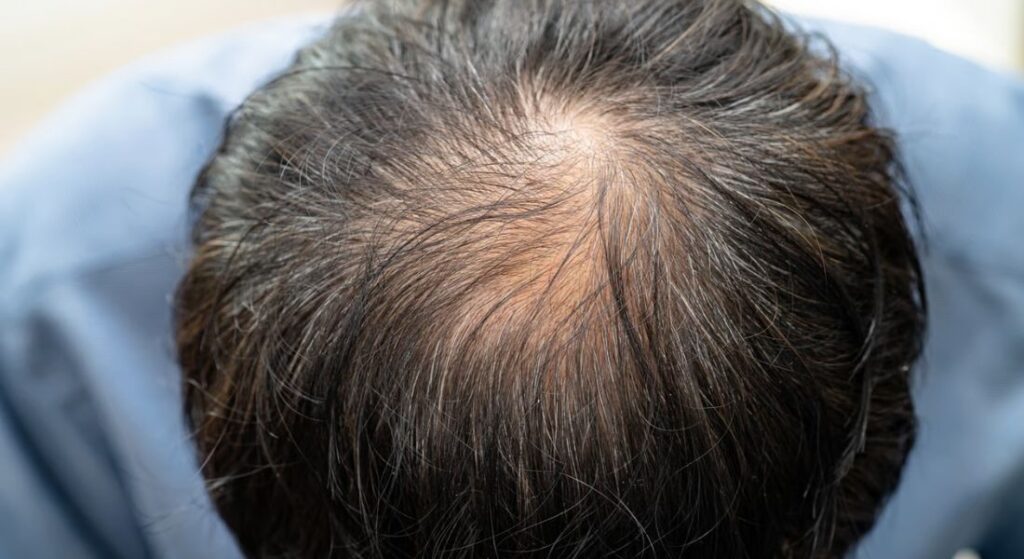
Stem cell science offers real hope for hair restoration, but it is not a magical fix. Regeneration is a gradual process that depends on many factors, including stem cell health, niche integrity, and signalling pathway activity. Understanding this helps you approach treatment with a realistic mindset.
Visible results often take months rather than weeks, and ongoing maintenance is usually needed to preserve gains. Hair restoration is a long-term process that requires patience and consistent care.
Having honest discussions with your clinician allows you to make informed decisions based on biology rather than marketing claims. By understanding the underlying science, you can set expectations that reflect what is truly achievable and choose treatments that align with your hair loss pattern.
Ethical and Regulatory Considerations
Stem-cell-based therapies bring important ethical and regulatory questions to the forefront. Safety must always take priority over innovation, ensuring that treatments do not cause harm while exploring new possibilities for hair restoration.
Unregulated treatments marketed directly to consumers can carry significant risks. Without proper oversight, there is no guarantee of safety, efficacy, or quality, making evidence-based practice essential for protecting patients.
Ongoing research is critical to determine which approaches are both effective and appropriate. As the field advances, clinical guidelines and regulations will help ensure that stem-cell-based therapies for hair loss are safe, reliable, and scientifically grounded.
FAQs
1. What role do hair follicle stem cells play in hair growth?
Hair follicle stem cells are undifferentiated cells that can self-renew and generate specialized cells for new hair. They remain in a quiescent state until activated by signals, ensuring repeated hair regeneration over time.
2. Why does hair loss occur even if follicles are still present?
Hair follicles may remain intact but become dormant or miniaturised. Disrupted signalling pathways can prevent stem cells from activating, which stops hair growth despite the presence of follicles.
3. How do signalling pathways like Wnt, BMP, and JAK–STAT affect hair regeneration?
These pathways control stem cell activation and hair follicle cycling. Wnt promotes growth, BMP maintains dormancy, and JAK–STAT mediates immune interactions. Imbalances can lead to thinning or stalled hair growth.
4. What’s the difference between quiescent and dysfunctional stem cells?
Quiescent stem cells are temporarily inactive but healthy, waiting for signals. Dysfunctional stem cells cannot respond properly, leading to impaired hair regeneration even if the follicle is structurally intact.
5. Can hair regrow in conditions like alopecia areata and androgenetic alopecia?
Yes. In alopecia areata, follicles are often preserved, and hair can regrow once immune interference is reduced. In androgenetic alopecia, stem cells remain but their progenitor cells fail to activate efficiently.
6. How does ageing impact hair follicle stem cells?
Ageing reduces stem cell function through DNA damage, epigenetic changes, and a weakened niche environment. This slows hair growth, thins hair, and extends the resting phase of follicles.
7. What current treatments target stem cell dysfunction in hair loss?
Topical therapies, PRP, microneedling, and device-based treatments aim to reactivate dormant follicles and improve signalling pathways. They focus on restoring natural regenerative capacity rather than creating new follicles.
8. Are stem-cell-based therapies available for hair loss?
These therapies are promising but mostly experimental. Challenges include safely isolating, expanding, and integrating stem cells. Most current approaches work by enhancing the activity of existing stem cells.
9. Why is early intervention important?
Stem cell dysfunction often precedes permanent follicle damage. Early diagnosis allows treatments to target viable follicles, improving the chances of successful hair regrowth.
10. How does personalised medicine apply to alopecia treatment?
Individual factors like genetics, hormones, immune status, and stem cell activity influence hair loss. Personalised approaches tailor therapy to your biology, offering better long-term outcomes than one-size-fits-all solutions.
Final Thoughts: Restoring Hair Through Stem Cell Science
Hair loss doesn’t always mean your follicles are gone. Many cases of alopecia involve dormant or disrupted stem cells that can potentially be reactivated. Treatments today focus on restoring the natural regenerative capacity of your hair by targeting signalling pathways and supporting the follicle environment.
If you’re considering Alopecia treatment in London, contact us at London Dermatology Centre to book a consultation with one of our specialists. Early, personalised care improves the chances of successful hair regrowth and helps therapies work with your follicles’ biology rather than just masking symptoms.
By understanding how stem cells and their signalling networks influence hair growth, you can approach treatment with realistic expectations and take advantage of therapies designed to encourage long-term regeneration.
References
- A comprehensive review of how HFSCs are regulated by major signalling pathways (Wnt/β‑catenin, BMP, Notch, Hedgehog) that control proliferation, quiescence, and differentiation. https://pubmed.ncbi.nlm.nih.gov/35795256/
- Review of induced pluripotent stem cell (iPSC) therapy for hair follicle development and regeneration useful for “Regenerative Therapies on the Horizo https://www.sciencedirect.com/science/article/pii/S2352320424001330
- Study linking androgen effects to inhibition of Wnt signalling in human dermal papilla cells, contributing to impaired hair follicle stem cell differentiation relevant for androgenetic alopecia. https://pubmed.ncbi.nlm.nih.gov/22283397/
- Roh E, Advancements in Bioactive Compounds and Therapeutic Agents for Alopecia: Trends and Future Perspectives (MDPI, 2025). https://www.mdpi.com/2079-9284/12/6/287
- Laufer Britva R, Regenerative Strategies for Androgenetic Alopecia (MDPI, 2026). https://www.mdpi.com/2079-9284/13/1/19