


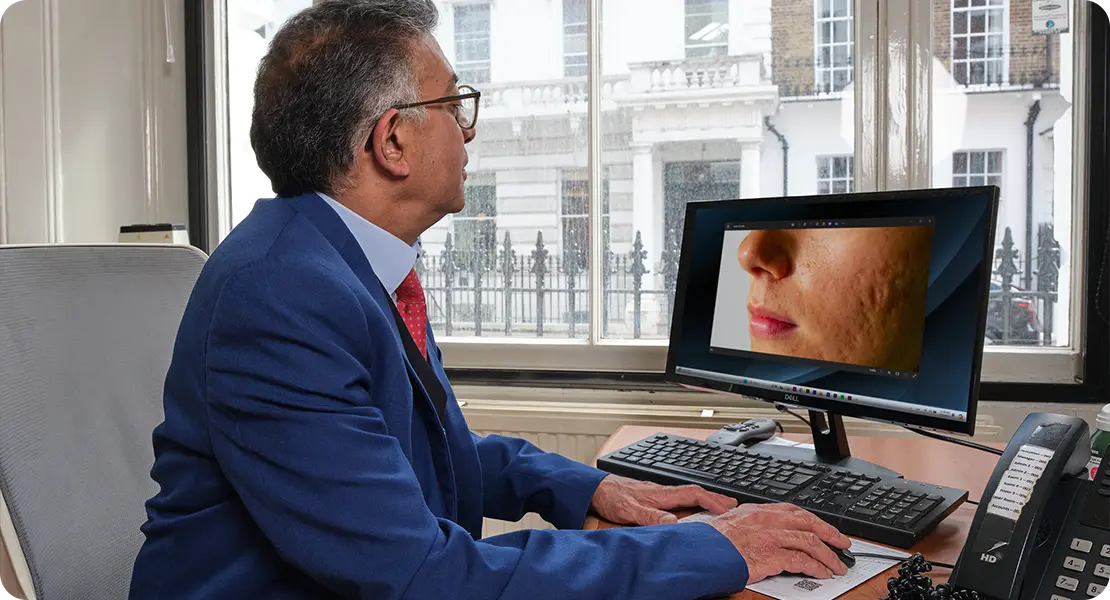
If you’ve ever noticed that some people get breakouts without scarring while others develop long-term marks from even small spots, you’re not imagining it. Hormonal acne behaves differently from other types of acne, and it often leads to inflammation deep within the skin. This type of inflammation increases the risk of permanent scarring, especially for people who are genetically prone to it.
In this article, I’ll walk you through why hormonal acne produces deeper damage, why some people scar more easily, and what you can do to protect your skin during active breakouts. You’ll also learn how hormones influence the healing process and what dermatologists recommend if scarring has already begun. My goal is to help you understand your skin better so you can manage your acne and reduce the long-term consequences.
What Makes Hormonal Acne Different from Other Types of Acne?
Hormonal acne is triggered by fluctuations in hormones such as androgens, progesterone, cortisol, and sometimes oestrogen. These hormone shifts stimulate oil glands, increase inflammation, and make pores more likely to clog. Unlike surface-level breakouts, hormonal acne tends to form deeper in the skin.
You may see painful cysts or nodules under the surface, especially around your chin, jawline, lower cheeks, neck, or shoulders. These deep lesions stretch the skin and trigger strong inflammatory responses. That’s why they leave scars more easily.
Hormonal acne is also persistent and cyclical. You might notice your breakouts flare before your period, during stress, or when your hormones shift for other reasons. Because the inflammation is both recurrent and deep, it places your skin under ongoing stress, increasing the risk of scarring.
Why Hormonal Acne Leads to Deeper Inflammation
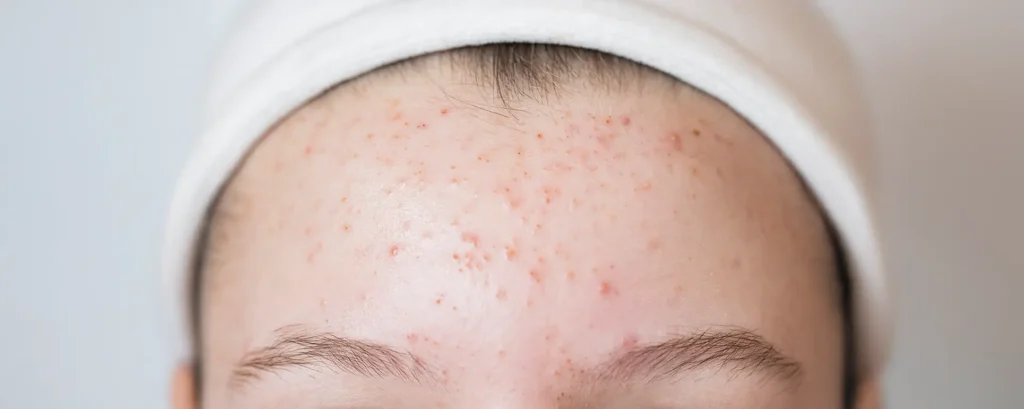
When hormones fluctuate, your oil glands become more active and produce thicker sebum. This sebum mixes with dead skin cells and bacteria, creating the perfect environment for clogged pores. But the real issue begins when the clogged pore swells, ruptures, or leaks into the surrounding tissue.
Hormonal acne often forms cysts and nodules because the inflammation spreads beyond the pore itself. These lesions sit deeper in the dermis, not just on the surface. The deeper the inflammation goes, the more collagen damage occurs, and the more likely you are to develop permanent scars.
If you’ve noticed that your hormonal breakouts hurt more, swell more, or last longer, that’s a sign they’re creating deeper inflammation. That inflammation is a major factor behind scarring.
The Role of Genetics in Scarring
Some people scar easily, while others never scar—even with severe acne. The difference often comes down to genetics.
If your skin is more reactive, produces less collagen, or experiences stronger inflammatory responses, you’re more likely to scar. Genetics also influence how your immune system responds to acne bacteria. If your immune system reacts strongly, your acne may develop deeper inflammation, leading to a higher risk of scarring.
You may be genetically more likely to scar if:
- You have family members who developed acne scars
- You scar easily from cuts or injuries
- Your acne tends to be deep and painful
- You have thinner or more delicate skin
- You notice pigmentation changes easily
Genetics alone don’t determine your fate, but they do influence how much care you need to prevent long-term scarring.
Why Some Skin Types Scar More Easily
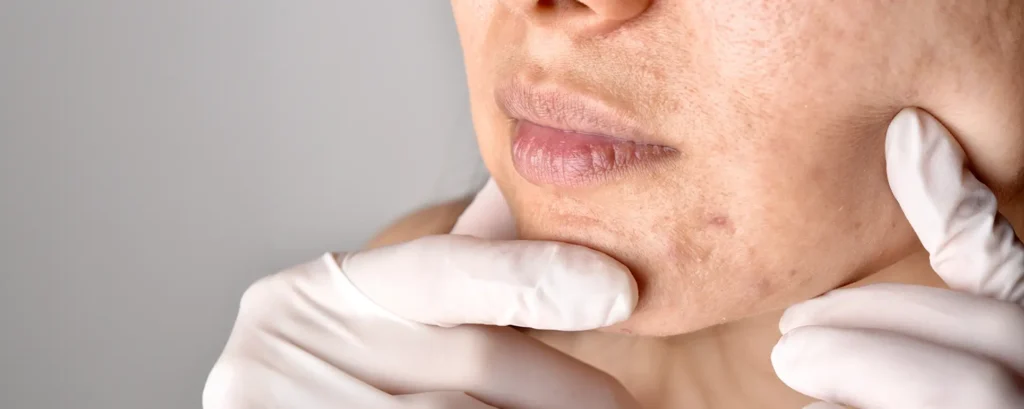
Skin thickness, oil production, melanin levels, and sensitivity vary from person to person. These differences affect how your skin heals after inflammation.
For example, people with darker skin types may be more prone to pigmentation changes. People with very fair or thin skin may develop shallow scars more easily. If your skin produces less collagen or becomes inflamed quickly, scarring is more likely. Some skin types also produce abnormal collagen when healing. This can lead to raised scars (hypertrophic scars) or thickened keloids in areas like the chest, shoulders, or jawline. Understanding your skin type helps you choose the right prevention strategies.
Hormones That Influence Scarring
Several hormones influence how acne forms and how your skin heals afterward.
Androgens: Androgens stimulate oil glands. High levels create more sebum, leading to more clogged pores and deeper pimples. They also trigger inflammation, making scarring more likely.
Progesterone: Progesterone increases before your period. This hormone can swell pores, making them easier to clog. Your breakouts may deepen at this point, increasing the risk of scarring.
Cortisol: Stress increases cortisol levels. This hormone ramps up inflammation and slows healing, making it more difficult for your skin to recover without scarring.
Oestrogen: Oestrogen helps your skin stay thicker, more hydrated, and more resilient. Low oestrogen levels—such as during your cycle, perimenopause, or menopause—can weaken your skin barrier and make scarring more likely.
Insulin and IGF-1: Foods with a high glycaemic index can spike insulin and IGF-1, worsening hormonal acne and increasing inflammation.
When your hormones are imbalanced, your breakouts tend to be deeper, and your skin’s healing mechanisms become less efficient.
Why Picking or Squeezing Hormonal Acne Causes More Scarring
When you squeeze a cyst or nodule, you push inflammation deeper into the skin. This increases the risk of rupturing the walls of the pore, causing the surrounding tissue to become inflamed. Once the deeper layers are damaged, your body responds by producing collagen irregularly.
This is why picking leads to:
Rolling scars – These scars create wave-like depressions on the skin and often result from damage to the deeper layers of the dermis. They give the skin an uneven, textured appearance that can be difficult to conceal. Rolling scars usually respond best to professional treatments rather than at-home methods.
Boxcar scars – These are broad, round or oval depressions with sharply defined edges. They occur when inflammation destroys collagen, leaving noticeable pits in the skin. Boxcar scars can be particularly visible on the cheeks and may require resurfacing treatments to improve their appearance.
Ice pick scars – These are narrow, deep, and pitted scars that resemble tiny puncture wounds. They form when severe inflammation destroys tissue deep in the dermis, and are very unlikely to improve with topical treatments alone. Ice pick scars often need specialised procedures like TCA CROSS or laser therapy for noticeable improvement.
Pigmentation changes – Picking can leave behind red, brown, or dark marks known as post-inflammatory hyperpigmentation. These marks do not indicate true scarring but can take months to fade, especially in darker skin tones. Using gentle skincare and sun protection can help prevent further pigmentation while the skin heals.
Why Hormonal Acne Leaves Different Types of Scars
Hormonal acne can create several types of scars because it affects the skin in multiple ways.
Inflammation Damages Collagen – This leads to depressions and textural changes.
Sebum Oxidation Irritates the Skin – This triggers ongoing inflammation around the pore.
Hormonal Cysts Rupture Easily – This spreads inflammation into the dermis, leading to more complex scars.
Hormonal Fluctuations Slow Healing – Your skin may struggle to repair itself efficiently.
How Hormonal Acne Behaves During Healing
Hormonal acne doesn’t just create deeper inflammation; it also interferes with your skin’s ability to heal properly. When your hormones are fluctuating, your skin barrier becomes more fragile. This means you lose more moisture, your skin becomes more sensitive, and your natural repair processes slow down.
You might notice that your breakouts take longer to settle, or that the marks they leave behind stay visible for weeks or months. This slower healing increases the chance that scars become permanent. Even small lesions can create noticeable dents if your skin struggles to rebuild collagen at the right time.
If your hormonal acne flares up frequently, your skin has less opportunity to heal between breakouts. This repeated inflammation affects the same areas again and again, which often leads to clusters of scars or uneven texture.
Why Some People Get Pigmentation Instead of Indented Scars
Not everyone develops indentations. Some people develop dark marks or red marks instead. This is called post-inflammatory pigmentation (PIH) or post-inflammatory erythema (PIE). Hormonal acne often triggers these changes because inflammation affects melanin production.
If you have a darker skin tone, your melanocytes are more active, which means you’re more likely to develop brown marks after a breakout. These marks can linger for months, even after the acne itself has healed. If you have fair or sensitive skin, inflammation can damage tiny blood vessels under the skin. This creates red or pink marks that can last a long time. These aren’t scars but can be just as frustrating. The good news is that pigmentation usually responds much faster to treatment than indented scars. Sunscreen, retinoids, Vitamin C, and professional treatments can help speed up fading.
What Dermatologists Recommend to Prevent Scarring During Hormonal Breakouts
If you struggle with hormonal acne, preventing scars starts with managing inflammation early. Dermatologists focus on keeping your breakouts controlled so your skin has a chance to heal properly.
A dermatologist may recommend:
- Prescription retinoids to prevent clogged pores and increase cell turnover.
- Topical or oral antibiotics to calm deep inflammation.
- Benzoyl peroxide to reduce acne-causing bacteria.
- Azelaic acid to reduce redness and pigmentation.
- Hormonal treatments like spironolactone or the contraceptive pill to stabilise hormonal fluctuations.
- Isotretinoin if your acne is severe or cystic.
These treatments target inflammation at its source. The less inflammation you experience, the lower your risk of scarring.
Dermatologists also emphasise avoiding picking, squeezing, or trying DIY extractions. These actions dramatically increase the chances of deeper scars forming.
How Your Lifestyle Influences Hormonal Acne and Scarring
Your lifestyle can play a huge role in how your skin behaves during hormonal acne. Stress increases cortisol, which worsens inflammation and slows healing. Poor sleep reduces your skin’s ability to repair itself. A high-sugar diet can increase insulin levels, which boosts oil production and leads to deeper breakouts.
If you want to reduce the risk of scarring, supporting your skin from the inside becomes just as important as what you apply on the outside. Drinking more water, managing stress, balancing your diet, and building a consistent skincare routine can help reduce flare-ups. When your flare-ups are less severe, your skin heals faster and has a lower chance of developing scars.
When to See a Dermatologist for Hormonal Acne and Scarring
If your hormonal acne repeatedly causes painful bumps, cysts, or nodules, it’s time to see a dermatologist. Deep, inflamed lesions almost always lead to scars if left untreated. You also shouldn’t wait if:
- Your acne flares every month – Frequent flare-ups indicate that your hormones are driving persistent inflammation. Consistent treatment can help reduce both breakouts and the risk of long-term scarring.
- You develop new scars regularly – New marks forming after each breakout suggest that inflammation is damaging your skin repeatedly. Early intervention can prevent scars from becoming permanent.
- You notice dents or pits forming – Visible indentations signal atrophic scarring beneath the surface. Professional treatments are usually required to improve skin texture before the scars deepen further.
- Marks stay for months – Post-inflammatory pigmentation or early scarring that doesn’t fade on its own is a warning sign. A dermatologist can recommend treatments to accelerate healing and prevent worsening.
- Your acne is impacting your confidence – Acne can affect self-esteem and mental health as well as physical appearance. Seeking professional care can improve both your skin and overall wellbeing.
Early treatment is the best way to preserve your skin long-term. The sooner you control the inflammation, the fewer scars you’ll develop, and the better your chances of maintaining smooth, healthy skin.
What to Do If You Already Have Scarring
If you already have acne scarring, don’t panic — there are many treatments that can help. But treating scars while you still have active breakouts is usually less effective, because new inflammation disrupts the healing process and can worsen existing scars.
Dermatologists usually focus on controlling hormonal acne first to stop further damage. Once your skin is stable, they may suggest professional treatments such as:
- Microneedling – This treatment uses tiny needles to stimulate collagen production and smooth shallow scars. Multiple sessions are often needed for noticeable improvement, and results gradually appear over several months.
- Fractional laser – Fractional laser resurfacing targets deeper layers of the skin to remodel scar tissue and improve texture. It can also help with pigmentation and overall skin tone, making scars less visible.
- Chemical peels – Professional chemical peels remove damaged outer layers of skin, encouraging regeneration and evening out texture and pigmentation. Stronger peels penetrate deeper, addressing moderate scarring more effectively than at-home versions.
- Radiofrequency microneedling – This combines microneedling with heat energy to stimulate collagen and tighten skin. It is particularly effective for deeper scars and can improve both surface texture and firmness.
- TCA CROSS – Trichloroacetic acid is applied directly into deep ice pick scars to promote collagen formation. This method is precise and works well for narrow, deep indentations that other treatments struggle to reach.
- Subcision (for tethered scars) – Subcision releases fibrous bands that pull scars down, allowing the skin to lift and smooth out. Often combined with other resurfacing treatments for optimal results.
These treatments remodel the deeper layers of your skin and help reduce the appearance of dents, pits, and texture irregularities. With the right combination of professional care and maintenance, even long-standing acne scars can become significantly less noticeable.
How Dermatologists Treat Existing Hormonal Acne Scars
Once your hormonal acne is under control, your dermatologist will choose treatments based on the specific types of scars you have.
Some of the most effective options include:
Microneedling – Creates controlled micro-injuries that stimulate collagen. Works well for shallow rolling scars and early boxcar scars.
Fractional Laser – Targets deeper layers of collagen and is especially helpful for stubborn scars.
Radiofrequency Microneedling – Combines heat and controlled injury to remodel the deeper dermis.
TCA CROSS – A high-strength acid applied precisely to ice pick scars to help fill them in gradually.
Subcision – A minor procedure where a tiny needle breaks the fibrous bands under rolling scars.
Chemical Peels – Improve pigmentation and texture. Best for mild scarring when used consistently.
Dermal Fillers – May be used for deep, tethered scars to lift the indentation.
Most people need a combination of treatments for best results. Hormonal acne scarring is rarely one-dimensional, and treating multiple layers of tissue with targeted methods gives you more improvement.
Frequently Asked Questions:
1. Can hormonal acne cause permanent scars?
Yes, hormonal acne can lead to permanent scarring if it is deep, inflamed, or repeatedly disrupted. Cysts and nodules penetrate the dermis, causing collagen damage that may leave indentations or raised scars. Prompt treatment and avoiding picking or squeezing lesions are crucial to reduce the likelihood of permanent marks.
2. Why do some people scar more easily than others?
Scarring tendencies are influenced by genetics, skin type, and individual healing responses. People with thinner skin, strong inflammatory reactions, or a family history of acne scars are more prone to developing permanent marks. Differences in collagen production and immune response also affect how skin repairs itself after a breakout.
3. How does picking or squeezing hormonal acne make scarring worse?
When you pick or squeeze a cyst or nodule, the inflammation is pushed deeper into the skin, rupturing the pore walls and damaging surrounding tissue. This can trigger irregular collagen formation, resulting in rolling, boxcar, or ice pick scars. Picking also increases the risk of pigmentation changes and prolongs the healing process.
4. Are post-inflammatory pigmentation marks considered scars?
No, post-inflammatory hyperpigmentation (brown marks) and post-inflammatory erythema (red marks) are not true scars. They occur because inflammation affects melanin production or small blood vessels but do not indicate structural damage to the dermis. These marks often fade over time with proper skincare, sun protection, and targeted treatments.
5. Can at-home treatments effectively prevent scarring from hormonal acne?
At-home treatments can help reduce inflammation and surface-level changes, but they cannot prevent scarring from deep cysts or nodules. Gentle cleansers, moisturisers, and sunscreen support skin health, and topical retinoids or mild acids may improve texture. However, professional intervention is often needed for high-risk or recurrent lesions.
6. When should I see a dermatologist for hormonal acne?
You should consult a dermatologist if your acne regularly produces cysts or nodules, if new scars appear after breakouts, if dents or pits are forming, if marks persist for months, or if acne is affecting your confidence. Early professional management can control inflammation and significantly reduce the risk of permanent scarring.
7. What professional treatments are most effective for existing hormonal acne scars?
Treatments such as microneedling, fractional laser, radiofrequency microneedling, TCA CROSS, subcision, chemical peels, and dermal fillers are among the most effective options. The choice of treatment depends on the type and depth of scars, and most patients benefit from a combination of approaches to address multiple layers of tissue.
8. How long does it take to see results from professional scar treatments?
Results vary depending on the treatment type, severity of scarring, and individual skin healing. Some improvement in texture, pigmentation, or shallow scars may appear within a few weeks, while deeper scars often require multiple sessions over several months for noticeable change. Consistent follow-up care enhances outcomes.
9. Can lifestyle changes reduce the risk of scarring from hormonal acne?
Yes, lifestyle factors such as managing stress, getting adequate sleep, eating a balanced diet, staying hydrated, and avoiding smoking or excessive sugar intake can reduce inflammation and support faster skin healing. While these measures cannot replace professional treatments, they complement medical care and help your skin recover more effectively.
10. Is it possible to completely erase hormonal acne scars?
Complete eradication of deep hormonal acne scars is often not realistic, but their appearance can be significantly reduced. Shallow scars and pigmentation respond better to treatment than deep, tethered, or ice pick scars. Combining professional procedures with proper at-home skincare maximises improvement and can restore smoother, healthier-looking skin.
Final Thought: Managing Hormonal Acne and Scarring
Hormonal acne can be challenging, not just because of the breakouts themselves but because of the deeper inflammation that increases the risk of scarring. Genetics, skin type, and hormonal fluctuations all play a role in how your skin heals and whether scars or pigmentation marks develop. The key to protecting your skin is early intervention, consistent management of breakouts, and avoiding picking or squeezing lesions.
If scarring has already occurred, professional treatments such as microneedling, laser resurfacing, chemical peels, and subcision can significantly improve the appearance of your skin. Lifestyle measures like stress management, balanced nutrition, and good sleep also support your skin’s healing process.
If you’re looking for acne scar treatment in London, get in touch with us at the London Dermatology Centre to schedule a consultation with one of our expert specialists. Early guidance and personalised care can make a substantial difference in preventing further scarring and restoring smoother, healthier-looking skin.
References:
1. Măgerușan, Ș.E. (2024) ‘Current Understanding of Microneedling Procedures for Acne Skin: A Narrative Review’, Cosmetics, 11(6), 193. https://www.mdpi.com/2079-9284/11/6/193
2. Yan, C., Phinyo, P., Yogya, Y., Chuamanochan, M., & Wanitphakdeedecha, R. (2025) ‘Comparative Effectiveness and Safety of Fractional Laser and Fractional Radiofrequency for Atrophic Acne Scars: A Retrospective Propensity Score Analysis’, Life, 15(9), 1379. https://www.mdpi.com/2075-1729/15/9/1379
3. Connolly, D. et al. (2017) ‘Acne Scarring—Pathogenesis, Evaluation, and Treatment’, Dermatology and Therapy. https://pmc.ncbi.nlm.nih.gov/articles/PMC5749614/
4. El‑Domyati, M. et al. (2015) ‘Microneedling Therapy for Atrophic Acne Scars: Clinical and Histologic Evaluation’. https://pmc.ncbi.nlm.nih.gov/articles/PMC4509584/
5. Osman, M.A. et al. (2024) ‘Fractional Ablative CO₂ Laser versus Non‑Ablative Laser in Atrophic Acne Scar Treatment: Comparison of Efficacy and Safety’, Cosmetics, 11(3), 81. https://www.mdpi.com/2079-9284/11/3/81