


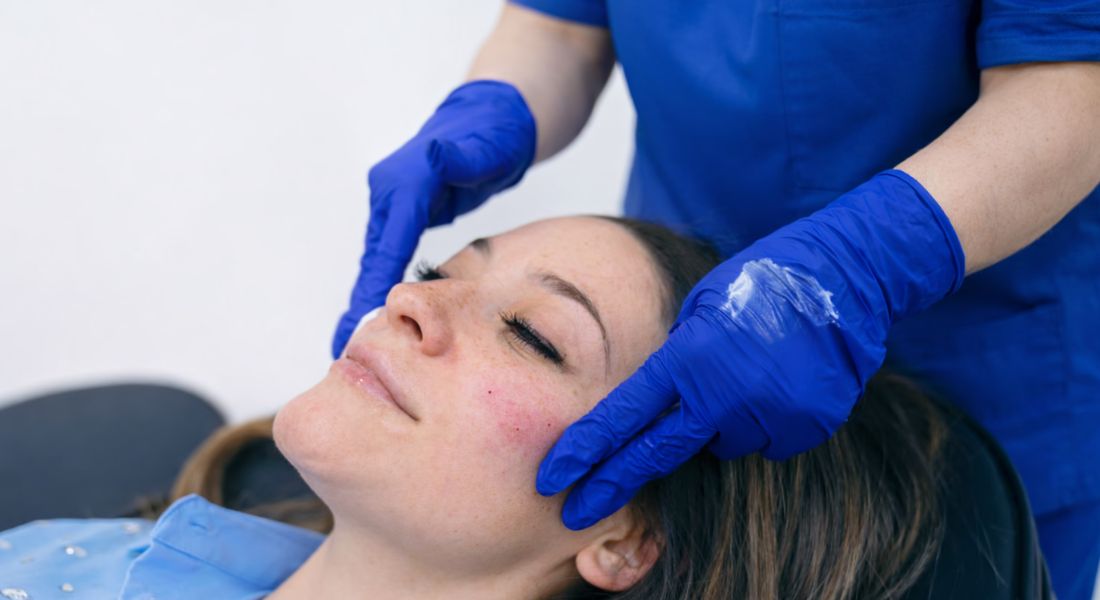
One of the biggest frustrations with skin treatments is the timeline. Many people start a new routine or treatment plan and expect dramatic results within days or weeks. In reality, lasting improvements in skin health rarely happen overnight. Understanding how long different treatments take and why can help you avoid disappointment and stay consistent.
Different treatments work at different rates. Some, like moisturisers or soothing creams, provide immediate relief and hydration, making the skin feel softer. Others, such as treatments for acne, pigmentation, or fine lines, take longer because they rely on processes like cell turnover, collagen rebuilding, or inflammation reduction. Knowing what your treatment targets can help set realistic expectations.
Early changes might be subtle but are meaningful. You may notice slight improvements in texture, reduced redness, or gradual fading of spots within the first few weeks. These small signs show that your skin is responding, even if dramatic results aren’t visible yet. Many dermatologists recommend tracking progress with photos to see improvements over time.
Why Timelines Matter in Skin Treatments
Your skin is a dynamic organ that continually repairs and regenerates itself. Treatments like topical creams, laser therapy, or injectables support these natural processes, which means results aren’t always immediate. Understanding timelines is key to setting realistic expectations and staying consistent.
- Skin Regeneration Takes Time: Skin cells naturally cycle and renew over weeks or months. Treatments enhance this process, but visible improvements often lag behind the underlying changes. Patience ensures you allow the treatment to fully work before judging its effectiveness.
- Initial Changes Can Be Misleading: Early improvements may only affect the surface layers of the skin and can fade quickly. These temporary results can create false expectations about the speed of progress. Recognising this helps prevent disappointment and maintains realistic outlooks.
- Factors That Influence Timelines: Age, skin type, condition being treated, and treatment consistency all affect how quickly results appear. Some therapies require repeated sessions for noticeable effects. Knowing these variables helps you plan and follow your treatment schedule more effectively.
- Consistency Is Key: Regular adherence to your treatment plan maximises long-term benefits. Skipping sessions or using products inconsistently can delay results. Committing to the process increases the chances of achieving meaningful, lasting improvements.
Appreciating the timeline of skin treatments encourages patience and confidence. By understanding the process, staying consistent, and managing expectations, you allow your skin to respond fully. Ultimately, valuing the journey is as important as celebrating the results.
Topical Treatments: Creams, Serums, and Gels
Topical treatments are often your first step in addressing common skin concerns such as acne, pigmentation, fine lines, or dryness. These can include prescription medications, over-the-counter products, or targeted serums designed for specific issues. By applying these treatments consistently, you are supporting your skin’s natural repair and renewal processes.
When addressing pigmentation or signs of ageing, you may need to be even more consistent. Lightening agents for hyperpigmentation, such as hydroquinone, azelaic acid, or vitamin C, often take 8–12 weeks to show noticeable results, while deeper pigment may require longer and sometimes additional procedures like chemical peels or lasers.
Similarly, anti-ageing creams containing retinoids or peptides can hydrate and smooth the skin quickly, but structural improvements such as collagen remodelling usually take at least 12 weeks to become apparent.
Injectable Treatments: Fillers and Anti-Wrinkle Injections
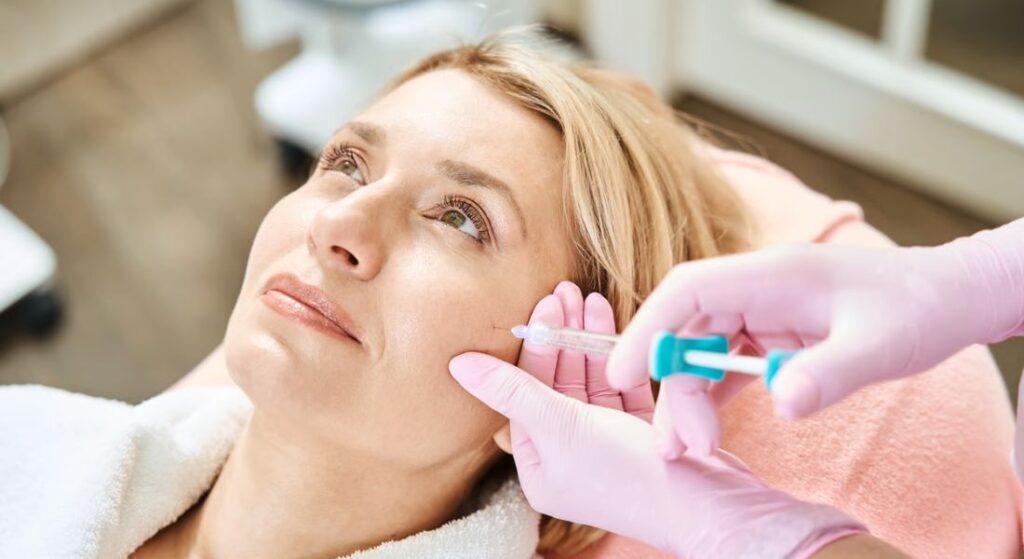
Injectable treatments can provide faster visible results than topical creams, but they still follow their own timelines and require careful consideration. By choosing injectables, you are addressing wrinkles, volume loss, or facial contours more directly, though patience is still important to see the final outcomes.
Botulinum toxin, commonly known as anti-wrinkle injections, works by temporarily relaxing the muscles that cause dynamic wrinkles. You may notice initial changes within 3–5 days, but the full effect generally becomes visible after around two weeks. Keep in mind that results are temporary, usually lasting between three and six months, so maintaining your look requires repeat treatments.
Dermal fillers are designed to restore volume, smooth wrinkles, and enhance facial contours. While initial results are immediate, minor swelling or bruising can temporarily hide the final effect, so it is best to assess outcomes after about two weeks. Some fillers also encourage collagen production over time, meaning you may continue to see improvements for several months following the procedure.
Laser and Light-Based Treatments
Laser and light-based treatments are powerful tools for improving skin concerns such as resurfacing, pigmentation, hair removal, and acne scarring. They work by delivering controlled, targeted energy that stimulates the skin’s natural repair processes. Understanding the timelines helps you maintain realistic expectations and track progress effectively.
- Laser Resurfacing: Treatments like fractional CO₂ or erbium lasers improve skin texture, reduce fine lines, and boost collagen production. While some superficial improvement may appear immediately, redness or swelling is common in the days following treatment. True results are best assessed 3–6 months later, once collagen has remodelled and the skin has fully healed.
- Intense Pulsed Light (IPL) and Photofacials: IPL treatments target pigmentation, redness, and vascular concerns. Early improvements can sometimes be seen within a week, giving initial encouragement. However, optimal results usually require 3–5 sessions spaced over several weeks, with final outcomes emerging gradually over months.
- Gradual Nature of Skin Repair: The visible effects of laser and light-based treatments often lag behind underlying skin changes. Patience is essential as the skin remodels, heals, and regenerates over time. Recognising this timeline helps avoid frustration and supports long-term success.
- Consistency and Follow-Up: Following the recommended session schedule and aftercare plan maximises results. Skipping treatments or neglecting post-procedure care can slow progress or reduce effectiveness. Staying consistent ensures the full benefits of the therapy are realised.
Laser and light-based treatments deliver impressive results, but they require time and commitment to reach their full potential. By understanding the expected timelines, staying patient, and following your treatment plan, you can achieve lasting improvements in skin texture, tone, and clarity.
Microneedling and Radiofrequency Treatments
Laser and light-based treatments are highly effective for a variety of skin concerns, including resurfacing, pigmentation, hair removal, and acne scarring. They work by creating controlled, targeted damage that encourages your skin to repair and renew itself naturally. By understanding the timelines for these treatments, you can set realistic expectations and avoid becoming discouraged if results aren’t immediate.
Laser resurfacing, such as fractional CO₂ or erbium lasers, can improve your skin’s texture, reduce fine lines, and stimulate collagen production. You might notice some superficial improvements right away, but redness or swelling is common in the days following treatment. Dermatologists typically assess the full results after 3-6 months, once collagen has remodelled and your skin has fully healed.
Intense pulsed light (IPL) treatments and photofacials target issues like pigmentation, redness, and vascular concerns. While initial changes can sometimes appear within a week, the best results usually require 3-5 sessions spaced over several weeks. Final outcomes can take a few months to fully develop, reflecting the gradual but effective repair and regeneration your skin undergoes.
Chemical Peels
Chemical peels work by removing the damaged outer layers of your skin, helping to improve tone, texture, and pigmentation. By carefully exfoliating, they stimulate your skin’s natural repair processes and encourage the formation of new, healthy skin cells. Understanding the timelines involved ensures you know when to expect lasting improvements rather than just temporary effects.
Superficial peels provide light improvements that may be noticeable within a week, but the full benefits usually take 4-6 weeks, particularly if treatments are repeated. Medium to deep peels deliver more significant changes, which appear gradually over several weeks to months as your skin remodels and new collagen develops.
It’s important to remember that early results can sometimes be misleading. Initial redness, peeling, or a brighter appearance may give the impression of immediate improvement, but real structural changes and long-term benefits require time and consistent care.
Hair and Scalp Treatments
Hair loss treatments, including minoxidil, finasteride, and PRP therapy, work by supporting your natural hair growth cycles. Because hair follicles follow slow, phased growth patterns, results take time and early improvements are often subtle. Understanding timelines helps you stay patient and consistent with your regimen.
- Natural Hair Growth Cycles: Hair follicles grow in distinct phases: anagen (growth), catagen (transition), and telogen (resting). Treatments support these cycles rather than producing immediate regrowth. Recognising this helps you avoid unrealistic expectations in the first few months.
- Expected Timelines for Results: Visible changes usually appear between 3–6 months, while full results may take up to 12 months of consistent treatment. Gradual improvement is normal and indicates that your scalp and follicles are responding effectively.
- Measuring Success: Dermatologists assess overall hair density, thickness, and reduction in shedding patterns over time. Focusing only on short-term regrowth can be misleading. Tracking these markers ensures you understand the true effectiveness of your treatment.
- Consistency Is Crucial: Regular application of topical treatments or adherence to therapy schedules maximises results. Interruptions or inconsistent use can slow progress or reduce effectiveness. Patience and commitment are key to achieving long-term improvements.
Hair and scalp treatments require a long-term approach and consistent care. By understanding growth cycles, tracking meaningful changes, and staying patient, you give your hair the best chance to respond fully. The journey may be gradual, but it leads to lasting, visible results when followed diligently.
Body Treatments: Stretch Marks and Cellulite
Treatments for stretch marks, cellulite, or loose skin, such as laser therapy, radiofrequency, or microneedling, usually require multiple sessions to achieve noticeable results. You may observe early improvements, but these are often subtle, such as slightly smoother skin or minor tightening.
It’s important to understand that real changes take time, as your skin needs to remodel and regenerate gradually. Even if initial improvements are visible, they do not always reflect the full potential of the treatment.
Dermatologists typically assess success after a series of sessions, looking at overall texture, firmness, and the reduction of visible imperfections. Staying consistent with your treatment plan and being patient gives you the best chance of achieving meaningful, long-lasting results.
Why Early Changes Can Be Misleading
It’s natural to feel excited when you notice early improvements in your skin, but it’s important to remember that skin responds in stages. Temporary effects, such as increased hydration, reduced inflammation, or mild swelling, may make your skin appear better at first. These early changes, however, do not always indicate long-term structural improvements.
A common mistake is stopping a treatment prematurely because the initial results aren’t dramatic enough. On the other hand, some people continue a treatment indefinitely, believing that improvement will continue, even when the maximum benefit has already been achieved. Both approaches can prevent you from getting the best possible outcome.
Dermatologists rely on objective methods such as clinical assessments, photographs, and precise measurements to determine whether a treatment is truly effective. By understanding this, you can set realistic expectations, stay patient, and make informed decisions about your skin care journey.
How Dermatologists Assess True Treatment Success

Dermatologists evaluate treatment outcomes differently from patients, as their focus is on objective and long-term results rather than just what you see in the mirror. While you may pay attention to visible changes or personal satisfaction, professionals consider factors such as consistent improvement over time and measurable changes in pigmentation, wrinkle depth, or lesion size.
They also assess overall skin quality and function, including elasticity, moisture balance, and barrier integrity, to determine whether the treatment is truly beneficial. Any side effects or adverse reactions are carefully monitored, as these may indicate the need to adjust your plan for safety and effectiveness.
This is why regular follow-ups and open, honest communication with your dermatologist are essential. Seeing a dermatologist in London, or at your local clinic, ensures that your expectations are realistic, your treatment plan is tailored, and your progress is monitored professionally for the best possible outcome.
Tips to Maximise Results
Although the timeline for visible improvements depends largely on the type of treatment and your individual skin, there are steps you can take to support better outcomes. Following instructions carefully is essential, as skipping doses, sessions, or applications can delay results and reduce the effectiveness of your plan.
Consistency is key across all treatments. Topical products require a regular routine, while laser therapies and injectable treatments often involve multiple sessions to achieve lasting benefits. Protecting your skin through sun protection, hydration, and gentle care also helps maintain the improvements you work hard to achieve.
It’s equally important to keep realistic expectations and understand that meaningful results usually take weeks or even months to appear. Communicating openly with your dermatologist allows you to share observations, ask questions, and have your plan adjusted if needed, ensuring the best possible long-term results.
Mental and Emotional Considerations
It’s completely normal to feel anxious or frustrated while waiting for your skin treatments to show results. Many people struggle with patience, especially when social media and advertising often exaggerate how quickly skin can change. Remember that dermatology focuses on sustainable, long-term improvement rather than instant fixes.
Tracking your progress through photos or a journal can be a valuable tool, helping you notice gradual improvements that may not be obvious from day to day. Seeing these small changes can provide reassurance and motivation to continue with your treatment plan.
Take the time to celebrate even minor wins, such as reduced redness, smoother texture, or fewer breakouts. Focusing on these small successes helps you maintain a positive mindset, which is just as important for your skin’s health as the treatments themselves.
Combining Treatments
In some cases, combining different treatment approaches can help you achieve results more efficiently or enhance overall outcomes. By using multiple methods strategically, your skin may respond faster and more effectively than with a single treatment alone.
For example, combining topical treatments with laser therapy can accelerate improvements in pigmentation, while microneedling paired with PRP can stimulate collagen production more quickly. Similarly, using botulinum toxin alongside dermal fillers can address both fine lines and volume loss at the same time.
It’s essential to work closely with your dermatologist when considering combination treatments. They can guide you on which approaches are safe and effective for your skin type and goals, ensuring that your plan maximises benefits while minimising risks.
Common Misconceptions About Treatment Timelines
Many people expect quick results from skin treatments, influenced by social media and marketing claims. In reality, meaningful improvements take weeks or months, and understanding this helps set realistic expectations and avoid frustration.
- Immediate Results Are Rare: Real structural changes in the skin occur gradually. Minor early improvements are normal but don’t reflect the full benefits. Patience is essential to allow treatments to work effectively.
- More Isn’t Always Better: Using extra product or increasing session frequency doesn’t speed up results. Overuse can irritate or damage the skin, potentially slowing progress rather than improving it.
- Results Require Maintenance: Even effective treatments often need ongoing care to maintain benefits. Without consistent follow-up or maintenance, improvements may fade over time.
- Subtle Progress Is Meaningful: Early, subtle changes are the first signs that your skin is responding. Recognising and valuing gradual progress helps maintain confidence and adherence to your treatment plan.
Understanding the realities of treatment timelines prevents disappointment and encourages consistency. By avoiding myths and focusing on gradual, measurable improvements, you give your skin the best chance for long-lasting results.
Special Considerations for Different Skin Types
Your skin type, tone, and overall condition can significantly influence how quickly treatments work and how your skin responds. For example, darker skin tones may take longer to show visible improvements in pigmentation treatments and can be more susceptible to post-inflammatory hyperpigmentation if treatments are too aggressive.
Sensitive skin often reacts more quickly to treatments, but it is also more prone to irritation, meaning gentler approaches and slower progression are usually necessary. Age is another key factor, as older skin tends to produce collagen more slowly and may heal at a slower rate, affecting how resurfacing or anti-ageing treatments perform.
Because of these individual differences, your dermatologist will tailor both the treatment approach and the expected timelines to suit your specific skin type and goals. Understanding your unique skin needs helps you set realistic expectations and achieve the best possible outcomes safely.
How to Know When to Switch Treatments
Even when you follow a treatment plan correctly, sometimes a particular approach may not deliver the results you hope for. Dermatologists monitor progress carefully, looking for signs such as no measurable improvement within the recommended timeframe or persistent side effects that outweigh the benefits.
Another indication that a change may be needed is when results plateau after initial gains, meaning progress stalls despite continued use. Recognising these signs early helps prevent frustration and ensures that your treatment plan remains effective.
In such cases, your dermatologist might adjust the concentration of products, switch to a different treatment modality, or combine therapies to achieve better outcomes. Patience and professional guidance are essential to avoid the trial-and-error approach and to ensure your skin responds optimally.
Staying Patient and Consistent
Patience is one of the most important, yet often overlooked, aspects of effective skin care. It’s natural to want immediate results, but your skin operates according to its own biological timeline, which cannot be rushed.
Consistency is key in supporting your skin’s natural repair and renewal processes. Whether you are using topical treatments, attending laser sessions, or receiving injectables, following your dermatologist’s instructions carefully ensures that each step contributes to long-term improvement.
Protecting your skin through sun care, hydration, and gentle maintenance, combined with regular check-ins with your dermatologist, gives your treatments the best chance to succeed. By staying patient and consistent, you set realistic expectations and maximise the effectiveness of every treatment.
Working With a Dermatologist in London

Choosing the right professional can make a significant difference in managing your expectations and achieving the best results. A dermatologist in London can assess your skin objectively, taking into account your unique type, tone, and concerns to recommend treatments tailored specifically to you.
They also monitor your progress over time, ensuring that improvements are measured accurately and any adjustments are made promptly. Regular follow-ups allow your dermatologist to fine-tune your plan, whether that means changing products, switching treatment modalities, or combining approaches safely.
Professional guidance provides realistic timelines, helping you avoid frustration and disappointment. By working closely with an experienced dermatologist, you give your skin the best chance to improve safely, effectively, and with results that last.
FAQs:
1. How quickly should I expect results from skin treatments?
The timeline depends on the type of treatment. Simple moisturisers may provide immediate relief, while treatments for acne, pigmentation, or fine lines usually take weeks or months because they rely on natural processes like cell turnover and collagen rebuilding.
2. Why do early improvements sometimes seem misleading?
Initial changes, such as reduced redness or smoother skin, often affect only the surface. These temporary effects can give the impression of fast results, but the underlying structural improvements take longer to develop.
3. How long do topical treatments like creams and serums take to work?
For acne or pigmentation, results can appear in 8–12 weeks, but deeper improvements may take longer. Anti-ageing creams may hydrate skin immediately, but collagen remodelling usually takes at least 12 weeks to show visible results.
4. How soon do injectables like Botox or dermal fillers show results?
Botox often begins working within 3–5 days, with full effects visible after about two weeks. Dermal fillers provide immediate volume, but swelling may hide the final result for a couple of weeks, and some fillers continue to improve skin over several months.
5. What about laser and light-based treatments?
Laser resurfacing or IPL treatments can show minor early improvements, but true results usually appear over 3–6 months. Multiple sessions are often required, and consistent aftercare is essential for optimal outcomes.
6. How long does hair treatment take to show results?
Hair treatments like minoxidil, finasteride, or PRP work with the natural hair growth cycle. Visible changes usually appear after 3–6 months, with full results taking up to 12 months of consistent treatment.
7. Why is consistency so important in skin care?
Skipping sessions or using products inconsistently can delay results or reduce effectiveness. Regular application and adherence to your dermatologist’s plan maximise the chances of achieving long-term improvements.
8. Can combining treatments help achieve results faster?
Yes, combining methods, like topical creams with laser therapy or microneedling with PRP, can enhance outcomes. However, combination treatments should always be guided by a dermatologist to ensure safety and effectiveness.
9. How do dermatologists measure treatment success?
Professionals focus on objective changes, including skin texture, pigmentation, wrinkle depth, and overall quality. They may use photographs, clinical assessments, or precise measurements rather than relying only on visible changes.
10. When should I consider switching treatments?
If no measurable improvement occurs within the recommended timeframe, or results plateau after initial progress, your dermatologist may adjust your plan. Patience and professional guidance help avoid frustration and ensure the best outcomes.
Final Thoughts: Understanding Timelines Helps You Achieve Real Results
Patience, consistency, and realistic expectations are the cornerstones of successful skin treatments. While early improvements can be encouraging, true, lasting results often take weeks or months to appear. By understanding how different treatments work and tracking meaningful progress, you can stay motivated and avoid frustration.
Working closely with a professional ensures your treatment plan is tailored to your unique skin type, tone, and concerns. If you would like to book a consultation with one of our dermatologist in London, you can contact us at the London Dermatology Centre to speak with an experienced dermatologist who can guide you through realistic timelines, monitor your progress, and help you achieve the best possible outcomes.
References:
- Huang, H.Y., et al. (2025) ‘Tretinoin for photodamaged facial skin: systematic review and meta‑analysis of clinical signs’, Journal of Dermatological Treatment https://pmc.ncbi.nlm.nih.gov/articles/PMC12615114/
- Borges, J., et al. (2020) ‘Fractional laser resurfacing treats photoaging by promoting dermal collagen remodelling: comparative analysis of non‑ablative vs ablative erbium lasers’, Lasers in Surgery and Medicine https://pmc.ncbi.nlm.nih.gov/articles/PMC7028380/
- Bhat, Y.J., et al. (2023) ‘Fractional CO₂ laser resurfacing in the management of atrophic facial acne scars’, International Journal of Dermatology https://pmc.ncbi.nlm.nih.gov/articles/PMC10298618/
- Mukherjee, S., et al. (2006) ‘Retinoids in the treatment of skin aging: dermal collagen changes with long‑term tretinoin therapy’, Journal of the American Academy of Dermatology https://pmc.ncbi.nlm.nih.gov/articles/PMC2699641/
- Anonymous (2024) ‘Atrophic post‑acne scar treatment: narrative review’, Dermatologic Therapy, https://www.sciencedirect.com/org/science/article/pii/S256209592400014X/