



Aesthetic dermatology changes quickly, and when you look at how fast new laser systems, injectable techniques and skin rejuvenation treatments are introduced, it’s clear why staying updated matters. At international aesthetic dermatology conferences, you get a front-row view of these developments, along with the latest evidence-based approaches that aim to improve both safety and patient outcomes.
These conferences bring together dermatologists, plastic surgeons, laser specialists, researchers and aesthetic practitioners from across the world. You’ll often see experts sharing real clinical experience, reviewing scientific studies, discussing complications, and carefully evaluating new technologies before they become part of everyday practice. This helps you understand not just what is new, but what is actually reliable.
In this article, you’ll explore what clinicians learn at international aesthetic dermatology conferences, how these events shape modern cosmetic dermatology, and why continuous education plays such an important role in delivering safe and effective patient care.
What Are Aesthetic Dermatology Conferences?
Aesthetic dermatology conferences are international events where you’ll find the latest discussions on cosmetic skin treatments, laser procedures, injectables, anti-ageing medicine and skin rejuvenation techniques. These meetings bring together scientific research, hands-on demonstrations, workshops and expert-led discussions, all focused on improving modern aesthetic practice.
When you attend these conferences, you’ll notice they attract specialists from many different countries, which allows you to compare approaches and learn from a wide range of clinical experience. The programmes often include lectures, panel discussions, live treatment demonstrations and exhibitions of new technologies, giving you a well-rounded view of the field.
The main goal is to help you understand how aesthetic treatments are evolving while ensuring care remains safe and evidence-based. Ultimately, these events reinforce the importance of continuous learning in dermatology, so patient care keeps improving through better knowledge and clinical practice.
Why Continuous Education Matters in Aesthetic Dermatology
Aesthetic dermatology is a fast-changing field, and when you look at how quickly new devices, injectable techniques and treatment methods are introduced, it becomes clear why continuous education is so important. As a clinician, you need to stay updated so you can follow current best practices and maintain high safety standards in everyday care.
International conferences play a key role in this process because they allow you to review the latest scientific evidence rather than relying only on older training or outdated techniques. You’ll often see new information that can influence how you plan treatments, select suitable patients and manage potential complications more effectively.
Continuous learning is especially important in aesthetic medicine because both patient expectations and treatment options are constantly evolving. By staying educated, you’re better able to balance innovation with safety, ensuring that treatment quality remains consistent and aligned with modern standards.
Learning About New Laser Technologies
Laser treatments are one of the most important topics you’ll come across at aesthetic dermatology conferences. When you attend these sessions, you’ll see specialists explaining how newer laser systems interact with the skin, how different energy settings influence results, and how treatment protocols continue to evolve with ongoing research and clinical experience.
You’ll also notice that these sessions cover a wide range of applications, including pigmentation treatment, acne scars, vascular lesions, skin resurfacing, hair removal and skin tightening. A key focus is understanding which technologies are most suitable for different skin types, so you can achieve effective results while reducing potential risks.
Because laser science is so technique-sensitive, this education is essential. If settings are not used correctly, there can be risks such as burns, pigmentation changes or scarring. By learning at conferences, you strengthen your technical understanding and improve overall patient safety in everyday practice.
Advances in Injectable Treatments
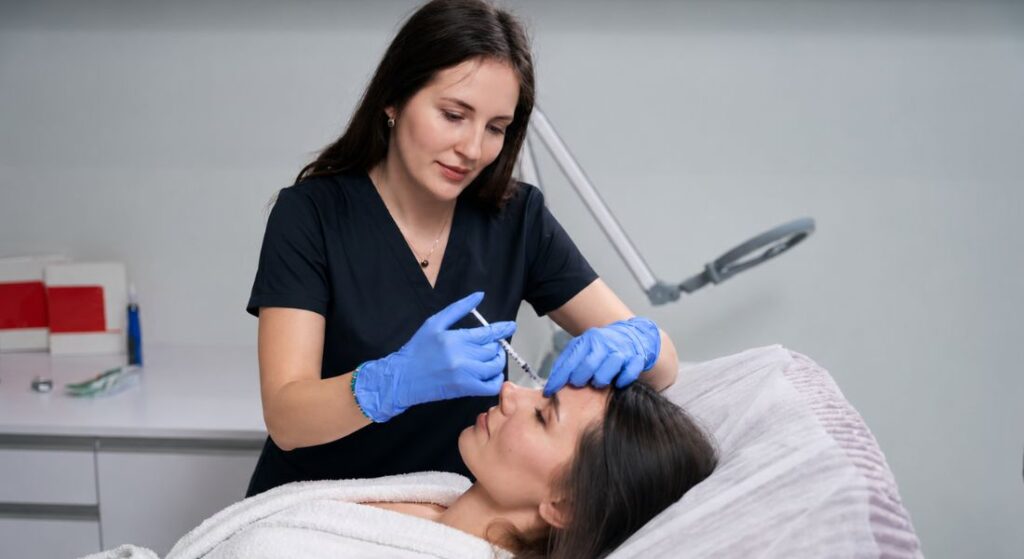
Injectable treatments such as dermal fillers, botulinum toxin, collagen stimulators and regenerative injectables are frequently discussed in detail at international aesthetic dermatology conferences. When you attend these sessions, you’ll see specialists focusing on facial anatomy, correct injection depth, product selection and ways to reduce the risk of complications.
Modern conferences also place a strong emphasis on achieving natural-looking results and maintaining facial harmony, rather than creating overly dramatic cosmetic changes. You’ll often hear discussions on how the ageing process affects facial structure over time, and how treatment approaches should be adjusted to match these changes in a more balanced way.
Patient safety remains a central focus because injectable procedures require a very precise understanding of anatomy. These conferences help you learn how to identify early signs of vascular complications and manage them quickly and effectively, which is essential for delivering safe and responsible aesthetic care.
Facial Anatomy Education
Facial anatomy is one of the most important foundations of aesthetic dermatology. As cosmetic procedures become more advanced, specialists need a highly detailed understanding of the structures beneath the skin in order to perform treatments safely and accurately. At international conferences, you’ll often find dedicated anatomy sessions, cadaver workshops, and procedural teaching focused on the face. This education plays a major role in improving both patient safety and treatment outcomes.
- Understanding the Structures Beneath the Skin: Anatomy education focuses on the blood vessels, nerves, muscles, fat compartments, and tissue layers of the face. When you understand how these structures relate to one another, you can perform treatments with much greater precision. This knowledge is essential in modern aesthetic practice.
- Improving Safety During Cosmetic Procedures: Detailed anatomical training helps reduce the risk of complications during injections, laser treatments, and other aesthetic procedures. Certain areas of the face contain important blood vessels and nerves that must be avoided carefully. Better anatomical understanding directly improves patient safety.
- Enhancing Precision and Natural Results: Knowing the underlying facial structure also helps clinicians achieve more balanced and natural-looking aesthetic outcomes. Treatments can be planned more accurately according to facial proportions and movement. Precision is especially important as procedures become increasingly sophisticated.
- Advanced Learning Through Workshops and Demonstrations: International conferences often include cadaver workshops, live demonstrations, and advanced lectures to support practical learning. These sessions allow specialists to study anatomy in far greater detail than textbooks alone can provide. Hands-on education strengthens clinical confidence and technique.
As aesthetic medicine continues to evolve, facial anatomy education is becoming even more important across the specialty. Better anatomical knowledge supports safer treatments, more accurate technique, and improved patient outcomes. Ongoing education helps specialists keep pace with increasingly advanced cosmetic procedures. Ultimately, strong anatomical understanding is one of the key foundations of responsible aesthetic practice.
Skin Rejuvenation and Anti-Ageing Research

A lot of international aesthetic dermatology conferences focus on skin ageing and how you can approach rejuvenation in a more evidence-based way. When you attend these sessions, you’ll see clinicians exploring how factors like collagen loss, sun exposure, inflammation, hormonal shifts and environmental damage gradually affect skin quality over time.
You’ll also come across discussions on a wide range of treatments, including radiofrequency devices, ultrasound-based systems, microneedling, regenerative medicine, topical therapies and combination approaches. Many of these presentations highlight long-term outcomes and patient satisfaction, helping you understand what actually delivers lasting results rather than short-term improvement.
The overall aim goes beyond cosmetic enhancement alone. It’s about helping you maintain healthier skin function while planning treatments realistically, so expectations are aligned with what is clinically achievable and supported by research.
Combination Treatments in Modern Aesthetic Dermatology
In modern aesthetic dermatology, you’ll often see that combination treatments are preferred over relying on a single procedure alone. At international conferences, clinicians regularly explore how lasers, injectables, skin boosters and energy-based devices can be used together in a safe and effective way.
A big part of these discussions focuses on how you should sequence treatments correctly, how to minimise downtime, and how to choose the right combinations for different skin concerns. This level of planning is important because the order and timing of treatments can significantly influence overall results.
By understanding how different treatment modalities interact with each other, you’re better able to design more balanced and evidence-based care plans. Ultimately, this approach helps you personalise treatments more effectively while improving both safety and outcomes for patients.
Complication Prevention and Management
One of the most valuable parts of international aesthetic dermatology conferences is the focus on preventing and managing complications. When you attend these sessions, you’ll often see experts presenting real clinical cases where things didn’t go as planned, along with detailed explanations of how those outcomes were handled.
You’ll come across discussions on issues such as filler-related vascular compromise, laser burns, post-inflammatory pigmentation, scarring, infections and delayed inflammatory reactions. These conversations are open and practical, helping you understand what can go wrong in real-world settings and how to respond quickly and appropriately.
Because complications can happen even in experienced hands, this kind of learning is essential. By sharing clinical experiences, conferences help you build greater awareness, improve decision-making, and ultimately support safer and more responsible aesthetic practice.
Evidence-Based Cosmetic Dermatology
When you attend international aesthetic dermatology conferences, you’ll quickly notice a strong focus on scientific evidence. Researchers regularly present clinical studies that evaluate how effective treatments are, what their safety profiles look like, and how patients respond over the long term.
This kind of discussion helps you clearly separate marketing-driven trends from treatments that are genuinely supported by research. In cosmetic dermatology especially, not every new device or trending procedure has strong scientific backing, so this evidence-based approach is essential for making responsible decisions.
By focusing on well-designed studies and real clinical outcomes, you’re better equipped to make informed choices in practice. It also improves how you counsel patients and plan treatments, ensuring recommendations are based on reliable data rather than short-lived industry trends.
Understanding Different Skin Types
Modern dermatology and aesthetic medicine increasingly recognise that different skin types can respond very differently to treatment. At international conferences, specialists regularly discuss how factors such as ethnicity, pigmentation, and skin sensitivity influence treatment safety and results. This is especially important for procedures involving lasers, chemical peels, and other energy-based technologies. A better understanding of skin diversity helps ensure treatments are both safer and more effective for a wider range of patients.
- Different Skin Types Respond Differently to Treatment: Your skin type can affect how your skin reacts to lasers, peels, and other cosmetic procedures. Some skin tones may be more prone to pigmentation changes or inflammatory reactions after treatment. Understanding these differences helps clinicians plan treatments more safely.
- Focus on Pigmentation and Inflammatory Risks: Specialists often discuss risks such as post-inflammatory hyperpigmentation, which can occur more commonly in darker skin tones. Careful treatment settings and tailored approaches are important to reduce complications. Preventing unwanted pigment changes is a major part of safe aesthetic practice.
- Customised Treatment Approaches Improve Safety: Rather than using a one-size-fits-all approach, clinicians are encouraged to adapt treatments according to your individual skin characteristics. Factors such as skin tone, sensitivity, and underlying conditions all influence treatment planning. Personalised care usually leads to better outcomes and lower risk.
- Global Collaboration Expands Clinical Knowledge: International conferences bring together specialists from different countries and patient populations. This helps doctors understand how treatments perform across diverse ethnic groups and geographical regions. Shared experience improves both research and everyday patient care.
Understanding different skin types has become an essential part of modern dermatology and aesthetic medicine. As treatments become more advanced, personalised approaches are increasingly important for both safety and effectiveness. Ultimately, this leads to more inclusive, informed, and responsible patient care.
Live Demonstrations and Procedural Learning
When you attend aesthetic dermatology conferences, live demonstrations are often one of the most valuable parts of the programme. Experienced clinicians perform real procedures while explaining their technique, clinical decisions and safety considerations as they work, giving you a clear view of how treatments are actually carried out in practice.
Watching procedures in real time helps you pick up small but important technical details that are often missed in textbooks or pre-recorded videos. You also get the chance to hear expert reasoning as each step is performed, and audience questions usually add even more depth to the discussion, making the learning experience more interactive.
These sessions are especially useful because they bridge the gap between theory and real-world application. By observing how experienced practitioners approach different cases, you can better understand how to translate knowledge into safe and effective clinical practice.
Regenerative and Cellular Therapies
When you attend international aesthetic dermatology conferences, you’ll notice that regenerative medicine is becoming an increasingly important topic. These sessions often explore treatments such as platelet-rich plasma (PRP), exosomes, stem cell research and various collagen stimulation technologies that aim to support skin repair and renewal.
You’ll also see clinicians carefully reviewing the current scientific evidence, along with potential benefits, limitations and safety considerations of these approaches. Many of these discussions remain quite cautious because, in some areas, the research is still developing and long-term outcomes are not yet fully established.
This level of scientific scrutiny is essential because it ensures that new regenerative treatments are properly evaluated before they become widely used in practice. By taking this careful approach, you’re better able to prioritise safety, evidence and realistic expectations in patient care.
Managing Patient Expectations
When you attend aesthetic dermatology conferences, you’ll often see that a big focus goes beyond just techniques and treatments. A key part of the discussion is how you manage patient expectations, which is considered essential for both ethical practice and long-term patient satisfaction.
You’ll find clinicians exploring how to conduct consultations more effectively, how to explain realistic outcomes, and how to clearly communicate the limitations of different treatments. There’s also an important emphasis on identifying patients who may not be suitable for certain cosmetic procedures, especially when psychological wellbeing needs to be taken into account.
Ultimately, you learn that good aesthetic outcomes don’t depend only on technical skill. They also rely heavily on thoughtful patient selection and clear, honest communication, helping you ensure treatments are both appropriate and responsibly delivered..
Ethical and Safety Discussions
International aesthetic meetings often include important discussions about ethical practice, patient safety, and professional responsibility. You’ll hear specialists talk about areas such as informed consent, advertising standards, and the regulations that help protect patients. Cosmetic dermatology involves much more than simply achieving visible results, as practitioners also have a duty to provide safe, honest, and medically appropriate care.
Many conferences also focus on recognising when treatment may not actually be in a patient’s best interests. You may see experts discussing the risks of overtreatment, how to identify body dysmorphic concerns, and why maintaining professional standards is so important. This helps ensure treatments remain responsible and patient-centred.
As aesthetic medicine continues to evolve, conferences regularly remind clinicians that innovation should never come at the expense of safety. New technologies and treatments can offer exciting possibilities, but they still require careful assessment, proper training, and realistic communication with patients. In the long term, this benefits both practitioners and the patients they treat.
Advances in Scar and Acne Treatments
Acne scars and uneven skin texture remain major areas of ongoing research within aesthetic dermatology. At international conferences, you’ll often see specialists discussing newer resurfacing lasers, radiofrequency devices, subcision techniques, and collagen-stimulating treatments. The goal is usually gradual improvement rather than overly aggressive treatment.
Experts frequently compare different treatment protocols to understand which approaches may work best for specific types of acne scars. You’ll often hear discussions about ice-pick scars, rolling scars, and boxcar scars, as each type may respond differently to treatment. This personalised approach helps tailor treatment plans to individual skin concerns and skin types.
Research in this area continues to improve understanding of how skin heals and responds to various procedures. Conferences regularly highlight ways to maximise collagen stimulation while reducing the risk of complications such as pigmentation changes, prolonged redness, or scarring. You’ll find that modern aesthetic dermatology increasingly focuses on realistic improvement and long-term skin health rather than quick fixes.
Pigmentation and Melasma Education
When you attend international aesthetic dermatology conferences, pigmentation disorders like melasma and post-inflammatory hyperpigmentation are often discussed in detail. These conditions can be quite complex, and you’ll see specialists reviewing a mix of topical treatments, laser options and longer-term management strategies to help improve skin tone more safely and effectively.
A key message you’ll notice across many sessions is that pigmentation issues often need ongoing maintenance rather than a one-time “permanent fix.” Because of this, patient education becomes really important, helping you set realistic expectations and understand why consistent care is often necessary to maintain results.
By understanding the biology behind pigmentation, you’re better able to avoid overly aggressive treatments that could actually make discoloration worse. This knowledge helps you take a more careful, balanced approach that prioritises skin health as well as cosmetic improvement.
International Collaboration Between Specialists

One of the biggest advantages of international dermatology conferences is the opportunity for specialists from around the world to learn from one another. Dermatologists working in different countries often encounter very different patient populations, environmental conditions, and healthcare systems. By sharing experiences and research internationally, clinicians gain a broader understanding of how treatments perform across a wide range of situations. This exchange of knowledge helps improve both patient care and professional standards globally.
- Exposure to Different Patient Populations: Specialists from different regions may see varying skin conditions, skin types, and treatment responses in their daily practice. Learning from international colleagues helps broaden your understanding of how dermatological conditions present across diverse populations. This is especially valuable in increasingly multicultural societies.
- Sharing Different Treatment Approaches: Different countries sometimes develop unique approaches to managing skin disease or performing aesthetic procedures. Conferences allow clinicians to compare techniques, safety strategies, and treatment outcomes openly. This helps identify which approaches work best in different clinical settings.
- Improving Safety and Best Practice Standards: International discussion encourages wider conversations about treatment safety, complication prevention, and evidence-based care. By learning from collective global experience, clinicians can refine their own practice more effectively. Shared knowledge helps strengthen professional standards across the field.
- Building Global Consensus in Aesthetic Medicine: As aesthetic dermatology continues to evolve, international collaboration also helps shape broader agreement around emerging techniques and aesthetic standards. Specialists can discuss ethical considerations, patient expectations, and evolving trends together. This helps create more consistent and responsible practice worldwide.
International collaboration is therefore an important part of modern dermatology education and progress. By exchanging ideas and experiences globally, specialists gain a wider perspective that benefits both research and patient care. Shared learning helps improve safety, refine treatments, and support better clinical decision-making. Ultimately, global collaboration strengthens the quality and consistency of dermatological care around the world.
Industry Technology Exhibitions
When you attend aesthetic dermatology conferences, you’ll often come across large industry exhibitions where companies showcase the latest devices, skincare technologies, imaging systems and procedural innovations. This gives you the chance to see new equipment up close and discuss technical details directly with manufacturers.
At the same time, these events don’t just focus on promotion. You’re also encouraged to critically evaluate what’s being presented rather than accepting marketing claims at face value. Scientific validation and real clinical evidence remain central to deciding whether a technology is genuinely useful.
By taking this balanced approach, you’re better able to judge whether new technologies truly improve patient outcomes or whether they simply reflect short-term commercial trends. This helps ensure that innovation in dermatology stays grounded in safety, effectiveness and evidence-based practice.
Why Conference Education Benefits Patients
Patients may indirectly benefit when clinicians regularly attend professional conferences and educational meetings. When you visit a practitioner who stays engaged with ongoing learning, they are more likely to be updated on newer techniques, emerging research, and evolving safety recommendations. Continuous education plays an important role in maintaining high standards of patient care.
Conferences also encourage open discussion about complications, procedural safety, and evidence-based treatment approaches. You’ll often find specialists sharing real clinical experiences and reviewing how procedures can be refined to improve outcomes and reduce risks. Better education can ultimately lead to clearer patient counselling and more realistic treatment expectations.
Modern dermatology increasingly recognises lifelong learning as an essential part of responsible clinical practice. As technologies and treatments continue to evolve, practitioners need to keep updating their knowledge and skills throughout their careers. This ongoing commitment to learning may help patients feel more confident, informed, and safely cared for during treatment.
The Future of Aesthetic Dermatology Conferences
As technology continues to advance, you’ll likely see aesthetic dermatology conferences placing even greater focus on areas like artificial intelligence, advanced imaging systems, regenerative therapies and more personalised approaches to skin treatment. These developments are shaping how you understand diagnosis, planning and treatment in modern aesthetic practice.
In future meetings, you can also expect broader discussions around diversity in skin types, ethical approaches to cosmetic medicine, and long-term skin health, rather than focusing only on short-term appearance-based results. This shift reflects a more holistic view of aesthetics, where safety and overall skin wellbeing are just as important as cosmetic improvement.
Overall, the field will continue to balance innovation with strong scientific evidence and patient safety. As aesthetic medicine evolves globally, these conferences will remain a key space where you can learn, question and refine how new treatments are used responsibly in practice.
FAQs:
1. Why do dermatologists attend international aesthetic conferences?
If you work in aesthetic dermatology, attending conferences helps you stay updated with the latest treatments, technologies, and safety advice. You can learn directly from experienced specialists through lectures, live demonstrations, and clinical discussions. These events also give you the chance to exchange ideas with professionals from around the world. Ongoing education helps you provide safer and more effective patient care.
2. What topics are usually discussed at aesthetic dermatology conferences?
You’ll usually see topics such as lasers, injectables, skin rejuvenation, anti-ageing treatments, acne scars, and pigmentation concerns being discussed. Conferences also focus on facial anatomy, patient safety, and newer aesthetic technologies. This helps you understand how treatments are used in real clinical settings.
3. How do conferences improve patient safety?
Patient safety is a major focus at international conferences. You’ll often hear specialists discussing complications such as laser burns, pigmentation changes, and filler-related problems. Experts explain how these issues can be recognised early and managed safely. This ongoing learning helps clinicians improve treatment standards and reduce risks for patients.
4. Why is facial anatomy important in aesthetic dermatology?
Facial anatomy is important because it helps you perform treatments more safely and accurately. Understanding blood vessels, nerves, and tissue layers can reduce the risk of complications during cosmetic procedures. Conferences often include anatomy workshops and practical teaching sessions. This helps clinicians achieve more precise and natural-looking results.
5. What are combination treatments in aesthetic medicine?
Combination treatments involve using more than one procedure together to improve overall results. For example, you may combine lasers, injectables, and skin boosters within the same treatment plan. personalised approach can help address several skin concerns at the same time.
6. Why is evidence-based learning important in aesthetic dermatology?
Evidence-based learning helps you rely on proper scientific research rather than marketing trends alone. Conferences often present studies about treatment safety, effectiveness, and long-term outcomes. Patients can benefit from safer and more realistic treatment recommendations.
7. How do conferences address different skin types?
International conferences regularly discuss how different skin tones may respond differently to aesthetic treatments. Some skin types can be more prone to pigmentation changes or irritation after procedures. This supports more personalised and inclusive patient care.
8. Why are live demonstrations useful at these conferences?
Live demonstrations allow you to watch experienced clinicians perform procedures in real time. You can also learn from audience questions and expert explanations during the procedure. This makes practical learning much easier to follow.
9. What are regenerative therapies in aesthetic dermatology?
Regenerative therapies focus on supporting your skin’s natural repair and healing processes. Conferences often discuss treatments such as platelet-rich plasma and collagen stimulation therapies. This helps clinicians understand which treatments may be safe and effective for patients.
10. How do patients benefit when clinicians attend conferences?
You may benefit because clinicians who attend conferences are often more updated on modern treatments and current safety recommendations. Ongoing education can improve treatment planning, communication, and complication management. This helps support safer and more informed patient care overall.
Final Thoughts: International Aesthetic Dermatology Conferences
International aesthetic dermatology conferences play an important role in helping clinicians stay informed in a field that continues to evolve rapidly. By learning about new technologies, treatment techniques, safety recommendations, and scientific research, you can better understand how modern aesthetic medicine is becoming increasingly personalised, evidence-based, and focused on long-term skin health. These meetings also encourage open discussion about complications, ethical practice, and realistic patient expectations, all of which are essential for responsible cosmetic care.
As aesthetic treatments continue advancing, ongoing education helps clinicians provide safer procedures, more accurate treatment planning, and more natural-looking results. For you as a patient, this can translate into more informed consultations, clearer communication, and treatments that are tailored more carefully to your individual skin type and concerns. The continued exchange of global knowledge ultimately supports higher standards across the field of aesthetic dermatology.
If you’re looking for an experienced dermatologist in London, you can reach out to us at the London Dermatology Centre to book a consultation with one of our specialists.
References:
1. Jonsson, P., Pilz, A.C., Maboudi, H., Ranzinger, D., Wagner, P., Schaffert‑Stone, L.‑N. et al. (2025) The Translational Dermatology Initiative: Aiming at a New Disease Classification of Inflammatory Skin Diseases, Available at: https://pmc.ncbi.nlm.nih.gov/articles/PMC12173067/
2. onsson, P., Pilz, A.C., Maboudi, H. et al. (2025) The Translational Dermatology Initiative: Aiming at a New Disease Classification of Inflammatory Skin Disease. Available at: https://pubmed.ncbi.nlm.nih.gov/40535547/
3. Imran, M., Moyle, P.M. and Kamato, D. (2024) Advances in, and prospects of, 3D preclinical models for skin drug discovery, Drug Discovery Today. Available at: https://www.sciencedirect.com/science/article/pii/S1359644624003337
4. Petersen, T.K. and Sorensen, P. (2008) Translational dermatology in drug discovery: perspectives for integrating humanized xenograft models and experimental clinical studies, Drug Discovery Today, Available at: https://www.sciencedirect.com/science/article/abs/pii/S1359644607004230
5. Safai, B. (2025) Editorial for the Special Issue Cutaneous Biology, Molecular Dermatology and Dermatopathology, International Journal of Molecular Sciences, Available at: https://www.mdpi.com/1422-0067/26/6/2694