



Dermatology is one of the fastest-evolving areas of medicine, with new treatments, technologies, and research findings constantly changing how skin conditions are diagnosed and managed. International dermatology conferences play a major role in this progress by bringing together specialists, researchers, educators, and clinicians from around the world to share knowledge, discuss new evidence, and learn from one another’s clinical experience.
Even though you as a patient may never attend these conferences yourself, their influence often reaches directly into everyday medical care. The treatments your dermatologist recommends, the devices they use, and even the way certain skin conditions are diagnosed are frequently shaped by what clinicians learn through ongoing international education and collaboration.
These conferences are important because they help dermatologists stay updated with the latest advances in skin medicine and cosmetic dermatology. In the end, this continuous exchange of knowledge supports safer procedures, more accurate diagnoses, and more personalised treatment plans for patients across many different areas of dermatology.
What Are International Dermatology Conferences?
International dermatology conferences are large professional events where dermatologists, researchers, and skin specialists come together to discuss the latest developments in skin health and medical care. At these meetings, you’ll often find lectures, practical workshops, live treatment demonstrations, panel discussions, and presentations of complex clinical cases. The aim is to help clinicians learn from both scientific research and real-world experience.
Some conferences cover dermatology as a whole, while others focus on specific areas such as cosmetic dermatology, laser treatments, paediatric skin disease, skin cancer, or inflammatory conditions like eczema and psoriasis. Major international events can attract thousands of clinicians from different countries, all sharing knowledge and clinical insight. Education and collaboration are at the centre of these meetings.
For you as a patient, these conferences matter because they help your dermatologist stay up to date with modern treatments, technologies, and best practices. Dermatology changes constantly as new evidence emerges, so ongoing learning is essential for providing safe, accurate, and effective care.
Why Dermatology Changes So Quickly
Dermatology changes very quickly because the field is closely linked to ongoing scientific research, new technologies, and a constantly improving understanding of the immune system and skin biology. Treatments that may not even have existed ten years ago are now commonly used in everyday clinical practice. Because of this, dermatologists need continuous education to stay current.
You’ll also find that new medications, biologic therapies, laser devices, imaging systems, and surgical techniques are introduced regularly. It’s not enough for clinicians to simply know that these treatments exist they also need to understand how they work, who they are suitable for, and what risks or limitations they may carry. Staying updated helps improve both effectiveness and patient safety.
This is one of the reasons international dermatology conferences are so valuable. They help clinicians keep pace with rapid medical advances and learn directly from experts involved in current research and innovation. For you as a patient, that ongoing education translates into more modern, informed, and evidence-based care.
Sharing Research from Around the World
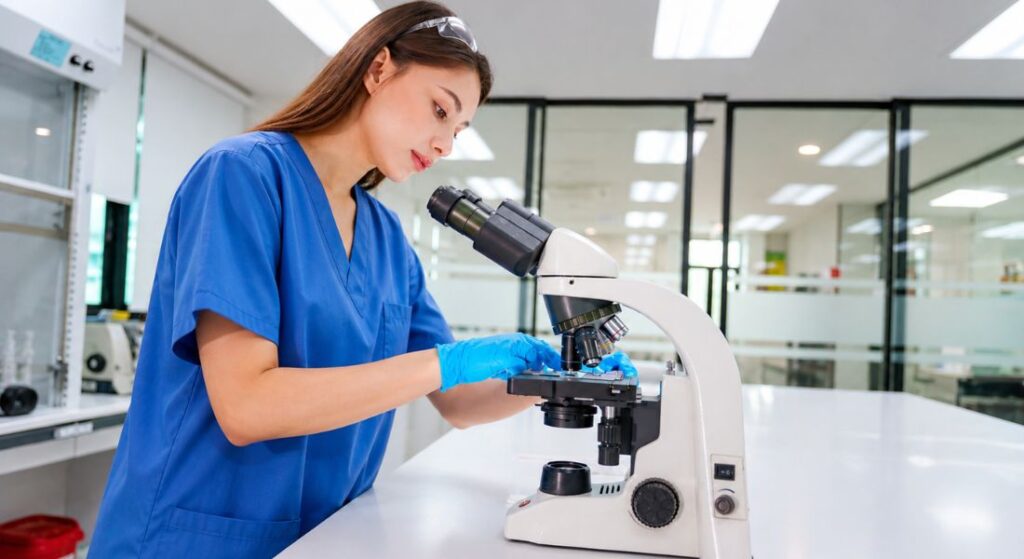
One of the most valuable parts of international dermatology conferences is the opportunity for specialists to share new research from around the world. At these events, you’ll often see scientists and clinicians presenting findings from clinical trials, laboratory studies, and long-term patient follow-up data. This helps expand understanding of both skin diseases and how different treatments perform over time.
The research discussed can cover a huge range of topics, including eczema, psoriasis, acne, autoimmune skin conditions, skin cancer, and cosmetic dermatology procedures. Many discussions focus not only on how treatments work in theory, but also on how they perform in real clinical settings with everyday patients. Evidence-based medicine plays a central role in these conversations.
For you as a patient, this ongoing exchange of research is extremely important because it eventually shapes the treatments and recommendations used in clinics worldwide. When dermatologists learn from international data and shared experience, it helps improve clinical guidelines, refine treatment strategies, and support safer, more effective care overall.
Improving Treatment for Chronic Skin Diseases
Chronic skin conditions such as eczema, psoriasis, rosacea, acne, and hidradenitis suppurativa can have a major impact on your daily comfort, confidence, and overall quality of life. Because these conditions often require long-term management rather than a simple cure, dermatologists must continually update their knowledge and treatment strategies. International conferences play an important role by allowing specialists to share experience, discuss challenging cases, and compare different approaches to patient care.
- Sharing experience improves clinical understanding: Dermatologists from different countries often manage chronic skin disease in slightly different ways. By discussing difficult or unusual cases together, clinicians gain broader insight into how these conditions behave over time. This shared learning helps improve decision-making in complex situations.
- Doctors learn about newer treatment options: Conferences frequently introduce updated research on modern medications, biologic therapies, and combination treatment approaches. You benefit when your dermatologist understands the latest evidence and can offer more advanced treatment options where appropriate. Modern therapies continue evolving rapidly.
- Long-term safety and monitoring are discussed: Chronic skin disease often requires ongoing treatment over many years. Specialists therefore focus heavily on long-term safety, side effect monitoring, and treatment adjustment strategies. This helps ensure care remains both effective and safe over time.
- Personalised treatment planning improves outcomes: Not every patient responds to treatment in the same way, even with the same diagnosis. International collaboration helps dermatologists refine more personalised treatment strategies based on disease severity, lifestyle, and patient needs. Tailored care often leads to better symptom control and improved quality of life.
International conferences therefore help dermatologists manage chronic skin conditions more effectively by strengthening knowledge, encouraging collaboration, and improving long-term treatment planning. When clinicians stay informed about modern approaches to chronic disease management, patients benefit from safer, more personalised, and more effective care. Expertise and continuous learning remain essential in dermatology.
Advancing Biologic Therapies
Biologic therapies have changed the way many serious inflammatory skin conditions are treated, particularly conditions such as psoriasis, eczema, and certain autoimmune diseases. International dermatology conferences are often where you first see major studies, treatment updates, and emerging biologic therapies being presented to clinicians from around the world.
During these meetings, experts discuss how effective these medications are, which patients are most suitable for them, what side effects need monitoring, and how long-term treatment should be managed safely. The opportunity for specialists to share real clinical experience is especially valuable because biologic medicine continues developing very quickly.
For you as a patient, these advances can make a significant difference to quality of life, especially if you have severe or treatment-resistant skin disease. When dermatologists stay updated through ongoing education, it helps them prescribe newer therapies more safely and confidently. Better specialist knowledge ultimately leads to more effective and personalised care.
Dermatology and Skin Cancer Advances
Skin cancer detection and treatment are major subjects at international dermatology conferences because recognising skin cancer early can make a very significant difference to outcomes. At these meetings, you’ll often see specialists discussing advances in dermoscopy, mole mapping, imaging technology, surgical techniques, and prevention strategies designed to improve early diagnosis and treatment.
International collaboration is especially important because it allows dermatologists to compare screening methods and treatment results across different countries and patient populations. By sharing research and clinical experience globally, clinicians develop a broader understanding of risk factors, skin cancer patterns, and the most effective ways to manage these conditions safely.
For you as a patient, this ongoing education directly improves the quality of care you receive. When dermatologists stay updated with modern diagnostic techniques and evolving treatment approaches, it increases the likelihood of earlier detection and more effective management. Prevention, education, and accurate diagnosis remain some of the most important parts of skin cancer care.
Cosmetic Dermatology Innovation
Cosmetic dermatology evolves very quickly as new injectables, laser technologies, regenerative treatments, and aesthetic devices continue entering the market. International conferences give clinicians the opportunity to observe new techniques, review safety research, and discuss what kind of results patients can realistically expect. Innovation is exciting, but it also requires careful scientific evaluation.
At these meetings, doctors learn not only which treatments appear effective, but also how to minimise complications and maintain natural-looking outcomes. Ethical practice is a major focus as well, especially in cosmetic medicine where patient expectations can sometimes become unrealistic. Safety and responsible decision-making remain essential parts of aesthetic care.
For you as a patient, this matters because well-trained clinicians are more likely to recommend treatments based on evidence and experience rather than temporary trends or marketing alone. Ongoing education helps improve both safety and treatment quality, while also supporting more balanced and natural-looking results. Expertise plays an enormous role in cosmetic dermatology.
Learning Through Live Demonstrations
Many international dermatology conferences include live demonstrations where experienced specialists perform procedures in real time while explaining exactly what they are doing. These sessions allow you to observe anatomy, tissue behaviour, technique, and clinical decision-making directly rather than only learning through textbooks or lectures. Practical education like this can be extremely valuable.
The demonstrations may involve treatments such as lasers, injectables, skin surgery, thread lifts, or advanced imaging procedures. During the session, clinicians in the audience can often ask questions and discuss technique choices as the procedure takes place. This kind of interactive learning helps strengthen practical understanding and improve technical confidence.
For you as a patient, this ongoing exposure to hands-on education helps clinicians continue refining their procedural skills and judgement. Better practical training supports safer treatments, more precise technique, and improved overall patient care. In dermatology, experience develops continuously through observation, repetition, and ongoing learning.
International Collaboration Improves Perspective
International collaboration plays an important role in advancing dermatology education and patient care. Specialists from different countries often manage skin conditions in slightly different ways based on healthcare systems, patient demographics, and available technology. Conferences provide an opportunity for these approaches to be shared and discussed openly. This wider exchange of knowledge helps clinicians develop a broader and more balanced understanding of dermatological care.
- Different Healthcare Systems Offer Different Approaches: Dermatologists from various countries may follow different treatment pathways and clinical practices. These differences are often shaped by local healthcare structures, access to technology, and patient needs. Learning about alternative approaches helps clinicians think more flexibly when managing complex skin conditions.
- Exposure to Diverse Skin Types and Conditions: Skin diseases can present differently depending on skin tone, genetics, and environmental factors such as climate. International discussions help doctors better recognise these variations in clinical practice. This is especially valuable in multicultural cities such as London, where patients come from a wide range of ethnic and genetic backgrounds.
- Broader Knowledge Improves Personalised Care: Understanding how conditions vary across populations allows dermatologists to provide more inclusive and tailored treatment plans. Clinicians become more aware of how cultural, biological, and environmental differences influence diagnosis and management. This helps improve patient outcomes and communication.
- Global Collaboration Strengthens Medical Progress: Conferences encourage specialists to share research findings, treatment experiences, and emerging technologies. These international exchanges contribute to faster learning and ongoing professional development. Collaboration across borders ultimately strengthens the quality of dermatological care worldwide.
International collaboration therefore provides far more than simple networking opportunities. It expands clinical understanding, encourages open-minded thinking, and improves the ability to care for diverse patient populations. By learning from global perspectives, dermatologists can refine their knowledge and deliver more personalised treatment. In modern medicine, shared international experience has become increasingly valuable for both clinicians and patients.
Better Understanding of Diverse Skin Types

Skin conditions do not always appear the same across different skin tones, which is why understanding diverse skin types is so important in dermatology. Conferences and training events now place greater focus on inclusive education and skin-of-colour medicine, helping clinicians recognise how certain conditions present in a wider range of patients. This improves awareness and supports more accurate diagnosis.
When you have different skin characteristics, certain treatments may also carry unique risks, particularly when it comes to pigmentation changes or scarring. Specialists often share their experience managing these concerns safely while treating patients from diverse backgrounds. As education in this area continues to expand, clinicians are becoming better equipped to provide personalised and inclusive care.
You benefit when your dermatologist understands how skin diseases and aesthetic treatments behave across different skin types and tones. Better knowledge leads to safer treatment planning, more appropriate product selection, and improved overall outcomes. Representation and inclusivity in dermatology education therefore play an essential role in delivering high-quality patient care.
Technology and Artificial Intelligence in Dermatology
Technology is becoming an increasingly important part of dermatology, and you’ll now find many conferences discussing how digital tools can support patient care. Topics often include artificial intelligence, digital skin imaging, mole mapping, teledermatology, and machine-learning systems designed to assist with diagnosis and monitoring. These technologies may help your clinician assess skin changes more efficiently and improve long-term tracking of certain conditions.
At the same time, clinicians are careful to discuss both the advantages and the limitations of these systems. While technology can provide useful support, it should never replace professional medical judgement or clinical experience. Your dermatologist still needs to assess your skin properly, interpret findings accurately, and make decisions based on your individual symptoms and medical history.
You may benefit from these developments through earlier detection of skin concerns, improved monitoring of moles and lesions, and more organised treatment records. Digital tools can also help compare skin changes over time with greater accuracy, which may support more personalised care. Even so, technology works best when it supports experienced clinicians rather than replacing the human side of dermatology.
Training Younger Dermatologists
International dermatology conferences are not only designed for senior specialists. Trainees and younger dermatologists also attend to expand their knowledge and gain exposure to modern clinical practice. These events give you the opportunity to learn about new treatments, technologies, and research developments that may shape the future of dermatology care.
Young clinicians often learn through lectures, practical workshops, live demonstrations, and detailed case discussions led by experienced experts. Watching advanced procedures and hearing real clinical insights can help build both confidence and technical understanding. Mentorship and ongoing education play a major role in helping younger doctors develop their skills throughout their careers.
You benefit from this continued training because well-educated future dermatologists help maintain high standards of patient care. As medical knowledge continues to evolve, clinicians need to keep learning in order to provide safe, effective, and evidence-based treatments. In medicine, education never truly stops, regardless of experience level.
Discussion of Rare Skin Conditions
Rare skin conditions can be particularly difficult to diagnose and manage because many clinicians may only encounter them occasionally during their careers. Dermatology conferences give specialists the opportunity to present unusual or complex cases for wider discussion and analysis. This shared learning helps clinicians expand their knowledge and improve their understanding of less common diseases.
During these discussions, doctors may explore rare autoimmune disorders, genetic skin conditions, unusual infections, or complex inflammatory diseases that require specialist expertise. Hearing different perspectives from international experts can help clinicians recognise subtle symptoms and consider diagnoses they may not see regularly in everyday practice. Collaborative learning is especially valuable when dealing with rare or challenging cases.
You may benefit from this exchange of knowledge through earlier diagnosis, more accurate treatment planning, and improved long-term management of uncommon skin conditions. When dermatologists learn from broader international experience, they can apply that knowledge more effectively in clinical practice. In rare disease care, specialist expertise and continued education can make a significant difference to patient outcomes.
Improving Patient Safety
Patient safety is one of the most important subjects discussed at dermatology conferences and professional training events. When you undergo any skin treatment or procedure, you want reassurance that your doctor understands both the benefits and the potential risks involved. Conferences help specialists stay informed about safer techniques, updated guidelines, and better ways to manage complications. This continuous learning plays a major role in improving the quality and safety of patient care.
- Understanding How to Manage Complications: Specialists regularly discuss real clinical cases where complications or unexpected outcomes have occurred. These discussions help doctors recognise warning signs earlier and respond more safely and effectively. Learning from real experiences improves awareness and strengthens clinical judgement.
- Reducing Risks Through Prevention: Topics such as infection prevention, laser safety, and medication monitoring are covered in detail during conferences. Doctors learn how to minimise avoidable risks through proper planning, careful assessment, and safe treatment techniques. In dermatology, prevention is always considered better than corrective treatment later.
- Promoting Ethical Treatment Planning: Conferences also encourage responsible and ethical decision-making when recommending treatments. Dermatologists are reminded to focus on what is genuinely appropriate and beneficial for you rather than unnecessary procedures. This helps support safer care and more realistic expectations.
- Keeping Safety Standards Continuously Updated: Dermatology continues evolving as new technologies, medications, and procedures become available. Ongoing education helps specialists stay updated with the latest safety recommendations and clinical practices. This continuous improvement directly benefits the standard of care you receive.
Patient safety therefore remains central to modern dermatology practice. By openly discussing complications, prevention strategies, and ethical treatment approaches, specialists continue improving the way care is delivered. Ongoing professional education helps reduce avoidable risks and encourages safer clinical decision-making. Ultimately, this commitment to responsible practice helps provide you with better and more reassuring patient care.
Evidence-Based Medicine and Clinical Guidelines
Evidence-based medicine plays a major role in modern dermatology, and many important clinical guidelines are shaped through research presented at international conferences. Specialists carefully review scientific studies, treatment outcomes, and emerging evidence before certain treatments become widely recommended. This helps ensure that the care you receive is guided by reliable research rather than personal opinion alone.
Conferences also allow experts to debate new treatments openly and assess the quality of emerging data in a critical way. Clinicians discuss the benefits, limitations, and safety of different therapies before changes are introduced into routine practice. These discussions help improve clinical standards and encourage safer, more consistent patient care.
You benefit from this evidence-based approach because your treatment decisions are increasingly supported by stronger scientific understanding. As research continues to develop, dermatologists can offer more effective, better-studied, and safer treatment options for a wide range of skin conditions. In many ways, ongoing scientific research is what drives progress in dermatology and helps improve patient outcomes over time.
Networking Between Specialists
Conferences give dermatologists the opportunity to build professional relationships and collaborate with specialists from different hospitals, clinics, and countries. These connections can lead to research partnerships, shared educational projects, and improved referral networks between clinicians. Strong professional collaboration helps strengthen healthcare systems and encourages the exchange of valuable medical knowledge.
Complex skin conditions sometimes require input from specialists with different areas of expertise, and professional networks can make these discussions easier and more effective. Through networking, clinicians can share experiences, discuss difficult cases, and learn from colleagues who may have managed similar situations before. In medicine, good communication and collaboration are often essential for improving patient care.
You may benefit indirectly from these professional relationships because stronger collaboration between clinicians can lead to better problem-solving and broader access to expertise. When doctors work together and share knowledge openly, they are often better equipped to manage challenging or unusual cases. Teamwork within the medical community plays an important role in supporting high-quality patient care.
Dermatology and Mental Wellbeing Discussions

Many skin conditions can affect far more than just your physical appearance. Concerns such as acne, eczema, psoriasis, rosacea, or visible scarring may also influence your confidence, emotional wellbeing, and social interactions. Because of this, dermatology conferences increasingly include discussions about the psychological impact of living with visible skin conditions and why emotional support should form part of patient care.
Specialists often explore how stress, anxiety, depression, and self-esteem can interact with chronic skin disease. In some cases, emotional stress may worsen skin symptoms, while ongoing skin problems can also affect your mental wellbeing over time. Conferences may also focus on improving communication between clinicians and patients so you feel listened to, understood, and properly supported throughout treatment.
You benefit when dermatologists take a more holistic approach to care rather than focusing only on the visible symptoms. A compassionate and understanding consultation can make a significant difference to your overall treatment experience and confidence. As awareness grows within the field, psychological wellbeing is becoming an increasingly important part of modern dermatology care.
Learning About Combination Treatments
Modern dermatology increasingly focuses on combining different treatments rather than relying on just one approach alone. Your skin concerns are often influenced by multiple factors, which means a single treatment may not always provide the best outcome. Dermatology conferences help specialists understand how treatments such as lasers, medications, injectables, surgery, and medical skincare can work together safely and effectively. This integrated approach allows doctors to create more personalised treatment plans for you.
- Combining Treatments for Better Results: Specialists discuss how different procedures and therapies can complement one another. For example, lasers may be combined with skincare or injectables to improve overall skin quality and appearance. Using multiple approaches carefully can often produce more balanced and longer-lasting results.
- Understanding Which Combinations Require Caution: Not every treatment combination is suitable or safe for every patient. Conferences allow doctors to share practical experiences about which therapies work well together and which may increase risks or side effects. This helps improve treatment planning and patient safety.
- Personalised Care Becomes More Effective: Every person’s skin concerns, goals, and medical history are different. Learning about combination treatments helps dermatologists tailor plans more specifically to your individual needs. Personalised care often leads to more natural and satisfactory outcomes.
- Integrated Planning Improves Overall Skin Management: Combination approaches can address several concerns at the same time rather than treating only one issue in isolation. For example, treatments may target pigmentation, texture, ageing, and inflammation together. This more complete strategy can improve both short-term results and long-term skin health.
Learning about combination treatments therefore plays an important role in modern dermatology education. Conferences help specialists refine their understanding of how different therapies interact and how treatment plans can be adapted safely for each patient. As dermatology becomes increasingly personalised, balanced and integrated care is becoming more valuable. Ultimately, this helps you receive treatment plans that are more tailored, effective, and carefully considered.
Conferences Help Standardise Care
International dermatology conferences help create greater consistency in the way skin conditions are diagnosed and treated around the world. When specialists come together to compare techniques, discuss research, and share clinical experiences, it helps strengthen professional standards across different healthcare systems. Shared learning allows clinicians to identify safer, more effective approaches that can be applied more consistently in practice.
As experts review scientific evidence together, more reliable approaches to diagnosis, treatment planning, and patient management often develop over time. These discussions help improve patient safety and encourage clinicians to follow evidence-based methods rather than relying on individual preference alone. Collaboration between specialists plays an important role in refining and improving clinical standards across the field of dermatology.
You benefit from this growing consistency because your care is more likely to be guided by established research, shared expertise, and recognised clinical standards. More structured and evidence-based practice can improve trust, safety, and overall treatment quality. When dermatologists learn from one another internationally, it helps support better and more reliable patient care worldwide.
Why Patients Should Care About Conferences
You may never attend a dermatology conference yourself, but these events can still influence the care you receive in important ways. Many treatment approaches, safety standards, diagnostic methods, and clinical guidelines are shaped through ongoing professional education and international collaboration. Conferences help dermatologists stay updated with the latest research, technologies, and evidence-based practices within the field.
When your dermatologist attends conferences or training events, they often bring new knowledge and refined clinical skills back into everyday practice. This can affect the way your consultations are carried out, how treatment plans are developed, and which therapies may be recommended for your condition. Continued learning helps clinicians provide more informed, accurate, and up-to-date patient care.
Understanding the importance of professional education can help you see why continuous learning matters so much in modern healthcare. Medicine is constantly evolving, and dermatologists need to keep developing their knowledge throughout their careers. In many ways, ongoing education and collaboration are what help support safer, more effective, and higher-quality care for patients like you.
FAQs:
1. Why are international dermatology conferences important for patients?
International dermatology conferences help doctors stay updated with the latest research, treatments, and safety practices. Even though you may never attend one yourself, the knowledge shared there often influences the care you receive in clinic. This ongoing education helps improve patient outcomes and overall quality of care.
2. How do dermatology conferences improve treatment options?
Conferences allow specialists to discuss new medications, biologic therapies, laser devices, and cosmetic procedures. You benefit because your dermatologist gains access to the latest evidence and clinical experience from experts around the world. Modern dermatology evolves quickly, so regular learning is essential.
3. Do conferences help dermatologists diagnose skin conditions more accurately?
Yes, they do. Dermatologists often review complex clinical cases, imaging techniques, and diagnostic tools during conferences. This helps improve pattern recognition and strengthens clinical judgement when assessing different skin conditions. For you, this can mean earlier diagnosis, more accurate treatment planning, and safer management of skin concerns.
4. Why is international collaboration important in dermatology?
Different countries sometimes manage skin conditions in different ways, so collaboration allows doctors to learn from one another’s experience. You benefit because your dermatologist gains broader insight into treatment strategies, patient care, and emerging research. Shared knowledge helps strengthen dermatology care worldwide.
5. How do conferences support skin cancer detection?
Skin cancer is a major topic at many dermatology conferences because early diagnosis is so important. Specialists discuss advances in dermoscopy, mole mapping, imaging technology, and surgical treatment methods. For you, better education can support earlier detection and more effective treatment.
6. Are cosmetic dermatology treatments discussed at conferences?
Yes, cosmetic dermatology is a large part of many international meetings. Doctors learn about injectables, laser treatments, skin rejuvenation, thread lifts, and newer aesthetic technologies. Conferences also focus heavily on safety, ethical treatment planning, and managing complications. This helps ensure you receive treatments based on evidence and professional expertise rather than temporary trends.
7. How does conference learning improve patient safety?
Patient safety is one of the most important subjects discussed at dermatology conferences. Specialists learn how to reduce complications, improve treatment planning, and follow updated safety guidelines. You benefit because clinicians become more prepared to manage risks and deliver safer care. Ongoing education helps improve both confidence and clinical decision-making.
8. Do conferences help dermatologists understand different skin tones better?
Yes, many conferences now place strong focus on skin-of-colour education and inclusive dermatology training. Doctors learn how certain conditions appear differently across various skin tones and how treatments may need adjusting for safety. Better understanding of skin diversity supports more effective treatment for all patients.
9. Why are live demonstrations useful for dermatologists?
Live demonstrations allow doctors to observe experienced specialists performing procedures in real time. You’ll often find treatments such as lasers, injectables, and skin surgery being explained step by step during these sessions. Better hands-on training usually translates into safer and more precise patient care.
10. Why should you care if your dermatologist attends conferences?
When your dermatologist attends conferences, they continue learning about new research, technologies, and treatment strategies throughout their career. You may notice this through clearer consultations, safer procedures, and better treatment planning. In dermatology, continuous learning plays a major role in improving patient outcomes.
Final Thoughts: Why International Dermatology Conferences Matter
International dermatology conferences may seem far removed from everyday patient care, but the knowledge shared at these events often shapes the treatments, technologies, and clinical decisions used in modern dermatology clinics. From advances in skin cancer detection and biologic therapies to improved understanding of diverse skin types and patient safety, continuous professional education helps dermatologists provide more informed, accurate, and personalised care. As dermatology continues evolving rapidly, ongoing collaboration and learning remain essential for improving patient outcomes and maintaining high clinical standards.
If you’re considering seeing a trusted dermatologist in London, you can get in touch with us at the London Dermatology Centre to arrange a consultation with one of our specialists. Expert guidance and evidence-based care can help ensure your treatment plan is tailored to your individual skin concerns, goals, and long-term skin health.
References:
1. Lin, T.K. et al. (2017) Association between Stress and the HPA Axis in the Atopic Dermatitis. International Journal of Molecular Sciences, Available at: https://www.mdpi.com/1422-0067/18/10/2131
2. Samaniego, M. (2025) Sleep in dermatologic conditions: A review. Journal of Dermatological Science, Available at: https://www.sciencedirect.com/science/article/pii/S2950198925000236
3. Afvari, S. (2023) Diet, sleep, and exercise in inflammatory skin diseases. Dermatology Review, Available at:https://pmc.ncbi.nlm.nih.gov/articles/PMC10755759/
4. Khalil, N.B., Coscarella, G., Dhabhar, F.S. and Yosipovitch, G. (2024) A Narrative Review on Stress and Itch: What We Know and What We Would Like to Know. Journal of Clinical Medicine, Available at: https://www.mdpi.com/2077-0383/13/22/6854
5. Arck, P.C., Slominski, A., Theoharides, T.C., Peters, E.M.J. and Paus, R. (2006) Neuroimmunology of stress: skin takes center stage. Journal of Investigative Dermatology, Available at: https://pubmed.ncbi.nlm.nih.gov/16845409/