


If you’re struggling with keloids, you’re not alone. These raised, often itchy or uncomfortable scars can be frustrating, especially if they continue to grow over time. There are advanced keloid removal treatments available to help you achieve smoother, more comfortable skin.
What Are Keloids?
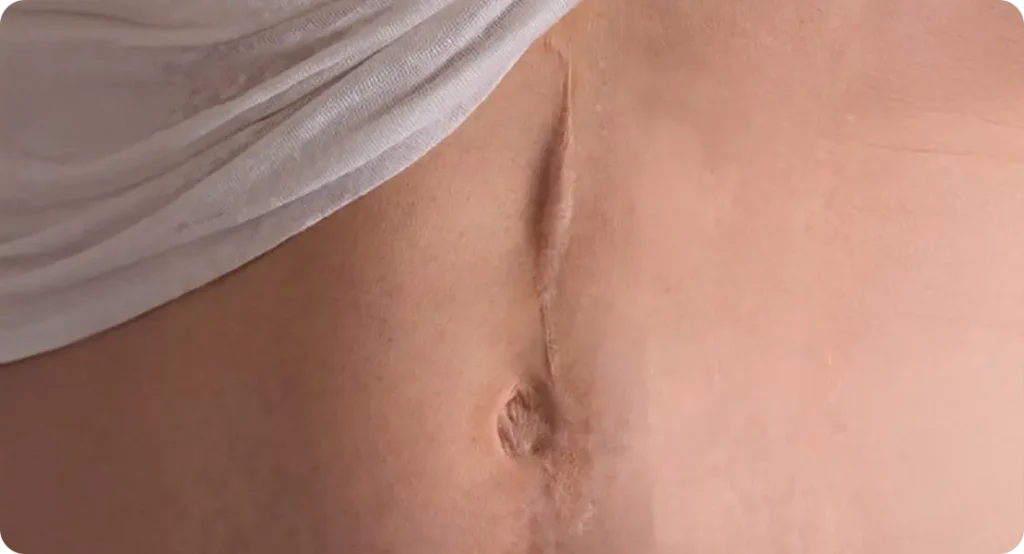
Keloids are a type of raised scar that develops when the skin produces excess collagen in response to an injury. Unlike normal scars, which fade over time, keloids can continue to grow well beyond the original wound site. They are often firm, smooth, and can vary in colour from pink to dark brown, depending on skin tone. While keloids can form anywhere on the body, they are more common on the chest, shoulders, earlobes, and back.
Keloids differ from hypertrophic scars, which also form due to excess collagen but remain confined to the original wound area. Keloids, on the other hand, can grow far beyond the site of the injury, sometimes developing into large, raised masses. They may start small and gradually expand over time, making them a long-term concern for those who develop them. Unlike regular scars, keloids rarely fade on their own and often require medical intervention to improve their appearance and alleviate any discomfort.
Many people with keloids experience symptoms beyond their visual appearance. These scars can feel itchy, tender, or even painful, particularly when they grow on areas that experience frequent movement or friction, such as the shoulders or jawline. In some cases, keloids can also lead to tightness in the skin, restricting movement or causing discomfort when touched. Due to their unpredictable nature and tendency to recur even after treatment, keloids can be a frustrating and persistent issue for those affected.
What Causes Keloids?
Keloid scars can form as a result of various skin injuries, including:
- Surgical incisions – When the skin is cut during surgery, it begins a natural healing process. However, in individuals prone to keloids, the healing response is exaggerated, leading to excess collagen buildup and the formation of a raised scar.
- Piercings – Ear and body piercings can trigger keloid formation, particularly in individuals with a genetic predisposition. The irritation from jewellery or improper aftercare can increase the likelihood of an excessive scar response.
- Burns – Burns, whether from heat, chemicals, or friction, can cause significant skin trauma. The prolonged healing time associated with burns increases the risk of keloid formation, especially in areas where the skin is under tension.
- Acne scars – Severe acne can leave behind scars, and in some cases, these scars may develop into keloids. Inflamed acne lesions, particularly those that rupture or are picked at, have a higher chance of turning into raised scars.
- Cuts and scratches – Even minor cuts and scratches can lead to keloids in individuals prone to them. The body’s natural wound-healing process can sometimes go into overdrive, producing an excessive amount of fibrous tissue.
- Vaccination sites – Some people develop keloids at the site of a vaccination or injection. This occurs due to the body’s inflammatory response to the puncture wound, particularly in individuals with a tendency toward keloid scarring.

Certain individuals are more prone to keloid formation due to genetic predisposition, with darker skin tones being at higher risk. Additionally, keloids can develop without an obvious injury, making them unpredictable and sometimes challenging to manage.
Effective Keloid Removal Treatments
There are several treatment options designed to reduce the size and symptoms of keloids. Some treatments work by softening or flattening the keloid, while others aim to prevent further growth or recurrence. The effectiveness of each treatment depends on factors such as the size of the keloid, its location, and how long it has been present. Because keloids tend to be persistent, treatment often involves a combination of approaches tailored to the individual’s skin type and medical history.
While some keloids respond well to non-invasive methods, others may require more intensive treatments like laser therapy or surgical excision. It’s important to work with a dermatologist to determine the best approach, as some treatments, if not performed correctly, can trigger further keloid growth. A structured and carefully planned treatment plan can improve both the appearance and symptoms of keloid scars over time.
Corticosteroid Injections
One of the most common and effective treatments for keloids is corticosteroid injections. These injections work by reducing inflammation and collagen production, helping to flatten the scar over time. A series of treatments may be required, typically spaced a few weeks apart, to achieve the best results. Patients may notice a gradual softening and reduction in size, although some residual scarring may remain.
Corticosteroid injections are often used in combination with other treatments to enhance their effectiveness. They can be particularly helpful in alleviating symptoms such as itching and tenderness associated with keloids. While this method does not completely remove keloids, it can significantly improve their appearance and prevent them from getting larger. The procedure is quick and generally well tolerated, though some patients may experience slight discomfort at the injection site.
Cryotherapy
Cryotherapy involves freezing the keloid with liquid nitrogen, which can gradually reduce its size. This method is particularly effective for smaller keloids and may be used in combination with other treatments for optimal results. The freezing process causes the abnormal collagen to break down, reducing the thickness of the scar and making it less noticeable over time.
Cryotherapy is most effective in the early stages of keloid development. It can be used as a stand-alone treatment or in conjunction with corticosteroid injections for better results. While cryotherapy can help reduce the height and firmness of a keloid, multiple sessions may be needed. Temporary redness, swelling, or mild discomfort may occur after treatment, but these side effects typically subside within a few days.

Laser Therapy
Laser therapy can help to flatten keloids and improve their colour and texture. It works by targeting the blood vessels within the keloid, reducing its appearance over multiple sessions. While laser treatment may not remove the keloid completely, it can significantly improve its appearance. Additionally, laser therapy can reduce redness and itchiness, making the scar less bothersome.
Different types of lasers may be used depending on the characteristics of the keloid. Some lasers help reduce pigmentation differences between the keloid and surrounding skin, while others focus on reducing thickness and improving texture. While laser therapy is generally safe, it should be performed by a trained specialist to minimise the risk of further scarring.
Surgical Removal
For larger or particularly stubborn keloids, surgical removal may be an option. However, because keloids have a high recurrence rate, surgery is often combined with additional treatments such as corticosteroid injections or radiation therapy to minimise regrowth. After surgery, pressure dressings or silicone sheets may be recommended to help prevent the keloid from reforming.
Surgical removal is typically reserved for cases where other treatments have been ineffective. While it can provide immediate cosmetic improvement, there is always a risk that the keloid will return. To reduce this risk, post-surgical care is essential, including follow-up treatments and proper wound management.
Radiotherapy
In cases where keloids are particularly aggressive, low-dose radiotherapy may be used after surgical removal to reduce the likelihood of recurrence. This treatment is generally reserved for severe cases and is always carefully planned by specialists. Radiation therapy helps to suppress the overproduction of collagen, reducing the chance of excessive scar tissue formation.
Radiotherapy is often used as a last resort when other methods have failed. It is carefully administered to avoid damage to healthy tissue and is typically delivered in multiple small doses. This approach has been shown to be effective in preventing keloid regrowth, making it a valuable option for individuals with recurrent or particularly large keloids.
Silicone Gel or Sheets
Silicone-based treatments can be effective for managing keloids, particularly in the early stages. Silicone gel or sheets work by creating a protective barrier over the scar, helping to flatten and soften the tissue over time. They also help retain moisture in the skin, which can prevent excessive collagen production and reduce the prominence of the keloid. Regular use of silicone treatments can lead to a noticeable improvement in the appearance of keloids, making them a preferred option for many individuals looking for a non-invasive approach.
Another advantage of silicone-based treatments is their ease of use. Silicone gel can be applied directly to the scar and dries quickly, forming an invisible protective layer. Silicone sheets, on the other hand, are flexible and can be worn throughout the day or overnight for continuous treatment. While results may take several months to become fully noticeable, consistent use can help soften and flatten keloid scars over time. For best results, silicone treatments should be used in combination with other therapies, as recommended by a dermatologist.
Choosing the Right Treatment for You
There’s no one-size-fits-all approach to keloid removal, which is why a personalised approach to treatment is essential. A dermatologist will assess your keloid, discuss your medical history, and create a tailored treatment plan suited to your skin type and needs. Factors such as scar location, skin tone, and previous treatments will be considered to determine the most effective course of action. Some keloids may respond well to minimally invasive treatments, while others may require a combination of therapies to achieve the best outcome.

It’s also important to consider lifestyle factors when choosing a treatment. For example, if a keloid is located in an area prone to frequent movement, such as the shoulder or neck, certain treatments may be more suitable than others. Additionally, some individuals may prefer non-invasive approaches that require minimal downtime, while others may opt for more aggressive treatments for faster results. Consulting a specialist can help ensure that the chosen treatment aligns with both medical needs and personal preferences, improving the chances of long-term success.
Preventing Keloid Formation
While it’s not always possible to prevent keloids, there are steps you can take to reduce the risk:
- Avoid unnecessary piercings or tattoos if you’re prone to keloids – If you have a history of keloid formation, it’s best to avoid body modifications that could trigger excessive scar tissue growth. If you do get a piercing or tattoo, proper aftercare is essential to minimise irritation and reduce the chance of a keloid developing.
- Treat wounds promptly and keep them clean – Proper wound care can significantly lower the risk of keloid formation. Cleaning wounds, applying antibacterial ointment, and covering them with a sterile dressing can help the skin heal properly without excessive scar tissue formation.
- Use silicone gel or sheets on healing wounds – Applying silicone gel or sheets to healing wounds can help control collagen production and prevent excessive scarring. These treatments create an ideal healing environment by maintaining moisture and reducing tension on the skin.
- Seek early treatment if a keloid starts forming – If you notice a scar beginning to thicken or extend beyond the original wound, seeking professional treatment early can help stop it from developing into a full keloid. Early intervention with corticosteroid injections or silicone-based treatments can be effective in minimising the growth of keloids.
Seeking Expert Advice
If you have a keloid that is causing discomfort or affecting your confidence, consulting a dermatologist is the best step forward. With the right treatment plan, keloid scars can be effectively managed, helping you achieve smoother and healthier skin.
A specialist will be able to assess the severity of your keloid and recommend a treatment plan that aligns with your individual needs. Since keloids tend to be persistent and may return even after treatment, expert guidance can help ensure that the chosen method has the best chance of success. Whether it’s non-invasive treatments such as silicone therapy and corticosteroid injections or more advanced options like laser treatment and surgery, a tailored approach will provide the best outcome for long-term management.
Beyond physical treatment, seeking expert advice can also provide reassurance and guidance on keloid prevention. Dermatologists can help educate patients on wound care practices, lifestyle changes, and early intervention techniques to reduce the risk of new keloids forming. By working closely with a professional, individuals with keloids can take proactive steps to manage their condition, leading to improved confidence and overall skin health.
Conclusion
Keloids can be persistent and challenging to manage, but with the right treatment approach, their appearance and discomfort can be significantly reduced. Whether through injections, laser therapy, or surgical removal, there are several effective options available. If you’re dealing with keloids, seeking expert advice is key to finding a tailored solution that works for you. Taking preventive steps can also help minimise the risk of future keloid formation. Remember, effective management starts with understanding your skin and choosing the best treatment plan for your needs.
If you are concerned about keloids and would like to discuss your options, you can contact us at the London Dermatology Centre to speak with one of our expert dermatologists. We will guide you through your treatment options and help you find the best solution for your skin concerns.
Need Expert Advice?
If you are concerned about keloids and would like to discuss your options, you can contact us at the London Dermatology Centre to speak with one of our expert dermatologists. We will guide you through the available treatments and help you find the best solution for your skin concerns.