


If you’ve invested time, money, and hope into laser treatment for acne scars, only to feel disappointed by the results, you’re far from alone. Many patients expect laser resurfacing to significantly smooth or remove scars, yet see only mild or uneven improvement. Laser technology is powerful, but acne scarring is complex. Treating scars successfully requires more than surface resurfacing, and this is where laser-only approaches often fall short.
In this article, I’ll explain why certain acne scars don’t respond well to laser treatment on its own, when additional treatments like subcision or microneedling are essential, and how dermatologists design combination plans to achieve more reliable and meaningful improvement.
Why Acne Scars Are Structurally Complex
Acne scars are often more complicated than they appear on the surface. They develop when inflammation interferes with the skin’s normal healing process, affecting deeper layers where collagen is formed and organised.
1. Different Types of Collagen Damage – Some scars result from collagen loss, creating depressions in the skin. Others form due to excess or disorganised collagen, leading to raised or uneven texture. Each type behaves differently and responds differently to treatment.
2. The Role of Fibrous Bands – Many depressed scars are tethered by fibrous bands beneath the skin that pull the surface downward. These structural attachments cannot be released by laser treatment alone, limiting how much improvement lasers can achieve on their own.
3. Limits of Laser-Only Treatment – Laser treatments mainly work by stimulating new collagen production. While this can improve texture and firmness, it does not correct all underlying structural issues. If the root cause of the scar is not addressed, results may be modest or disappointing.
Understanding the structural nature of acne scars helps explain why a tailored, multi-modal treatment approach is often necessary for meaningful improvement.
The Common Misunderstanding About Laser Treatment
Many patients assume that laser treatment directly “removes” acne scars. In reality, laser resurfacing works by stimulating the skin’s natural repair process, encouraging gradual collagen remodelling over time. Results develop progressively rather than instantly.
This distinction is important because not all scars respond the same way. Deeply indented scars, tethered scars, or areas with volume loss cannot be fully corrected with laser energy alone. These scar types often require additional or alternative treatments.
Understanding the true role of laser treatment helps set realistic expectations. When patients know what lasers can and cannot achieve, treatment plans become more effective, balanced, and satisfying in the long term.
Different Acne Scar Types Respond Differently
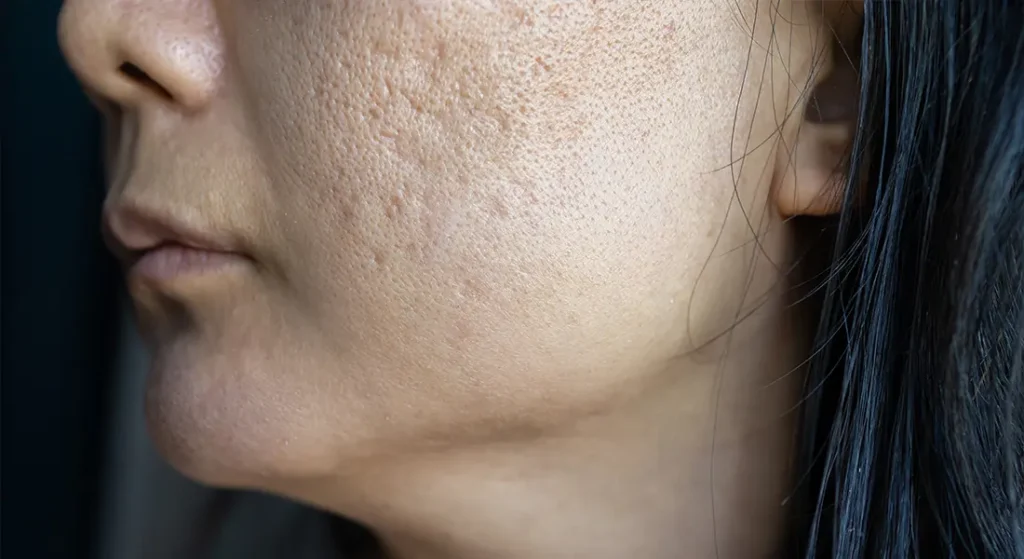
Not all acne scars behave the same way, and this has a significant impact on how well laser treatments work. Scar type, depth, and structure all influence outcomes.
- Rolling scars are caused by fibrous bands that pull the skin downward, creating a wavy surface.
- Boxcar scars appear as broader depressions with more defined edges.
- Ice pick scars are narrow, deep, and extend far below the skin’s surface.
Laser treatments generally perform best on shallow, broad scars, where resurfacing and collagen stimulation can smooth the skin more effectively. Deep or tethered scars, particularly ice pick scars, tend to respond less predictably and often require combination treatments rather than laser alone.
Why Laser Struggles With Tethered Scars
Tethered acne scars behave very differently from surface-level texture changes. Although they may look like simple depressions, the real problem lies beneath the skin, where fibrous strands anchor the scar downward. This hidden structure limits how much improvement surface-based treatments can achieve.
1. Fibrous Bands Anchor the Scar – Tethered scars are held in place by firm fibrous bands beneath the skin. These act like invisible stitches, pulling the skin downward and preventing it from rising naturally.
2. Lasers Cannot Release These Attachments – Laser treatments stimulate collagen in the upper and middle layers of the skin, but they do not cut or release fibrous bands. As a result, the structural pull remains unchanged.
3. Surface Improvement Without Elevation – Even when collagen quality improves above the scar, the tethering underneath keeps the surface depressed. This creates a situation where skin texture may improve, but depth does not.
This limitation explains why some patients feel laser treatment made little or no difference. Without addressing the tethering itself, meaningful elevation of these scars is unlikely, highlighting the importance of choosing the right treatment strategy from the outset.
Subcision: The Missing Step for Many Patients
Subcision is a procedure that releases fibrous bands pulling acne scars downward. A specialised needle is used to break these attachments beneath the skin.
Once the bands are cut, the skin is able to lift more naturally. The small amount of controlled bleeding also triggers collagen production, supporting longer-term improvement.
When subcision is performed before laser treatment, outcomes are often significantly better. Addressing the structural problem first allows lasers to refine texture more effectively.
Why Laser Cannot Replace Lost Volume
Not all acne scars are caused by surface irregularities alone. Some result from genuine loss of underlying tissue, leaving depressions that sit below the surrounding skin. In these cases, improving skin texture is not enough to fully correct the scar. Understanding this limitation is key to choosing the right treatment approach.
- True tissue loss – Certain scars form because underlying skin structures are missing, creating permanent volume deficits.
- Limits of laser treatment – Lasers can improve texture and stimulate collagen but cannot replace lost tissue.
- Need for volume restoration – Depressed scars often require fillers or biostimulatory injectables to restore support.
- Combination treatments – Using injectables alongside laser therapy often delivers better, more balanced results.
- Individualised planning – Treatment choice depends on scar depth, type, and overall skin condition.
Recognising when volume loss is present helps avoid unrealistic expectations from laser treatment alone. A combined, tailored approach ensures scars are treated at their structural level, leading to more meaningful and lasting improvement.
Ice Pick Scars and Laser Limitations
Ice pick scars are among the most resistant to laser resurfacing. Their narrow opening and deep base make surface-based energy ineffective. Laser treatment may slightly soften the edges, but depth often remains unchanged. This leads to disappointing results if laser is used alone. Targeted treatments such as chemical reconstruction or punch techniques are usually required.
Why Surface Improvement Can Be Misleading
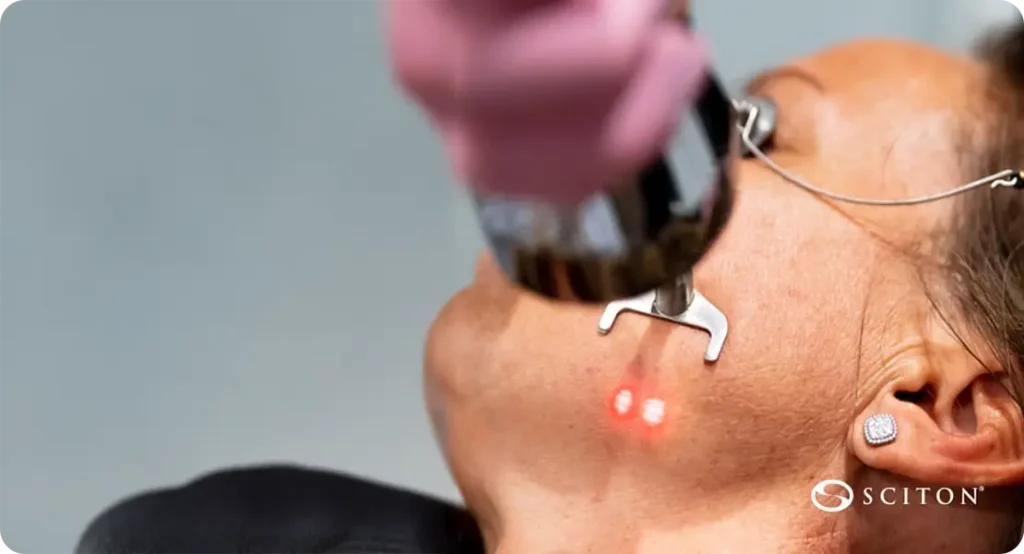
Laser treatments often create visible changes on the skin’s surface. Improvements in brightness, tone, and fine texture can make scars appear softer and less obvious at first glance. Under direct or flattering lighting, this surface refinement may give the impression of significant improvement, which can raise expectations early on.
1. Lighting Can Mask Depth – When light hits the skin straight on, smoother texture and better tone can disguise underlying depressions. From angled or side lighting, however, deeper scars still cast shadows and remain clearly visible.
2. Texture Improves Faster Than Structure – Lasers primarily affect the upper layers of the skin. While surface texture responds relatively well, deeper structural issues are largely unchanged.
3. Perception Changes Before Reality Does – Patients may notice that their skin looks “better” overall, yet still feel dissatisfied when scars are seen in everyday lighting or mirrors.
This mismatch between surface improvement and true scar correction is a common source of frustration. Feeling some improvement but not seeing meaningful depth change can make results feel underwhelming, reinforcing the importance of treatments that address both surface quality and underlying structure.
Microneedling as a Complementary Treatment
Microneedling works by creating controlled micro-injuries at varying skin depths. These microchannels stimulate collagen production in areas that lasers may not fully address.
It is especially helpful for improving overall texture and softening the edges of acne scars. This makes scars blend more naturally with the surrounding skin.
When microneedling is combined with laser treatment, collagen stimulation becomes more even across the treated area. Together, these treatments often produce smoother and more natural-looking results.
Why Combination Treatment Works Better
Acne scars are usually complex, involving multiple structural changes within the skin. Because no single treatment can address all of these factors, a combined approach is often more effective. Treating each component separately allows for more balanced and reliable improvement.
- Multiple scar mechanisms – Most acne scars involve tethering, volume loss, and surface irregularity rather than a single issue.
- Targeted treatment roles – Subcision releases tethered scars, lasers stimulate collagen remodelling, and microneedling improves surface texture.
- Layered improvement – Each technique addresses a different skin layer, working together for more complete correction.
- Greater overall results – Combining methods produces cumulative benefits rather than relying on one treatment alone.
- Strategic planning – Treatments are sequenced and tailored to scar type and skin response.
This multi-level strategy reflects how scars actually form and heal. By addressing the underlying structure as well as the surface, combination treatment delivers more consistent and meaningful improvement over time.
Why Increasing Laser Intensity Isn’t the Solution
When laser treatment alone does not deliver the desired results, some clinics respond by increasing the energy levels. While this may seem logical, it often introduces more problems than benefits.
Higher laser intensity significantly increases inflammation, downtime, and the risk of complications such as pigmentation changes or scarring. Importantly, it still does not address deeper issues like scar tethering or volume loss.
Better outcomes come from smarter treatment planning, not stronger laser settings. Combining the right techniques at appropriate intensities is far more effective and safer than simply turning up the power.
Skin Tone and Laser Limitations
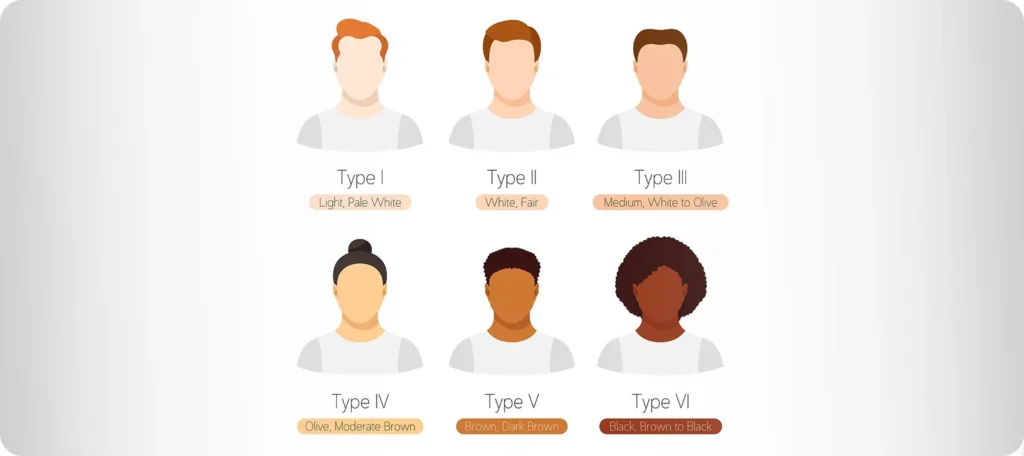
Laser treatment must be approached differently in darker skin tones. Higher melanin levels increase the risk of pigmentation changes after heat-based procedures, which means laser settings need to be more conservative. While this prioritises safety, it also limits how much structural change a laser can achieve in a single treatment plan.
1. Conservative Settings Reduce Impact – Lower energy levels are used to protect against hyperpigmentation, but this also reduces the laser’s ability to stimulate deep collagen remodelling.
2. Higher Risk of Pigment Changes – Even when performed correctly, darker skin is more prone to post-inflammatory pigmentation, which restricts how aggressively treatment can be delivered.
3. Slower and More Subtle Results – Because treatments must be gentler, improvements tend to be gradual and often less dramatic when lasers are used alone.
For these reasons, laser-only approaches are often insufficient in darker skin tones. Combination treatments that include non-thermal techniques can improve scar structure without increasing pigmentation risk. This balanced strategy allows results to build safely while respecting the unique needs of different skin types.
Why One-Size-Fits-All Laser Packages Fail
Many clinics offer standard laser packages without carefully analysing scar type or structure. Acne scars vary widely in depth, shape, and cause, even within the same face.
Treating all scars with the same laser approach almost guarantees uneven or disappointing results. Some scars need mechanical release, others need volume restoration, while some benefit most from resurfacing.
Personalised treatment planning is essential for meaningful improvement. Matching the right technique to each scar type is far more effective than relying on a fixed laser package.
How Dermatologists Assess Acne Scars Properly
Accurate acne scar treatment starts with a thorough, in-person assessment. Dermatologists look beyond surface appearance to understand how scars behave within the skin. This detailed evaluation ensures that treatment targets the true cause of scarring rather than relying on assumptions.
- Scar depth and type – Identifying whether scars are rolling, boxcar, or ice pick helps determine suitable treatments.
- Tethering and mobility – Palpation and skin movement reveal whether scars are anchored to deeper tissue.
- Skin tone and healing response – Melanin levels and past healing behaviour influence treatment choice and safety.
- Use of proper lighting – Angled lighting exposes texture changes that may not be visible in flat photographs.
- Limits of images alone – Photos rarely capture depth or movement, making in-person assessment essential.
This comprehensive approach guides precise treatment planning. By understanding how scars are structured and how the skin heals, dermatologists can select safer, more effective therapies with more predictable outcomes.
How Combination Plans Are Designed
Combination treatments are carefully planned rather than applied at random. Each step is timed and sequenced to achieve the best possible outcome. Typically, subcision is performed first to release tethered scars and prepare the skin. This allows subsequent treatments to work more effectively.
Laser resurfacing or microneedling is usually carried out once initial healing has begun, stimulating collagen and improving texture. If necessary, volume restoration can be added later to address depressions or uneven areas. This staged approach minimises risk and enhances long-term results.
Why Treatment Takes Time
Acne scar correction is a gradual process because true improvement depends on the skin’s natural healing mechanisms. Collagen remodelling and tissue repair occur slowly, so results develop over weeks to months rather than instantly. Understanding this timeline helps set realistic expectations.
- Slow collagen remodelling – Skin needs time to build new collagen and repair underlying structures after treatment.
- Multiple sessions often required – Combination treatments are staged to address different scar components effectively.
- Gradual cumulative improvement – Each session contributes to incremental enhancement that continues after treatment ends.
- Expectation management – Immediate transformation is rare, and patience is essential for satisfaction.
- Long-term results – Consistent follow-up and adherence to post-care advice optimise final outcomes.
Accepting that scar revision takes time allows patients to appreciate subtle improvements and avoid disappointment. Patience, combined with carefully planned treatment, produces the most meaningful and lasting results.
Managing Expectations Honestly
Acne scar treatment can significantly improve appearance, but complete eradication is rarely possible. Understanding the realistic outcomes helps patients stay satisfied with their progress and prevents frustration.
- Focus on improvement, not perfection – Treatments aim to enhance texture, soften shadows, and even skin tone rather than completely erase scars.
- Noticeable but gradual changes – Results accumulate over time and may require multiple sessions.
- Individual variation – Healing response, scar type, and skin tone all influence final outcomes.
- Importance of communication – Dermatologists guide patients on likely results and ongoing care throughout treatment.
- Satisfaction through realistic expectations – Knowing what is achievable helps maintain confidence and motivation during the process.
Honest expectation-setting ensures that patients approach acne scar treatment with clarity and patience, making improvements both meaningful and rewarding.
Emotional Impact of Failed Laser Treatment
Experiencing limited results after laser treatment can be frustrating and disheartening. Patients may worry that their scars are untreatable or that further improvement is unlikely. These feelings are common, but they often stem from misunderstanding the nature of the scars and the limitations of laser therapy alone.
1. Disappointment Is Normal – When results fall short of expectations, it is natural to feel discouraged or lose confidence in treatment options. Many patients initially believe that failure reflects a permanent limitation.
2. Understanding the Cause of Limited Results – Recognising why laser alone was insufficient such as tethered scars or deeper structural issues can restore hope. It highlights that the treatment approach, not the skin itself, was the limiting factor.
3. Optimism Through a Tailored Plan
With the right multi-modal treatment plan that addresses both surface texture and underlying structure, meaningful improvement is often achievable. Awareness of the limitations and possibilities helps patients feel more confident moving forward.
By understanding the reasons behind past treatment outcomes, patients can approach future interventions with realistic expectations and renewed optimism.
When Laser Still Plays an Important Role
Laser treatment remains a highly valuable tool, even if it is not used alone. It works best as part of a broader, staged treatment strategy.
Lasers are particularly effective at refining skin texture, evening out tone, and enhancing the results achieved by other procedures. While rarely the first or sole step, when used correctly, laser treatment significantly contributes to smoother, more uniform, and natural-looking results.
Choosing the Right Clinic Matters
Effective combination acne scar treatment depends on expertise and careful planning, not simply offering every available procedure.
The focus should be on selecting the right treatments for each individual, rather than applying a one-size-fits-all approach.
A reputable clinic in London will prioritise thorough assessment, proper sequencing, and patient safety over quick results. In many cases, the quality of the initial consultation has a greater impact on outcomes than the specific devices or technologies used.
When Combination Treatment May Not Be Appropriate
Combination acne scar treatment is not suitable for every patient. Careful evaluation ensures that interventions are safe, effective, and aligned with realistic goals. In some situations, treatment may be postponed or avoided entirely.
- Minimal scarring – Patients with very mild scars may not benefit enough to justify the procedure.
- Active acne – Ongoing breakouts should be controlled before scar-focused treatments begin.
- Unrealistic expectations – Those seeking complete eradication of scars may be better served with alternative approaches or counselling.
- Risk outweighs benefit – Skin type, healing tendencies, or medical conditions may make treatment inadvisable.
- Professional discretion – Responsible dermatologists prioritise safety and long-term results over immediate intervention.
Recognising when not to treat is an important part of good care. Avoiding unnecessary or inappropriate procedures helps protect the skin and ensures that treatment is truly beneficial when undertaken.
FAQs:
1. Why does laser treatment alone often fail for acne scars?
Laser treatment primarily works by resurfacing the upper layers of the skin and stimulating collagen production. While this can improve skin texture and firmness, it does not address deeper structural issues such as tethered scars or true tissue loss. As a result, scars that are anchored by fibrous bands or extend deep into the dermis may show only modest improvement, making laser-only approaches insufficient for meaningful correction in many cases.
2. Which types of acne scars respond poorly to laser resurfacing?
Scars that extend below the superficial layers of the skin generally respond less predictably to laser treatment. Ice pick scars, for example, are narrow and deep, limiting the laser’s ability to remodel tissue effectively. Tethered or rolling scars involve fibrous bands that pull the skin downward, and boxcar scars with pronounced edges may require additional interventions to achieve noticeable elevation.
3. How do fibrous bands impact the effectiveness of laser treatment?
Fibrous bands tether depressed scars to deeper layers of the skin, preventing them from rising even when the surface is treated. Laser energy stimulates collagen above these attachments but cannot cut or release them. As a result, the scar remains depressed, and any improvement in surface texture may not translate into visible lifting or correction of the scar’s depth.
4. What role does subcision play in acne scar treatment?
Subcision involves using a specialized needle to release fibrous bands beneath tethered scars. By cutting these attachments, the depressed skin can lift more naturally, creating space for subsequent treatments to be more effective. This procedure also induces controlled bleeding, which stimulates additional collagen production. Performing subcision before laser resurfacing allows the laser to refine skin texture more efficiently, enhancing overall results.
5. Why can volume loss limit laser treatment outcomes?
Some acne scars result from genuine loss of underlying tissue rather than surface irregularities. Lasers cannot replace missing volume; they only remodel existing collagen. Without restoring the lost tissue, the depressed area remains noticeable even after multiple laser sessions. In these cases, fillers or biostimulatory injectables are often required to rebuild structural support, and a combination approach ensures a more balanced and meaningful improvement.
6. How does microneedling complement laser resurfacing?
Microneedling creates controlled micro-injuries that penetrate different depths of the skin, stimulating collagen in areas that laser energy may not fully reach. This helps smooth the edges of scars and blend them more naturally with surrounding skin. When used alongside laser treatment, microneedling enhances overall collagen stimulation, producing a more even and natural-looking result that addresses both surface texture and deeper irregularities.
7. Can increasing laser intensity improve results for stubborn scars?
Simply increasing the laser’s energy may seem like a logical solution, but it often introduces more risks than benefits. Higher intensity can increase inflammation, downtime, and the likelihood of complications such as pigmentation changes or additional scarring. Importantly, it still does not address underlying issues like tethering or volume loss.
8. How do skin tone considerations affect laser treatment?
In darker skin tones, higher melanin levels increase the risk of post-inflammatory pigmentation from heat-based treatments. Laser energy must therefore be applied more conservatively, which can reduce the depth and intensity of collagen stimulation. While these settings prioritise safety, they may limit how much structural change the laser can achieve alone.
9. Why is personalised assessment critical before acne scar treatment?
Acne scars vary widely in type, depth, and structural complexity, even within the same face. Dermatologists must evaluate tethering, tissue loss, scar mobility, and skin tone to design an effective treatment plan. Relying solely on photographs or standardized laser packages often leads to uneven or disappointing results.
10. How are combination treatment plans designed for optimal results?
Combination treatments are carefully sequenced to address different layers and mechanisms of scarring. Typically, subcision is performed first to release tethered scars and prepare the skin. Once initial healing has occurred, laser resurfacing or microneedling is applied to refine texture and stimulate collagen. If volume restoration is necessary, fillers or biostimulatory injections are added later.
Final Thoughts: Why Combination Approaches Often Outperform Laser Alone for Acne Scars
While laser resurfacing is a powerful tool for improving skin texture, it rarely addresses all the underlying factors that contribute to acne scarring. Tethered scars, deep ice pick depressions, and volume loss often require additional interventions such as subcision, microneedling, or injectable fillers to achieve meaningful, long-lasting results. By targeting both surface texture and deeper structural issues, combination treatments offer a more comprehensive, balanced, and predictable improvement.
For patients frustrated with limited results from laser alone, a personalised plan designed by experienced dermatologists can restore both appearance and confidence. If you’re considering acne scar treatment in London, you can contact us at the London Dermatology Centre.
References:
1. Acne Scarring Pathogenesis, Evaluation, and Treatment Options. (2017) Journal of Clinical and Aesthetic Dermatology, 10(10), pp. 12–23. https://pmc.ncbi.nlm.nih.gov/articles/PMC5749614/
2. Subcision for Atrophic Acne Scarring: A Comprehensive Review. (2023). https://pmc.ncbi.nlm.nih.gov/articles/PMC9868281/
3. Microneedling in the treatment of atrophic scars: A systematic review. (2022). https://pubmed.ncbi.nlm.nih.gov/31356435/
4. Radhakrishnan, D., et al. (2014) Combination therapy in the management of atrophic acne scars, Dermatologic Surgery, 40(10), pp. 1200–1208. https://pubmed.ncbi.nlm.nih.gov/24761094/ 5. Pavlidis, A.I. and Katsambas, A.D. (2016) Therapeutic approaches to reducing atrophic acne scarring, Clinics in Dermatology, 34(5), pp. 637–645. https://www.sciencedirect.com/science/article/abs/pii/S0738081X16302747