


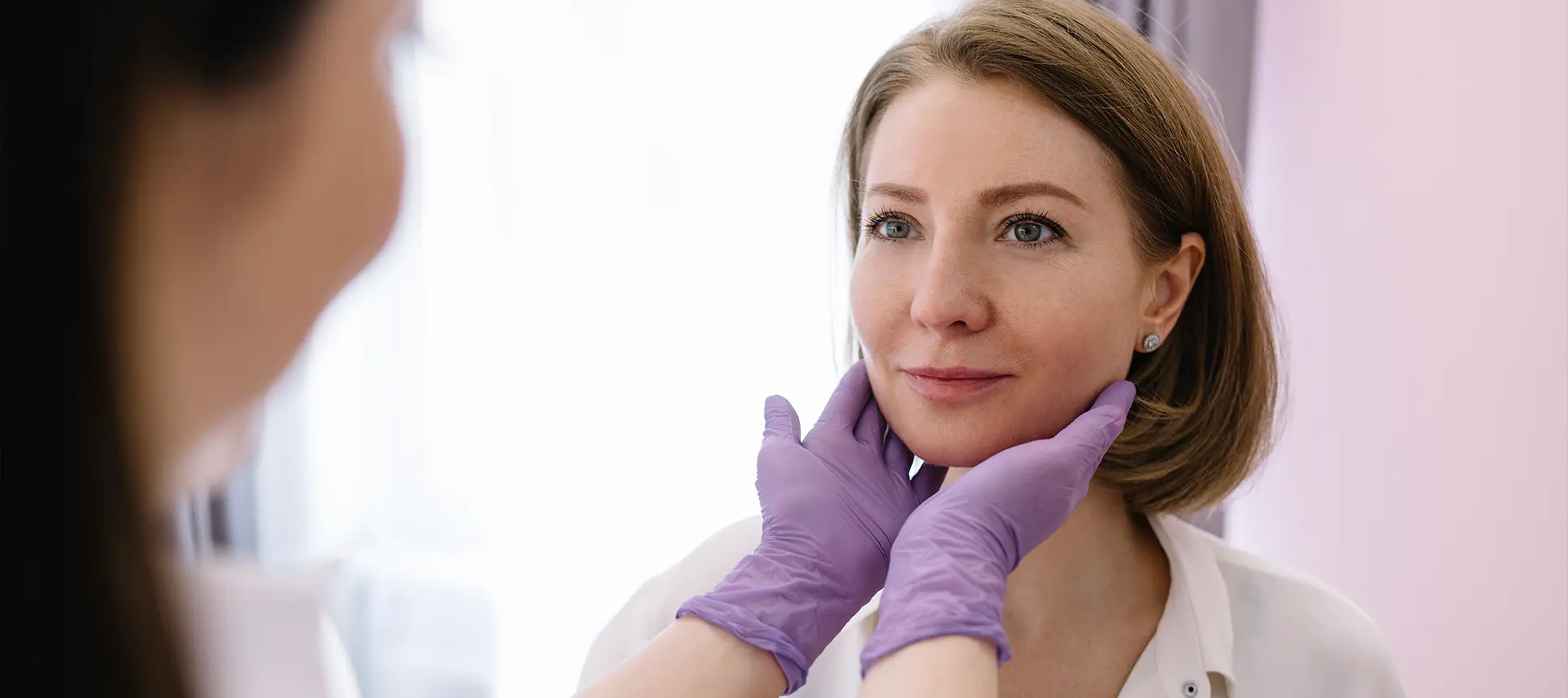
When it comes to skin health, many people are unsure whether they should seek medical treatment, opt for cosmetic intervention, or even use a combination of both. The world of dermatology can be complex, and distinguishing between medical and cosmetic dermatology can often be confusing.
The truth is, both fields play crucial roles in skincare but address different concerns. Whether you’re dealing with a chronic condition like eczema or psoriasis, or wanting to enhance the appearance of your skin with treatments like Botox or fillers, it’s important to know when each approach is necessary.
In this guide, we’ll break down the differences between medical and cosmetic dermatology, explain how they overlap, and help you understand which path is right for your unique skin issues.
Understanding Medical Dermatology
Medical dermatology deals with a broad spectrum of skin conditions that can have a significant impact on overall health. This branch of dermatology focuses on identifying, treating, and preventing diseases that are often linked to internal health factors, such as inflammation or infection.
Here’s what medical dermatology involves:
1. Diagnosis and Treatment of Medical Conditions – Medical dermatologists are specialists in diagnosing and treating conditions that affect the skin’s function and appearance. These can include infections, inflammation, and genetic disorders that require precise medical intervention.
2. Focus on Internal and External Health Factors – Conditions in medical dermatology may arise from internal factors like immune dysfunction or genetic predispositions. These conditions often require treatments that target the root cause, rather than just the symptoms.
3. Conditions Can Be Chronic or Acute – Medical dermatology encompasses both long-term chronic conditions, like psoriasis, and acute conditions, like infections or rashes. Regardless of the duration, these conditions can significantly impact health and quality of life.
4. Wide Range of Dermatological Diseases – From common issues like acne and eczema to more serious conditions like skin cancer, medical dermatologists are trained to manage a wide range of diseases that affect the skin and sometimes other parts of the body.
Medical dermatology is essential for addressing health concerns that extend beyond cosmetic appearance. By focusing on both prevention and treatment, medical dermatologists help ensure that conditions are effectively managed, improving both skin health and overall wellbeing.
Common Conditions Treated in Medical Dermatology

In medical dermatology, a variety of skin conditions are treated, from common concerns like acne to more serious conditions like skin cancer. When it comes to skin health, it’s essential to understand the conditions that might affect you and how they can be managed effectively. As dermatologists, we focus on personalised care, offering treatments tailored to your specific needs.
Here are some of the most common conditions treated:
- Acne – Whether you’re dealing with occasional breakouts or persistent cysts, acne is a common condition affecting people of all ages. It can be frustrating, but with the right treatment plan, you can manage it effectively.
- Psoriasis – This chronic autoimmune condition leads to red, scaly patches on the skin. Psoriasis can range from mild to severe, but with consistent care, we can help you manage flare-ups and improve your skin’s appearance.
- Eczema (Atopic Dermatitis) – Eczema causes itchy, red, and dry skin, and it can be triggered by various factors such as stress, allergens, or changes in weather. We work with you to manage symptoms and prevent flare-ups with tailored treatments.
- Rosacea – If you experience facial redness, visible blood vessels, or acne-like symptoms, you may have rosacea. While there is no cure, we can help you manage its symptoms and minimise flare-ups with the right skincare routine and treatments.
- Skin Cancer – Skin cancers, including melanoma, basal cell carcinoma, and squamous cell carcinoma, require prompt attention and treatment. Early detection is key, and we are here to guide you through the necessary steps to ensure your health and wellbeing.
When you visit a dermatologist in London, we take the time to thoroughly assess your skin’s health, using a combination of physical exams, biopsies, and lab tests to ensure that conditions are accurately diagnosed and effectively treated.
When to See a Medical Dermatologist
Skin conditions can be tricky, and while some minor issues can be treated at home, others need the attention of a professional. If you notice any of the following signs, it’s time to see a medical dermatologist for an expert diagnosis and treatment.
You should seek medical dermatology care if you experience:
1. Skin Conditions That Don’t Improve with Over-the-Counter Treatments – If your skin issue isn’t responding to common over-the-counter creams or lotions, it might be time to consult a dermatologist. They can provide more effective treatments and help you get to the root cause.
2. Suspected Skin Cancer or Unusual Growths – If you spot a new mole, a change in an existing one, or any unusual growths on your skin, it’s important to get them checked. Early detection is key when it comes to skin cancer, and a dermatologist can help you take the right steps.
3. Persistent Irritation, Rashes, or Inflammation – If your skin is irritated, red, or inflamed and the symptoms keep getting worse, don’t wait for it to get better on its own. A dermatologist can diagnose the issue and provide the treatment you need to stop it from spreading or worsening.
4. Severe Acne, Eczema, or Psoriasis – If conditions like acne, eczema, or psoriasis are severely impacting your daily life, it’s time to seek professional help. These conditions can often be managed much better with prescription treatments and a personalised care plan.
Seeing a medical dermatologist as soon as you notice any of these symptoms can make all the difference. Early diagnosis, especially for serious conditions like skin cancer, helps ensure your skin stays healthy and properly managed.
Explaining Cosmetic Dermatology

Cosmetic dermatology focuses on enhancing the aesthetic appearance of your skin, rather than addressing medical conditions. We aim to improve your skin’s appearance, texture, and tone, helping you feel more confident in your skin without the need for medical necessity.
These treatments include a variety of non-surgical procedures that tackle signs of ageing, hyperpigmentation, wrinkles, and other cosmetic concerns. Whether it’s smoothing out fine lines or brightening your complexion, cosmetic dermatology offers options tailored to your needs.
If you’re looking to rejuvenate your skin or address specific aesthetic concerns, cosmetic dermatology can help you achieve the results you want. We’re here to guide you through the options and ensure your treatment plan aligns with your goals.
Popular Treatments in Cosmetic Dermatology
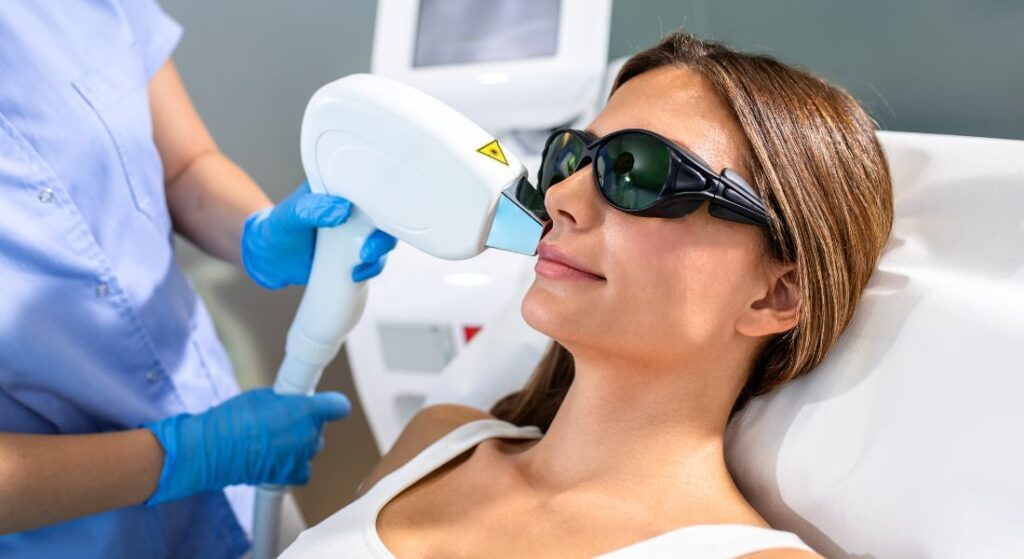
Cosmetic dermatology focuses on enhancing the appearance of your skin and features, helping you look and feel your best. Whether you’re looking to smooth out fine lines, restore volume, or treat sun damage, there are a variety of treatments available to suit your needs. These treatments are often elective, meaning you choose them to achieve your desired aesthetic results.
Here are some of the most popular cosmetic dermatology treatments:
- Botox – Botox is widely used to temporarily reduce the appearance of wrinkles and fine lines by relaxing the facial muscles. It’s a quick and effective solution for smoothing crow’s feet, forehead lines, and frown lines.
- Dermal Fillers – These are used to restore volume to areas of the face that have lost fullness due to ageing or weight loss. Dermal fillers can smooth out wrinkles, enhance facial contours, and give you a more youthful appearance.
- Chemical Peels – This procedure involves applying a chemical solution to exfoliate the skin, helping to improve texture and tone. Chemical peels can treat sun damage, acne scars, and fine lines.
- Laser Treatments – Laser treatments are versatile and can target sun spots, uneven skin tone, and acne scarring. They can also improve the overall appearance of your skin by stimulating collagen production.
- Microneedling – This treatment uses tiny needles to create micro-injuries in the skin, which stimulates collagen and elastin production. The result is firmer, smoother skin with a reduction in fine lines and scars.
These treatments are designed to improve your skin’s appearance, enhance your facial features, or slow down the visible signs of ageing. If you’re considering any of these options, a consultation with a cosmetic dermatologist will help you choose the treatment that’s right for you.
When to Consider Cosmetic Dermatology
You might want to consider cosmetic dermatology if you’re looking to reduce the appearance of wrinkles, fine lines, or sagging skin. These treatments can help refresh your look and restore a youthful, smooth complexion.
If you have scarring, pigmentation, or sun damage you’d like to improve, cosmetic dermatology offers solutions that can make a noticeable difference. We focus on enhancing your skin’s appearance while addressing concerns like uneven tone or texture.
Cosmetic treatments can provide immediate, visible results with minimal downtime, and options like lip augmentation or cheek fillers can enhance your features. It’s important to choose a highly trained dermatologist in London to ensure safe and effective procedures tailored to your needs.
When Medical and Cosmetic Dermatology Overlap
While medical and cosmetic dermatology are often seen as distinct, there are many instances where they overlap. In fact, combining both treatments can offer the most comprehensive approach to managing skin conditions.
For example, psoriasis is primarily a medical condition that requires treatment to reduce inflammation and manage flare-ups. However, after the medical treatment has cleared the flare-ups, cosmetic dermatology treatments such as laser therapy or microneedling can help address the skin’s texture or scars left by the condition.
Similarly, someone dealing with severe acne may first need medical treatment to control the acne. Once the condition is under control, dermal fillers or chemical peels can be used to smooth out scars and improve overall skin texture.
How Combining Treatments Offers Better Results
In dermatology, combining medical and cosmetic treatments can lead to the best outcomes for your skin. While medical treatments address underlying health issues, cosmetic treatments enhance your skin’s appearance. When combined, these approaches offer a more comprehensive, personalised care plan that targets both health and aesthetics.
By combining treatments from both medical and cosmetic dermatology, patients often experience:
1. Improved Skin Health – By tackling both the root cause of medical issues and focusing on the skin’s appearance, you get the best of both worlds. Medical treatments treat conditions like inflammation, infections, or genetic issues, while cosmetic treatments target things like skin texture or pigmentation.
2. Comprehensive Care – Some conditions, like acne or eczema, require long-term medical treatments, but once these issues are under control, cosmetic treatments like laser therapy or chemical peels can address concerns like scarring or uneven texture.
3. Enhanced Self-Confidence – When both your skin health and appearance are treated together, you often feel better about both your skin’s function and how it looks. This holistic approach can lead to an improved sense of self-confidence and satisfaction with your overall skin care.
Working with a dermatologist who is skilled in both medical and cosmetic dermatology ensures you get the best of both worlds effective medical care that treats the root causes and cosmetic results that enhance your skin’s appearance.
When to See a Dermatologist: How to Know Which Route Is Right for You
It can be difficult to decide whether your skin concern requires medical or cosmetic care, especially if you’re unsure about the nature of the issue. The difference between medical and cosmetic dermatology often lies in the severity and underlying cause of the condition. Here’s a helpful guide to knowing when to seek medical dermatology vs. cosmetic dermatology care.
Signs You Need Medical Dermatology Care:
- Persistent or worsening skin conditions – If your skin condition is not improving or is getting worse, and it’s affecting your overall health, it’s important to seek medical dermatology care.
- Changes in rashes, moles, or growths – If a mole, growth, or rash changes in size, shape, or colour, this could be a sign of a more serious condition, and you should see a dermatologist for evaluation.
- Sudden onset of skin irritation or allergic reaction – If you experience a new or severe allergic reaction, irritation, or skin reaction that is sudden or unexplained, medical advice should be sought immediately.
- Conditions causing pain, bleeding, or complications – Skin conditions that cause significant pain, bleeding, or other complications, such as infection, should be addressed by a medical dermatologist.
If you’re dealing with any skin condition that seems abnormal or concerning, it’s always best to consult a dermatologist for a professional evaluation. Early intervention can help prevent complications, ensure a more accurate diagnosis, and improve the prognosis of many skin conditions.
On the other hand, if you’re primarily concerned with aesthetic enhancements or non-medical treatments, cosmetic dermatology may be more suitable.
FAQs:
1. What is the difference between medical and cosmetic dermatology?
Medical dermatology focuses on diagnosing, treating, and preventing skin conditions that can affect both the skin’s health and overall well-being. Conditions treated include acne, eczema, psoriasis, and skin cancer, where the focus is on underlying causes and long-term care. In contrast, cosmetic dermatology focuses on improving the appearance of the skin, treating issues like wrinkles, pigmentation, and texture, often through non-invasive procedures like Botox, fillers, and laser treatments. While both are important, medical dermatology addresses health concerns, while cosmetic dermatology enhances aesthetics.
2. When should I see a medical dermatologist instead of a cosmetic one?
You should see a medical dermatologist if you’re experiencing persistent or worsening skin conditions, changes in moles or growths, or conditions that affect your overall health. Medical dermatologists treat a wide range of skin diseases, from acne and eczema to more serious conditions like skin cancer. If your skin issue is health-related and may involve internal or immune system factors, a medical dermatologist is the right choice.
3. Can cosmetic dermatology help with skin conditions like acne or eczema?
While cosmetic dermatology focuses primarily on improving skin appearance, it can complement the treatment of conditions like acne or eczema. After a medical dermatologist has controlled acne or eczema through medications or lifestyle adjustments, cosmetic treatments like chemical peels or microneedling can help reduce scarring or improve the texture of the skin. However, the primary treatment for such conditions should be medical, with cosmetic procedures offering additional aesthetic benefits after health concerns are managed.
4. How do dermatologists decide which treatment to recommend: medical or cosmetic?
The treatment recommendation depends on the nature of the skin concern. If the condition is a medical one such as a rash, infection, or chronic skin disease medical dermatology will be the primary treatment route. For those looking to improve their appearance, such as smoothing wrinkles or addressing pigmentation, cosmetic dermatology is the appropriate choice. Dermatologists assess the severity, underlying causes, and patient goals to guide their recommendations, ensuring the right treatment for both health and aesthetic concerns.
5. Are treatments like Botox and fillers safe for everyone?
Botox and dermal fillers are generally safe for most people when performed by a qualified dermatologist. However, they may not be suitable for individuals with certain medical conditions, such as allergies to specific ingredients, or for those who are pregnant or breastfeeding. It’s essential to have a consultation with a qualified cosmetic dermatologist to discuss any underlying health conditions and determine if these treatments are right for you. A tailored approach ensures that the treatment is both safe and effective.
6. How can I know if my skin concern requires medical treatment or just cosmetic care?
If your skin condition is causing discomfort, pain, or emotional distress, or if it’s not improving with over-the-counter treatments, it may require medical treatment. This includes conditions like acne, psoriasis, or skin infections. However, if your concern is mainly related to appearance, such as reducing fine lines or addressing pigmentation, cosmetic treatments might be more suitable. If you’re unsure, a consultation with a dermatologist can help determine the appropriate path based on your specific needs.
7. What role does medical dermatology play in preventing skin cancer?
Medical dermatology plays a crucial role in preventing and detecting skin cancer early. Dermatologists regularly perform full-body skin checks, look for unusual moles or growths, and advise patients on sun protection and skin health. Early detection is key to treating skin cancers like melanoma, basal cell carcinoma, and squamous cell carcinoma effectively. Regular visits to a medical dermatologist can help prevent skin cancer through early intervention and guidance on prevention strategies, such as using sunscreen and avoiding excessive sun exposure.
8. What are the most common conditions treated by medical dermatologists?
Medical dermatologists treat a wide variety of skin conditions. Some of the most common conditions include acne, eczema, psoriasis, rosacea, and skin cancer. Other conditions include fungal infections, warts, and allergic skin reactions. A dermatologist provides both preventative care and treatment for these conditions, helping to manage symptoms, prevent flare-ups, and address any underlying health concerns that may affect the skin.
9. How do cosmetic dermatology treatments improve the appearance of the skin?
Cosmetic dermatology treatments improve the skin’s appearance by addressing concerns like fine lines, wrinkles, pigmentation, and skin texture. For instance, Botox works by temporarily relaxing facial muscles, smoothing out wrinkles. Dermal fillers restore volume to the face, enhancing facial contours and reducing sagging. Laser treatments can address sun damage, acne scars, and uneven skin tone. These treatments are designed to enhance your skin’s aesthetic appearance, providing noticeable improvements with minimal downtime.
10. When should I combine medical and cosmetic dermatology treatments?
Combining medical and cosmetic dermatology treatments can offer the best results when managing both skin health and appearance. For example, a patient may first need medical treatment for conditions like acne or eczema to reduce inflammation and control flare-ups. Once the condition is under control, cosmetic procedures such as chemical peels, microneedling, or Botox can be used to address scarring, improve skin texture, and maintain aesthetic results. A comprehensive treatment plan tailored to your needs ensures that both health and appearance are effectively managed.
Final Thoughts: Navigating the Path Between Medical and Cosmetic Dermatology
Understanding the difference between medical and cosmetic dermatology is essential for managing both your skin health and appearance. While medical dermatology addresses underlying health concerns and conditions, cosmetic dermatology focuses on enhancing your skin’s aesthetic appeal. For the best results, these two areas often overlap, providing a comprehensive approach to skincare that promotes both health and beauty.
If you would like to book a consultation with one of our dermatologist in London, you can contact us at the London Dermatology Centre. We’re here to help you navigate your skin care needs with expert guidance and tailored treatment plans.
References:
1. Grech, V.S., Kefala, V. & Rallis, E. (2024) Cosmetic Dermatology in the Digital Age, Journal of Clinical Medicine, 13(22). https://www.mdpi.com/2077-0383/13/22/6953
2. Artificial Intelligence in Cosmetic Dermatology with Regard to Laser Treatments: A Comparative Analysis of AI and Dermatologists’ Decision-Making (2026) Cosmetics, 13(1). https://www.mdpi.com/2079-9284/13/1/5
3. Mori, S. & Lee, E. (2019) Beyond the physician’s perspective: A review of patient-reported outcomes in dermatologic surgery and cosmetic dermatology, International Journal of Women’s Dermatology, 5(1), pp. https://www.sciencedirect.com/science/article/pii/S2352647518300285
4. Balancing medical education in aesthetics: Review and debate (2021) Dermatologic Clinics (via ScienceDirect). https://www.sciencedirect.com/science/article/abs/pii/S0738081X21002534
5. Goldstein, A.O., Goldstein, B.A., & Goldstein, G. (2015) Aesthetic Dermatologic Treatments: Consensus from the Experts, Aesthetic Surgery Journal, 35(Suppl 2), pp. S1–S18. https://pmc.ncbi.nlm.nih.gov/articles/PMC4635431/