


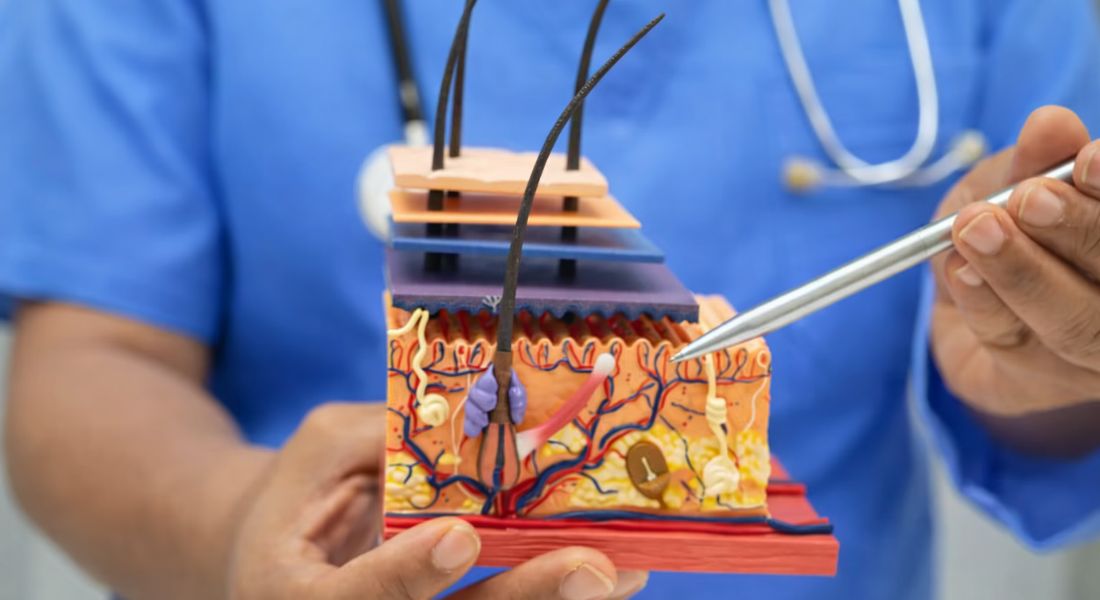
Vitiligo is more than a cosmetic issue; it involves a complex interaction between the immune system and the cells that produce skin pigment. One of the most promising areas of research today focuses on melanocyte stem cells. These specialised cells have the ability to replenish pigment-producing melanocytes, which helps explain why some areas of the skin respond better to treatment than others. Understanding these cells opens new possibilities for therapies aimed at restoring skin colour more effectively.
Melanocyte stem cells are usually located in specific niches within the skin, often in hair follicles. When stimulated, they can migrate to repopulate depigmented patches and help restore pigment. However, their activity is influenced by immune signals and the local skin environment, which means treatment success depends not only on activating these stem cells but also on controlling the autoimmune response that initially caused pigment loss.
This dual approach is critical for achieving meaningful and lasting repigmentation. By protecting melanocyte stem cells while encouraging their activity, researchers hope to develop strategies that deliver more consistent results across different areas of skin. This understanding helps explain why some treatments work better in certain regions than others and why relapse may still occur if immune activity is not controlled.
Emerging research in this field offers real hope for the future of vitiligo management. Therapies that harness the potential of melanocyte stem cells may restore pigment more effectively while reducing the risk of relapse. For patients seeking advanced care, such as comprehensive vitiligo treatment in London, staying informed about these developments can provide insight into promising options for achieving long-term skin stability and improved confidence.
What Are Melanocyte Stem Cells?
Melanocyte stem cells are specialised precursor cells found mainly in hair follicles. These cells have the unique ability to develop into mature melanocytes, which are responsible for producing the pigment that gives skin its colour. In essence, they act as a reservoir of pigment-producing cells, ready to replenish areas of skin when pigment is lost.
When the skin experiences depigmentation, such as in vitiligo, melanocyte stem cells can migrate from their niche to repopulate the affected areas. Their ability to generate new melanocytes is crucial for natural repigmentation and for the effectiveness of certain treatments. Without a healthy pool of these stem cells, restoring colour to depigmented patches becomes much more difficult.
Because they are protected within hair follicles and other niches, melanocyte stem cells can survive even when active vitiligo affects the surrounding skin. This makes them a key target for therapies aiming to restore pigment. By understanding how to stimulate and preserve these cells, researchers hope to improve long-term outcomes for patients with vitiligo.
How They Influence Repigmentation
Repigmentation in vitiligo largely depends on activating melanocyte stem cells and encouraging them to migrate into depigmented areas of the skin. These cells provide the foundation for new pigment, allowing treatments to work effectively. Without a sufficient pool of healthy stem cells, therapies such as phototherapy or topical treatments may have limited success.
The process involves not only stimulating the stem cells but also creating a supportive environment in the skin. Factors like inflammation, immune activity, and local skin health can influence how well melanocyte stem cells move and differentiate into mature melanocytes. By controlling these factors, treatment outcomes can be optimised.
Successful repigmentation often occurs first in areas where melanocyte stem cells are abundant, such as around hair follicles. Understanding this pattern helps explain why some patches of skin respond better to therapy than others. It also underscores the importance of protecting and activating these stem cells for long-term pigment restoration.
Why Some Areas Repigment Better Than Others
Areas of the skin that are rich in hair follicles, such as the scalp, face, and trunk, often respond more quickly to vitiligo treatments. This is because these regions contain a larger reservoir of melanocyte stem cells, which can migrate into depigmented patches and restore pigment more effectively. The abundance of stem cells in these areas provides a natural advantage for repigmentation.
In contrast, regions with fewer hair follicles, such as the hands, feet, and other acral areas, tend to repigment more slowly and sometimes less completely. The limited number of melanocyte stem cells in these locations means there are fewer cells available to repopulate the skin with pigment. As a result, these areas often require longer or more intensive treatment.
Understanding these patterns helps set realistic expectations for patients undergoing therapy. It also highlights the importance of targeted approaches that protect and stimulate melanocyte stem cells, particularly in regions that are harder to treat. By focusing on stem cell activation and migration, clinicians aim to improve overall repigmentation outcomes across different areas of the body.
The Hair Follicle as a Melanocyte Niche
Hair follicles serve as a natural protective niche for melanocyte stem cells. These specialised niches help shield the cells from immune attacks and oxidative stress, both of which can damage pigment-producing cells in vitiligo. By providing a safe environment, hair follicles allow melanocyte stem cells to survive even in skin areas that are actively losing pigment.
Because of this protection, melanocyte stem cells in hair follicles can act as a reservoir for repigmentation. When treatments such as phototherapy or topical therapies are applied, these cells can migrate from the follicle into depigmented skin to restore pigment. This explains why areas with more hair follicles often respond better to treatment.
Understanding the role of hair follicles in vitiligo helps guide treatment strategies. Protecting these niches and stimulating the stem cells within them is a key focus of current research, with the goal of improving repigmentation and reducing the risk of relapse.
The Role of the Epidermis
While hair follicles are the primary reservoir for melanocyte stem cells, research indicates that some stem cells may also exist in the interfollicular epidermis. These cells are located between hair follicles and are less abundant than those in follicular niches. Despite their smaller numbers, they can still contribute to repigmentation, especially in areas of the skin with few or no hair follicles.
The presence of these epidermal stem cells helps explain why some depigmented areas, such as the palms or soles, can sometimes regain pigment, albeit more slowly. Their activity may be triggered by treatments that stimulate melanocyte migration and proliferation. Understanding how these cells function could lead to more targeted therapies for regions that are traditionally harder to treat.
By studying both follicular and epidermal melanocyte stem cells, researchers aim to develop strategies that maximise repigmentation across all areas of the skin. This dual approach may improve long-term outcomes and provide hope for patients with vitiligo affecting challenging regions.
Activation Triggers
Melanocyte stem cells in the skin typically remain dormant, waiting for the right signals to become active. Activating these cells is essential for repigmentation in conditions like vitiligo. Certain environmental and biological triggers can prompt these stem cells to migrate, multiply, and restore pigment to previously depigmented areas. Understanding these triggers helps explain how treatments like phototherapy work and why some interventions are more effective than others.
- UVB Phototherapy: Exposure to controlled ultraviolet B light is a common method to stimulate melanocyte stem cells. UVB triggers the cells to activate, proliferate, and migrate into depigmented patches, promoting repigmentation over time.
- Mechanical Stimulation: Physical interventions, such as microneedling or other controlled skin stimulation techniques, can also encourage melanocyte stem cells to become active. This mechanical activation helps support pigment restoration in targeted areas.
- Cytokine Signals: Specific immune signals, including certain cytokines, can either inhibit or stimulate melanocyte stem cell activity. Properly modulating these signals is crucial in treatments that aim to restore pigmentation while preventing immune-mediated destruction.
- Combined Triggers for Effective Repigmentation: Often, the most effective treatments leverage multiple activation pathways. For example, phototherapy combined with topical agents can enhance stem cell activation and improve the speed and extent of repigmentation.
In conclusion, melanocyte stem cells remain dormant until activated by specific triggers such as UVB light, mechanical stimulation, or cytokine signals. By understanding and targeting these activation pathways, treatments can effectively encourage pigment restoration. This knowledge helps optimise therapy strategies and improve long-term repigmentation outcomes.
Migration Mechanisms
Once activated, melanocyte stem cells begin to migrate from their protective niches in the hair follicles into the surrounding epidermis. This movement is carefully guided by chemical signals, including chemokines and growth factors, which direct the cells to the areas where pigment is needed. The coordinated signalling ensures that melanocytes reach the depigmented patches effectively.
The local microenvironment of the skin plays a crucial role in determining how efficiently repigmentation occurs. Factors such as inflammation, immune activity, and the presence of supportive cells can either enhance or hinder the migration and survival of new melanocytes. A healthy, well-regulated environment allows the stem cells to differentiate successfully and restore pigment.
Understanding these migration mechanisms is key for improving vitiligo treatment outcomes. By targeting the signals that guide melanocyte movement and optimising the skin environment, researchers hope to enhance repigmentation and achieve more consistent results across different areas of the body.
Immune System Interactions
Even when melanocyte stem cells are present and ready to repopulate depigmented skin, the immune system can still interfere with their activity. Resident memory T cells, which remain in the skin after previous autoimmune attacks, can recognise and target newly differentiated melanocytes. This ongoing immune surveillance can limit the success of repigmentation, even when stem cells are available and active.
In addition to resident memory T cells, other inflammatory signals in the skin can create a hostile environment for melanocytes. Cytokines and oxidative stress may further hinder stem cell migration, differentiation, or survival. Together, these immune interactions explain why some areas of skin fail to repigment fully despite treatment.
Understanding how the immune system interacts with melanocyte stem cells is central to developing more effective vitiligo therapies. By finding ways to suppress harmful immune activity while supporting stem cell function, researchers aim to improve long-term pigment restoration and reduce the risk of relapse.
Phototherapy and Stem Cell Activation
Narrowband UVB phototherapy remains a cornerstone of vitiligo treatment due to its dual benefits. Firstly, it helps modulate the immune response in the skin, reducing the activity of harmful T cells that attack melanocytes. This creates a more favourable environment for pigment restoration.
Secondly, phototherapy directly stimulates melanocyte stem cells to exit their protective follicular niches and migrate into depigmented areas. Once these cells move into the epidermis, they can differentiate into mature melanocytes and begin producing pigment. This process is essential for achieving visible repigmentation.
By combining immune modulation with stem cell activation, narrowband UVB therapy enhances treatment effectiveness. It explains why consistent, controlled phototherapy sessions often lead to the best outcomes for patients, particularly in areas rich in hair follicles where stem cell reservoirs are abundant.
Why Some Treatments Fail

Treatment failure in vitiligo often occurs when the body’s melanocyte stem cell reservoirs are depleted or difficult to access. Over time, chronic inflammation, repeated immune attacks, or scarring can reduce the number of available stem cells. Without enough healthy stem cells, repigmentation becomes slower or, in some cases, impossible.
Long-standing depigmented areas are particularly challenging because the skin may have fewer functional stem cells remaining. Even when treatments like phototherapy or topical therapies are applied, the limited pool of stem cells can prevent significant pigment restoration.
Understanding the reasons behind treatment failure helps guide future strategies. By protecting existing stem cells, reducing inflammation, and stimulating migration from remaining reservoirs, clinicians aim to improve outcomes even in stubborn or long-affected areas.
Surgical Approaches
Surgical approaches for vitiligo aim to directly utilise melanocyte stem cells to restore pigment in depigmented areas. Techniques such as melanocyte-keratinocyte transplantation involve harvesting pigment-producing cells from normally pigmented skin and transferring them to affected patches. This method bypasses the need for local stem cells, making it effective even in areas where natural reservoirs are depleted.
Another technique, follicular unit extraction, takes advantage of the melanocyte stem cells within hair follicles. By transplanting follicular units into depigmented skin, these stem cells can migrate and differentiate into melanocytes, gradually restoring pigment. These surgical approaches are particularly useful for patients who have not responded to conventional therapies or who have long-standing depigmentation.
While surgical treatments can be highly effective, they require careful planning and specialist expertise. Factors such as the size and location of depigmented areas, skin type, and overall health influence outcomes. With proper technique, however, these approaches offer a promising route to achieve repigmentation where conventional treatments may fall short.
Genetic and Molecular Influences
The success of repigmentation in vitiligo is influenced not only by treatment but also by underlying genetic and molecular factors. Genetic variations can determine how many melanocyte stem cells are present, how resilient they are, and how effectively they respond to activation signals. These differences help explain why some patients achieve faster or more complete repigmentation, while others may require prolonged or repeated therapies.
- Gene Variations Affecting Cell Survival: Certain genetic differences influence how long melanocyte stem cells survive under stress or immune attack. Stronger survival mechanisms allow these cells to persist longer, increasing the likelihood of successful repigmentation.
- Genes Regulating Cell Migration: The ability of melanocyte stem cells to migrate from their reservoirs to depigmented skin is partly determined by genetic factors. Efficient migration ensures pigment restoration reaches the areas most affected by vitiligo.
- Genes Influencing Pigment Production: Some genetic variations affect the efficiency of melanin production. Patients with genes that support robust pigment synthesis often see quicker or more vivid repigmentation results.
- Impact on Treatment Response: These genetic and molecular factors help explain individual differences in therapy outcomes. Understanding them may allow personalised treatment strategies, optimising therapies based on a patient’s genetic profile.
In conclusion, genetic and molecular influences play a key role in the behaviour of melanocyte stem cells and the overall response to vitiligo treatments. Variations in cell survival, migration, and pigment production help explain why some patients respond more effectively than others. Recognising these factors can guide personalised approaches and improve long-term repigmentation outcomes.
Stem Cell Depletion in Long-Standing Vitiligo
In chronic or long-standing vitiligo, melanocyte stem cell populations can become depleted over time. Continuous immune attacks and prolonged inflammation may exhaust the reservoirs needed for repigmentation. This depletion helps explain why older, stable patches of depigmented skin often respond poorly or not at all to standard treatments like phototherapy or topical therapies.
Because stem cell numbers decline over time, early intervention is particularly important. Treating vitiligo during its active phase increases the likelihood that enough healthy stem cells remain to repopulate depigmented areas. Prompt therapy can therefore improve outcomes and reduce the risk of persistent, treatment-resistant patches.
Understanding stem cell depletion also guides the use of advanced therapies. In cases where natural reservoirs are insufficient, surgical approaches or targeted stem cell activation may be necessary to restore pigment effectively and achieve long-term results.
Regenerative Medicine and Future Therapies
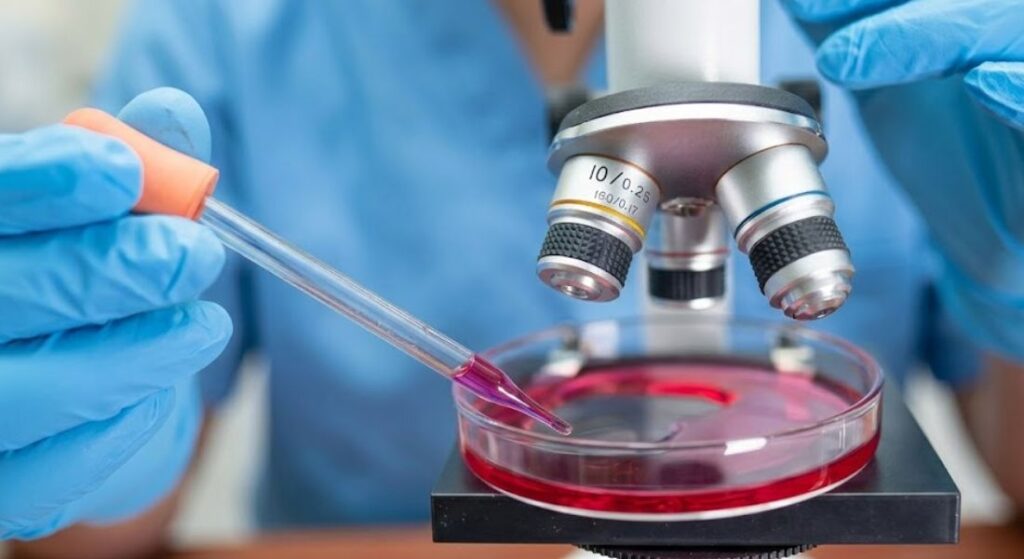
Emerging regenerative medicine approaches are opening exciting possibilities for vitiligo treatment. These strategies aim to expand or replenish melanocyte stem cells, ensuring a fresh supply of pigment-producing cells for depigmented skin. Techniques under investigation include stem cell therapy, gene editing, and bioengineered skin constructs, all designed to restore pigment more effectively.
Stem cell therapy involves isolating melanocyte stem cells from healthy skin, expanding them in the laboratory, and then transplanting them into depigmented areas. This method could overcome the limitations of depleted or inaccessible stem cell reservoirs in chronic vitiligo. Gene editing, meanwhile, has the potential to correct underlying cellular defects or improve stem cell resilience against autoimmune attacks.
Bioengineered skin constructs offer another promising avenue by providing a scaffold for melanocytes to grow and repopulate affected areas. These innovations could eventually enable durable repigmentation, even in patches that have resisted conventional treatments. While these therapies are still in the research and clinical trial stages, they represent a hopeful future for patients seeking long-term solutions to vitiligo.
Combining Immune Modulation with Stem Cell Activation
The most promising future strategies for vitiligo may involve combining immune modulation with stem cell activation. By suppressing harmful immune activity, such as that caused by resident memory T cells, new melanocytes can survive and function without being destroyed. At the same time, activating melanocyte stem cells ensures a continuous supply of pigment-producing cells to repopulate depigmented areas.
This dual approach addresses both major challenges in vitiligo treatment: controlling the autoimmune attack and replenishing the cells needed for repigmentation. Therapies that integrate these strategies have the potential to produce longer-lasting and more consistent results compared with treatments that target only one aspect of the disease.
By protecting melanocytes while stimulating their growth and migration, clinicians may be able to achieve repigmentation in areas that were previously resistant to therapy. This combination of immune modulation and stem cell activation represents a significant advance in the pursuit of durable, long-term vitiligo management.
Role of Cytokines in Stem Cell Biology
Cytokines, such as stem cell factor (SCF) and endothelin‑1, play a crucial role in melanocyte biology by supporting cell survival, proliferation, and migration. These chemical signals help guide melanocyte stem cells as they differentiate into pigment-producing cells and repopulate depigmented areas. Proper cytokine signalling is therefore essential for effective repigmentation.
By understanding and modulating these pathways, researchers hope to enhance the success of vitiligo therapies. For example, treatments that increase SCF or endothelin‑1 activity could stimulate stem cells to migrate more efficiently from hair follicles or epidermal niches. This could improve pigment restoration, particularly in areas that are traditionally difficult to repigment.
Targeting cytokines represents a promising avenue for future therapies. Combining cytokine modulation with immune control and stem cell activation may provide a comprehensive approach, maximising repigmentation while reducing the risk of relapse.
Challenges in Stem Cell-Based Treatments
Stem cell-based therapies offer promising potential for restoring pigmentation in vitiligo, but several challenges remain. The success of these treatments depends on not just activating or transplanting melanocyte stem cells, but also ensuring they survive, migrate, and integrate correctly into the skin. Achieving consistent, long-lasting results requires careful management of the skin’s microenvironment and ongoing monitoring of treatment effects.
- Ensuring Proper Migration: Activated or transplanted melanocyte stem cells must move from their origin to depigmented areas. Improper migration can lead to incomplete repigmentation or uneven pigmentation patterns.
- Cell Integration and Survival: Once the cells reach the target area, they need to integrate into the existing skin structure and survive long-term. Factors such as inflammation, immune attack, or poor tissue support can compromise their survival and limit treatment success.
- Microenvironment Control: The skin’s local environment, including cytokine levels, immune activity, and structural support, must be carefully managed. A hostile microenvironment can prevent stem cells from functioning properly, reducing the effectiveness of therapy.
- Consistency and Predictability of Results: Even with advanced techniques, outcomes can vary between patients due to differences in skin type, disease severity, and immune activity. These variables make it challenging to achieve uniform, predictable repigmentation in every patient.
In conclusion, stem cell-based treatments for vitiligo are promising but face significant challenges. Ensuring proper migration, integration, and survival of melanocyte stem cells requires precise control of the skin environment and careful patient management. Overcoming these hurdles is key to making stem cell therapies a reliable option for long-term repigmentation.
Monitoring Repigmentation
Monitoring repigmentation is a key part of evaluating vitiligo treatment outcomes. Clinically, we assess progress by observing the return of colour to affected areas and measuring pigment density over time. Careful tracking helps determine how well melanocyte stem cells are repopulating depigmented skin and whether treatments are effective.
Tools such as dermoscopy allow us to examine the skin at a microscopic level, revealing subtle changes in pigmentation that may not be visible to the naked eye. Photographic mapping is also useful, as it provides a visual record of repigmentation patterns and helps compare progress across different sessions.
By combining these monitoring techniques, clinicians can adjust therapies as needed to optimise results. Tracking repigmentation not only guides treatment decisions but also provides patients with tangible evidence of progress, which can be encouraging during long-term management.
Psychological Benefits of Repigmentation
Successful repigmentation through melanocyte stem cell activation can have profound psychological benefits for people with vitiligo. Restoring pigment often improves self-esteem and reduces the emotional burden associated with visible skin differences. Feeling more comfortable in one’s appearance can significantly enhance overall wellbeing.
Repigmentation can also help reduce social stigma and the anxiety that sometimes accompanies interactions in public or professional settings. Many patients report feeling more confident and empowered once pigment begins to return, even partially.
Beyond the cosmetic impact, the emotional uplift from successful treatment can motivate patients to adhere closely to ongoing therapies and follow-up care. By combining effective repigmentation strategies with psychological support, clinicians can help improve both skin health and quality of life.
Accessing Specialist Care

Accessing specialist care is essential for patients seeking advanced vitiligo treatments. Clinics with experience in managing autoimmune skin conditions can offer personalised therapy plans tailored to each patient’s needs. This ensures that interventions target both melanocyte stem cells and immune system activity for optimal results.
Specialist centres in London provide access to cutting-edge research and emerging therapies, including novel phototherapy protocols, stem cell-based treatments, and clinical trials. Being treated in such centres increases the likelihood of achieving meaningful and lasting repigmentation, particularly in challenging or long-standing cases.
Working with experienced dermatologists also allows for careful monitoring and follow-up, which is vital for maximising treatment success and reducing the risk of relapse. Patients benefit not only from specialised care but also from expert guidance on maintaining skin health and supporting long-term pigment restoration.
FAQs:
1. What are melanocyte stem cells in vitiligo?
Melanocyte stem cells are specialised precursor cells found mainly in hair follicles. They can develop into mature melanocytes, which produce skin pigment. These cells act as a reservoir that replenishes pigment in depigmented areas, making them essential for successful repigmentation in vitiligo.
2. How do melanocyte stem cells contribute to repigmentation?
Repigmentation depends on activating melanocyte stem cells and encouraging them to migrate into depigmented skin. Once they differentiate into melanocytes, they begin producing melanin, restoring pigment to affected areas. The local skin environment and immune activity influence how effectively this process occurs.
3. Why do some areas of skin respond better to treatment than others?
Areas rich in hair follicles, such as the scalp, face, and trunk, often repigment faster because they contain more melanocyte stem cells. Regions with fewer follicles, like the hands and feet, may respond more slowly due to a smaller stem cell reservoir.
4. How does the immune system affect melanocyte stem cells?
Immune cells, particularly resident memory T cells, can target newly formed melanocytes, even after stem cells migrate into depigmented skin. Ongoing inflammation, oxidative stress, and cytokine activity can hinder stem cell migration and differentiation, limiting repigmentation.
5. What role does phototherapy play in activating melanocyte stem cells?
Narrowband UVB phototherapy both stimulates melanocyte stem cells to migrate from hair follicles and modulates immune activity in the skin. This combination creates a more favourable environment for pigment restoration and is a cornerstone of vitiligo treatment.
6. Can melanocyte stem cells become depleted over time?
Yes. In long-standing or chronic vitiligo, continuous immune attacks and prolonged inflammation may reduce the number of functional melanocyte stem cells. This depletion makes repigmentation slower or less complete, highlighting the importance of early intervention.
7. How do surgical approaches use melanocyte stem cells?
Surgical treatments, such as melanocyte-keratinocyte transplantation or follicular unit extraction, utilise melanocyte stem cells from healthy skin or hair follicles to restore pigment. These techniques are especially helpful in areas where natural stem cell reservoirs are depleted.
8. Are genetics important for melanocyte stem cell function?
Genetic variations can affect the number of melanocyte stem cells, their resilience, migration ability, and melanin production. These differences explain why some patients achieve faster or more complete repigmentation than others, and why personalised treatment plans can improve outcomes.
9. What future therapies involve melanocyte stem cells?
Emerging regenerative therapies include stem cell transplantation, gene editing, and bioengineered skin constructs. These approaches aim to expand or replenish melanocyte stem cells, ensuring a continuous supply of pigment-producing cells and improving long-term repigmentation.
10. How can patients maximise repigmentation success?
Patients can support repigmentation by protecting skin from injury, following phototherapy schedules, reducing inflammation, and managing stress. Accessing specialist care and adhering to personalised treatment plans also increases the likelihood of durable pigment restoration and reduced relapse risk.
Final Thoughts: Harnessing Melanocyte Stem Cells for Lasting Repigmentation
Melanocyte stem cells are central to achieving effective and long-lasting repigmentation in vitiligo. By acting as a reservoir of pigment-producing cells, they enable treatments to restore colour to depigmented areas, particularly in regions rich in hair follicles. However, their success depends on both activating these cells and managing the immune system to prevent destruction of newly formed melanocytes. Understanding how stem cells migrate, differentiate, and interact with immune signals is crucial for optimising treatment outcomes and achieving more consistent repigmentation.
Emerging therapies, including regenerative medicine approaches and advanced phototherapy techniques, hold promise for enhancing stem cell function and improving results even in long-standing or difficult-to-treat areas. Consistent care, early intervention, and specialist guidance are key to long-term success. If you’re thinking about vitiligo treatment in London, you can contact us at the London Dermatology Centre to book a consultation with one of our specialists and explore personalised strategies for maintaining pigment restoration.
References:
- Domaszewska‑Szostek A et al. (2023) Current status of cell‑based therapies for vitiligo, International Journal of Molecular Sciences. https://www.mdpi.com/1422-0067/24/4/3357
- Mihai C et al. (2022) Regenerative medicine‑based treatment for vitiligo: An overview, PMC article. https://pmc.ncbi.nlm.nih.gov/articles/PMC9687162/
- Zhang M et al. (2023) Vitiligo: An immune disease and its emerging mesenchymal stem cell therapy paradigm, Transplant Immunology https://pubmed.ncbi.nlm.nih.gov/36464219/
- Goldstein NB, Koster MI, Jones KL, et al. (2020) Melanocyte Precursors in the Hair Follicle Bulge of Repigmented Vitiligo Skin Are Controlled by RHO‑GTPase, KCTD10, and CTNNB1 Signaling. The Journal of Investigative Dermatology. https://www.sciencedirect.com/science/article/pii/S0022202X20319540
- Davids LM (2009) Rare repigmentation pattern in a vitiligo patient: a clue to an epidermal stem‑cell reservoir of melanocytes? Clinical and Experimental Dermatology. https://academic.oup.com/ced/article-abstract/34/2/246/6624650