



Melasma is a common pigmentation disorder that causes brown or grey-brown patches on your face. In Indian skin, it is especially common because of a combination of genetic tendency, skin type, and higher melanin activity. If you have Indian skin, pigmentation changes may also appear more noticeable and can sometimes take longer to fade.
Sun exposure is one of the main triggers for melasma. Because Indian skin naturally contains more melanin, your skin may respond to UV exposure by producing deeper and more persistent pigmentation. Hormonal factors can also play an important role, especially during pregnancy, while using oral contraceptives, or during other hormonal changes.
The patches are usually symmetrical and commonly appear on your forehead, cheeks, nose, or upper lip. Although melasma is medically harmless, it can still affect how confident you feel about your skin. You may find it frustrating because the pigmentation can return or darken if triggers are not managed properly.
What Melasma Is
Melasma is a type of hyperpigmentation that happens when your skin produces too much melanin in certain areas. Melanin is the pigment that gives your skin its colour, and when production becomes uneven, it can lead to brown or grey-brown patches. You will usually notice melasma on sun-exposed areas of the face, especially the cheeks, forehead, nose, and upper lip.
Unlike freckles or ordinary sunspots, melasma often appears in a symmetrical pattern on both sides of your face. It can also fluctuate over time, meaning it may become darker with sun exposure, hormonal changes, or heat, and lighter when triggers are better controlled. This is one reason melasma can feel frustrating, because even after improvement, it may return if your skin is exposed to the same triggers again.
Melasma is more common in women, but men can develop it too. If you have Indian skin or a naturally higher melanin level, you may be more prone to noticeable and persistent pigmentation. Although melasma is not harmful medically, it can affect your confidence, which is why early care, sun protection, and consistent treatment are important.
Why Indian Skin Is Prone
Indian skin often has a higher baseline level of melanin, which means pigmentation changes can appear more visible and may take longer to fade. If you have Indian skin, your skin may respond more strongly to triggers such as sunlight, heat, inflammation, or hormonal changes. This can make melasma appear darker, more persistent, and more likely to return without consistent protection.
Genetics also play an important role. If melasma runs in your family, you may have a higher chance of developing it yourself. This inherited tendency can make your skin more reactive to common triggers, even when you follow a regular skincare routine.
Skin types IV to VI on the Fitzpatrick scale are particularly prone to pigmentation concerns because they contain more active melanin-producing cells. While this natural melanin offers some protection against sun damage, it also means your skin may be more likely to develop uneven pigmentation after sun exposure or irritation. This is why early treatment, daily sunscreen, and long-term maintenance are especially important for managing melasma in Indian skin.
Role of Sun Exposure
Sun exposure is one of the most important triggers for melasma. When your skin is exposed to UV rays, the melanocytes in your skin become more active and produce more melanin. If you have Indian skin, this extra melanin production can make pigmentation appear darker and more noticeable. Even short daily exposure, such as walking outdoors or sitting near a sunny window, can worsen melasma over time.
This is why sun protection is essential if you want to manage melasma effectively. Without proper protection, treatments such as creams, peels, or laser-based therapies may not work as well as expected. Your pigmentation may improve for a while, but it can quickly return or become darker again if sun exposure continues. Consistency matters more than occasional use.
Using a broad-spectrum sunscreen every day is one of the most important steps you can take. You should also consider protective measures such as hats, sunglasses, shade, and avoiding peak sun hours where possible. For melasma-prone skin, sun protection is not just a prevention step; it is a core part of long-term treatment and maintenance.
Hormonal Factors
Hormonal changes are one of the major triggers for melasma, especially in women. If your hormone levels fluctuate, your melanocytes can become more active and produce extra melanin, leading to darker patches on the skin. This is why melasma often appears or worsens during certain hormonal stages.
Pregnancy-related melasma is sometimes called “chloasma” or the “mask of pregnancy”. You may notice pigmentation developing on areas such as the cheeks, forehead, nose, or upper lip during pregnancy. In some cases, it may fade after delivery, but for many people, it can persist without proper care and sun protection.
Oral contraceptives and hormone replacement therapy can also trigger or worsen melasma in some patients. If you notice pigmentation changes after starting hormonal medication, it is worth discussing this with your dermatologist. Managing melasma effectively often means looking at both skin treatments and the hormonal factors that may be contributing to the condition.
Skin Care and Product Triggers
Certain skincare products can make melasma worse, especially if they contain fragrances, harsh acids, or irritating ingredients. If your skin becomes inflamed or sensitive after using a product, it may trigger more melanin production and make pigmentation appear darker. This is particularly important in Indian skin, where pigmentation can become more noticeable after irritation.
Over-exfoliation can also aggravate melasma. Using strong scrubs, frequent peels, or too many active ingredients at once can weaken your skin barrier and increase inflammation. When your skin is irritated, it may respond by depositing more pigment, which can make melasma harder to control.
A gentle skincare routine is usually the safest approach if you are managing melasma. You should focus on mild cleansers, barrier-supporting moisturisers, daily sunscreen, and dermatologist-recommended treatments. Keeping your routine simple and consistent can help reduce flare-ups and support better long-term pigmentation control.
Typical Presentation
Melasma usually appears as brown or grey-brown patches on the face. You may notice it more clearly on sun-exposed areas such as the cheeks, forehead, upper lip, or nose. The patches can be subtle at first but may become more noticeable over time.
- Common Facial Areas: Melasma often affects the forehead, cheeks, upper lip, and nose. These areas receive regular sun exposure, which can make pigmentation more visible. You may notice the patches more after sunny weather or when sun protection has been missed.
- Brown or Grey-Brown Patches: The patches may look brown, grey-brown, or darker than your natural skin tone. The exact shade can vary depending on your skin type and how much sun exposure you have had. In some people, the pigmentation may look faint, while in others it can appear more defined.
- Symmetrical Pattern: Melasma often appears on both sides of the face in a fairly balanced pattern. For example, you may see similar patches on both cheeks or across the forehead. The borders are usually irregular rather than sharply outlined.
- Changes Over Time: Your melasma may stay stable for a while or become darker during certain periods. Sun exposure, pregnancy, hormonal changes, or some medicines may make it more noticeable. This is why melasma can sometimes feel like it improves and worsens in cycles.
- Usually Not Painful: Melasma does not usually cause pain, itching, or soreness. The main concern is usually the visible change in skin tone and how it affects your confidence. If you notice irritation, scaling, or discomfort, it is worth getting your skin checked to confirm the diagnosis.
Overall, melasma is usually recognised by patterned pigmentation on sun-exposed areas of the face. If your patches are becoming darker, spreading, or affecting your confidence, a dermatologist can help you understand the cause and choose the right treatment plan.
Diagnosis
Melasma is usually diagnosed clinically, which means your dermatologist can often recognise it by looking at the colour, pattern, and location of the patches on your skin. Because melasma often appears symmetrically on areas such as the cheeks, forehead, nose, and upper lip, its appearance can give important clues during examination.
In some cases, a Wood’s lamp examination may be used to assess the depth of pigmentation. This can help your dermatologist understand whether the pigment is mainly closer to the surface of the skin or deeper within the skin layers. Knowing this can be useful when planning your treatment, as deeper pigmentation may take longer to improve.
It is also important to rule out other causes of pigmentation, such as post-inflammatory hyperpigmentation, freckles, or lentigines. These conditions can look similar but may need different treatment approaches. Getting the correct diagnosis helps ensure you receive a treatment plan that is suitable for your skin type, pigmentation depth, and long-term goals.
Topical Treatments
Topical treatments are often the first step in managing melasma. These may include ingredients such as hydroquinone, tretinoin, azelaic acid, kojic acid, or carefully prescribed combination creams. If you have melasma, your dermatologist may choose a treatment based on your skin type, pigmentation depth, sensitivity, and how active the melasma appears.
Hydroquinone is one of the most commonly used treatments because it helps reduce melanin production in the skin. When used correctly under medical supervision, it can help lighten pigmentation and improve the appearance of darker patches over time. However, it should not be used casually or for too long without guidance, especially in Indian skin, where irritation can sometimes worsen pigmentation.
Treatment strength and duration need to be carefully monitored to avoid side effects such as redness, dryness, sensitivity, or rebound pigmentation. If your skin becomes irritated, melasma may become harder to control, so a gradual and supervised approach is usually safer. Consistent sunscreen use is also essential, because topical treatments will not work well if your skin continues to be exposed to UV light without protection.
Sunscreen Use
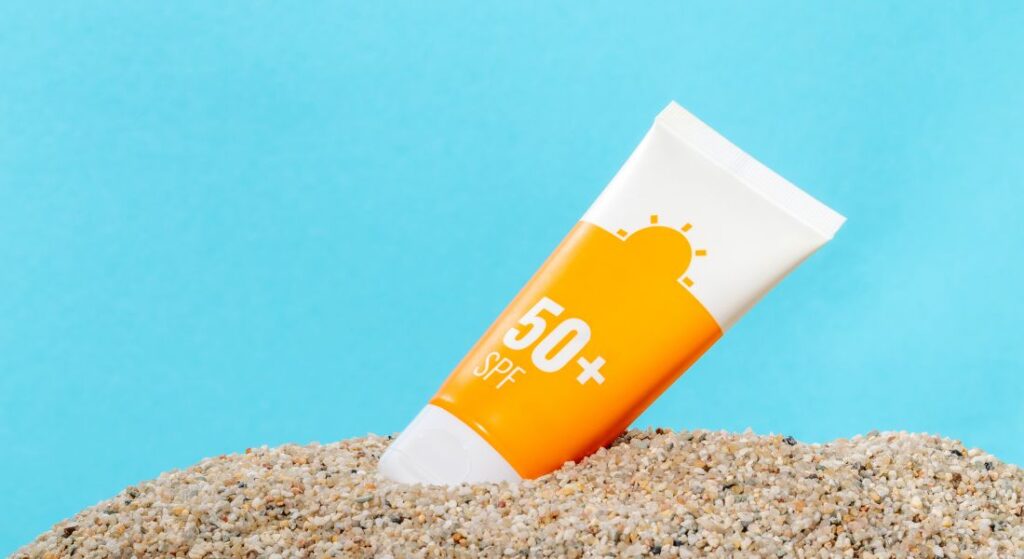
Sunscreen is essential if you are managing melasma. A broad-spectrum sunscreen with SPF 30 or higher should be used every day, even when you are indoors or the weather looks cloudy. UV rays can still reach your skin through windows or indirect exposure, and even small amounts of daily sun can darken pigmentation. Without consistent sunscreen use, melasma treatments may not give you the results you expect.
Physical sunscreens containing zinc oxide or titanium dioxide are often preferred for melasma-prone skin. These ingredients help reflect and scatter UV rays, making them a good option if your skin is sensitive or easily irritated. For Indian skin, tinted sunscreens may also be helpful because they can protect against visible light, which may contribute to persistent pigmentation.
Reapplication is just as important as the first application. You should reapply sunscreen every two to three hours, especially if you are outdoors, sweating, or exposed to strong sunlight. Using sunscreen consistently, along with hats, sunglasses, and shade where possible, can help you control melasma more effectively and reduce the risk of pigmentation returning.
Chemical Peels
Superficial chemical peels may be used in selected cases to help improve melasma and enhance skin lightening. These peels work by gently exfoliating the upper layers of your skin, helping to remove excess pigment and encourage a more even skin tone. They are usually considered when topical treatments and sun protection are already part of your routine.
Peels containing ingredients such as glycolic acid or salicylic acid can help reduce pigmentation when used carefully. However, the strength, frequency, and type of peel need to be chosen based on your skin type and the severity of your melasma. In Indian skin, your dermatologist will usually take a cautious approach to avoid irritation.
This is important because aggressive or poorly performed peels can trigger inflammation and lead to post-inflammatory hyperpigmentation. If your skin becomes irritated, the pigmentation may become darker rather than lighter. For this reason, chemical peels should be performed by an experienced professional and combined with strict sun protection for the safest and most effective results.
Laser Treatments
Laser and light-based treatments may be considered when melasma is resistant to creams, sun protection, and other standard treatments. In Indian skin, these treatments need extra caution because irritation from lasers can sometimes worsen pigmentation. Your dermatologist will usually assess your skin carefully before recommending this option.
- Used for Resistant Cases: Laser treatments are usually not the first option for melasma. They may be considered when pigmentation has not improved enough with topical treatments and strict sun protection. Your dermatologist will decide whether the potential benefit outweighs the risk.
- Types of Lasers Used: Q-switched lasers, fractional lasers, and picosecond lasers may be used selectively in some patients. Each laser works differently and must be chosen based on your skin type and pigmentation pattern. The settings need to be carefully controlled to reduce irritation.
- Higher Risk in Indian Skin: Indian skin is more prone to post-inflammatory hyperpigmentation after aggressive procedures. This means the skin may become darker if the treatment causes too much heat or irritation. For this reason, laser treatment must be approached gradually and cautiously.
- Test Spots May Be Recommended: Your dermatologist may perform a small test area before treating larger patches. This helps check how your skin reacts to the laser. If your skin responds well, treatment can be planned more safely.
- Sun Protection Remains Essential: Laser treatment will not work well without proper sun protection. UV exposure can quickly worsen melasma again, even after treatment. Daily sunscreen and protective habits remain important before and after laser sessions.
Overall, laser treatments can be helpful for selected cases of melasma, but they must be used carefully in Indian skin. The safest approach is usually slow, controlled treatment under an experienced dermatologist. Good aftercare and consistent sun protection are essential to reduce the risk of pigmentation becoming worse.
Oral Medications

In more severe or resistant cases of melasma, oral medication may sometimes be considered. One option your dermatologist may discuss is oral tranexamic acid, but this should only be used under proper medical supervision. It is usually reserved for cases where topical treatments, sunscreen, and other approaches have not given enough improvement.
Tranexamic acid works by helping to reduce pathways involved in melanocyte activity and pigment formation. Over time, this may help lighten stubborn pigmentation and reduce the intensity of melasma patches. However, it is not suitable for everyone, so your medical history needs to be reviewed carefully before starting treatment.
Monitoring is essential during systemic therapy to reduce the risk of side effects and ensure the treatment remains safe for you. Your dermatologist may ask about any history of clotting disorders, medications, or other health concerns before recommending it. Oral treatment should always be combined with strict sun protection and long-term maintenance to help prevent melasma from returning.
Maintenance Therapy
Melasma often returns if you do not continue with long-term care, even after the pigmentation has improved. This is because your skin may still be sensitive to triggers such as sun exposure, heat, hormones, and irritation. Without maintenance, the patches can gradually darken again and become harder to control.
Long-term maintenance may include topical lightening agents, daily sunscreen, and a gentle skincare routine. Your dermatologist may adjust your treatment over time, using milder products or intermittent therapy to help keep pigmentation stable without irritating your skin. Consistency is important, especially in Indian skin, where pigmentation can be more persistent.
By continuing prevention after your main treatment phase, you can reduce flare-ups and prolong your results. Daily sun protection, avoiding harsh skincare, and following your prescribed maintenance plan can help keep melasma under better control. The goal is not just to lighten existing pigmentation, but to prevent it from repeatedly coming back.
Lifestyle Considerations
Lifestyle habits can make a noticeable difference when you are managing melasma. Avoiding excessive sun exposure is one of the most important steps, as UV rays and heat can both make pigmentation darker and more persistent. Wearing a wide-brimmed hat, using sunglasses, and staying in shaded areas can give your skin extra protection alongside sunscreen.
Heat can also be a trigger for some people, even without direct sunlight. If you notice your melasma worsening after hot environments, cooking heat, exercise, or saunas, it may help to limit unnecessary heat exposure where possible. Hormonal changes can also influence melasma, so you should discuss any suspected medication or hormone-related triggers with your dermatologist.
Stress management and healthy daily routines may also support your overall treatment outcome. While stress alone may not directly cause melasma, it can affect your skin health, sleep, hormones, and consistency with skincare. By combining sun protection, gentle skincare, trigger control, and regular follow-up, you can give your skin a better chance of staying stable over the long term.
Pregnancy Considerations
During pregnancy, melasma can become more noticeable because hormonal changes may stimulate extra melanin production in your skin. This is why pregnancy-related melasma is often referred to as the “mask of pregnancy”. If you already have melasma, you may find that the patches darken during this time, especially with sun exposure.
Treatment options are more limited during pregnancy because some topical ingredients may not be suitable or safe to use. For this reason, sun protection and gentle skincare become the main focus. You should use a suitable broad-spectrum sunscreen daily, avoid harsh products, and protect your skin with hats, shade, and careful sun avoidance where possible.
After pregnancy, your dermatologist can reassess your skin and discuss whether stronger treatment options are appropriate. Once it is safe to do so, treatments such as topical lightening agents or procedures may be introduced gradually. A careful approach helps improve pigmentation while protecting your skin barrier and reducing the risk of further irritation.
Combination Therapy
Combination therapy is often used when melasma needs stronger or faster control than a single treatment can provide. Your dermatologist may combine different ingredients to target pigment production, skin turnover, and inflammation at the same time. This approach can improve results, but it must be used carefully to avoid irritation.
- More Effective Than One Product: Using more than one active ingredient can improve melasma treatment results. Each ingredient works in a different way, so the combination can target pigmentation more effectively. This is why combination therapy is commonly used under dermatology supervision.
- Hydroquinone-Based Combinations: Hydroquinone may help reduce excess pigment production in the skin. It is often combined with tretinoin and a mild steroid in selected cases. This type of treatment should only be used as directed, especially in Indian skin.
- Tretinoin Supports Skin Turnover: Tretinoin helps increase skin cell renewal, which can support gradual fading of pigmentation. It may also improve how other ingredients work. However, it can cause dryness or irritation if introduced too aggressively.
- Mild Steroid Helps Reduce Irritation: A mild steroid may be included for a short period to reduce inflammation and improve tolerance. This can make combination treatment easier for your skin to manage. Long-term steroid use is not recommended because it can cause side effects.
- Supervision Is Important: Combination treatments can be effective, but they are not suitable for everyone. Your dermatologist will consider your skin type, pigmentation depth, sensitivity, and previous treatment response. Regular review helps ensure the treatment remains safe and effective.
Overall, combination therapy can be a useful option for melasma when used correctly. It may help reduce pigmentation more effectively than a single treatment, but careful supervision is essential to avoid irritation and worsening pigmentation.
Monitoring and Follow-Up

Regular dermatology follow-up is important when you are treating melasma because pigmentation usually improves slowly. You may not see major changes straight away, even if the treatment is working. Your dermatologist can track your progress over time and decide whether your current plan needs to be continued, adjusted, or changed.
Follow-up appointments also help ensure that your skin is tolerating treatment well. Some lightening creams, peels, or combination therapies can cause dryness, redness, or irritation if they are too strong or used for too long. If your skin becomes irritated, melasma may worsen, especially in Indian skin where post-inflammatory pigmentation is more common.
Consistent monitoring helps detect side effects early and improves the overall effectiveness of your treatment. Your dermatologist may adjust the strength, frequency, or combination of treatments depending on how your skin responds. With regular review and a long-term maintenance plan, you can achieve better control of melasma and reduce the risk of repeated flare-ups.
Psychological Impact
Melasma can affect more than just your skin. Because it often appears on visible areas of the face, such as the cheeks, forehead, nose, or upper lip, it can influence how confident you feel in your appearance. You may find yourself becoming more self-conscious, especially if the pigmentation is persistent or difficult to cover.
For some people, melasma can affect self-image and daily confidence, even though it is not medically harmful. You may feel frustrated if the patches darken after sun exposure or return after treatment. Supportive counselling, clear education, and honest guidance from your dermatologist can help you manage both the emotional and cosmetic impact.
Understanding your triggers and having an effective treatment plan can make the condition feel more manageable. When you know what worsens your melasma and how to control it, you are more likely to feel confident about your treatment journey. This awareness can improve satisfaction and help you stay consistent with long-term care.
Prevention Strategies
Preventing melasma from worsening is just as important as treating existing pigmentation. Sun avoidance, protective clothing, and daily sunscreen are key parts of your routine, especially if you have Indian skin that is more prone to persistent pigmentation. You should try to limit direct sun exposure where possible and use extra protection such as hats, sunglasses, and shade.
Avoiding harsh skincare products can also help reduce flare-ups. Strong acids, fragranced products, aggressive scrubs, or over-exfoliation can irritate your skin and trigger more pigmentation. A gentle routine with a mild cleanser, moisturiser, sunscreen, and dermatologist-recommended treatments can help keep your skin barrier calm and stable.
Early intervention is usually more effective than waiting for pigmentation to become darker or more widespread. If you notice new patches or existing melasma becoming more visible, it is better to seek advice sooner rather than delaying treatment. With consistent prevention and proper care, you can reduce flare-ups, maintain results, and improve long-term control of melasma.
Long-Term Care Plan
Melasma management in Indian skin is usually an ongoing process rather than a one-time treatment. Even when your pigmentation improves, your skin may still react to triggers such as sunlight, heat, hormones, or irritation. This means you need a long-term plan that focuses on both treatment and prevention.
A good care plan may include topical treatments, daily sun protection, gentle skincare, and occasional procedures such as chemical peels or laser therapy where suitable. Your dermatologist may adjust your treatment depending on how your skin responds and whether the pigmentation is active, stable, or recurring. This personalised approach helps reduce the risk of irritation and supports safer, more consistent improvement.
Consistency is the key to maintaining results. Regular monitoring, early intervention when pigmentation starts to return, and strict sun protection can help keep melasma under better control. With the right long-term routine, you can reduce flare-ups, protect your progress, and manage melasma more confidently over time.
FAQs:
1. What is melasma?
Melasma is a common skin pigmentation condition that causes brown or grey-brown patches, usually on the face. It often appears on the cheeks, forehead, nose, upper lip, or chin. Although it is harmless medically, it can be frustrating because it affects visible areas of the skin.
2. Why is melasma so common in Indian skin?
Melasma is common in Indian skin because Indian skin usually has more active melanin production. This means pigmentation changes can appear more easily and may last longer. Genetics, sun exposure, hormonal changes, and skin type all play a role.
3. What triggers melasma?
The most common triggers include sun exposure, heat, hormonal changes, pregnancy, oral contraceptives, and certain skincare products that irritate the skin. Even small amounts of daily sun exposure can worsen melasma if your skin is not protected properly.
4. Can melasma go away on its own?
Melasma can fade in some cases, especially if it is linked to pregnancy or hormonal changes. However, it often returns or becomes darker without proper sun protection and maintenance care. For many people, melasma needs long-term management rather than a one-time treatment.
5. Is melasma dangerous?
No, melasma is not dangerous and does not turn into skin cancer. However, because it can look similar to other pigmentation concerns, it is important to get a proper diagnosis from a dermatologist. This helps ensure you receive the right treatment for your skin.
6. What are the best treatments for melasma in Indian skin?
Common treatment options include prescription creams, hydroquinone, azelaic acid, tretinoin, kojic acid, chemical peels, and, in selected cases, laser treatments or oral medication. Indian skin needs careful treatment because aggressive procedures can sometimes worsen pigmentation.
7. Is sunscreen really necessary for melasma?
Yes, sunscreen is one of the most important parts of melasma treatment. Without daily sun protection, melasma can become darker and treatment results may not last. A broad-spectrum SPF 30 or higher should be used every day, even when you are indoors or the weather is cloudy.
8. Can chemical peels help melasma?
Yes, superficial chemical peels can help reduce pigmentation in selected cases. However, peels must be chosen carefully for Indian skin to avoid irritation or post-inflammatory hyperpigmentation. A dermatologist can decide whether peels are suitable for your skin type and melasma depth.
9. Are lasers safe for melasma in Indian skin?
Lasers can help some resistant cases of melasma, but they must be used cautiously in Indian skin. There is a higher risk of rebound pigmentation or darkening if the wrong settings are used. This is why laser treatment should only be performed by an experienced dermatologist.
10. How can I prevent melasma from coming back?
You can reduce the risk of recurrence by using sunscreen daily, avoiding excessive sun and heat exposure, wearing hats or protective clothing, and following a gentle skincare routine. Regular follow-up with a dermatologist also helps adjust your treatment plan and maintain results over time.
Final Thoughts: Managing Melasma in Indian Skin with the Right Long-Term Plan
Melasma in Indian skin can be stubborn, but it can be managed well with the right approach. Because Indian skin is more prone to pigmentation changes, treatment needs to be careful, consistent, and tailored to your skin type.
Sun protection is one of the most important steps. Even the best creams, peels, or laser treatments may not give lasting results if daily sunscreen and trigger control are ignored. A gentle skincare routine, regular follow-up, and early treatment can help reduce flare-ups and prevent pigmentation from becoming more difficult to manage. If you’re considering melasma treatment in London, you can get in touch with us at London Dermatology Centre.
References:
- Mpofana, N., Chibi, B., Visser, T., Paulse, M., Finlayson, A.J., Ghuman, S., Gqaleni, N., Hussein, A.A. and Dlova, N.C. (2023) ‘Treatment of Melasma on Darker Skin Types: A Scoping Review’, Cosmetics, 10(1), p. 25. Available at: https://www.mdpi.com/2079-9284/10/1/25
- Janney et al. (2019) ‘A randomized controlled study comparing the efficacy of topical 5% tranexamic acid solution versus 3% hydroquinone cream in melasma’, Journal of Cutaneous and Aesthetic Surgery, 12(1), pp. 63–67. Available at: https://pubmed.ncbi.nlm.nih.gov/31057273/
- Gabhane et al., (2025) ‘Efficacy and safety of a topical formulation containing trihydroxybenzoic acid glucoside and α-arbutin, applied along with a sunscreen: a noncomparative, prospective, interventional study in Indian females with facial melasma or dark spots’, Journal of Cosmetic Dermatology, 24(2), e70017. Available at: https://pmc.ncbi.nlm.nih.gov/articles/PMC11822242/
- Sarkar, R., Gokhale, N., Godse, K. et al. (2017) ‘Medical management of melasma: A review with consensus recommendations by Indian Pigmentary Expert Group’, Indian Journal of Dermatology, 62(6), pp. 558–577. Available at: https://pmc.ncbi.nlm.nih.gov/articles/PMC5724303/
- Sheth, V.M. and Pandya, A.G. (2011) ‘Melasma: a comprehensive update: Part II’, Journal of the American Academy of Dermatology, 65(4), pp. 699–714. Available at: https://www.sciencedirect.com/science/article/pii/S0190962211006281