


If you’ve ever been told you have “a lot of moles” or advised to keep an eye on changes, you may have wondered how often your skin really needs checking. While routine skin examinations are useful for many people, not everyone requires the same level of monitoring. For some individuals, regular mole mapping is not just helpful, but essential.
Mole mapping is a powerful tool in modern dermatology, especially for people at increased risk of melanoma and other skin cancers. However, frequency matters. Too little monitoring can miss early changes, while unnecessary scans can cause anxiety without benefit. The key lies in identifying who is genuinely high risk and tailoring follow-up accordingly.
In this guide, I’ll explain what makes someone high risk for skin cancer, how dermatologists use digital mole mapping to track changes over time, and how monitoring intervals are decided. The aim is to help you understand whether more frequent mole mapping is appropriate for you and why personalised follow-up matters.
What Is Mole Mapping and Why Is It Used?
Mole mapping is a systematic way of monitoring the skin using high-resolution photographs and dermoscopic images. It creates a clear visual record of your moles and skin lesions. This baseline helps doctors track changes accurately over time.
Unlike a one-off skin check, mole mapping is designed for long-term comparison. Even very subtle changes that may not be visible to the naked eye can be detected by comparing old and new images. This improves early identification of concerning changes.
This method is especially important because melanoma usually develops gradually. Changes in size, colour, or shape often happen slowly rather than suddenly. Mole mapping helps catch these early shifts, when treatment is most effective.
Why Monitoring Frequency Matters
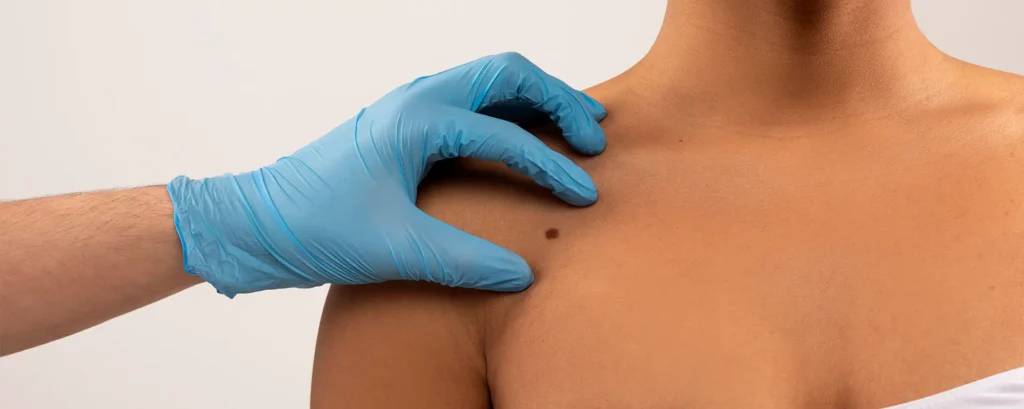
Skin cancer risk varies significantly from person to person. While some individuals may never develop melanoma despite having multiple moles, others carry genetic or medical factors that increase their risk. Because of this variation, monitoring needs to be tailored rather than one-size-fits-all.
- High-risk individuals benefit from closer monitoring to reduce the chance of delayed melanoma diagnosis
- Low-risk individuals may not gain additional benefit from very frequent checks and may experience unnecessary anxiety
- Monitoring too infrequently can allow subtle changes to go unnoticed in higher-risk patients
- Excessive monitoring in low-risk cases does not improve outcomes and can add emotional stress
- Dermatologists adjust monitoring schedules based on personal risk factors, mole patterns, and medical history
By matching monitoring frequency to individual risk, dermatologists aim to maximise early detection while minimising unnecessary worry. This balanced approach supports both effective prevention and patient wellbeing.
Who Is Considered High Risk for Skin Cancer?
Being classed as high risk does not mean skin cancer will definitely develop. It indicates a higher-than-average likelihood, so closer monitoring is recommended.
1. High Risk Does Not Mean Inevitable – A higher risk simply means increased vigilance is needed. Regular skin checks help detect changes early, when treatment is most effective.
2. Multiple Factors Determine Risk – Skin cancer risk is influenced by a combination of genetic background, physical characteristics, and environmental exposure. No single factor alone determines risk.
3. Why Monitoring Varies Between Individuals – Because risk levels differ, follow-up schedules and screening recommendations are personalised. Understanding individual risk helps clinicians tailor monitoring appropriately.
Family History of Melanoma
A family history of melanoma can significantly raise an individual’s risk of developing the condition, making vigilant monitoring essential. Genetics, combined with shared environmental factors such as sun exposure habits, often contribute to this increased susceptibility.
- Higher inherited risk – Having a first-degree relative with melanoma substantially raises your likelihood of developing the condition.
- Genetic and environmental factors – Increased risk often reflects shared genetics as well as similar sun exposure habits within families.
- Proactive surveillance – In higher-risk individuals, mole mapping is recommended as a preventative monitoring tool rather than waiting for visible changes.
- Earlier detection – Regular monitoring helps identify subtle changes sooner, improving the chances of early intervention and successful treatment.
Personal History of Skin Cancer
If you’ve previously had melanoma or another type of skin cancer, your risk of developing a new lesion is higher than average. A past diagnosis indicates that your skin has already shown vulnerability to malignant change.
This history makes close and ongoing monitoring especially important. New moles or subtle changes in existing ones may carry more significance in someone with prior skin cancer.
Regular mole mapping allows dermatologists to detect these changes at the earliest possible stage. Early identification greatly improves treatment outcomes and long-term skin health.
Multiple Moles (High Mole Count)
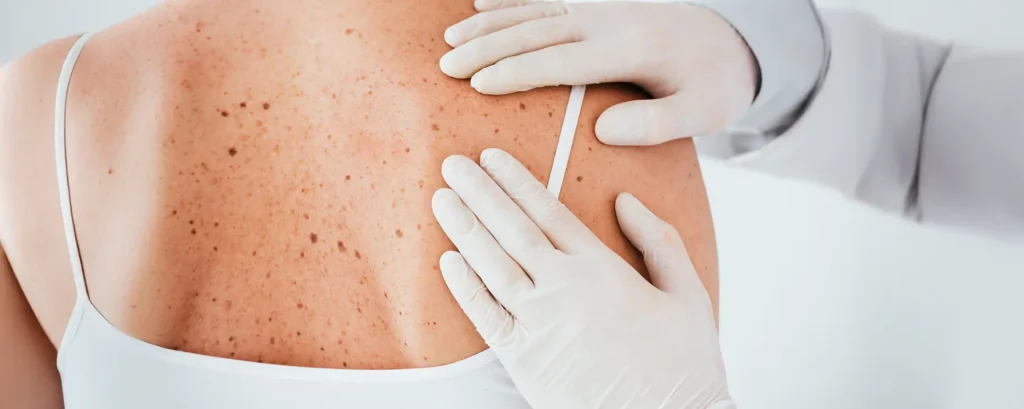
People with a high number of moles have a higher overall risk of melanoma compared to those with fewer moles. This does not mean that each individual mole is dangerous, but the probability increases as the total count rises.
When many moles are present, it becomes harder to notice subtle changes through routine self-checks or single clinical exams. Small alterations in size, colour, or shape can easily be missed when lesions look similar.
Mole mapping is especially useful in these cases because it creates a detailed visual record of all moles. By comparing images over time, dermatologists can quickly identify new lesions or early changes that require closer attention.
Atypical or Dysplastic Moles
Atypical or dysplastic moles differ from common benign moles in appearance. They may have irregular borders, uneven colouring, or be larger than average, which makes them harder to assess at a glance.
Although atypical moles are not cancerous, their presence is linked to a higher risk of melanoma. This means they require closer and more consistent monitoring than ordinary moles.
Digital mole mapping allows these moles to be tracked accurately over time. By comparing images at each visit, dermatologists can detect subtle changes early without unnecessary removal.
Fair Skin and Sun Sensitivity
Fair skin and sun sensitivity are well-established risk factors for skin cancer. Individuals with light hair, freckles, and a tendency to burn rather than tan have less natural protection against ultraviolet radiation. Over time, cumulative sun exposure can lead to greater skin damage in this group.
- Fair skin contains lower levels of melanin, reducing natural defence against UV radiation
- People who burn easily are more vulnerable to DNA damage from sun exposure
- Freckles and light hair often indicate increased sun sensitivity and higher risk
- Cumulative sun damage plays a larger role in skin cancer development in fair-skinned individuals
- When combined with other risk factors, closer and more regular dermatological monitoring is often recommended
Recognising these characteristics helps guide appropriate skin surveillance. Tailored monitoring supports early detection while addressing individual risk profiles effectively.
History of Severe Sunburns
A history of severe or blistering sunburns is a well-established risk factor for melanoma. Burns that occur during childhood or adolescence are particularly significant because the skin is more vulnerable at a young age.
Damage from intense sun exposure does not always cause immediate problems. Instead, it can remain dormant in skin cells for many years before contributing to abnormal changes. Mole mapping helps dermatologists monitor sun-damaged skin more closely over time. Regular comparison makes it easier to spot early changes linked to past UV injury.
Immune Suppression
People with immune suppression have a higher risk of developing skin cancer. This includes organ transplant recipients and those taking long-term immunosuppressive medications. The immune system normally helps identify and destroy abnormal or precancerous cells. When this protective function is weakened, abnormal skin changes can progress more easily. Because of this increased risk, more frequent skin monitoring is often advised. Regular checks help ensure early detection and timely treatment.
Genetic Syndromes and Rare Risk Factors

For patients at higher risk of melanoma, regular and carefully timed monitoring is crucial to catch any changes early. Surveillance schedules are often more frequent than for the general population and tailored to individual risk factors. Initial follow-ups are usually closer together to establish a baseline, with intervals adjusted over time based on findings and the stability of moles.
1. Rare Genetic Conditions: Some uncommon genetic syndromes are associated with a significantly higher melanoma risk. Individuals with these conditions usually need highly personalised monitoring plans.
2. Strong Personal or Family History: Even without a formally diagnosed syndrome, repeated cases of melanoma or atypical moles within a family may raise concern. This often leads to closer and more frequent surveillance.
3. Impact on Monitoring Recommendations: Dermatologists take genetic and family factors into account when advising mole mapping intervals. This ensures monitoring is appropriately matched to individual risk.
How Dermatologists Assess Overall Risk
Dermatologists assess skin cancer risk using a holistic approach rather than relying on a single factor. No one feature alone determines how closely someone needs monitoring.
They evaluate multiple elements together, including mole count, mole appearance, personal and family history, skin type, sun exposure, and immune status. Each factor adds context to the overall picture.
This comprehensive assessment allows monitoring plans to be personalised. Tailored recommendations are more effective than generic guidelines for long-term skin health.
How Digital Mole Mapping Works in Practice
Digital mole mapping starts with full-body photographs taken under consistent, controlled lighting conditions. These images capture the overall pattern, size, and location of moles across your skin. This creates a reliable visual baseline for future comparison.
Next, selected moles are examined more closely using dermoscopy. This specialised imaging technique magnifies structures beneath the skin surface that cannot be seen with the naked eye. These details help dermatologists assess subtle features linked to skin cancer risk.
All images are stored securely and reviewed at follow-up appointments. New images are compared with previous records to identify even small changes over time. This structured comparison allows early detection long before changes become obvious.
What Changes Are Dermatologists Looking For?
During skin examinations, dermatologists assess moles for specific changes that may signal increased risk. The goal is to identify patterns that suggest abnormal behaviour while recognising normal, age-related evolution. Tracking changes over time is a key part of accurate assessment.
- New moles appearing after early adulthood are assessed carefully, especially if they look different from others
- Changes in size, shape, or border regularity may raise concern
- Variation in colour, including multiple shades within a single mole, is closely evaluated
- Structural changes, such as surface irregularity or asymmetry, are important warning signs
- Comparing clinical or dermoscopic images over time helps distinguish normal change from concerning progression
By monitoring these features longitudinally, dermatologists can identify potential problems early. This approach improves accuracy and reduces unnecessary procedures while supporting timely intervention when needed.
Recommended Monitoring Intervals for High-Risk Patients
Patients at higher risk of melanoma need closer and more frequent monitoring to ensure early detection of any changes. Surveillance schedules are often personalised, taking into account individual risk factors and family history.
- Increased frequency – High-risk individuals often undergo mole mapping more often than the general population.
- Tailored intervals – Monitoring may range from every three months to once a year, depending on personal risk factors.
- Initial close follow-up – Shorter intervals are usually recommended at first to establish a baseline and track any early changes.
- Adjustments based on findings – Follow-up schedules can be modified over time according to results and stability of moles.
Why Intervals May Change Over Time
Monitoring intervals for mole mapping are not fixed but adapt to your individual risk and skin changes. If your moles remain stable over several years, your dermatologist may safely extend the time between visits.
However, if new moles appear or existing ones show changes in size, shape, or colour, follow-up appointments may be scheduled more frequently. This ensures any concerning changes are detected early.
This flexible, personalised approach balances convenience with safety. It minimises unnecessary visits while maintaining careful oversight of your skin health.
Low-Risk Patients and Mole Mapping
Not all patients require regular mole mapping. Those with few moles, no family history of skin cancer, and minimal sun damage are generally considered low risk and may only need standard skin checks. For these individuals, mole mapping might be performed once to create a baseline record, rather than being used for ongoing monitoring. This single reference point can still help detect any unexpected changes in the future. Dermatologists aim to avoid over-medicalising low-risk skin. The goal is to provide appropriate care without unnecessary procedures while still maintaining vigilance.
Self-Examination Still Matters
Even with professional mole mapping, self-examination of your skin remains crucial. You are often the first to notice changes that occur between scheduled appointments.
Becoming familiar with your own moles and skin patterns helps you detect subtle differences early, which can make a significant difference in outcomes. Mole mapping serves as a supportive tool rather than a replacement for personal vigilance. Combining professional monitoring with regular self-checks provides the most effective strategy for early detection and skin health.
Reducing Anxiety Through Structured Monitoring
High-risk patients often experience significant worry about the possibility of skin cancer. Regular, structured monitoring provides reassurance by ensuring that any changes are identified promptly. This proactive approach helps replace uncertainty with confidence in evidence-based care.
- Scheduled mole mapping allows patients to track changes over time under professional supervision
- Knowing that a specialist is monitoring their skin reduces fear and promotes peace of mind
- Evidence-based follow-up ensures that any concerning developments are addressed quickly
- Structured monitoring can prevent unnecessary anxiety caused by over-checking or guessing at risks
- Consistent observation supports both early detection and emotional wellbeing
By combining medical vigilance with clear communication, dermatologists help patients feel informed, supported, and secure in managing their skin health.
Limitations of Mole Mapping
Mole mapping is a valuable tool for monitoring skin changes, but it does not prevent skin cancer. Understanding its limits helps set realistic expectations.
1. Not a Guarantee Against Skin Cancer
Mole mapping helps track changes over time but cannot ensure skin cancer will never develop. It is a surveillance tool, not a treatment.
2. Some Melanomas Develop Rapidly
Certain melanomas can appear and progress quickly, bypassing predictable patterns. This means vigilance is always necessary, even with regular mapping.
3. Importance of Professional Interpretation
Accurate analysis by a trained dermatologist is crucial. Appropriate monitoring intervals and expert assessment maximise the effectiveness of mole mapping.
Choosing the Right Clinic for Mole Mapping
Choosing the right clinic is essential for effective and accurate mole mapping, especially for those at higher risk of melanoma. An experienced clinic ensures that subtle changes in moles are interpreted correctly and that monitoring is performed by skilled dermatologists.
- Expert interpretation – Subtle changes in moles require the trained judgment of skilled dermatologists.
- Specialist clinics – Facilities offering mole mapping in London provide access to professionals experienced in high-risk surveillance.
- Accurate assessment – Expertise helps ensure that important changes are detected early while avoiding unnecessary interventions.
- Confidence in care – Choosing the right clinic supports timely, appropriate decisions and peace of mind for patients.
When to Seek Review Between Appointments
You should seek a dermatology review between scheduled mole mapping appointments if you notice any concerning changes. Rapid growth, bleeding, itching, or other unusual symptoms in a mole warrant prompt attention.
While mole mapping provides a structured record for monitoring, it does not replace urgent evaluation when new issues arise. Clinical judgement remains essential.
Seeking early assessment for suspicious changes can be life-saving. Prompt intervention ensures that any potential skin cancers are identified and treated as early as possible.
The Long-Term Value of Personalised Monitoring
Personalised monitoring offers significant long-term value by tailoring skin surveillance to each individual’s unique risk profile and skin characteristics. This approach ensures that care is focused where it is most needed and that any changes are detected promptly.
1. Personalised Care Is the Key Benefit
The main advantage of mole mapping is that it allows dermatologists to create a monitoring plan specifically suited to you. This targets attention where it is needed most.
2. Monitoring Based on Individual Risk
Instead of following generic guidelines, your follow-up schedule considers your personal risk factors and the behaviour of your skin over time. This ensures that changes are detected early.
3. Improved Detection and Reduced Interventions
Over time, personalised monitoring enhances early detection of concerning lesions while avoiding unnecessary procedures or biopsies for benign moles.
FAQs:
1. What is mole mapping, and how is it different from a regular skin check?
Mole mapping is a specialised method of monitoring your skin using high-resolution photographs and dermoscopic images, creating a detailed visual record of your moles and skin lesions. Unlike a one-off skin check, it allows dermatologists to compare images over time to detect subtle changes that may not be visible to the naked eye.
2. Who is considered high risk for skin cancer and why?
High risk refers to individuals whose likelihood of developing melanoma or other skin cancers is above average due to a combination of factors. Genetics, family history, previous skin cancers, a high mole count, atypical moles, fair skin, a history of severe sunburns, immune suppression, and certain rare genetic conditions all contribute to elevated risk.
3. How does family history affect my need for mole mapping?
Having a first-degree relative with melanoma significantly increases your personal risk, as shared genetics and similar environmental exposures can predispose you to skin cancer. Dermatologists recommend more frequent mole mapping in such cases to monitor changes proactively.
4. What role does previous skin cancer play in determining monitoring frequency?
A personal history of melanoma or other skin cancers increases the chance of developing new lesions. Individuals who have already shown vulnerability require closer and ongoing monitoring. Mole mapping in these cases enables dermatologists to detect new moles or early changes in existing moles at the earliest stage.
5. Why do people with a high mole count need more frequent monitoring?
Having many moles increases the overall probability of melanoma, even if most moles are benign. With a high number of lesions, subtle changes can be difficult to detect through routine self-checks or occasional clinical exams. Mole mapping creates a comprehensive visual record, allowing dermatologists to track every mole accurately and identify new or changing lesions quickly.
6. How do atypical or dysplastic moles affect risk assessment?
Atypical moles differ in appearance from common benign moles and may have irregular borders, uneven colouring, or larger size. Their presence is associated with an increased risk of melanoma, necessitating more consistent monitoring. Digital mole mapping enables dermatologists to follow these moles over time, spotting subtle changes without removing them unnecessarily.
7. How does fair skin or sun sensitivity influence mole mapping recommendations?
Individuals with fair skin, light hair, freckles, and a tendency to burn rather than tan are more vulnerable to ultraviolet damage and therefore carry a higher risk of melanoma. Cumulative sun exposure in these individuals can increase the likelihood of skin cancer.
8. Can immune suppression or genetic conditions change monitoring frequency?
Immune suppression reduces the body’s ability to detect and eliminate abnormal or precancerous cells, placing individuals at higher risk for skin cancers. Similarly, certain rare genetic syndromes or strong family patterns of melanoma can markedly elevate risk. In these situations, dermatologists recommend more frequent mole mapping and closer clinical observation.
9. What changes are dermatologists looking for during mole mapping?
Dermatologists track moles for new growths, alterations in size, shape, border regularity, colour, and structural features such as asymmetry or surface irregularities. Even subtle changes can indicate increased risk, and comparing current images with previous records helps distinguish normal variations from concerning progression.
10. How are monitoring intervals determined and adjusted over time?
Monitoring intervals are personalised based on an individual’s overall risk, mole patterns, medical history, and past observations. High-risk patients may initially be seen every three to six months to establish a baseline, while intervals may be lengthened over time if moles remain stable. If new moles appear or existing ones change, follow-up is increased to ensure early detection.
Final Thoughts: Personalised Mole Mapping for High-Risk Patients
For individuals at higher risk of melanoma or other skin cancers, personalised mole mapping is an essential tool for early detection and long-term skin health. Regular, tailored monitoring helps catch subtle changes in moles before they become concerning, while structured intervals reduce unnecessary anxiety and procedures. Combining professional surveillance with self-examination ensures the most effective approach to protecting your skin. Understanding your risk and following a dermatology-guided monitoring plan provides reassurance, proactive care, and improved outcomes over time. If you’re looking for mole mapping in London, you can contact us at the London Dermatology Centre.
References:
1. Mole Mapping for Management of Pigmented Skin Lesions (Review), PubMed ID: 28886799. https://pubmed.ncbi.nlm.nih.gov/28886799/
2. (Related but broad) Melanoma Skin Cancer: A Comprehensive Review of Current Trends, MDPI Cancers, 17(17), 2920. https://www.mdpi.com/2072-6694/17/17/2920
3. Harper, J. & O’Brien, C., 2008. The value of screening in melanoma. Dermatologic Clinics, 26(3), pp. 363-379. https://www.sciencedirect.com/science/article/abs/pii/S0738081X0800179X
4. The Mole Mapper Study (PubMed ID: 28195576). https://pubmed.ncbi.nlm.nih.gov/28195576/
5. Wunderlich, K. et al., 2024. Risk Factors and Innovations in Risk Assessment for Melanoma, Basal Cell Carcinoma, and Squamous Cell Carcinoma. Cancers, 16(5), 1016. https://www.mdpi.com/2072-6694/16/5/1016