



Skincare is often approached with the belief that more effort leads to better results. We see many people follow detailed routines, add multiple products, and increase treatment frequency in an attempt to accelerate improvement. This approach is usually well-intentioned. However, skin biology does not respond to intensity alone.
In clinical practice, we frequently observe the opposite effect. When skincare becomes excessive, the skin can enter a state of chronic stress where repair mechanisms slow down. Inflammation increases, tolerance decreases, and progress may plateau or reverse. The skin shifts into defence rather than recovery.
This article explores how over-treatment affects the skin at a biological level. We explain the warning signs dermatologists recognise early, why compromised skin struggles to improve, and how routines can be safely reset. Restoring balance is often the key to long-term skin health.
Why More Skincare Is Not Always Better
We often assume that increasing products or treatments will speed up results, but skin does not work under pressure. It responds best when biological processes are supported rather than forced. Balance, not intensity, allows repair mechanisms to function effectively.
Every skincare product sends a signal to the skin, whether it is exfoliation, stimulation, or suppression. When too many signals are introduced together, the skin shifts into defence mode. In this state, healing and regeneration are deprioritised.
We frequently see progress stall because the skin is overwhelmed rather than neglected. Over-treatment quietly undermines outcomes by keeping the skin reactive. Reducing input often restores clarity and function more effectively than adding more steps.
What Over-Treating the Skin Actually Means
Over-treatment is not simply about using many products at once. It occurs when the skin’s tolerance is exceeded through excessive frequency, strength, layering, or repetition. Even clinically effective treatments can become harmful in the wrong context.
We see over-treatment with strong actives used too often, treatments layered without recovery time, or routines repeated despite early warning signs. The skin’s capacity to adapt varies widely between individuals. What works for one person may overload another.
Intentions are rarely careless, but biology does not respond to effort alone. Context, timing, and skin condition determine whether a treatment helps or harms. Understanding tolerance is central to preventing long-term irritation.
Why Over-Treatment Is Increasing
Modern skincare culture promotes constant optimisation and visible transformation. Social media routines, trend cycles, and frequent product launches encourage layering and regular changes. This creates the impression that more intervention equals better care.
We now see patients using complex routines without adequate recovery periods. Skin biology, however, has not evolved to match this pace of stimulation. Repair processes remain slow, structured, and sensitive to overload.
As a result, over-treatment has become normalised rather than recognised as a problem. Many people assume irritation is part of progress. In reality, it is often a signal that the skin is struggling to cope.
The Skin Barrier as the First Casualty
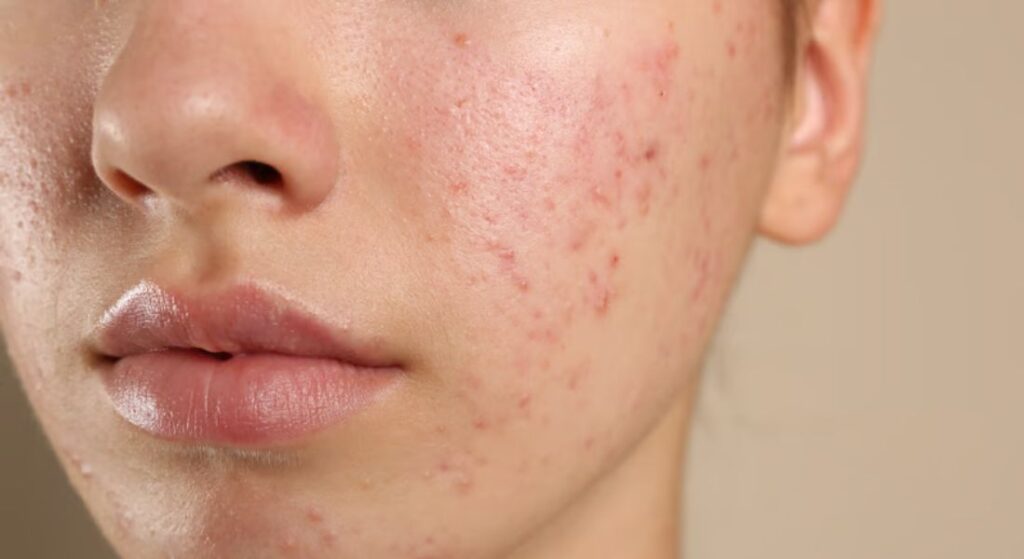
The skin barrier is the body’s primary defence against water loss, irritants, and inflammation. Over-treatment strips essential lipids and disrupts cell cohesion. Once compromised, the barrier cannot regulate itself effectively.
We commonly see increased water loss, heightened sensitivity, and persistent redness following barrier injury. In this state, even gentle products may sting or burn. The skin becomes vulnerable rather than resilient.
Barrier damage underpins most symptoms of over-treatment. Without restoring this protective layer, treatments cannot perform as intended. Repairing the barrier is therefore the first priority in recovery.
Why Barrier Damage Makes Skin Feel Worse, Not Better
A damaged barrier amplifies reactivity instead of improving appearance. Stinging, burning, tightness, and redness develop even with previously tolerated products. The skin shifts into a constant state of alert.
We often see people respond by adding more soothing, active, or corrective products. Unfortunately, this increases stimulation rather than reducing it. Each additional product compounds the stress on compromised skin.
Breaking this cycle requires restraint rather than escalation. Allowing the barrier to recover restores comfort, tolerance, and responsiveness. Once stability returns, meaningful improvement becomes possible again.
Persistent Redness Without Clear Cause
We often see unexplained redness as a common warning sign in our patients. It typically reflects ongoing irritation rather than an active disease process. Over-treatment can keep blood vessels dilated, maintaining low-level inflammation.
This persistent redness signals that the skin is under stress and struggling to restore balance. Even gentle products can exacerbate the issue if the barrier is compromised. Recognising this early helps us adjust routines safely.
By focusing on calming and stabilising the skin, we aim to reduce chronic irritation. Restoring barrier function allows redness to settle naturally. Patience and careful observation are key to recovery.
Why Sensitivity Can Develop Suddenly
Skin sensitivity often develops over time rather than being present from the start. Gradual over-treatment can lower the skin’s tolerance, meaning products that once felt comfortable may suddenly sting or burn. This shift reflects a biological response, not a failure of effort.
Sensitivity can appear suddenly because:
- Tolerance thresholds are lowered by over-treatment – Repeated irritation reduces the skin’s ability to cope with active ingredients.
- Barrier function becomes compromised – When the barrier is weakened, the skin cannot regulate responses effectively.
- Previously tolerated products trigger reactions – Stinging or burning signals reduced resilience rather than a new allergy.
- Restoration requires adjustment, not escalation – Reducing intensity and frequency allows the skin to rebuild tolerance and function.
By prioritising irritation reduction and barrier recovery, we help the skin regain resilience and respond more predictably over time.
Breakouts That Appear Despite “Good” Products
We often see acne-like breakouts even when routines look correct on paper. In many cases, the issue is not pore blockage but inflammation driven by over-treatment. This pattern can be confusing and frustrating, especially when products are labelled as gentle or appropriate.
These breakouts occur because:
- Inflammation disrupts follicular function – Excessive actives or frequent use can irritate follicles without true congestion.
- Lesions feel sore and persistent – Inflammatory breakouts tend to linger and feel tender rather than resolving quickly.
- Irritation is mistaken for purging – What appears to be adjustment is often a reaction caused by barrier stress.
- Simplification restores balance – Identifying triggers, reducing inputs, and supporting the barrier helps break the cycle and improve clarity.
By calming inflammation and reducing unnecessary stimulation, we allow the skin to stabilise and recover more reliably.
Why Over-Exfoliation Is a Major Trigger
We know that exfoliation accelerates skin turnover, which can be beneficial when used appropriately. However, overuse removes protective layers faster than the skin can regenerate, exposing nerve endings and increasing inflammation.
This damage tends to accumulate gradually, often without immediate symptoms. Patients may mistake early signs for “effective exfoliation,” inadvertently worsening the barrier.
We focus on moderation and monitoring the skin’s response. Gentle exfoliation combined with barrier support allows us to achieve results without compromising long-term health.
The Illusion of Purging
Purging is often misunderstood and over-attributed to treatment changes. While some therapies can cause short-term breakouts, prolonged or worsening reactions usually signal irritation rather than healthy adjustment. Recognising the difference helps prevent unnecessary damage.
Purging becomes an illusion because:
- True purging follows a predictable timeline – It appears early, settles steadily, and resolves with continued, appropriate care.
- Prolonged worsening suggests irritation – Ongoing breakouts often reflect barrier stress rather than a normal treatment response.
- Over-treatment blurs the picture – Excessive actives make it difficult to distinguish expected adjustment from harmful reaction.
- Barrier support restores clarity – Simplifying routines and strengthening the barrier helps the skin recover and behave more predictably.
By combining education with careful observation, we can separate genuine purging from irritation and support safer, more effective progress.
Increased Oiliness After Aggressive Skincare
It is a common misconception that oily skin needs stronger cleansing or more frequent treatment. In reality, over-treating oily skin often worsens the problem rather than solving it. Understanding this response helps restore balance.
Here’s how aggressive skincare increases oiliness:
1. Over-Stripping Triggers Defensive Sebum Production – We often see that even oily skin reacts poorly to aggressive cleansing or treatments. When natural oils are stripped away, the skin responds by producing more sebum to protect itself.
2. Rebound Oiliness Creates Imbalance – This defensive response leads to increased shine, congestion, and a feeling of loss of control. The skin becomes reactive rather than regulated.
3. Over-Treatment Worsens the Original Concern – Excessive stripping paradoxically intensifies oiliness and breakouts. The routine meant to improve skin ends up reinforcing the problem.
4. Adjusting Routine Restores Regulation – By reducing harsh products and supporting the barrier, natural oil regulation improves. Balance becomes more effective than intensity.
We focus on restoring equilibrium rather than fighting oil production. When the barrier is supported, the skin no longer needs to overcompensate. Stable skin behaves more predictably and remains easier to manage over time.
Why Dryness and Oiliness Can Coexist
It can feel confusing when skin looks both dry and greasy at the same time. This pattern is especially common in over-treated or irritated skin, where the barrier is no longer functioning properly. What appears contradictory is actually a single biological response.
Dryness and oiliness coexist because:
- Barrier water loss increases – When the barrier is disrupted, moisture escapes more easily, leading to surface dryness.
- Sebum production rises as compensation – The skin produces more oil in an attempt to protect itself from further water loss.
- Both signs reflect barrier dysfunction – Dryness and greasiness are responses to instability rather than indicators of skin type.
- Repair must come before correction – Restoring barrier function helps normalise oil production and improve hydration together.
By prioritising barrier repair over surface adjustments, we can address both dryness and oiliness more effectively and restore balanced skin behaviour.
Delayed Healing of Minor Irritation
We see that healthy skin usually repairs itself quickly. In contrast, over-treated skin struggles, and minor irritations linger longer than expected.
Ongoing inflammation slows natural healing processes, making small blemishes more noticeable and persistent. Recovery becomes a clear indicator of skin health.
By supporting the skin with gentler routines and adequate recovery, we can restore normal repair timelines. Patience and protection are key.
Why Active Ingredients Stop Working
We observe that stressed skin reduces the effectiveness of active treatments. Inflammation interferes with cellular response, so even potent actives may appear ineffective.
This loss of tolerance is often mistaken for product failure. The issue lies in the skin’s capacity to respond, not the quality or potency of the ingredients.
Focusing on barrier repair and calming inflammation allows actives to perform as intended. Skin readiness precedes results.
Overlapping Treatments Without Recovery Time
We know that skin requires rest to complete natural repair cycles. Continuous use of strong actives keeps it in a defensive state rather than allowing true improvement. Without recovery periods, the skin cannot consolidate the benefits of treatments, and irritation can accumulate. Recovery is just as important as stimulation. By spacing treatments appropriately, we support resilience, optimise active performance, and reduce chronic stress on the skin. Strategic pauses enhance outcomes.
Why Constant Product Switching Makes Things Worse
We know that frequent changes in skincare disrupt the skin’s natural adaptation. When routines shift constantly, the skin struggles to stabilise and respond effectively. Each new product introduces a fresh variable, preventing recovery and reinforcement of barrier function.
Our approach focuses on consistency. Allowing the skin time to adjust helps repair mechanisms catch up. Biological processes need predictable conditions to function optimally, and disruption hinders progress.
We emphasise patience with routines. Stability allows the skin to reach a balanced state, making subsequent improvements more sustainable. Consistent care supports long-term resilience rather than quick fixes.
When “Gentle” Products Still Irritate
We understand that even mild products can sting when the barrier is compromised. This irritation is not a reflection of product quality, but rather a sign of underlying skin stress. Repairing the barrier takes priority over optimisation at this stage.
Our focus is on reducing triggers and calming inflammation. Supportive moisturisation, gentle cleansing, and minimal actives help the skin rebuild tolerance. Each step is aimed at restoring function rather than pushing for rapid results.
We remind patients that sensation does not always indicate harm from the product itself. Healing compromised skin requires patience and restraint. Once stability returns, the same products are often tolerated without issue.
The Psychological Trap of Over-Treating
We see frustration drive over-treatment frequently. When results slow or plateau, the instinct is to add more products or steps. Unfortunately, this escalates stress on the skin and reinforces the problem rather than solving it.
Our approach focuses on understanding underlying biology. Recognising that slower progress is natural helps patients avoid unnecessary escalation. Education replaces anxiety, allowing the skin to recover.
We emphasise control through strategy rather than intensity. By working with the skin’s tolerance and repair cycles, we support gradual, sustainable improvement instead of forcing rapid change.
How Dermatologists Recognise Over-Treatment
We observe clinical patterns that point to over-treatment quickly. Diffuse redness, reactive sensitivity, and inconsistent symptom presentation differ from primary skin disease. Recognising these signs allows us to adjust care accurately.
Our assessments combine observation with knowledge of skin biology. We consider product use, routine complexity, and barrier status to identify stress points. This holistic perspective is key to successful intervention.
We prioritise behaviour as well as biology. Understanding how the skin has been treated informs tailored adjustments that reduce irritation and restore function efficiently.
Why Resetting the Skin Is Often Necessary
We know that over-treated skin requires recalibration. Removing unnecessary actives and simplifying care allows the skin to recover. Improvement usually begins once stress signals are reduced.
Our reset strategy focuses on calming the barrier. Gentle routines support repair while halting overstimulation. This creates an environment where biological processes can resume effectively.
We emphasise that resetting is not regression. Rather, it is a proactive step to restore stability and ensure that future treatments work as intended.
What a Skin Reset Actually Involves

A skin reset is about reducing complexity to support recovery, not about withholding care. By simplifying routines, we give the skin space to stabilise and repair itself. This approach creates the right conditions for long-term improvement.
A skin reset involves:
- Simplified daily care – Gentle cleansing, barrier-supporting moisturisers, and consistent sun protection form the foundation.
- Pausing or minimising actives – Reducing active ingredients lowers irritation and allows inflammation to settle.
- Supporting natural repair processes – Removing excess stimulation lets the skin’s own healing mechanisms work more effectively.
- Building a stronger baseline – A reset is strategic, helping ensure future treatments are better tolerated and more effective.
By treating a reset as a purposeful step rather than a setback, we create a stable platform for healthier, more resilient skin.
Why Doing Less Leads to Better Results
We observe that reducing stimulation lowers inflammation and supports barrier recovery. The skin regains tolerance and becomes more predictable in its response to treatment.
Our approach relies on restraint. Rather than pushing for immediate improvement, we focus on creating conditions for gradual, sustainable progress.
We emphasise that less can truly be more. By giving the skin time and space to repair, we facilitate long-term improvement that persists beyond temporary results.
How Long Recovery Usually Takes
We recognise that barrier repair is gradual. Many patients notice improvement within weeks, though full recovery often takes longer. Patience is essential for consistent results. Our guidance stresses pacing. Attempting to rush recovery or resume aggressive routines too early often restarts the cycle of irritation. We remind patients that each skin journey is individual. Allowing sufficient time for restoration ensures durable benefits and reduces the risk of relapse.
Reintroducing Treatments Safely
We reintroduce treatments slowly once stability returns. Frequency, strength, and combination of actives are adjusted according to tolerance. Our strategy is selective and deliberate. This ensures the skin responds appropriately without reigniting stress or inflammation. We emphasise strategic escalation rather than abrupt resumption. Careful management maintains progress and prevents relapse.
Why Professional Guidance Makes a Difference
We understand that over-treatment can be subtle. Professional assessment identifies which steps are harmful and which are necessary, avoiding unnecessary trial-and-error.
Our role is to streamline care. We tailor routines to barrier status, inflammation level, and overall skin biology. We know that expert input accelerates recovery. Guidance shortens the timeline for stability, allowing the skin to regain health safely and predictably.
When to Seek Expert Review
We recommend seeking expert review when sensitivity, redness, or persistent breakouts continue despite careful care. Ongoing irritation usually reflects imbalance rather than active disease. Early reassessment allows us to address issues before they become chronic.
Our approach involves identifying whether over-treatment or routine mismatch is contributing. By examining product use, barrier status, and response patterns, we can clarify the underlying cause. This prevents unnecessary escalation and repeated irritation.
We emphasise that timely consultation with a Dermatologist supports a safe reset. Expert guidance allows us to tailor routines to the skin’s current tolerance, restoring balance and promoting long-term resilience.
How Specialist Care Supports Long-Term Skin Health

We prioritise strategies that support barrier recovery and overall resilience. Treatment plans are designed with biological limits in mind, ensuring interventions do not overwhelm the skin.
Our focus is on creating sustainable routines. By respecting recovery needs and avoiding excessive stimulation, we reduce the risk of repeated over-treatment cycles. Consistency and patience are central to long-term improvement.
We see specialist care as a way to secure lasting skin health. Strategic guidance, combined with tailored routines, allows the skin to recover fully and respond predictably to future treatments, supporting long-term balance.
FAQs
1. Why does my skin seem worse even though I am using good-quality skincare products?
Skin problems rarely result from poor product quality alone. In most cases, issues arise because products are being used too frequently, layered incorrectly, or applied in ways that overwhelm the skin’s biology. Even excellent formulations can cause irritation or barrier damage when routines are too aggressive or complex. Skin improves when care aligns with its natural repair capacity rather than when intensity is increased.
2. How can exfoliation damage my skin if it initially makes it look smoother?
Exfoliation removes surface cells, which can temporarily improve brightness and texture. However, when exfoliation is repeated too often, the skin barrier cannot rebuild fast enough. Over time, this leads to increased inflammation, moisture loss, and sensitivity. The early benefits mask cumulative damage that only becomes visible once the barrier has been significantly weakened.
3. Is using multiple active ingredients together more effective than using one at a time?
Using multiple active ingredients does not necessarily improve results and often has the opposite effect. Each active triggers a biological response that requires recovery time. When several actives are layered together, the skin struggles to regulate inflammation and repair itself effectively. Simpler routines allow the skin to respond fully rather than react continuously.
4. Why does my skin feel tight or squeaky after cleansing, and is that a problem?
A tight or squeaky sensation after cleansing usually indicates loss of protective lipids rather than cleanliness. Healthy skin should feel calm and comfortable after washing. Repeated lipid stripping weakens the barrier, increases sensitivity, and makes the skin more reactive over time. Gentle cleansing preserves barrier integrity and supports long-term skin health.
5. Can moisturiser really make a difference if I am already using active treatments?
Moisturiser plays a critical therapeutic role by restoring barrier lipids, reducing water loss, and calming inflammation. Without barrier support, active treatments are more likely to irritate the skin and less likely to work effectively. Moisturisation allows the skin to tolerate treatment and repair itself rather than remaining in a defensive state.
6. Why do my skin problems keep returning even when treatments seem to work at first?
Temporary improvement often reflects symptom suppression rather than resolution of the underlying cause. When the barrier remains damaged or inflammation persists beneath the surface, symptoms frequently return once treatment is reduced. Long-term stability depends on correcting the driving biological factors, not just reducing visible signs.
7. Is switching products frequently preventing my skin from improving?
Yes, frequent product changes interrupt the skin’s ability to adapt and stabilise. Many skin processes, including barrier repair and inflammation reduction, occur gradually over weeks rather than days. Constant switching resets progress repeatedly, making it difficult to identify what is working and preventing sustained improvement.
8. Are prescription-strength products unsafe for long-term use?
Prescription treatments are safe and effective when used correctly under guidance. Problems usually arise from incorrect strength, duration, or combination rather than from the treatments themselves. Without supervision, potent products can quietly damage the barrier or cause rebound inflammation. Proper monitoring ensures benefits outweigh risks.
9. Why does stress affect my skin even when my routine stays the same?
Stress directly influences skin biology by altering immune signalling, hormone levels, and barrier repair. Elevated stress hormones slow healing and increase inflammation, making the skin less tolerant to products that were previously well tolerated. Managing stress supports treatment effectiveness by restoring the skin’s ability to repair itself.
10. When should I seek professional help for skincare problems?
Professional review is important when irritation, breakouts, or stalled progress persist despite consistent care. These patterns usually indicate barrier damage, treatment mismatch, or an evolving skin condition rather than poor effort. Early assessment prevents prolonged damage and allows routines to be corrected safely and effectively.
Final Thoughts: When Reducing Skincare Is the Key to Recovery
Over-treating the skin is one of the most common yet least recognised reasons progress stalls. Excessive actives, frequent exfoliation, and constant routine changes place the skin in a state of chronic stress where barrier repair and healing cannot occur properly. Lasting improvement comes from restoring balance, allowing recovery time, and respecting the skin’s biological limits rather than pushing for faster results.
When symptoms persist or sensitivity keeps increasing, support from a Dermatologist in London can help identify over-treatment early and guide a safe reset tailored to your skin’s current tolerance. If you’d like to book a consultation with one of our dermatologists in London, you can contact us at the London Dermatology Centre.
References:
1. Proksch, E., Brandner, J.M. and Jensen, J.M. (2008) The skin: an indispensable barrier, Experimental Dermatology, 17(12), pp. 1063–1072. https://pubmed.ncbi.nlm.nih.gov/19043850/
2. Elias, P.M. & Schmuth, M. (2023) Epidermal barrier dysfunction in dermatology and repair mechanisms, The Skin Barrier and Moisturization: Function, Disruption, and Mechanisms of Repair, Skin Pharmacology and Physiology. https://pubmed.ncbi.nlm.nih.gov/37717558/
3. Sakai, T. (2025) Stratum corneum pH and ceramides: Key regulators and biomarkers of skin barrier function in atopic dermatitis, Journal of Dermatological Science, 118(2), pp. 51–57. https://www.sciencedirect.com/science/article/pii/S0923181125000404
4. Danby, S.G. & Cork, M.J. (2024) Skin Barrier in Atopic Dermatitis, Journal of Dermatological Science. https://www.sciencedirect.com/science/article/pii/S0022202X24001878
5. Baker, P., et al. (2023) Skin Barrier Function: The Interplay of Physical, Chemical, and Biological Factors, Cells, 12(23), p. 2745. https://www.mdpi.com/2073-4409/12/23/2745