


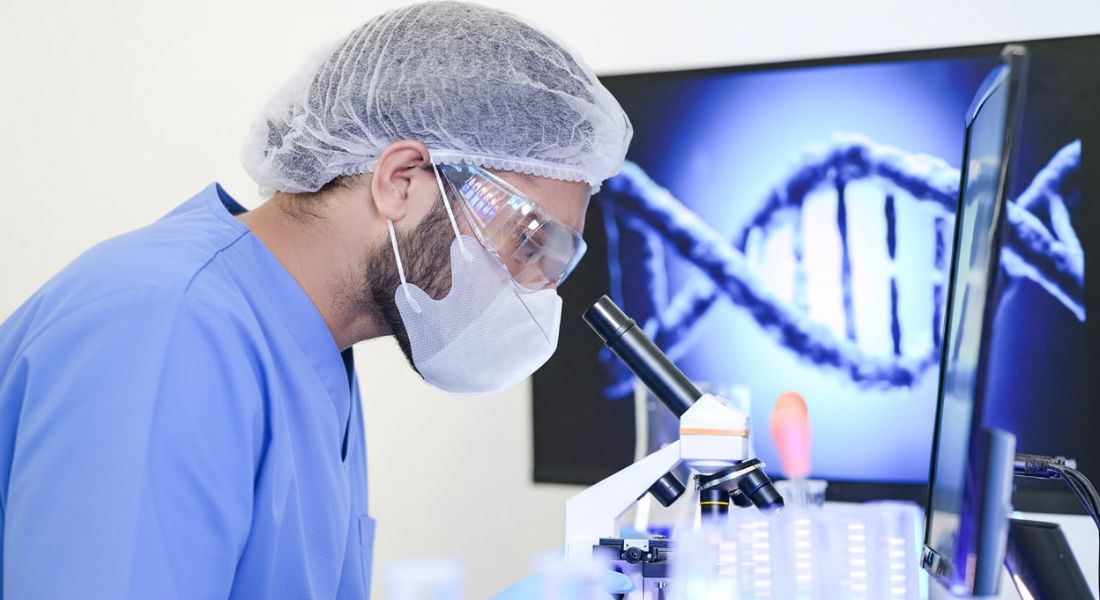
In the coming years, dermatology clinics may routinely offer genetic and biomarker testing as part of standard care, allowing your treatment plan to be tailored specifically to your skin’s biology. This approach could mean more targeted therapies, quicker results, and less reliance on trial-and-error.
Technology will enhance this personalised care, with remote consultations, digital skin monitoring, and AI-assisted interpretation of genetic data making it easier to track progress and adjust treatments in real time. You can be actively involved while your clinician leverages these tools for precise management.
Clinics that combine genetic insights with strong clinical expertise are likely to lead the way, providing care that is proactive, individualised, and outcome-focused. Engaging early with these services could give you a significant advantage in managing chronic or complex skin conditions effectively.
Ultimately, the future of dermatology lies in a seamless integration of scientific innovation and personalised guidance, where your care is shaped by both your genetic profile and the informed judgement of a skilled clinician.
How Genetics Influence Skin Health
Our skin is shaped by multiple genes that regulate inflammation, immune responses, pigmentation, and barrier function. Variations in these genes can make some people more prone to conditions like eczema, psoriasis, or acne, and recognising these differences could help predict who might develop certain issues.
For instance, changes in the filaggrin gene can compromise the skin barrier, increasing eczema risk, while specific HLA variants are associated with autoimmune skin disorders. Identifying these markers could allow your clinician to anticipate how your skin might respond to treatment before you even start therapy.
It’s important to remember that genetics isn’t destiny. Knowing your predispositions doesn’t guarantee outcomes, but it gives you and your dermatologist a roadmap to make decisions based on biology rather than trial and error alone.
By integrating genetic insights with clinical assessment, personalised approaches could become more precise, targeting the pathways most relevant to your skin and improving both safety and effectiveness of treatment.
The Promise of Personalised Dermatology

Our skin is influenced by multiple genes that regulate inflammation, immunity, pigmentation, and barrier function. Variations in these genes can make some people more susceptible to conditions like eczema, psoriasis, or acne, offering clues about potential risk.
For example, changes in the filaggrin gene can weaken the skin barrier and increase eczema risk, while certain HLA variants are associated with autoimmune skin disorders. Identifying these markers allows your dermatologist to anticipate how your skin might respond to treatments before starting therapy.
It’s important to remember that genetics isn’t destiny. Knowing your predispositions doesn’t guarantee outcomes but provides a roadmap for making informed choices rather than relying solely on trial and error.
When combined with clinical assessment, genetic insights can help personalise dermatology care, targeting the pathways most relevant to your skin. This approach improves both the safety and effectiveness of treatment, giving you a more tailored and precise plan.
Current Evidence for Genetic Profiling in Skin Conditions
Genetic profiling in dermatology is promising but still in its early stages. Researchers have identified links between certain genes and skin conditions, yet turning these findings into practical treatment guidance is complex, as genes interact with environmental and lifestyle factors.
Some gene variants may suggest how a patient responds to therapies, like biologics for psoriasis, but they don’t guarantee effectiveness. Genetics can indicate risk or susceptibility but cannot fully predict how severe or fast a condition will progress. While the science points to exciting possibilities, it’s not yet reliable enough to guide most treatment decisions. Clinicians still rely primarily on clinical assessment and patient history when planning care.
Ongoing research aims to clarify which genetic insights are actionable. As evidence grows, personalised dermatology could become a more precise, predictive approach rather than the trial-and-error process used today.
Challenges in Implementing Genetic Testing
Genetic profiling in dermatology shows real potential but remains largely investigational. While researchers have linked specific genes to certain skin conditions, translating these associations into actionable treatment strategies is still complex. Environmental exposures, lifestyle factors, and immune responses all interact with genetic predispositions, making outcomes difficult to predict with certainty.
- Genes indicate risk, not certainty: Certain variants can suggest susceptibility to conditions like psoriasis or eczema, or hint at how a patient might respond to specific therapies. However, the presence of a gene does not guarantee disease expression or treatment response.
- Limited predictive power for disease course: Genetics alone cannot reliably forecast severity, flare frequency, or progression speed. Many patients with the same variant experience markedly different outcomes, highlighting the influence of non-genetic factors.
- Therapy guidance remains largely clinical: At present, dermatologists base treatment decisions on patient history, physical examination, and clinical markers rather than genetic testing. Trials of biologics or systemic agents still rely on observed response rather than genotype.
- Research is ongoing: Studies continue to investigate which genetic signals can be reliably translated into therapy selection, risk stratification, or preventive strategies. The ultimate goal is to reduce trial-and-error approaches and move toward truly personalised care.
- Future potential: As evidence accumulates, genetic insights may inform targeted interventions, optimise therapy choice, and predict disease trajectory more accurately. For now, they complement but do not replace standard clinical decision-making.
While promising, genetic profiling in dermatology is not yet a standalone tool. It enhances understanding and may guide future practice, but current treatment still depends on careful clinical assessment and monitoring.
How Genetic Profiling Could Guide Treatment Decisions
Genetic profiling in dermatology is promising but remains largely investigational. Specific gene variants can suggest susceptibility to conditions like psoriasis or eczema, or hint at potential treatment responses, but they do not guarantee outcomes.
Environmental factors, lifestyle, and immune responses interact with genetics, so results alone cannot predict disease course or severity. Many patients with the same variants experience very different experiences. Currently, treatment decisions are based on clinical assessment, history, and observed response rather than genetic testing. Genetics may inform decisions but does not replace standard care.
Research continues to explore how genetic insights could guide therapy choice, risk prediction, and preventive strategies. In the future, personalised dermatology may become more precise, but for now, genetics complements clinical judgment.
The Role of Pharmacogenomics in Dermatology

Genetic profiling in dermatology holds real promise, but it’s still largely experimental. Certain gene variants can indicate a higher risk for conditions like psoriasis or eczema, or suggest how your skin might respond to specific treatments, though they don’t guarantee results.
Your environment, lifestyle, and immune system all interact with these genetic factors, so the presence of a variant doesn’t predict exactly how your condition will develop or how severe it will become. Patients with the same gene changes can have very different outcomes.
At present, dermatologists still base treatment choices on clinical assessment, medical history, and observed responses rather than solely on genetic testing. Genetics can complement this process, but it doesn’t replace standard care.
As research advances, genetic insights may help refine treatment strategies and reduce trial-and-error approaches, giving you a more tailored plan in the future while keeping professional oversight central to decision-making.
Ethical and Privacy Considerations
Genetic profiling in dermatology offers exciting possibilities, but it’s still very much in the early stages. Certain gene variants can hint at higher risks for conditions like psoriasis or eczema, or suggest how your skin might respond to treatments, though they aren’t definitive predictors.
Your lifestyle, environment, and immune system interact with these genetic factors, so having a particular variant doesn’t guarantee how your condition will progress. Even people with the same genetic markers can experience very different outcomes.
Right now, dermatologists rely primarily on clinical assessment, your medical history, and observed treatment responses. Genetics can provide extra insight, but it doesn’t replace traditional evaluation and care. Looking ahead, as research deepens, genetic information could help personalise treatment plans, reduce trial-and-error approaches, and make therapies more targeted, while professional guidance remains central to achieving the best results for your skin.
Limitations of Current Genetic Profiling
Genetic profiling isn’t a crystal ball for skin conditions. Most issues involve many genes, each with a small effect, and environmental factors like UV exposure, stress, and diet often play a bigger role.
Predictions based solely on genetics can be incomplete or misleading. Combining genetic insights with clinical assessment and patient history gives a more accurate picture.
It’s important to keep expectations realistic. Genetics can guide decisions but cannot replace professional judgement. For now, personalised dermatology relies on a balance of genetic data, clinical expertise, and lifestyle considerations to plan treatment effectively.
Integration With Other Personalised Approaches
Genetic profiling provides insight, not certainty. Most skin conditions are polygenic, influenced by multiple genes each contributing a small effect. Environmental and lifestyle factors UV exposure, stress, diet often have a larger impact on disease onset and severity than any single gene.
- Limited predictive power: Relying on genetics alone can produce incomplete or misleading predictions. Variants may suggest risk but rarely determine exact disease course or therapy response.
- Integration with clinical assessment: Combining genetic information with patient history, examination findings, and lifestyle factors gives a far more accurate framework for treatment decisions. Genetics is a tool, not a replacement for professional judgement.
- Guiding expectations and planning: Understanding what genetics can and cannot predict helps set realistic expectations for patients. It informs risk discussion, possible therapy response, and monitoring strategies without overstating certainty.
- Balanced approach in personalised dermatology: Current practice blends genetic data, clinical expertise, and lifestyle considerations. This integration allows dermatologists to tailor interventions, optimise outcomes, and avoid relying on genetics as a standalone solution.
While genetics adds valuable context, effective personalised dermatology still hinges on comprehensive clinical evaluation and careful, patient-specific decision-making.
Potential Impact on Chronic Skin Conditions

Chronic inflammatory and autoimmune skin conditions are ideal for personalised approaches. Conditions like atopic dermatitis, psoriasis, and lupus often need long-term management, and treatment responses vary widely between patients.
Genetic insights could shorten the trial-and-error phase, helping you reach effective symptom control faster. This may improve adherence, reduce side effects, and enhance your overall quality of life.
By anticipating which therapies are most likely to work, personalised dermatology could make care more proactive rather than reactive. Over time, integrating genetics into treatment planning may transform management from a one-size-fits-all approach to truly tailored, patient-specific care.
The Role of Research and Clinical Trials
Genetic profiling in dermatology opens up exciting possibilities, but it remains in its early stages. Specific gene variants can indicate higher risks for conditions like psoriasis or eczema, or suggest how your skin might respond to treatments, yet they are not absolute predictors.
Your lifestyle, environment, and immune system interact with these genetic factors, meaning that having a particular variant doesn’t guarantee how your condition will develop. Even individuals with the same genetic markers can experience very different outcomes.
Currently, dermatologists base decisions mainly on clinical assessment, your history, and observed responses to treatment. Genetics can add valuable insight but doesn’t replace traditional evaluation and care. As research progresses, genetic information may help personalise treatment plans, reduce trial-and-error approaches, and make therapies more targeted, all while keeping professional guidance central to achieving the best results for your skin.
How Patients Can Prepare for Personalised Dermatology
If you’re considering personalised dermatology, staying well-informed can make a real difference in your care. Understanding your specific skin condition, family history, and the testing options available allows you to have more meaningful and productive discussions with your clinician.
Keeping detailed records of previous treatments, including how your skin responded, helps your dermatologist interpret genetic or biomarker results more accurately. This context ensures any recommendations are relevant and actionable.
Being proactive also means asking questions, noting changes in your skin, and tracking symptoms over time. The more information you provide, the better your clinician can tailor treatment to your unique profile.
Remember, genetic profiling is just one piece of the puzzle. Your active engagement, honest communication, and willingness to work closely with your dermatologist are essential for achieving the best possible outcomes and maintaining healthy skin long-term.
The Future of Dermatology Clinics
In the coming years, dermatology clinics may routinely integrate genetic and biomarker testing into patient care, allowing treatment plans to be tailored specifically to your skin’s biology. This could mean more precise targeting of therapies, faster response, and fewer trial-and-error approaches.
Technology will play a big role, with remote consultations, digital skin monitoring, and AI-assisted interpretation of genetic data making personalised care more accessible and efficient. You could track progress from home while your clinician uses advanced tools to adjust treatment in real time. Clinics that combine this genetic insight with strong clinical expertise are likely to set the standard, offering care that is both proactive and highly individualised.
Being among the first to engage with these services may give you a real advantage in managing chronic or complex skin conditions. Ultimately, the future of dermatology promises a blend of science and personalised guidance, where your care is informed by both your genetic profile and the nuanced judgement of a skilled clinician.
Cost and Accessibility Considerations
Dermatology is moving toward integrating genetic and biomarker testing into routine care. This could allow treatment plans to be tailored precisely to an individual’s skin biology, moving beyond the traditional trial-and-error approach.
- Combining genetics with clinical expertise: Clinics that merge genetic insights with professional assessment can identify risks, predict therapy response, and target interventions more effectively. The result is a more proactive, precise approach to managing skin conditions.
- Technology-enabled monitoring: Remote consultations, digital imaging, and AI-assisted interpretation of genetic and biomarker data may make personalised care faster and more widely accessible. Patients can track progress in real time while clinicians adjust treatment based on accurate, ongoing data.
- Efficiency and accessibility: By integrating these innovations, clinics can reduce unnecessary visits, streamline care pathways, and focus on patients who need urgent attention or specialised interventions.
- Early adoption benefits: Engaging with personalised dermatology early can improve outcomes, particularly for chronic or complex conditions. Tailored strategies minimise ineffective treatments and help maintain long-term skin health.
- Shaping the standard of care: Clinics leading in this space set a precedent for combining technology, genetics, and expert clinical judgement. Patients who access these services gain a tangible advantage in managing their skin proactively.
Personalised dermatology is poised to move from promise to practice. Early integration of genetic insights and technology-enhanced monitoring will increasingly define the standard for effective, patient-centred care.
The Importance of Clinician Expertise
Even with genetic data, your dermatologist’s expertise remains indispensable. Genetic information can be highly complex, and interpreting it correctly requires careful consideration alongside your clinical history, current skin condition, and previous treatment responses.
A skilled clinician can help you understand what the results actually mean for your treatment options, potential risks, and long-term skin health. They ensure that any personalised plan is both safe and realistic, avoiding overreliance on genetic data alone.
Genetic insights are a powerful tool, but they work best when combined with professional judgement. A dermatologist can integrate this information with their experience to guide therapy, monitor progress, and adjust interventions as needed.
Ultimately, human expertise remains the cornerstone of effective, personalised dermatology. Even as genomics and technology advance, your clinician’s knowledge, intuition, and oversight ensure that care remains tailored, practical, and outcome-focused.
Patient Empowerment Through Knowledge
Even with access to genetic information, your dermatologist’s expertise remains crucial. Genetics can be complex and interpreting results accurately requires context, including your medical history, current skin condition, and past treatment outcomes.
A skilled clinician can translate the data into practical guidance, explaining what it means for treatment choices, potential risks, and long-term skin health. They ensure that any personalised plan is realistic and safe, preventing overreliance on genetic findings alone.
While genetic insights are powerful, they are most effective when paired with professional judgement. A dermatologist can integrate this knowledge with their clinical experience to guide therapy, monitor progress, and adjust treatment as needed.
In the end, human expertise is the foundation of personalised dermatology. Even as genomics and technology evolve, your clinician’s understanding, intuition, and oversight ensure care stays tailored, practical, and results-focused.
FAQs:
1. What is personalised dermatology?
Personalised dermatology uses genetic, biomarker, and clinical information to tailor treatment plans specifically to an individual’s skin biology, aiming for more precise, effective, and proactive care.
2. How does genetic profiling help in skin treatment?
Genetic profiling identifies variations that influence inflammation, immunity, pigmentation, and barrier function. This allows dermatologists to anticipate potential responses to treatments and select therapies more likely to succeed.
3. Are genetic tests in dermatology reliable?
Currently, they are promising but largely complementary. Genetics can indicate risk or likely response but cannot fully predict disease course or severity on their own.
4. Can genetic profiling prevent skin conditions like eczema or psoriasis?
Genetic insights cannot guarantee prevention. They help identify susceptibility, allowing clinicians to implement proactive care, early intervention, and more targeted treatments.
5. Is genetic testing suitable for all skin conditions?
No. It is most useful for chronic inflammatory and autoimmune conditions, such as psoriasis, atopic dermatitis, and lupus, where individual responses vary significantly.
6. Will personalised dermatology replace traditional clinical assessments?
No. Genetic data enhances decision-making but does not replace clinical expertise. Dermatologists still rely on history, examination, and observed treatment responses to guide care.
7. How do lifestyle and environment affect personalised dermatology?
Environmental factors like UV exposure, stress, diet, and skincare habits interact with genetics, meaning personalised strategies consider both intrinsic and extrinsic influences.
8. Are personalised dermatology treatments expensive?
Costs vary depending on the tests, technology used, and clinic. Early adoption may be more expensive initially but can reduce ineffective treatments and improve long-term outcomes.
9. How can patients prepare for personalised dermatology?
Patients should keep records of prior treatments, track skin changes, provide family history, and discuss available genetic or biomarker testing with their dermatologist to make care more effective.
10. Is personalised dermatology widely available?
It is currently offered mainly at advanced or research-focused dermatology clinics. As technology and evidence improve, access is expected to expand, making tailored care more routine.
Final Thoughts: Personalised Care Meets Practical Expertise
Genetic profiling and AI insights are powerful tools, but turning them into meaningful outcomes depends on the clinician’s expertise and careful monitoring. Genetics can suggest predispositions and likely responses, yet it is professional judgement that shapes these insights into effective, safe, and practical treatment plans. Active patient engagement tracking symptoms, sharing treatment history, and asking informed questions ensures your personalised plan works in the real world, not just on paper.
Early adoption of personalised dermatology can shorten trial-and-error phases, improve therapy response, and enhance long-term skin health, especially for chronic or complex conditions. If you would like to book a consultation with one of our dermatologists, you can contact us at the London Dermatology Centre to start a treatment plan tailored specifically to you.
References:
- de Souza, G.T. (2025) Genetic insights into acne, androgenetic alopecia, and alopecia areata: implications for mechanisms and precision dermatology. Cosmetics, https://www.mdpi.com/2079-9284/12/5/228
- Tan, I.J., Podwojniak, A., Parikh, A. and Cohen, B.A. (2024) Precision dermatology: a review of molecular biomarkers and personalized therapies. Current Issues in Molecular Biology https://www.mdpi.com/1467-3045/46/4/186
- Haykal, D. (2025) Leveraging single nucleotide polymorphism profiling for precision skin care: how SNPs shape individual responses in cosmetic dermatology. Journal of Cosmetic Dermatology, https://pubmed.ncbi.nlm.nih.gov/39737554/
- Geusens, B. and Haykal, D. (2025) Genetic profiling and precision skin care: a review. Frontiers in Genetics, https://pubmed.ncbi.nlm.nih.gov/40529811/
- Gene expression or mutational profile for psoriasis in guiding treatment: a systematic review (2025) JAAD Reviews, https://www.sciencedirect.com/science/article/pii/S2950198925000704