


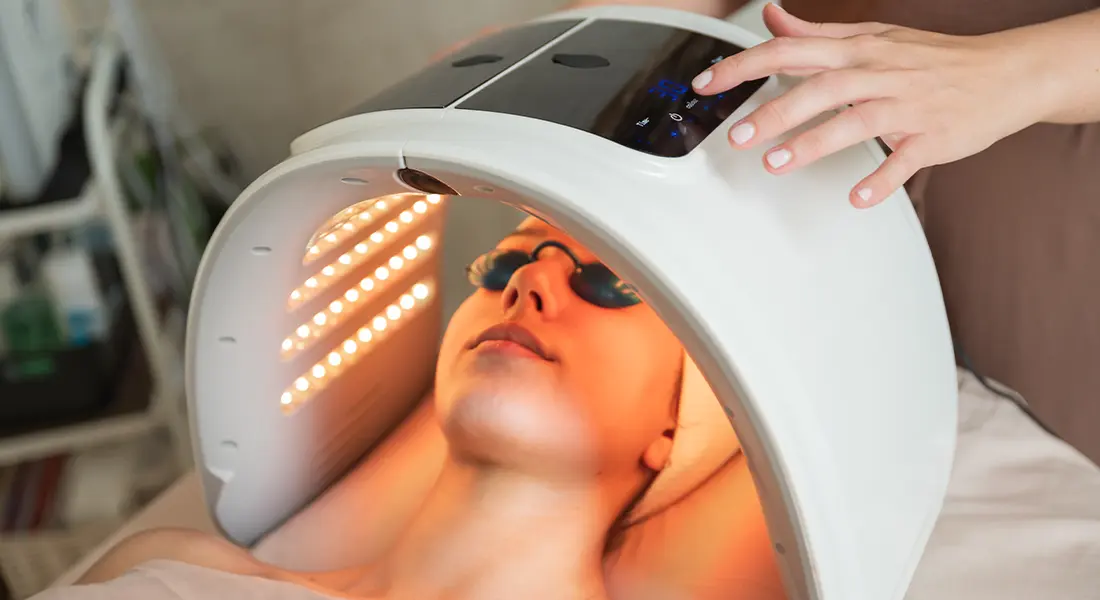
If you’ve been recommended photodynamic therapy, it’s completely normal to wonder what happens after the treatment itself. Many patients are less concerned about the procedure and more anxious about recovery, downtime, and how their skin will look in the days that follow. Not knowing what’s “normal” can make recovery feel more stressful than it needs to be.
Photodynamic therapy is a highly targeted treatment, but it intentionally triggers a reaction in the skin. That reaction is part of how the treatment works, yet it also means visible changes during healing. Understanding the recovery process helps you plan ahead and feel confident rather than surprised.
In this guide, I’ll walk you through what typically happens after photodynamic therapy, including common side effects, how long recovery usually takes, photosensitivity precautions, and practical aftercare advice. The goal is to help you feel prepared and reassured at every stage.
Why Recovery Matters After Photodynamic Therapy
Photodynamic therapy works by activating a light-sensitive agent within the skin. Once activated, it selectively destroys abnormal or damaged cells while sparing healthy tissue as much as possible. This controlled damage is what allows healthier skin to replace treated areas.
Because the treatment is purposeful, recovery is not just a side effect but an essential part of the process. Your skin needs time to repair, regenerate, and settle. The visible changes you experience are signs that the treatment is doing its job. Knowing this upfront helps reduce unnecessary worry during healing.
What Happens Immediately After Treatment
Straight after photodynamic therapy, your skin may feel warm, tight, or slightly uncomfortable. Redness usually develops quickly and can range from mild to intense, depending on the area treated and the strength of the reaction.
Some patients describe a sensation similar to sunburn. This usually settles within hours, but redness often persists longer. Swelling may also occur, particularly on the face or scalp. Clinics usually provide immediate aftercare guidance before you leave, as the first 24 hours are particularly important.
The First 24 Hours: Photosensitivity Is Key
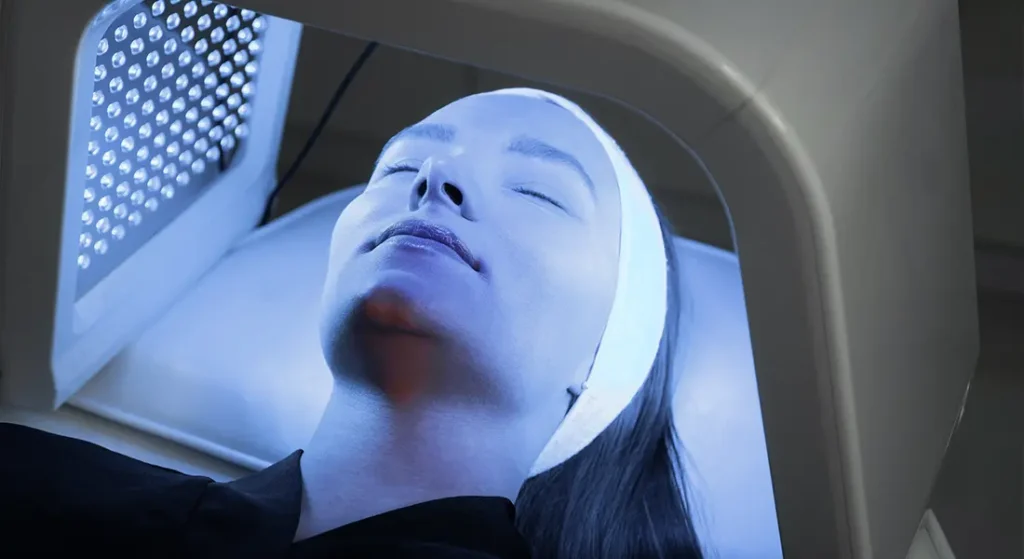
One of the most important aspects of recovery is managing photosensitivity. After treatment, your skin becomes highly sensitive to light, including natural daylight and even indoor lighting. This sensitivity is a normal response and part of the healing process. Taking it seriously helps prevent unnecessary irritation.
During the first 24 to 48 hours, exposure to light can significantly intensify the skin reaction. Even brief exposure may increase redness, discomfort, or swelling. This is why strict light avoidance is essential during this period. It is a protective step, not an optional guideline.
Most patients are advised to stay indoors as much as possible during the initial recovery phase. Keeping lights dim and avoiding bright rooms can make a noticeable difference. Screens such as phones, televisions, and laptops should also be limited where possible. These measures help calm the skin and reduce stimulation.
Redness and Inflammation: What’s Normal
Redness is one of the most common and expected effects of photodynamic therapy. It often resembles a strong sunburn and may feel warm, tight, or slightly uncomfortable. This reaction is a normal part of the treatment process. It indicates that the therapy is working on the targeted skin cells.
Inflammation usually becomes more noticeable within the first few days after treatment. During this time, the skin may appear swollen or feel tender to the touch. These changes are temporary and tend to settle gradually. Peak inflammation is a typical stage of early healing.
The severity of redness can vary from person to person. Some people experience mild, localised redness, while others may notice a more widespread or intense reaction. Both responses fall within the normal recovery range. Differences in skin type and treatment area play a role.
Importantly, stronger redness does not mean something is wrong. The intensity often reflects how active the treated skin changes were rather than how well you are healing. As the skin repairs itself, redness and inflammation should steadily improve. Patience and proper aftercare are key during this phase.
Peeling, Crusting, and Flaking Explained
As healing progresses after treatment, changes to the surface of the skin are completely normal. Peeling, flaking, and mild crusting are signs that damaged skin cells are being shed and replaced with healthier tissue underneath.
What you may notice includes:
- Peeling and flaking: This often begins a few days after treatment and can last for several days. It reflects the natural renewal process as old skin cells loosen and fall away.
- Crusting or scabbing: Small scabs may form, particularly if thicker lesions or actinic keratoses were treated. This is part of the body removing damaged cells and allowing new skin to regenerate.
- Variation between areas: Some areas may peel more than others depending on skin thickness and the depth of treatment.
- The importance of leaving skin alone: Picking, rubbing, or manually peeling the skin can disrupt healing and increase the risk of irritation or scarring.
Allowing the skin to heal naturally, while following aftercare advice, helps ensure smoother recovery and the best possible final result.
Typical Recovery Timeline
While everyone’s skin heals at its own pace, recovery after treatment generally follows a predictable pattern. Understanding these stages can help you manage expectations and recognise what is normal as your skin repairs itself.
In general, recovery progresses as follows:
- Days 1–2: Immediate recovery phase
Redness, warmth, and a sunburn-like sensation are usually most noticeable. The skin may feel tight or sensitive, and photosensitivity is common. Gentle cleansing and strict sun protection are especially important during this stage. - Days 3–5: Active healing phase
Peeling, flaking, or mild crusting often begins as damaged skin cells are shed. Some areas may appear darker or rougher before they improve. Moisturising regularly helps support comfort and healing. - Days 6–10: Settling phase
The skin gradually calms, with redness continuing to fade. Texture starts to smooth out, and treated areas look more even. Sensitivity reduces, although the skin may still feel delicate. - After 2 weeks: Recovery consolidation
Most visible signs of treatment have resolved. The skin appears clearer and healthier, with ongoing improvement in tone and texture. Any remaining redness or sensitivity is usually mild and continues to improve.
Some residual redness or sensitivity can persist slightly longer, particularly after facial treatment or in people with sensitive skin. This is normal and typically settles with time, proper aftercare, and sun protection.
How Long Should You Take Off Work?
The amount of time you take off work largely depends on the area treated and the nature of your job. Many patients choose to take a few days off, especially if their role involves face-to-face interaction. Visible redness or swelling can make returning immediately feel uncomfortable. Allowing some downtime can support both recovery and confidence.
If your job allows remote working or involves minimal public contact, returning sooner may feel manageable. Some people feel comfortable resuming work once initial discomfort settles. Flexibility in your schedule can make this transition easier. Listening to your body is important during this stage.
For physically demanding roles or outdoor jobs, a longer break is often more suitable. Increased activity, heat, or sun exposure can aggravate healing skin. Taking extra time off may help avoid unnecessary irritation. Comfort and protection should be prioritised.
Managing Discomfort During Recovery
Discomfort after photodynamic therapy is usually manageable for most patients. The treated area may feel sore, tight, or mildly painful, particularly in the first few days. These sensations are a normal part of the healing process. They tend to ease gradually as the skin recovers.
Cooling compresses can help calm the skin and reduce irritation. Gentle, fragrance-free moisturisers are often recommended to maintain comfort and prevent excessive dryness. Using these consistently can make recovery more tolerable. Always apply them with clean hands and light pressure.
Your clinician may prescribe or suggest soothing creams or ointments to support healing. In some cases, over-the-counter pain relief may also be advised if discomfort interferes with daily activities. It is important to follow the recommended dosage and guidance. Avoid self-medicating without professional advice.
During recovery, avoid using unapproved or active skincare products. Treated skin is more sensitive and reactive than usual. Products containing acids, retinoids, or fragrances can worsen irritation. Keeping your routine simple helps protect the healing skin.
Skincare Do’s and Don’ts After Treatment
Aftercare plays an important role in how smoothly and comfortably your skin heals. Using the right products and avoiding unnecessary irritation helps support the skin’s natural repair process.
You are usually advised to:
- Use gentle, fragrance-free moisturisers: These help calm the skin, reduce tightness, and support barrier recovery without causing sensitivity.
- Cleanse with mild, non-foaming products: Gentle cleansing keeps the skin clean while avoiding disruption to the healing surface.
- Avoid exfoliants, retinoids, and acids: Active ingredients can irritate healing skin and should be paused until your clinician confirms it is safe to restart them.
- Keep treated skin protected from sunlight: Sun exposure can increase redness and pigmentation risk, so SPF and physical protection are essential.
Following these guidelines helps minimise irritation and supports even, healthy healing.
Sun Protection After the Initial Recovery Phase
Once the initial photosensitivity period has passed, sun protection remains extremely important. Treated skin is often more vulnerable to UV damage while it continues to heal. Even brief sun exposure can trigger irritation or delay recovery. Ongoing protection supports healthier skin repair.
Using a high-SPF sunscreen should become part of your daily routine. Physical barriers such as wide-brimmed hats and seeking shade add an extra layer of protection. These measures are especially important during peak daylight hours. Consistent habits make a noticeable difference.
Sun protection does more than safeguard healing skin. It also helps reduce the risk of developing future lesions in treated areas. Protecting your skin supports the long-term success of the therapy. Prevention is an important part of overall care.
Can You Wash Your Face or Shower?
In most cases, gentle washing is allowed after treatment, but the timing is important. Your clinician will let you know when it is safe to cleanse the treated area, based on the depth and type of treatment you’ve had.
What to keep in mind:
- Timing matters: Cleansing is usually permitted after a short period, but following your clinician’s specific guidance helps protect healing skin.
- Avoid hot water initially: Hot showers or hot water on the face can increase redness, swelling, and discomfort during early recovery.
- Use lukewarm water instead: Lukewarm water is gentler on healing skin and helps minimise irritation.
- Be gentle when drying: Pat the skin dry carefully with a clean towel. Avoid rubbing or scrubbing, as this can disrupt healing.
Taking a cautious, gentle approach to washing helps keep the skin clean without interfering with the recovery process.
When to Be Concerned About Healing
Most reactions after photodynamic therapy are expected and temporary. Redness, swelling, and discomfort usually improve with time and proper aftercare. However, it is important to recognise when healing may not be progressing as expected. Knowing what to watch for can provide peace of mind.
You should contact your clinic if pain continues to increase rather than settle. Signs of infection, such as pus, excessive swelling, or spreading redness, should never be ignored. These symptoms may indicate that further assessment is needed. Early advice can prevent complications.
Reactions that feel significantly worse instead of gradually improving also warrant attention. Persistent fever, severe tenderness, or unexpected changes in the treated area should be checked. Prompt communication helps ensure safe recovery. Clinics expect and welcome these calls.
Emotional Impact of Visible Skin Changes
Visible reactions after treatment can be emotionally challenging, particularly if the affected areas are hard to conceal. Feeling self-conscious during the healing phase is common and entirely normal.
Key points to remember:
- Changes are usually temporary: Redness, peeling, or flaking will gradually improve as your skin heals.
- Daily progress can be reassuring: Noticing small improvements day by day often helps patients feel more confident and less anxious.
- Support and guidance matter: Clear expectations from your clinic, along with advice on managing appearance, can make this phase easier to handle.
Acknowledging the emotional side of recovery is an important part of overall healing.
Long-Term Skin Improvements
Once healing is complete, many patients notice smoother, healthier-looking skin. Fine lines, rough patches, and uneven texture often appear reduced. Skin tone and overall clarity can also improve, giving a refreshed appearance. These changes are usually gradual but lasting.
Photodynamic therapy targets not only visible lesions but also underlying sun damage. This dual effect helps prevent new spots from forming while improving existing skin concerns. Results often extend beyond individual treated areas, creating a more uniform complexion. The treatment addresses both surface and deeper skin health.
These longer-term benefits make the short recovery period feel worthwhile. Many patients find that the temporary discomfort and downtime are outweighed by the lasting improvements.
Follow-Up Appointments and Monitoring
Follow-up appointments are an essential part of care after photodynamic therapy. During these visits, your clinician will assess how well the treatment worked and determine whether additional sessions are needed. This evaluation helps ensure that your skin is responding as expected.
Some conditions may require repeat treatment, while others improve significantly after a single session. Regular monitoring allows your clinician to track progress and adjust your care plan if necessary. Early detection of any new changes is also an important benefit.
Ongoing follow-up supports long-term skin health. By staying engaged with your clinician, you help maintain the improvements achieved and reduce the risk of future issues. Consistent care ensures the best possible outcomes over time.
FAQs:
1. What should I expect immediately after photodynamic therapy?
Right after treatment, it’s common for your skin to feel warm, tight, or slightly uncomfortable. Redness usually develops quickly and can range from mild to intense depending on the treated area and your skin’s sensitivity. Some patients experience swelling, particularly on the face or scalp, and sensations similar to sunburn. These reactions are normal and indicate that the treatment is working.
2. How long is the photosensitivity period after treatment?
After photodynamic therapy, your skin becomes highly sensitive to light, including both natural daylight and indoor lighting. This heightened sensitivity usually lasts for the first 24 to 48 hours but can sometimes extend slightly longer depending on the treatment area. During this period, even brief exposure to light can intensify redness, swelling, or discomfort, so staying indoors, keeping lights dim, and limiting screen use is strongly advised.
3. Is redness normal and how long does it last?
Redness is a common and expected reaction after photodynamic therapy. It often resembles a strong sunburn and may feel warm or tight. This reaction indicates that the therapy is targeting the skin cells as intended and usually peaks within the first few days before gradually fading. The severity can vary between individuals and treatment areas, with some experiencing mild localised redness while others notice more widespread or intense reactions.
4. Will my skin peel or flake after treatment?
Yes, peeling, flaking, or mild crusting is a normal part of the recovery process. These changes occur as damaged skin cells are shed and replaced by healthier tissue underneath. Peeling usually begins a few days after treatment and may last several days, while crusting or scabbing can appear particularly if thicker lesions were treated.
5. How long does recovery generally take?
Recovery timelines vary, but most patients follow a predictable pattern. The first 1 to 2 days involve immediate reactions like redness, warmth, and tightness. By days 3 to 5, peeling, flaking, or mild crusting may occur as the skin actively heals. Between days 6 and 10, redness begins to fade and skin texture gradually smooths. After about two weeks, most visible signs of treatment have resolved, though some residual sensitivity or mild redness can persist slightly longer, particularly in sensitive areas.
6. How much time off work should I take after photodynamic therapy?
The amount of downtime depends on the area treated and the type of work you do. Some patients choose to take a few days off, especially if their role involves face-to-face interaction, as visible redness or swelling can make returning immediately uncomfortable. Those with remote work or minimal public contact may resume earlier once initial discomfort settles. Physically demanding or outdoor jobs may require a longer break, as heat, sun exposure, or activity can aggravate healing skin.
7. What can I do to manage discomfort during recovery?
Discomfort after treatment is usually mild and manageable. The treated area may feel sore, tight, or sensitive, particularly in the first few days. Cooling compresses can help reduce irritation, and gentle, fragrance-free moisturisers support comfort and hydration. Your clinician may also recommend soothing creams or over-the-counter pain relief if needed, following professional guidance.
8. How should I care for my skin during recovery?
Aftercare is essential for smooth healing. You should cleanse gently with mild, non-foaming products and moisturise with fragrance-free creams. Active ingredients such as acids, retinoids, or exfoliants should be avoided until your clinician confirms they are safe to resume. Sun protection is crucial throughout recovery, using high-SPF sunscreen, physical barriers like hats, and avoiding direct sunlight where possible.
9. When should I contact my clinic about my recovery?
Most reactions are temporary, but you should contact your clinic if you notice increasing pain, spreading redness, excessive swelling, pus, or signs of infection. Reactions that worsen rather than improve or unexpected changes in the treated area also require professional assessment. Prompt communication ensures any complications are addressed early and supports safe healing. Clinics expect and encourage patients to reach out with concerns during recovery.
10. What long-term results can I expect after photodynamic therapy?
Once recovery is complete, many patients notice smoother, healthier-looking skin with improvements in texture, tone, and clarity. Fine lines or rough patches often appear reduced, and treated areas may show a more uniform complexion. Photodynamic therapy targets not only visible lesions but also underlying sun damage, helping prevent new spots from forming.
Final Thought: What Recovery from Photodynamic Therapy Really Looks Like
Recovering from photodynamic therapy can feel daunting at first, especially when visible skin changes and photosensitivity are involved. However, most reactions are expected, temporary, and part of the treatment working exactly as intended. Knowing what’s normal, planning for downtime, and following aftercare advice closely can make the entire recovery process far less stressful and much more manageable.
If you’re considering photodynamic therapy in London, you can contact us at London Dermatology Centre to book a consultation with one of our specialists and receive personalised advice on treatment and recovery.
References:
1. Ibbotson, S.H. (2019). Adverse effects of topical photodynamic therapy: a consensus review and approach to management, British Journal of Dermatology, 180(4), pp.715-728. https://academic.oup.com/bjd/article-abstract/180/4/715/6901153
2. Fritsch, C., Goerz, G. and Ruzicka, T. (Year). Photodynamic Therapy in Dermatology, JAMA Dermatology. https://jamanetwork.com/journals/jamadermatology/article-abstract/188839
3. Guidelines for topical photodynamic therapy: report of a workshop of the British Photodermatology Group, British Journal of Dermatology, 146(4), pp.552-566. https://academic.oup.com/bjd/article/146/4/552/6634362
4. Photodynamic Therapy Review: Past, Present, Future, Opportunities and Challenges. https://www.mdpi.com/2673-7256/4/4/27
5. Contribution of photodynamic therapy in wound healing: A systematic review. https://pubmed.ncbi.nlm.nih.gov/29289704/