


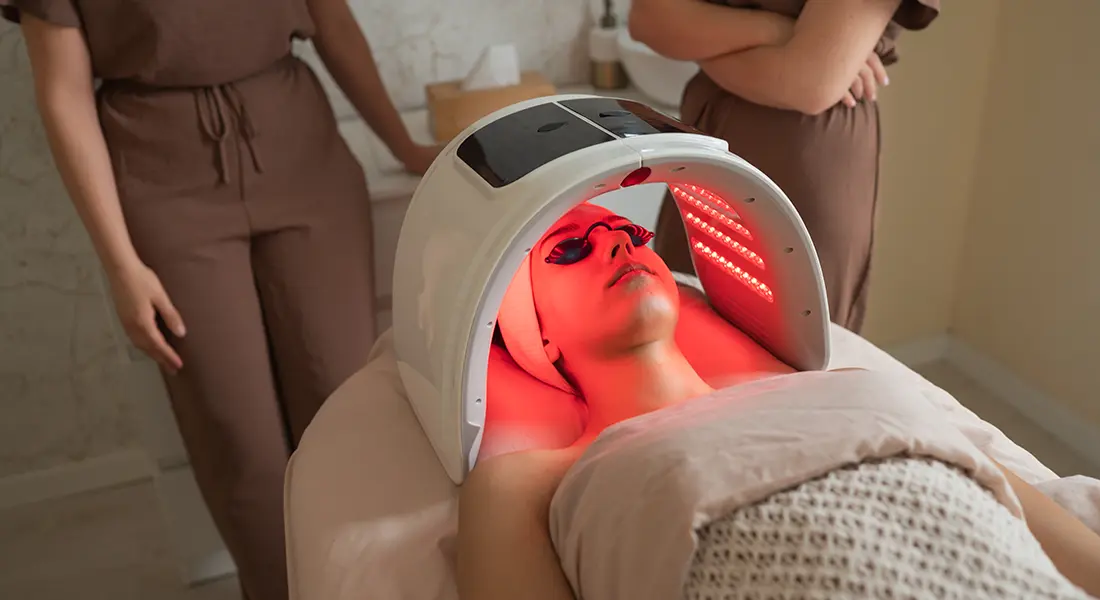
If you’ve had precancerous skin lesions or repeated sun damage, you may have been told that photodynamic therapy could reduce your future skin cancer risk. Many patients are surprised to learn that this treatment isn’t only about addressing visible lesions. It can also play a preventative role for certain high-risk individuals.
Skin cancer rarely appears suddenly. In many cases, it develops gradually from areas of damaged skin that already contain abnormal cells. Treating these areas early can reduce the chance of progression, which is where photodynamic therapy becomes particularly valuable.
In this guide, I’ll explain how photodynamic therapy is used as a preventative strategy, who benefits most from this approach, and how it fits into long-term skin cancer surveillance. The aim is to help you understand whether preventative treatment may be appropriate for you.
Understanding Skin Cancer Risk and Sun Damage
Skin cancer most often develops after many years of cumulative sun exposure rather than from a single event. Ultraviolet (UV) radiation gradually damages skin cells, creating genetic changes that can remain hidden for a long time before any visible cancer appears. These changes commonly affect sun-exposed areas such as the face, scalp, ears, and hands.
Sun damage rarely affects just one small spot. Instead, it often involves wider areas of skin that have been repeatedly exposed to sunlight, increasing overall cancer risk even when the skin looks normal. Precancerous lesions like actinic keratoses are visible signs of this damage, but not all abnormal cells can be seen with the naked eye, meaning underlying risk may still be present.
What Photodynamic Therapy Does Differently
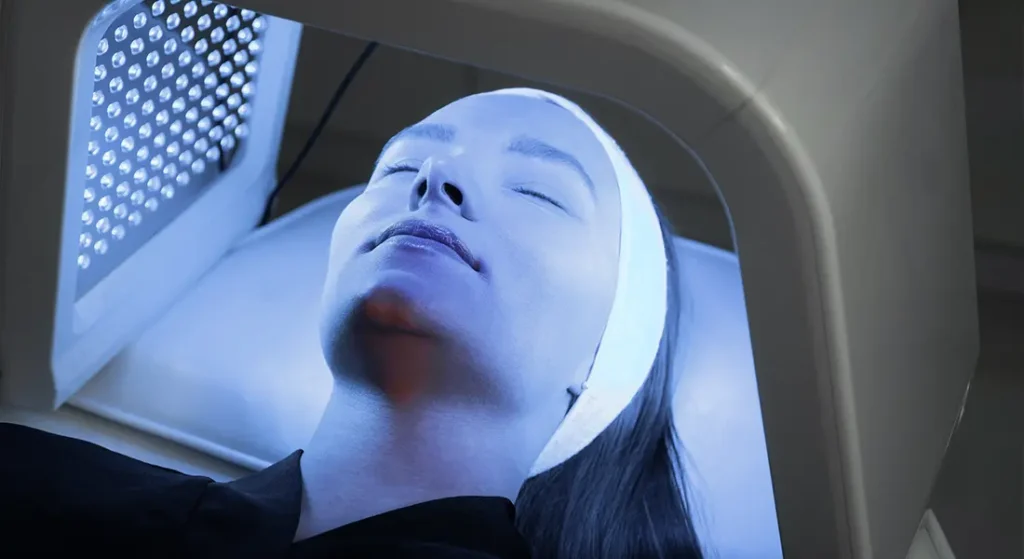
Photodynamic therapy works differently from traditional treatments by targeting abnormal cells across a wider area of skin rather than focusing on individual lesions. A light-sensitive medication is applied to the skin and is absorbed more readily by damaged or abnormal cells. When this medication is activated using a specific light source, it selectively destroys these unhealthy cells while leaving surrounding healthy tissue largely unaffected.
Because this approach treats both visible lesions and early, subclinical changes beneath the skin’s surface, photodynamic therapy helps address damage before it progresses into more serious disease. For this reason, it is often described as a “field treatment” rather than a spot treatment, making it an effective preventative strategy for managing widespread sun damage and reducing future skin cancer risk.
Photodynamic Therapy as a Preventative Strategy
Using photodynamic therapy as a preventative strategy involves treating areas of skin that are considered high risk for developing skin cancer, even when no active cancer is present. The aim is to reduce the number of abnormal or sun-damaged cells that could potentially progress into precancerous or cancerous lesions over time.
It is important to understand that preventative photodynamic therapy does not guarantee that skin cancer will never develop. However, clinical experience and research suggest that, in carefully selected patients, it may help lower future risk and reduce the frequency of new lesions.
Photodynamic therapy is most effective when used as part of a broader prevention and surveillance plan. Regular skin checks, ongoing sun protection, and early treatment of any new lesions remain essential.
Who Is Considered High Risk?
Preventative photodynamic therapy (PDT) is not necessary for everyone, but it can be particularly beneficial for individuals with a higher-than-average risk of developing skin cancer. Risk is assessed by looking at your skin history, level of sun damage, and personal susceptibility rather than a single lesion alone.
You may be considered higher risk if you have:
1. Multiple or recurrent actinic keratoses: Repeated development of actinic keratoses suggests widespread sun damage to the skin. Treating only visible lesions may not address underlying abnormal cells, increasing the chance of recurrence.
2. Extensive sun damage across the face, scalp, or hands: Areas that receive frequent sun exposure often show field damage, where large sections of skin are affected. In these cases, a broader treatment approach can help manage both visible and early, unseen changes.
3. A history of non-melanoma skin cancer: Previous basal cell or squamous cell carcinoma increases the likelihood of future skin cancers. Preventative treatment may help reduce further risk and support long-term skin health.
4. Fair skin that burns easily: Lighter skin types are more vulnerable to UV damage and often develop precancerous changes more readily. Early intervention can help protect sensitive skin from ongoing damage.
5. Long-term sun exposure through work or lifestyle: Outdoor occupations or prolonged sun exposure over many years significantly increase cumulative UV damage. Preventative strategies are particularly valuable when exposure has been unavoidable.
In these situations, treating individual lesions alone may not be sufficient. A preventative approach helps address wider areas of sun-damaged skin, reducing future risk and supporting healthier skin over time.
Patients With Recurrent Actinic Keratoses

Patients with recurrent actinic keratoses are among those who benefit most from preventative photodynamic therapy. Actinic keratoses are a common sign of chronic sun damage and indicate an increased risk of developing skin cancer over time. Their presence often reflects underlying damage affecting larger areas of skin, not just isolated lesions.
When actinic keratoses recur frequently, treating each lesion individually can become repetitive and increasingly burdensome. Spot treatments may address visible lesions but do not target the wider field of sun-damaged skin, allowing new lesions to continue appearing in nearby areas.
Photodynamic therapy offers a broader approach by treating the entire affected area rather than focusing on individual spots. This helps reduce the overall number of abnormal cells within the skin, which may lower the likelihood of new actinic keratoses forming in the treated region.
People With a History of Skin Cancer
If you have previously been diagnosed with skin cancer, your risk of developing another is higher than average, particularly if there is widespread sun damage. Past skin cancer is a strong indicator that the skin has already undergone significant ultraviolet-related changes, making ongoing prevention especially important.
In these situations, photodynamic therapy may be used to help reduce the number of abnormal or sun-damaged cells that could potentially develop into future cancers. While it does not replace the need for regular skin examinations, it can work alongside routine surveillance by targeting areas of high risk and supporting early intervention.
Immunosuppressed Patients and Increased Risk
People with a weakened immune system require particular attention when assessing skin cancer risk. Medical conditions or certain medications can reduce the body’s natural ability to detect and repair DNA damage caused by ultraviolet (UV) exposure. As a result, long-term sun damage may have more serious implications in these individuals.
Key considerations for immunosuppressed patients include:
1. Reduced ability to repair UV-related DNA damage: When the immune system is suppressed, the skin is less effective at correcting abnormal cellular changes. This increases the likelihood that damaged cells will survive rather than being eliminated naturally.
2. Higher risk of abnormal skin cells persisting or progressing: Abnormal or precancerous cells are more likely to remain and develop further in immunosuppressed patients. Without appropriate monitoring, these changes may progress more quickly than in individuals with normal immune function.
3. Photodynamic therapy as part of preventative care in selected cases: Under specialist guidance, photodynamic therapy may be considered to treat areas of sun-damaged skin and reduce future risk. This decision is made carefully, taking into account overall health, skin condition, and healing capacity.
4. The importance of careful assessment and follow-up: Healing responses can vary significantly in immunosuppressed patients, making thorough evaluation essential. Close follow-up ensures treatment is safe, effective, and appropriately tailored to individual needs.
In these cases, a personalised and cautious approach helps balance effective prevention with safe healing, ensuring long-term skin health is prioritised.
Sun-Exposed Areas Most Commonly Treated

Preventative photodynamic therapy is most often directed at areas of the body that receive the greatest amount of sun exposure over a lifetime. These regions are more likely to develop widespread cellular damage due to repeated ultraviolet exposure, even if obvious lesions are not always present.
Rather than showing isolated spots, sun-exposed areas often have diffuse damage affecting large sections of skin. This underlying damage increases the long-term risk of developing precancerous lesions and skin cancers, making broader treatment approaches particularly valuable.
Common areas treated with preventative photodynamic therapy include the face, scalp, ears, forearms, and hands. These sites are frequently exposed to sunlight and are among the most common locations for actinic keratoses and non-melanoma skin cancers to develop.
How PDT Fits Into Long-Term Skin Surveillance
Photodynamic therapy is not intended to replace regular skin checks or ongoing dermatological care. Instead, it complements long-term surveillance by helping to reduce the background level of sun-damaged and abnormal cells that can give rise to new lesions over time.
Regular reviews with a dermatologist remain essential, particularly for individuals at higher risk of skin cancer. While photodynamic therapy may reduce the number of new precancerous lesions that appear between appointments, it does not remove the need for careful monitoring or early detection of suspicious changes.
How Often Is Preventative PDT Performed?
The frequency of preventative photodynamic therapy varies depending on each patient’s individual risk factors and how their skin responds to treatment. Some patients may benefit from periodic sessions every few years, while others particularly those with extensive sun damage or a history of recurrent lesionsqmay require more frequent treatments to maintain optimal protection.
Decisions regarding timing and repetition are usually guided by how quickly new lesions develop and how the skin heals following each session. There is no universal schedule that suits every patient, which is why your dermatologist will provide personalised recommendations tailored to your specific risk profile, skin type, and treatment history.
Benefits Beyond Cancer Risk Reduction
Although the main goal of photodynamic therapy (PDT) is to prevent the development of skin cancer, many patients experience additional, noticeable improvements in the appearance and health of their skin. By targeting damaged cells, PDT can encourage the regeneration of healthier tissue, leading to changes that go beyond medical prevention. These secondary benefits are a welcome bonus and demonstrate the broader positive impact of the treatment.
Additional benefits may include:
1. Improved skin texture: Damaged surface cells are replaced with new, healthier cells during the healing process. This often results in smoother skin that feels more even to the touch.
2. Enhanced skin tone and clarity: Areas of sun-damaged or discoloured skin can become more uniform in appearance. While not the primary aim, these cosmetic changes can boost confidence and satisfaction with the treatment.
3. Safe, complementary effects: Importantly, any aesthetic improvements do not compromise the medical purpose of PDT. Patients can achieve these additional benefits while still effectively reducing their risk of skin cancer.
Overall, photodynamic therapy offers both preventative and restorative advantages, combining essential medical care with subtle, yet often noticeable, enhancements to skin health and appearance.
Limitations and Realistic ExpectationsTop of Form
While photodynamic therapy is effective at reducing the number of abnormal or sun-damaged cells, it does not completely eliminate the risk of developing skin cancer. New lesions can still form, particularly if the skin continues to be exposed to ultraviolet (UV) radiation over time. It is important to understand that PDT is a risk-reduction strategy, not a cure.
Ongoing sun protection remains essential even after treatment. Measures such as applying broad-spectrum sunscreen daily, wearing protective clothing and hats, and avoiding peak sun hours play a critical role in preserving the benefits of therapy and reducing future damage. Without these habits, the protective effects of PDT may be limited.
Is Preventative PDT Right for Everyone?
Preventative photodynamic therapy is not necessary for everyone with sun-damaged skin. Many individuals with minimal or moderate sun exposure may achieve excellent protection through simpler measures, such as diligent sun protection, wearing protectiveclothing, and attending regular skin checks. For these lower-risk patients, such strategies are often sufficient to maintain skin health and reduce long-term cancer risk.
Photodynamic therapy is generally recommended for people with a higher risk profile. This includes those who experience repeated actinic keratoses, have extensive sun damage, or have a history of skin cancer. In these cases, PDT can provide additional protection by targeting abnormal cells that might otherwise progress into precancerous or cancerous lesions.
Recovery and Downtime Considerations
Recovery after preventative photodynamic therapy is generally similar to the experience of treating active lesions. Patients can expect temporary redness, peeling, and increased sensitivity to light as part of the natural healing process. These reactions are normal and typically resolve within a few days to a couple of weeks, depending on the area treated and individual skin response.
Although the downtime is usually short-lived, it is important to plan for it in advance. Scheduling treatment at a convenient time, such as a period when social or professional commitments are lighter, can help minimise disruption. Many patients find that this brief inconvenience is a worthwhile trade-off for the long-term protection and reduction in future risk that PDT offers.
FAQs:
1. What is fast-track cataract surgery and how does it differ from standard procedures?
Fast-track cataract surgery is a streamlined approach designed to reduce unnecessary delays while maintaining the same high standards of safety and surgical precision as traditional cataract surgery. The procedure itself remains unchanged; what differs is the efficiency of the pathway. Patients typically undergo fewer pre-operative appointments, faster assessments, and receive surgery sooner once suitability is confirmed.
2. Can people with other eye conditions safely undergo fast-track cataract surgery?
Yes, many patients with other eye conditions can safely undergo fast-track cataract surgery, but suitability depends on the type and stability of these conditions. Eye disorders such as glaucoma, macular changes, dry eye, or previous eye surgery do not automatically exclude patients from fast-track treatment. The key is careful assessment and planning.
3. How does glaucoma affect the suitability for fast-track cataract surgery?
Glaucoma, particularly when well-controlled and stable, does not automatically prevent patients from accessing fast-track cataract surgery. In fact, in some cases, removing a cataract can even help reduce eye pressure. A thorough pre-operative assessment is essential to evaluate the severity of glaucoma, current pressure levels, and optic nerve health.
4. Are macular conditions a barrier to fast-track cataract surgery?
Macular conditions, which affect central vision, can influence expectations from cataract surgery rather than automatically ruling out fast-track treatment. For patients with mild or stable macular changes, fast-track surgery may still be appropriate. Additional imaging, such as retinal scans, is usually conducted to understand the macula’s condition and to determine whether cataract removal will meaningfully improve vision.
5. Does having dry eye prevent fast-track cataract surgery?
Dry eye is common, particularly in older adults, and it can affect both pre-operative measurements and post-operative comfort. Mild dry eye generally does not prevent fast-track surgery, and many patients can proceed without significant changes to their treatment plan. However, when dryness is more severe, short-term management may be recommended before surgery to stabilise the tear film.
6. How do previous eye surgeries influence the fast-track pathway?
Patients who have had prior eye surgery often require additional assessments to ensure accurate lens calculations and surgical planning. Procedures such as LASIK, PRK, or retinal surgery can alter the shape or internal measurements of the eye, which may necessitate a more personalised approach. Despite these considerations, fast-track cataract surgery can still be feasible with careful planning.
7. Who is the ideal candidate for fast-track cataract surgery?
The ideal candidate is someone whose eye health is stable, well-monitored, and unlikely to interfere with surgical planning or recovery. Patients with controlled glaucoma, early macular changes, or manageable dry eye often qualify for fast-track surgery. Success relies on accurate pre-operative imaging, clear understanding of realistic visual expectations, and the absence of complex surgical adjustments.
8. When is a more tailored approach to cataract surgery necessary?
A slower, personalised approach is recommended when eye conditions are advanced, unstable, or when visual outcomes are difficult to predict. Patients who have undergone previous surgeries that significantly alter eye measurements, or who require specialist input from multiple clinicians, also benefit from customised pathways.
9. Why should speed never override safety in cataract surgery?
Fast-track cataract surgery is about efficiency, not compromising care. Reputable clinics prioritise patient safety and long-term visual outcomes above all else. Extra planning or longer pathways are recommended when necessary to minimise risks, prevent complications, and align expectations realistically.
10. How do clinics decide whether fast-track surgery is appropriate?
Clinics determine the most suitable surgical pathway through a comprehensive assessment of the patient’s eyes and medical history. This includes scans, pressure measurements, and a review of any prior surgeries or existing eye conditions. The evaluation is holistic, considering how different findings interact and influence overall surgical risk and potential visual outcomes.
Final Thoughts: The Role of Preventative Photodynamic Therapy in Skin Health
Preventative photodynamic therapy offers a proactive approach for reducing the risk of skin cancer, particularly for individuals with extensive sun damage, recurrent actinic keratoses, or a history of skin cancer. While it cannot guarantee complete prevention, when combined with regular skin checks, diligent sun protection, and ongoing dermatological care, PDT can play a valuable role in supporting long-term skin health.
Choosing the right clinic is crucial to ensure treatment is applied safely and effectively. If you are thinking about photodynamic therapy in London, book a consultation with our specialist at the London Dermatology Centre to discuss whether this preventative approach is suitable for you.
References:
1. Sotiriou E, Kiritsi D, Chaitidis N, et al. Daylight Photodynamic Therapy for Actinic Keratosis and Field Cancerization: A Narrative Review. https://www.mdpi.com/2072-6694/17/6/1050
2. Optimization of Photodynamic Therapy in Dermatology. https://www.mdpi.com/1422-0067/26/16/8054
3. Review of Photodynamic Therapy in Actinic Keratosis and Basal Cell Carcinoma. https://pmc.ncbi.nlm.nih.gov/articles/PMC2503644/
4. Daylight Photodynamic Therapy for Actinic Keratosis and Field Cancerization: A Narrative Review. https://pmc.ncbi.nlm.nih.gov/articles/PMC11941503/
5. Comparative Efficacy of Photodynamic Therapy versus Other Treatments for Actinic Keratosis. Sci. Direct. https://www.sciencedirect.com/science/article/pii/S1572100025008397