



Regulation exists to protect you as a patient. Even though private clinics may sometimes feel less formal than NHS settings, they are still required to follow strict rules to make sure your care is safe. Private dermatology clinics offer a wide range of services, from routine skin checks to more complex procedures such as laser treatments and mole removals. Without proper oversight, there is a genuine risk of harm, poor-quality care, or unethical practices.
Knowing how regulation works gives you confidence in the clinic you choose. When a clinic is properly regulated, you can be reassured that your safety and wellbeing are being taken seriously. It also helps you understand that these standards are not optional they are in place to protect every patient who walks through the door.
Understanding the regulatory framework also empowers you to ask the right questions. You can check whether the clinic is registered with the Care Quality Commission (CQC), whether the doctors are on the General Medical Council (GMC) register, and if professional guidelines are being followed. These simple checks give you peace of mind before you commit to any treatment.
Being aware of regulation helps you spot potential red flags. If something feels off, such as unclear safety information or unqualified staff, you will know it is worth asking more questions or looking elsewhere. Ultimately, understanding how private dermatology clinics are monitored puts you in control of your care and ensures your skin health is managed safely and responsibly.
Why Regulation Matters in Private Dermatology
Regulation exists to protect you as a patient. Even though private clinics may feel less formal than NHS settings, they are still bound by strict rules designed to keep your care safe. Private dermatology clinics provide a wide range of services, from routine skin checks to complex procedures such as laser treatments and mole removals. Without proper oversight, there is a real risk of harm, substandard care, or unethical practices.
Understanding how regulation works gives you confidence in the clinic you choose. When a clinic is properly regulated, your safety and wellbeing are prioritised, and you can trust that the standards in place are taken seriously. This knowledge also empowers you to ask the right questions and make sure the staff and treatments meet professional requirements before committing to any procedure.
Being aware of the regulatory framework helps you spot potential red flags. You can check whether the clinic is registered with the Care Quality Commission (CQC), whether the doctors are listed on the General Medical Council (GMC) register, and if professional guidelines are followed. Knowing this puts you in control of your care, ensuring your skin health is managed safely, responsibly, and ethically.
The Role of the Care Quality Commission (CQC)
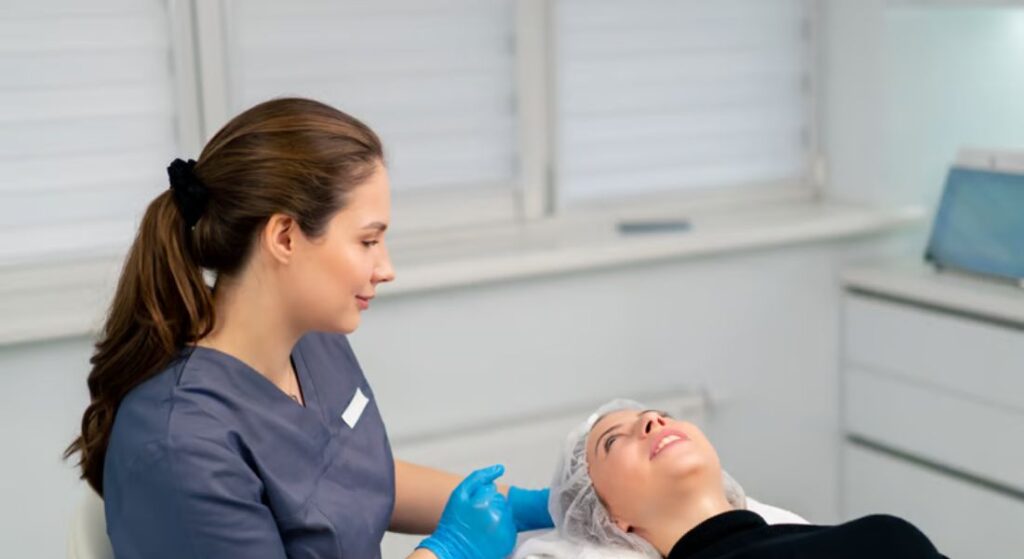
In England, the Care Quality Commission (CQC) is the independent regulator for health and social care services, including private dermatology clinics. Its main role is to ensure that providers meet essential standards of quality, safety, and patient care.
1. Patient Safety: Evaluates whether treatments are performed according to best practices, reducing the risk of harm.
2. Effectiveness: Reviews clinical outcomes to ensure they meet expected standards and deliver the intended results.
3. Caring and Responsiveness: Assesses if patients are treated with dignity, respect, and timely attention.
4. Leadership and Management: Examines staffing, leadership, and organisation to confirm the clinic operates safely and efficiently.
In conclusion, a CQC-registered clinic has undergone thorough inspections and must publish performance reports. Checking a clinic’s CQC rating is a simple way to verify that it is trustworthy and meets high-quality care standards.
General Medical Council (GMC) Oversight
While the Care Quality Commission (CQC) monitors clinics as a whole, the General Medical Council (GMC) focuses on the individual doctors who provide your care. Any dermatologist practising in the UK must be registered with the GMC, which ensures they are qualified to treat patients safely and professionally. This oversight helps you feel confident that the doctor looking after your skin health is competent and trustworthy.
Being registered with the GMC means your dermatologist must follow strict professional standards and ethical guidelines. They are also required to maintain continuing professional development (CPD), keeping their skills and knowledge up to date. This ongoing learning protects you from outdated practices and ensures the care you receive is safe and effective.
The GMC also investigates complaints about doctors’ conduct, including unprofessional behaviour, misdiagnosis, negligence, or issues with records and consent. As a patient, you can check a dermatologist’s registration and review any disciplinary history directly on the GMC website. Knowing your doctor is monitored in this way adds an extra layer of protection and gives you confidence in raising concerns if anything goes wrong.
Professional Standards Bodies
Beyond the CQC and GMC, many dermatologists are members of professional associations that set additional standards for care. Two of the most important organisations are the British Association of Dermatologists (BAD) and the Royal College of Physicians (RCP). Being part of these bodies demonstrates a commitment to maintaining high-quality, ethical practice.
The British Association of Dermatologists (BAD) provides clinical guidelines, patient information, and encourages ongoing professional education. By following BAD guidance, dermatologists ensure their diagnosis and treatments are evidence-based and up to date. This helps you feel confident that your care is grounded in the latest medical knowledge.
The Royal College of Physicians (RCP) offers broader oversight of medical practice and training. Membership or adherence to their standards shows that a dermatologist is committed to maintaining professionalism across all aspects of their practice. Knowing that your doctor follows these guidelines gives you reassurance that your treatment meets recognised professional standards.
Understanding the Difference Between NHS and Private Regulation
A common misconception is that private clinics are “less regulated” than NHS services. In reality, both types of clinics are monitored, but the regulatory frameworks serve slightly different purposes. Knowing how these systems work can help you feel more confident when choosing where to receive care.
NHS clinics are regulated primarily through NHS trust governance, inspections by the Care Quality Commission (CQC), and oversight of doctors by the General Medical Council (GMC). Private clinics, on the other hand, are subject to CQC registration, GMC oversight, and often follow additional professional standards, but they operate independently from NHS bureaucracies. This structure ensures that care is safe and professional, even outside the NHS system.
Because of this independence, private clinics can often offer faster access to appointments and more personalised care. As long as the clinic complies with the relevant regulations, you can receive high-quality treatment without compromising your safety. Understanding these differences allows you to make informed choices and feel secure about your skin health care.
What Patients Should Look For
Understanding regulation is important, but it’s equally crucial to actively check a clinic’s credentials before committing to treatment. These steps help ensure safety, quality, and a positive experience.
1. CQC Registration and Ratings: Confirm the clinic is CQC-registered and review its latest inspection report to verify compliance with safety and quality standards.
2. GMC-Registered Dermatologists: Make sure the dermatologist treating you is registered with the General Medical Council (GMC). Credentials can be verified online for added assurance.
3. Professional Memberships: Membership in organisations such as the British Association of Dermatologists (BAD) indicates ethical standards, ongoing education, and professional accountability.
4. Clear Policies and Consent Procedures: Ethical clinics clearly explain procedures, risks, and alternatives, and obtain informed consent in writing before treatment.
5. Transparent Pricing and Treatment Details: Clinics should provide full disclosure of costs, follow-up care, and potential complications. Hidden fees or vague explanations are warning signs.
6. Patient Feedback and Reviews: Patterns in reviews both positive and negative can provide insight into clinic culture and patient satisfaction, though individual reviews should be considered cautiously.
In conclusion, checking these key factors helps patients make informed choices and ensures that they receive safe, high-quality care. Doing a bit of research upfront can prevent complications and increase confidence in your treatment.
Common Myths About Private Dermatology Regulation

Many patients have misconceptions about how private dermatology clinics are regulated. One common myth is that “private clinics are not regulated.” In fact, private clinics are monitored by the Care Quality Commission (CQC), the General Medical Council (GMC), and relevant professional bodies, which all work to ensure safe and ethical care.
Another myth is that “private care is unsafe because it is not part of the NHS.” This is not true. Regulation ensures that private clinics meet high standards of safety, professionalism, and patient care, giving you confidence in the quality of treatment you receive.
It is also important to understand that a CQC inspection does not guarantee perfection. Inspections demonstrate compliance at a particular point in time, but ongoing vigilance by the clinic, doctors, and you as a patient is still essential. Knowing these facts helps you approach private dermatology with realistic expectations and make informed choices about your care.
How Technology and Procedures Are Monitored
Private dermatology clinics often use advanced technology to provide a wide range of treatments. This can include laser devices for skin resurfacing, cryotherapy for mole and wart removal, and dermatoscopes for skin cancer screening. These tools can be very effective, but it is important that they are used safely and correctly.
Regulation helps ensure that all equipment is properly maintained and operated. The Care Quality Commission (CQC) inspects clinics to check that equipment is safe, well-maintained, and used according to established protocols. This helps reduce the risk of accidents or errors during treatment.
The General Medical Council (GMC) ensures that dermatologists are trained and competent in using these technologies. By combining equipment safety checks with professional training standards, you can feel confident that the treatments you receive are both safe and effective.
Handling Complaints and Raising Concerns
Even in well-regulated private dermatology clinics, issues can sometimes arise. It’s important to know that there are clear routes for raising concerns, so you can feel confident that your voice will be heard.
The first step is usually to raise the issue directly with the clinic. Most clinics have a formal complaints procedure that allows you to explain your concerns and seek a resolution. This ensures that problems are addressed promptly and professionally.
You also have external options if needed. You can report safety or standards concerns to the Care Quality Commission (CQC), or raise issues specifically about a doctor’s professional conduct with the General Medical Council (GMC). Knowing these avenues exist gives you reassurance that your concerns will be taken seriously and handled appropriately.
The Role of Insurance and Liability
Private dermatology clinics in the UK are required to have professional indemnity insurance. This protects both the clinic and the dermatologist treating you in case something goes wrong during your care. Knowing that this insurance is in place gives you peace of mind and reassurance about your safety.
Before undergoing any treatment, it is reasonable to ask the clinic about their indemnity insurance. You can check what it covers and confirm that both the clinic and the doctor are protected. This simple step helps you understand your rights and the safeguards in place for your treatment.
Having professional indemnity insurance is an important part of overall patient safety. It ensures that if an unexpected issue arises, there are measures in place to address it responsibly. By being aware of this, you can make informed decisions and feel confident in the care you receive.
Choosing a Clinic That Prioritises Patient Safety
Patient safety should always come first when selecting a dermatology clinic. Taking a few proactive steps can help ensure that the clinic maintains high standards and operates responsibly.
1. Visit the Clinic in Person: Seeing the clinic firsthand allows you to assess cleanliness, professionalism, and overall environment.
2. Ask About CQC Results and Doctor Credentials: Confirm the clinic’s CQC inspection results and ensure the treating dermatologist is properly registered.
3. Confirm Equipment Maintenance: Check that all devices and machines are regularly serviced and meet safety standards.
4. Review Infection Control and Hygiene Policies: Responsible clinics follow strict hygiene and infection control protocols to minimise risk.
In conclusion, choosing a clinic that prioritises patient safety reduces the risk of complications and provides peace of mind. A little research and observation can go a long way in ensuring a safe and high-quality treatment experience.
Why a Relationship With Your Dermatologist Matters

While regulations are in place to ensure your safety, the relationship you have with your dermatologist is just as important for your overall experience. A trusted dermatologist takes the time to listen to your concerns and understands your individual needs. This helps you feel heard and respected throughout your care.
A good dermatologist will also explain treatment options clearly and make sure you understand the potential benefits and risks. They will involve you in decisions about your care, giving you confidence that your choices are informed. Clear communication can make a big difference in how comfortable and confident you feel during treatment.
Follow-up support after procedures is another key aspect of a positive relationship. If your dermatologist provides guidance and is available to address any questions or concerns, it shows they are committed to your wellbeing. Conversely, if you ever feel rushed or ignored, it may be a sign to reconsider your choice of clinic.
Questions to Ask Before Booking Treatment
Before booking any treatment at a private dermatology clinic, it’s important to ask the right questions. You should check whether the clinic is registered with the Care Quality Commission (CQC) and whether the dermatologist treating you is registered with the General Medical Council (GMC). This ensures that both the clinic and the doctor are properly regulated.
It’s also helpful to ask which professional bodies the dermatologist belongs to, as this can indicate a commitment to ongoing professional development and high standards of care. You should request clear explanations of the risks and benefits of any procedure you are considering. Understanding this information helps you make an informed decision about your treatment.
Other important questions include whether the clinic has professional indemnity insurance and how follow-up care is managed. Asking these questions shows that you are an informed patient and helps you choose a clinic that prioritises both safety and ethical standards. Feeling confident in your care starts with knowing what to ask and what to expect.
Summary of Key Regulatory Bodies
Understanding which organisations regulate clinics and practitioners helps patients make informed choices. These bodies ensure safety, quality, and professional accountability in dermatology and aesthetic treatments.
1. CQC (Care Quality Commission): Inspects clinics for safety, quality, and patient care. Patient Relevance: Check registration status, inspection reports, and ratings before choosing a clinic.
2. GMC (General Medical Council): Licenses and monitors doctors to ensure they meet professional standards. Patient Relevance: Verify that your dermatologist is registered and in good standing.
3. BAD / RCP (British Association of Dermatologists / Royal College of Physicians): Sets professional standards and provides ongoing education for dermatologists. Patient Relevance: Membership indicates adherence to best practice and ethical guidelines.
In conclusion, knowing these key regulatory bodies and their roles empowers patients to choose safe, reliable, and professionally accountable clinics and practitioners.
Looking Ahead: The Future of Private Dermatology Regulation
Regulation in private dermatology is continually evolving to keep pace with new treatments and patient expectations. Clinics are increasingly focusing on patient safety and satisfaction, ensuring that every aspect of care meets high standards. Staying aware of these developments helps you understand what to expect from quality clinics today.
There is also a growing emphasis on transparency, including clear communication about pricing and obtaining informed consent before any procedure. Clinics that prioritise openness make it easier for you to make decisions with confidence and trust in your care.
Digital tools are being used more widely to monitor quality and track outcomes. This technology helps clinics maintain high standards and improve patient experiences over time. Being aware of these trends allows you to choose a clinic that is not only compliant now but also prepared for the future of dermatology care.
Internal Resource
If you want to learn more about private dermatology services, it’s helpful to explore clinics that are highly regulated and committed to patient safety. Knowing where to find reputable providers can give you peace of mind before booking any treatment.
The London Dermatology Centre is one such option, offering access to experienced dermatologists who follow strict professional and regulatory standards. By choosing a clinic with a strong reputation, you can feel confident that your care will be safe, ethical, and effective.
Visiting their website or contacting the clinic directly allows you to learn more about the treatments offered, meet the team, and understand the safety measures in place. Taking these steps helps you make an informed decision and ensures your skin health is managed responsibly.
FAQs
1. Are private dermatology clinics in the UK regulated?
Yes. Private dermatology clinics are regulated by the Care Quality Commission (CQC) for clinic standards and the General Medical Council (GMC) for doctors. Professional bodies like the British Association of Dermatologists (BAD) also set additional standards.
2. What does the CQC do?
The CQC inspects clinics to ensure safety, quality, and effective patient care. Registered clinics must meet these standards, and inspection reports are publicly available.
3. How can I check if a dermatologist is qualified?
All dermatologists must be registered with the GMC. You can verify their registration and view any disciplinary history on the GMC website.
4. Are private clinics regulated the same way as NHS clinics?
Private clinics are regulated differently but are still held to strict safety and professional standards, ensuring high-quality care outside the NHS system.
5. Should dermatologists belong to professional associations?
Yes. Membership in organisations like BAD or the RCP indicates a commitment to ethical practice, ongoing education, and up-to-date clinical standards.
6. How is equipment and procedure safety ensured?
Clinics must maintain approved equipment, and dermatologists must be trained to use it safely. The CQC inspects equipment, and the GMC monitors practitioner competence.
7. What should I check before choosing a clinic?
Check CQC registration, doctor GMC registration, professional memberships, clear treatment explanations, consent procedures, pricing, and hygiene standards.
8. Can I raise concerns or complaints?
Yes. Start with the clinic’s complaints procedure. If unresolved, report issues to the CQC for clinic standards or the GMC for doctor conduct.
9. Do clinics have insurance?
Yes. Professional indemnity insurance protects both the clinic and doctor in case of treatment complications or negligence.
10. Are private clinics safe compared to the NHS?
Yes. Private clinics are strictly regulated and must meet high standards of safety, professionalism, and patient care, offering safe and effective treatment outside the NHS.
Final Thought: Choosing a Safe and Trusted Private Dermatology Clinic
Understanding how private dermatology clinics are regulated in the UK gives you the confidence to make informed decisions about your skin health. By checking CQC registration, verifying that your dermatologist is GMC-registered, and considering professional memberships like BAD or RCP, you can ensure that your care is safe, ethical, and high-quality. Awareness of these standards helps you spot red flags, ask the right questions, and feel secure in your treatment choices.
If you’d like to book a consultation with one of our dermatologists, you can contact us at the London Dermatology Centre, where patient safety, professional standards, and personalised care are always prioritised.
References
- Dunbar, P., Keyes, L. M. and Browne, J. P. (2023) ‘Determinants of regulatory compliance in health and social care services: a systematic review using the Consolidated Framework for Implementation Research’https://pmc.ncbi.nlm.nih.gov/articles/PMC10101495/
- Wang, J. V. and Saedi, N. (2018) ‘Risk Management for Private Practice Dermatology Clinics: A Commentary’, Journal of Clinical and Aesthetic Dermatology, https://pmc.ncbi.nlm.nih.gov/articles/PMC6334837/
- Meacock, R., Bullen, H., Wattal, V. and Sutton, M. (2025) ‘Ownership type and quality in independent versus public hospital sectors in England https://academic.oup.com/intqhc/article/37/1/mzaf019/8052777
- O’Dowd, A. and O’Kelly, D. (2021) ‘Recent research into healthcare professions regulation: a rapid evidence assessment https://pmc.ncbi.nlm.nih.gov/articles/PMC8425088/
- Practical and Ethical Challenges of Medical AI Technologies: Ethical and Regulatory Concerns, https://www.sciencedirect.com/science/article/pii/S2405844024023284