


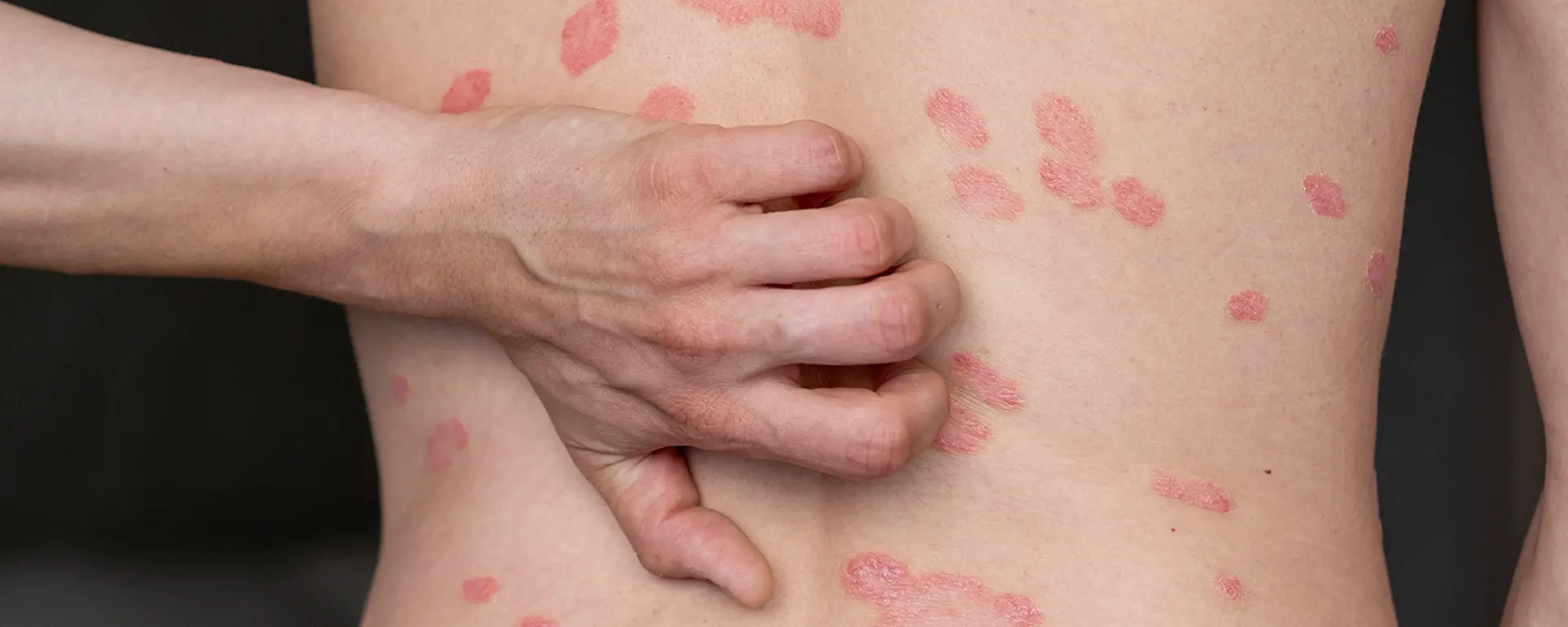
If you’ve lived with psoriasis for any length of time, you probably already know that it’s more than just a skin condition. The redness, scaling, itching, and discomfort you see on the surface come from something much deeper happening inside your immune system. You may have heard that psoriasis is autoimmune, or that your immune system is “overreacting,” but that description doesn’t always explain what is actually going on.
In this guide, I’ll walk you through how your immune system contributes to psoriasis, why inflammation becomes chronic, and how today’s treatments target very specific immune pathways to help you regain control. My aim is to explain everything in a simple, practical way, so you can clearly understand how these treatments work inside your body and why so many patients now achieve long-term stability and clearer skin.
By the end of this article, you’ll have a stronger grasp of the key biological processes behind psoriasis and how immune-modulating treatments offer real, long-lasting relief. And if you’re considering professional help, you’ll also benefit from understanding why many people choose to visit a specialist service such as a psoriasis clinic in London, where personalised treatment plans are designed around the latest immunology research.
Psoriasis Starts in the Immune System, Not the Skin
It’s easy to think psoriasis begins in the skin because that’s where you see the symptoms. But the root cause lies in your immune system. Your skin cells aren’t behaving abnormally on their own; they’re receiving powerful inflammatory signals that tell them to grow too quickly and rise to the surface before they’re fully mature.
When your immune system is working correctly, it protects you from infection and helps repair injuries. When you have psoriasis, certain immune cells misfire and start attacking healthy skin cells as if they were dangerous. This sets off a chain reaction of inflammation that never switches off.
Understanding that psoriasis is an immune condition helps everything else fall into place. It explains why creams alone aren’t enough for moderate to severe psoriasis, why flare-ups happen even when your skin appears to be doing well, and why immune-targeting treatments can be so effective.
The Key Immune Players Behind Psoriasis
Your immune system is incredibly complex, but only a few key parts drive psoriasis. When these components become overactive, they create a cycle of inflammation that your body struggles to break on its own.
T cells: Act as the security guards of your immune system, patrolling the body for threats. In psoriasis, they mistakenly attack healthy skin cells, triggering inflammation.
Cytokines: Chemical messengers released by T cells that amplify inflammation. They instruct the immune system to stay active and drive rapid skin cell growth.
TNF pathway: One of the overactive pathways in psoriasis. It promotes inflammation and contributes to thick, scaly skin patches.
IL-17 pathway: Another key pathway that accelerates skin cell multiplication. It directly causes redness, scaling, and plaque formation.
IL-23 pathway: Activates other inflammatory cells, including Th17 cells, which release IL-17. This pathway acts as a central trigger for chronic psoriasis.
Rapid skin cell turnover: Skin cells renew every few days instead of weeks. This accelerated cycle causes the thick, scaly patches seen in psoriasis.
Why Inflammation Becomes Chronic in Psoriasis
Many inflammatory conditions in the body eventually settle down when the initial trigger disappears. Psoriasis is different. Once the immune system becomes dysregulated, it tends to stay switched on. This makes psoriasis a chronic condition, meaning it doesn’t simply go away on its own.
Your immune system contains feedback loops designed to keep inflammation in check. In psoriasis, those loops don’t function properly. The T cells stay active, the cytokines remain elevated, and the skin cells continue responding as though a threat is present.
Because this process is self-sustaining, psoriasis can flare without any obvious trigger. Stress, injury, infection, or cold weather can worsen symptoms, but the underlying inflammation is already there. This is why immune-targeting treatments play such an important role in long-term management.
Why Traditional Creams Often Aren’t Enough

You may have tried topical creams such as steroids or vitamin D treatments. These creams can be very helpful, especially for small patches of psoriasis, but they don’t address the immune-driven inflammation happening beneath the skin.
Topicals work on the outermost layer of your skin. Immune signals, however, come from deeper layers and from within your bloodstream. This mismatch explains why creams provide short-term relief but rarely achieve long-lasting control for more widespread psoriasis.
When the immune system keeps sending the signal to produce new skin cells, topicals can only do so much. They calm the redness and reduce scaling temporarily, but they don’t stop the skin from receiving incorrect instructions. That’s why systemic treatments those affecting the whole body can make such a dramatic difference.
Immune-Targeting Treatments: How They Work
Psoriasis symptoms are driven by overactive immune signals rather than the skin itself. Immune-targeting treatments focus on these signals, blocking specific pathways that cause inflammation and abnormal skin cell growth. This targeted approach helps restore normal skin function and provides long-term control.
Targeted intervention: These treatments interrupt the inflammation cycle at specific points rather than shutting down the entire immune system.
Precision therapy: By focusing only on the pathways responsible for psoriasis, modern treatments are safer and more effective than older systemic medications.
Normalising skin: Blocking the inflammatory signals allows skin cells to grow at a normal rate, reducing redness, scaling, and thickening.
Types of treatments: Options include biologics, oral immunomodulators, light therapy that modulates immune activity, and targeted tablets affecting specific molecular pathways.
Biologics: The Most Advanced Psoriasis Treatments Available Today
Biologics are the most targeted treatments ever developed for psoriasis. Unlike older oral medications that affect many parts of the immune system at once, biologics work like precision tools. Each one blocks a specific immune pathway known to be responsible for psoriasis.
The most commonly targeted pathways include TNF, IL-17, and IL-23. These cytokines are like the key messengers that tell your skin to produce new cells too quickly. When a biologic blocks one of these pathways, the message is reduced or switched off entirely.
Your skin cells stop receiving the inflammatory signal, so they slow down and begin functioning normally again. This is why many people experience significant clearing of their symptoms within weeks or months.
Biologics have transformed psoriasis care. They offer long-lasting control and are often suitable for people whose psoriasis has been resistant to other treatments. Many patients find that biologics give them the clearest skin they have ever had.
Why Targeting IL-23 Has Become a Breakthrough in Psoriasis Care
IL-23 is one of the most influential cytokines in psoriasis. It activates another group of cells known as Th17 cells. These Th17 cells release IL-17, which directly causes inflammation and rapid skin cell growth.
By targeting IL-23, you effectively calm the entire inflammatory cascade. Treatments that block IL-23 are known for producing deep, long-lasting remission. Many people only need injections a few times a year to maintain control.
This approach is considered one of the most promising because IL-23 appears to be the spark that ignites the immune miscommunication in psoriasis. When you control IL-23, you can often control the rest of the immune activity much more easily.
How IL-17 Treatments Reduce Symptoms Quickly
IL-17 is another major cytokine involved in psoriasis. Unlike IL-23 inhibitors, which act earlier in the inflammatory chain, IL-17 inhibitors act directly on the inflammation happening near the skin. This makes them fast-acting.
People often see significant improvement within a few weeks. IL-17 treatments reduce redness, scaling, and thickness by calming inflammation at the site where skin overgrowth occurs.
These treatments are especially helpful for people with thick plaques or psoriasis that has not responded well to previous therapies.
TNF Inhibitors: The First Wave of Targeted Psoriasis Treatments
TNF inhibitors were the first biologics approved for psoriasis. They block tumour necrosis factor (TNF), a cytokine involved in many inflammatory conditions. While they are slightly broader in effect than IL-17 or IL-23 inhibitors, they are still highly effective.
They remain a good option for people with both psoriasis and psoriatic arthritis, as TNF inhibitors treat both conditions simultaneously.
Although newer treatments are more targeted, TNF inhibitors continue to be widely used and have a long safety record.
How These Treatments Actually Change the Skin
Before you see visible improvements, immune-targeting treatments first act beneath the surface. By calming overactive immune pathways, they reduce inflammation at its source, allowing your skin to gradually return to a normal growth and repair cycle. This internal reset is what leads to clearer, healthier skin over time.
- Immune-targeting treatments calm overactive immune activity, leading to both visible and microscopic improvements in the skin.
- Thick, scaly patches begin to thin, redness fades, and itching reduces, improving overall comfort.
- Skin cells return to a normal growth and shedding cycle, restoring healthy skin function.
- Inflammation within the skin decreases as the immune pathways stop sending excessive signals.
- By resetting the immune instructions that triggered flare-ups, these treatments provide long-lasting benefits beyond temporary symptom relief.
Why Many Patients Experience Long-Lasting Control
One of the most reassuring aspects of modern immune-targeting treatments is how long the improvements last. Because these treatments work upstream in the immune system, they can break the cycle that causes repeat flare-ups.
People often maintain clearer skin for months or even years with regular treatment. For some, the control is so strong that they forget what their psoriasis looked like before treatment began.
This long-term stability helps reduce the emotional, physical, and social burden of psoriasis. Daily routines become easier, confidence improves, and the unpredictability of flare-ups becomes far less overwhelming.
Do Immune-Targeting Treatments “Weaken” the Immune System?
This is one of the most common questions I hear from people exploring biologics. The idea of suppressing immune function can feel worrying, especially if you’re concerned about infections.
It’s important to understand that these treatments do not switch off your entire immune system. Instead, they target only the specific pathways involved in psoriasis. Think of it like muting the volume on one channel while leaving the rest of the system working normally.
You still have strong immune protection against most infections. Biologics are considered safe for long-term use and are monitored carefully to ensure your safety.
Your specialist will also carry out regular check-ups and blood tests to confirm that everything remains stable.
Why Stress Makes Psoriasis Worse: The Immune Link
Psoriasis is an immune-mediated skin condition, and stress can significantly influence how severe flare-ups become. When you’re stressed, your body releases hormones like cortisol to help cope with immediate challenges. While short-term cortisol can be beneficial, chronic stress disrupts your immune balance and keeps inflammation elevated.
Stress affects psoriasis in several ways:
- Increases inflammation – Chronic stress triggers immune responses that worsen skin inflammation, making plaques more noticeable.
- Reduces the skin’s ability to repair itself – Stress slows down healing, so existing lesions take longer to improve.
- Amplifies immune misfires – The immune system may overreact, intensifying the underlying processes that cause psoriasis.
- Triggers flare-ups during stressful periods – Many people notice that psoriasis worsens during times of emotional or physical stress.
Managing stress is not a cure, but it plays a meaningful role in preventing flare cycles and supporting treatment effectiveness. Techniques that may help include:
- Mindfulness and meditation
- Regular exercise
- Adequate sleep
- Relaxation practices such as yoga or deep-breathing exercises
Implementing these strategies can reduce stress-related triggers and help improve your skin’s resilience.
How Infection Triggers Flare-Ups
Infections can activate your immune system, which then sends inflammatory messages throughout your body. If you have psoriasis, this activation can reawaken the pathways that cause symptoms.
Strep throat is one of the most well-known triggers. Many people experience guttate psoriasis, a sudden outbreak of small red spots, after a strep infection. Viral infections can also play a role.
Understanding this link helps you monitor your symptoms more closely and seek treatment sooner when needed.
Why Injury or Friction Can Cause New Psoriasis Patches (Koebner Phenomenon)
The Koebner phenomenon is a process where new psoriasis plaques appear at the site of an injury or repeated friction. This happens because the immune system becomes active when your skin is damaged.
Any form of trauma scratches, burns, pressure, rubbing, or even tight clothing can activate immune cells in the area. For someone with psoriasis, this immune activation triggers the same inflammatory pathways responsible for flare-ups.
Preventing irritation or injury to the skin is an important part of managing your condition, especially during active flare periods.
How Immune-Targeting Treatments Fit Into a Long-Term Management Plan
Effective psoriasis care usually involves more than one type of treatment. Topicals manage surface symptoms, lifestyle habits reduce inflammation triggers, and immune-targeting treatments address the root of the disease.
Working with a dermatologist helps you build a long-term plan that reflects your level of psoriasis, your overall health, and your priorities. Modern treatments allow many people to regain control of their symptoms, reduce unpredictability, and lead normal, comfortable lives without constant flare-ups. The aim isn’t just clearer skin but a calmer immune system.
FAQs:
1. How do immune-targeting treatments for psoriasis actually work?
Immune-targeting treatments focus on the underlying cause of psoriasis rather than just addressing the visible skin symptoms. Psoriasis arises when certain immune cells, primarily T cells, misinterpret healthy skin as a threat, triggering chronic inflammation. Modern therapies, including biologics and oral immunomodulators, block specific pathways that drive this immune miscommunication. By inhibiting key cytokines such as TNF, IL-17, or IL-23, these treatments prevent inflammatory signals from reaching the skin. This reduces the rapid overproduction of skin cells and gradually restores a normal skin renewal cycle, leading to clearer, calmer skin.
2. Why can’t topical creams alone control moderate to severe psoriasis?
Topical creams primarily act on the surface of the skin and are effective for small, localized plaques. However, they don’t address the deeper immune activity driving psoriasis. The inflammatory signals that tell skin cells to grow excessively originate from immune cells in the bloodstream and deeper layers of skin, beyond the reach of creams. As a result, while steroids, vitamin D analogues, or moisturising treatments can temporarily relieve redness and scaling, they cannot provide long-term disease control when the immune system remains overactive. For moderate to severe cases, systemic or targeted immune therapies are required to interrupt the disease cycle effectively.
3. Are biologics safe for long-term use in psoriasis treatment?
Biologics are considered very safe for long-term management because they selectively target specific pathways involved in psoriasis rather than suppressing the entire immune system. These drugs focus on blocking cytokines such as TNF, IL-17, or IL-23, which drive skin inflammation, leaving other immune functions largely intact. Regular monitoring through blood tests and routine check-ups ensures patient safety and helps detect any potential infections or complications early. Clinical studies and real-world experience show that most patients tolerate biologics well over many years, maintaining long-term control of their psoriasis without significant systemic risks.
4. How quickly do immune-targeting treatments start working?
The speed of improvement depends on the pathway being targeted. IL-17 inhibitors are often the fastest-acting, reducing inflammation and plaque thickness within a few weeks. IL-23 inhibitors work slightly more gradually because they act upstream in the immune cascade, but they tend to produce longer-lasting remissions. TNF inhibitors may take a bit longer to show results compared to these newer agents, yet they remain effective, particularly for patients with both psoriasis and psoriatic arthritis. Generally, most patients notice visible improvement in their skin within one to three months, with continued enhancement as therapy progresses.
5. Can these treatments increase my risk of infections?
Targeted therapies do modulate the immune system, but they do not shut it down entirely. Because biologics focus on specific inflammatory pathways associated with psoriasis, the body’s general immune defenses remain functional. There is a slightly increased risk of certain infections, such as upper respiratory tract infections or reactivation of latent tuberculosis in rare cases. Dermatologists typically screen patients for risk factors before starting treatment and provide guidance on vaccinations and monitoring. With proper supervision, the benefits of immune-targeting treatments in controlling psoriasis usually outweigh the minimal risk of infection.
6. How do stress and lifestyle factors influence psoriasis?
Stress has a direct impact on immune function, which can worsen psoriasis symptoms. Chronic stress triggers hormone changes, including elevated cortisol, that amplify inflammatory responses. Similarly, lifestyle factors such as smoking, poor diet, or insufficient sleep can increase immune activation, making flare-ups more likely. While immune-targeting treatments address the root cause of psoriasis, managing stress and adopting healthy habits can complement therapy, reducing the frequency and severity of flare-ups and enhancing the overall effectiveness of treatment.
7. Why do infections sometimes trigger psoriasis flare-ups?
Infections can activate immune pathways that overlap with those involved in psoriasis. For example, bacterial infections like strep throat can precipitate guttate psoriasis, a sudden outbreak of small red spots, particularly in genetically predisposed individuals. Viral infections can also act as triggers by stimulating immune cells that then release cytokines promoting skin inflammation. Recognising this connection allows patients to monitor their skin closely after infections and seek timely treatment, which can help prevent larger or prolonged flares.
8. What is the Koebner phenomenon and why does it matter?
The Koebner phenomenon describes the appearance of new psoriasis plaques at sites of skin injury or repeated friction. When skin is damaged, immune cells respond to the injury, and in someone with psoriasis, this can trigger the same inflammatory pathways that cause plaques elsewhere. This phenomenon highlights the importance of protecting the skin from cuts, burns, excessive rubbing, or even tight clothing, especially during periods of active disease. Understanding Koebnerisation can help patients take preventive measures and manage flare-ups more effectively.
9. Can psoriasis ever be fully “cured” with immune-targeting treatments?
Current treatments are highly effective at controlling symptoms and inducing long-term remission, but psoriasis is considered a chronic immune-mediated condition. Immune-targeting therapies do not permanently “cure” the disease but rather reset immune signals to reduce inflammation and slow skin cell turnover. Many patients achieve months or years of symptom-free skin while on therapy, and some experience mild recurrences if treatment is paused or discontinued. The goal is long-term disease management with the least disruption to daily life rather than an absolute cure.
10. Why is a personalised approach important in psoriasis treatment?
Psoriasis varies widely among patients in severity, affected areas, comorbidities, and lifestyle factors. A personalised approach ensures that treatment aligns with individual needs, maximising effectiveness while minimising side effects. Specialists assess factors such as disease severity, immune profile, history of flare triggers, and overall health before recommending a specific therapy. This approach may combine topicals, lifestyle adjustments, and targeted immune-modulating treatments to achieve sustained control. Personalised plans improve adherence, patient satisfaction, and long-term outcomes, giving people greater confidence in managing their psoriasis.
Final Thought: Psoriasis Treatment and Immunity
Understanding how your immune system drives psoriasis clarifies why targeted treatments are so effective. By focusing on specific pathways such as IL-17, IL-23, and TNF, these therapies reduce inflammation at the source, restore normal skin cell growth, and help maintain long-term control. Combining systemic treatments with lifestyle management and topical care provides the best chance for sustained relief. If you’re considering psoriasis clinic in London, contact us at London Dermatology Centre to book a consultation with one of our specialists.
References:
1. Boutet, M.A. et al. (2018) ‘Role of the IL‑23/IL‑17 Axis in Psoriasis and Psoriatic Arthritis’, International Journal of Molecular Sciences, 19(2), 530. https://www.mdpi.com/1422-0067/19/2/530
2. Man, A.M. et al. (2023) ‘Inflammation and Psoriasis: A Comprehensive Review’, International Journal of Molecular Sciences, 24(22), 16095. https://www.mdpi.com/1422-0067/24/22/16095
3. Menter, A. et al. (2021) ‘Interleukin‑17 and Interleukin‑23: a narrative review of mechanisms of action in psoriasis and related comorbidities’, Dermatology and Therapy, 11, pp. 385–400. https://pmc.ncbi.nlm.nih.gov/articles/PMC8019008/
4. Campanati, A. et al. (2021) ‘Psoriasis as an Immune‑Mediated and Inflammatory Systemic Disease: From Pathophysiology to Personalized Medicine’, Dermatology and Therapy, open‑access review. https://pmc.ncbi.nlm.nih.gov/articles/PMC8615182/
5. Cui, L. et al. (2018) ‘Efficacy and safety of biologics targeting IL-17 and IL-23 in the treatment of moderate-to-severe plaque psoriasis: A systematic review and meta-analysis’, International Immunopharmacology, 62, pp. https://www.sciencedirect.com/science/article/abs/pii/S1567576918302716