


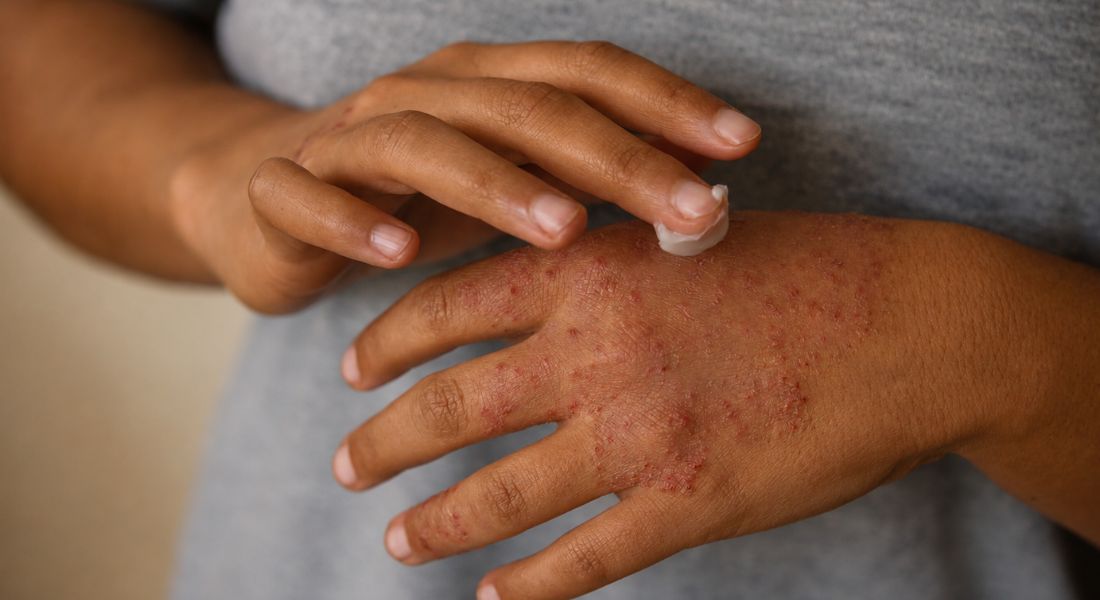
Psoriasis is a chronic inflammatory skin condition that can affect people of all ethnic backgrounds, including those with Indian skin. Although the underlying disease process is similar across populations, the way psoriasis appears on your skin can vary depending on your skin tone. These differences may influence how quickly you recognise symptoms and when you seek treatment. Understanding how psoriasis presents in Indian skin can help you make more informed decisions about your care.
In Indian skin, psoriasis may not always appear as the bright red plaques commonly shown in medical textbooks. Instead, you may notice darker, purplish, or violaceous patches that can sometimes be more difficult to identify. Even after a flare-up improves, your skin may develop areas of darker or lighter pigmentation that persist for months. These pigmentation changes can be frustrating for you, even when the active inflammation is under control.
Researchers and dermatologists increasingly recognise the importance of understanding how skin conditions affect different skin types. This growing awareness is helping improve the way psoriasis is diagnosed and managed in patients with Indian skin. Effective treatment involves more than controlling inflammation, as your long-term care may also need to address pigmentation concerns and support overall skin health. By working closely with your dermatologist, you can develop a management plan that helps reduce flare-ups and maintain healthier skin over time.
Understanding Psoriasis
Psoriasis is an immune-mediated skin condition that causes skin cells to multiply more quickly than normal. This rapid cell turnover leads to the formation of thickened, scaly patches known as plaques. If you have psoriasis, you may notice areas of skin that become dry, raised, and sometimes uncomfortable. The condition can affect different parts of your body and may appear differently depending on your skin tone.
Psoriasis can develop at any age and varies considerably from one person to another. Some people experience only a few small patches, while others develop more extensive areas of affected skin. The severity of your symptoms may change over time and can be influenced by a range of factors. Understanding how psoriasis affects you personally is an important part of managing the condition.
Psoriasis is a long-term condition that often follows a pattern of flare-ups and periods of improvement. During a flare-up, you may notice increased redness, scaling, or irritation in affected areas. At other times, your symptoms may become much less noticeable or improve significantly. Although psoriasis cannot currently be cured, appropriate treatment can help you manage symptoms and maintain healthier skin.
How Psoriasis Appears in Indian Skin
The appearance of psoriasis can vary depending on your skin tone. In Indian skin, psoriasis plaques may appear dark red, brownish, purple, or grey rather than the bright red colour often seen in lighter skin. Because of these differences, you may find that psoriasis does not always match the images commonly shown in medical resources. This variation can sometimes make the condition more difficult to recognise.
In the early stages, psoriasis may appear subtle and may be mistaken for other skin conditions. You might notice patches of discoloured, scaly skin before the condition becomes more obvious. As a result, some people experience delays in diagnosis and treatment. Early assessment can help you obtain a clearer understanding of what is affecting your skin.
Recognising these variations is important for both patients and healthcare professionals. A better understanding of how psoriasis appears in Indian skin can support earlier diagnosis and more appropriate treatment decisions. If you notice persistent scaly or discoloured patches on your skin, it is worth seeking professional advice. The sooner you receive an accurate diagnosis, the sooner you can begin managing your symptoms effectively.
Common Areas Affected
If you have psoriasis, you may notice that the condition tends to appear in certain parts of your body more often than others. Although psoriasis can develop almost anywhere on the skin, some areas are particularly prone to flare-ups. The location of your symptoms can affect not only how comfortable you feel but also which treatment options may be most appropriate for you. Understanding these common sites can help you recognise symptoms and manage them more effectively.
- Scalp Psoriasis Is Common: You may notice psoriasis developing on your scalp, where it can cause redness, scaling, and itching. In some cases, the flakes may resemble dandruff but can be more persistent and noticeable.
- Elbows and Knees Are Frequently Affected: If you have psoriasis, you may find that patches often develop on your elbows and knees. These areas are commonly affected because they experience regular movement and friction.
- Lower Back and Nails Can Be Involved: You may also develop psoriasis on your lower back, where plaques can become uncomfortable or irritated. Changes to your nails, such as pitting, thickening, or discolouration, can also occur.
- Skin Folds, Palms, and Soles May Be Affected: In some cases, you may experience psoriasis in skin folds, such as under the arms or around the groin. You may also develop symptoms on your palms or soles, which can sometimes interfere with everyday activities.
The areas affected by psoriasis can vary from person to person, and you may experience symptoms in more than one location at the same time. Because different parts of the body can respond differently to treatment, your management plan may be tailored to the specific areas involved. Understanding where your psoriasis occurs can help you monitor changes and seek appropriate care. With the right treatment approach, you can improve both symptom control and daily comfort.
Why Pigmentation Changes Occur
One of the most significant concerns for many people with Indian skin is pigmentation change following psoriasis flare-ups. The inflammation caused by psoriasis can affect how your skin produces pigment, leading to visible colour changes. As a result, you may notice areas that look different from the surrounding skin.
These changes may appear as darker patches or, less commonly, lighter areas of skin. Because Indian skin contains more melanin, your skin can be more prone to noticeable post-inflammatory pigmentation changes. This can sometimes make the affected areas remain visible even after your psoriasis improves.
Pigmentation often persists after active psoriasis has settled. Although your skin usually regains a more even tone over time, the process can take several months. Understanding these changes can help you manage your expectations and support your long-term skin care plan.
Post-Inflammatory Hyperpigmentation
Post-inflammatory hyperpigmentation is particularly common in people with Indian skin. It occurs when inflammation from psoriasis triggers excess melanin production, causing your skin to become darker in affected areas. You may notice these changes after a psoriasis flare-up has settled.
The affected areas often appear as brown or dark patches that remain visible even when your psoriasis is no longer active. Although these marks are harmless, they can be frustrating and may affect your confidence. In some cases, you may feel that the pigmentation is more noticeable than the original flare-up.
The good news is that post-inflammatory hyperpigmentation usually fades gradually over time. However, your skin may take several months to return to a more even tone. Proper psoriasis management can help reduce inflammation and support your skin’s recovery process.
Post-Inflammatory Hypopigmentation
Some people may develop lighter patches on their skin after psoriasis inflammation settles. This is known as post-inflammatory hypopigmentation and occurs when pigment production is temporarily reduced. If you have Indian skin, these lighter areas may be more noticeable against the surrounding skin.
Although the colour change can be concerning, the affected areas are usually temporary. As your skin recovers, normal pigment production often gradually returns. However, you may find that the process takes several months.
Careful management of psoriasis inflammation may help reduce the risk of noticeable pigment changes. By following your treatment plan and monitoring flare-ups, you can support your skin’s recovery. Your dermatologist can also advise you on the best approach for your individual skin type.
Importance of Early Diagnosis

Early diagnosis allows treatment to begin before psoriasis becomes more severe. If you receive appropriate care at an earlier stage, you may be able to manage symptoms more effectively and reduce the impact on your skin. Prompt treatment may also help minimise long-term pigmentation changes.
Because psoriasis can sometimes resemble other skin conditions, diagnosis is not always straightforward. You may benefit from a specialist assessment if your symptoms are persistent or unclear. A dermatologist can help determine exactly what is affecting your skin.
An accurate diagnosis forms the foundation of effective psoriasis management. Once you understand your condition, you and your dermatologist can develop a treatment plan that suits your needs. This can help you achieve better symptom control and support your long-term skin health.
Understanding Psoriasis Triggers
If you have psoriasis, you may notice that your symptoms sometimes worsen without warning. In many cases, flare-ups are linked to specific triggers that can increase inflammation and make psoriasis more active. While triggers vary from person to person, recognising the factors that affect your skin can help you manage the condition more effectively. By understanding your own patterns, you may be able to reduce the frequency and severity of flare-ups over time.
- Stress Can Trigger Flare-Ups: If you are going through a stressful period, you may notice your psoriasis becoming more active. Stress is one of the most commonly reported triggers and can affect both the severity and frequency of symptoms.
- Infections May Worsen Symptoms: Certain infections can trigger psoriasis flare-ups or make existing symptoms worse. You may find that your skin changes following an illness, particularly if it affects your immune system.
- Skin Injuries Can Lead to New Patches: If you experience cuts, scratches, sunburn, or other skin injuries, you may develop psoriasis in those areas. This reaction is known as the Koebner phenomenon and can occur even after minor trauma.
- Certain Medications May Affect Your Psoriasis: Some medicines can trigger or worsen psoriasis in susceptible individuals. If you notice changes in your symptoms after starting a new medication, you should discuss this with your healthcare professional.
Understanding your personal psoriasis triggers can help you take a more proactive approach to managing your condition. If you keep track of your symptoms and potential triggers, you may begin to identify patterns that are unique to you. This knowledge can help you make informed lifestyle and treatment decisions. Over time, effective trigger management may help you achieve better long-term control of your psoriasis.
The Role of Stress
Stress is widely recognised as a significant trigger for psoriasis flare-ups. Emotional stress can influence immune system activity and may cause your symptoms to become more noticeable or difficult to control. If you have psoriasis, periods of increased stress may sometimes coincide with worsening skin changes.
Managing stress may help reduce flare severity for some people. You may find that relaxation techniques, regular exercise, and healthy sleep habits support both your wellbeing and your skin health. Small lifestyle changes can sometimes make a meaningful difference over time.
Mental wellbeing plays an important role in the overall management of psoriasis. By paying attention to your emotional health, you may be able to improve how you cope with the condition and its challenges. A balanced approach can help you support both your skin and your overall quality of life.
Topical Treatments
Topical medications are often the first treatment used for mild to moderate psoriasis. These may include corticosteroids, vitamin D analogues, and moisturisers that are applied directly to your skin. If you have localised psoriasis, topical treatments may help control symptoms effectively.
The aim of treatment is to reduce inflammation, scaling, and discomfort while improving the appearance of your skin. To achieve the best results, you will usually need to use your prescribed treatments consistently. Your response to treatment may also vary depending on the severity of your psoriasis.
A dermatologist can recommend products that are appropriate for your skin type and individual needs. By following your treatment plan carefully, you can help manage flare-ups and support healthier skin. Regular review appointments may also help ensure your treatment remains effective over time.
Moisturising and Skin Barrier Support
Keeping your skin well moisturised is an essential part of psoriasis management. Dry skin can worsen itching, scaling, and overall discomfort, making symptoms more noticeable. Regular moisturising helps your skin feel more comfortable and better protected.
Moisturisers support the skin barrier by helping your skin retain moisture and reduce dryness. They may also improve the effectiveness of your prescribed psoriasis treatments when used as part of your routine. Consistent skin care can play an important role in managing symptoms.
Simple daily habits can make a meaningful difference to your skin health. By choosing suitable moisturisers and using them regularly, you can help support your skin barrier and reduce irritation. Your dermatologist can recommend products that are appropriate for your individual needs.
Phototherapy Considerations
Phototherapy uses carefully controlled ultraviolet light to treat psoriasis and can be an effective option for more widespread disease. If your psoriasis affects larger areas of skin, your dermatologist may recommend this treatment as part of your management plan. Many patients experience significant improvement with appropriately supervised phototherapy.
In Indian skin, treatment plans often require careful monitoring to minimise unwanted pigmentation changes. Your dermatologist will consider your skin type, treatment response, and individual risk factors when developing a phototherapy protocol. This personalised approach helps balance effectiveness and safety.
Regular follow-up appointments are an important part of treatment. These reviews allow your dermatologist to assess how your skin is responding and make adjustments if needed. By attending scheduled appointments, you can help ensure your treatment remains both safe and effective.
Systemic Treatments
If you have moderate to severe psoriasis, topical treatments alone may not always provide sufficient control of your symptoms. In these situations, your specialist may discuss systemic treatments, which work throughout your body rather than targeting only the skin. These medications are designed to address the underlying immune processes that drive psoriasis. Advances in systemic therapy have greatly expanded the treatment options available to you in recent years.
- Systemic Treatments Work Throughout Your Body: Unlike creams and ointments, systemic medications target psoriasis from within. This approach may help you manage more extensive or difficult-to-control symptoms.
- They Target the Immune System: Psoriasis is linked to immune system activity, and systemic treatments are designed to affect specific immune pathways. By reducing inflammation, these medications can help improve your skin symptoms.
- You May Experience Significant Improvement: Many people achieve substantial reductions in redness, scaling, and discomfort with systemic therapy. If a treatment is effective for you, it may lead to noticeable improvements in both skin appearance and quality of life.
- Treatment Is Tailored to Your Individual Needs: The most suitable option for you will depend on factors such as your medical history, symptom severity, and overall health. Your specialist will carefully assess these factors before recommending a treatment plan.
Systemic treatments have transformed psoriasis care and provided new possibilities for people with more severe disease. If your symptoms are affecting your daily life, you may benefit from discussing these options with your healthcare professional. The right treatment can help you achieve better symptom control and improved wellbeing. With ongoing advances in therapy, you may have access to more effective and personalised treatment choices than ever before.
Biologic Therapies
Biologic medications have transformed the management of severe psoriasis in recent years. These targeted treatments work on specific parts of the immune system that contribute to psoriasis inflammation. If your psoriasis is severe or difficult to control, biologic therapy may be considered as a treatment option.
Research has shown that biologics can produce significant improvements in many patients. You may be offered these treatments when other therapies have not provided adequate results or are not suitable for your needs. For some people, biologics can help achieve better long-term symptom control.
Specialist supervision is required throughout treatment with biologic medications. Your dermatologist will monitor your response, assess your progress, and ensure the treatment remains appropriate for you. Regular follow-up appointments can help you achieve the best possible outcomes while maintaining treatment safety.
Scalp Psoriasis in Indian Patients
Scalp psoriasis is a common challenge that can cause itching, scaling, and visible flaking. If you have scalp psoriasis, symptoms may sometimes affect your comfort and confidence, particularly when flakes become noticeable. The condition can vary in severity and may require ongoing management.
Hair care practices can influence how well your symptoms are controlled. Certain medicated shampoos and scalp treatments may help reduce scaling and irritation, while your regular hair care routine may also need to be considered. Finding products that suit your scalp and hair type is often important.
A tailored treatment approach usually provides the best results. Your dermatologist can recommend therapies that take your hair texture, styling habits, and symptom severity into account. By following a personalised plan, you can help manage flare-ups and maintain a healthier scalp over time.
Nail Psoriasis and Its Impact
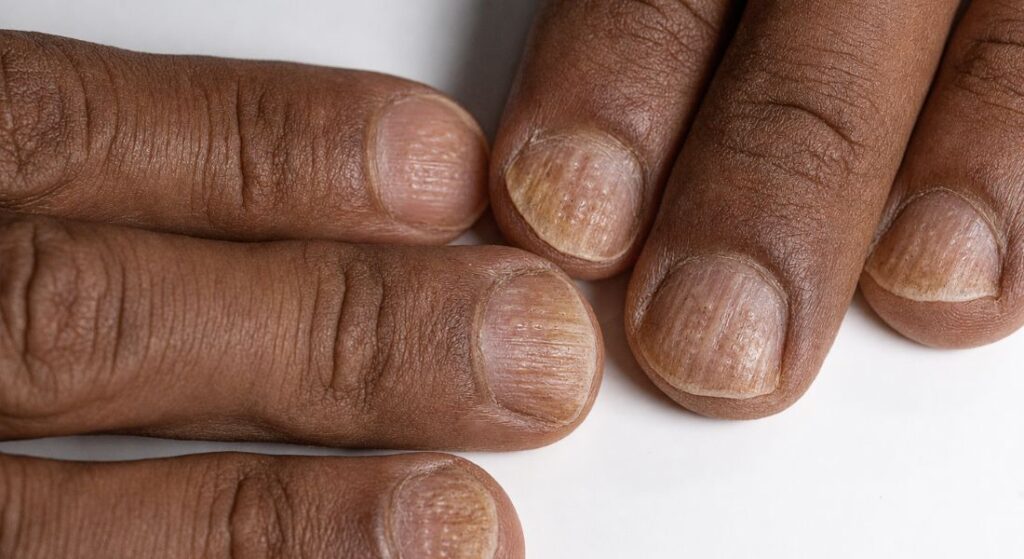
Psoriasis can affect your nails as well as your skin, leading to changes such as pitting, thickening, and discolouration. If you develop nail psoriasis, you may notice that your nails become more fragile or develop an uneven appearance. Nail involvement can sometimes be more difficult to treat than skin symptoms.
Early intervention may help reduce progression and improve symptom control. If you notice changes in your nails, it is important not to ignore them, as they may be related to underlying psoriasis. Prompt assessment can help you access appropriate treatment at an earlier stage.
Nail symptoms may also be associated with a higher risk of psoriatic arthritis in some individuals. For this reason, your dermatologist may recommend further evaluation if significant nail changes are present. Specialist assessment can help you understand the cause of your symptoms and guide the most appropriate management plan.
Long-Term Monitoring
Psoriasis is a lifelong condition that often requires ongoing care, even during periods when your symptoms are well controlled. Although your skin may improve significantly at times, flare-ups can still occur. Regular monitoring helps ensure that your condition remains stable and well managed.
Follow-up appointments allow your dermatologist to assess how your skin is responding to treatment. If your symptoms change, your treatment plan can be adjusted to better meet your needs. These reviews also provide an opportunity for you to discuss any concerns about your skin or overall wellbeing.
Long-term management is a key part of successful psoriasis care. By attending regular check-ups and following your treatment plan, you can help maintain symptom control and support your skin health. Consistent monitoring often plays an important role in achieving the best long-term outcomes.
Emotional and Social Effects
If you have psoriasis, you may find that the condition affects more than just your skin. Visible symptoms can sometimes influence how you feel about your appearance and how comfortable you feel in social situations. You may experience changes in confidence or self-esteem, particularly during flare-ups or when symptoms are difficult to conceal. Recognising the emotional impact of psoriasis is an important part of managing the condition as a whole.
- You May Feel Self-Conscious About Visible Symptoms: If your psoriasis affects noticeable areas of your body, you may feel uncomfortable about how your skin looks. These concerns can sometimes affect your confidence in social, professional, or personal situations.
- Your Emotional Wellbeing May Be Affected: Living with a long-term skin condition can be challenging, and you may experience frustration, stress, or low mood at times. Acknowledging these feelings is an important part of caring for your overall wellbeing.
- Support Can Make a Difference: You may benefit from support provided by healthcare professionals, family members, friends, or patient support groups. Having people who understand your experience can help you feel less isolated and more confident in managing your condition.
- A Holistic Approach Can Benefit You: Effective psoriasis management often involves more than treating the skin alone. Addressing your emotional wellbeing alongside your physical symptoms can help you achieve a better overall quality of life.
The emotional and social effects of psoriasis can be significant, but you do not have to manage them on your own. If you are struggling with confidence or the emotional impact of the condition, seeking support can be an important step. A comprehensive approach that considers both your physical and emotional health may help you cope more effectively. By addressing all aspects of your wellbeing, you can work towards better long-term management and improved quality of life.
Future Directions in Psoriasis Research
Research into psoriasis continues to advance rapidly, improving understanding of the condition and how it can be treated. Scientists are exploring new therapies, genetic factors, and more personalised approaches to care. If you have psoriasis, these developments may lead to more effective and targeted treatment options in the future.
There is also growing interest in understanding how psoriasis affects different skin types, including Indian skin. Researchers are investigating why symptoms, pigmentation changes, and treatment responses can vary between individuals. This knowledge may help your dermatologist develop treatment plans that are better suited to your specific needs.
Ongoing research offers encouraging possibilities for the future of psoriasis care. As new discoveries emerge, you may benefit from more personalised management strategies and improved treatment outcomes. These advances are helping clinicians provide better care while supporting your long-term skin health.
Seeking Specialist Dermatological Care

If you have symptoms of psoriasis or concerns about persistent pigmentation changes, seeking professional assessment is important. Early diagnosis can help you begin appropriate treatment sooner and may improve your ability to manage symptoms effectively. Prompt care can also help reduce the risk of long-term skin changes.
Because psoriasis can present differently in Indian skin, specialist expertise may be particularly valuable. A dermatologist can assess your skin carefully, confirm the diagnosis, and identify any factors that may influence your treatment. This can help ensure that you receive care tailored to your individual needs.
Individualised treatment plans are designed to address both active inflammation and pigmentation concerns. By working closely with your dermatologist, you can develop a strategy that supports your skin health and long-term symptom control. Regular follow-up can help you achieve the best possible outcomes and maintain healthier skin over time.
FAQs:
1. Does psoriasis look different in Indian skin?
Yes, psoriasis can appear differently in Indian skin compared with lighter skin tones. Instead of bright red plaques, affected areas may look brown, purple, grey, or dark red. These colour differences can sometimes make psoriasis more difficult to recognise. Understanding these variations can help support earlier diagnosis and treatment.
2. Can psoriasis cause dark marks on Indian skin?
Yes, psoriasis can lead to post-inflammatory hyperpigmentation, which appears as darker patches after a flare-up. This happens when inflammation stimulates increased melanin production in the skin. Although these marks are harmless, they can be frustrating and may take several months to fade. Treating inflammation promptly may help reduce their severity.
3. Are pigmentation changes from psoriasis permanent?
In most cases, pigmentation changes are temporary, although they can persist for some time. Both darker and lighter patches may remain visible after active psoriasis has improved. The skin usually returns closer to its normal colour gradually. Recovery can vary depending on the severity of inflammation and individual skin type.
4. What are the most common psoriasis triggers?
Common triggers include stress, infections, skin injuries, certain medications, and changes in general health. These factors can contribute to flare-ups or make existing symptoms worse. Identifying your personal triggers can help you manage the condition more effectively. Keeping a symptom diary may be useful in recognising patterns.
5. Is psoriasis more difficult to diagnose in Indian skin?
Sometimes it can be. Because psoriasis may not appear bright red in Indian skin, it can occasionally resemble other skin conditions. This may delay diagnosis in some cases. A dermatologist familiar with skin of colour can usually identify the condition accurately.
6. What treatments are available for psoriasis in Indian skin?
Treatment options include topical creams, moisturisers, phototherapy, systemic medications, and biologic therapies. The choice depends on the severity of your psoriasis and the areas affected. Dermatologists also consider pigmentation concerns when developing a treatment plan. Individualised care often provides the best results.
7. Does moisturising help psoriasis?
Yes, regular moisturising is an important part of psoriasis management. It helps reduce dryness, scaling, irritation, and itching while supporting the skin barrier. Moisturisers can also improve the effectiveness of other treatments. Consistent skincare may help keep your skin more comfortable between flare-ups.
8. Can psoriasis affect the scalp and nails?
Yes, psoriasis commonly affects both the scalp and nails. Scalp psoriasis may cause itching, flaking, and visible scaling, while nail psoriasis can lead to pitting, thickening, or discolouration. These symptoms sometimes require specialised treatments. Early assessment can help prevent progression and improve symptom control.
9. Do biologic treatments work for psoriasis in Indian skin?
Biologic therapies can be highly effective for moderate to severe psoriasis in patients of all skin types, including Indian skin. These medications target specific parts of the immune system involved in psoriasis. Many patients experience significant improvement in symptoms and quality of life. Treatment should always be supervised by a specialist dermatologist.
10. When should you see a dermatologist for psoriasis?
You should seek specialist advice if you develop persistent scaly patches, recurring skin inflammation, nail changes, or pigmentation concerns. Early diagnosis can help control symptoms before they become more severe. A dermatologist can confirm the diagnosis and recommend a treatment plan tailored to your skin type and needs. Ongoing follow-up may also help reduce future flare-ups.
Final Thoughts: Psoriasis in Indian Skin
Psoriasis in Indian skin can present unique challenges, particularly because pigmentation changes may persist long after active inflammation has settled. Early diagnosis, appropriate treatment, and consistent long-term management are important not only for controlling symptoms but also for reducing the risk of post-inflammatory hyperpigmentation and hypopigmentation. Understanding how psoriasis appears in darker skin tones can help ensure timely and accurate care. If you’re considering psoriasis treatment in London, you can get in touch with us at London Dermatology Centre.
References:
- Alexis, A.F. and Blackcloud, P. (2014) ‘Psoriasis in skin of color: epidemiology, genetics, clinical presentation, and treatment nuances’, Journal of Clinical and Aesthetic Dermatology, 7(11), pp. 16–24. Available at: https://pmc.ncbi.nlm.nih.gov/articles/PMC4255694/
- Rajagopalan, M. et al. (2021) ‘Systemic management of psoriasis patients in Indian scenario: an expert consensus’, Indian Dermatology Online Journal, 12(5), pp. 674–682. Available at: https://pmc.ncbi.nlm.nih.gov/articles/PMC8456263/
- Rao, M., Young, K., Jackson-Cowan, L., Kourosh, A. and Theodosakis, N. (2023) ‘Post-inflammatory hypopigmentation: review of the etiology, clinical manifestations, and treatment options’, Journal of Clinical Medicine, 12(3), 1243. Available at: https://www.mdpi.com/2077-0383/12/3/1243
- Gkini, M.A. et al. (2025) ‘Psoriasis in people with skin of color: an evidence-based update’, International Journal of Dermatology, 64(4), pp. 667–677. Available at: https://pubmed.ncbi.nlm.nih.gov/39887710/
- Rajagopalan, M., Dogra, S., Saraswat, A., Varma, S. and Banodkar, P. (2021) ‘The use of apremilast in psoriasis: An Indian perspective on real-world scenarios’, Psoriasis: Targets and Therapy, 11, pp. 109–122. Available at: https://pubmed.ncbi.nlm.nih.gov/34430450/