


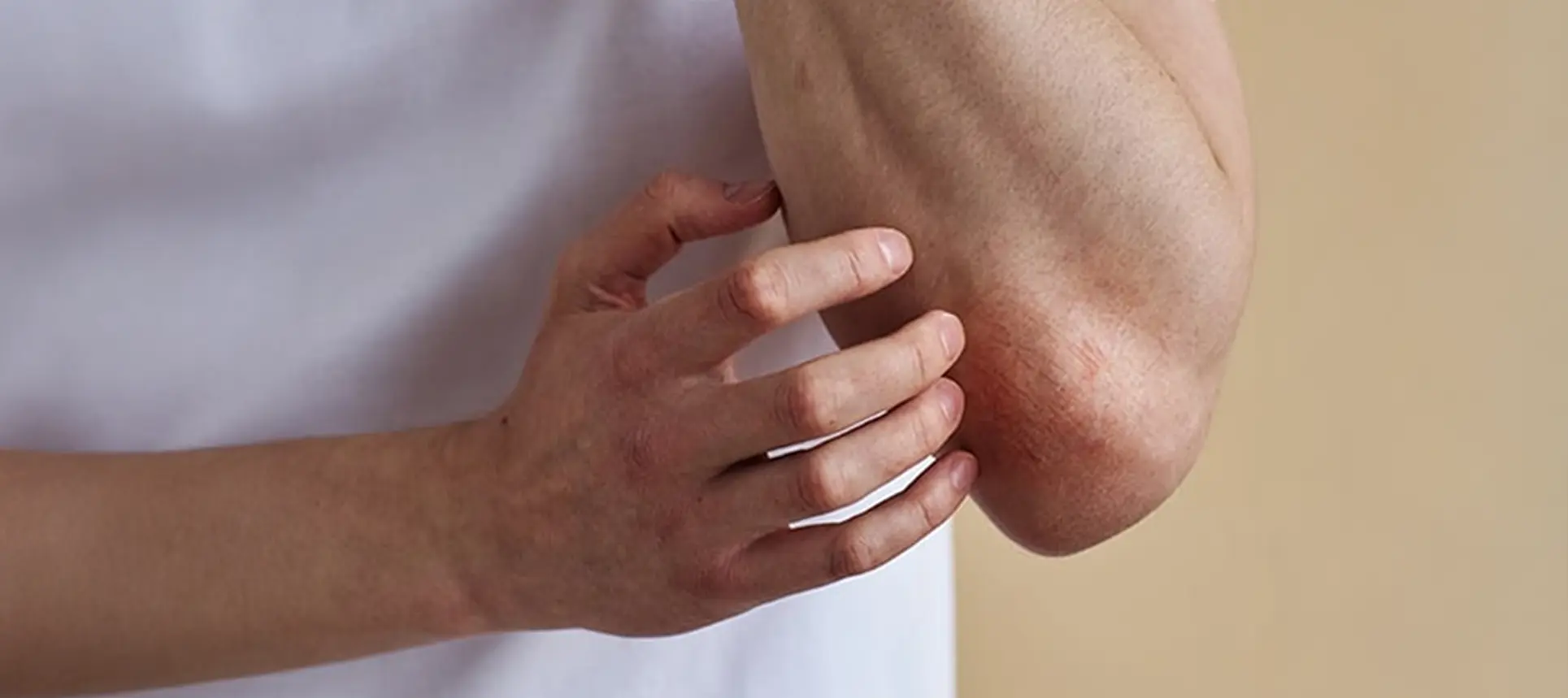
If you’ve been living with moderate to severe psoriasis, you may have heard that light therapy is one of the most reliable and evidence-based treatments available. Many dermatologists recommend it before systemic medicines, especially if your symptoms haven’t improved with creams alone. But with two major types of phototherapy NB-UVB and PUVA it can be difficult to understand which one is right for you.
Both treatments use ultraviolet light, but they work differently, offer different levels of strength, and suit different patterns of psoriasis. In this guide, I’ll walk you through exactly what NB-UVB and PUVA are, how they compare, who benefits most from each, and what you can expect from treatment. By the end, you’ll have a clear understanding of which option may fit your situation and how phototherapy can help bring your psoriasis back under control.
What Is Phototherapy and Why Does It Work for Psoriasis?
Phototherapy is a treatment that uses targeted ultraviolet (UV) light to reduce inflammation in the skin. In psoriasis, the immune system triggers rapid skin-cell growth, leading to thick, red, scaly plaques. By exposing affected areas to specific UV wavelengths, phototherapy interrupts these signals, slows down the overproduction of skin cells, and helps calm the immune response.
The benefits of phototherapy include reducing redness, flattening plaques, slowing skin-cell turnover, and easing itching and scaling. Many people find that regular phototherapy sessions allow them to maintain long periods of clear or nearly clear skin, often reducing the need for continuous medication.
NB-UVB vs PUVA: What’s the Difference?
Narrowband UVB (NB-UVB) and PUVA are both forms of phototherapy used to treat psoriasis, but they work in distinct ways and are suited to different needs. NB-UVB uses a specific, narrow wavelength of ultraviolet Blight to directly slow the overactive skin cells and calm inflammation. PUVA, on the other hand, combines a drug called psoralen with UVA light, making the skin more sensitive to the treatment and allowing deeper penetration.
The choice between NB-UVB and PUVA depends on factors such as the severity and location of psoriasis, skin type, previous treatment response, and overall health. Understanding these differences helps your dermatologist tailor the therapy to achieve the best balance between effectiveness and safety.
NB-UVB (Narrowband Ultraviolet B) Therapy
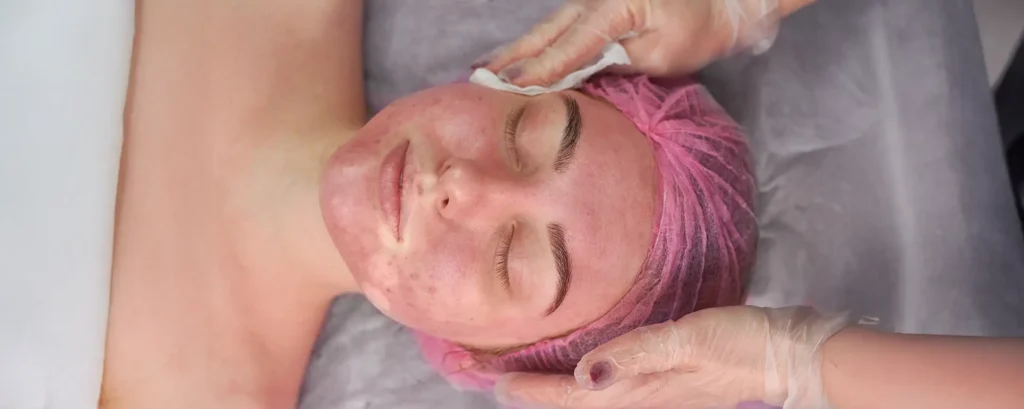
NB-UVB therapy uses a narrow wavelength of ultraviolet light (around 311–313 nm) that is particularly effective for treating psoriasis. It works by slowing down the rapid skin cell turnover and reducing inflammation in affected areas.
What makes NB-UVB so widely used:
- Strong anti-inflammatory effect – It calms the overactive immune response in psoriatic skin, helping to reduce redness, scaling, and thickness.
- Lower risk of long-term side effects – Compared with older broadband UVB or PUVA therapies, NB-UVB is gentler on the skin and carries less risk of burns or premature ageing.
- Safe for regular use, even multiple times per week – Patients can often have 2–3 sessions per week, allowing consistent treatment and quicker improvement without overexposure.
- Suitable for children and adults – Its safety profile makes it appropriate across all ages, including young patients who may not tolerate systemic treatments.
- Works well for most plaque psoriasis – NB-UVB is effective on both small patches and larger areas, making it a versatile choice for widespread disease.
Because it combines effectiveness with safety, NB-UVB remains the most commonly prescribed phototherapy method for psoriasis today.
PUVA (Psoralen + UVA) Therapy
PUVA (Psoralen + UVA) Therapy is a targeted treatment that combines UVA light with psoralen, a medication that increases your skin’s sensitivity to the light. This allows the UVA to penetrate more deeply, making it especially effective for thicker or stubborn plaques. Psoralen can be administered orally, applied in a bath solution, or used topically on specific areas.
PUVA is particularly useful when NB-UVB hasn’t achieved the desired results. It offers strong short-term clearance and is highly effective for resistant psoriasis. However, because it penetrates more deeply, PUVA carries a higher risk of side effects and requires careful monitoring by your dermatologist.
How Effective Is NB-UVB?
NB-UVB (Narrowband Ultraviolet B) is widely regarded as the gold standard for treating most cases of plaque psoriasis. Clinical studies indicate that 60–75% of patients achieve clear or nearly clear skin after completing a standard course.
Patients typically notice improvements such as softer plaques, reduced itching, less redness, and overall better skin comfort. A typical NB-UVB course lasts 8–12 weeks, with treatments administered two to three times per week. Beyond plaque psoriasis, NB-UVB is also effective for guttate psoriasis, safe for use in children, and considered suitable during pregnancy, making it a versatile and widely preferred treatment option.
How Effective Is PUVA?
PUVA therapy can be highly effective, particularly in cases where NB-UVB hasn’t achieved sufficient improvement. Studies show clearance rates of up to 80–90%, especially for very thick plaques, palmoplantar psoriasis (affecting hands and feet), widespread body involvement, or psoriasis unresponsive to NB-UVB.
PUVA works by allowing UVA light to penetrate deeper into the skin, which also makes it useful for some cases of nail psoriasis. However, due to its strength and increased risk of side effects, PUVA is generally reserved for more severe or stubborn forms of psoriasis.
Which Treatment Works Faster?

PUVA
- Often works more quickly because psoralen, a light-sensitising medication, intensifies the effect of the ultraviolet light on the skin.
- This can lead to faster reduction of thick plaques and severe scaling, making it useful when rapid relief is needed.
NB-UVB
- Still very effective, but results may take slightly longer to become noticeable compared with PUVA.
- Its gentler approach is often preferred when long-term safety and regular use are priorities.
Summary:
- If your goal is rapid improvement in severe psoriasis symptoms, PUVA may feel more responsive.
- If you prioritise safety, convenience, and a lower risk of side effects, NB-UVB is usually the better match.
Suitability: Who Should Choose NB-UVB?
NB-UVB phototherapy is generally recommended for people with mild to moderate plaque psoriasis who want an effective yet gentle treatment option. It works well for those who prefer minimal systemic side effects and need a therapy that is safe for long-term or repeated use. This makes it ideal for patients with widespread psoriasis that isn’t extremely thick, as well as those with guttate psoriasis.
Additionally, NB-UVB is considered safe for use during pregnancy or breastfeeding, provided it is guided by a dermatologist. Its excellent safety profile allows patients to undergo multiple courses over the years without significant risk, making it a versatile and reliable option for managing chronic psoriasis while minimising long-term side effects.
Suitability: Who Should Choose PUVA?
PUVA phototherapy is generally suited for people whose psoriasis is thicker, more resistant, or hasn’t responded adequately to NB-UVB. It’s particularly effective for challenging cases such as palmoplantar psoriasis, where plaques on the hands and feet are notoriously difficult to treat.
Because PUVA works faster and penetrates deeper, it may be appealing for those seeking quicker improvements. However, it requires careful precautions, including eye protection and strict adherence to treatment schedules, and it’s important that patients are not taking medications that interact with psoralen. This approach is best for those willing to follow monitoring guidelines closely to maximise effectiveness while minimising risks.
NB-UVB vs PUVA: Safety Comparison
Here is a clear, patient-friendly safety comparison to help you understand the differences:
Short-Term Side Effects – NB-UVB is usually well-tolerated, causing only mild reactions in most patients. You may notice slight redness, a mild sunburn-like sensation, or occasional dryness, but these effects are generally temporary and resolve quickly.
PUVA tends to produce stronger short-term effects due to the combination of UVA light and psoralen. Patients may experience more pronounced redness or burning, temporary nausea if psoralen is taken orally, increased skin sensitivity, and a higher chance of tanning or pigmentation changes. Careful monitoring helps minimise these risks.
Long-Term Risks- NB-UVB is considered very safe for long-term use, with minimal cumulative risk. Eye protection is generally not required after treatment, making it convenient for repeated courses over the years.
PUVA carries higher long-term considerations due to cumulative UVA exposure. Prolonged use can accelerate skin ageing, and patients must wear sunglasses for 24 hours after taking psoralen. There is also a slightly increased lifetime risk of non-melanoma skin cancer with heavy use, which is why PUVA is prescribed more cautiously today.
Lifestyle and Convenience: Which One Fits Better?
NB-UVB Convenience – NB-UVB therapy is highly convenient for patients with busy lifestyles. Sessions are typically quick, require no prior medication, and you can safely drive home afterward. Unlike PUVA, there’s no need for sunglasses post-treatment, making it easier to fit into a regular routine.
PUVA Convenience – PUVA therapy is more involved than NB-UVB. You need to take psoralen beforehand either orally or via bath and wear sunglasses for 24 hours afterward. Sessions may take longer, and timing or medication interactions need careful attention. For patients with busy schedules, PUVA can be more demanding to manage.
Expected Results: How Long Does Clearance Last?
NB-UVB Results – After a course of NB-UVB, most patients see improvements that last around 3–6 months. Some people enjoy even longer periods of remission, and repeat courses are considered safe when necessary. This makes NB-UVB a reliable option for ongoing management of plaque psoriasis.
PUVA Results – PUVA tends to provide longer-lasting clearance, often keeping psoriasis under control for 6–12 months. Because it penetrates deeper into the skin and has a stronger immunosuppressive effect, longer remissions are possible. Repeat PUVA courses are feasible but require careful monitoring to manage cumulative light exposure and potential side effects.
What Happens During Treatment Sessions?
NB-UVB Sessions – During NB-UVB treatment, you stand in a phototherapy booth where your skin is exposed to narrowband UV light. Each session lasts just a few seconds to minutes, and the exposure is gradually increased over the course of treatment. This controlled approach helps reduce redness while effectively calming psoriasis.
PUVA Sessions – PUVA treatment involves taking psoralen orally, applying it as a bath, or directly to the affected areas. After allowing time for the medication to activate, you enter a UVA booth for treatment. Sessions generally take longer than NB-UVB, and your dermatologist will provide instructions on protective clothing and shielding sensitive areas to ensure safety.
Frequently Asked Questions:
1. What is the main difference between NB-UVB and PUVA light therapy?
The main difference lies in how each therapy delivers ultraviolet light and the depth of penetration. NB-UVB uses a narrow spectrum of UVB light, typically around 311–313 nm, which primarily acts on the outer layers of the skin to reduce inflammation and slow down the rapid turnover of skin cells. PUVA, on the other hand, combines a drug called psoralen with UVA light, which makes the skin more sensitive to ultraviolet exposure and allows the UVA rays to penetrate deeper. This deeper penetration makes PUVA particularly effective for thicker plaques or resistant areas, but it also carries a higher risk of side effects compared with NB-UVB.
2. How effective is NB-UVB therapy for psoriasis?
NB-UVB therapy is highly effective for most patients with plaque psoriasis. Clinical studies suggest that approximately 60–75% of people achieve clear or nearly clear skin after completing a typical course. Patients often notice that their plaques soften, redness diminishes, and itching becomes less severe. NB-UVB is also versatile, being effective for both localized patches and more widespread areas, and is considered safe for use in children and even during pregnancy under dermatological supervision.
3. How effective is PUVA therapy for psoriasis?
PUVA therapy tends to be highly effective, particularly in cases where NB-UVB has not achieved the desired improvement. Clearance rates can reach 80–90%, especially for thicker plaques, palmoplantar psoriasis, or widespread disease. Because PUVA penetrates deeper, it can also help with nail involvement and other stubborn areas. However, the therapy requires careful monitoring due to higher potential risks, such as increased photosensitivity, temporary nausea from oral psoralen, and a slightly higher long-term risk of skin ageing or non-melanoma skin cancers.
4. Which therapy works faster, NB-UVB or PUVA?
PUVA often produces quicker visible results because psoralen enhances the effect of UVA light, allowing it to act more aggressively on the skin. This can result in faster clearance of thick plaques or severe scaling. NB-UVB is effective as well but tends to work at a gentler pace, with improvements becoming noticeable slightly later than PUVA. The choice between the two depends on whether rapid clearance or long-term safety and convenience are the primary goals of treatment.
5. Who is a suitable candidate for NB-UVB therapy?
NB-UVB is suitable for individuals with mild to moderate plaque psoriasis, as well as for those who have widespread disease that is not excessively thick. Its safety profile makes it appropriate for repeated use over the years, and it is often the first choice for patients who want effective treatment with minimal systemic side effects. NB-UVB is also commonly recommended for children and women who are pregnant or breastfeeding, provided that treatment is closely supervised by a dermatologist.
6. Who is a suitable candidate for PUVA therapy?
PUVA is generally recommended for patients whose psoriasis is thicker, more resistant, or has not responded adequately to NB-UVB therapy. It is especially useful for challenging areas such as the palms, soles, or nails, where plaques can be difficult to treat. PUVA requires strict adherence to safety measures, including eye protection and careful monitoring of cumulative UVA exposure, and is usually reserved for adults who can follow these instructions reliably.
7. What are the potential short-term and long-term risks of NB-UVB therapy?
Short-term side effects of NB-UVB are generally mild, often limited to temporary redness, dryness, or a sunburn-like sensation that resolves quickly. Long-term risks are minimal, as NB-UVB has low cumulative effects on the skin, and protective eyewear is typically not required after sessions. This makes it safe for repeated courses over time, with very few adverse effects compared with other forms of phototherapy.
8. What are the potential short-term and long-term risks of PUVA therapy?
PUVA carries stronger short-term effects due to the combination of UVA and psoralen. Patients may experience pronounced redness, temporary burning sensations, nausea if the psoralen is taken orally, or heightened sensitivity to light for several hours after treatment. Long-term risks include accelerated skin ageing, pigmentation changes, and a slightly increased risk of non-melanoma skin cancer when used extensively. Eye protection is mandatory for at least 24 hours after each session to minimise risk of damage from psoralen-induced photosensitivity.
9. How convenient are NB-UVB and PUVA for everyday life?
NB-UVB is generally very convenient, with short sessions that do not require medication or additional precautions, allowing patients to drive home safely and maintain regular routines. PUVA is more demanding, as it requires psoralen intake before sessions and strict adherence to eye protection for a full day afterward. The sessions themselves may take longer, and careful scheduling is necessary, especially for patients with busy lives or those on multiple medications.
10. How long do the results of NB-UVB and PUVA typically last?
After completing a course of NB-UVB, most patients experience improvements that last between three to six months, with some enjoying even longer periods of remission. Repeat courses are safe and commonly used for ongoing management. PUVA can provide longer-lasting clearance, sometimes extending six to twelve months, due to its deeper action and stronger immunosuppressive effect. However, repeated PUVA courses require careful monitoring to manage cumulative UVA exposure and potential side effects.
Final Thought: Choosing the Right Phototherapy for Psoriasis
Choosing the right type of phototherapy for psoriasis depends on your skin type, the thickness and location of your plaques, and your treatment goals. NB-UVB offers a gentle yet effective approach suitable for most patients, while PUVA can provide faster and deeper clearance for more stubborn or resistant psoriasis. Both therapies have their advantages and potential risks, and your dermatologist will help tailor a plan that balances effectiveness with safety for your individual needs. If you’re considering psoriasis treatment in London, you can contact us at London Dermatology Centre to book a consultation with one of our specialists and explore the best options for managing your condition.
References:
1. Degli Esposti, S. et al., 2022. “Risk of Skin Cancer in Patients with Psoriasis: Single‑Center Retrospective Study Comparing Anti‑TNFα and Phototherapy.” Journal of Clinical Medicine, 13(9), 2452. https://www.mdpi.com/2077-0383/13/9/2452
2. Zhang, P. & Wu, M.X., 2021. “Phototherapy as a Treatment for Dermatological Diseases, Cancer, Aesthetic Dermatologic Conditions and Allergenic Rhinitis in Adult and Paediatric Medicine.” Life, 13(1), 196. https://www.mdpi.com/2075-1729/13/1/196
3. Jurr Boer, M., Schothorst, A. & Suurmond, D., 1991. “Comparison of Phototherapy (UV-B) and Photochemotherapy (PUVA) for Clearing and Maintenance Therapy of Psoriasis.” JAMA Dermatology. https://jamanetwork.com/journals/jamadermatology/article-abstract/544736
4. Li, Y. et al., 2022. “Assessment of efficacy and safety of UV‑based therapy for psoriasis: a network meta‑analysis of randomized controlled trials.” Annals of Medicine. https://pmc.ncbi.nlm.nih.gov/articles/PMC8741237/ 5. Zhang, P. & Wu, M.X., 2017. “A clinical review of phototherapy for psoriasis.” Lasers in Medical Science, 33(1), 173–180. https://pmc.ncbi.nlm.nih.gov/articles/PMC5756569/