


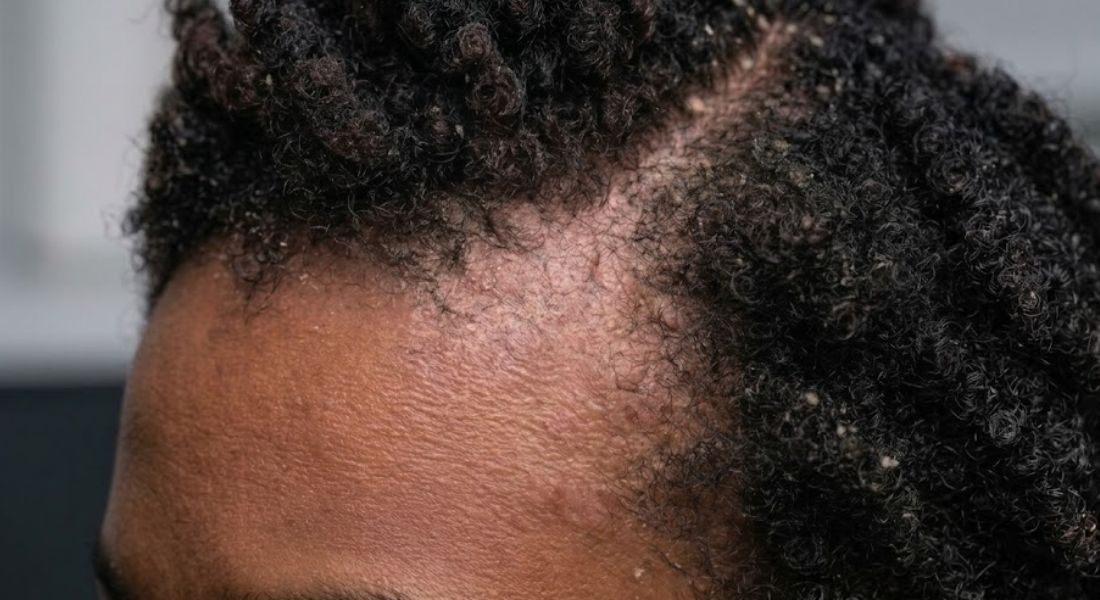
Scalp eczema is a common inflammatory condition that affects the skin on your scalp. It can cause symptoms such as itching, flaking, dryness, and irritation, and it is sometimes mistaken for other conditions like dandruff or psoriasis because the visible signs can look quite similar.
In Black skin, scalp eczema can present additional challenges due to hair texture, protective styling practices, and the frequent use of oils, creams, and other haircare products. These factors can sometimes increase moisture and product buildup on the scalp, which may worsen irritation or make early symptoms less obvious. As a result, the condition may not always be recognised right away.
You may also notice symptoms such as flaking falling onto clothing, itching or discomfort under braids or weaves, and increased sensitivity during washing, detangling, or styling your hair. These issues can interfere with your normal haircare routine and may also affect your comfort and confidence in daily life.
Understanding scalp eczema in Black skin is important because early recognition and correct treatment can make a significant difference. When you identify symptoms early and manage them properly, you can help prevent flare-ups from becoming more severe and reduce the risk of ongoing or long-term scalp irritation.
What Scalp Eczema Is
Scalp eczema is a common form of dermatitis that affects the skin on your scalp, causing inflammation and irritation. If you have it, you may notice symptoms such as itching, redness, dryness, and flaking, which can vary in severity from mild to more persistent discomfort.
The condition often follows a flare-up pattern, meaning your symptoms may come and go over time. You might experience periods where your scalp feels relatively calm, followed by episodes where itching, tightness, or irritation becomes more intense and harder to manage.
It is important to understand that scalp eczema is not contagious. You cannot catch it from another person, and it cannot be passed on through contact, shared items, or everyday interactions. Even if symptoms look severe or persistent, they are caused by internal skin inflammation rather than any infection that spreads between people, so there is no risk to those around you.
Why It Is Common in Black Skin
If you experience scalp eczema, it is important to understand that it can affect all skin types. However, in Black skin, you may find it is influenced by a combination of haircare practices, scalp sensitivity, and product usage patterns. It is not limited to any one group, but certain routines and environmental factors can affect how often symptoms appear or how noticeable they become.
You may regularly use natural hair oils, along with styling products such as creams, gels, and oils, to maintain and style textured hair. While these products are beneficial, they can sometimes build up on your scalp or trap heat and irritants if they are not fully washed out or balanced with proper cleansing. Over time, this may increase the likelihood of irritation.
If you wear protective hairstyles, you may also notice this can play a role, especially when styles are tight or worn for long periods. When your scalp is not properly cleansed or moisturised, this combination of factors can worsen inflammation and make flare-ups more frequent or more noticeable.
Symptoms of Scalp Eczema
If you have scalp eczema, you may notice a range of symptoms that can vary in intensity from mild to more severe. The most common signs include itching, flaking, dryness, and a feeling of tightness across the scalp. These symptoms can come and go, often worsening during flare-ups.
The appearance of flakes can also vary depending on your scalp condition. They may look white, grey, or slightly yellow, especially if there is increased oiliness or inflammation present. You might notice them on your hair, shoulders, or when you brush or comb your hair.
In some cases, your scalp may also feel sore or sensitive to touch. This tenderness can make everyday activities like washing, styling, or even gently running your fingers through your hair more uncomfortable, particularly during active flare-ups when the skin barrier is more irritated and reactive than usual.
How It Appears in Black Skin
In Black skin, scalp eczema may not always present with obvious redness, as inflammation can be less visually apparent compared to lighter skin tones. Instead, you may notice changes such as darker patches, an ashy appearance, or a subtle sense of inflammation on the scalp.
Flaking can sometimes be more noticeable on hair strands or clothing rather than directly on the scalp itself. This can make the condition easier to miss at first, especially if symptoms are mild or developing gradually. You may also notice flakes settling on the shoulders or becoming visible when styling or brushing your hair, which can be one of the first signs that the scalp is affected.
Frequent scratching or ongoing irritation may also lead to temporary pigmentation changes. Over time, this can result in darker patches on the scalp, which may take longer to fade even after the inflammation improves.
Difference Between Eczema and Dandruff
Scalp eczema and dandruff are often confused because both conditions can cause visible flaking on the scalp. This similarity in appearance can make it difficult for you to distinguish between them, especially in the early stages when symptoms are mild or overlapping.
However, scalp eczema usually involves more noticeable inflammation, itching, and overall sensitivity of the skin. You may also experience redness, soreness, or patches of irritated skin, which tend to be more intense than typical dandruff.
Dandruff, on the other hand, is generally milder and is more commonly linked to an imbalance in scalp oils and yeast overgrowth. While it can still be uncomfortable, it usually does not cause the same level of inflammation or skin sensitivity seen in eczema.
Common Causes of Scalp Eczema
Scalp eczema can be triggered by a combination of internal and external factors. Common triggers include stress, changes in weather, harsh shampoos, and allergic reactions to certain ingredients in hair or skincare products. These factors can disrupt the scalp’s natural barrier and lead to inflammation, itching, and flaking.
In some cases, product buildup can also play a significant role. If you use oils, gels, creams, or heavy styling products, they can accumulate on the scalp over time and worsen irritation. This is particularly relevant if you do not cleanse regularly or if products are not fully removed during washing.
You may also experience flare-ups due to sensitivity to fragrances, preservatives, or other chemical ingredients in haircare products. These reactions can vary from person to person, so what works for one individual may still trigger symptoms in another. Identifying your personal triggers is an important step in managing scalp eczema effectively.
Role of Haircare Products
Haircare products can have a significant impact on your scalp health, especially if you already have sensitive or eczema-prone skin. Some ingredients in everyday products may irritate the scalp and make symptoms worse without you immediately realising it.
- Potential Irritants in Products: Strong fragrances, sulfates, and heavy styling products can sometimes irritate your scalp and trigger flare-ups.
- Build-Up Can Worsen Symptoms: If products are left on the scalp for long periods, they can build up and contribute to inflammation or itching.
- Gentle Formulas Are Better: You may find that fragrance-free and mild, sulphate-free products are easier on your scalp and reduce irritation.
- Consistency Matters: Switching to gentler products consistently is often more effective than frequently changing between harsh treatments.
- Personal Triggers Vary: What affects one person may not affect another, so paying attention to how your scalp responds is important.
Overall, your choice of haircare products can make a real difference to scalp comfort and inflammation. Using gentler formulations and avoiding known irritants can help you better manage symptoms and support long-term scalp health.
Protective Hairstyles and Scalp Health
If you wear protective hairstyles such as braids, weaves, or other tightly styled looks, it is important to understand how they may affect your scalp. These styles can sometimes increase tension on the scalp, especially if they are installed too tightly or worn for long periods without a break.
This added tension may worsen itching or irritation if you already have scalp eczema. In some cases, it can also reduce airflow to the scalp and create a warmer, more occluded environment, which may make symptoms feel more uncomfortable or noticeable.
It is important to balance protective styling with regular scalp care. This includes ensuring hairstyles are not too tight, allowing the scalp to rest between styles, and maintaining a consistent cleansing routine to support overall scalp health.
Washing Frequency and Scalp Care
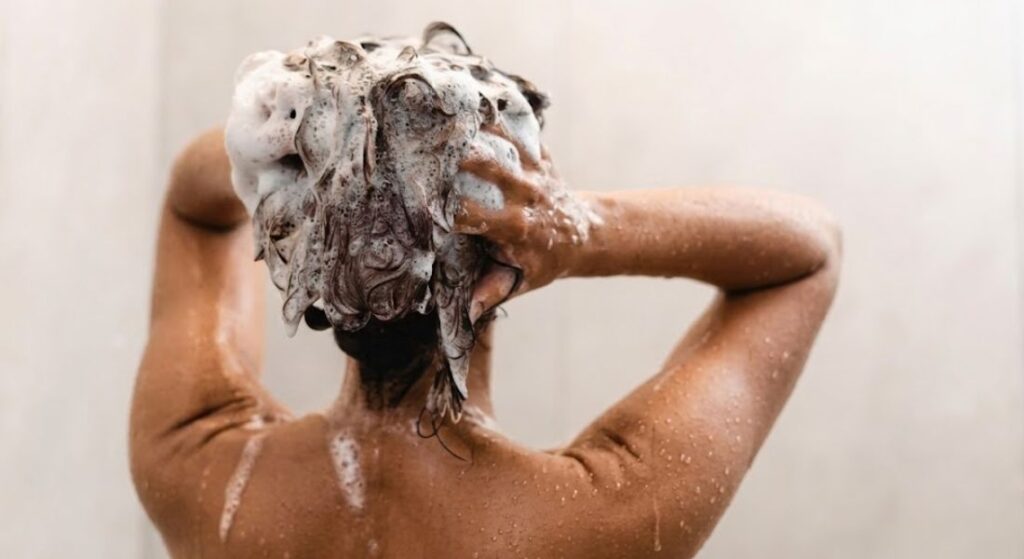
If you are managing scalp eczema, how often you wash your hair can make a real difference to your symptoms. Not washing frequently enough may allow oil, dead skin, and product buildup to accumulate, which can worsen itching and irritation on the scalp.
At the same time, over-washing can strip away natural oils and leave your scalp dry and more sensitive. This dryness can weaken the skin barrier, making flare-ups more likely and sometimes more uncomfortable.
Finding a balanced washing routine is therefore important for long-term control. Your dermatologist can help guide how often you should wash your hair based on the severity of your condition, your hair type, and how your scalp responds to treatment.
Stress and Scalp Eczema
Stress is a well-known trigger for scalp eczema flare-ups. When you are under stress, your body can become more reactive, which may increase inflammation and make symptoms such as itching, redness, and irritation worse on the scalp.
Stress can also indirectly affect your skin by disrupting your sleep, immunity, and daily routines, which can all contribute to more frequent or more severe flare-ups. This is why some people notice their symptoms worsen during busy or emotionally challenging periods.
Managing stress may help reduce how often flare-ups occur and improve overall scalp comfort. Simple strategies such as relaxation techniques, regular sleep, and a balanced routine can support better long-term control of scalp eczema.
Diagnosis of Scalp Eczema
A dermatologist can usually diagnose scalp eczema by carefully examining your scalp and discussing your symptoms with you. This helps them understand the pattern, severity, and possible triggers of your condition.
You may also be asked about your haircare routine, the products you use, and how your symptoms tend to flare up over time. These details are important because everyday habits and product choices can often contribute to irritation.
In some cases, further tests may be recommended to rule out other conditions that can look similar, such as psoriasis or fungal infections. This ensures that you receive the most accurate diagnosis and appropriate treatment for your scalp condition.
Treatment Approach Overview
The treatment of scalp eczema usually focuses on three main goals: reducing inflammation, relieving itching, and restoring overall scalp health. By addressing these core issues, you can help control symptoms and improve daily comfort over time.
Your treatment plan may include a combination of medicated shampoos, topical therapies, and adjustments to your regular haircare routine. These approaches often work best when used together, as they target both the underlying inflammation and external triggers that can worsen symptoms.
Consistency is especially important for long-term control. When you follow your treatment plan regularly and avoid stopping and starting care, you are more likely to keep flare-ups under control and maintain a healthier, more balanced scalp.
Medicated Shampoos
If you are managing scalp eczema, medicated shampoos can help reduce inflammation, itching, and visible scaling. These shampoos are formulated with active ingredients that target the underlying irritation on your scalp and help improve overall comfort.
You will usually be advised to use them a few times per week, depending on how severe your symptoms are. The frequency can vary from person to person, so it is important to follow a routine that suits your specific scalp condition and response to treatment.
It is essential to use medicated shampoos exactly as directed by a healthcare professional. Using them correctly helps you achieve better control of symptoms while reducing the risk of overuse or unnecessary irritation.
Topical Steroid Treatments
Topical steroids are commonly prescribed to help control scalp eczema during flare-ups. They work by reducing inflammation in the skin, which helps to quickly relieve symptoms such as itching, redness, and irritation.
- Reduce Inflammation Quickly: Topical steroids help calm active flare-ups and bring symptoms under control in a short period of time.
- Relieve Itching and Discomfort: By reducing inflammation, they can significantly ease itching and improve comfort.
- Targeted Scalp Treatment: They are often applied directly to affected areas of the scalp where eczema is active.
- Short-Term Use Only: These treatments are usually used for limited periods to avoid potential side effects.
- Medical Guidance Is Important: The strength and duration of treatment should always be guided by your doctor to ensure safe and effective use.
Overall, topical steroids are an effective way to manage scalp eczema flare-ups when used appropriately. They provide fast relief from symptoms, but they should be used carefully and for short durations as part of a broader eczema management plan.
Non-Steroid Scalp Treatments
Non-steroid treatments can be used as an alternative or complement to steroid-based options when managing scalp eczema. These may include anti-inflammatory lotions, medicated solutions, or other topical agents that help reduce irritation and calm the scalp.
These treatments are often preferred for maintenance therapy or for use on more sensitive areas of the scalp where long-term steroid use may not be ideal. They can be applied regularly depending on your dermatologist’s advice to help keep symptoms under control.
Over time, non-steroid options can play an important role in longer-term management. They help maintain stability in your scalp condition and reduce the likelihood of frequent flare-ups when used as part of a consistent care routine.
Moisturising the Scalp
If you are managing scalp eczema, keeping your scalp moisturised can help reduce dryness, itching, and irritation. A well-hydrated scalp is generally more comfortable and less prone to frequent flare-ups, especially when the skin barrier is weakened.
Light, non-greasy moisturising products are usually preferred for the scalp. These products are easier to absorb and less likely to leave residue or buildup, which can otherwise clog hair follicles or contribute to further irritation. Using the right type of formulation also helps maintain comfort throughout the day without making the scalp feel heavy or oily.
Regular moisturising supports the skin’s natural barrier function. Over time, this can help your scalp become more resilient, improving overall comfort, reducing sensitivity to environmental triggers, and lowering the chances of recurring inflammation or flare-ups.
Managing Product Buildup
If you are dealing with scalp eczema, product buildup can make symptoms worse. Over time, oils, styling creams, gels, and other hair products can accumulate on the scalp and contribute to irritation, itching, and flaking.
Regular cleansing helps remove this excess buildup and keeps your scalp cleaner and more balanced. It is important to wash your hair in a way that suits your scalp type, without over-cleansing, as this can also lead to dryness and further irritation.
Using lightweight, non-greasy hair products can reduce the risk of buildup in the first place. By choosing products carefully and maintaining a consistent cleansing routine, you can help keep your scalp more comfortable and reduce the likelihood of flare-ups.
Avoiding Irritants
If you are managing scalp eczema, it is important to avoid harsh chemicals, strong fragrances, and alcohol-based hair products. These ingredients can strip moisture from your scalp and may trigger or worsen inflammation, making symptoms more difficult to control.
Paying attention to product labels can help you make better choices for your scalp health. Even products that are marketed as “gentle” or “natural” may still contain ingredients that could irritate sensitive skin, so it is important to be cautious and consistent with what you use.
Patch testing can also be helpful if you are unsure about specific sensitivities. By identifying and avoiding your personal triggers, you can reduce the risk of flare-ups and help maintain a calmer, more comfortable scalp over time.
When to See a Specialist

You should consider seeing a dermatologist if your symptoms continue for a long time, become more severe, or start to affect your daily comfort and quality of life. Persistent itching, flaking, or inflammation often needs professional assessment to prevent the condition from worsening.
A specialist can tailor your treatment based on your specific hair type, scalp condition, and severity of symptoms. This personalised approach helps ensure you receive the most suitable medications and haircare advice for your needs.
Early consultation and treatment can make a significant difference. By addressing scalp eczema sooner rather than later, you can reduce ongoing irritation, prevent repeated flare-ups, and lower the risk of long-term scalp sensitivity or secondary complications such as infection or persistent inflammation.
Long-Term Management Strategy
If you are managing scalp eczema, you will usually need a long-term care plan rather than a short burst of treatment. This condition often comes and goes, so ongoing management helps you keep symptoms under better control over time.
A consistent haircare routine plays an important role in reducing irritation. You may also need to identify and avoid your personal triggers, such as certain hair products, stress, or environmental factors that can worsen flare-ups.
Regular moisturising of the scalp can help support the skin barrier and reduce dryness. When you follow a structured long-term plan, you are more likely to experience fewer flare-ups and improved overall scalp comfort in your day-to-day life.
FAQs:
1. What is scalp eczema in Black skin?
Scalp eczema is an inflammatory condition that affects the scalp, causing itching, flaking, dryness, and irritation. In Black skin, it may appear slightly different due to hair texture and pigmentation, sometimes making redness less visible and flakes more noticeable on hair or clothing.
2. Why is scalp eczema common in Black skin?
Scalp eczema affects all skin types, but in Black skin it can be influenced by haircare practices such as frequent product use, protective hairstyles, and product buildup. These factors may trap irritants on the scalp and increase the risk of inflammation.
3. What are the main symptoms of scalp eczema?
Common symptoms include itching, dryness, flaking, tightness, and sensitivity of the scalp. In some cases, the scalp may feel sore or irritated, and flakes may appear white, grey, or slightly yellow depending on inflammation levels.
4. How does scalp eczema look different in Black skin?
In Black skin, redness may not always be clearly visible. Instead, the scalp may look darker, slightly ashy, or uneven in tone. Flaking is often more noticeable on hair strands, combs, or clothing rather than directly on the scalp.
5. What causes scalp eczema?
Scalp eczema can be triggered by stress, harsh hair products, weather changes, and allergic reactions. In many cases, irritation from fragrances, sulfates, or heavy styling products can also contribute to flare-ups.
6. Can haircare products make scalp eczema worse?
Yes, certain haircare products can worsen symptoms. Products with strong fragrances, alcohol, or harsh chemicals may irritate the scalp. Heavy oils and gels can also lead to buildup, which may increase inflammation.
7. Do protective hairstyles affect scalp eczema?
Protective hairstyles like braids and weaves can sometimes contribute to scalp irritation if they are too tight or if the scalp is not properly cleansed. They may also trap heat and products, which can worsen symptoms in some individuals.
8. How is scalp eczema treated?
Treatment usually includes medicated shampoos, topical steroid or non-steroid treatments, and changes in haircare routine. The aim is to reduce inflammation, relieve itching, and restore scalp health over time.
9. When should you see a dermatologist for scalp eczema?
You should see a dermatologist if symptoms are persistent, worsening, or affecting daily comfort. A specialist can confirm the diagnosis and create a personalised treatment plan based on scalp type and severity.
10. Can scalp eczema be managed long-term?
Yes, scalp eczema can usually be managed with a consistent routine. This includes regular cleansing, avoiding triggers, using suitable products, and following prescribed treatments. While it may flare up at times, long-term control is often achievable.
Final Thoughts: Long-Term Scalp Care and Personalised Treatment Matter Most
Scalp eczema in Black skin can be influenced by a combination of inflammation, haircare practices, product buildup, and environmental triggers. While it may present differently due to pigmentation and hair texture, the underlying condition remains the same and responds well to consistent, well-planned care. Early recognition and avoiding known irritants can make a significant difference in reducing flare-ups and improving scalp comfort over time.
Because scalp eczema often behaves as a chronic condition, long-term management is usually more effective than short-term treatment alone. A tailored approach that considers your hair type, styling habits, and scalp sensitivity is key to maintaining control and preventing recurrence. If you’re looking for Eczema treatment in London, you can reach out to us at London Dermatology Centre to book a consultation with one of our specialists.
References:
- Peters, N. and Peters, A.T. (2019) Atopic dermatitis, Allergy and Asthma Proceedings, 40(6), pp. 433–436. Available at: https://pubmed.ncbi.nlm.nih.gov/31690388/
- Leung, D.Y.M. and Guttman-Yassky, E. (2021) Atopic dermatitis: role of skin barrier, environment, microbiome, Journal of Dermatological Science. Available at: https://www.sciencedirect.com/science/article/abs/pii/S0923181121000840
- Pareek, A. et al. (2024) Unraveling Atopic Dermatitis: Insights into Pathophysiology, Therapeutic Advances, and Future Perspectives, Cells, 13(5), 425. Available at: https://www.mdpi.com/2073-4409/13/5/425
- Sroka-Tomaszewska, J. and Trzeciak, M. (2021) Molecular Mechanisms of Atopic Dermatitis Pathogenesis, International Journal of Molecular Sciences, 22(8), 4130. Available at: https://www.mdpi.com/1422-0067/22/8/4130
- Sehgal, V.N. et al. (2015) Atopic dermatitis; etio-pathogenesis, an overview, Indian Journal of Dermatology, 60(4), pp. 327–331. Available at: https://pmc.ncbi.nlm.nih.gov/articles/PMC4533527/