


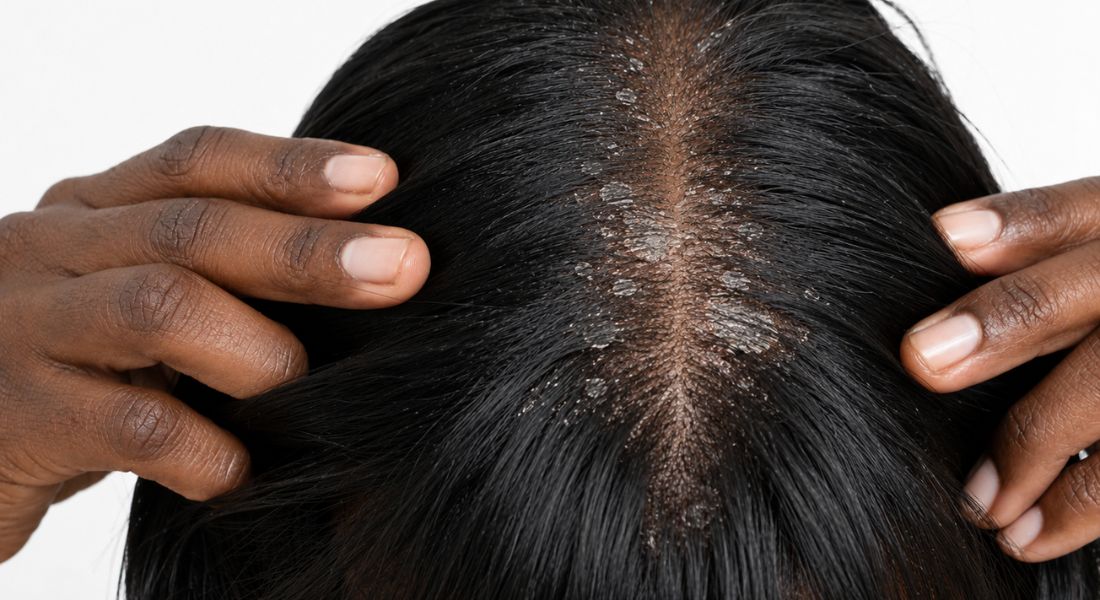
Scalp psoriasis is a common form of psoriasis that affects the scalp and the surrounding areas. It can range from mild scaling to thicker plaques that cover larger sections of the scalp. While the condition affects people of all skin types, it can present some unique challenges in Black skin.
Alongside itching, flaking, and discomfort, scalp psoriasis can affect haircare routines and raise concerns about hair health. If you have darker skin, you may also notice that the appearance of psoriasis differs from the way it is often shown in medical images, which can sometimes make diagnosis less straightforward.
Understanding how scalp psoriasis presents in Black skin is important for achieving effective symptom control. Early diagnosis and appropriate treatment can help reduce inflammation, improve comfort, and minimise the impact the condition has on your daily life.
What Is Scalp Psoriasis?
Scalp psoriasis is a chronic inflammatory skin condition that affects the scalp. It develops when skin cells are produced much more quickly than normal, causing them to build up on the surface of the skin and form thickened patches.
These patches are often covered with silvery, greyish, or whitish scales, although their appearance can vary depending on skin tone and the severity of the condition. In Black skin, psoriasis may look different from the images commonly seen in medical resources, which can sometimes make it more difficult to recognise.
Symptoms can vary considerably from person to person. You may notice only mild flaking that resembles dandruff, while others experience larger plaques that cover more extensive areas of the scalp. If left unmanaged, the condition can affect comfort, haircare routines, and overall quality of life.
How Scalp Psoriasis Appears in Black Skin
In Black skin, psoriasis plaques may appear violet, dark brown, or grey rather than the bright red colour often associated with psoriasis. If you are looking for signs of the condition, it is important to know that it may look quite different from the images commonly shown in medical textbooks and online resources.
The scaling can also appear thicker or more noticeable against darker skin tones. You may find that the affected areas are more visible when plaques extend beyond the hairline or become more widespread across the scalp.
Recognising these differences is important for accurate diagnosis. When healthcare professionals understand how psoriasis presents in different skin tones, they are better able to identify the condition and recommend appropriate treatment.
Common Symptoms of Scalp Psoriasis
If you’re living with scalp psoriasis, you may experience a range of symptoms that affect both your scalp and your day-to-day comfort. The condition commonly causes itching, dryness, flaking, and irritation, although symptoms can vary from person to person. Some people also notice a burning sensation or soreness in affected areas, particularly during flare-ups.
- Itching and Irritation Are Common: You may find yourself frequently scratching your scalp due to persistent itching. This can sometimes worsen irritation and discomfort.
- Dryness and Flaking Can Be Noticeable: Scalp psoriasis often causes visible flakes that may resemble dandruff. The scalp can also feel unusually dry or tight.
- Burning or Soreness May Occur: In some cases, you might experience tenderness, burning, or discomfort in areas affected by psoriasis plaques.
- Symptoms Can Come and Go: You may notice periods when your symptoms improve, followed by flare-ups where they become more severe. This pattern is common with psoriasis.
Overall, scalp psoriasis can affect more than just your skin. If you’re experiencing symptoms, they may influence both your physical comfort and your confidence. Because flare-ups can vary over time, ongoing management is often important in helping to keep symptoms under control and maintain scalp health.
Why Diagnosis Can Sometimes Be Delayed
Because psoriasis can appear differently in Black skin, diagnosis may sometimes take longer than expected. If you are familiar with the typical red plaques often shown in medical resources, scalp psoriasis in darker skin tones may not immediately look the same.
The condition can also resemble other scalp disorders, such as seborrhoeic dermatitis or certain fungal infections. In addition, inflammation may be less obvious against darker skin tones, which can make the signs more difficult to identify without specialist expertise.
This is why seeking professional assessment is important if symptoms persist. A dermatologist can help determine exactly what is causing your scalp symptoms and recommend the most appropriate treatment. Accurate diagnosis is the first step towards gaining effective control of the condition.
Why Diagnosis Can Sometimes Be Delayed
Because psoriasis can appear differently in Black skin, diagnosis may sometimes be delayed. If you are comparing your symptoms to common images of psoriasis, you may notice that the condition does not always look the same on darker skin tones.
The symptoms can also resemble other scalp conditions, such as seborrhoeic dermatitis or fungal infections. In addition, inflammation may be less obvious because colour changes can appear differently in Black skin, making assessment more challenging.
A specialist assessment can help determine the cause of your symptoms and distinguish psoriasis from other disorders. Once you receive an accurate diagnosis, it becomes much easier to choose the most effective treatment and management approach.
Impact on Hair Health
Scalp psoriasis does not usually cause permanent hair loss. However, if you have persistent itching or inflammation, scratching and irritation can sometimes lead to temporary hair shedding.
This hair loss is often linked to the inflammation itself rather than damage to the hair follicles. In many cases, hair begins to regrow once the psoriasis is brought under better control and the scalp has had an opportunity to recover.
Managing symptoms effectively is important for maintaining scalp and hair health. If you are experiencing noticeable hair shedding, appropriate treatment can help reduce inflammation and support healthy regrowth over time.
Understanding Psoriasis Flare-Ups
Psoriasis symptoms often occur in cycles, with periods of improvement followed by flare-ups. If you have scalp psoriasis, you may notice that symptoms become worse at certain times without an obvious reason.
Flare-ups can be triggered by factors such as stress, illness, skin injury, changes in weather, or other environmental influences. While triggers vary from person to person, recognising patterns can help you better understand what may be affecting your condition.
Identifying your personal triggers is an important part of managing psoriasis over the long term. Once you know what tends to worsen symptoms, you may be able to take steps to reduce the frequency and severity of flare-ups.
Differentiating Psoriasis from Dandruff
Scalp psoriasis and dandruff can appear similar at first glance, which can sometimes make it difficult to tell them apart. If you are experiencing flaking of the scalp, it may not always be obvious which condition is responsible.
Psoriasis typically causes thicker plaques, more noticeable scaling, and greater inflammation than dandruff. In contrast, dandruff usually produces finer flakes and does not involve the same degree of skin thickening or well-defined patches.
If symptoms persist or become more severe, a professional assessment can help confirm the diagnosis. An accurate diagnosis ensures that you receive the most appropriate treatment for your specific condition.
Importance of Early Treatment
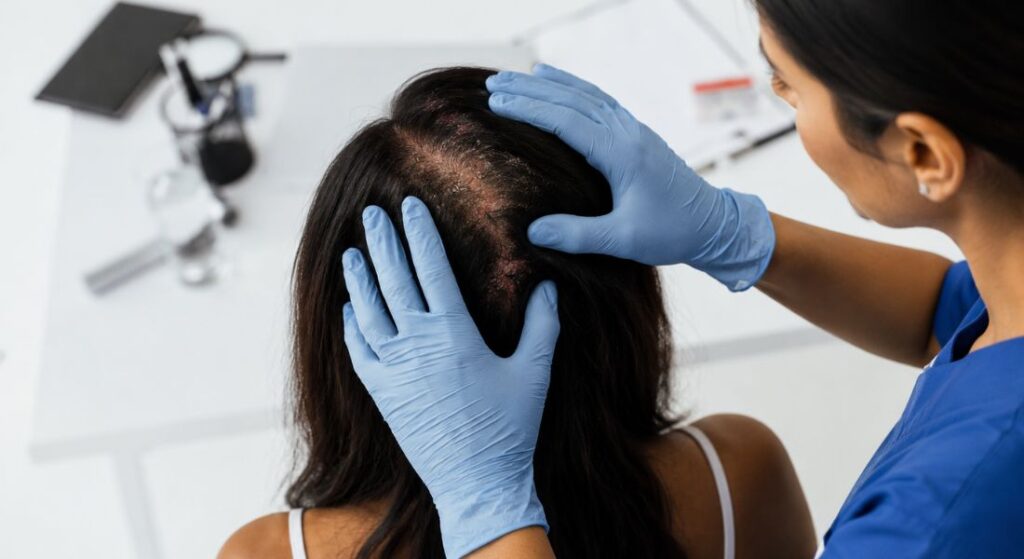
If you’re experiencing symptoms of scalp psoriasis, seeking treatment early can make a significant difference. Addressing the condition before it becomes more severe may help reduce inflammation, ease discomfort, and prevent symptoms from becoming more difficult to manage. Early intervention is often associated with better symptom control and a more comfortable day-to-day experience.
- Helps Reduce Inflammation Sooner: Starting treatment early can help calm inflammation before it becomes more extensive. This may reduce itching, soreness, and irritation.
- May Limit Plaque Development: Prompt management can help reduce the likelihood of large or widespread psoriasis plaques forming on the scalp.
- Symptoms Can Be Easier to Control: You may find that treating scalp psoriasis in its earlier stages makes ongoing management more straightforward and effective.
- Can Improve Daily Comfort: Better symptom control often means less disruption to your routine, helping to improve both comfort and confidence.
Overall, early treatment is an important part of managing scalp psoriasis. If you’re noticing symptoms, addressing them promptly may help prevent progression and make the condition easier to control. By reducing inflammation and limiting plaque formation, early intervention can support better long-term scalp health and quality of life.
Topical Treatment Options
Topical treatments are often the first line of treatment for scalp psoriasis. If you are managing the condition, these treatments may include medicated solutions, lotions, foams, gels, or specialised shampoos designed to reduce inflammation and scaling.
The most suitable option depends on factors such as symptom severity, the extent of scalp involvement, and your personal haircare routine. Some formulations may be easier to apply or more practical depending on hair texture and styling preferences.
Treatment plans are tailored to each individual. A healthcare professional can help you choose an approach that fits your symptoms, lifestyle, and long-term management goals.
Challenges of Applying Treatments
Applying topical treatments to the scalp can sometimes be challenging, particularly if you have thick, textured, or tightly coiled hair. Reaching the scalp effectively may take more time and effort, especially when larger areas are affected.
Some treatment formulations are easier to incorporate into existing haircare routines than others. Solutions, foams, and certain scalp oils may be more practical depending on your hair type and styling preferences.
Finding the right approach is important for consistent treatment use. A dermatologist can help you identify the most suitable option and ensure that treatment fits comfortably into your regular haircare routine.
The Role of Medicated Shampoos

Medicated shampoos are often included as part of a scalp psoriasis treatment plan. If you have scalp psoriasis, they may help reduce scaling, remove build-up, and improve overall symptom control when used alongside other treatments.
The way these shampoos are used can vary depending on your hair type, scalp condition, and usual haircare routine. In some cases, treatment frequency may need to be adjusted to fit styling preferences and maintain hair health.
Because everyone’s needs are different, individualised advice is important. A healthcare professional can help you determine how often to use medicated shampoos and how best to incorporate them into your existing routine.
Managing Itching and Irritation
Itching is one of the most common and frustrating symptoms of scalp psoriasis. If you experience persistent itching, it can be tempting to scratch the affected areas, particularly during a flare-up.
Unfortunately, repeated scratching can worsen inflammation, increase discomfort, and irritate the scalp further. In some cases, it may also contribute to temporary hair shedding or make existing plaques more noticeable.
The most effective way to reduce itching is usually to control the underlying inflammation. By following an appropriate treatment plan and avoiding excessive scratching where possible, you can help protect your scalp and improve overall comfort.
Post-Inflammatory Pigmentation Changes
If you have scalp psoriasis and Black skin, you may notice that dark patches remain after a flare-up has healed. This is known as post-inflammatory hyperpigmentation (PIH), and it happens when inflammation triggers your skin to produce extra pigment. Although the psoriasis itself may have settled, the pigmentation changes can sometimes remain visible for weeks or even months.
- You May Notice Darker Areas After a Flare-Up: Once the inflammation has improved, you might still see patches of darker skin where psoriasis plaques were previously present.
- PIH Is Common in Black Skin: Because your skin naturally contains more melanin, it can be more prone to developing pigmentation changes after inflammation.
- The Marks Usually Fade Gradually: While these dark patches can be frustrating, they often improve over time. However, the process can be slow, so patience is important.
- Controlling Inflammation Can Help Prevent New Marks: Keeping your psoriasis well managed can reduce ongoing inflammation and lower the risk of developing further pigmentation changes.
Overall, if you’re experiencing dark marks after scalp psoriasis flare-ups, you’re not alone. Post-inflammatory hyperpigmentation is a common response to inflammation in Black skin. The best way to reduce the risk of these changes is to manage active psoriasis effectively and minimise repeated flare-ups. Over time, the pigmentation often becomes less noticeable as your skin continues to heal.
When Systemic Treatments May Be Considered
For some people, topical treatments may not provide sufficient control of scalp psoriasis, particularly when symptoms are severe or affect larger areas. If you continue to experience significant discomfort despite using topical therapies, additional treatment options may be considered.
In these situations, systemic treatments may be recommended. These medications work throughout the body to reduce inflammation rather than targeting only the affected areas of skin.
Systemic therapies are generally reserved for more extensive or difficult-to-control psoriasis. A specialist can assess the severity of your condition and help determine whether this type of treatment is appropriate for your individual needs.
The Importance of Long-Term Management
Psoriasis is a chronic condition, which means long-term management is often needed to keep symptoms under control. If you have scalp psoriasis, you may find that the severity of symptoms changes over time, with periods of improvement followed by flare-ups.
Because the condition can evolve, treatment plans may need to be adjusted from time to time. What works well during one stage may require modification as symptoms, lifestyle factors, or treatment responses change.
Regular follow-up appointments can help ensure that your symptoms remain well controlled. By working closely with your healthcare professional, you can make informed adjustments to your treatment plan and support better long-term management.
Psychological Effects of Scalp Psoriasis
Scalp psoriasis can affect more than just the skin. If you are dealing with visible scaling, persistent itching, or recurring flare-ups, these symptoms may have an impact on your confidence and overall emotional wellbeing.
Some people feel self-conscious about the appearance of their scalp, particularly when flakes are visible on clothing or when symptoms are difficult to conceal. These concerns can sometimes affect social interactions, daily activities, and self-esteem.
Addressing the emotional impact of psoriasis is an important part of treatment. As symptoms become better controlled, you may notice improvements not only in physical comfort but also in confidence and quality of life.
Importance of Specialist Assessment
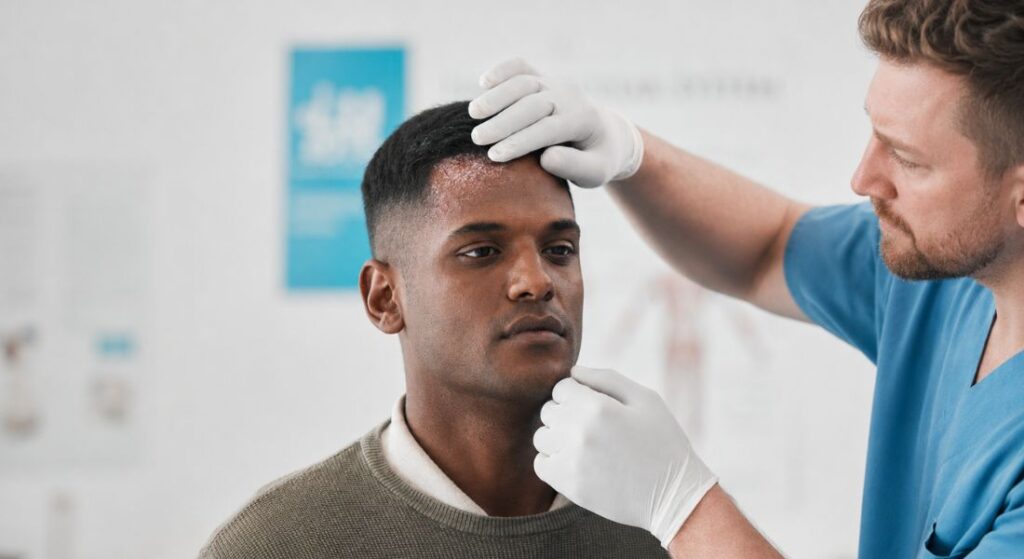
A dermatologist can assess the severity of scalp psoriasis and recommend the most appropriate treatment options for your individual needs. If you have persistent symptoms or find that over-the-counter products are not providing enough relief, specialist advice can be particularly valuable.
A detailed assessment helps ensure that the condition is diagnosed accurately and distinguished from other scalp disorders that may cause similar symptoms. This allows treatment to be targeted more effectively from the outset.
Early assessment can make a significant difference to long-term symptom control. By seeking professional advice sooner rather than later, you may be able to reduce discomfort, manage flare-ups more effectively, and improve overall scalp health.
Living Well with Scalp Psoriasis
If you’re living with scalp psoriasis, it’s important to remember that many people successfully manage the condition and maintain a good quality of life. Effective management often involves a combination of appropriate treatment, identifying and avoiding personal triggers, and following haircare practices that support scalp health. The more you understand about your condition, the better equipped you’ll be to make informed decisions about your care.
- A Combination of Strategies Often Works Best: You may find that treatment, trigger management, and suitable haircare routines work together to help keep symptoms under control.
- Understanding Your Condition Is Empowering: Learning about scalp psoriasis can help you recognise flare-ups, identify triggers, and make informed choices about managing your symptoms.
- Consistency Makes a Difference: Following your treatment plan and scalp care routine regularly is often more effective than only responding when symptoms worsen.
- Long-Term Management Is Achievable: While scalp psoriasis can be a chronic condition, many people successfully manage it and reduce its impact on daily life.
Overall, living well with scalp psoriasis is often about developing a consistent and personalised approach to care. If you understand your triggers, follow appropriate treatment recommendations, and maintain good scalp care habits, you can often achieve better long-term control. Consistency and ongoing management are key to helping you stay comfortable and confident over time.
Seeking Professional Support
If you are experiencing persistent scalp itching, scaling, or symptoms that may be related to psoriasis, seeking professional advice is an important step. While some scalp conditions can appear similar, an accurate diagnosis is essential for choosing the most effective treatment.
Early assessment allows a dermatologist to identify the cause of your symptoms and develop a treatment plan tailored to your individual needs. This can help address inflammation, reduce discomfort, and support better long-term symptom control.
With the right management approach, you can often achieve significant improvement in both scalp health and overall comfort. Personalised treatment and ongoing support play an important role in successful long-term care.
FAQs:
1. What does scalp psoriasis look like in Black skin?
In Black skin, scalp psoriasis often appears as violet, dark brown, or grey patches rather than the bright red plaques commonly seen in lighter skin tones. The scales may look thicker and more noticeable against darker skin. Symptoms can range from mild flaking to extensive areas of scaling and inflammation. Because the appearance can differ, diagnosis may sometimes be delayed.
2. How can you tell the difference between scalp psoriasis and dandruff?
Although both conditions can cause flaking, scalp psoriasis usually produces thicker scales and more defined patches of inflammation. Dandruff tends to cause finer, looser flakes without significant skin thickening. Psoriasis may also be associated with itching, soreness, and plaques that extend beyond the hairline. A dermatologist can help confirm the diagnosis if symptoms are unclear.
3. Can scalp psoriasis cause hair loss?
Scalp psoriasis does not typically cause permanent hair loss. However, severe inflammation, excessive scratching, or irritation of the scalp can lead to temporary hair shedding. Once the inflammation is controlled, hair usually grows back normally. Effective treatment can help protect both scalp health and hair growth.
4. Why can scalp psoriasis be more challenging to manage in Black hair?
Haircare routines and styling practices can sometimes make frequent washing or application of topical treatments more difficult. Certain medications may not fit easily into existing haircare routines. As a result, treatment plans often need to be adapted to suit individual hair types and preferences. A personalised approach is important for long-term success.
5. What are the most common symptoms of scalp psoriasis?
Common symptoms include itching, flaking, dryness, scaling, and irritation of the scalp. Some people may also experience burning, soreness, or tightness in affected areas. Symptoms can vary from mild to severe and often occur in cycles. Flare-ups may be followed by periods of improvement.
6. Can scalp psoriasis leave dark marks on the skin?
Yes, scalp psoriasis can sometimes lead to post-inflammatory hyperpigmentation in Black skin. This means darker patches may remain after the active inflammation has settled. These marks are not scars and usually fade gradually over time. Controlling inflammation early can help reduce the likelihood of pigmentation changes.
7. What treatments are available for scalp psoriasis?
Treatment options may include medicated shampoos, topical solutions, foams, lotions, or systemic therapies for more severe cases. The most suitable treatment depends on the severity of symptoms and your individual needs. A dermatologist will tailor the treatment plan to your scalp condition and haircare routine. Consistent use of treatment is often important for symptom control.
8. What can trigger a scalp psoriasis flare-up?
Common triggers include stress, illness, skin injury, weather changes, and certain medications. Triggers vary from person to person, so identifying your own patterns can be helpful. Managing these triggers may reduce the frequency and severity of flare-ups. Keeping symptoms under control is an important part of long-term management.
9. Are medicated shampoos effective for scalp psoriasis?
Medicated shampoos can be a useful part of treatment, particularly for reducing scaling and improving symptom control. However, the ideal frequency of use may vary depending on your hair type and styling preferences. They are often used alongside other treatments rather than on their own. Your dermatologist can recommend the most appropriate regimen for you.
10. When should you see a dermatologist for scalp psoriasis?
You should seek specialist advice if you have persistent scalp itching, scaling, discomfort, or symptoms that are not improving with over-the-counter products. Early diagnosis can help prevent symptoms from becoming more severe. A dermatologist can confirm the diagnosis and create a treatment plan tailored to your needs. Prompt treatment often leads to better long-term control.
Final Thoughts on Managing Scalp Psoriasis in Black Skin
Scalp psoriasis in Black skin can present unique challenges, from differences in appearance and diagnosis to the impact it may have on your haircare routine. Understanding these differences is important because early recognition and appropriate treatment can help reduce inflammation, improve comfort, and minimise long-term effects such as post-inflammatory hyperpigmentation. With the right management approach, many people are able to keep symptoms well controlled and maintain healthy scalp and hair conditions.
It is also important to remember that treatment should be tailored to your individual needs. Factors such as symptom severity, hair type, lifestyle, and personal preferences can all influence which therapies are most suitable for you. Working closely with a dermatologist can help ensure that your treatment plan fits into your daily routine while effectively controlling flare-ups. If you’re considering psoriasis treatment in London, you can get in touch with us at London Dermatology Centre.
References:
- Mosca, M., Hong, J. and Hadeler, E. (2012) ‘Scalp psoriasis: a literature review of effective therapies and updated recommendations for practical management’, Dermatologic Therapy. Available at: https://pubmed.ncbi.nlm.nih.gov/22570042/
- Alexis AF, McMichael A, Shahriari M, Stein Gold L, Alkousakis T, Choi O, et al. Guselkumab for moderate to severe scalp psoriasis across all skin tones: Cohort B of the VISIBLE randomized clinical trial. JAMA Dermatol. 2025. Available at: https://pmc.ncbi.nlm.nih.gov/articles/PMC12199185/
- Mosca, M., Hong, J., Hadeler, E. and others (2015) ‘Scalp psoriasis: a literature review of effective therapies and updated recommendations for practical management’, Dermatologic Therapy. Available at: https://pmc.ncbi.nlm.nih.gov/articles/PMC4491349/
- Yang, L., Wang, Y., Zhang, Y., Cai, Y., Fan, Z. and Liu, F. (2025) ‘Exploring the relationship and diagnostic targets of seborrheic dermatitis and scalp psoriasis based on multi-omics integration analysis’, Gene, 957, p. 149441. Available at: https://www.sciencedirect.com/science/article/abs/pii/S037811192500229X
- Puig, L., Ribera, M., Hernanz, J.M., Belinchón, I., Santos-Juanes, J., Linares, M., Querol, I., Colomé, E. and Caballé, G. (2010) ‘Treatment of scalp psoriasis: review of the evidence and Delphi consensus of the Psoriasis Group of the Spanish Academy of Dermatology and Venereology’, Actas Dermo-Sifiliográficas (English Edition), 101(10), pp. 827–846. Available at: https://www.sciencedirect.com/science/article/pii/S1578219010707307