


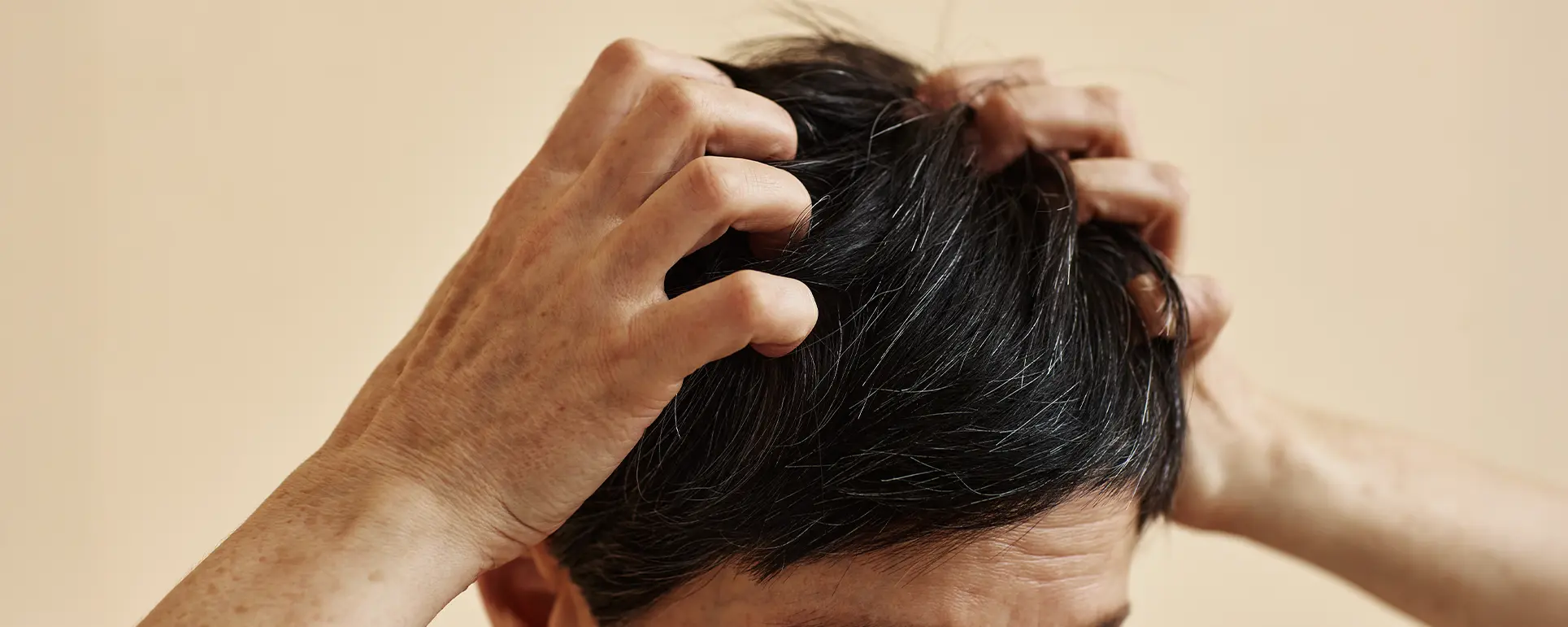
If you’ve been living with scalp psoriasis, you already know how stubborn it can be. Itching, flaking, redness, tightness, and plaques that seem impossible to shift are all part of the daily experience for many people. You may feel like you’ve tried every shampoo, steroid lotion, or ointment on the market and nothing seems to make enough of a difference. And when the scalp is the area affected, the emotional burden often feels even heavier because flare-ups are so visible and harder to conceal.
The good news is that we’re entering a new generation of treatment. Over the next couple of years, several breakthroughs in scalp psoriasis care are becoming increasingly mainstream. Dermatologists are using more advanced topicals, smarter foam formulations, novel targeted systemic therapies, and evolving biologic strategies that offer more predictable control. If you’ve been waiting for something truly new to help calm your scalp, the period from 2026 to 2027 will bring options that are more effective, more convenient, and often better tolerated.
In this guide, I’ll walk you through these upcoming therapies and explain how they work, who they help, and why they represent such important progress. Whether you’ve recently been diagnosed or have been managing scalp psoriasis for decades, the information here will help you understand what to expect from the next wave of treatment.
Why Scalp Psoriasis Is So Hard to Treat
Before exploring the new breakthroughs, it’s helpful to understand why the scalp can be such a difficult area to manage. The scalp is covered with hair, which makes it harder for treatments to reach the skin directly. Many creams and ointments are simply too heavy or greasy to work well in this environment. The buildup of scales can also act as a barrier, preventing medication from penetrating where it’s needed.
The scalp also tends to be more sensitive than other areas. Itching can feel more intense, and scratching although tempting often leads to bleeding, cracking, and worsening inflammation. Stress, hormonal shifts, seasonal changes, and lifestyle factors can all trigger flare-ups, which makes consistent control challenging.
These factors mean the scalp requires treatments that are powerful enough to tackle inflammation, light enough to move through hair easily, and gentle enough to avoid irritation. This is where the new generation of therapies stands out.
Breakthrough #1: Advanced Topical Therapies for the Scalp
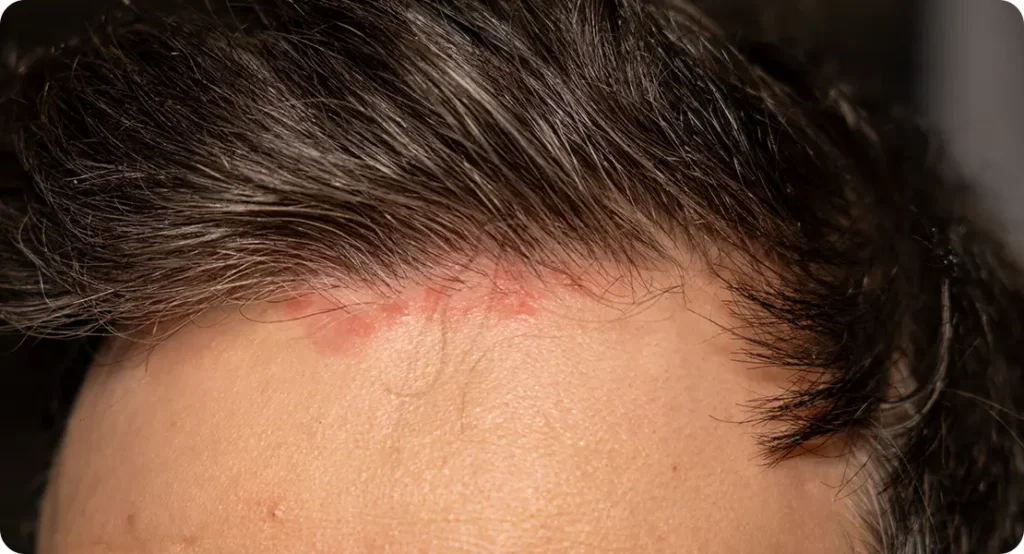
For many people, topicals are the first line of treatment. In the past, these options included tar-based shampoos, steroid lotions, and older formulations of vitamin D analogues. While these can still be helpful, newer topicals are far more sophisticated and targeted.
Combination Molecule Innovation – One of the biggest advancements is the development of combination molecules that merge anti-inflammatory and immune-targeting mechanisms into a single formulation. Earlier combination products required two separate ingredients mixed together, but the new wave involves single-molecule hybrids designed to penetrate the scalp more effectively.
These topicals work faster, provide longer remission between flare-ups, and offer better scalp comfort. They reduce redness, itching, and scaling while helping slow down the excessive skin cell turnover that drives psoriasis.
Highly Absorbable Vitamin D Analogues – Vitamin D analogues have been around for years, but the new-generation formulations coming in 2026–2027 are lighter, more absorbable, and less likely to cause irritation. These advanced analogues support keratinocyte regulation more efficiently, meaning they help normalise the pace at which new skin cells grow.
These lighter formulations also work better underneath hair because they don’t leave residue or oiliness behind. This encourages better compliance and makes daily use much easier.
Non-Steroid Anti-Inflammatory Topicals – Recent years have seen the growth of non-steroid anti-inflammatory topicals designed specifically for sensitive areas. These medications help reduce inflammation and itching without the side effects associated with long-term steroid usage. For people who’ve been cycling through steroids for years, this is a major shift.
The upcoming formulations are expected to deliver even better absorption and more targeted anti-inflammatory action, making them excellent choices for chronic scalp psoriasis that requires long-term maintenance.
Breakthrough #2: Next-Generation Foam and Spray Formulations
The delivery method matters almost as much as the medication itself when it comes to the scalp. Thick ointments can sit on top of the hair rather than absorb into the skin, and lotions often drip or spread unevenly.
This is why foams and sprays are becoming a central focus in psoriasis research.
Ultra-Light Steroid Foams – Steroid foams have existed for a while, but new formulations arriving in 2026–2027 are designed to:
- Spread evenly
- Absorb rapidly
- Minimise residue
- Avoid greasy buildup
- Work more effectively under dense hair
The result is a steroid that performs better and encourages consistent daily use. This leads to quicker symptom reduction and longer-lasting remission.
Vitamin D Foam Technology – Vitamin D foams are also becoming more widely available. These foams distribute medication evenly across the scalp, which helps normalize skin turnover without causing irritation or excessive dryness. They’re well tolerated, even on sensitive scalps.
Novel Sprayable Molecules – Several sprays are in development that combine anti-inflammatory effects with keratolytic action. These sprays help lift and soften thick scales, allowing deeper penetration of active ingredients. This speeds up flare-up control dramatically.
For people whose scalp psoriasis includes thick, stubborn plaques, these emerging sprays represent one of the most exciting improvements in topical care.
Breakthrough #3: Laser and Light-Based Advancements

Phototherapy has long been used for psoriasis, but traditional UV therapy is difficult to apply directly to the scalp because hair blocks the light. Solutions like hand-held comb phototherapy exist, but they can be time-consuming.
Fortunately, new technology is bridging the gap.
Precision Laser Delivery – Laser devices are increasingly designed with precision tips to allow direct targeting of scalp plaques. These devices part the hair automatically or deliver narrow beams that reach between the strands. This opens the door for more reliable and effective phototherapy sessions.
Targeted laser therapy can help:
- Reduce inflammation
- Slow skin cell turnover
- Remove stubborn scaling
- Improve plaque thickness
The newer devices expected by 2027 focus on stronger energy delivery with lower heat, which improves comfort and lowers the risk of irritation.
Combination Light Therapy Units – Some clinics are beginning to use combination devices that merge narrowband UVB with additional wavelengths designed to improve skin healing. These multi-spectrum devices offer broader therapeutic benefits, especially for chronic plaques that don’t respond well to standard treatments.
Breakthrough #4: Evolution of Systemic Treatments
While topicals and foams work well for mild to moderate scalp psoriasis, systemic treatments are often the most effective option for severe or persistent cases. The next few years will bring several updates to this category.
New Oral Small-Molecule Therapies – Small-molecule medications work inside your immune system to reduce inflammation from within. Unlike older systemic drugs that could cause wide-ranging side effects, newer molecules target specific immune pathways.
The upcoming generation focuses on increased precision, longer intervals between doses, and improved safety profiles. Many of these drugs selectively inhibit immune cytokines involved in psoriasis, helping reduce inflammation more consistently.
Updated PDE4 Inhibitors – PDE4 inhibitors are oral medications that help calm inflammation without the heavy risks associated with older systemic treatments. Newer versions are expected to provide improved symptom control with fewer side effects like nausea or headaches.
They are especially useful for people who want a non-biologic oral therapy that’s gentler but still effective.
JAK and TYK2 Modulators – TYK2 inhibitors have already made a significant impact in psoriasis treatment, and newer generations arriving by 2027 are expected to work even faster with improved targeting ability. These medications block key signalling pathways involved in the overactive immune response that drives psoriasis.
This class of treatment is promising for people whose scalp psoriasis remains unmanageable despite using topicals and biologics.
Breakthrough #5: Biologics Are Becoming More Personalised
Biologics revolutionised psoriasis care, but the next phase of biologic therapy is about tailoring treatment more precisely to each person’s symptoms. Scalp psoriasis often behaves differently from psoriasis on other parts of the body, which means a personalised approach is essential.
More Targeted Cytokine Blockers – New biologics focus on specific cytokines like IL-17, IL-23, and TNF-alpha. While these have already shown success, the upcoming versions are more selective, meaning:
- Fewer injections
- Lower risk of side effects
- Faster improvement
- Longer intervals between doses
These biologics also show promising results in resolving thick plaques that have resisted treatment for years.
Biologic Rotation Strategies – Dermatologists are increasingly using rotation strategies that switch biologics based on flare patterns, seasonal changes, and individual response. This tailored approach keeps symptoms under control more consistently.
Micro-Dosing for Flare-Ups – Some new studies support the use of smaller, more frequent biologic doses specifically for scalp-dominant psoriasis. This helps target flare-ups quickly without overloading the immune system.
Breakthrough #6: Barrier Repair and Microbiome-Based Treatments
Emerging research shows the scalp’s microbiome its delicate balance of bacteria and fungi can influence psoriasis severity. Disturbances in this balance may worsen inflammation or disrupt the scalp’s natural barrier.
Microbiome-Targeted Solutions – These upcoming treatments restore microbial balance using specific beneficial strains. Instead of suppressing inflammation directly, they encourage a healthier scalp environment that naturally reduces symptoms.
Barrier Repair Creams and Serums – While these are not new, the formulations expected in 2026–2027 are dramatically improved. They help repair micro-tears, reduce irritation, and minimise flaking. Healthy barrier function is essential for keeping psoriasis under control.
Breakthrough #7: AI-Powered Treatment Planning
The integration of artificial intelligence into dermatology is growing quickly. AI tools can analyse photographs of your scalp, track changes over time, and suggest which treatments are working best. This allows dermatologists to adjust your plan more accurately.
Some systems are being designed to detect microscopic scaling patterns or early flare signs that may not be obvious to the human eye. This helps prevent flare-ups before they become severe.
How These New Treatments Compare to Older Methods
Compared with older treatments like steroid creams or tar-based shampoos, modern psoriasis therapies offer a noticeable improvement in convenience and effectiveness. They work faster, reach deeper layers of the skin, and provide longer-lasting results.
Older methods often come with drawbacks such as greasy residue, strong odours, skin irritation, slow onset of effect, and poor penetration into the scalp. While these traditional options are still used in certain cases, the trend is clearly moving toward lighter, more targeted, and user-friendly treatments.
Which Treatments Might Be Right for You?
Choosing the right psoriasis treatment depends on several personal factors, including how severe your symptoms are, how long you’ve had the condition, whether other areas of your body are affected, your overall medical history, and your comfort with systemic medications.
For mild cases, advanced topical creams or new foam formulations may be sufficient. Moderate to severe psoriasis often benefits from systemic therapy or biologic treatments. For those who haven’t found relief with standard options, the latest targeted therapies can offer effective control. Ultimately, the most successful plan is personalised what works well for one person may not be suitable for another.
Frequently Asked Questions:
1. What makes scalp psoriasis more difficult to treat than psoriasis on other areas of the body?
Scalp psoriasis is challenging because the presence of hair makes it harder for topical treatments to reach the skin directly. Thick scales can form a barrier that prevents medications from penetrating, and heavy ointments or creams can be difficult to apply without leaving residue. The scalp is also highly sensitive, so itching and scratching can worsen inflammation and lead to micro-injuries. Seasonal changes, stress, and lifestyle factors further complicate consistent control, which is why specialised, targeted therapies are often needed for effective management.
2. How do the newest topical therapies improve scalp psoriasis treatment?
The latest topical therapies combine advanced anti-inflammatory and immune-targeting mechanisms into single formulations. Unlike older treatments that required mixing or layering multiple products, these new topicals provide faster relief, longer periods between flare-ups, and better comfort. Highly absorbable vitamin D analogues help normalise skin cell turnover with less irritation, and non-steroid anti-inflammatory topicals reduce inflammation safely for long-term maintenance. The improved penetration and lighter formulations mean they are easier to apply under hair and better tolerated for daily use.
3. What advantages do foam and spray formulations offer over traditional ointments?
Foam and spray formulations are designed to deliver medication evenly and effectively across the scalp, overcoming the limitations of creams and ointments. Ultra-light steroid foams absorb quickly, spread evenly, and minimise residue, making treatment more convenient. Vitamin D foams support keratinocyte regulation without excessive dryness or irritation, while novel sprayable molecules combine anti-inflammatory and keratolytic effects to lift scales and improve penetration. Overall, these formulations increase compliance, reduce treatment time, and accelerate symptom control.
4. Are there new laser or light-based treatments for scalp psoriasis?
Yes, advancements in phototherapy and laser technology are making scalp treatment more precise. Precision laser devices can part the hair and deliver focused energy directly to plaques, reducing inflammation and thick scaling. Combination light therapy units that merge narrowband UVB with additional wavelengths are also emerging, offering broader therapeutic benefits. These technologies allow dermatologists to treat stubborn scalp plaques more effectively and comfortably than traditional UV therapies, which often struggled to penetrate hair-covered areas.
5. How are systemic treatments evolving for scalp psoriasis?
Systemic therapies are becoming more targeted, safer, and easier to use. New oral small-molecule medications selectively inhibit key immune pathways, reducing inflammation with fewer side effects and longer intervals between doses. Updated PDE4 inhibitors offer effective non-biologic oral options with improved tolerability. Meanwhile, JAK and TYK2 modulators provide faster, more precise suppression of immune signalling. These innovations make systemic therapy an attractive option for patients whose scalp psoriasis does not respond to topical treatments or biologics alone.
6. What developments are happening in biologic therapies?
Biologic treatments are moving toward personalised, symptom-focused approaches. Next-generation biologics target specific cytokines such as IL-17, IL-23, and TNF-alpha more selectively, resulting in fewer injections, faster improvement, and longer-lasting effects. Dermatologists are also using rotation strategies and micro-dosing protocols to maintain control over scalp-dominant psoriasis while minimising immune system overload. These methods allow treatment to be tailored to individual flare patterns, improving both efficacy and convenience for patients.
7. How are barrier repair and microbiome-based treatments changing scalp psoriasis care?
Emerging therapies are focusing on restoring the scalp’s natural barrier and microbiome balance. Treatments that support beneficial microbes can reduce inflammation and improve the scalp environment naturally. Updated barrier repair creams and serums help heal micro-tears, minimise flaking, and reduce irritation. By strengthening the scalp’s resilience and supporting a healthier microbiome, these approaches complement traditional anti-inflammatory therapies and contribute to more durable disease control.
8. Can AI really improve scalp psoriasis treatment?
Artificial intelligence is increasingly being used to enhance treatment planning and monitoring. AI systems can analyse images of the scalp over time, detect early signs of flare-ups, and track treatment responses that may be difficult for the human eye to identify. This allows dermatologists to adjust therapies promptly, target specific plaques, and prevent worsening symptoms. By integrating AI tools into clinical care, treatment plans can become more personalised, proactive, and effective.
9. How do these new treatments compare with older scalp psoriasis methods?
Compared to older treatments like tar-based shampoos, steroid creams, or ointments, the new therapies offer faster results, deeper skin penetration, and longer-lasting effects. Older methods often left greasy residues, had strong odours, caused irritation, or provided inconsistent efficacy due to poor scalp penetration. Modern treatments are lighter, more targeted, and more user-friendly, which increases compliance and overall satisfaction while improving both comfort and clinical outcomes.
10. How do I know which scalp psoriasis treatment is right for me?
Choosing the most suitable therapy depends on your individual symptoms, severity, duration of disease, and overall medical history. Mild scalp psoriasis may respond well to advanced topicals or foams, while moderate to severe cases often benefit from systemic treatments or biologics. Patients who have not achieved relief with conventional therapies can explore targeted small molecules, updated biologics, or barrier repair solutions. The best approach is personalised and guided by a dermatologist, taking into account flare patterns, scalp sensitivity, and the patient’s preferences for convenience, tolerability, and long-term control.
Final Thought: Emerging Treatments for Scalp Psoriasis
Scalp psoriasis can be a persistent and visible condition, but the upcoming treatments for 2026–2027 are bringing significant hope. From advanced topicals and innovative foams to personalised biologics, targeted systemic therapies, and AI-assisted treatment planning, these options are designed to provide faster relief, longer remission, and greater comfort for patients. The new approaches also focus on supporting the scalp’s natural barrier and microbiome, which can make a meaningful difference in long-term disease control.
If you’re considering psoriasis treatment in London, you can contact us at London Dermatology Centre to book a consultation with one of our specialists. Our team can guide you through the latest therapies, helping you find the most suitable and personalised plan for managing your scalp psoriasis effectively.
References:
1. Hearn, R.M. et al. (1998) ‘Narrowband UVB phototherapy versus PUVA in chronic plaque‑type psoriasis: a paired comparison study’, JAMA Dermatology, 134(11), pp. 1397–1403. https://jamanetwork.com/journals/jamadermatology/fullarticle/477846
2. Lesiak, A., Sysa‑Jedrzejowska, A. & Robak, E. (2021) ‘TaaI/Cdx‑2 AA Variant of VDR Defines the Response to NB-UVB Phototherapy in Psoriasis’, Life 11(6), 567. https://www.mdpi.com/2075-1729/11/6/567
3. Rossi, M. et al. (2023) ‘Definition of the Clinical Characteristics of Patients with Atopic Dermatitis Suitable for NB‑UVB or UVA1 Phototherapy’, Journal of Clinical Medicine 12, 3303. https://www.mdpi.com/2077-0383/12/9/3303
4. Hauptman, M. et al. (2025) ‘Narrowband‑ultraviolet B Phototherapy for Psoriasis Treatment in Skin of Color: Efficacy and Safety Outcomes’, Photodermatology, Photoimmunology & Photomedicine. https://pubmed.ncbi.nlm.nih.gov/40908513/
5. Ouyang, R. et al. (2025) ‘Advances in Poly‑L‑Lactic Acid (PLLA) Injections for Facial and Non-Facial Skin Laxity: Safety and Efficacy’, Journal of Cosmetic Dermatology. https://pmc.ncbi.nlm.nih.gov/articles/PMC12323926/