



Scarring alopecia, also called cicatricial alopecia, is a type of hair loss where hair follicles are permanently destroyed. Unlike normal shedding, this condition can lead to irreversible bald patches if it isn’t treated promptly. Recognising it early is essential to protect the hair you still have.
The condition often begins subtly, so it can be easy to overlook. Many people assume hair loss is due to stress or genetics, but scarring alopecia is caused by inflammation that damages follicles. Being aware of the warning signs helps you seek help before permanent damage occurs.
Symptoms may include patchy hair loss, redness, scaling, or tenderness on the scalp. Early evaluation allows dermatologists to confirm the diagnosis and start treatment to slow or halt progression.
This guide covers the causes, symptoms, diagnostic process, and treatment options for scarring alopecia. Acting quickly is vital because once follicles are destroyed, hair regrowth is no longer possible.
What Causes Scarring Alopecia?
Scarring alopecia happens when inflammation destroys hair follicles. Autoimmune conditions, infections, and inflammatory skin disorders can trigger this process. Over time, the inflammation replaces follicles with scar tissue, preventing new hair from growing.
Certain conditions, like lichen planopilaris, frontal fibrosing alopecia, and discoid lupus erythematosus, are common culprits. Each of these disorders prompts an immune-mediated attack on the follicles. Spotting the underlying cause early is essential to halting progression.
Understanding the cause also helps guide treatment decisions. Therapies that reduce inflammation or modulate the immune system can slow or stop hair loss, but they need to be started before follicles are permanently damaged.
Early recognition and intervention give you the best chance of preserving existing hair. Acting promptly can make a real difference in preventing irreversible bald patches and maintaining confidence.
Recognising the Early Signs
Early signs of scarring alopecia often include patchy hair loss accompanied by redness, scaling, or soreness of the scalp. You may also notice burning, itching, or tenderness in the affected areas. Hair might break easily or fall out in small clusters.
Subtle changes, such as shiny, smooth patches of scalp or the loss of follicular openings, can also signal the condition. These early signs are easy to overlook or mistake for other hair disorders, which is why careful evaluation is so important.
Being aware of these warning signs allows you to act quickly. Early recognition gives dermatologists a better chance to stop or slow hair loss before it becomes permanent.
If you notice any of these symptoms, scheduling an assessment without delay is crucial. Prompt intervention is the most effective way to protect your remaining hair and prevent irreversible damage.
Why Scarring Alopecia Can Be Permanent
Scarring alopecia is different from other types of hair loss because it destroys the stem cells at the base of hair follicles. Once these cells are lost, the follicles cannot regenerate, which is why the condition can lead to permanent bald areas.
Scar tissue replaces the destroyed follicles, making regrowth impossible. While treatments can slow or stop further hair loss, they cannot restore hair that has already been lost. This is what sets scarring alopecia apart from conditions like alopecia areata or telogen effluvium.
Understanding that follicle loss is permanent highlights the importance of acting quickly. Early detection gives dermatologists the best chance to preserve the hair you still have.
Delayed treatment limits the options for saving hair and can lead to larger areas of permanent baldness. Recognising the urgency of early intervention is key to protecting both your hair and confidence.
Symptoms to Watch For
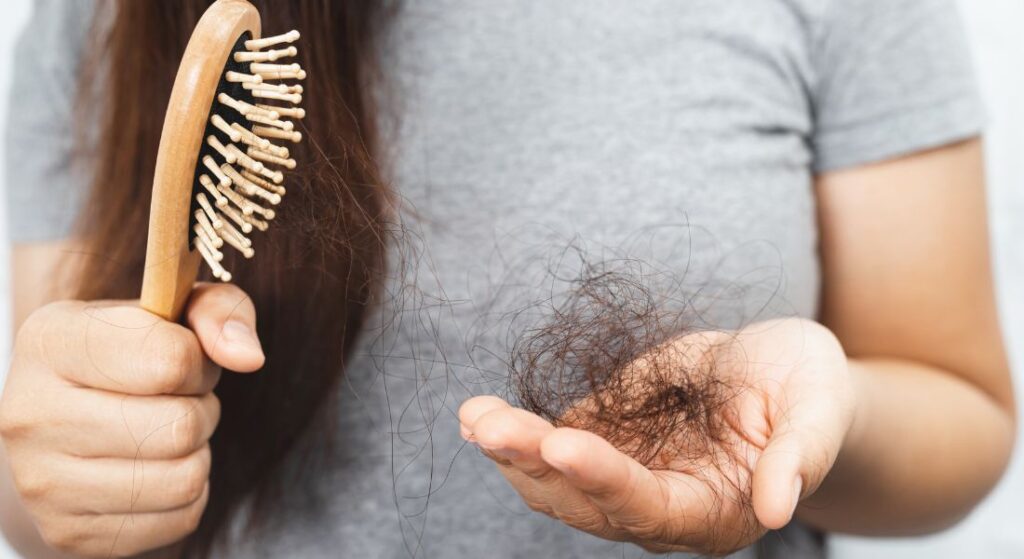
Being aware of early symptoms of hair loss is crucial for preventing permanent damage and achieving the best treatment outcomes. Hair loss conditions, such as alopecia areata, often start subtly, and recognizing the warning signs can allow timely intervention and targeted care from a dermatologist.
- Patchy or Sudden Hair Loss: One of the earliest signs is hair falling out in small, round, or irregular patches. These areas may be smooth or shiny, and in some cases, hair may come out easily when combing or washing. Observing new bald spots early can help prevent them from expanding or merging into larger areas.
- Scalp Redness, Scaling, and Irritation: Inflammation around hair follicles often manifests as redness, flaking, or scaling on the scalp. Patients may notice tenderness, itching, or even a burning sensation. Pustules, crusting, or scabs may sometimes develop, indicating an active inflammatory process that needs professional attention.
- Follicular Changes and Early Follicle Loss: In more severe cases, the hair follicle openings may start to disappear, leaving smooth, shiny areas on the scalp. This is a sign that follicles are being destroyed and hair loss may become permanent if not addressed promptly.
- Other Warning Signs: Some patients report sensations of tightness, scalp discomfort, or increased sensitivity in affected areas. Changes in hair texture, such as the growth of fine, soft hairs instead of normal thick strands, can also indicate the early stages of regrowth or follicular stress.
- The Importance of Prompt Evaluation: Noticing any of these symptoms should trigger an immediate consultation with a dermatologist or hair specialist. Early detection and treatment can prevent patches from spreading, reduce inflammation, and maximize the chances of successful regrowth.
In conclusion, monitoring for symptoms like patchy hair loss, scalp inflammation, follicular changes, and unusual sensations allows patients to act quickly. Recognizing these early warning signs and seeking professional care promptly is the most effective way to protect hair follicles, prevent permanent loss, and improve both cosmetic and psychological outcomes. Staying vigilant and proactive is key to maintaining healthy hair and overall confidence.
How Dermatologists Diagnose Scarring Alopecia
Diagnosing scarring alopecia starts with a detailed clinical examination. Your dermatologist will look at hair patterns, follicular openings, inflammation, and scarring to distinguish it from non-scarring types of hair loss.
In many cases, a scalp biopsy is performed to confirm the diagnosis and understand the underlying cause. Additional tests, such as blood work, may be done to rule out autoimmune or inflammatory conditions. Imaging or trichoscopy can also help assess follicle health.
Accurate diagnosis is essential because it guides the most appropriate and timely treatment. Knowing exactly what type of scarring alopecia you have allows your dermatologist to target therapy effectively.
Prompt evaluation ensures treatment can focus on halting inflammation before more follicles are destroyed. Early intervention is the cornerstone of managing this condition and preserving as much hair as possible.
Types of Scarring Alopecia
Scarring alopecia can be divided into primary and secondary forms. Primary forms occur when inflammation directly targets hair follicles, such as in lichen planopilaris. Secondary forms happen after trauma, burns, or infections that damage follicles.
Frontal fibrosing alopecia is a subtype that mostly affects postmenopausal women. Discoid lupus erythematosus is another autoimmune form that can lead to scarring. Each type has its own symptoms and progression patterns.
Recognising the specific subtype is important because it guides treatment decisions. Different forms may respond better to particular therapies, and early intervention can help prevent further hair loss.
Tailoring therapy to the subtype improves outcomes and helps preserve as much hair as possible. Working closely with a dermatologist ensures you get the right plan for your condition.
The Role of Inflammation
Inflammation is at the heart of scarring alopecia. Immune cells attack the stem cells at the base of hair follicles, which starts the process of scarring. Chronic or ongoing inflammation can accelerate irreversible hair loss.
Reducing inflammation quickly is the main goal of treatment. Dermatologists may prescribe topical creams, oral medications, or injectable therapies to calm the immune response and protect remaining follicles.
Controlling inflammation early gives the best chance of preventing further follicle damage. Even small delays can allow bald patches to expand or become permanent.
Monitoring your scalp for signs of new inflammation is important to catch flare-ups early. Understanding how inflammation drives the condition empowers you to act promptly and protect your hair.
Topical Treatments for Early Disease
Topical corticosteroids are often the first-line treatment for localized scarring alopecia. They work by reducing inflammation and calming the immune response around the hair follicles. Regular application under your dermatologist’s guidance is essential for the best results.
Calcineurin inhibitors are another topical option, especially for sensitive areas of the scalp. These medications can reduce inflammation without the side effects associated with steroids, making them useful for long-term management.
Consistency and correct use are key to effectiveness. Early application of these topical treatments can help slow disease progression and protect remaining follicles.
While topical therapies may slow hair loss, they cannot restore follicles that have already been destroyed. Acting promptly is crucial to preserve as much hair as possible and maximise treatment outcomes.
Systemic Medications

For patients with extensive or aggressive hair loss, topical treatments alone may not be sufficient. In these cases, systemic medications can provide more powerful control over inflammation and immune activity, helping to protect hair follicles and promote regrowth. Early specialist assessment is key to determining the right therapy and minimizing the risk of permanent hair loss.
- Types of Systemic Medications: Systemic therapies may include oral corticosteroids, hydroxychloroquine, or immunosuppressants. These medications work throughout the body to reduce inflammation, regulate immune responses, and prevent further destruction of hair follicles.
- When Systemic Therapy is Used: These treatments are typically reserved for rapidly progressing hair loss, extensive bald patches, or cases where topical therapies have proven ineffective. They are considered a more aggressive approach but are often necessary to halt widespread follicle damage.
- Monitoring and Safety: Because systemic medications can have significant side effects, careful monitoring is essential. Regular follow-up appointments, blood tests, and clinical evaluations ensure the therapy is effective while minimizing risks such as infections, liver toxicity, or hormonal imbalances.
- Importance of Early Intervention: Starting systemic treatment promptly increases the likelihood of preserving existing hair and encouraging regrowth. Delaying specialist consultation can lead to irreversible follicle damage and permanent hair loss.
In conclusion, systemic medications offer a powerful option for managing severe or widespread hair loss, but they require expert oversight. Early evaluation by a dermatologist ensures timely initiation, safe monitoring, and a higher chance of effective hair restoration while protecting overall health.
Biologic Therapies and Emerging Options
Biologic therapies are an exciting option if you have scarring alopecia that hasn’t responded to conventional treatments. These medications work by targeting the specific immune pathways that cause your hair follicles to be damaged, helping reduce inflammation and slow disease progression.
Early studies show promising results, with some people seeing their hair loss stabilise or even experiencing regrowth in affected areas. While more research is needed, these treatments give you a more targeted approach than traditional creams or oral medications.
Biologics are usually considered when your hair loss continues despite other therapies. You would need specialist prescription and ongoing monitoring to make sure the treatment is safe and effective. For those with aggressive or stubborn scarring alopecia, biologics give you hope and more options to protect your hair.
Hair Transplantation: Limitations
Once hair follicles are destroyed and replaced by scar tissue, hair transplantation can become an option. However, it’s only considered after the disease has been fully controlled. Transplanting hair into areas with active inflammation is usually unsuccessful.
Even when the condition is stable, scarring areas often have a reduced blood supply, which can limit the survival of transplanted grafts. This makes hair transplantation a reconstructive solution rather than a cure.
It’s important to understand that transplantation cannot reverse the damage caused by scarring alopecia. The procedure is designed to improve appearance but cannot restore natural follicle function.
Recognising these limitations reinforces why early medical treatment is so critical. Preserving your natural follicles through prompt intervention is always the best approach.
Scalp Care During Treatment
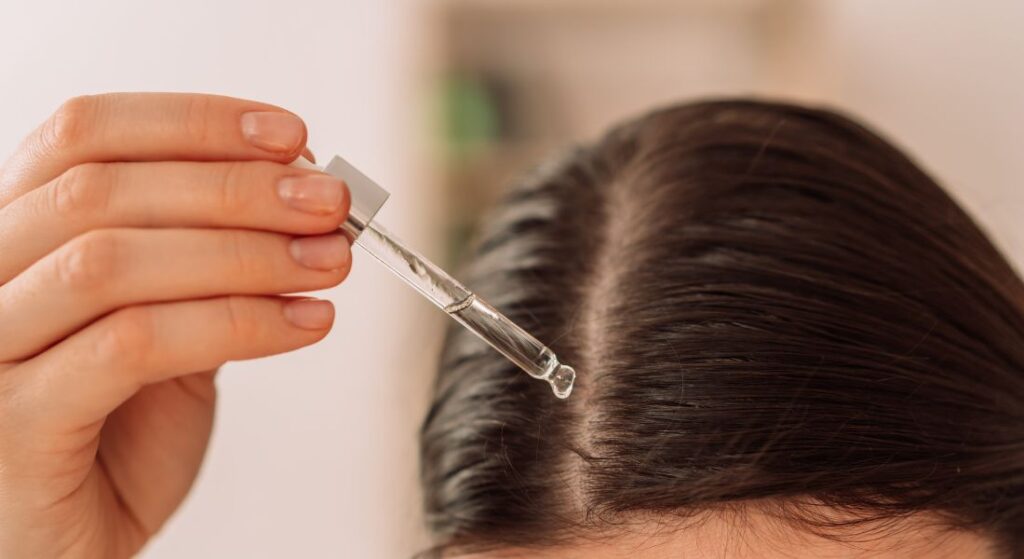
Gentle scalp and hair care is an important part of managing scarring alopecia. Avoid tight hairstyles, harsh shampoos, and chemical treatments that can stress the follicles. Regular moisturising and careful handling help reduce irritation and protect the scalp.
Sun protection is also essential, especially if you’re using topical medications that can make the skin more sensitive. Patients should avoid scratching or picking at inflamed areas to prevent further damage.
Proper scalp care complements medical treatments by supporting the health of remaining follicles. Simple habits like gentle washing and using mild, fragrance-free products can make a noticeable difference.
Supporting scalp health maximises the effectiveness of treatment and helps preserve hair. When combined with professional therapy, these practices are an essential part of comprehensive management.
Emotional Impact of Scarring Alopecia
Permanent hair loss from scarring alopecia can have a significant impact on self-esteem, social confidence, and mental health. Many people feel anxious, stressed, or upset when they notice progressive patches of hair loss. Emotional support is an important part of overall care.
Counselling, support groups, or online communities can provide practical advice and a sense of connection with others going through similar experiences. Knowing that treatment can help preserve the hair you still have often reduces fear and anxiety.
Addressing the psychological impact early also helps you stay engaged with your treatment plan. Feeling supported can improve adherence to therapy and reduce stress, which may complement medical outcomes.
Taking care of your emotional health is a vital part of recovery. By combining professional treatment with mental health support, you can maintain resilience, confidence, and overall well-being during your hair regrowth journey.
Why Urgent Specialist Assessment Matters
Prompt assessment by a dermatologist is one of the most important steps in managing hair loss. Early evaluation helps prevent permanent follicle damage, allows for precise diagnosis, and ensures that treatment begins before hair loss becomes extensive or irreversible.
- Preventing Irreversible Follicle Loss: Hair follicles can be permanently destroyed if inflammation is allowed to progress unchecked. Seeing a specialist early helps stop the inflammatory process and protect remaining hair.
- Accurate Diagnosis: Hair loss can have multiple underlying causes, including autoimmune conditions, hormonal imbalances, or nutritional deficiencies. A dermatologist can accurately identify the cause and differentiate between conditions that appear similar, ensuring the right treatment is chosen.
- Access to Targeted Treatment: Early consultation allows for timely initiation of therapies such as topical or systemic medications, platelet-rich plasma (PRP), or other interventions tailored to disease severity. Prompt treatment improves the likelihood of regrowth and prevents patches from merging or spreading.
- Ongoing Monitoring and Support: Dermatologists provide continuous follow-up to monitor response, adjust treatment plans, and support patients emotionally throughout the hair restoration process. This oversight maximizes safety and effectiveness while minimizing complications.
- Maximizing Treatment Efficacy: Waiting too long reduces the effectiveness of both topical and systemic treatments. Early referral ensures more options are available and increases the chance of maintaining a full scalp.
In conclusion, urgent specialist assessment is critical for achieving the best hair restoration outcomes. Acting quickly preserves hair follicles, provides access to targeted therapies, and supports both physical and emotional well-being. Early intervention is the most effective strategy for protecting hair and confidence.
Monitoring Disease Progression
Regular follow-up visits are essential for keeping track of inflammation and hair loss. Tools like trichoscopy or scalp photographs can help document changes over time, providing a clear picture of how the condition is progressing.
Being proactive about reporting new symptoms or emerging patches is equally important. Promptly alerting your dermatologist ensures that any flare-ups are treated quickly, helping prevent small areas from becoming permanent bald zones.
Ongoing monitoring also allows your dermatologist to assess how well treatments are working. This information guides decisions about whether to continue, adjust, or escalate therapy to achieve the best results.
Active, consistent monitoring gives you and your dermatologist the ability to stay ahead of the condition. It maximises the chances of preserving hair, controlling inflammation, and achieving the most effective outcomes.
Lifestyle and Supportive Measures
Maintaining a healthy lifestyle can support how well treatments work. Eating a balanced diet, managing stress, getting enough sleep, staying hydrated, and exercising regularly all contribute to overall scalp and hair health.
While these lifestyle changes won’t cure scarring alopecia, they complement medical therapies and may help reduce flare-ups. Stress management, in particular, can play an important role in keeping inflammation under control.
Integrating these supportive measures into your daily routine strengthens your overall treatment plan. Small, consistent habits can make a noticeable difference over time.
Taking a holistic approach gives you more control over managing the condition. Combined with professional therapy, healthy lifestyle choices can improve outcomes and help you feel more confident throughout your recovery.
Long-Term Outlook
Scarring alopecia can be controlled, but hair lost to scarring cannot grow back naturally. Early treatment is key to preserving the hair you still have and preventing further bald patches. Long-term management focuses on stabilising the condition and maintaining overall scalp health.
Many patients achieve excellent control through medications, topical or systemic therapies, and regular monitoring. For some, reconstructive interventions may be needed if scarring is extensive. Early specialist care significantly improves the overall prognosis.
Understanding the long-term expectations helps you plan realistically. While regrowth of lost hair may not be possible, preventing further loss and maintaining scalp health are realistic and achievable goals.
Focusing on preservation, consistent care, and monitoring can help you maintain confidence and quality of life. With timely intervention and ongoing support, you can manage the condition effectively over the long term
FAQs:
1. What is scarring alopecia and how does it differ from other hair loss conditions?
Scarring alopecia, also called cicatricial alopecia, is a form of hair loss where inflammation permanently destroys hair follicles, replacing them with scar tissue. Unlike conditions like alopecia areata or telogen effluvium, the hair cannot regrow in areas where follicles have been destroyed, which is why early recognition and treatment are so important.
2. What are the early signs of scarring alopecia?
Early signs often include patchy hair loss accompanied by redness, scaling, tenderness, or itching of the scalp. You might notice smooth or shiny areas where hair follicles appear to be disappearing, and hair may break easily or fall out in small clusters. These subtle changes are easy to overlook, so prompt attention is crucial.
3. Why is urgent specialist assessment important?
Urgent assessment by a dermatologist allows for early diagnosis and intervention, which can prevent permanent follicle destruction. Acting quickly helps to halt inflammation, preserve remaining hair, and start targeted treatment before bald patches expand or become irreversible.
4. How do dermatologists diagnose scarring alopecia?
A dermatologist will conduct a detailed clinical examination of the scalp to evaluate hair patterns, follicular openings, and signs of inflammation or scarring. In many cases, a scalp biopsy is performed to confirm the diagnosis and determine the underlying cause, while additional tests may be used to rule out autoimmune or inflammatory conditions.
5. What treatment options are available for scarring alopecia?
Treatment focuses on reducing inflammation and preventing further follicle loss. Topical corticosteroids and calcineurin inhibitors are often used for early or localized disease, while systemic medications may be necessary for extensive or aggressive cases. Biologic therapies are emerging as targeted options for patients who do not respond to traditional treatments.
6. Can lost hair regrow after scarring alopecia?
Hair lost due to scarring alopecia cannot regrow naturally because the stem cells at the base of the follicles are destroyed and replaced by scar tissue. Treatment is aimed at preserving existing hair and preventing further loss rather than restoring hair that has already been lost.
7. Are hair transplants an option for scarring alopecia?
Hair transplantation can sometimes be considered once the disease is fully controlled, but it cannot reverse damage caused by scarring. The success of transplanted hair may be limited by reduced blood supply in scarred areas, making transplantation more of a reconstructive solution than a cure.
8. How does inflammation affect scarring alopecia?
Inflammation is the primary driver of follicle destruction in scarring alopecia. Immune cells attack the stem cells at the base of hair follicles, leading to permanent hair loss if unchecked. Controlling inflammation early is critical to preserving remaining follicles and slowing disease progression.
9. What supportive measures can help alongside medical treatment?
Maintaining a gentle hair care routine, avoiding harsh chemicals or tight hairstyles, managing stress, eating a balanced diet, getting sufficient sleep, and protecting the scalp from sun exposure can all support treatment. While these measures cannot reverse scarring, they help protect remaining hair and improve overall scalp health.
10. What is the long-term outlook for someone with scarring alopecia?
The long-term outlook depends on early diagnosis and consistent management. While hair that is already lost cannot grow back, early intervention and ongoing treatment can stabilize the condition, prevent further loss, and maintain scalp health. Patients can achieve good control of the disease and preserve as much hair as possible with timely specialist care and regular monitoring.
Final Thoughts: Acting Early to Preserve Hair and Confidence
Scarring alopecia can be a challenging condition, but early recognition and prompt specialist care make a significant difference. Acting quickly helps prevent permanent follicle loss, controls inflammation, and protects the hair you still have. Maintaining regular follow-ups, practicing gentle hair care, and addressing lifestyle factors such as stress and nutrition all support better long-term outcomes.
If you’re considering alopecia treatment in London, you can get in touch with us at the London Dermatology Centre to discuss personalised treatment options. Early consultation allows expert guidance, maximises the potential for successful hair preservation, and provides the best chance of maintaining both cosmetic and psychological well-being.
References:
1. Cummins, D. M., Chaudhry, I. H. and Harries, M. (2021) Scarring Alopecias: Pathology and an Update on Digital Developments, Biomedicines, 9(12), Article 1755. https://www.mdpi.com/2227-9059/9/12/1755
2. [Optional MDPI review specific subtype] Smith, J. et al. (2024) Central Centrifugal Cicatricial Alopecia in the Adolescent Population, Life, 13(4):1022. https://www.mdpi.com/2075-1729/13/4/1022
3. McElwee, K. J. (2008) Etiology of cicatricial alopecias: a basic science point of view, Dermatologic Therapy, 21(4), pp. 212–220. https://pubmed.ncbi.nlm.nih.gov/18715290/
4. Poliner, A. D. and Tosti, A. (2021) Hair regrowth in cicatricial alopecia: a literature review, Journal of Dermatology, 48(8), pp. 1113–1128. https://pubmed.ncbi.nlm.nih.gov/33890315/
5. Harries, M. J., Paus, R. and Not specified author (2010) The Pathogenesis of Primary Cicatricial Alopecias, American Journal of Pathology, 177(5), pp. 2152‑2162, https://www.sciencedirect.com/science/article/pii/S0002944010602672