


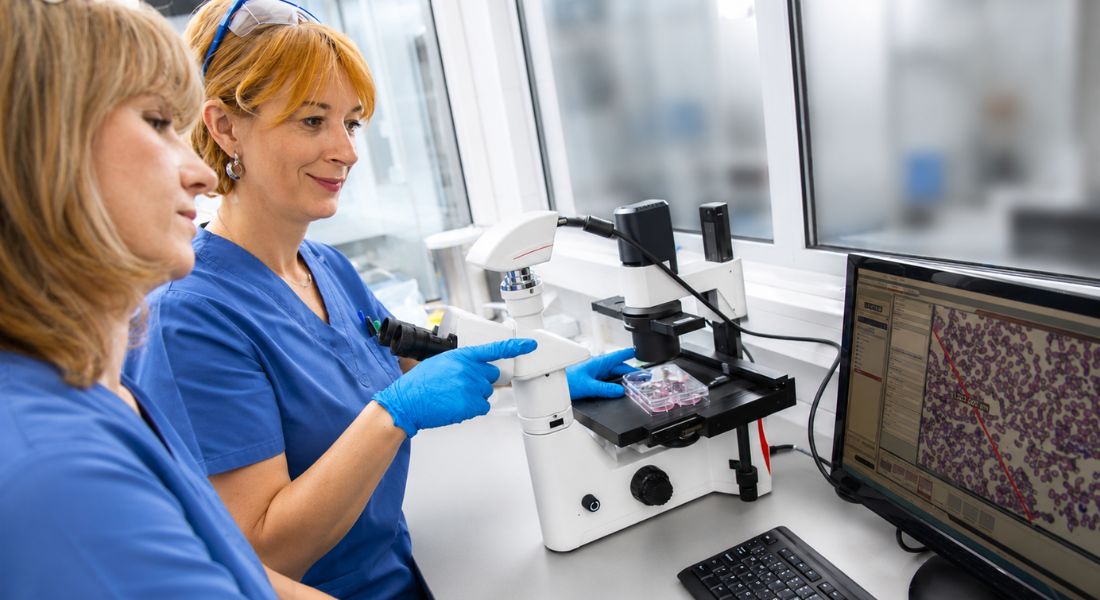
Skin cancer remains one of the most commonly diagnosed cancers worldwide, but outcomes have improved significantly in recent years due to earlier detection and advances in treatment. If you are concerned about skin health, you should know that research in dermatology and oncology is continuing to move rapidly, with new technologies and therapies offering more effective and less invasive options.
As you move into 2027, the focus is increasingly on improving early diagnosis, refining treatment precision, and reducing long-term recurrence risk. Artificial intelligence, immunotherapy, and genetic profiling are all playing a growing role in shaping the future of care, helping clinicians tailor treatment more closely to your individual risk profile and disease characteristics.
For you as a patient or someone interested in skin health, these advances may mean earlier detection, more personalised treatment plans, and improved outcomes in many cases. While challenges remain, ongoing research is steadily improving how skin cancer is identified and treated, offering greater precision and confidence in clinical decision-making. Below, you’ll find the key research areas expected to have the biggest impact in skin cancer management during 2027.
Artificial Intelligence in Early Detection
Artificial intelligence is becoming one of the most powerful tools in dermatology. If you are concerned about skin cancer risk, you should know that AI is increasingly being used to analyse skin lesion images and help identify early signs of skin cancer with greater speed and consistency.
As you move into 2027, AI systems are expected to become more accurate and more widely integrated into clinical workflows. If you attend a skin check, you may benefit from these systems helping to flag suspicious lesions earlier, supporting faster referral, diagnosis, and treatment when needed.
Importantly, this technology does not replace your dermatologist’s clinical expertise. Instead, it supports decision-making by providing an additional layer of analysis, helping your clinician assess your skin more efficiently and with greater precision.
Evidence Note:
A 2024 systematic review and meta-analysis found that AI algorithms show strong potential for skin cancer classification, but the evidence also highlights the need for real-world validation, diverse image datasets and clinician oversight. For patients, this means AI may become a useful support tool during skin assessment, but it should not be seen as a replacement for examination by a trained dermatologist.
Improved Dermoscopy and Imaging Technology
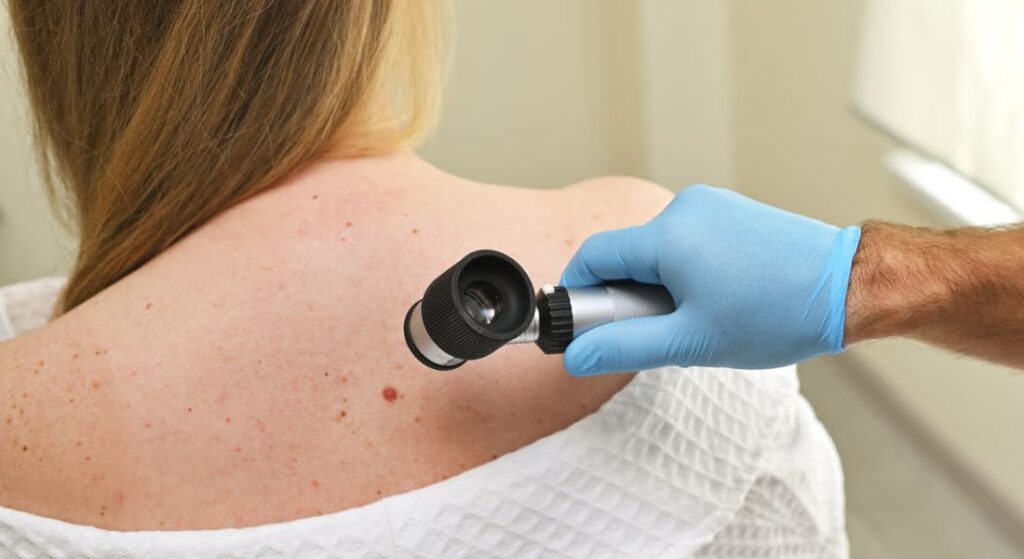
Dermoscopy has long been a key diagnostic tool in skin cancer detection, and if you are undergoing a skin examination, you may already have experienced how it helps specialists view skin lesions in greater detail than the naked eye alone.
New imaging technologies are now offering even greater clarity and precision. If you attend a consultation, you may benefit from advanced systems that allow clinicians to examine skin lesions at a near-microscopic level without immediately needing a biopsy, helping to improve diagnostic confidence.
As you move into 2027, these tools are expected to continue evolving rapidly. For you, this means more accurate assessments, fewer unnecessary procedures in some cases, and earlier identification of lesions that require closer monitoring or treatment.
Advances in Immunotherapy
Immunotherapy has transformed the treatment of advanced skin cancers, particularly melanoma. If you are affected by a more advanced skin cancer, you should know that these treatments work by helping your immune system recognise and attack cancer cells more effectively.
As you move into 2027, researchers are focusing on improving response rates so that more patients benefit from immunotherapy. At the same time, efforts are being made to reduce side effects and make treatments more tolerable for you during long-term use.
New combinations of immunotherapy drugs are also being studied to enhance effectiveness and overcome resistance in certain cases. Overall, this remains one of the most promising areas of skin cancer treatment, offering you improved outcomes and more personalised therapeutic options in the future.
Evidence Note:
Long-term melanoma research has shown how much immunotherapy has changed outcomes for advanced disease. In final 10-year data from CheckMate 067, nivolumab plus ipilimumab produced a median melanoma-specific survival of more than 120 months, compared with 49.4 months with nivolumab alone and 21.9 months with ipilimumab alone. For patients, this shows why immunotherapy remains one of the most important areas of melanoma research, while also highlighting the need to balance benefit with side effects and individual suitability.
Targeted Therapy Developments
Targeted therapies focus on specific genetic mutations within cancer cells. If you are diagnosed with skin cancer, you should know that this approach allows treatment to be more precise and often less toxic than traditional chemotherapy, as it is designed to act on specific molecular changes within your cancer cells.
Researchers are continuously identifying new molecular targets in skin cancer, which may help develop more effective treatment options for advanced disease. As you move into 2027, you can expect these developments to contribute to more refined therapies that are better matched to your individual tumour profile.
Personalised treatment is becoming increasingly important in oncology, meaning your therapy may one day be selected based on the exact genetic characteristics of your cancer. This approach aims to improve outcomes while reducing unnecessary side effects for you during treatment.
Genetic Profiling of Skin Cancers
Genetic testing is helping doctors better understand how individual skin cancers behave. If you are diagnosed with skin cancer, you should know that analysing tumour DNA allows clinicians to identify specific genetic changes and tailor your treatment strategy more effectively.
As you move into 2027, genetic profiling is expected to become more widely used in clinical practice. This means your treatment plan may increasingly be guided by the unique genetic characteristics of your tumour, helping improve treatment selection and potentially leading to better long-term outcomes for you.
This approach represents a key step toward precision oncology, where your care is designed around the specific biology of your cancer rather than a one-size-fits-all method.
Liquid Biopsy Research
Liquid biopsies involve detecting cancer-related markers in your blood sample rather than relying only on tissue biopsies. If you are being monitored for skin cancer, you should know that this emerging technology may one day help your doctor track disease progression and identify recurrence earlier and less invasively.
As you move into 2027, researchers are continuing to improve the accuracy and reliability of liquid biopsy techniques. The goal is to make it easier to detect small changes in cancer activity in your body, which could support earlier intervention if your condition changes over time.
Although still in development, early results are encouraging. If further validated, this approach could become a valuable monitoring tool for you in the future, complementing existing imaging and clinical follow-up methods in skin cancer care.
Early Detection Screening Programmes
Screening programmes are becoming more structured and more accessible. If you are concerned about skin cancer risk, you should know that early detection significantly improves treatment success rates, as cancers identified at an early stage are generally easier to treat and have better outcomes.
Researchers are also exploring risk-based screening approaches, where individuals at higher risk are monitored more closely. If you fall into a higher-risk category, you may benefit from more frequent or targeted skin checks, helping ensure that any suspicious changes are identified as early as possible.
As you move into 2027, these developments are expected to improve the efficiency and effectiveness of screening programmes. However, early diagnosis will remain critical for you, as timely detection continues to be one of the most important factors in achieving successful skin cancer treatment outcomes.
Key Facts: Why Early Detection Still Matters
- Melanoma remains a major skin cancer concern in the UK.
- Cancer Research UK reports around 19,400 new melanoma cases each year in the UK.
- More than 9 in 10 people diagnosed with melanoma skin cancer in the UK survive for 10 years or more, but outcomes are strongly influenced by stage at diagnosis.
- New, changing, bleeding, crusting or irregular skin lesions should be checked promptly.
- AI and imaging tools may support detection, but they do not replace clinical assessment.
Cancer Research UK reports around 19,400 new melanoma cases per year in the UK and 92.7% predicted 10-year survival.
Advances in Non-Melanoma Skin Cancer Treatment
Non-melanoma skin cancers, such as basal cell carcinoma and squamous cell carcinoma, are highly common but are usually highly treatable when detected early. If you are affected by these conditions, you should know that outcomes are generally very positive, especially when diagnosis and treatment happen promptly.
New topical treatments and minimally invasive procedures are being developed to improve your treatment experience and outcomes. These approaches aim to treat cancer more effectively while reducing scarring, shortening recovery time, and preserving as much healthy skin as possible.
As you move into 2027, treatment options for non-melanoma skin cancers are expected to continue expanding. This means you may benefit from more refined and less invasive therapies in the future, offering improved results and a more comfortable recovery process while maintaining high cure rates when the condition is detected early.
Minimally Invasive Surgical Techniques
Surgical removal remains a standard treatment for many skin cancers. If you are diagnosed with a skin cancer that requires surgery, you should know that newer techniques are becoming increasingly precise and less invasive, helping to improve both medical and cosmetic outcomes.
Techniques such as Mohs micrographic surgery allow for complete tumour removal while preserving as much healthy tissue as possible. This step-by-step approach helps ensure that all cancer cells are removed while minimising unnecessary damage to surrounding skin.
As you move into 2027, refinements in surgical tools and techniques are expected to further improve precision and healing outcomes. These advances are particularly important if you have lesions on visible areas such as the face, where preserving natural appearance and reducing scarring is often a key priority alongside effective cancer treatment.
Sun Damage Prevention Research
Prevention remains one of the most important aspects of skin cancer control. If you are concerned about your skin health, you should know that researchers continue to study how UV exposure leads to DNA damage in your skin cells, increasing the risk of developing skin cancer over time.
Public health strategies are increasingly focused on improving awareness and encouraging protective behaviours. If you are spending time outdoors, you may benefit from stronger emphasis on consistent sunscreen use, seeking shade, and adopting sun-safe habits as part of your daily routine.
At the same time, sunscreen formulations and protective clothing are continuing to evolve to offer better and longer-lasting UV protection for you. As you move into 2027, prevention will remain a key focus in reducing skin cancer rates, reinforcing the idea that protecting your skin from UV damage is more effective than treating skin cancer after it develops.
Role of Artificial Intelligence in Pathology
Artificial intelligence is increasingly being used in pathology laboratories to analyse biopsy samples. If you undergo a skin biopsy, you should know that AI tools can assist pathologists by identifying cancer cells more quickly and consistently, helping to support more accurate diagnostic decisions.
As these tools are further validated, AI-assisted pathology may become a useful support tool in selected clinical settings, helping pathologists review complex samples more efficiently while final diagnosis remains clinician-led. This may help reduce diagnostic delays, improve accuracy, and allow your healthcare team to confirm results more efficiently.
By supporting pathologists in reviewing complex tissue samples, AI can contribute to faster and more reliable treatment decisions for you, ensuring that appropriate care is started as early as possible.
Advances in Melanoma Treatment
Melanoma is the most aggressive form of skin cancer, but you should know that treatment outcomes have improved significantly in recent years. Advances in immunotherapy and targeted therapy have played a major role in helping patients live longer and respond better to treatment than in the past.
Researchers are now focusing on overcoming treatment resistance, which can sometimes reduce how well therapies continue to work over time. If you are receiving treatment for melanoma, you may benefit from ongoing studies exploring new drug combinations designed to improve response rates and extend survival benefits.
As you move into 2027, melanoma research will remain a high priority area. Continued clinical trials are expected to refine existing treatments and introduce more personalised approaches, helping ensure that your treatment plan is better matched to the specific characteristics of your cancer.
Teledermatology and Remote Assessment
Teledermatology has expanded access to specialist care, allowing you to receive skin assessments remotely using digital imaging and secure communication platforms. If you are unable to attend in-person appointments easily, you should know that this approach can help you access specialist advice more quickly and conveniently.
As you move into 2027, these systems are expected to become more advanced, with artificial intelligence increasingly supporting image analysis and helping to improve diagnostic accuracy. If you use remote services, you may benefit from faster preliminary assessments and reduced waiting times for specialist consultations when further review is needed.
Remote care continues to grow in importance, offering you greater flexibility in how your skin is monitored while still ensuring that suspicious lesions can be identified and escalated for in-person evaluation when necessary.
Personalised Treatment Planning

Personalised medicine is becoming central to skin cancer management. If you are diagnosed with skin cancer, you should know that treatment is increasingly being tailored to your specific tumour type, genetic profile, and overall health status rather than relying on a one-size-fits-all approach.
This approach helps improve your outcomes by ensuring you receive treatments that are more likely to be effective for your particular condition. It can also reduce unnecessary or overly aggressive treatments, helping to limit side effects and improve your overall treatment experience.
As you move into 2027, individualised treatment planning is expected to become even more advanced. With better diagnostic tools and deeper understanding of cancer biology, your care pathway may become more efficient, more precise, and more closely aligned with the specific characteristics of your disease.
How Skin Cancer Care May Become More Personalised
| Stage of Care | Research or Technology Involved | How It May Support Treatment | What You Should Know |
| Risk Assessment | Family history, skin type, sun exposure history and digital records | Helps identify people who may need closer monitoring | Risk assessment does not replace regular skin checks |
| Lesion Assessment | Dermoscopy, imaging tools and AI-assisted analysis | Helps clinicians decide whether a lesion needs monitoring or biopsy | Clinical judgement remains essential |
| Diagnosis | Skin biopsy and pathology review | Confirms whether cancer is present and what type it is | Tissue diagnosis is still central in many cases |
| Tumour Profiling | Genetic and molecular testing | May identify mutations that guide treatment selection | Usually most relevant in advanced or higher-risk disease |
| Treatment Selection | Immunotherapy, targeted therapy, surgery or topical treatments | Allows treatment to be matched more closely to cancer type and stage | The safest option depends on the full clinical picture |
| Recurrence Monitoring | Follow-up checks, imaging and liquid biopsy research | May help detect recurrence earlier in the future | Liquid biopsy is promising but not yet a routine replacement for standard follow-up |
| Long-Term Prevention | Sun protection research and personalised prevention advice | Helps reduce future skin cancer risk | Prevention and early review of changing lesions remain essential |
Research into Cancer Recurrence Prevention
Preventing recurrence after treatment is an important area of skin cancer research. If you have been treated for skin cancer, you should know that scientists are studying how cancer cells can sometimes survive initial therapy and later reappear, even after successful treatment.
New maintenance treatments and monitoring strategies are being developed to help reduce recurrence risk, particularly for you if you fall into a higher-risk category. These approaches aim to detect early signs of return sooner and maintain longer-term disease control through closer follow-up and targeted interventions.
As you move into 2027, this area of research is expected to continue expanding. While recurrence prevention is still a complex challenge, ongoing studies are working toward improving long-term outcomes for you, with the ultimate goal of achieving more durable cancer control after initial treatment.
Advances in Photodynamic Therapy
Photodynamic therapy uses light-activated medicines to target and destroy selected cancer cells. It can be useful for certain superficial skin cancers where precise treatment is needed with minimal damage to nearby healthy skin.
- Light-Activated Treatment: The medicine is activated by a specific light source to treat affected skin cells.
- Useful in Selected Cases: It may be suitable for some superficial skin cancers, depending on the type, depth, and location.
- Improved Drug Formulations: Researchers are working on better formulations to improve treatment response and reduce irritation.
- More Precise Light Delivery: Advances in light delivery may help make treatment more targeted and comfortable.
Overall, photodynamic therapy is expected to become more refined as treatment techniques continue to improve. For suitable patients, it may offer a minimally invasive option that supports cancer control while protecting surrounding healthy tissue. Your dermatologist can advise whether this approach is appropriate for your specific skin cancer type.
Scar-Minimising Treatment Approaches
Cosmetic outcomes are becoming increasingly important in skin cancer treatment, especially if you are dealing with lesions in visible areas such as the face. Alongside effective cancer removal, your doctors now place greater emphasis on preserving natural appearance and reducing long-term scarring.
New surgical techniques and reconstruction methods are being developed to minimise tissue damage while still ensuring complete removal of cancerous cells. If you require treatment, you may also benefit from advanced closure techniques designed to support smoother healing and better cosmetic results.
Laser-assisted healing and regenerative approaches are also being explored to improve skin recovery after treatment. As you move into 2027, these innovations are expected to continue improving both medical outcomes and aesthetic results, helping you achieve effective cancer control with less visible impact on your skin.
Integration of Big Data in Research
Large datasets are helping researchers better understand how skin cancer develops and how it responds to different treatments. If you are concerned about your skin health, you should know that this includes analysing genetic information, environmental exposure, and clinical outcomes to identify meaningful patterns across large patient populations.
Big data analysis can support more accurate predictions about risk and treatment response. For you, this may translate into more precise treatment planning, earlier identification of high-risk lesions, and improved decision-making based on evidence drawn from thousands of similar cases.
As you move into 2027, data-driven medicine is expected to expand rapidly. If you are receiving care in the future, your treatment pathway may increasingly be informed by large-scale research insights, helping your clinicians personalise care and improve overall outcomes.
Future of Skin Cancer Research
Skin cancer research is expected to continue advancing rapidly throughout 2027 and beyond. If you are following developments in dermatology, you should know that new technologies are improving every stage of care, from prevention and early detection to treatment and long-term monitoring.
The combination of artificial intelligence, immunotherapy, targeted therapies, and personalised medicine is shaping a more effective and patient-centred approach to skin cancer management. For you, this means care that is increasingly tailored to your individual risk profile and tumour characteristics, with improved accuracy in both diagnosis and treatment selection.
As you move into 2027, the future of dermatology is expected to become even more technology-driven. While challenges remain, ongoing research continues to improve outcomes and expand the range of options available to you, supporting earlier intervention and more precise, effective care.
Seeking Specialist Dermatology Care

If you are concerned about changes in your skin or have a history of sun damage, you should know that early assessment by a qualified dermatologist is essential. Skin cancer outcomes are significantly better when the condition is detected early and managed promptly, so timely evaluation can make an important difference to your treatment options and long-term results.
If you notice any new, changing, or unusual skin lesions, you should seek professional medical advice rather than waiting for them to resolve on their own. A dermatologist can assess your skin, arrange further tests if needed, and guide you through appropriate next steps based on your individual risk factors and clinical findings.
As you move into 2027, advances in diagnostics and treatment will continue to improve care, but early detection will remain one of the most important factors in achieving the best possible outcomes for you.
UK Clinical Practice Note:
In the UK, suspected melanoma, squamous cell carcinoma and high-risk skin lesions should be assessed through recognised referral pathways. NICE guidance recommends urgent suspected cancer referral for melanoma when a suspicious pigmented lesion scores 3 or more on the weighted seven-point checklist, or when dermoscopy suggests melanoma. Suspected squamous cell carcinoma should also be considered for urgent referral. This means new, changing, bleeding, crusting or unusual lesions should not be monitored at home without medical advice.
Myth vs Fact:
| Myth | Fact |
| AI can diagnose skin cancer on its own. | AI may support assessment, but diagnosis still depends on clinical expertise, dermoscopy and biopsy when needed. |
| Skin cancer is only dangerous if it is melanoma. | Melanoma is the most aggressive, but squamous cell carcinoma and rarer skin cancers can also be serious. |
| Liquid biopsy has already replaced skin biopsy. | Liquid biopsy is promising for monitoring and recurrence research, but tissue biopsy remains essential for diagnosis in many cases. |
| Immunotherapy works for everyone. | Immunotherapy has transformed melanoma care, but not every patient responds and side effects can occur. |
| If a lesion does not hurt, it is not cancer. | Many skin cancers are painless, especially early on. Change in size, shape, colour, bleeding or crusting can be more important warning signs. |
Key Takeaways
- Skin cancer research in 2027 is expected to focus on earlier detection, personalised treatment and recurrence monitoring.
- AI may support dermatologists by helping analyse images, but it should not replace expert clinical assessment.
- Immunotherapy and targeted therapy have already changed melanoma treatment and continue to evolve.
- Genetic profiling can help match treatment to tumour biology in selected cases.
- Liquid biopsy and ctDNA testing are promising, but they are not routine diagnostic replacements for skin biopsy.
- UK referral guidance remains important for suspicious lesions, especially suspected melanoma and squamous cell carcinoma.
- Early assessment of new, changing or unusual skin lesions remains one of the most important factors in improving outcomes.
FAQs:
1. What are the most promising skin cancer research developments expected in 2027?
In 2027, skin cancer research is expected to focus heavily on artificial intelligence, immunotherapy, and personalised medicine. These advancements aim to improve early detection and treatment precision. Together, they are helping to make care more effective and patient-specific.
2. How is artificial intelligence improving skin cancer detection?
Artificial intelligence is helping doctors analyse skin lesion images more accurately and quickly. It can flag suspicious changes at an early stage, supporting faster diagnosis. However, it is used alongside clinical expertise rather than replacing it.
3. What role does dermoscopy play in modern skin cancer diagnosis?
Dermoscopy allows clinicians to examine skin lesions in greater detail without immediate biopsy. Advanced imaging technologies now provide even clearer views at a microscopic level. This helps reduce unnecessary procedures while improving diagnostic confidence.
4. How is immunotherapy changing skin cancer treatment?
Immunotherapy works by helping the immune system recognise and attack cancer cells more effectively. It has significantly improved outcomes in advanced skin cancers, especially melanoma. Research in 2027 aims to enhance effectiveness and reduce side effects.
5. What are targeted therapies in skin cancer treatment?
Targeted therapies focus on specific genetic mutations within cancer cells. This allows treatment to be more precise and often less harmful than traditional chemotherapy. In 2027, more personalised targeted treatments are expected to emerge.
6. How does genetic profiling help in treating skin cancer?
Genetic profiling analyses tumour DNA to better understand how skin cancers behave. This helps doctors choose more effective and personalised treatment plans. It is becoming an important part of precision oncology.
7. What is a liquid biopsy in skin cancer research?
A liquid biopsy is a blood test that detects cancer-related markers in the body. It may help monitor disease progression and detect recurrence earlier than traditional methods. Although still developing, it shows strong potential for future use.
8. What advances are expected in melanoma treatment by 2027?
Melanoma treatment is expected to improve further through better drug combinations and immunotherapy strategies. Researchers are also working to overcome treatment resistance. These developments aim to extend survival and improve long-term outcomes.
9. How is teledermatology improving access to care?
Teledermatology allows patients to receive skin assessments remotely using digital imaging. It helps reduce waiting times and improves access to specialists. In 2027, AI support is expected to make remote diagnosis even more accurate.
10. Why is early detection so important in skin cancer?
Early detection greatly increases the chances of successful treatment and survival. Screening programmes and AI tools are helping identify skin cancers sooner than before. Prompt diagnosis allows for more effective and less invasive treatment options.
Final Thoughts: The Future of Skin Cancer Care in 2027 and Beyond
Skin cancer research is entering a rapidly evolving phase, where technology and medicine are working together to transform every stage of care: from early detection to long-term management. As we move towards 2027, advances in artificial intelligence, immunotherapy, genetic profiling, and minimally invasive treatments are expected to make diagnosis earlier, treatment more precise, and outcomes significantly improved for many patients.
For you as a patient or someone monitoring your skin health, these developments highlight an important shift towards more personalised and preventative care. While many of these innovations are still being refined through ongoing research and clinical trials, the direction is clear: skin cancer management is becoming more accurate, less invasive, and increasingly tailored to the individual. If you’re considering Dermatologist in London, you can get in touch with us at London Dermatology Centre.
References:
- Salinas, M.P., Sepúlveda, J., Hidalgo, L., Peirano, D., Morel, M., Uribe, P., Rotemberg, V., Briones, J., Mery, D. and Navarrete-Dechent, C. (2024) ‘A systematic review and meta-analysis of artificial intelligence versus clinicians for skin cancer diagnosis’, npj Digital Medicine, 7(1), p.125. Available at: https://pubmed.ncbi.nlm.nih.gov/38744955/
- Hermosilla, P., Soto, R., Vega, E., Suazo, C. and Ponce, J. (2024) ‘Skin Cancer Detection and Classification Using Neural Network Algorithms: A Systematic Review’, Diagnostics, 14(4), p.454. Available at: https://www.mdpi.com/2075-4418/14/4/454
- Imani, S., Roozitalab, G., Emadi, M., Moradi, A., Behzadi, P. and Jabbarzadeh Kaboli, P. (2024) ‘The evolution of BRAF-targeted therapies in melanoma: overcoming hurdles and unleashing novel strategies’, Frontiers in Oncology, 14, p.1504142. Available at: https://pmc.ncbi.nlm.nih.gov/articles/PMC11582033/
- Dugan, M.M., Shannon, A.B., DePalo, D.K., Tsai, K.Y., Farma, J.M., Gonzalez, R.J. and Zager, J.S. (2025) ‘Current management of nonmelanoma skin cancers’, Current Problems in Surgery, 62, article 101565. Available at: https://www.sciencedirect.com/science/article/pii/S0011384024001266
- Perez, M., Abisaad, J.A., Rojas, K.D., Marchetti, M.A. and Jaimes, N. (2022) ‘Skin cancer: Primary, secondary, and tertiary prevention. Part I’, Journal of the American Academy of Dermatology, 87(2), pp. 255–268. Available at: https://pubmed.ncbi.nlm.nih.gov/35176397/