



Chronic skin conditions often carry a psychological weight that goes far beyond what is visible. Even small or seemingly minor lesions can cause significant discomfort, itchiness, pain, or self-consciousness. The physical symptoms alone can make everyday tasks challenging, affecting sleep, concentration, and overall wellbeing.
Visibility plays a crucial role. Skin on the face, hands, or other exposed areas draws attention from others, and patients often anticipate judgment or unwanted comments. This hyper-awareness can magnify the impact of even minor flares, making the condition feel more severe than it appears.
Loss of control and unpredictability adds another layer. Flare-ups can occur suddenly despite treatment, creating anxiety and frustration. Social, professional, and personal interactions are often influenced by these concerns, contributing to a psychological burden that dermatologists take seriously when planning care.
The social and cultural context further amplifies this effect. Media, beauty standards, and casual comments from others can intensify self-consciousness and shame, even for mild or hidden conditions. Recognising the influence of these external pressures helps clinicians provide empathetic care, address mental wellbeing, and develop treatment plans that support both skin health and confidence.
The Discrepancy Between Clinical Appearance and Experience
Medical assessments often prioritise objective measures plaque size, redness, lesion count, or body surface area. These indicators are essential for tracking disease and guiding treatment, but they capture only part of the picture.
Patients’ subjective experiences can differ dramatically from what appears clinically. Two individuals with similar scores may perceive their condition in entirely different ways. One might cope well with minor discomfort, while the other experiences persistent itching, pain, or social anxiety that significantly affects daily life.
This gap between appearance and lived experience explains why remarks like “it’s not that bad” can feel dismissive. Quality of life is shaped by more than visual severity; it includes psychological distress, social impact, and the unpredictability of flares. Recognising and validating these experiences is critical in dermatology, ensuring treatment addresses both the physical and emotional dimensions of skin disease.
Physical Symptoms That Amplify Psychological Impact

Skin conditions are rarely just about appearance they often involve persistent physical discomfort that intensifies psychological stress. Pain, itching, stinging, or burning can make even small lesions feel overwhelming, creating a constant reminder of the condition.
Chronic itch, common in eczema, psoriasis, and urticaria, disrupts sleep, concentration, and emotional stability. The ongoing urge to scratch can make the condition feel uncontrollable, increasing frustration and anxiety.
Pain and sensitivity add another layer of invisible suffering. Tender or sore skin can limit mobility, interfere with daily tasks, and heighten stress. For some, minor triggers such as heat, fabrics, or soaps can provoke flares, amplifying both physical discomfort and mental load. Together, these symptoms help explain why skin conditions often feel far worse than they appear.
Loss of Control and Unpredictability
A key source of distress for people with chronic skin conditions is their unpredictable nature. Flare-ups can appear suddenly, even when treatments are used consistently, leaving patients feeling a loss of control over their own bodies.
This uncertainty can trigger anxiety, as daily life work, social interactions, and personal plans must be navigated around the possibility of a sudden flare. The mental strain often outweighs the visible severity of the lesions, making even minor outbreaks feel overwhelming.
Feeling powerless over your own skin contributes heavily to the overall burden of disease, highlighting why dermatologists consider both psychological and physical impacts when planning care.
Visibility and Social Impact
Visible skin conditions can influence daily interactions and personal confidence. Even minor lesions on areas like the hands, face, or scalp may provoke self-consciousness and affect how you engage socially.
1. Social Judgement and Stigma: Society often associates “clear” skin with health and vitality. People with visible skin conditions may experience stares, intrusive questions, or subtle distancing, which, although usually unintentional, accumulate over time.
2. Impact on Social Life: Fear of judgement can lead to avoidance of social events, covering affected areas, or limiting professional and personal interactions, amplifying the psychological burden of the condition.
3. Intimacy and Relationships: Skin conditions can affect dating and intimate relationships. Concerns about a partner’s reaction or fear of rejection may reduce confidence and hinder closeness.
4. Cumulative Emotional Effect: Even small, visually minor conditions can carry a significant emotional toll due to repeated social exposure and self-consciousness.
In conclusion, the visibility of skin conditions extends beyond appearance, influencing social engagement, confidence, and relationships. Recognising and addressing these impacts is an important part of comprehensive care and wellbeing.
The Psychological Weight of Chronicity
Chronic skin conditions are persistent by nature, and their long-term course imposes a cumulative psychological burden. Patients often experience repeated flare-ups, ongoing treatment adjustments, and the frustration of unpredictable symptoms, all of which contribute to a sense of fatigue and stress.
This persistent stress can itself worsen skin inflammation, creating a self-reinforcing cycle where the condition both drives and is exacerbated by psychological strain. Over time, living with this constant background pressure can erode resilience and amplify feelings of helplessness.
Even when skin appears clear, anticipatory anxiety remains common. Patients may live in a state of heightened alert, waiting for the next flare or setback, which illustrates why the perceived impact of the disease often exceeds what is visible on the surface.
The Mind-Skin Connection: How Stress Worsens Skin
The skin and brain are intimately connected through neuroimmune pathways, meaning that psychological stress can directly influence skin health. When you experience stress, your body releases hormones such as cortisol, which can amplify inflammatory signals in the skin.
This biological feedback explains why flare-ups in conditions like psoriasis, eczema, or acne often coincide with stressful life events. The interaction is not just psychological stress literally affects the immune system and the skin’s ability to function normally.
Understanding this connection allows dermatologists to tailor treatment more effectively, incorporating strategies that address both physical symptoms and mental wellbeing. Stress management, mindfulness, and coping techniques become integral parts of care, not optional extras, because supporting mental health directly improves skin outcomes.
Why Patient Experience Matters in Treatment Decisions
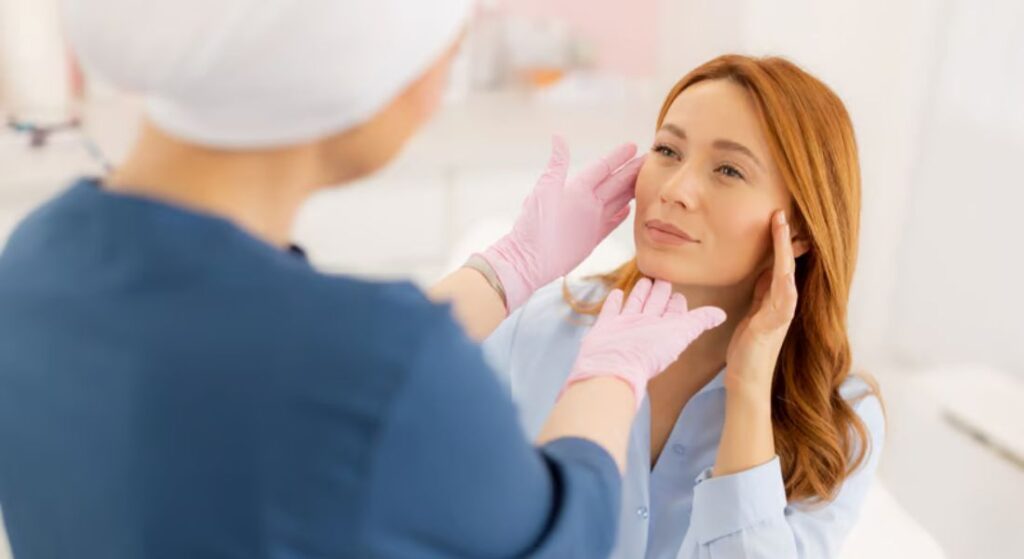
Clinical severity alone does not capture the full impact of a skin condition. Dermatologists increasingly rely on patient-reported outcomes, quality-of-life measures, and symptom diaries to understand how the disease affects daily life.
For instance, a patient with limited visible lesions but severe itch, pain, or anxiety may need more intensive treatment than someone with widespread but minimally symptomatic disease. Recognising these differences ensures that therapy is truly tailored to the individual’s needs.
A thoughtful dermatologist will ask: How is this condition affecting your work, social life, and overall wellbeing? The answers inform not only the choice of medical treatment but also supportive strategies, stress management, and patient education, creating a holistic approach to care.
Strategies for Managing the Invisible Burden
Managing a skin condition goes beyond visible improvement. Addressing the psychological and emotional impact the invisible burden requires a holistic approach that supports mental wellbeing alongside physical care.
1. Open Communication: Sharing the full experience with your dermatologist, including itch, pain, anxiety, or social challenges, allows care to be personalised and more effective.
2. Mental Health Support: Cognitive behavioural therapy (CBT), counselling, and mindfulness techniques can reduce stress and improve coping. Referrals to psychologists are increasingly part of standard dermatology care.
3. Stress Reduction Techniques: Mindfulness, meditation, yoga, and breathing exercises help regulate stress responses, which may reduce flare-up frequency or severity.
4. Support Networks: Patient groups and online communities provide reassurance, practical tips, and validation, helping to reduce feelings of isolation.
5. Self-Compassion and Acceptance: Responding to your skin with kindness rather than frustration fosters resilience, emotional wellbeing, and confidence. While not a substitute for treatment, self-compassion enhances long-term coping.
In conclusion, addressing the invisible burden of skin disease is as important as treating the visible symptoms. Combining professional care with mental health support, stress management, and social connection helps patients achieve a more balanced and sustainable sense of wellbeing.
Children, Adolescents, and Self-Image
Visible skin conditions can have a profound impact on children and adolescents. During these formative years, peer perception and social comparison heavily influence self-esteem, making even mild lesions feel overwhelming.
Early intervention is crucial, addressing both the medical and psychological aspects of the condition. Timely treatment can reduce flare severity and prevent complications, while psychological support helps young people develop healthy coping strategies.
Parents, schools, and clinicians all play an essential role in fostering resilience. By validating experiences, providing education, and creating supportive environments, young people can maintain confidence and reduce the long-term emotional burden of their skin condition.
Why Comments About Appearance Can Harm
Even well-intentioned remarks such as “it’s not that bad” can inadvertently minimise a patient’s experience. What may seem minor visually can still cause significant discomfort, itching, pain, or emotional distress.
Such comments risk making patients feel dismissed, misunderstood, or even ashamed of their condition. This can reduce trust in healthcare providers and discourage open communication about symptoms or concerns.
Dermatologists trained in compassionate, patient-centred communication prioritise validation. Acknowledging both visible and invisible impacts fosters trust, encourages treatment adherence, and supports better clinical and psychological outcomes.
Integrating Psychological Support into Dermatology Care
Modern dermatology recognises that skin health and mental wellbeing are closely linked. Addressing both aspects is essential for comprehensive care, particularly for chronic or visible skin conditions.
1. Screening for Psychological Concerns: Routine checks for anxiety, depression, or social withdrawal help identify patients who may benefit from additional support.
2. Quality-of-Life Assessments: Incorporating these measures into regular visits ensures treatment decisions consider both physical and emotional wellbeing.
3. Referrals to Mental Health Professionals: When needed, dermatologists can connect patients with psychologists, counsellors, or therapists for specialised support.
4. Multidisciplinary Care Coordination: Complex cases may involve collaboration between dermatologists, mental health professionals, and other specialists to provide holistic care.
5. Addressing Visible and Invisible Burdens: By integrating psychological support, care plans tackle both the physical symptoms of skin disease and the emotional impact it carries.
In conclusion, combining medical and psychological approaches in dermatology ensures that treatment is holistic. Patients benefit from care that recognises the full spectrum of their needs, supporting both skin health and mental wellbeing.
Lifestyle and Environmental Considerations
Lifestyle choices play a significant role in both skin health and psychological wellbeing. Regular exercise, balanced nutrition, adequate sleep, and moderation in alcohol or smoking can influence inflammation and improve stress resilience.
Environmental factors, including temperature changes, allergens, and skin irritants, can also trigger or worsen flare-ups. Being aware of these triggers helps patients anticipate and manage symptoms more effectively.
Dermatologists often provide practical guidance on lifestyle and environmental strategies. Education empowers patients, giving them tools to regain a sense of control and actively support both their skin and overall wellbeing.
The Importance of Patient Education
Understanding why a skin condition can flare unpredictably is a key part of reducing anxiety and improving self-management. Patients benefit from knowing what triggers their symptoms and how their treatment works.
Education covers recognising flare patterns, understanding the rationale and expected outcomes of therapies, and learning practical coping strategies for itch, pain, or discomfort. It also helps normalise the psychological impact of visible skin disease.
This knowledge empowers patients, providing reassurance and reinforcing a sense of control over their condition, which supports both mental wellbeing and treatment adherence.
Advances in Treatment and Patient-Centred Care
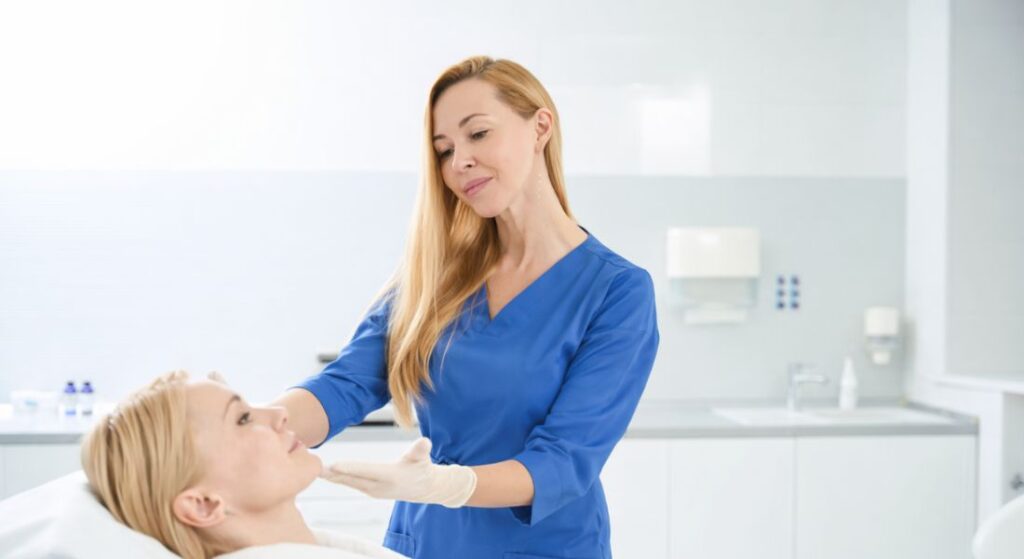
Recent advances in dermatology have shifted the focus toward personalised, patient-centred treatment. Biologic therapies, systemic medications, and innovative topical options now provide more effective symptom control than ever before.
When these medical treatments are combined with psychological support, patients often experience improvements not only in skin appearance but also in confidence and quality of life.
A dermatologist who actively listens and considers your concerns can integrate these therapies in a way that addresses both physical and emotional needs. Treatment decisions are guided by clinical measures and the broader impact of the disease on daily life, work, and wellbeing.
FAQs:
1. Why do skin conditions sometimes feel worse than they appear?
Even small or mild-looking lesions can cause significant itch, pain, or discomfort. Unpredictable flare-ups, social self-consciousness, and anxiety about how others perceive you can make the impact feel far greater than what is visible.
2. How does unpredictability affect patients with chronic skin conditions?
Flare-ups can occur suddenly despite treatment, creating a sense of loss of control. This uncertainty triggers anxiety, affects planning for social or professional activities, and can make even minor outbreaks feel overwhelming.
3. Can minor skin lesions still have a big psychological impact?
Yes. Even limited lesions on visible areas like the face or hands can provoke self-consciousness, anticipatory anxiety, and social avoidance, highlighting the gap between clinical severity and lived experience.
4. How does stress or anxiety worsen skin conditions?
Stress triggers hormones such as cortisol, which can increase inflammation and compromise the skin barrier. This creates a cycle where psychological stress worsens flares, and worsening flares increase stress, perpetuating the problem.
5. How do visible skin conditions affect social interactions and confidence?
Patients may experience stares, intrusive questions, or subtle distancing, which can lead to avoidance of social events, hiding affected areas, and difficulty in intimate relationships. Even small lesions can accumulate emotional strain over time.
6. Why is patient experience important in treatment decisions?
Clinical severity alone doesn’t capture the full impact. Subjective symptoms like pain, itch, anxiety, and social discomfort influence quality of life and may justify more intensive or tailored treatment, even when lesions are limited.
7. What strategies help manage the psychological burden of skin conditions?
Open communication with your dermatologist, stress management techniques (mindfulness, meditation, CBT), support groups, self-compassion, and lifestyle strategies (sleep, exercise, nutrition) all help reduce the invisible burden and improve coping.
8. How are children and adolescents affected differently?
During formative years, peer perception and social comparison heavily influence self-esteem. Even mild skin conditions can cause bullying, social withdrawal, and long-term self-consciousness, making early intervention and psychological support critical.
9. How do dermatologists integrate mental wellbeing into care?
Modern dermatology combines physical treatment with psychological support. This includes screening for anxiety or depression, quality-of-life assessments, referrals to mental health professionals, and multidisciplinary care to address both visible and invisible burdens.
10. How can patient education improve wellbeing?
Understanding triggers, flare patterns, and treatment rationale helps patients regain a sense of control, reduces anxiety, and supports adherence. Education validates experiences and empowers patients to manage both skin symptoms and their psychological impact.
Final Thoughts: Seeing the Full Impact of Skin Conditions
Skin conditions often feel more severe than they appear due to physical symptoms, unpredictability, and social or psychological pressures. Understanding the invisible burden itch, pain, anxiety, and loss of confidence is just as important as treating visible lesions. Modern dermatology recognises this connection, integrating mental wellbeing into care through patient-centred strategies, stress management, education, and supportive resources.
By addressing both physical and emotional aspects, patients can achieve better symptom control, improved confidence, and a higher quality of life. Open communication, personalised treatment, and proactive support help break the cycle where psychological stress worsens skin, and skin symptoms heighten stress. If you would like to book a consultation with one of our dermatologists, you can contact us at the London Dermatology Centre.
References:
- Marek‑Józefowicz, L., et al., 2022. The Brain Skin Axis in Psoriasis Psychological, Psychiatric, Hormonal, and Dermatological Aspects. https://www.mdpi.com/1422-0067/23/2/669
- Navarro‑Triviño, F.J., et al., 2025. Impact of Perceived Stress, Locus of Control, and Self‑Efficacy on Dermatological Health: A Skin–Brain Axis Perspective. https://www.mdpi.com/2227-9032/13/19/2498
- Guo, F. and Liu, Z., 2020. Evaluation of life quality, anxiety, and depression in patients with skin diseases. Medicine (Baltimore) https://pmc.ncbi.nlm.nih.gov/articles/PMC7598870/
- Shen, Y. et al., 2024. The mind‑skin connection: A narrative review exploring the link between inflammatory skin diseases and psychological stress. https://pubmed.ncbi.nlm.nih.gov/38311707/
- Ferreira, B.R. et al., 2024. The skin–brain connection and perceived stress in patients with dermatological conditions. Skin Health and Disease, https://academic.oup.com/skinhd/article/4/1/ski2.310/7755682