


When you look at your skin and notice something out of the ordinary whether it’s a rash, a bump, or a patch of dry skin it’s tempting to search for answers online. Many skin conditions look strikingly similar at first glance, but the treatments they require are often very different. Treating them based on appearance alone can lead to ineffective or even harmful results.
In this article, I’ll explore some of the most commonly confused skin conditions, highlight the key differences between them, and explain why professional assessment by a dermatologist is essential for avoiding misguided treatment choices.
Why Skin Conditions Can Appear So Similar
The skin is constantly reacting to both internal and external factors, making it a highly dynamic organ. As a result, many conditions whether inflammatory, infectious, or allergy-related can appear visually similar, presenting with redness, scaling, or bumps.
Even experienced clinicians face the challenge of differentiating between conditions that seem alike on the surface. This is why a detailed evaluation is essential to ensure the right diagnosis and avoid misinterpretation.
Thorough diagnostic expertise plays a critical role in distinguishing between conditions with similar visual symptoms. By combining clinical history, examination, and sometimes additional testing, we can identify the true cause and offer the best treatment.
The Importance of a Professional Diagnosis
While online resources and forums can offer useful insights, self-diagnosis is not recommended, especially for skin conditions. Dermatologists bring a comprehensive approach to diagnosis, using their expertise to consider all relevant factors.
Here’s why professional diagnosis is essential:
1. Self-Diagnosis Can Be Risky – Relying on online information or personal assumptions can lead to incorrect conclusions. Skin conditions vary widely, and an accurate diagnosis requires professional training and experience.
2. Dermatologists Use a Multi-Faceted Approach – A dermatologist considers more than just visual appearance. Medical history, symptom progression, and physical examination all play vital roles in forming an accurate diagnosis.
3. Additional Tests or Biopsies May Be Necessary – In some cases, the diagnosis cannot be made based on appearance alone. Tests such as blood work or biopsies are sometimes required to confirm the condition and understand its underlying causes.
4. Inaccurate Diagnosis Can Lead to Harm – Misdiagnosing a condition can result in inappropriate treatments that may be ineffective or, worse, cause further damage. A professional diagnosis ensures the correct treatment is prescribed from the start.
With the right professional guidance, you can receive an accurate, tailored treatment plan that targets your specific condition and provides the best chance of recovery. This careful approach protects both your skin and overall health.
Commonly Confused Skin Conditions
Conditions like eczema and psoriasis can often be mistaken for one another due to their similar symptoms, such as red, inflamed skin and scaling. However, their underlying causes and treatments differ, which is why professional evaluation is essential for proper management.
Another commonly confused pair is acne and rosacea, both of which can cause redness and bumps on the face. While acne is often linked to clogged pores, rosacea is a chronic skin condition triggered by other factors like heat and stress, requiring a different treatment approach.
Fungal infections and dermatitis can also look alike, with itching and irritation affecting the skin. Yet, fungal infections need antifungal treatment, while dermatitis may require anti-inflammatory medication, highlighting the need for accurate diagnosis from a specialist.
Eczema vs. Psoriasis: Not Just Dry Skin
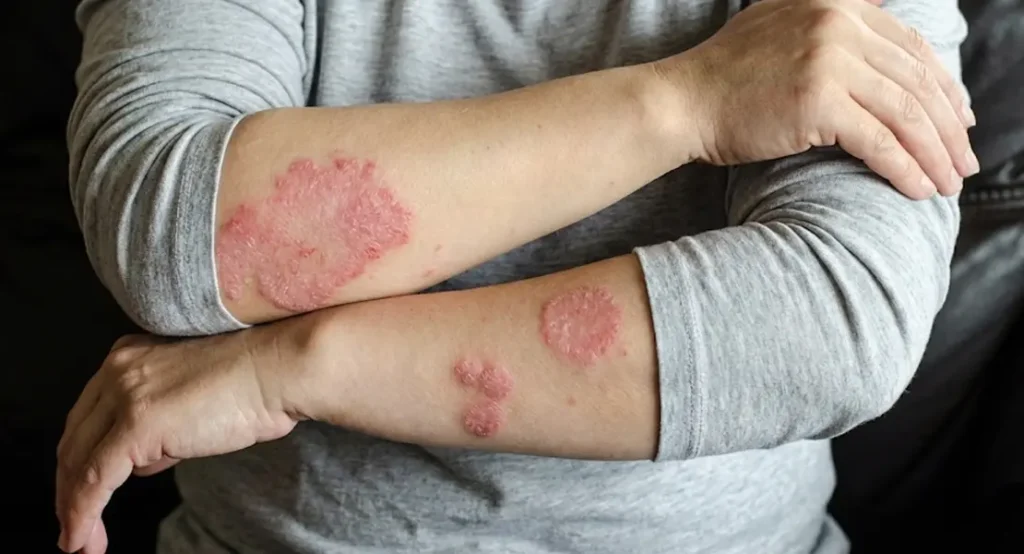
Eczema and psoriasis are both chronic inflammatory conditions that cause dry, scaly patches. However, the causes and treatments for these two conditions are vastly different.
- Eczema is often triggered by allergens, irritants, or stress. It typically affects areas like the inner elbows, behind the knees, and the face, and it’s more common in children.
- Psoriasis, on the other hand, is an autoimmune condition where skin cells multiply too quickly, leading to thick, silvery plaques. Psoriasis commonly affects the scalp, elbows, and knees.
Both conditions can be managed, but treatment varies. Eczema may respond to topical steroids and moisturisers, while psoriasis may require stronger treatments, such as biologics or phototherapy. A Dermatologist’s expertise is essential to identify the root cause and prescribe the right therapy.
Fungal Infections vs. Contact Dermatitis: The Itchy Dilemma
Fungal infections and contact dermatitis both cause itching and redness, but the treatments for these two conditions couldn’t be more different.
- Fungal infections, such as ringworm, are caused by a dermatophyte fungus that thrives in moist, warm environments. These infections typically present with a red, ring-shaped rash with a raised edge.
- Contact dermatitis occurs when the skin reacts to an irritant or allergen, such as poison ivy, nickel, or certain soaps. It causes red, itchy rashes, often with blisters or bumps.
Treating a fungal infection with steroids, which are commonly used for dermatitis, can make the infection worse. Antifungal creams or oral medication are needed instead. A professional diagnosis ensures you receive the right treatment to resolve the condition.
Acne vs. Rosacea: Differentiating Redness and Bumps

Acne and rosacea can both cause redness, pimples, and irritation, but they are completely different conditions with different causes and treatments.
- Acne is caused by clogged pores, excess oil production, and bacteria. It usually presents as pustules, blackheads, or cysts, most commonly on the face, chest, and back.
- Rosacea, however, is a chronic inflammatory condition that causes redness and visible blood vessels. It often affects the cheeks, nose, and forehead, and in some cases, it may cause thickened skin or eye irritation.
While acne is treated with topical or oral antibiotics, retinoids, or benzoyl peroxide, rosacea requires targeted treatments such as oral antibiotics or laser therapy. Misdiagnosing rosacea as acne can lead to ineffective treatments, such as harsh acne medications, which can irritate the skin further.
Melasma vs. Sunspots: More Than Just Skin Discoloration

Melasma and sunspots (also known as age spots) are both pigmentation disorders, but they occur for different reasons and have different treatment options.
- Melasma is a hormonal condition, often triggered by pregnancy or birth control pills. It typically appears as brown or grey-brown patches on the face, particularly on the cheeks, forehead, and upper lip.
- Sunspots are caused by prolonged sun exposure and are usually found on sun-exposed areas like the hands, face, and chest. They are generally flat, round, and light brown.
Treating melasma requires a careful approach, usually involving topical lightening agents like hydroquinone or retinoids. Sunspots may be treated with laser therapy or cryotherapy. A dermatologist can help differentiate between the two and guide the best treatment plan.
Why Some Conditions Require Further Testing
In dermatology, some conditions look so similar that additional testing is essential to reach a clear and accurate diagnosis. Further tests provide crucial information that helps ensure the correct treatment is given.
Here’s why additional testing may be needed:
1. Biopsies for Skin Cancer and Rare Conditions – A biopsy can confirm whether a lesion is cancerous or not. It’s also used to rule out rare conditions like lupus or sarcoidosis, which may present with skin symptoms.
2. Patch Testing for Allergic Contact Dermatitis – When allergic reactions cause skin irritation, patch testing helps identify the exact substance triggering the reaction. This targeted approach allows for more precise treatment and prevention.
3. Blood Tests for Systemic Conditions – When skin issues are suspected to be linked to broader health problems like autoimmune conditions, blood tests are often necessary. These tests help determine whether the skin changes are part of a systemic issue.
4. A Dermatologist’s Expertise in Testing – A skilled dermatologist knows when and which tests are needed based on your symptoms and medical history. Their ability to recommend the right investigations ensures a timely, accurate diagnosis.
Accurate diagnosis relies on the combination of clinical expertise and appropriate testing. A dermatologist’s thorough approach helps provide the right answers and ensures the most effective treatment plan.
When to Seek Professional Help
While minor skin issues can often be managed with over-the-counter treatments, certain symptoms require professional attention. Persistent, severe, or unusual skin changes should never be ignored.
Here’s when to seek a dermatologist’s help:
1. Rapidly Worsening Symptoms – If your skin condition worsens quickly over a short period, it could indicate an underlying issue that requires immediate attention. Prompt assessment can help prevent further complications.
2. New Rashes, Lesions, or Unusual Growths – The appearance of new rashes, lesions, or growths that don’t seem to fit common patterns should always be evaluated. Early detection is key to addressing skin cancer or other serious conditions.
3. Unexplained Pain, Tenderness, or Burning – Pain or unusual sensations such as burning, itching, or tenderness can be signs of infection, inflammation, or other underlying conditions. These symptoms warrant a closer look from a professional.
4. Skin Changes That Don’t Improve with Standard Treatments – If your condition doesn’t improve or worsens despite using typical over-the-counter treatments, it’s time to consult a dermatologist. They can offer more targeted, effective options for your specific condition.
If you notice any of these symptoms, don’t wait for the condition to resolve on its own. Seeing a dermatologist sooner rather than later can help you avoid unnecessary discomfort and prevent potential long-term issues.
How Early Diagnosis Can Prevent Complications
Prompt diagnosis and treatment are key to preventing skin conditions from worsening or becoming chronic. Early intervention, especially for conditions like melanoma, psoriasis, or eczema, can significantly improve long-term outcomes and reduce complications.
Not only does early diagnosis lead to faster relief, but it also helps avoid treatments that might worsen the condition. Addressing issues early ensures that the most effective and appropriate treatment is used from the start.
By catching problems early, we minimise the risk of the condition progressing or becoming harder to manage over time. This proactive approach ensures better skin health and more manageable treatment plans in the long run.
The Importance of a Personalised Treatment Plan
Each person’s skin is unique, and so is every skin condition. What works for one individual may not be suitable for another, which is why a personalised treatment plan is crucial for effective care.
Here’s why a tailored treatment plan matters:
1. Every Skin Type Is Different – Your skin’s characteristics such as sensitivity, hydration levels, and underlying conditions play a big role in how it responds to treatments. Personalised care ensures the treatment is suited to your skin’s specific needs.
2. Treatments Must Be Tailored to Your Lifestyle – What works for one person in terms of skincare may not fit another’s routine or lifestyle. A dermatologist takes your day-to-day habits into account, helping you stick to a treatment plan that’s practical and effective.
3. A Professional Diagnosis Helps Identify the Right Approach – Not all skin conditions are the same, and some may require ongoing management. A clear diagnosis from a dermatologist allows for a strategy that ensures long-term skin health and avoids unnecessary treatments.
4. Some Conditions Require Long-Term Management – While certain skin conditions may resolve on their own, others need continuous care. A personalised treatment plan gives you a roadmap for managing the condition and maintaining skin health over time.
Personalised care allows for more effective, targeted treatments and ensures that your skin receives the attention it deserves. By addressing your skin’s unique needs, you increase the chances of long-term improvement and overall well-being.
FAQs:
1. How can I tell if my skin condition requires a visit to a dermatologist?
If your skin condition persists, worsens, or doesn’t improve with over-the-counter treatments, it’s time to see a dermatologist. New, unexplained rashes, lesions, or growths, as well as pain or tenderness, can also indicate the need for professional attention. A dermatologist can offer a proper diagnosis and guide you through effective treatments.
2. Why do eczema and psoriasis look so similar, yet require different treatments?
Eczema and psoriasis both cause scaly, red patches on the skin, but they have different underlying causes. Eczema is often triggered by environmental factors, while psoriasis is an autoimmune condition. Psoriasis typically requires stronger treatments, such as biologics or phototherapy, while eczema may respond to topical steroids and moisturisers.
3. Can AI apps help diagnose my skin condition?
AI apps may provide helpful information, but they cannot replace professional diagnosis. They focus on pattern recognition from images, but lack the ability to consider your medical history, symptoms, and the evolution of your skin condition. For accurate and safe treatment, it’s crucial to consult a dermatologist.
4. What’s the difference between melasma and sunspots?
Melasma and sunspots both involve skin discoloration but for different reasons. Melasma is usually hormonally triggered and appears as brown or grey-brown patches, often during pregnancy or from birth control use. Sunspots, on the other hand, develop from prolonged sun exposure and are typically round, light brown spots on sun-exposed areas.
5. Why is professional diagnosis necessary for skin conditions?
A professional diagnosis is important because many skin conditions look similar but require very different treatments. Dermatologists use their expertise, medical history, and sometimes additional tests to accurately diagnose a condition. Misdiagnosis can lead to ineffective or harmful treatments, making expert evaluation essential for proper care.
6. How do fungal infections and contact dermatitis differ in symptoms and treatment?
Fungal infections and contact dermatitis both cause itching and redness, but fungal infections usually present as ring-shaped rashes with a raised edge, while contact dermatitis appears after contact with an irritant or allergen. Fungal infections require antifungal treatment, while contact dermatitis is managed with anti-inflammatory medications.
7. Why do acne and rosacea require different treatments, even though they look similar?
Acne and rosacea can both cause redness and bumps on the skin, but they are caused by different factors. Acne is often linked to clogged pores and bacteria, whereas rosacea is a chronic inflammatory condition. Rosacea requires targeted treatments, such as oral antibiotics or laser therapy, while acne is typically treated with topical antibiotics or benzoyl peroxide.
8. When should I seek a dermatologist’s help for skin conditions that look similar?
If a skin condition worsens rapidly, doesn’t improve with typical treatments, or presents in a way that doesn’t fit common patterns, it’s important to consult a dermatologist. Seeing a professional ensures you receive an accurate diagnosis and the most appropriate treatment, preventing complications or unnecessary treatments.
9. Can eczema be mistaken for other skin conditions?
Yes, eczema can resemble conditions like psoriasis or contact dermatitis due to its red, inflamed, and itchy nature. However, eczema is often triggered by allergens or irritants and affects areas like the inner elbows and knees, while psoriasis is an autoimmune disorder and presents with silvery plaques. A dermatologist can distinguish between these conditions and recommend the correct treatment.
10. How can I prevent misdiagnosis of my skin condition?
To avoid misdiagnosis, it’s important to consult a dermatologist who can assess your skin condition in the context of your medical history, lifestyle, and any additional symptoms you may have. They may recommend further tests or biopsies when necessary, ensuring the correct diagnosis and tailored treatment plan for optimal skin health.
Final Thoughts: Accurate Diagnosis Starts with Expert Evaluation
Skin conditions that appear similar can have vastly different causes and treatments. Relying on self-diagnosis or online resources may lead to inappropriate treatment and missed opportunities for effective care. The expertise of a Dermatologist is essential to differentiate between conditions, make the correct diagnosis, and provide a tailored treatment plan for better results. You can book a consultation with one of our dermatologists by contacting us at the London Dermatology Centre. We’re here to help you achieve the healthiest skin possible.
References
1. Micali, G., Lacarrubba, F., Massimino, D. & Schwartz, R.A. (2022) “Dermoscopy of Facial Dermatoses: An Updated Review”, Cosmetics, 12(5), 214. https://www.mdpi.com/2079-9284/12/5/214
2. Ciccarese, G., Ambrogio, F. & Gaspari, V. (2025) “Inflammatory and Infectious Skin Diseases – Diagnostics”, Diagnostics (MDPI Special Issue). https://www.mdpi.com/journal/diagnostics/special_issues/X48566PKUT
3. Gropper, C.A. (2001) “An approach to clinical dermatologic diagnosis based on morphologic reaction patterns”, Clin Cornerstone, PubMed PMID: 12739317. https://pubmed.ncbi.nlm.nih.gov/12739317/
4. Zalaudek, I., Hofmann-Wellenhof, R., Argenziano, G. et al. (2016) “Dermoscopy in General Dermatology: A Practical Overview”, Dermatology and Therapy, PubMed PMID: 27613297. https://pubmed.ncbi.nlm.nih.gov/27613297/
5. Smith, Z. & Lebwohl, M. (2025) “Atopic Dermatitis With Comorbid Skin Diseases: Differential Diagnosis and Management”, Journal of Dermatological Science. https://www.sciencedirect.com/science/article/abs/pii/S221321982500604X