


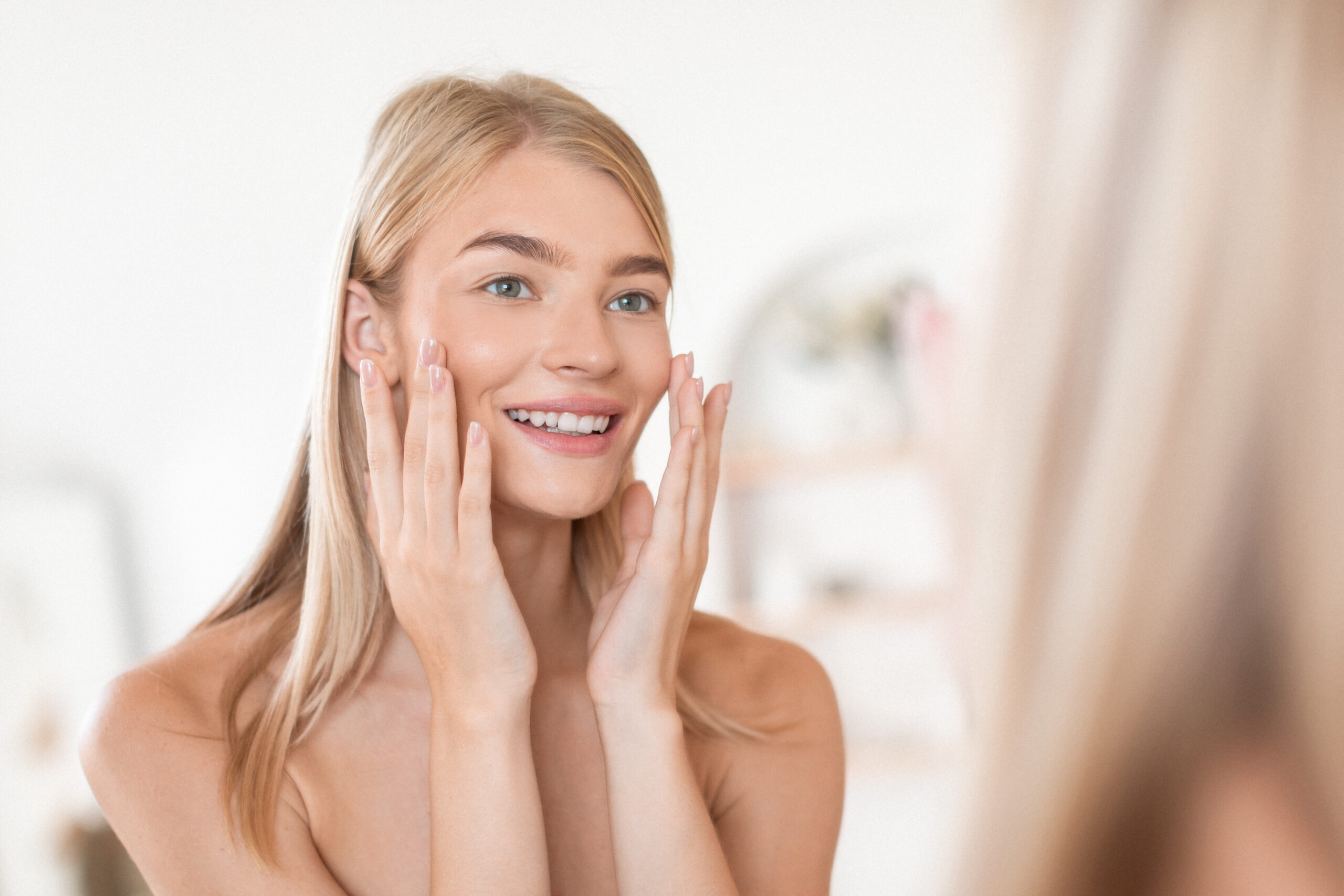
If you have ever noticed that your skin looks clearer, calmer, and more balanced while you are on holiday, rest assured, you are not imagining it. Many people report the same observation, and I hear it regularly in clinic, often from patients who feel frustrated or even disheartened when their skin flares up again shortly after returning home. It can feel puzzling, especially when you thought your routine at home was working.
Understanding why this happens can give you more insight and control over your skin health, even once everyday life resumes. Recognising the triggers that lead to flare-ups, and the factors that contribute to clearer skin, allows you to make conscious choices rather than simply reacting to sudden changes.
You might assume that your skin improves on holiday solely because you are more relaxed. While reduced stress certainly plays a part, the reality is usually far more complex. Environmental, behavioural, and physiological factors all interact in subtle ways to influence your skin’s condition. Changes in sunlight exposure, humidity, diet, sleep patterns, exercise, and even how often you wash your face can all make a tangible difference.
In this article, I will guide you through the most important reasons why skin conditions commonly improve while you are away and flare up once you return. I will also explore practical steps you can take to replicate some of those beneficial holiday conditions at home, helping you maintain clearer, healthier skin for longer.
The Powerful Influence of Stress on Your Skin

Stress is one of the most underestimated yet significant drivers of inflammatory skin conditions. You may not always realise it, but the way your mind and body respond to stress can have a profound impact on the health and appearance of your skin.
When you go on holiday, your nervous system often shifts into a calmer, more relaxed state, and your skin frequently follows suit. This improvement can be particularly noticeable if you live with conditions such as eczema, psoriasis, acne, or rosacea. You may see fewer breakouts, less redness, or a general softening of irritation, all of which can feel like a welcome relief after weeks of flare-ups.
Psychological stress increases the production of cortisol, a hormone that plays a major role in your body’s stress response. Elevated cortisol disrupts your skin’s natural barrier, stimulates excess oil production, and fuels inflammation, creating the perfect storm for flare-ups. While you are on holiday, cortisol levels often decrease, giving your skin a chance to recover and repair itself more effectively.
Unfortunately, when you return home, stressors tend to creep back in quickly. Work pressures, commuting, household responsibilities, and the constant digital connectivity of modern life can all reactivate stress pathways. Your skin is often among the first systems to respond, with flare-ups, redness, or breakouts appearing within days. Being aware of this connection between stress and skin health is the first step in learning how to manage it more effectively, even once your holiday ends.
Climate Changes and Their Impact on Skin Health
Climate has a significant effect on how your skin behaves. If you travel from a colder, drier environment to a warmer, more humid one, you may notice your skin feels softer, smoother, and better hydrated almost immediately.
Humidity helps maintain moisture in the outer layers of your skin. In dry climates, water evaporates more quickly from the skin surface, leading to dryness, flaking, and irritation, whereas higher humidity on holiday can reduce these issues.
Sun exposure also plays an important role, though it is a double-edged sword. Moderate sunlight can improve conditions such as psoriasis by calming overactive immune responses, but too much sun can increase pigmentation, accelerate ageing, and raise the risk of skin cancer.
Saltwater exposure may also influence how your skin reacts. For some people, it has mild antiseptic and anti-inflammatory effects, which can temporarily improve conditions like eczema or acne.
When you return home, these environmental advantages quickly disappear. Indoor heating, air conditioning, and pollution resume their effects, and your skin often struggles to readjust, leading to renewed dryness or irritation.
Reduced Exposure to Urban Pollution
When you live in a city, your skin is exposed to environmental stress every single day, often without you realising it. Urban pollution may be invisible, but its effects slowly build up and weaken your skin’s natural defences over time. This constant pressure can leave your skin feeling tired, reactive, and out of balance. Stepping away from city life, even temporarily, gives your skin a valuable opportunity to pause, recover, and restore its natural equilibrium.
- Urban pollution places constant pressure on the skin: In polluted environments, fine airborne particles regularly come into contact with your skin and trigger the formation of free radicals. These unstable molecules damage skin cells, increase inflammation, and speed up premature ageing. With ongoing exposure, the skin’s natural barrier begins to break down, making your skin more sensitive and more prone to redness, irritation, and discomfort.
- Pollution reduces the skin’s protective and repair functions: As the skin barrier weakens, it becomes less effective at retaining moisture and defending against everyday irritants. This loss of protection can lead to dryness, increased reactivity, and heightened sensitivity over time. Your skin may feel less resilient overall and struggle to cope with even minor environmental challenges that it once tolerated well.
- Time away in cleaner environments supports skin recovery: Coastal and rural environments typically have lower pollution levels than urban areas, which reduces the oxidative stress placed on your skin. With fewer pollutants to contend with, natural repair and regeneration processes can function more efficiently. During this time, you may notice your skin looking calmer, clearer, and more even in both tone and texture.
Recognising the impact of urban pollution helps explain why your skin often improves when you spend time away from cities. Reduced exposure allows inflammation to settle, strengthens the skin barrier, and supports natural repair mechanisms. When you return to a polluted environment, these benefits can fade quickly, highlighting the importance of ongoing protection and preventative skincare to maintain your skin’s progress.
Changes in Skincare Routine While Away

You may not realise just how much your skincare routine changes when you travel. On holiday, routines often become simpler, and this simplification can be a major reason why your skin looks and feels better. The reduction in steps and products gives your skin a chance to breathe and recover from constant daily attention.
Many people naturally use fewer products while away, which reduces the risk of irritation, over-cleansing, or negative interactions between different actives. Sensitive or reactive skin often benefits the most from this break, as it is given time to stabilise without unnecessary triggers.
You may also wash your face less frequently while on holiday. Over-washing can disrupt your skin’s barrier and strip away protective oils, leaving it more prone to dryness or sensitivity. By adopting gentler cleansing habits, your skin is able to rebalance itself and restore its natural resilience.
Sun protection routines often improve as well, since you tend to be more conscious of applying sunscreen while outdoors. Regular and careful sun protection reduces inflammation, prevents flare-ups, and supports overall skin health.
Dietary Shifts and Their Effects on Skin

Holiday eating habits often differ from your everyday routine. While indulgence does happen, meals tend to become more varied, fresher, and richer in natural ingredients, which can have surprising benefits for your skin. A change in diet can influence everything from hydration levels to inflammation, giving your complexion a noticeable boost.
You may find yourself eating more fruits, vegetables, and omega-rich foods. These provide essential antioxidants and fatty acids that support skin health, improve barrier function, and help protect against environmental stressors. Increased water intake while on holiday can also enhance skin hydration and overall radiance.
Alcohol consumption might rise on holiday, but stress-related eating often decreases. High sugar intake driven by stress is a common acne trigger, so reducing this pattern can help calm breakouts and balance your skin tone.
Gut health also plays a significant role in your skin’s appearance. A more relaxed digestive system can reduce systemic inflammation, which in turn may improve inflammatory skin conditions like eczema or rosacea. When you return home, rushed meals and processed foods often re-enter your routine, reactivating inflammatory pathways and causing your skin to reflect these internal changes.
Reduced Mechanical and Contact Irritation
Everyday life exposes your skin to constant friction and contact, often without you even noticing it. Tight clothing, work uniforms, masks, and helmets can all aggravate sensitive skin or trigger flare-ups. On holiday, many of these triggers are absent, giving your skin a chance to recover.
Softer fabrics, looser clothing, and more comfortable footwear reduce friction and pressure on your skin. This can be particularly beneficial for conditions such as eczema, folliculitis, and acne mechanica, allowing irritated areas more time and space to heal.
You may also find that you are exposed to fewer irritants overall. Cleaning products, detergents, and occupational chemicals are less common while away, which can make a noticeable difference for hand and facial dermatitis.
When you return to your usual routines, exposure to these mechanical and chemical irritants quickly resumes. Even familiar triggers can provoke flares, especially if your skin barrier is already compromised or sensitive, reminding you just how reactive your skin can be.
The Role of Water Quality
Water quality has a direct impact on how your skin looks, feels, and functions, and it can vary significantly depending on where you are. Differences in mineral content and chemical treatment are often overlooked, yet they can strongly influence dryness, sensitivity, and overall skin comfort. When you change locations, your skin is suddenly exposed to a very different water environment. This shift alone can make a noticeable difference to how settled or reactive your skin feels.
- Water quality differs depending on where you are: Water in different regions contains varying levels of minerals and additives. Hard water, which is rich in minerals such as calcium and magnesium, can irritate sensitive skin and contribute to ongoing dryness. In contrast, soft water is generally much gentler, making it easier for your skin to cleanse without disruption or discomfort.
- Softer water on holiday can benefit skin health: When you are exposed to softer water, the reduced mineral content can help minimise dryness, itching, and general irritation. This gentler environment allows the skin barrier to function more effectively and retain moisture more easily. If you are prone to eczema, you may notice quicker improvements, as softer water supports recovery rather than placing additional strain on already sensitive skin.
- Chlorine exposure may be lower while you are away: At home, regular exposure to chlorinated water, particularly from swimming pools, can strip moisture from the skin and increase sensitivity. While you are away, you may spend less time in heavily chlorinated water or swim in natural bodies of water instead. For some people, these natural alternatives feel less irritating and can be more soothing for the skin.
- Returning home can reintroduce skin challenges: When you return home, your skin may once again be exposed to hard water or higher levels of chemical additives. This sudden change can cause the skin to struggle, especially if it has recently adapted to a gentler water supply. Without understanding the link between water quality and skin health, this flare or setback can feel confusing and unexpected.
Understanding the role of water quality helps explain why your skin may improve while you are away and worsen after you return home. Changes in mineral content and chemical exposure can affect the skin barrier more than you might realise. By recognising this connection, you can take simple, proactive steps to better support and protect your skin in everyday life.
Improved Adherence to Self-Care Habits
Holiday time often allows you to prioritise yourself and your skin. You may moisturise more consistently, drink more water, and pay closer attention to small self-care routines that are easy to overlook at home. Even minor improvements in daily habits can make a noticeable difference in skin health.
These consistent practices support barrier repair and overall skin resilience. Over just a few days, you might notice visible changes, such as reduced dryness, smoother texture, or calmer inflammation.
Mental wellbeing also improves while on holiday. Lower anxiety levels can reduce unconscious behaviours like skin picking or scratching, giving lesions a better chance to heal and preventing flare-ups.
When your usual routine resumes, self-care often drops off again. Time pressures, work commitments, and daily responsibilities can interfere with consistency, allowing previous skin conditions to reappear. Being aware of this pattern can help you maintain some of the benefits gained while away.
Why Skin Flares So Quickly After You Return
Returning home can feel abrupt for your skin, as multiple triggers often reappear at once. Your skin rarely has the time to adjust gradually, and this sudden shift can provoke flare-ups that feel immediate and frustrating.
Stress, pollution, changes in climate, your usual skincare routine, and everyday irritants all return together. This cumulative impact can overwhelm your skin barrier, leading to rapid inflammation, redness, or breakouts.
You may also experience disappointment or frustration when your skin reacts. Emotional stress itself can worsen symptoms, creating a challenging cycle that feels hard to control.
Understanding this pattern can help you break the cycle. Your skin is responding logically to its environment and the changes around you it is not failing you. Recognising the triggers allows you to take proactive steps to protect your skin and maintain some of the holiday benefits for longer.
What You Can Replicate at Home
While you cannot live permanently on holiday, there are ways to recreate some of the benefits your skin enjoyed. Start by simplifying your skincare routine gentle, consistent care is often far more effective than complex regimens with multiple products.
Managing stress intentionally can also make a big difference. Even short daily practices, such as meditation, deep breathing, or mindful pauses, can help regulate your emotional response, and your skin reacts positively to reduced tension.
Optimising your indoor environment is another practical step. Using a humidifier can help prevent dryness, while an air purifier may reduce exposure to pollution and airborne irritants that aggravate sensitive skin. Reviewing your diet and hydration is equally important.
Small, consistent changes like increasing fresh fruits, vegetables, and water intake support your skin from within, and consistency matters more than perfection. If symptoms persist despite these adjustments, professional guidance is advisable. A consultation with a qualified dermatologist at the London Dermatology Centre can help identify your specific triggers and create a personalised plan to maintain healthier.
When to Seek Specialist Advice
Not all skin changes are harmless, and some require professional attention to prevent ongoing problems. While self-care measures can be helpful, they are not always sufficient when symptoms persist or return frequently.
- Some skin changes may indicate an underlying condition: Persistent or recurring flares can be a sign that something deeper is affecting your skin. Although self-care can provide relief, it has limitations, and professional assessment may be essential to protect long-term skin health.
- A dermatologist can offer targeted and expert support: They can help identify hidden triggers that you may not be aware of. investigations such as patch testing can uncover sensitivities or allergic reactions. Treatment plans can be optimised, alongside personalised lifestyle guidance, to better control flare-ups. Early intervention reduces the risk of long-term damage and supports healthier, more resilient skin.
- Specialist care provides clarity and reassurance: You deserve clear answers and a tailored plan for your individual skin concerns. Skin health is not purely cosmetic; it reflects your overall wellbeing and deserves proper attention.
Seeking specialist advice can make a meaningful difference when skin issues are persistent or difficult to manage alone. Early assessment helps address problems at their root rather than simply treating symptoms. By prioritising professional care, you give your skin the best chance to remain healthy, comfortable, and resilient over time.
FAQs:
1. Why does my skin look clearer and calmer on holiday?
Your skin often improves on holiday due to reduced stress, better sleep, changes in climate, lower pollution exposure, simplified skincare routines, healthier diet, and less mechanical irritation. These combined factors give your skin a chance to repair and rebalance.
2. How does stress affect skin conditions like acne, eczema, or rosacea?
Stress increases cortisol levels, which can disrupt the skin barrier, stimulate oil production, and trigger inflammation. On holiday, stress levels drop, allowing your skin to heal and reduce flare-ups.
3. Can climate really make a difference to skin health?
Yes. Humidity helps keep skin hydrated, moderate sun exposure can calm inflammatory skin conditions, and softer water may reduce irritation. Changes in temperature, sunlight, and environment all influence how your skin looks and feels.
4. Does pollution affect skin appearance?
Living in polluted urban environments exposes skin to free radicals, accelerating inflammation, premature ageing, and barrier breakdown. Being on holiday in cleaner air can reduce oxidative stress, improving skin tone, texture, and resilience.
5. Why does simplifying my skincare routine on holiday help my skin?
Using fewer products reduces the risk of irritation, over-cleansing, or negative interactions between actives. Gentler cleansing and consistent sun protection allow the skin barrier to stabilise and recover.
6. How do diet and hydration on holiday impact the skin?
Eating more fresh fruits, vegetables, and omega-rich foods, along with drinking more water, provides antioxidants and fatty acids that support skin barrier function, hydration, and reduce inflammation. Reduced stress-related sugar intake can also calm breakouts.
7. Can mechanical irritation or clothing affect skin flare-ups?
Yes. Tight clothing, helmets, masks, and repeated friction can trigger or worsen conditions like eczema, acne mechanica, or folliculitis. On holiday, looser clothing and fewer irritants allow the skin to heal.
8. Why does my skin flare quickly after returning home?
Returning home often reintroduces multiple triggers at once stress, pollution, harsher climate, complex skincare routines, and mechanical irritants overwhelming the skin barrier and causing rapid flare-ups.
9. How can I maintain the “holiday glow” for longer at home?
Simplify your skincare routine, manage stress through meditation or deep breathing, optimise indoor humidity and air quality, maintain a healthy diet and hydration, and continue gentle self-care habits consistently.
10. When should I see a dermatologist about recurring flare-ups?
Seek professional advice if flares are persistent, recurring, or severe. A dermatologist can identify hidden triggers, run investigations like patch testing, optimise treatment, and provide personalised guidance to prevent long-term damage and support healthier skin.
Final Thought: Maintaining Your Holiday-Glow Skin All Year Round
Understanding why your skin improves on holiday and flares upon returning home can empower you to take proactive steps for healthier, more resilient skin. Factors such as stress, climate, pollution, diet, and skincare routines all play a role, and being aware of these influences allows you to replicate some of the benefits at home. Small adjustments like simplifying your skincare routine, managing stress, staying hydrated, and protecting your skin from environmental irritants can make a noticeable difference in maintaining your “holiday glow.”
For personalised guidance, it is always best to seek advice from a qualified dermatologist, who can identify your specific triggers and provide tailored solutions. If you would like to book a consultation with one of our dermatologists, you can contact us at the London Dermatology Centre.
References
- Slominski, A., et al. (2020) Stress‑induced interaction of skin immune cells, hormones, and neurotransmitters: Implications for skin inflammation, Experimental Dermatology, 29(1), pp. 1–11. https://pubmed.ncbi.nlm.nih.gov/32276734/
- Kim, K.E. and Cho, D. (2025) The impact of pollution and climate change on skin health: Mechanisms and protective strategies, Journal of Dermatological Science, 110, pp. 215–227. https://www.sciencedirect.com/science/article/pii/S2950198925000613
- Williams, M.L. and Alexis, A.F. (2025) The Environmental Determinants of Skin Health: Linking Climate, Air Pollution, and Dermatologic Diseases, International Journal of Environmental Research and Public Health, 22(1820) https://www.mdpi.com/1660-4601/22/12/1820
- Arck, P.C. and Paus, R. (2006) Neuroimmunology of stress: Skin takes center stage, Journal of Investigative Dermatology, 126(8), pp. 1697–1704. https://pubmed.ncbi.nlm.nih.gov/16845409/
- Slominski, A.T., et al. (2024) Impact of chronic psychological stress on skin homeostasis and aging: Clinical exploratory study, Journal of Cosmetic Dermatology, 23(3), pp. 789–798. https://pubmed.ncbi.nlm.nih.gov/39506493/