


Starting a new skin treatment can feel unsettling, especially when your skin reacts in unexpected ways. Many of us notice redness, dryness, irritation, or even breakouts soon after changing a routine, which can lead you to question whether the treatment is helping or harming. When you have invested time and hope into skincare, early changes can feel discouraging and confusing.
From a dermatological perspective, we understand that short-term worsening can sometimes be part of a normal adjustment phase. As your skin responds to new active ingredients, cell turnover may increase, bringing underlying congestion or sensitivity to the surface. In these cases, temporary changes can signal that the skin is adapting rather than failing to respond.
However, we also recognise that not all deterioration should be accepted or ignored. Persistent pain, severe inflammation, or worsening symptoms beyond an initial adjustment period may indicate a problem. Understanding the difference helps us know when patience is appropriate and when reassessment is essential to protect your skin’s health.
Why Skin Does Not Improve in a Straight Line
Skin healing rarely follows a smooth or predictable path, and this can feel confusing when you are actively treating a concern. We often expect visible improvement week by week, but the reality is that skin repair happens in stages rather than in a straight line. Early changes can look unsettling before meaningful progress becomes visible.
When you begin supporting skin repair, underlying processes start shifting beneath the surface. We may see short-term disruption as the skin adjusts, even though deeper healing is already underway. This is why early flare-ups or uneven responses do not necessarily reflect failure.
Understanding this pattern helps us manage expectations and avoid unnecessary panic. When we recognise that ups and downs are part of normal healing, we are better equipped to stay consistent and patient. Progress should be judged over time, not by day-to-day fluctuations.
What Happens When You Start a New Treatment
When you introduce a new treatment, you are actively changing how your skin behaves. These treatments influence processes such as cell turnover, inflammation control, oil production, or barrier repair. Any shift in these systems can temporarily destabilise the skin.
As your skin responds to these changes, we may notice redness, dryness, or congestion that was not present before. This does not always mean the treatment is harmful. Often, it simply reflects the skin recalibrating in response to new signals.
During this phase, it is important for us to allow time for balance to be restored. Sudden changes can look like worsening, but they may be part of a necessary transition. Consistency and appropriate monitoring are key during this period.
The Concept of an Adjustment Phase
An adjustment phase describes the temporary period where your skin adapts to a new routine or active ingredient. During this time, we may see mild redness, dryness, tightness, or limited breakouts. These reactions are generally expected and time-limited.
This phase occurs because the skin barrier and cellular activity are responding to change. We often reassure patients that mild symptoms are part of adaptation rather than damage. The key feature of adjustment is that symptoms should remain manageable.
Adjustment should gradually settle as the skin adapts. If irritation steadily reduces and comfort improves, this suggests healthy adaptation. Escalating or persistent symptoms, however, indicate that reassessment may be needed.
Why Increased Cell Turnover Can Trigger Breakouts
Some treatments are designed to accelerate skin renewal and increase cell turnover. When this happens, existing micro-comedones beneath the surface are pushed out more quickly. This can create the impression of sudden or widespread breakouts.
Rather than causing new acne, these treatments often reveal congestion that was already present. We see multiple blemishes appear at once, which can feel alarming if you are not prepared for it. This process is usually controlled and predictable.
Importantly, this phase is self-limiting when the treatment is appropriate. Once underlying congestion clears, breakouts should reduce rather than continue. Understanding this helps us distinguish purging from problematic reactions.
Why Inflammation Can Appear Before Improvement
Inflammation is a natural part of the healing process, even though it is often misunderstood. Some treatments intentionally activate immune pathways to correct underlying dysfunction. Mild inflammation can signal that repair mechanisms are being engaged.
In these cases, we may notice temporary redness, warmth, or sensitivity. When controlled, this response can precede clearer, healthier skin. It represents the body responding and reorganising, not breaking down.
However, excessive or prolonged inflammation is not beneficial. When inflammation intensifies instead of settling, it may indicate that the treatment is too aggressive. Knowing the difference helps us protect skin health while still allowing progress.
When Dryness Is Part of the Process

Dryness is often one of the first changes we notice when starting a new skin treatment. This usually reflects the skin barrier adapting to altered lipid production or increased exfoliation. As turnover shifts, moisture retention can temporarily feel compromised.
In many cases, this dryness is expected and manageable. With the right supportive moisturisation, hydration levels begin to stabilise as the skin adjusts. We often guide you to strengthen the barrier rather than stop treatment immediately.
However, dryness should not persist indefinitely. If tightness, flaking, or discomfort continues despite adequate support, it may signal barrier stress. At that point, we reassess to protect long-term skin health.
Why Redness Alone Is Not Always a Problem
Redness often causes immediate worry, but it does not automatically indicate something has gone wrong. In many situations, redness reflects normal skin physiology rather than damage. Understanding context is essential before assuming it is a negative sign.
In clinical practice, we assess redness based on behaviour, timing, and associated symptoms rather than appearance alone. When interpreted correctly, redness can be part of healthy skin response rather than a warning.
1. Redness Can Reflect Active Repair – We recognise that increased blood flow is part of healing and regeneration. Certain treatments deliberately stimulate this response as part of renewal processes within the skin.
2. Mild, Stable Redness Is Often Acceptable – When redness appears and then stabilises without worsening, it is usually monitored rather than treated. The skin may still be progressing positively beneath the surface.
3. Absence of Pain or Spread Matters – Redness that is not painful, spreading, or escalating often behaves as a transient adjustment. Comfort and stability are important indicators of tolerance.
4. Pattern Over Time Is More Important Than Colour – We focus on whether redness is settling, fluctuating mildly, or intensifying. Behaviour over days matters more than how red the skin looks at a single moment.
5. Escalating Redness Signals a Different Issue – Redness that progressively worsens, becomes painful, or fails to improve is not part of healthy adaptation. This pattern requires reassessment and possible intervention.
By distinguishing between adaptive redness and problematic inflammation, we avoid unnecessary concern while remaining vigilant. When behaviour, not colour alone, guides assessment, care becomes more accurate and reassuring.
The Difference Between Purging and Irritation
Purging follows a fairly specific and predictable pattern. It typically appears in areas where you already experience breakouts and aligns with increased cell turnover. Lesions tend to resemble your usual acne. This process also follows a timeline. We expect purging to resolve within weeks rather than persist indefinitely. As congestion clears, overall breakout frequency should reduce. Irritation behaves differently. It often causes new symptoms in unfamiliar areas and may include burning, itching, or diffuse redness. Unlike purging, irritation usually worsens with continued treatment.
Why Not All Breakouts Are “Purging”
Purging is often used as a catch-all explanation for breakouts after starting a product, but this assumption is frequently incorrect. Many reactions labelled as purging are actually signs of irritation or barrier disruption. These patterns behave very differently and require a different response.
Not all breakouts are true purging because:
- Purging is commonly over-diagnosed – Many breakouts attributed to purging are driven by irritation rather than accelerated cell turnover.
- Irritation does not improve with persistence – Unlike true purging, irritation usually worsens the longer the triggering product is continued.
- New patterns raise concern – When breakouts spread to new areas or change in type, this suggests a reactive process rather than expected adjustment.
- True purging follows predictable behaviour – It should be limited to areas where breakouts already occur and should settle over time.
- The correct response depends on the cause – Purging may require patience, while irritation requires prompt adjustment.
Accurate identification is essential for recovery. When we distinguish between purging and irritation early, we can reduce unnecessary skin stress, shorten flare duration, and guide the skin back to stability more effectively.
Signs That Worsening Is Still Within Normal Limits
Normal adjustment remains controlled rather than chaotic. Symptoms tend to be mild, predictable, and follow an expected pattern based on the treatment used. We may see fluctuations, but not steady decline.
Skin comfort might vary day to day, yet overall tolerance gradually improves. Even if progress feels slow, stability increases over time. This is an important reassurance sign.
When symptoms remain within these limits, we usually continue with careful monitoring. Consistent improvement in resilience and tolerance suggests the skin is adapting appropriately rather than breaking down.
When Worsening Becomes a Red Flag
Not all worsening is part of healthy skin adjustment. Some changes clearly indicate harm rather than adaptation, and recognising these early is essential. Escalating discomfort signals that the skin is under stress and no longer tolerating the treatment.
Worsening becomes a red flag when:
- Redness, burning, or pain intensifies – Symptoms that escalate rather than ease suggest irritation rather than adjustment.
- Swelling or tenderness persists – Ongoing inflammation indicates the skin is struggling to cope.
- Discomfort increases with each application – Growing reactivity, tightness, or soreness points to barrier compromise.
- Symptoms do not improve over time – Unlike normal adjustment, these reactions fail to settle and often worsen.
- Skin behaviour changes noticeably – Increased sensitivity or visible distress signals the need to stop and reassess.
At this stage, continuing treatment risks further damage. We prioritise protecting skin integrity over pushing for results. Pausing and reassessing allows recovery and prevents long-term instability, supporting safer and more effective care.
Why Burning and Stinging Are Warning Signs
Burning and stinging are not therapeutic sensations. They usually indicate that the skin barrier has been compromised and nerve endings are being exposed. This is a sign of injury, not productive stimulation.
While mild tingling can occasionally occur with certain treatments, persistent burning is different. If discomfort lasts beyond application or worsens over days, it suggests intolerance rather than adjustment. We should never expect you to tolerate pain.
Pain is the skin’s way of asking for protection. When we listen early, recovery is faster and long-term outcomes are better.
The Role of Allergic Reactions
Allergic reactions behave very differently from normal skin adjustment. They often involve itching, swelling, or rashes that extend beyond the areas where treatment was applied. These symptoms can appear suddenly and intensify quickly.
Unlike irritation, allergic reactions tend to worsen with every exposure. Even small amounts of the trigger can provoke a strong response. This pattern is a key clue that allergy may be involved.
Immediate reassessment is essential in these cases. We stop the suspected trigger and focus on calming the immune response to prevent prolonged inflammation.
Why Barrier Damage Mimics Treatment Failure
When the skin barrier is compromised, the skin’s normal responses become distorted. Changes that look like worsening disease or ineffective treatment are often signs of reduced tolerance rather than true failure. Recognising this distinction is essential to avoid unnecessary escalation or abandonment of otherwise appropriate care.
In clinical settings, we frequently see barrier disruption misinterpreted as lack of progress. Understanding how barrier damage alters skin behaviour helps us correct course calmly and effectively.
1. Barrier Damage Disrupts Multiple Skin Functions at Once – We know that a weakened barrier leads to increased moisture loss, rising inflammation, and heightened sensitivity simultaneously. These combined changes can mask any positive treatment effects.
2. Symptoms Can Appear to Worsen Together – Redness, breakouts, stinging, and discomfort may emerge at the same time. The skin struggles to self-regulate, making even gentle products feel irritating.
3. Progress Can Stall or Reverse Temporarily – When tolerance drops, results may plateau or regress. This often creates the impression that treatment is ineffective, even when the underlying approach is sound.
4. The Core Issue Is Often Reduced Tolerance – In many cases, the problem lies not with the treatment itself but with the skin’s ability to tolerate it. Barrier stress changes how the skin responds to any intervention.
5. Restoring the Barrier Restores Responsiveness – We frequently see improvement resume once barrier repair is prioritised. Supporting recovery allows the skin to respond positively again.
By identifying barrier damage early, we prevent unnecessary frustration and escalation. When tolerance is restored, progress often follows naturally. Understanding this pattern helps keep care aligned with skin biology rather than abandoning effective strategies prematurely.
Why “Pushing Through” Can Make Things Worse
Skin does not toughen or strengthen by being irritated repeatedly. Continuing a treatment through clear warning signs deepens inflammation and delays healing. Damage can accumulate even when changes seem subtle.
What starts as mild discomfort can turn into prolonged sensitivity or chronic barrier dysfunction. Recovery then takes far longer than if treatment had been paused early. Progress is lost rather than gained.
Sometimes, rest truly is the treatment. Giving the skin time to recover allows us to restart more safely and achieve better long-term results.
How Dermatologists Assess Worsening Skin
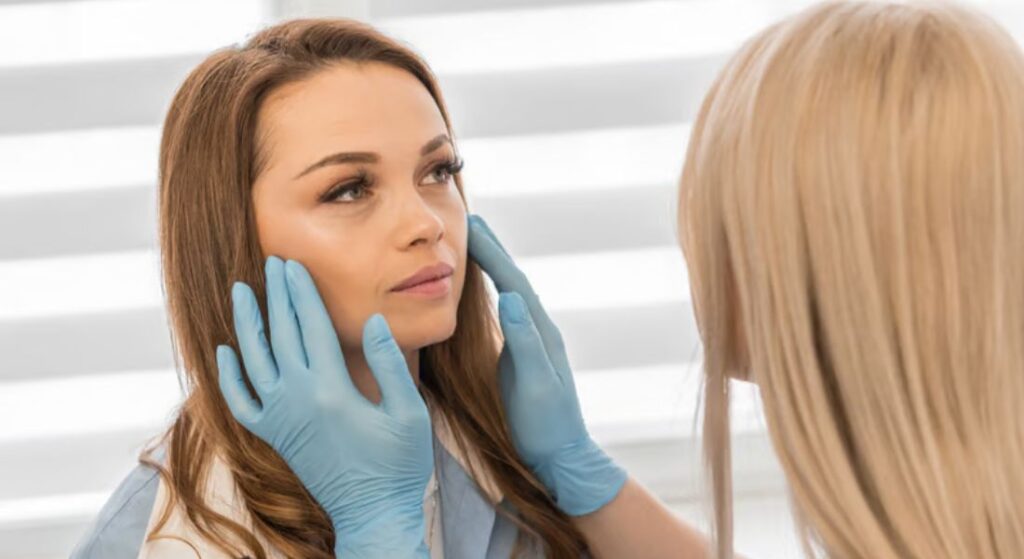
When skin appears to be getting worse, assessment is never based on symptoms alone. We look closely at patterns, timing, and behaviour, because these details reveal far more than intensity by itself. Reviewing changes together helps us understand whether the skin is adapting or being harmed.
We assess worsening skin by considering:
- Timing and progression of symptoms – When changes began and how they have evolved helps distinguish adjustment from injury.
- Type and location of reactions – We look at redness, burning, swelling, or discomfort, and note where these symptoms appear on the skin.
- Distribution and spread – True adjustment usually stays within expected areas, while harm often looks more diffuse or unpredictable.
- Response to pauses or supportive care – Improvement with rest or barrier support suggests adaptation rather than ongoing damage.
By interpreting these factors together, we rely on clinical context rather than assumptions. This structured approach allows us to protect skin integrity, guide appropriate adjustments, and support safer, more effective recovery over time.
Why Treatment Failure Looks Different from Adjustment
Treatment failure has a distinct pattern that differs from normal adjustment. There is no clear improvement trajectory, even with time and supportive measures. Instead, symptoms persist or steadily worsen.
You may notice that redness, sensitivity, or breakouts never stabilise. The skin can feel increasingly reactive, uncomfortable, or fragile with continued use. This lack of plateau is a key warning sign.
In contrast, adjustment shows gradual settling. With appropriate support, we expect fluctuations to reduce over time. Improvement may be slow, but the overall direction is forward.
The Importance of Early Reassessment
Waiting too long to reassess can delay recovery significantly. When early warning signs are ignored, inflammation may become entrenched. This makes later correction slower and more difficult.
Early reassessment allows us to make small, targeted changes. Adjusting a product or schedule early often prevents the need for complete treatment withdrawal later. Minor interventions can protect long-term progress.
Timely review helps preserve skin health. When you and we respond early, recovery is faster and outcomes are more predictable.
Why Individual Skin Biology Matters
Skin does not behave in a uniform or predictable way across everyone. Biological differences shape how skin tolerates, reacts to, and benefits from treatment. Recognising this variability is central to safe, effective, and patient-centred care.
In practice, we see that outcomes are driven less by the product itself and more by how an individual’s skin responds. Understanding biology helps explain why experiences differ, even when treatments look identical on paper.
1. Genetics Influence Skin Response – We recognise that genetics affect barrier strength, inflammation levels, and repair capacity. These factors determine how resilient or reactive skin may be during treatment.
2. Age and Baseline Inflammation Matter – Skin behaviour changes with age and underlying inflammatory activity. Younger skin, ageing skin, and inflamed skin all respond differently to the same intervention.
3. Barrier Strength Shapes Tolerance – A strong barrier improves tolerance, while a weakened barrier increases sensitivity. This explains why some skin reacts despite careful product selection.
4. Skin History and Sensitivity Patterns Are Key – We consider prior reactions, flare patterns, and previous treatments. Past behaviour often predicts future response more accurately than labels or skin type alone.
5. Lifestyle Factors Modify Outcomes – Stress, climate, skincare habits, and occupation all influence skin biology. These external factors interact with internal biology to shape response.
Personalisation is therefore essential rather than optional. When treatment is aligned with individual skin biology, safety improves and results become more consistent. Tailored care respects how skin actually behaves, not how it is expected to behave.
How Dermatologists Modify Treatment Safely
Modification does not mean abandoning treatment altogether. Often, small adjustments are enough to restore balance and tolerance. This might involve reducing frequency, lowering strength, or changing formulation.
We frequently prioritise barrier support during modification. Supporting hydration and repair allows the skin to regain resilience while still progressing toward goals. This approach protects results rather than compromising them. Fine-tuning is part of good dermatological care. When you and we adjust thoughtfully, the skin is given the best chance to recover and improve safely.
When Stopping Treatment Is the Right Choice
Stopping a treatment is sometimes the most therapeutic decision we can make. When irritation, inflammation, or barrier damage begins to outweigh benefit, pausing allows the skin to recover rather than deteriorate. Stopping does not indicate failure, it reflects appropriate skin-led care.
Stopping treatment is the right choice when:
- Inflammation outweighs benefit – Persistent irritation, redness, or discomfort suggests the skin is no longer tolerating the treatment.
- Barrier damage becomes evident – Signs of increased sensitivity, tightness, or reactivity indicate the need for recovery time.
- Healing requires reduced stimulation – Removing the trigger allows inflammation to settle and normal skin function to return.
- Long-term stability is prioritised – Protecting skin integrity prevents deeper or more lasting damage.
- Future treatment remains possible – Most therapies can be reintroduced later in a modified, better-tolerated way.
In many cases, stopping is a temporary and strategic step. By listening to the skin early and allowing recovery, we create a healthier baseline that supports safer, more effective treatment in the future.
The Role of Supportive Care During Adjustment

Supportive care plays a central role whenever your skin is adjusting to a new treatment. During this phase, we focus on protecting the skin rather than pushing it harder. Gentle cleansing, regular moisturisation, and daily sun protection help maintain stability while changes are taking place beneath the surface. These measures reduce unnecessary stress on the skin barrier and prevent avoidable irritation.
When we support the skin properly, tolerance improves significantly. Adequate hydration restores flexibility and comfort, while barrier repair reduces inflammation and sensitivity. This creates an environment where the skin can adapt rather than react. When you and we prioritise support, active treatments are far more likely to deliver consistent and controlled benefits.
In many cases, success depends less on the strength of the active treatment and more on the care surrounding it. Supportive care allows us to continue treatment safely without triggering breakdown or inflammation. You and we should view these steps as essential foundations, not optional extras. Proper support often determines whether adjustment leads to improvement or unnecessary setbacks.
Why Online Advice Often Confuses This Process
Online advice often lacks the clinical nuance required to interpret skin reactions safely. Many sources encourage the idea of “pushing through” redness, irritation, or breakouts without understanding how skin biology actually works. When you and we rely on these simplified messages, important warning signs can be missed. This can lead to confusion and, in some cases, avoidable skin damage.
Generic guidance rarely accounts for individual variation. Your skin’s tolerance is shaped by genetics, barrier strength, inflammation levels, and past treatments. What works comfortably for someone else may be harmful for you. Online advice often fails to explain how to distinguish normal adjustment from irritation or injury, leaving you to guess rather than assess.
Professional judgement adds clarity where online information falls short. We look at timing, symptom patterns, distribution, and progression rather than isolated signs. Instead of rigid rules, we interpret reactions in context. This approach protects your skin from trial-and-error decisions and reduces the risk of long-term harm.
When to Seek Professional Advice
If skin worsening feels intense, persistent, or painful, professional review becomes essential. These sensations are not part of healthy adaptation and should never be ignored. You do not need to wait for symptoms to become severe before seeking help. Early input can prevent unnecessary escalation.
Even uncertainty alone is a valid reason to seek advice. When you are unsure whether a reaction is normal, checking early allows us to assess the situation calmly and accurately. Small adjustments made at the right time can prevent weeks or months of recovery. Acting early often makes treatment safer and more effective.
A dermatologist can clearly distinguish between adjustment and red flags. We assess whether symptoms reflect healing, intolerance, or barrier damage. This guidance protects your skin from unnecessary exposure and long-term injury. When you and we address concerns early, outcomes are more predictable and far more sustainable.
How Specialist Care Protects Long-Term Skin Health
Specialist care always puts safety first. We do not follow rigid timelines or one-size-fits-all plans when treating the skin. Instead, treatments are adjusted based on how your skin actually responds over time. This flexible approach allows us to work with your skin biology rather than against it. By doing so, we significantly reduce the risk of unnecessary irritation or complications.
We monitor changes closely and treat early signals seriously. When we notice signs of stress, inflammation, or barrier disruption, we adapt the approach immediately. This may involve adjusting strength, frequency, or prioritising repair over active treatment. Responding early helps protect the skin barrier and limits cumulative inflammation. This careful monitoring supports healthier, more stable outcomes.
Long-term skin health depends on individualised care rather than persistence alone. Your skin changes with age, environment, and treatment history, and we account for this at every stage. When you and we work together, decisions are guided by response, not pressure. This partnership leads to results that are safer, more predictable, and more sustainable over time.
FAQs:
1. Is it normal for skin to look worse after starting a new treatment?
Yes, mild worsening can be normal when you start a new skin treatment, especially one that affects cell turnover, inflammation, or barrier function. Temporary redness, dryness, or limited breakouts can occur as the skin adjusts to new signals. These changes are usually short-lived and should gradually settle as the skin adapts.
2. How long should the “adjustment phase” usually last?
An adjustment phase typically lasts a few weeks rather than months. During this time, symptoms should remain mild and manageable, with gradual improvement in comfort and stability. If reactions continue to worsen or fail to improve over time, this suggests the skin is not adapting and needs reassessment.
3. What does it mean when people say skin is “purging”?
Purging refers to a temporary increase in breakouts caused by accelerated cell turnover pushing existing congestion to the surface. It usually occurs in areas where breakouts already happen and settles within a predictable timeframe. True purging improves with time rather than worsening indefinitely.
4. How can I tell the difference between purging and irritation?
Purging tends to involve familiar types of spots in usual breakout areas and gradually improves, while irritation often causes burning, itching, diffuse redness, or breakouts in new locations. Irritation typically worsens with continued use rather than settling. Discomfort and spreading symptoms are key warning signs.
5. Is redness always a sign that a treatment is damaging my skin?
No, redness alone does not always indicate damage. Mild, stable redness can reflect increased blood flow and active repair, especially early in treatment. However, redness that intensifies, becomes painful, or spreads over time is not normal and should be reviewed.
6. Why does dryness sometimes appear before skin improves?
Dryness often occurs because treatments temporarily alter lipid balance or increase exfoliation, which can affect the skin barrier. With proper moisturisation and barrier support, this dryness usually settles as the skin adapts. Persistent tightness or discomfort suggests the barrier is under strain rather than adjusting.
7. When does worsening skin become a red flag rather than normal adjustment?
Worsening becomes a red flag when symptoms escalate instead of settling, particularly if there is burning, stinging, swelling, or increasing pain. If discomfort grows with each application or does not improve over time, continuing treatment may cause harm. These signs indicate the need to pause and reassess.
8. Why are burning and stinging sensations taken seriously by dermatologists?
Burning and stinging usually indicate barrier damage and nerve irritation rather than productive skin change. Unlike mild tingling, persistent pain suggests the skin is being injured rather than repaired. These sensations are not therapeutic and should never be ignored.
9. Can pushing through irritation make skin stronger over time?
No, skin does not become stronger by repeated irritation. Continuing treatment through clear warning signs often deepens inflammation and prolongs recovery. Allowing the skin to rest and recover leads to better long-term outcomes than forcing tolerance.
10. When should I seek professional advice about worsening skin?
You should seek professional advice if worsening feels painful, persistent, or confusing, or if you are unsure whether a reaction is normal. Early assessment allows small adjustments that can prevent prolonged damage. Dermatological review helps distinguish healthy adjustment from reactions that require intervention.
Final Thoughts: Knowing When Patience Helps and When to Pause
Seeing your skin look worse before it improves can be unsettling, but not all early changes are harmful. Mild redness, dryness, or temporary breakouts can be part of normal adjustment as the skin adapts and repairs itself beneath the surface. What matters most is the pattern over time. When symptoms stay manageable and gradually settle, patience and supportive care are often appropriate.
However, escalating pain, burning, persistent inflammation, or worsening sensitivity are not signs to push through. These changes signal that the skin needs reassessment rather than persistence. If you’re unsure whether your reaction is normal or concerning, speaking with a qualified Dermatologist can bring clarity and protect your long-term skin health. If you’d like to book a consultation with one of our dermatologists, you can contact us at the London Dermatology Centre.
Reference:
1. Férnandez-Guarino, M., Naharro-Rodriguez, J. & Bacci, S. (2024). Disturbances in the Skin Homeostasis: Wound Healing, an Undefined Process. Cosmetics, 11(3), 90. https://www.mdpi.com/2079-9284/11/3/90
2. Lee, H.J. (2022), Skin Barrier Function and the Microbiome: Physical, Chemical, and Immunological Interactions. International Journal of Molecular Sciences, 23(21), 13071. https://www.mdpi.com/1422-0067/23/21/13071
3. Bouwstra, J.A. & Ponec, M. (2023), The skin barrier: an extraordinary interface with molecular and functional complexity. Biochimica et Biophysica Acta (BBA) – Biomembranes, 1866, 165888. https://www.sciencedirect.com/science/article/pii/S0163782723000425
4. Nicolaou, A. & Kendall, A.C. (2024), Bioactive lipids in the skin barrier mediate its functionality in health and disease. Pharmacology & Therapeutics, 260, 108681. https://www.sciencedirect.com/science/article/pii/S0163725824001013
5. Draelos, Z.D., Baalbaki, N.H. & Colón, G. (2023) Ceramide-Containing Adjunctive Skin Care for Skin Barrier Restoration During Acne Vulgaris Treatment. Journal of Drugs in Dermatology, 22(6), 554–558. https://pubmed.ncbi.nlm.nih.gov/37276158/