



The skin microbiome has become a hot topic in both research and skincare. Products claiming to “balance” your skin’s bacteria promise benefits for conditions like acne, eczema, and rosacea, but it’s worth asking how much of this is genuinely evidence-based versus marketing spin.
Your skin hosts a dynamic community of bacteria, fungi, and viruses that interact closely with your immune system. These microbes influence inflammation, barrier function, and even how your skin responds to treatments, making them a potentially powerful target for therapy.
Understanding the microbiome’s role is essential before embracing new interventions. While the science is advancing rapidly, not all microbiome-based products are clinically validated or regulated.
In this article, we’ll explore the current research, examine regulatory considerations, and provide a realistic view of what microbiome-focused dermatology can offer in 2026.
Understanding the Skin Microbiome
Your skin hosts trillions of microorganisms living in a delicate balance. Some, like Staphylococcus epidermidis, help protect against harmful microbes, while others, such as Cutibacterium acnes, are linked to acne. Microbial composition changes depending on location, age, and lifestyle.
When this balance is disrupted a state called dysbiosis it can trigger inflammation and contribute to conditions like eczema, where reduced diversity and bacterial overgrowth are often observed. Restoring balance could potentially ease symptoms.
It’s not as simple as slapping on “good bacteria.” The microbiome interacts with your immune system, genetics, and environment in complex ways, meaning effective therapies must account for these dynamics. Researchers are exploring targeted interventions that work with these interactions rather than against them, moving toward more precise and clinically meaningful microbiome-based treatments.
Microbiome Therapies for Eczema
Eczema has been a major focus in microbiome research, as affected skin often shows lower levels of protective bacteria. Some experimental therapies aim to restore balance by reintroducing beneficial microbes.
Early studies suggest that microbiome transplants or topical probiotics can reduce inflammation and flare frequency, but results are inconsistent, and long-term outcomes aren’t yet clear. Most of these treatments remain confined to research settings.
For now, your best approach is still standard care: moisturisers, anti-inflammatory creams, and avoiding known triggers. Microbiome-based therapies are promising, but they haven’t replaced conventional eczema management. Researchers continue to refine these approaches, exploring ways to make microbiome interventions more reliable, effective, and accessible in routine clinical practice.
Microbiome-Based Approaches for Acne
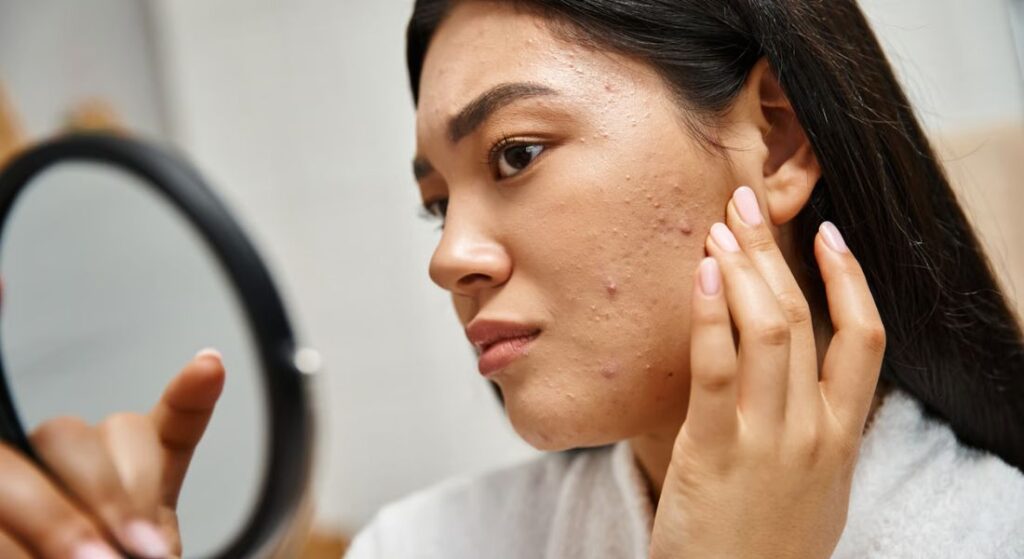
Acne is increasingly linked to shifts in the skin microbiome, with overgrowth of Cutibacterium acnes and reduced bacterial diversity contributing to inflammation and lesions. Researchers are exploring topical probiotics and prebiotics to help restore balance.
Early studies show only modest improvements in mild acne, and most trials are small and short-term. It remains uncertain whether these approaches can rival established treatments such as retinoids, antibiotics, or hormonal therapy.
If you’re interested in microbiome-based acne treatments, it’s essential to consult a dermatologist. They can help determine whether these options are safe and appropriate for your specific skin type. Ongoing research aims to clarify which microbiome interventions might offer meaningful, long-term benefits alongside conventional acne management.
Microbiome Therapies in Rosacea
Rosacea is marked by facial redness, flushing, and occasionally acne-like bumps. Research increasingly points to the role of microbial imbalances, including interactions with Demodex mites, in driving inflammation and symptom severity. Understanding these microbial dynamics opens the door for therapies that go beyond traditional anti-inflammatories.
- Emerging microbial-targeted therapies: Probiotics, prebiotics, and bacteriophage-based treatments are being investigated to rebalance the skin microbiome. Early studies show potential for reducing inflammation and modulating immune response, but evidence remains preliminary.
- Current conventional treatments: Topical metronidazole, ivermectin, and laser therapies continue to form the foundation of rosacea management. These approaches effectively reduce inflammation, control lesions, and improve patient comfort.
- Experimental nature of microbiome interventions: While promising, microbiome-focused treatments are still largely investigational. They are best explored within clinical trials or under specialist supervision rather than as routine care.
- Potential future integration: Combining conventional therapies with microbiome modulation may eventually enhance outcomes, particularly for patients who respond poorly to standard treatments. This strategy could personalise therapy based on an individual’s microbial profile.
- Patient considerations: Those interested in microbiome interventions should consult a dermatologist to ensure safe, evidence-based application. Early participation in research studies may offer access while contributing to the growing understanding of microbiome-driven rosacea management.
Microbiome-targeted therapy represents an exciting frontier, but current rosacea care still relies on established anti-inflammatory and procedural treatments while research continues.
Challenges in Translating Research to Clinical Use
Microbiome-based therapies face several hurdles before they can become standard care. The skin microbiome is highly individual, so a treatment that works for one person may not work for another. Keeping beneficial bacteria on the skin is also tricky, influenced by environment, hygiene, and lifestyle.
Regulatory challenges add another layer of complexity. Many topical probiotics are marketed as cosmetics rather than medicines, limiting clinical claims and requiring rigorous trials to prove safety and efficacy.
Cost and accessibility remain barriers. Advanced microbiome therapies are often expensive and not widely available, making them less practical for routine use. For now, these treatments should be considered complementary, supporting conventional care rather than replacing it, until stronger evidence and broader access are established.
Safety Considerations
Applying live bacteria to your skin isn’t automatically safe. Some strains could trigger allergies, infections, or worsen inflammation, especially if your skin barrier is compromised.
If you have eczema, rosacea, or sensitive skin, it’s essential to speak with a Dermatologist before trying microbiome-based products. They can help assess the risks, benefits, and evidence behind each therapy.
Even products labelled “natural” or “probiotic” aren’t guaranteed to be safe or effective for everyone. Careful selection and professional guidance are crucial to avoid unintended reactions. Ultimately, safety hinges on understanding your individual skin and using these therapies under supervision rather than experimenting blindly.
Future Directions in Microbiome Dermatology
Research is moving toward personalised microbiome therapies that match your unique skin ecosystem. Advances in sequencing, bioinformatics, and synthetic biology could allow clinicians to restore microbial balance more reliably.
Combination approaches using prebiotics, probiotics, and immune-modulating agents are being explored. The goal is not just to introduce beneficial microbes, but also to create a skin environment that supports long-term microbial health.
Although routine clinical use is still a few years away, ongoing trials and innovations suggest microbiome-based therapies may soon complement traditional dermatology. For now, these treatments remain experimental, but they point to a future where care is tailored not just to your skin type, but to its microscopic ecosystem as well.
Practical Advice for Patients
Right now, the best way to support your skin microbiome is through solid daily skincare habits. Gentle cleansing, regular moisturisation, sun protection, and avoiding harsh antibacterial products all help maintain a healthy microbial balance.
Lifestyle factors like diet, stress management, and sleep can also influence your skin indirectly, so taking care of your overall health supports your skin ecosystem.
It’s important to remember that microbiome-based therapies aren’t a cure-all. They may complement your existing treatment plan, but should never replace proven approaches for acne, eczema, or rosacea. Consulting a dermatologist before trying any new microbiome-focused products ensures they’re safe and suitable for your specific skin condition.
Microbiome and Skin Ageing
Your skin microbiome influences more than acne or eczema it can also affect the ageing process. Imbalances in microbial populations may increase inflammation and oxidative stress, accelerating the development of fine lines, wrinkles, and loss of skin elasticity. A balanced, diverse microbiome appears to support barrier function and overall skin resilience, creating conditions more conducive to healthy ageing.
- Microbial impact on ageing: Certain bacteria help modulate inflammation and maintain barrier integrity, reducing cumulative damage from environmental stressors. When microbial balance is disrupted, the skin may become more vulnerable to oxidative damage and premature ageing signs.
- Experimental microbiome-based treatments: Researchers are exploring therapies designed to restore microbial diversity or target specific bacterial pathways. These approaches aim to complement traditional anti-ageing care rather than replace it, potentially enhancing the effectiveness of topical antioxidants, moisturisers, and sun protection.
- Current limitations: Microbiome-targeted anti-ageing treatments remain largely investigational. Evidence is limited, and clinical application is not yet standard practice. Established preventive measures continue to offer the most reliable protection against skin ageing.
- Potential for personalised care: Future strategies may integrate microbiome profiling with personalised skincare, allowing interventions tailored to an individual’s microbial composition and ageing risk. This could refine preventative routines and optimise outcomes over time.
- Practical takeaway: While promising, microbiome therapies should be viewed as supplementary. Consistent sun protection, hydration, and antioxidant support remain the cornerstone of maintaining youthful, resilient skin while research develops.
Integrating microbiome insights with conventional anti-ageing strategies represents a future-facing approach, enhancing long-term skin health rather than replacing proven routines.
The Role of Prebiotics in Skin Care
Prebiotics support the growth of beneficial bacteria on your skin by providing nutrients rather than adding live organisms like probiotics. Early research suggests prebiotic creams or serums may help improve barrier function and calm inflammation in sensitive skin. The effects are modest but could complement your regular moisturisers.
Using prebiotics in your routine is generally safe, but results vary between individuals. Discussing options with a Dermatologist ensures the best personalised approach. They are not a replacement for standard treatments but can be a helpful addition for maintaining a balanced skin microbiome.
Probiotics: Live Microbes for Skin Health
Topical probiotics work by adding live bacteria to your skin to help restore microbial balance. Some studies suggest they may reduce acne breakouts or eczema flare-ups when properly formulated.
Effectiveness depends on the specific bacterial strain, concentration, and product formulation. Generic powders or supplements won’t provide the same benefits.
Professional guidance is important to ensure safety and suitability for your skin type. Your dermatologist can help you choose evidence-based probiotic options. Probiotics should complement, not replace, standard skin care and medical treatments for optimal results.
Postbiotics and Skin Therapy
Postbiotics are compounds produced by microbes, like enzymes or metabolites, that can positively affect your skin. Unlike live bacteria, they’re more stable and carry less risk of infection.
Research indicates they may help strengthen the skin barrier, reduce inflammation, and boost hydration. These properties make them a promising addition to microbiome-focused skincare.
Because they don’t involve live organisms, postbiotics offer a safer, more practical way to support your skin’s microbial health. While still emerging, they could complement existing treatments and enhance overall skin resilience when used appropriately.
Microbiome and Barrier Function
Your skin’s barrier is essential for keeping moisture in and harmful microbes out, and the microbiome plays a key role in supporting its function. When the microbiome is disrupted, it can weaken the barrier, making conditions like eczema or rosacea worse. Restoring microbial balance may help repair and strengthen this protective layer.
Maintaining a healthy microbiome complements moisturisation and gentle skincare, forming a holistic approach to skin health. Focusing on both barrier integrity and microbial balance gives your skin the best chance to stay resilient and comfortable.
Combination Therapies: Microbiome Plus Conventional Care
Clinicians are increasingly exploring combination therapies that merge microbiome-based interventions with conventional treatments. For instance, probiotics or prebiotics may be used alongside topical corticosteroids for eczema, or paired with retinoids for acne, aiming to optimise outcomes without over-relying on potent medications.
- Enhancing treatment effectiveness: Integrating microbiome-targeted approaches can help reduce inflammation, support barrier function, and complement the primary mechanism of standard therapies. The combined effect may improve symptom control and accelerate recovery.
- Reducing reliance on stronger medications: By supporting the skin’s natural microbiome, clinicians may be able to minimise the duration or intensity of corticosteroid or retinoid use, potentially lowering the risk of side effects.
- Personalised, holistic approach: This strategy considers genetics, lifestyle, and microbial composition collectively, recognising that multiple factors drive skin conditions. Treatments are tailored to the individual rather than applied generically.
- Professional oversight is essential: Combination therapies require careful monitoring to ensure safety, avoid interactions, and adjust dosing based on response. Self-administering microbiome products alongside prescription treatments is not recommended.
- Future potential: As research matures, these integrative regimens may become standard for complex or chronic conditions, offering more precise, personalised, and sustainable skin management.
Combination therapy represents a shift toward multi-layered, patient-specific care, where supporting the microbiome enhances conventional treatments rather than replacing them.
Diet, Lifestyle, and the Skin Microbiome

What you eat, how well you sleep, and your stress levels all influence your skin microbiome. Diets rich in fibre and fermented foods may nurture beneficial bacteria, while high sugar intake can promote inflammation. Exercise and stress management can also support microbial balance indirectly, enhancing the effects of topical treatments.
Taking a holistic approach reminds you that microbiome therapies work best as part of a wider skin health strategy, not in isolation. Focusing on lifestyle alongside skincare helps maximise resilience, barrier function, and overall skin wellbeing.
Regulatory Challenges in Microbiome Dermatology
Regulatory hurdles remain a major reason microbiome therapies aren’t widely adopted yet. Many products are classified as cosmetics, so they don’t need robust clinical evidence like medicines do. This means claims about improving acne, eczema, or rosacea may not be independently verified, making it tricky to know what really works.
Consulting a dermatologist ensures you choose treatments backed by credible evidence rather than marketing claims. As regulations evolve, we can expect more microbiome therapies to meet strict safety and efficacy standards, paving the way for wider, trustworthy clinical use.
Microbiome-Based Diagnostics
Microbiome-based diagnostics could take personalised dermatology a step further. Sequencing your skin microbes may help predict flares in eczema or gauge susceptibility to acne and rosacea. These tools are still experimental, but they could allow dermatologists to intervene early and tailor prevention strategies more effectively.
Over time, combining microbiome diagnostics with genetic profiling might enable a fully personalised approach, targeting both your biology and your microbial ecosystem. This could shift care from reactive treatment to proactive, precision skin management, improving outcomes and reducing flare frequency.
Microbiome Research: What to Watch in 2026
In 2026, clinical trials are testing new probiotics, prebiotics, postbiotics, and combination therapies for the skin. Researchers are focusing on how long treatments last, how stable microbial changes are, and safety in sensitive populations.
We can anticipate meaningful advances in personalised microbiome interventions over the next few years. Still, it’s essential to distinguish marketing claims from evidence only results from controlled studies should guide your skincare choices. Staying informed and consulting a dermatologist ensures you benefit from science rather than hype.
FAQs:
1. What is the skin microbiome?
The skin microbiome is the community of bacteria, fungi, and viruses living on your skin. It interacts with your immune system and plays a key role in barrier function, inflammation, and skin health.
2. How can microbiome-based therapies help skin conditions?
These therapies aim to restore microbial balance to reduce inflammation and improve conditions like acne, eczema, and rosacea. Current evidence is promising but largely experimental.
3. Are probiotics effective for acne or eczema?
Topical probiotics may help reduce flare-ups or breakouts when properly formulated, but results vary. They should complement, not replace, conventional treatments.
4. What are postbiotics and how do they work?
Postbiotics are compounds produced by microbes that can strengthen the skin barrier, reduce inflammation, and boost hydration. They are safer than live bacteria and easier to use in skincare products.
5. Can diet and lifestyle influence the skin microbiome?
Yes. Fibre-rich diets, fermented foods, stress management, sleep, and exercise can all support a healthy microbiome and improve the effectiveness of topical treatments.
6. Are microbiome therapies safe for sensitive skin?
They can be, but some live bacteria or experimental products may trigger irritation or infection. Consulting a dermatologist is important before trying them.
7. Can microbiome therapies replace conventional dermatology treatments?
Not currently. They are largely complementary, supporting established treatments rather than substituting for them.
8. How do microbiome therapies work for ageing skin?
A balanced microbiome can reduce inflammation and oxidative stress, supporting barrier function and potentially slowing premature ageing. Treatments are still experimental.
9. Are there regulatory concerns with microbiome products?
Many are marketed as cosmetics rather than medicines, so claims may not be clinically verified. Professional guidance helps ensure safe and effective use.
10. When will microbiome-based therapies be widely available?
Routine clinical use is still a few years away. Ongoing research, clinical trials, and regulatory updates will determine when these therapies become standard practice.
The Future of Skin Microbiome Therapies: Realistic Expectations
Microbiome-based skin therapies are an exciting frontier, but they remain largely experimental. Their effectiveness depends on individual skin type, genetics, and lifestyle, and they should not be seen as a replacement for proven treatments for acne, eczema, or rosacea. When used thoughtfully, these approaches can complement conventional care, supporting barrier health, reducing inflammation, and enhancing overall skin resilience.
Safety is paramount live bacteria or experimental compounds can trigger irritation or infection, particularly in sensitive skin. Consulting a professional ensures that any microbiome-focused product is appropriate and evidence-based. If you would like to book a consultation with one of our dermatologists, you can contact us at the London Dermatology Centre to explore personalised options. Guided, informed use is the key to unlocking the real potential of microbiome dermatology.
References:
1. Raza, M.L., Ali, S.I., Bhojani, A., Zehra, R. & Zehra, R., 2025. Microbiome modulation in dermatological disorders: Current insights and therapeutic prospects., Microbial Pathogenesis,https://pubmed.ncbi.nlm.nih.gov/40750089/
2. Rozas, M., Hart de Ruijter, A., Fabrega, M.J., Zorgani, A., Guell, M. & Paetzold, B., 2021. From Dysbiosis to Healthy Skin: Major Contributions of Cutibacterium acnes to Skin Homeostasis., Microorganisms https://pubmed.ncbi.nlm.nih.gov/33803499/
3. Suri, H., Suri, H., Nagda, N., Misra, T. & Vuppu, S., 2025. Current perspectives on the human skin microbiome: Functional insights and strategies for therapeutic modulation., Biomedicine & Pharmacotherapyhttps://www.sciencedirect.com/science/article/pii/S0753332225008492
4. Sanchez‑Lopez, M.F., Barrero‑Caicedo, P.A., Olmos‑Carval, H.M., Torres‑Medina, A.F. & Alzate‑Granados, J.P., 2025. Relationship between skin and gut microbiota dysbiosis and inflammatory skin diseases: A systematic review., Microbiome https://www.sciencedirect.com/science/article/pii/S2950194625001104
5. Rozas, M., Hart de Ruijter, A., Fabrega, M.J., Zorgani, A., Guell, M. & Paetzold, B., 2021. From Dysbiosis to Healthy Skin: Major Contributions of Cutibacterium acnes to Skin Homeostasis., Microorganisms,.https://pubmed.ncbi.nlm.nih.gov/33803499/