


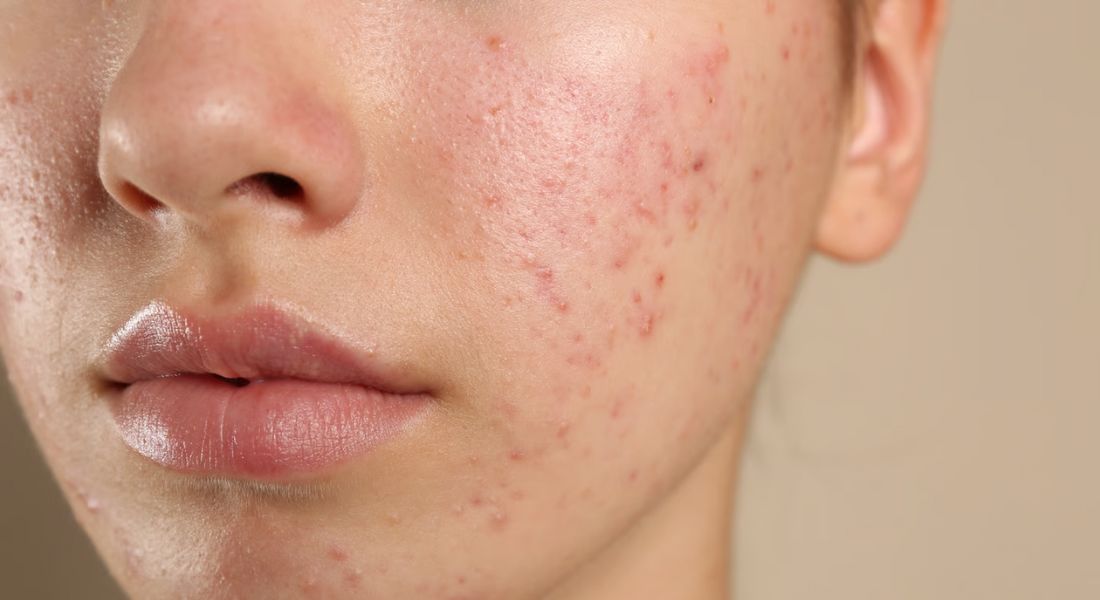
At some point, this happens to almost everyone, even if you have always had reliable skin. A cleanser, moisturiser, or serum you have used for years suddenly begins to sting, burn, or cause breakouts. The reaction feels unexpected because the product has always worked well for you. What once felt safe and familiar now feels uncomfortable.
There has been no reformulation or change to the product itself. You have not altered how often you use it or how you apply it to your skin. Your routine looks exactly the same as it always has. Yet your skin behaves as though the product is completely new and unwelcome.
This experience can feel confusing and, at times, worrying. You may start to wonder whether the product has gone bad or expired without you realising. It can also make you question whether your skin has suddenly become sensitive overnight. In some cases, you may even worry that something serious is wrong.
The reality is far less dramatic, but much more interesting. Your skin is not a static organ that stays the same forever. Its structure, barrier function, and tolerance can all change over time. This means tolerance is not permanent, even with products you trust.
The Illusion of “Permanent” Skin Tolerance
Our skin can be surprisingly unpredictable. Even products that have caused no issues for years may suddenly start causing reactions, reminding us that skin tolerance is never truly permanent. Understanding why this happens can help you adapt your routine without panic.
1. Tolerance is Conditional: Skin tolerance is influenced by multiple factors including the strength of your skin barrier, immune response, hormones, and overall health. A change in any of these can alter how your skin reacts to a product.
2. Environmental and Lifestyle Factors Matter: Changes in climate, stress levels, diet, or sleep can impact your skin’s behaviour. Even if your skincare routine remains consistent, these external influences can make a previously safe product irritating.
3. Skin Evolves Over Time: Your skin is dynamic and constantly changing. A formula that once felt comfortable may no longer suit you, reflecting shifts in your skin’s needs rather than the product’s quality.
4. Reactions Are Not Product Failures: Experiencing irritation does not mean the product is “bad” or harmful. It simply indicates that your skin requires a new approach, adjustment, or supportive care.
In conclusion, skin tolerance is never fixed. Being mindful of internal changes and external influences allows you to respond proactively, ensuring your routine continues to support healthy, comfortable skin.
Your Skin Is a Living, Changing Organ

Your skin is a living organ that constantly renews itself. Every few weeks, old skin cells are replaced with new ones, meaning you are effectively wearing a new skin surface over time. This ongoing renewal is essential for healthy skin function. However, the way this process works does not stay the same forever.
When you are younger, skin cell turnover tends to be faster and more efficient. As you age, this process naturally slows down, which can lead to a build-up of dead skin cells on the surface. Products that once absorbed easily may now sit on the skin for longer. This can cause irritation and explains why exfoliating products sometimes begin to sting later in life.
Your skin barrier also plays a crucial role and is not fixed in strength. It is responsible for keeping moisture in and blocking irritants out, but it can weaken over time. Stress, illness, climate changes, and ageing all affect how well this barrier functions. When it becomes compromised, ingredients you once tolerated may suddenly feel harsh or uncomfortable.
Ageing Changes How Your Skin Reacts
Ageing affects far more than the appearance of fine lines and wrinkles. It changes how your skin behaves and responds at a biological level. Processes that once worked smoothly begin to shift over time. As a result, your skin may react differently to products you have used for years.
As you age, the outer layers of your skin gradually become thinner. This thinning makes nerve endings more exposed and reactive than before. Products that once felt neutral may start to tingle, sting, or burn, especially active ingredients like retinoids and acids. Your skin is not becoming difficult, but more responsive to stimulation.
Over time, your skin also produces fewer natural moisturising factors. This makes it more prone to dryness, tightness, and irritation. A cleanser that once felt gentle may now feel stripping, while a lightweight moisturiser may no longer be enough. These changes can make long-trusted products suddenly feel unsuitable.
Hormonal Shifts Can Rewrite the Rules
Hormones play a powerful role in how your skin behaves and responds to products. They influence oil production, inflammation, and overall sensitivity. Importantly, hormone levels are not fixed and continue to change throughout your life. These shifts can quietly alter how your skin tolerates products.
Major hormonal transitions such as puberty, pregnancy, and menopause can significantly affect your skin. During these times, changes in oil levels and inflammation can dramatically alter product tolerance. A product that worked well before pregnancy may suddenly cause breakouts during pregnancy. Something tolerated for decades may begin to irritate your skin during perimenopause.
Even smaller hormonal changes can still have a noticeable impact. Stress hormones, thyroid changes, and disrupted sleep all influence how reactive your skin becomes. If your skin suddenly reacts during a stressful period, it is not a coincidence. Your immune response may simply be more heightened than usual.
Your Immune System Learns Over Time
Your skin is not just a protective layer but an active immune organ. It constantly monitors what it comes into contact with and learns from repeated exposure. Over time, your immune system builds a memory of ingredients your skin encounters. This learning process influences how your skin reacts in the future.
Some skin reactions do not appear straight away and can take years to develop. This process is known as delayed contact sensitisation. With repeated exposure, your immune system may eventually decide that a particular ingredient is a threat. When this happens, your skin reacts as if the ingredient is suddenly dangerous, which explains why fragrances or preservatives can cause problems after long-term use.
Not all sudden reactions are true allergies. Some are irritant responses caused by a weakened or damaged skin barrier. Both allergic and irritant reactions can appear unexpectedly. Telling the difference between them is something a Dermatologist carefully assesses in clinic to guide proper treatment.
Environmental Changes Alter Skin Tolerance
Your skin is highly responsive to both your surroundings and daily lifestyle. Even if your skincare routine remains consistent, changes in your environment can quietly shift how your skin tolerates familiar products. Being aware of these factors helps you understand sudden reactions.
1. Climate and Seasonal Effects: Moving to a new climate or experiencing seasonal changes can significantly impact your skin. Cold, dry air tends to weaken the skin barrier, increasing sensitivity, while heat and humidity can boost inflammation and oil production. A routine that worked in one setting may no longer suit your skin in another.
2. Impact of Pollution: Air pollution increases oxidative stress in the skin, making it more reactive and prone to irritation. Ingredients that were once well-tolerated may suddenly cause discomfort as your skin adjusts to higher stress levels.
3. Daily Lifestyle Influences: Stress, sleep quality, and even changes in diet can affect how your skin responds to products. Your environment interacts with your internal state, subtly altering your skin tolerance over time.
4. Skin Barrier Vulnerability: Environmental shifts can compromise the skin barrier, the first line of defence against irritants. A weakened barrier allows products and external factors to penetrate more deeply, potentially causing reactions that didn’t occur previously.
In conclusion, your skin’s tolerance is closely tied to the environment around you. Recognising these influences allows you to adjust your skincare routine thoughtfully, ensuring your skin remains balanced and comfortable despite external changes.
The Cumulative Effect of Over-Exfoliation
Many modern skincare routines include some form of exfoliation, from acids to scrubs, and often more than your skin can comfortably handle over the long term. At first, your skin may tolerate these products without issue, giving the impression that frequent use is safe. However, over time, repeated exfoliation can gradually weaken your skin barrier. This cumulative stress quietly builds until your skin finally reaches its limit.
Your tolerance to exfoliating products is not permanent. Even if you have used acids or scrubs for years without problems, the barrier can slowly become compromised. Once the threshold is crossed, irritation appears suddenly, often feeling abrupt and alarming. In truth, the process was gradual, and your skin has been struggling quietly beneath the surface.
Sudden reactions are rarely truly instantaneous. They are usually the result of months or even years of subtle stress and cumulative damage. When symptoms finally appear, they feel unexpected, but your skin has been sending signals all along. Recognising this helps you understand that what seems sudden is often the outcome of a long, invisible build-up.
Product Interactions Change Over Time
Your skincare routine is rarely completely static, even when it feels consistent. Small changes, whether intentional or accidental, can affect how your skin tolerates products over time. What worked perfectly for years may suddenly feel irritating if anything in your routine shifts. Even minor adjustments can influence how your skin responds.
Adding a new product, such as a serum or treatment, can change how your existing products behave on your skin. Ingredients can interact in ways you may not notice, and something you have used for years may begin to irritate only after the new product is introduced. The original product is usually not at fault. It is the combination of products that creates the reaction.
Changes in how you apply your products can also make a difference. Using more product, applying it more often, or layering differently alters the exposure your skin receives. What was once safe at a lower dose may become irritating at a higher one. These subtle changes are easy to overlook, but they can have a big impact on skin tolerance.
Skin Conditions Can Emerge Later in Life
Not all skin conditions appear early in life; some can emerge well into adulthood. Conditions like rosacea and eczema may develop subtly over time, even if you have never had issues before. Products that were previously comfortable may suddenly sting, cause redness, or flush your skin. These reactions are often the first sign that something in your skin has changed and needs attention.
Ignoring these early signals can allow the condition to worsen, making it harder to manage later on. Seeking an early assessment from a qualified Dermatologist can help you address the problem before it escalates. Understanding that adult-onset conditions exist helps you recognise that sudden reactions are not always your fault, but a sign that your skin’s needs have shifted.
Acne can also behave differently in adulthood compared with teenage years. Adult acne often coexists with increased sensitivity, making previously effective treatments feel harsh or irritating. Products designed for oil control or spot treatment may no longer suit your skin. What once helped maintain clear skin can start to aggravate it, signalling the need for a different approach.
Why “Gentle” Products Still Cause Reactions
Marketing terms like “gentle” are not the same as medical definitions, and they do not guarantee that a product will be safe for everyone. Just because a product is labelled gentle does not mean it will suit your skin indefinitely. Your skin’s biology determines tolerance, and that can change over time. Ingredients once ignored may begin to cause irritation without warning.
There is no universal standard for what counts as gentle, so what feels mild for one person may be harsh for another. Your skin may react differently as it changes with age, environment, or hormonal shifts. Even commonly well-tolerated ingredients such as preservatives, botanical extracts, or fragrances can become problematic. This is a natural response, not a failure on your part.
Your reactions are valid, regardless of what the packaging claims. Labels cannot account for the unique way your skin responds in any given moment. Understanding this helps you pay attention to your skin’s signals rather than relying solely on marketing language. Listening to these signals allows you to make choices that support your skin’s health over time.
What Dermatologists Look For When This Happens

When you visit a qualified Dermatologist, they do not automatically assume the product you are using is at fault. Instead, they assess your skin as a whole, looking at its overall health and how it reacts. This holistic approach helps them understand whether your skin barrier is intact or if it has been compromised. Repairing the barrier often comes before changing or replacing products entirely.
Dermatologists also review your cumulative product exposure, considering how long and how often each product has been used. They look for signs of overuse, layering, or repeated irritation rather than blaming a single ingredient. Sometimes, the solution is not to remove everything from your routine but to reduce frequency or simplify the products you use. This careful approach helps prevent unnecessary disruption to your skincare routine.
Finally, they identify any underlying conditions that may influence how your skin reacts. Conditions such as rosacea, eczema, contact dermatitis, or hormonal changes can all alter tolerance and sensitivity. Understanding these factors allows your Dermatologist to pinpoint the cause of reactions and guide you safely. Expert assessments, like those available at the London Dermatology Centre, ensure your skin receives personalised care and avoids unnecessary trial and error.
What You Should Do When a Trusted Product Starts Causing Problems
It is natural to feel concerned if a trusted product suddenly causes irritation, but panic rarely helps. The first step is to stop using the product and simplify your routine to the essentials. Do not try to “push through” the discomfort, as this can make reactions worse. Giving your skin time to settle allows it to recover and regain balance.
Once your symptoms calm down, reintroduce products slowly and one at a time. This careful approach helps you identify which product or ingredient is truly causing the reaction. Rushing the process or reintroducing everything at once often leads to repeated irritation. Patience during this stage protects your skin and reduces unnecessary setbacks.
If reactions continue or worsen despite simplification, seeking professional advice becomes important. Self-diagnosis has its limits, and a qualified Dermatologist can create a personalised plan tailored to your skin’s needs. This approach saves you time, money, and stress, while also protecting your skin’s long-term health and resilience.
Why This Experience Is More Common Than You Think
Sudden reactions to skincare products are more common than many people realise. Although they are rarely talked about openly, they happen frequently and affect a wide range of skin types. As routines become more complex, with multiple products layered daily, your skin experiences cumulative stress. This can make reactions feel sudden, even though they develop over time.
Skin also changes naturally as you age, which alters how it responds to familiar products. Thinning, barrier fluctuations, and shifts in sensitivity mean that your skin today may react differently than it did even a few years ago. These changes are a normal part of ageing and skin biology. You are simply experiencing a natural adjustment rather than an unusual problem.
Your experience is part of a broader pattern seen in many people. You are not an outlier or doing something “wrong” with your skincare. Understanding that sudden reactions are common can help you respond calmly and take practical steps to protect your skin. This perspective allows you to focus on solutions rather than unnecessary worry.
How Lifestyle Impacts Your Skin Tolerance

Your everyday choices can have a bigger effect on your skin than you might realise. Even products you have used for years may suddenly cause reactions if your lifestyle shifts. Recognising this helps you see that these changes are often normal signals, not signs that your skincare has failed.
1. Sleep and Skin Recovery: Quality sleep is crucial for skin repair and resilience. While you rest, your skin strengthens its barrier, restores hydration, and heals minor damage. Poor or insufficient sleep weakens the barrier, making your skin more reactive and prone to stinging from products that were once fine.
2. Dietary Influences: Foods high in sugar, spice, or alcohol can increase inflammation in the skin. Even small dietary changes may make previously tolerated products trigger sensitivity, as your skin reflects the internal state of your body.
3. Stress and Hormonal Effects: Stress elevates hormones like cortisol, which directly impact the skin’s immune response. This can lead to sudden breakouts, redness, or irritation from familiar products, showing that your skin is simply responding to your body’s signals.
4. Cumulative Lifestyle Factors: Sleep, diet, stress, and other daily habits interact with each other, creating a combined effect on your skin’s tolerance. Even subtle lifestyle shifts can change how your skin reacts over time.
In conclusion, your lifestyle has a direct and dynamic influence on skin tolerance. Paying attention to sleep, diet, and stress can help you maintain balanced skin and adapt your skincare routine when reactions occur.
The Role of Seasonal and Environmental Stressors
Your skin is in constant interaction with the environment, and these influences can change how it behaves over time. Factors like climate, seasonal shifts, and daily exposure all affect your skin’s tolerance to products. Even when your routine stays the same, your skin may respond differently because the environment around you has changed. Recognising this helps you understand why previously reliable products may suddenly irritate.
Seasonal changes can have a dramatic effect on your skin. In winter, cold winds and low humidity strip moisture, weakening the skin barrier and making even gentle cleansers feel harsh. Conversely, summer brings heat, sweat, and increased oil production, which can make moisturisers feel too heavy and clog pores. These seasonal effects explain why your skin may need different care at different times of the year.
Pollution and UV exposure also play a key role over time. Gradual increases in air pollution stress your skin and make it more reactive to products you once tolerated easily. Years of accumulated UV exposure thin the skin and alter its sensitivity. This means that formulas that worked perfectly in your 20s may start causing redness or irritation in your 40s, reflecting how your skin adapts to long-term environmental stress.
FAQs:
1. Why does my skin suddenly react to a product I’ve used for years?
Skin tolerance is not permanent. Changes in your skin barrier, hormones, immune response, and overall health can make a previously tolerated product irritating, even if nothing about the product or your routine has changed.
2. Can ageing affect how my skin reacts to products?
Yes. As you age, your skin thins, produces fewer natural moisturising factors, and may have slower cell turnover. These changes can make nerve endings more sensitive and cause products that once felt gentle to sting or burn.
3. Do hormones play a role in skin reactions?
Absolutely. Hormonal shifts during puberty, pregnancy, menopause, or even due to stress can affect oil production, inflammation, and skin sensitivity, altering how your skin responds to familiar products.
4. Could my immune system be responsible for sudden reactions?
Yes. The skin acts as an active immune organ. Over time, it can develop delayed sensitivities to ingredients through repeated exposure, causing reactions like stinging, redness, or irritation even after years of use.
5. How do environmental changes affect skin tolerance?
Climate, seasonal shifts, pollution, UV exposure, and lifestyle factors like stress, diet, and sleep can weaken the skin barrier and make previously safe products irritating.
6. Can over-exfoliation trigger reactions to trusted products?
Yes. Repeated use of acids, scrubs, or exfoliating treatments can gradually compromise the skin barrier. Over time, this cumulative stress can cause sudden irritation even if the products were tolerated for years.
7. Why might “gentle” products still cause reactions?
Marketing labels like “gentle” do not guarantee universal tolerance. Skin biology is unique and can change over time, so ingredients once ignored may become irritating due to ageing, environment, or lifestyle shifts.
8. How do product interactions influence reactions?
Adding new products or changing how you apply existing ones can affect how ingredients interact. A previously tolerated product may suddenly irritate due to these subtle routine changes.
9. Can adult-onset skin conditions cause sudden reactions?
Yes. Conditions like rosacea, eczema, or adult acne can develop later in life and alter skin tolerance. Products that were once comfortable may now sting or cause redness as a result.
10. What should I do if a trusted product starts causing irritation?
Stop using the product and simplify your routine. Reintroduce products slowly, one at a time, and consult a qualified dermatologist if reactions persist. They can assess your skin, repair the barrier, and guide personalised care.
Final Thoughts: Understanding and Adapting to Your Changing Skin
Skin is not static it evolves over time due to ageing, hormonal shifts, environmental factors, and lifestyle changes. A product that once felt perfectly suitable may suddenly cause irritation, and this is a normal part of your skin’s biology rather than a failure on your part. Paying attention to these signals, simplifying routines, and adapting care thoughtfully can help maintain healthy, resilient skin.
If you experience persistent reactions a Dermatologist, can assess your skin’s overall health, repair the barrier, and recommend a personalised routine. If you’d like to book a consultation with one of our dermatologists, you can contact us at the London Dermatology Centre. Taking proactive steps ensures your skincare remains effective and safe as your skin changes over time.
References
- Kaplan, D.H., Igyártó, B.Z. and Gaspari, A.A. (2012) Early events in the induction of allergic contact dermatitis, https://pmc.ncbi.nlm.nih.gov/articles/PMC3578582/
- Weltzien, H.U. et al. Mechanisms of Skin Sensitization and Allergic Contact Dermatitis. https://www.sciencedirect.com/science/article/abs/pii/S1567576901001734
- Funch, A.B. et al. (2025) Allergic Contact Dermatitis: Immunopathology and Potential Therapeutic Strategies, https://www.mdpi.com/2077-0383/14/20/7175
- Yamaguchi, H.L. (2023) Role of Innate Immunity in Allergic Contact Dermatitis, https://www.mdpi.com/1422-0067/24/16/12975
- Szondi, D.C. et al. (2025) A role for arginase in skin epithelial differentiation, https://academic.oup.com/bjd/article/193/1/125/8015494