


Skin tags are very common and usually completely harmless. They appear as small, soft growths on areas such as the neck, underarms, eyelids, or other places where skin rubs together. Although benign, they can cause concern if they grow, change, or become irritated.
Many people wonder why skin tags develop and whether removal is necessary. Some seek treatment for cosmetic reasons, while others are concerned about potential health risks. Understanding what skin tags are and how they behave can help you make informed decisions.
In this article, we explore the causes of skin tags, including the effects of friction and metabolic factors. We also discuss when removal might be advisable and why professional assessment is important. Knowing when to act and when to leave them alone helps you manage these common lesions safely and calmly.
What Exactly Is a Skin Tag?
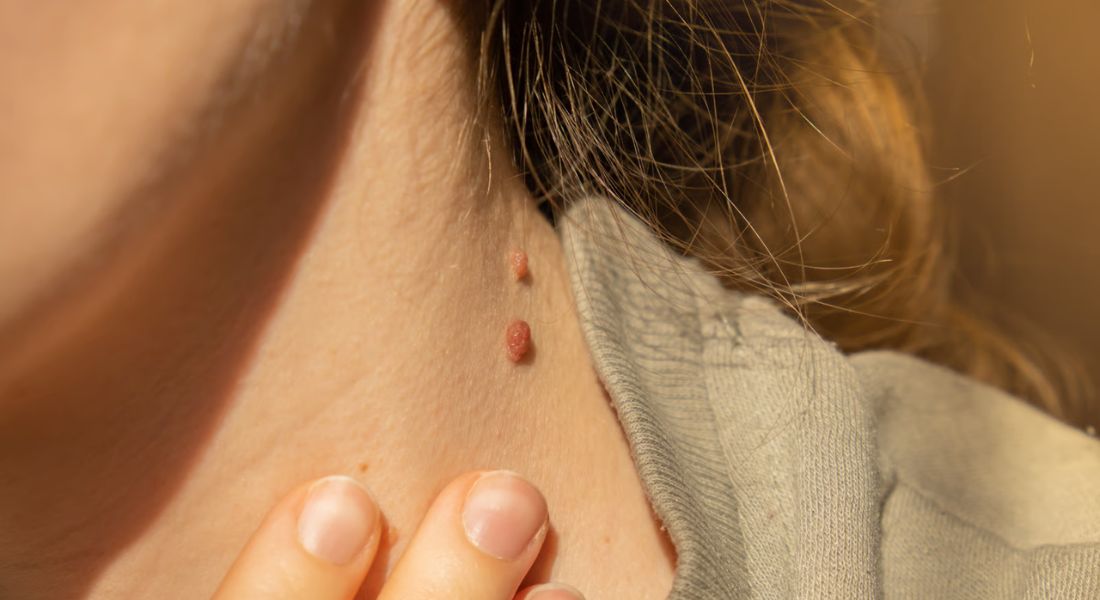
A skin tag, medically called an acrochordon, is a small, soft growth that is flesh-coloured or slightly darker than the surrounding skin. It usually hangs from the skin by a thin stalk known as a peduncle. Most skin tags are just a few millimetres in size, though some can grow larger.
They are made up of loose collagen fibres and blood vessels covered by skin. Skin tags are not cancerous and do not develop into skin cancer. In most cases, they are simply a cosmetic concern rather than a medical problem.
Skin tags often appear in areas where friction occurs. Typical sites include the neck, armpits, groin, eyelids, and under the breasts. These are places where skin rubs against skin or clothing regularly.
Why Do Skin Tags Develop?
The exact cause of skin tags is not fully understood, but friction seems to play a major role. Repeated rubbing of the skin may stimulate small outgrowths over time, which is why they often appear in areas like the neck, armpits, and under the breasts.
Hormonal changes can also contribute to their development. For example, skin tags are more common during pregnancy, when increased hormone levels may influence skin growth patterns.
Genetics may be another factor. If family members tend to develop skin tags, you may be more likely to get them too. Some people simply have a natural predisposition to these growths.
The Role of Friction
Friction is one of the most widely recognised factors in the development of skin tags. Areas where skin rubs against clothing or where skin folds meet are particularly vulnerable. Over time, repeated mechanical irritation may encourage small outgrowths to form. This is why skin tags are often seen in areas that experience constant rubbing or pressure.
People with increased skin folds are especially prone to developing skin tags. Common sites include neck creases, underarms, the groin, and under the breasts. The distribution of skin tags strongly supports the idea that friction plays a key role in their formation. Even minor, repeated rubbing over months or years can contribute to growth.
Reducing irritation in vulnerable areas may help prevent new skin tags from forming. Wearing loose-fitting clothing and keeping skin dry can reduce friction. However, once a skin tag has developed, friction alone will not make it disappear. Most skin tags remain unless they are professionally removed or treated.
Are Skin Tags Linked to Metabolic Factors?
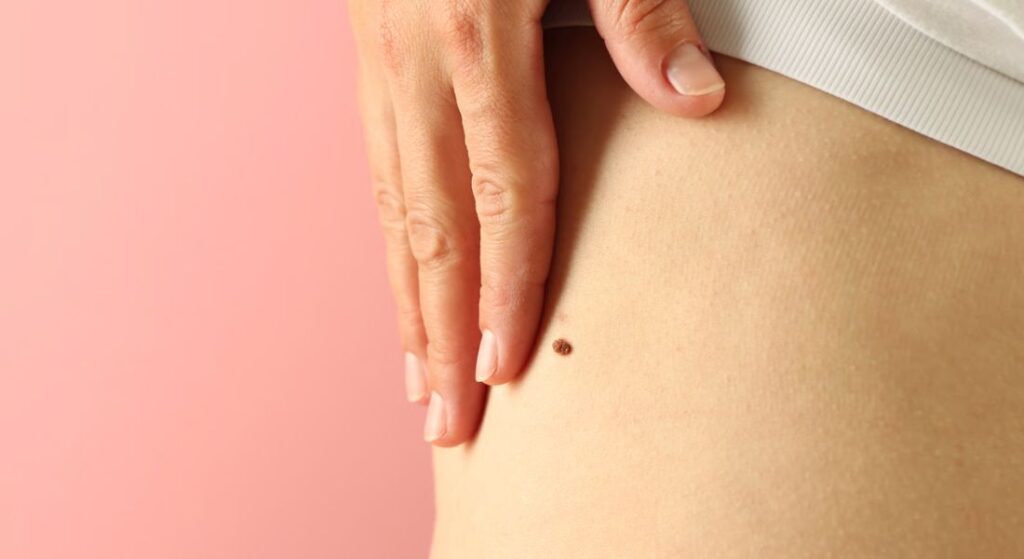
Research suggests there may be a connection between skin tags and metabolic health. They are often more common in people with insulin resistance, and this association is particularly noted in individuals with type 2 diabetes.
Skin tags also appear more frequently in people with obesity. While increased skin folds can increase friction, metabolic factors may also play a role in their development. The relationship is likely multifactorial, involving both mechanical and systemic influences.
Having skin tags does not automatically mean you have a metabolic condition. However, multiple or rapidly appearing tags may be worth discussing with your GP. They can sometimes serve as a prompt for a general health review and early detection of underlying issues.
Hormonal Influences and Pregnancy
Hormonal changes during pregnancy can often trigger the development of new skin tags. Fluctuations in oestrogen and progesterone may stimulate benign skin growth, and many women notice skin tags appearing in the second or third trimester.
These growths are usually harmless and do not pose a health risk. In some cases, they may shrink slightly after pregnancy, but most persist unless professionally removed.
If a skin tag becomes irritated during pregnancy, it’s important to seek professional advice. Self-removal is not recommended at this time, as safety for both mother and baby is the priority.
Are Skin Tags Dangerous?
If you notice a small, soft tag of skin, it’s natural to worry about whether it could be harmful. The good news is that skin tags are benign and do not turn into melanoma or other forms of skin cancer. On their own, they are not medically dangerous.
- Skin tags are harmless: These small growths don’t cause disease and rarely affect your health. You can have them without any impact on your overall wellbeing.
- Irritation can occur: Tags may catch on jewellery, clothing, or during shaving, which can lead to bleeding or discomfort. This is usually the main reason people seek removal.
- They can look like other lesions: While skin tags are harmless, some growths may resemble moles or other skin conditions. A professional assessment helps ensure nothing more serious is missed.
Although skin tags are not dangerous, checking them with a healthcare professional offers reassurance. Accurate diagnosis lets you rule out anything more serious. If irritation becomes a problem, removal is simple and safe. Knowing what you’re dealing with helps you feel confident about your skin health.
When Should You Seek Assessment?

If you notice changes in a skin lesion, it’s important to get it checked promptly. Rapid changes in colour, shape, or size, unusual pigmentation, or irregular borders are all reasons to seek professional evaluation. Painful, bleeding, or ulcerated lesions should also be assessed without delay.
- Changes in appearance require attention: Any sudden change in a lesion’s size, shape, or colour may indicate something other than a skin tag. Early assessment helps rule out more serious conditions.
- Other growths can mimic skin tags: Sometimes what looks like a skin tag may actually be a wart, seborrhoeic keratosis, or, in rare cases, a more serious growth. A clinical examination ensures an accurate diagnosis.
- Avoid home removal if unsure: Attempting to remove a lesion yourself can be risky, particularly if it is misidentified. Professional assessment ensures safe and appropriate management.
If you are uncertain about any lesion, it’s always better to seek expert advice. Proper assessment protects your skin and gives you peace of mind. Early evaluation allows treatment or reassurance without unnecessary worry. Taking a cautious approach ensures your skin stays healthy and safe.
Removal Medically Necessary?
In most cases, removing a skin tag is not medically required. These growths are harmless and can be left alone if they are not causing discomfort. Many people choose removal primarily for cosmetic reasons.
However, removal may be advised if a skin tag is frequently irritated. Repeated rubbing or trauma can lead to bleeding, soreness, or even infection. In such cases, professional removal can improve comfort and prevent complications.
The psychological impact of skin tags is also important to consider. If they cause embarrassment or make you feel self-conscious, removal can boost confidence. Personal comfort and peace of mind are valid reasons to seek treatment.
Why Home Removal Is Not Recommended
Many over-the-counter remedies claim to remove skin tags at home, such as freezing kits or tying off the lesion. While they may seem convenient, home treatment carries significant risks.
Incorrectly identifying a skin tag could lead to the removal of a more serious lesion. Home methods also increase the risk of infection, bleeding, and scarring, particularly in delicate areas like the eyelids or underarms.
Professional removal is quick, controlled, and far safer. It minimises complications and ensures the procedure is appropriate for your specific lesion. Safety should always take priority over convenience.
Professional Removal Options
There are several safe medical methods for removing skin tags. Common options include snip excision, cautery, and cryotherapy. The choice of method depends on the size, number, and location of the skin tag.
Snip excision involves carefully cutting the tag at its base, usually under a local anaesthetic. The procedure is quick, and healing is typically straightforward with minimal discomfort.
Cautery uses controlled heat to remove the lesion, while cryotherapy works by freezing it. Your clinician will recommend the most appropriate technique for your specific situation, ensuring safety and effective results.
Does Removal Leave a Scar?
If you’re considering having a skin tag removed, you may be wondering whether it will leave a scar. The good news is that most removal procedures leave very little trace. Small tags often heal with barely visible marks, and the outcome generally looks much better than leaving an irritated tag in place.
- Small tags usually heal well: For minor skin tags, scarring is minimal, and in many cases, the skin appears almost unchanged once healed.
- Technique and aftercare matter: Proper removal by a professional and following recommended aftercare, keeping the area clean and protected, greatly reduce the risk of noticeable marks.
- Larger tags may leave a faint mark: Bigger or thicker tags can sometimes leave a subtle scar, but this is usually minor compared to irritation or damage caused by the tag itself.
Professional removal ensures the best cosmetic outcome and reduces complications. With the right care, scarring is rarely a concern. Most people find the treated area heals quickly and looks natural. By having a qualified practitioner handle the procedure, you can safely restore both comfort and appearance.
What to Expect During the Procedure
Skin tag removal is generally a quick and straightforward procedure, usually completed in just a few minutes. Local anaesthetic is commonly used, which keeps discomfort to a minimum and ensures the process is as comfortable as possible.
During the procedure, you may feel slight pressure or tugging, but significant pain is uncommon. Any minor bleeding is quickly controlled by the clinician, and the risk of complications is very low. Most patients are able to return to their normal activities immediately or within the same day.
Aftercare is simple but important for optimal healing. Keeping the treated area clean, dry, and protected helps prevent infection and promotes faster recovery. Your clinician will provide clear instructions on wound care, including what to avoid and when to seek follow-up, ensuring the procedure is safe and effective.
Recovery and Healing
Healing time after skin tag removal depends on the method used and the size of the lesion. Small skin tags may heal within a week, while larger tags or multiple removals can take a little longer.
Mild redness, tenderness, or slight scabbing is normal during the healing process. Signs of infection are uncommon but should be monitored carefully. Following your clinician’s aftercare instructions, such as keeping the area clean and avoiding irritation, helps reduce the risk of complications.
Most patients are satisfied with the cosmetic outcome. The treated area usually blends well with the surrounding skin, and long-term results are generally excellent. Proper care ensures smooth healing and minimal scarring.
Can Skin Tags Come Back?
Once a skin tag is completely removed, that specific lesion will not return. However, new skin tags can develop in other areas, especially in regions prone to friction, such as the neck, underarms, and groin.
Preventing new tags entirely is not always possible. Managing body weight, reducing skin-on-skin friction, and wearing loose clothing may help reduce risk in some individuals. Nevertheless, a natural predisposition can still lead to new growths.
Regular skin checks are important to spot new lesions early. Early removal is usually simpler and less invasive. Keeping an eye on changes supports peace of mind and helps maintain healthy skin.
Differentiating Skin Tags From Other Lesions
Not every small skin growth is a skin tag, so it’s important not to make assumptions based on appearance alone. Understanding the differences helps you know when to seek professional advice and avoid potential risks.
- Warts have distinct features: Warts tend to be rougher and are caused by a viral infection, unlike soft, smooth skin tags. Their texture and tendency to spread help distinguish them.
- Seborrhoeic keratoses are often darker or flatter: These common growths can look similar to tags but are usually more pigmented and have a waxy or stuck-on appearance.
- Moles and occasional skin cancers: Moles may be raised but generally have different colour, border, and symmetry patterns. Some skin cancers can mimic benign lesions, so professional assessment is crucial for safety.
If you are ever uncertain about a growth, don’t try to identify it yourself. Seeking evaluation from a healthcare professional ensures accurate diagnosis and safe management. Correct identification protects your skin and gives peace of mind. By relying on expertise, you avoid unnecessary worry and keep your skin healthy.
Skin Tags on the Eyelids
Skin tags on the eyelids need special care due to the delicate nature of the area. The thin skin and proximity to the eye increase the risk of complications during removal. Self-treatment in this region is particularly unsafe and should be avoided.
Removal often requires the expertise of an ophthalmologist or dermatologist. Using precise techniques helps protect surrounding structures and reduces the risk of damage. Safety and accuracy are the primary concerns.
Professional removal ensures that the lesion is correctly diagnosed and carefully treated. Eyelid skin tags deserve particular attention, and home remedies should never be attempted in this area. Proper care ensures both safety and the best cosmetic outcome.
Cosmetic Concerns and Confidence
Although skin tags are harmless, they can still impact your confidence and self-image. Visible tags on areas like the neck, face, or eyelids may cause embarrassment or self-consciousness, which is entirely understandable.
Removal can provide psychological relief and help you feel more comfortable in your own skin. Cosmetic concerns are a valid reason to seek treatment, even when the tags are not medically problematic.
Consulting a professional allows you to discuss removal options safely and openly. Your comfort and confidence are important considerations, and safe, effective treatment can offer reassurance and peace of mind.
Multiple Skin Tags and Health Considerations
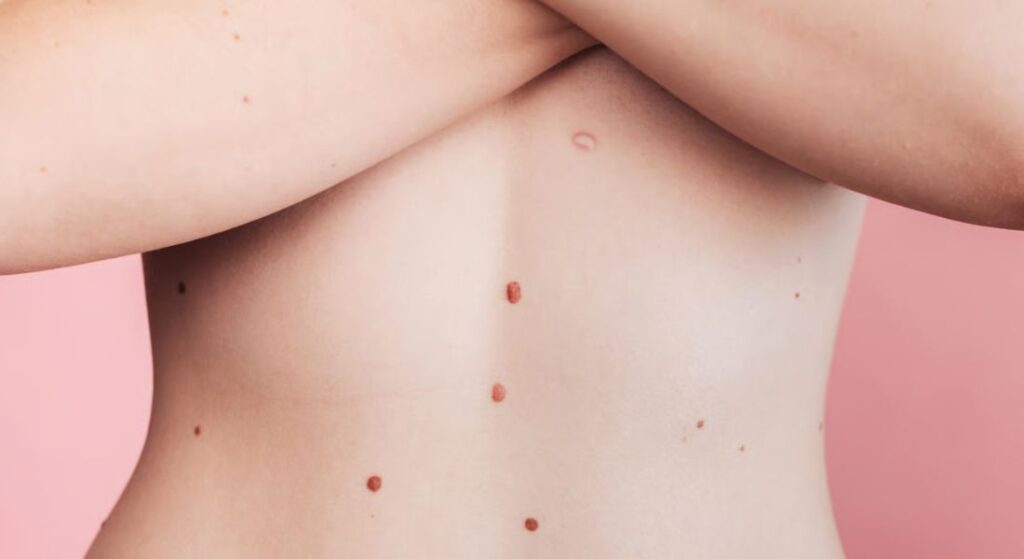
If you notice a sudden increase in the number of skin tags, it can be helpful to have a medical evaluation. While skin tags are usually harmless, multiple or rapidly appearing lesions can sometimes be linked to metabolic changes. This does not necessarily indicate a serious condition.
A routine consultation with your GP is often sufficient. In some cases, blood sugar or other metabolic screening may be recommended. Early awareness allows you to manage overall health proactively.
The skin can provide clues about internal health. Paying attention to changes helps maintain wellbeing and supports preventive care. Monitoring new growths is a proactive measure rather than a cause for alarm.
Are Skin Tags Contagious?
If you notice a skin tag, you might worry whether it can be passed on to others. The reassuring fact is that skin tags are not contagious. They are not caused by any infection and cannot spread from person to person.
- Clusters do not mean infection: Skin tags sometimes appear in groups, but this is usually due to friction or rubbing in certain areas, not transmission.
- Close contact is safe: Hugging, touching, or sharing clothing does not cause skin tags to spread. You don’t need to isolate or avoid others.
- Common and benign: Skin tags are very common, harmless, and unrelated to hygiene or infectious conditions.
Understanding this can relieve unnecessary worry. Knowing that skin tags are not infectious helps you feel more at ease. You can continue your daily interactions without concern. By being informed, you reduce anxiety and focus on managing your skin safely.
Frequently Asked Questions:
1. What exactly causes skin tags to develop?
Skin tags develop due to a combination of factors, including friction, hormonal changes, genetics, and sometimes metabolic influences. Repeated rubbing in areas like the neck, underarms, or groin can trigger their growth, while hormonal shifts during pregnancy or genetic predisposition may also contribute.
2. Are skin tags dangerous or linked to cancer?
Skin tags are generally harmless and are not associated with cancer. They consist of loose collagen and blood vessels covered by skin and do not transform into melanoma or other malignant lesions. However, any rapidly changing or unusual growth should be evaluated by a clinician to rule out other conditions.
3. Do I need to remove a skin tag if it doesn’t bother me?
Removal is not medically necessary if the skin tag does not cause irritation or discomfort. Many people choose to leave them alone, as they pose no health risk. Removal is often considered for cosmetic reasons, irritation, or repeated trauma.
4. Can skin tags be removed safely at home?
Home removal is not recommended because it carries risks such as infection, bleeding, scarring, and misidentifying a more serious lesion. Professional assessment ensures that the correct procedure is used and complications are minimised, especially in delicate areas like the eyelids.
5. What removal options do dermatologists offer?
Medical removal options include snip excision, cautery, and cryotherapy. The choice depends on the size, number, and location of the skin tag. These procedures are quick, controlled, and usually result in minimal discomfort and scarring.
6. Will skin tags come back after removal?
The specific skin tag that is removed does not return. However, new tags may develop in other areas, particularly where friction is common or if there is a predisposition. Regular skin checks can help identify new growths early.
7. Can skin tags indicate an underlying health problem?
While most skin tags are harmless, multiple or rapidly appearing tags may sometimes reflect metabolic changes, such as insulin resistance or obesity. A consultation with a healthcare professional can help determine if further evaluation is needed.
8. Are skin tags contagious?
Skin tags are not contagious. They do not result from viral or bacterial infection and cannot spread from person to person. Their appearance is related to local skin conditions rather than transmission.
9. Is there any scarring after removal?
Most skin tag removal procedures leave little to no scarring, particularly when performed by a professional. Healing varies depending on the method and location, but small tags often heal with minimal visible marks. Proper aftercare supports optimal healing.
10. Can skin tags be prevented?
There is no guaranteed way to prevent skin tags, but reducing friction, maintaining healthy weight, and managing underlying metabolic factors may help. Regular monitoring and professional assessment allow for safe removal of any growths before they become irritated or bothersome.
Final Thought: Taking Control of Skin Tags Safely
Skin tags are very common and, in most cases, completely harmless. While they can cause discomfort, irritation, or cosmetic concern, understanding why they develop and how they behave helps you make informed decisions. Regular monitoring and professional assessment ensure that any unusual changes are evaluated safely and early.
If you’re thinking about skin tag removal in London, you can contact us at London Dermatology Centre to book a consultation with one of our specialists. Booking a consultation allows you to remove troublesome lesions confidently and maintain healthy, comfortable skin.
References:
- Ly, L. (2025) ‘Dermatological manifestations of diabetes mellitus and its cutaneous associations including acrochordons (skin tags)’, Diabetes & Metabolic Disorders, 6(3), p.18. Available at: https://www.mdpi.com/26734540/6/3/18
- Bora, L. (2023) ‘Stability profile and clinical evaluation of an innovative hydrogel for fibroepithelial polyps including skin tags’, Pharmaceuticals, 16(7), p.980. Available at: https://www.mdpi.com/14248247/16/7/980
- Akpinar, F., Dervis, E. et al. (2012) ‘Association between acrochordons and the components of metabolic syndrome’, European Journal of Dermatology, 22(1), pp.106110. Available at: https://pubmed.ncbi.nlm.nih.gov/22063265/.
- Sari, R., Akman, A., Alpsoy, E. and Balci, M.K. (2010) ‘The metabolic profile in patients with skin tags’, Clinical and Experimental Medicine, 10(3), pp.193197. Available at: https://pubmed.ncbi.nlm.nih.gov/20033751/
- Platsidaki, E. et al. (2018) ‘The association of various metabolic parameters with multiple skin tags’, Journal of Clinical and Aesthetic Dermatology, 11(10), pp.4043. Available at: https://www.ncbi.nlm.nih.gov/pmc/articles/PMC6239160/