



Steroids are widely used in medicine to reduce inflammation and help manage a range of conditions, from skin concerns to autoimmune disorders. While they can be very effective, one of the known side effects you might experience is acne. If you have noticed new breakouts after starting steroid treatment, you are not alone. This is a recognised reaction and can happen even if your skin was previously clear.
Steroid-induced acne can look and behave quite differently from the acne you may be used to. It often appears suddenly and can develop in areas that were not previously affected, such as your chest, back, or shoulders. The spots may also look more uniform in size and can feel more persistent. Because of these differences, it can sometimes be confusing to identify at first.
In this article, you will learn how steroid-related acne develops and what makes it distinct from other types of acne. You will also understand how dermatologists approach treatment while ensuring your underlying condition remains well managed. With the right information, you can take control of your skin without compromising your overall care.
What Are Steroids?
Steroid-induced acne is a type of acne that develops as a direct result of using steroid medications. It can occur whether you are using topical treatments, taking oral steroids, or receiving injections. In many cases, the breakouts appear quite quickly after you start treatment. This sudden onset can make it feel unexpected, especially if you have not had acne before.
This form of acne often looks different from what you might typically expect. You may notice small, uniform red bumps or pustules that appear similar in size and shape. Unlike common acne, it usually does not involve blackheads or whiteheads. The breakouts can also appear in a more consistent pattern across areas such as your chest, back, or face.
Recognising steroid-induced acne is important because it affects how your treatment is managed. It does not always respond to the same approaches used for regular acne. Instead, your doctor may recommend a more tailored plan based on the cause. Identifying it early allows you to take the right steps and prevent it from worsening.
How Steroids Affect the Skin
Steroids can have a noticeable impact on your skin by altering hormone levels and influencing how your immune system responds. These changes may increase oil production in your skin, which can clog pores more easily. At the same time, your skin may react differently to bacteria that would not normally cause problems. Together, these effects can create the ideal conditions for acne to develop.
They can also weaken your skin barrier, which is your skin’s natural protective layer. When this barrier is compromised, your skin becomes more sensitive and prone to irritation. You might notice redness, dryness, or a change in how your skin feels overall. These disruptions make it easier for breakouts to occur and harder for your skin to recover quickly.
Understanding these effects helps you see that steroid-induced acne is not random. It is a direct result of how the medication interacts with your body. This is why managing it often requires a slightly different approach. When you recognise the cause, you can take more targeted steps to support your skin.
Increased Sebum Production
One of the main ways steroids contribute to acne is by increasing the amount of sebum your skin produces. Sebum is the natural oil that helps keep your skin moisturised and protected. However, when too much of it is produced, it can start to cause problems. Excess oil can build up and clog your pores more easily.
When your pores become blocked, it creates the perfect environment for bacteria to grow. This can trigger inflammation, leading to the development of spots and breakouts. You may notice that your skin feels oilier than usual and becomes more prone to acne. These changes can happen quite quickly after starting steroid treatment.
Managing oil production is an important part of treating steroid-induced acne. This often involves using targeted treatments that help control excess sebum without over-drying your skin. Finding the right balance is key to keeping your skin clear and healthy. With the right approach, you can reduce breakouts while still supporting your skin’s natural function.
Hormonal Influence
Steroids can mimic or influence androgen hormones in your body, which play a key role in regulating your oil glands. When these hormones are stimulated, your skin may start producing more oil than usual. This excess oil can quickly lead to clogged pores and breakouts. As a result, acne can develop even if your skin was previously clear.
Even small changes in your hormone levels can have a noticeable effect on your skin. This is why you might see acne appear quite suddenly after starting steroid treatment. The shift in hormonal balance can disrupt your skin’s normal behaviour. It can feel unexpected, especially if you have not experienced acne before.
Understanding how hormones are involved helps guide the right treatment approach. Managing these hormonal effects is often an important part of controlling breakouts. Your dermatologist will take this into account when recommending treatment. This ensures your care is both effective and tailored to your needs.
Immune System Changes

Steroids suppress your immune system to reduce inflammation, which is why they are so effective for many conditions. However, this can also change how your skin responds to bacteria. When your immune defences are lowered, your skin may not protect itself as efficiently. This can contribute to the development of acne.
With a weakened immune response, bacteria can grow more easily on your skin. This increases the likelihood of clogged pores becoming inflamed and turning into breakouts. You may also notice that your skin feels more sensitive or reactive than usual. These changes can make acne more persistent and harder to manage.
Balancing your immune function is an important part of treatment. Your dermatologist will focus on controlling both inflammation and bacterial activity at the same time. This approach helps protect your skin while still allowing necessary medical treatment to continue. Careful and consistent management makes a real difference in improving your skin.
Typical Appearance of Steroid Acne
Steroid-induced acne often shows up as uniform bumps across your skin, which can make it look quite different from typical acne. The spots are usually similar in size and shape, giving the skin a more consistent, almost patterned appearance. Unlike regular acne, you may not see a mix of blackheads, whiteheads, and larger inflamed spots. This uniformity is one of the key features that sets it apart.
You may notice these breakouts on areas such as your chest, back, shoulders, and sometimes your face. In many cases, they appear in places that were previously clear, which can make the change more obvious. The onset is often quite sudden, especially after starting steroid treatment. This can make it feel like the acne has appeared overnight.
Recognising this pattern is important because it helps distinguish steroid-induced acne from other types. Once it is correctly identified, your treatment can be adjusted more effectively. An accurate diagnosis allows your doctor to choose the most appropriate approach for your skin. This makes a real difference in how well the condition is managed.
Differences from Common Acne
Unlike common acne, steroid-induced acne usually does not involve blackheads or whiteheads. Instead, you may notice more uniform, inflamed bumps that look quite similar to each other. This gives your skin a more consistent appearance rather than the mixed types of spots seen in typical acne. These differences make it easier to recognise when you know what to look for.
Another key distinction is how quickly it appears. Steroid-induced acne often develops rapidly, sometimes within a short time of starting treatment. You may also find that it is more widespread, affecting larger areas of your body at once. In contrast, common acne tends to develop gradually over time and may be more localised.
Understanding these differences is important because it directly influences how your acne is treated. What works for typical acne may not always be effective in this case. Your dermatologist will tailor your treatment based on the underlying cause. This personalised approach helps you manage your skin more effectively.
Topical vs Oral Steroids
Both topical and oral steroids can lead to acne, but they tend to affect your skin in different ways. Oral steroids work throughout your entire body, which means they are more likely to cause widespread breakouts. You may notice spots appearing across larger areas such as your chest, back, or face. This is due to their systemic effect on hormones and oil production.
Topical steroids, on the other hand, usually affect only the areas where they are applied. You might develop small bumps or breakouts in those specific regions, a condition often referred to as steroid-induced folliculitis. The pattern of acne is usually more localised and directly linked to where the product has been used. This makes it easier to trace the cause.
Understanding which type of steroid you are using helps identify why your acne has developed. It also plays a key role in deciding the most effective treatment approach. Your doctor will assess your usage and symptoms carefully before recommending any changes. Accurate evaluation ensures your skin is managed safely and appropriately.
Duration and Severity
Steroid-induced acne doesn’t affect everyone in the same way, and its severity can vary quite a bit. How your skin responds often depends on how long you’ve been using steroids and at what dose. Some people notice only mild changes, while others may develop more persistent or widespread breakouts. Understanding these factors helps you make sense of what’s happening with your skin and what to expect next.
- Higher doses and longer use can increase severity: The more steroids you take and the longer you use them the more likely you are to experience acne. Higher doses can stimulate oil production and inflammation in the skin, leading to more noticeable breakouts. Long-term use gives these effects more time to develop and worsen. This is why your doctor will always aim to use the lowest effective dose where possible.
- Your individual sensitivity plays a key role: Everyone’s skin reacts differently to steroids. You might develop acne quickly, even on a lower dose, while someone else may not experience any breakouts at all. Factors like your skin type, genetics, and hormonal balance can all influence how your skin responds. This is why treatment always needs to be tailored to you.
- Symptoms can range from mild to more severe: In some cases, you may only notice small, uniform spots that are easy to manage. In others, breakouts can be more widespread and persistent, sometimes appearing on the chest, back, or shoulders as well as the face. The severity doesn’t always match the dose exactly, which can make it feel unpredictable. Monitoring your skin closely helps track how it’s progressing.
- Ongoing monitoring helps guide treatment decisions: Keeping an eye on how your skin changes over time allows your doctor to adjust your treatment if needed. This might involve modifying your steroid use, introducing acne treatments, or both. Early intervention can prevent the condition from becoming more severe. Regular review ensures your care stays aligned with how your skin is responding.
When you understand how duration and dosage affect your skin, it becomes easier to manage expectations. You’ll know that changes can happen, but they can also be controlled with the right approach. With personalised care and timely adjustments, steroid-induced acne can be effectively managed.
Can Steroid Acne Be Prevented?
In some cases, you can reduce the risk of developing steroid-induced acne, although it may not always be completely preventable. One of the most effective approaches is using the lowest dose of steroids needed to manage your condition. Keeping a simple, consistent skincare routine can also help support your skin. These steps can lower the chances of breakouts, even if they cannot eliminate the risk entirely.
It is important that you follow your doctor’s advice closely when using steroids. You should never stop or adjust your medication without proper guidance, as this can lead to complications or a flare-up of your condition. Your treatment plan is designed to balance benefits and risks carefully. Staying consistent with medical advice helps protect both your overall health and your skin.
Taking preventive steps can still make a meaningful difference to your results. Being aware of early signs of acne allows you to act quickly and manage it before it worsens. Early intervention often leads to better control and faster improvement. When you stay informed and proactive, you give your skin the best possible support.
Managing Steroid-Induced Acne
Managing steroid-induced acne usually involves treating both the breakouts and the underlying cause. Your dermatologist may recommend topical treatments to help reduce inflammation and control bacteria on your skin. These can include creams or gels that target the specific type of acne you are experiencing. With consistent use, they can help calm your skin and reduce new breakouts.
In some cases, you may need oral medication, especially if the acne is more severe or widespread. These treatments are chosen based on how your skin is responding and your overall health. Your care plan will be tailored specifically to you, rather than using a one-size-fits-all approach. This personalised method helps improve effectiveness while minimising unnecessary side effects.
The goal is to strike the right balance between managing your acne and continuing any necessary steroid treatment. This can require careful planning and ongoing adjustments. Your doctor will guide you through each step to make sure your skin improves without compromising your underlying condition. With the right support, you can manage both effectively.
Adjusting Steroid Use
f you’re dealing with steroid-induced acne, you might wonder whether changing your medication could help. In some cases, adjusting the dose or switching to an alternative treatment can reduce breakouts. However, this isn’t something you should ever do on your own. Any changes need to be carefully planned to make sure your underlying condition remains well controlled.
- Your doctor may adjust your steroid dose: If it’s safe to do so, your doctor might reduce your steroid dose to help minimise acne. Lower doses can decrease oil production and inflammation in your skin, which may lead to fewer breakouts. This adjustment is always done gradually and with close monitoring. The aim is to improve your skin without compromising your overall health.
- Alternative treatments may be considered: In some situations, your doctor may suggest switching to a different medication that has fewer effects on your skin. This could include non-steroidal options or treatments with a lower risk of triggering acne. The choice depends on your specific condition and how your body responds. Any changes will be tailored to suit your needs.
- You should never stop steroids without medical guidance: Steroids are often prescribed to manage serious or chronic conditions, and stopping them suddenly can cause complications. You might experience a flare-up or worsening of your original condition if they’re withdrawn too quickly. That’s why it’s essential to follow your doctor’s advice at all times. Safe adjustment is always a controlled process.
- Your treatment plan will be carefully balanced: Managing your underlying condition while addressing acne requires a thoughtful approach. Your doctor will weigh the benefits of steroid use against the impact on your skin. Adjustments are made based on your symptoms, medical history, and overall response to treatment. This ensures that both your health and skin are properly cared for.
Finding the right balance between managing your condition and improving your skin can take time. With the right medical support, adjustments can be made safely and effectively. You’ll be guided through each step so you understand what’s changing and why. Ultimately, your safety and long-term health will always come first
Skincare Considerations
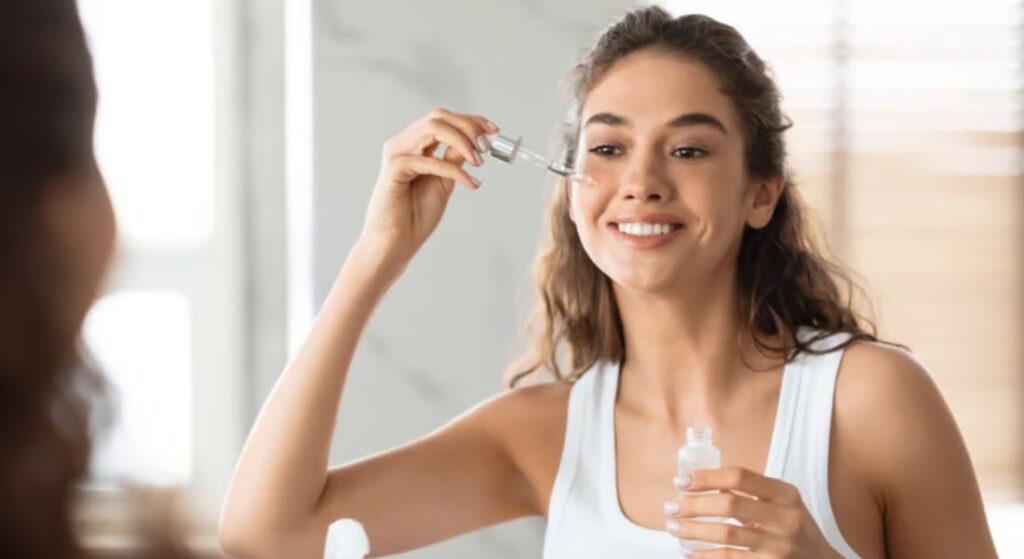
Keeping your skincare routine gentle is essential when managing steroid-induced acne. Harsh products can irritate your skin further and make breakouts worse. Instead, focus on mild cleansers and soothing ingredients that support your skin barrier. A balanced approach helps your skin recover without added stress.
Choosing non-comedogenic products is also important, as these are designed not to clog your pores. This can help reduce the risk of new breakouts forming while your skin is already vulnerable. You should also try to keep your routine consistent rather than constantly switching products. Stability often leads to better results over time.
Good skincare works alongside your medical treatment rather than replacing it. It helps maintain your skin’s overall health and supports the effectiveness of prescribed therapies. When both are combined, your skin is more likely to improve steadily. A well-balanced routine can make a noticeable difference in your results.
Recovery After Stopping Steroids
In many cases, your skin will begin to improve once your steroid use is reduced or stopped. However, this does not happen instantly, and it can take time for your skin to return to its natural balance. Your oil production and immune response need time to stabilise. During this period, you may still notice some breakouts before things fully settle.
Even after stopping steroids, treatment may still be needed to help control ongoing acne. Your dermatologist might recommend continuing topical or oral treatments to support your skin through this transition. Recovery is usually gradual rather than immediate. Being patient with the process is important for achieving the best results.
Understanding this timeline can help you set realistic expectations and avoid unnecessary frustration. Improvement is very possible, but it often happens step by step. Staying consistent with your treatment and skincare routine makes a real difference. With the right approach, your skin can recover and become more stable over time.
Risk of Scarring
Inflammatory acne can increase your risk of developing scars, and this is something to take seriously with steroid-induced acne. Because this type of acne can be more inflammatory, it may cause deeper irritation in the skin. This increases the chances of marks or uneven texture forming over time. Acting early can make a significant difference in preventing long-term effects.
Managing breakouts as soon as they appear helps reduce the likelihood of scarring. Your dermatologist will focus not only on clearing the acne but also on protecting your skin from lasting damage. Prompt treatment can calm inflammation before it leads to more permanent changes. Early intervention is one of the most effective ways to protect your skin.
Taking care of your skin during this time supports better healing overall. Avoiding picking or squeezing spots is especially important, as this can worsen scarring. Recovery is part of the process, and your skin needs the right conditions to repair itself properly. With careful management, you can improve your results and maintain healthier-looking skin.
Emotional Impact
Sudden changes in your skin, especially when caused by steroid use, can feel overwhelming. You might notice breakouts appearing quickly and in places you’re not used to, which can affect how you see yourself. It’s not just a physical issue it can also impact your confidence and day-to-day interactions. Recognising this emotional side is an important part of managing steroid-induced acne.
- It can affect your confidence and self-esteem: When acne appears suddenly, it can make you feel self-conscious about your appearance. You might find yourself avoiding social situations or feeling less comfortable in your own skin. These reactions are completely normal and more common than you might think. Acknowledging how you feel is the first step towards managing it.
- Emotional wellbeing should be part of your care: Treating acne isn’t just about improving your skin it’s also about supporting how you feel. Your healthcare provider should consider both the physical and emotional impact when planning your treatment. This might include reassurance, guidance, and realistic expectations about recovery. A more holistic approach leads to better overall outcomes.
- Support from professionals can make a difference: Speaking openly with your doctor about how your skin is affecting you can be very helpful. They can explain what’s happening, how long it may last, and what can be done to improve it. In some cases, additional support or reassurance may be offered. You don’t have to deal with this on your own.
- Understanding the cause helps reduce anxiety: Knowing that your acne is linked to steroid use and not something you’ve done wrong can be reassuring. It helps you see the condition as temporary and manageable rather than permanent. This understanding can ease frustration and help you stay patient with treatment. When you know what’s going on, it’s easier to stay in control.
When both the emotional and physical aspects are addressed, you’re more likely to feel supported and confident throughout the process. Steroid-induced acne can be challenging, but it’s also manageable with the right approach. With proper care, clear information, and ongoing support, you can regain control over both your skin and your confidence.
Advances in Treatment
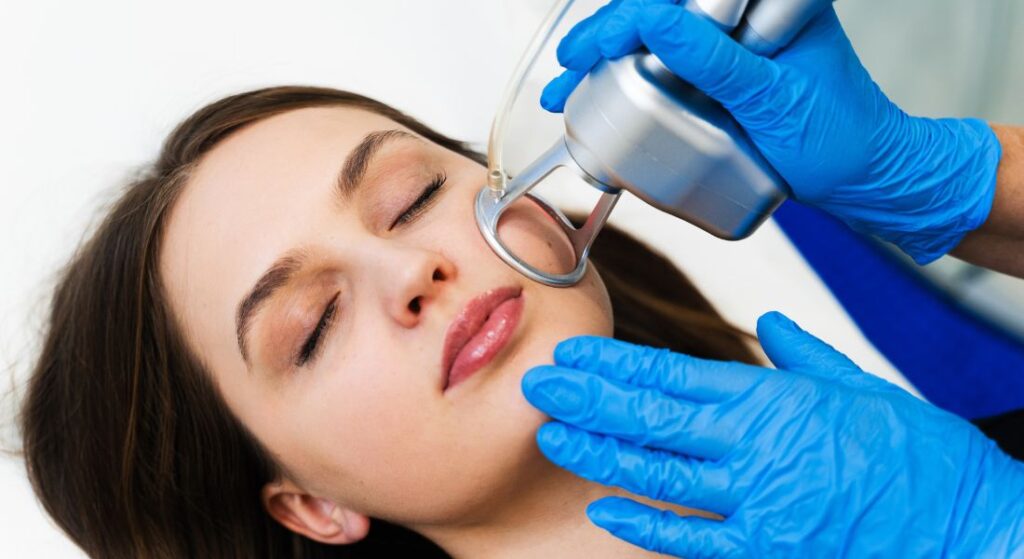
Dermatology has made significant progress in understanding and treating steroid-induced acne. Newer treatments are designed to target both inflammation and excess oil production more precisely. This means your care can be more effective and better suited to your specific skin concerns. As a result, you have more options than ever before.
Modern approaches focus on improving control over symptoms while minimising unwanted side effects. Your dermatologist can combine different treatments to create a plan that works best for you. This tailored approach often leads to clearer skin and a more comfortable experience during treatment. Improved outcomes also tend to boost your confidence throughout the process.
Staying informed about these advances helps you access the most up-to-date care available. When you understand your options, you can have more meaningful discussions with your doctor. Ongoing innovation continues to improve how steroid-induced acne is managed. With the right guidance, these developments can lead to better and more lasting results.
When to Seek Professional Help
If you notice acne developing after starting steroids, it is important that you seek professional advice as soon as possible. A dermatologist can assess your skin, confirm whether the acne is steroid-related, and recommend the most suitable treatment. Getting the right diagnosis early makes a real difference. It allows you to manage the condition more effectively from the start.
You should not ignore acne that is persistent, worsening, or more severe than expected. Without proper treatment, it may lead to complications such as prolonged inflammation or scarring. Professional care ensures that your treatment is targeted and appropriate for your situation. Timely intervention helps prevent the condition from becoming harder to control.
Seeking expert help also gives you reassurance and a clearer understanding of what is happening with your skin. You will know what steps to take and what to expect during recovery. This guidance can make the process feel much more manageable. With the right support, you can protect your skin and improve your results.
Why Understanding Steroid Acne Matters
Understanding steroid-induced acne helps you take better control of your skin and your overall treatment. When you recognise that your breakouts are linked to medication, it becomes easier to approach them in the right way. This awareness allows you to make more informed decisions about your care. It also helps you work more effectively with your doctor.
By identifying the true cause of your acne, you can take the appropriate steps to manage it properly. Instead of guessing or trying unsuitable treatments, your approach becomes more targeted. This often leads to faster improvement and better long-term results. Knowing what is driving your skin changes puts you in a stronger position.
Taking a proactive approach supports healthier, more balanced skin over time. It is all about finding the right balance between managing your condition and minimising side effects. When you stay informed, you are better prepared to handle changes as they arise. Awareness gives you the confidence to manage your skin successfully.
FAQs:
1. What is steroid-induced acne?
Steroid-induced acne is a type of acne that develops after using steroid medications. It often appears suddenly and can look different from typical acne. You may notice small, uniform bumps rather than a mix of spots. Recognising this early helps you manage it more effectively.
2. How quickly can steroid acne appear?
Steroid acne can develop quite quickly, sometimes within a few days or weeks of starting treatment. The sudden onset is one of its defining features. You might notice breakouts in areas that were previously clear. This can feel unexpected, especially if you have never had acne before.
3. Can both oral and topical steroids cause acne?
Yes, both oral and topical steroids can lead to acne, but the pattern may differ. Oral steroids tend to cause more widespread breakouts across your body. Topical steroids usually affect the areas where they are applied. Understanding the type of steroid you are using helps identify the cause.
4. Why do steroids cause acne?
Steroids can increase oil production and affect your hormone levels. This creates an environment where pores are more likely to become blocked. They can also alter your immune response, making it easier for bacteria to grow. Together, these factors contribute to acne development.
5. Is steroid acne different from regular acne?
Yes, steroid acne often looks more uniform and may not include blackheads or whiteheads. It tends to appear suddenly rather than developing gradually. You may also notice it spreading more evenly across the skin. These differences help dermatologists identify the condition.
6. Will steroid acne go away on its own?
In some cases, steroid acne may improve once the medication is reduced or stopped. However, this process can take time, and you may still need treatment to manage breakouts. Your skin needs time to rebalance. Following medical advice helps speed up recovery.
7. Can you prevent steroid-induced acne?
Prevention is not always possible, but you can reduce the risk with careful management. Using the lowest effective dose and maintaining a good skincare routine can help. You should always follow your doctor’s guidance when using steroids. Early action can make a difference.
8. How is steroid acne treated?
Treatment usually involves topical creams to reduce inflammation and control bacteria. In more severe cases, you may be prescribed oral medication. Your dermatologist will tailor the treatment to your skin and medical needs. A personalised approach gives the best results.
9. Should you stop taking steroids if acne develops?
You should never stop taking steroids without medical advice. These medications are often essential for managing your condition. Instead, speak to your doctor about possible adjustments. They can help balance your treatment while managing side effects.
10. When should you see a dermatologist?
You should see a dermatologist if your acne appears suddenly after starting steroids or becomes severe. Early treatment can prevent worsening and reduce the risk of scarring. Professional advice ensures you get the right treatment. Getting help early makes a big difference.
Final Thoughts: Taking Control of Steroid-Induced Acne
If you have developed acne after using steroids, it can feel frustrating, especially when the treatment itself is necessary for your health. The important thing to remember is that this type of acne is a recognised side effect and can be managed effectively with the right approach. Understanding the cause gives you more control over how you respond to it.
With the right support, you do not have to choose between managing your condition and maintaining healthy skin. A dermatologist can help you reduce breakouts while ensuring your underlying treatment remains safe and effective. This personalised approach makes a real difference to both your skin and your confidence.
If you’re considering acne treatment in London, you can get in touch with us at London Dermatology Centre to explore your options and receive expert care tailored to your needs.
References:
- Hurwitz, R.M. (1989) Steroid acne, Journal of the American Academy of Dermatology, 21(6), pp. 1179–1181. https://pubmed.ncbi.nlm.nih.gov/2531172/
- Munroe, M. and Crutchfield, C. (2003) Steroid acne, Dermatology Nursing, 15(4), p. 365. https://pubmed.ncbi.nlm.nih.gov/14515618/
- Coondoo, A. (2014) Topical corticosteroid misuse: The Indian scenario, Indian Journal of Dermatology, 59(5), pp. 451–455. https://pmc.ncbi.nlm.nih.gov/articles/PMC4171912/
- Dessinioti, C. and Katsambas, A.D. (2017) Drug-induced acne, Clinics in Dermatology, 35(2), pp. 156–162. https://www.sciencedirect.com/science/article/abs/pii/S0738081X16302681
- Harlan, S.L. (2008) Steroid acne and rebound phenomenon, Journal of Drugs in Dermatology, 7(6), pp. 547–550. https://pubmed.ncbi.nlm.nih.gov/18561585/