


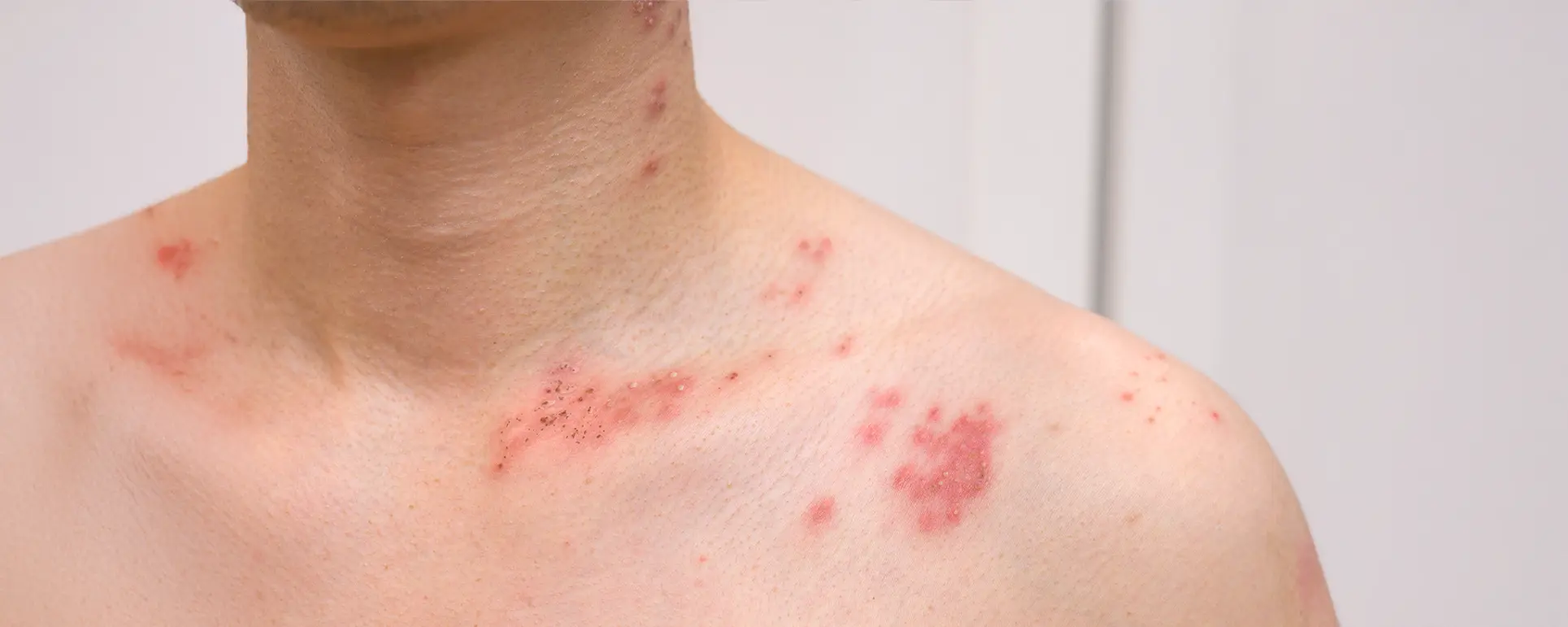
Most people have noticed their skin behaves differently during stressful periods. Breakouts appear suddenly, eczema flares without warning, hair shedding increases, or pigmentation darkens even though nothing else has changed. These patterns are not coincidence.
Stress affects the skin through measurable biological pathways. Hormones released during emotional or physical stress directly influence inflammation, barrier function, pigment cells, and hair follicles.
In this article, we explain how stress hormones interact with the skin, why flare-ups often follow stressful events, and how dermatologists address stress-related skin instability in a structured and evidence-based way.
Why Stress Is a Medical Skin Trigger
Stress is not just a psychological experience. We know it triggers a cascade of hormonal and immune changes throughout the body. These internal shifts have real, measurable effects on the skin.
The skin is a hormonally responsive organ, so it reacts strongly to stress signals. We often see changes in inflammation, barrier function, and immune activity during periods of stress. This can worsen existing conditions or trigger new flares.
This is why stress is recognised as a legitimate medical trigger in dermatology. We factor stress into assessment and management because it directly influences skin behaviour. Addressing stress is part of protecting long-term skin stability, not an optional extra.
Understanding the Body’s Stress Response
When the body perceives stress, we activate the hypothalamic–pituitary–adrenal axis as part of a survival response. This system releases hormones designed to help us cope with perceived threats. In the short term, this response is protective.
Problems arise when stress is ongoing rather than brief. Repeated activation keeps this system switched on for longer than intended. We then start to see effects beyond the original purpose of protection.
Chronic stress changes how multiple organs behave, including the skin. We recognise this as a biological process, not a psychological exaggeration. The skin responds directly to prolonged internal stress signals.
The Central Role of Cortisol
Cortisol is the body’s primary stress hormone. We rely on it to regulate inflammation, immune responses, metabolism, and tissue repair. In short bursts, it plays an essential protective role.
When cortisol levels remain elevated for long periods, balance is lost. We begin to see disruption rather than regulation, particularly in tissues that renew frequently. The skin is especially vulnerable to this shift.
Persistently high cortisol alters how the skin repairs and defends itself. We consider this one of the key mechanisms linking stress to visible skin changes. Hormonal balance is central to skin stability.
How Cortisol Weakens the Skin Barrier

The skin barrier depends on healthy lipid production and steady cell turnover. Cortisol interferes with both by suppressing lipid synthesis and slowing repair processes. This weakens the skin’s protective structure.
As the barrier becomes compromised, water escapes more easily from the skin. At the same time, irritants and allergens penetrate more readily. We see this as increased reactivity rather than simple dryness.
Barrier weakness makes the skin unstable and prone to flares. We often observe this during prolonged stress periods. Restoring barrier function becomes a key part of management.
Why Stress Makes Skin Feel Drier and More Sensitive
Dryness during stress is a biological effect, not an imagined one. Reduced lipid production leads to increased transepidermal water loss. The skin simply cannot retain moisture as effectively.
As the barrier weakens, nerve endings become more exposed. We then see heightened sensitivity, including burning, stinging, or discomfort. These sensations are common during stressful phases.
This explains why skin often feels reactive even without visible rash. We interpret these symptoms as signs of physiological imbalance. Addressing stress-related changes helps restore comfort and resilience.
Stress and Inflammation: A Complex Relationship
Stress has a powerful and often misunderstood effect on the immune system and the skin. While short bursts of stress can be protective, ongoing stress changes how inflammation is regulated. This shift plays a major role in many chronic skin conditions.
Here’s how stress and inflammation interact:
1. Cortisol Is Protective in the Short Term – In brief periods of stress, cortisol helps suppress inflammation. This response is designed to protect the body during short-term challenges.
2. Chronic Stress Disrupts Immune Balance – When stress persists, cortisol regulation becomes less effective. Instead of calming inflammation, immune signalling becomes dysregulated.
3. Pro-Inflammatory Signals Increase Over Time – With prolonged stress, inflammatory pathways become more active rather than suppressed. This creates a background state of ongoing, low-grade inflammation.
4. Skin Becomes More Prone to Flares – This inflammatory imbalance makes the skin more reactive and less resilient. Chronic conditions such as eczema, psoriasis, and acne are more likely to flare and persist.
Understanding this paradox helps explain why stress management is not just emotional care, but medical care too. By reducing chronic stress, we support healthier immune regulation and give the skin a better chance to stabilise. This balanced approach is key to controlling long-term inflammation.
Why Inflammatory Skin Conditions Flare Under Stress
Inflammatory skin conditions are closely linked to how the immune system behaves. When stress levels rise, the body’s inflammatory response becomes more active and the skin’s tolerance drops. This makes even small triggers feel overwhelming to the skin.
Stress worsens inflammatory skin conditions because:
- Immune activity is amplified – Stress signals increase inflammatory pathways, which can intensify existing skin conditions.
- Skin tolerance is reduced – Triggers that are usually manageable can suddenly provoke flares.
- Reactivity increases without new causes – Flares may occur even when skincare and routines have not changed.
- Stress fuels activity rather than causing disease – Stress does not create conditions like eczema or psoriasis, but it can significantly worsen their behaviour.
By recognising stress as a flare amplifier, we can take steps to manage both skin care and overall wellbeing more effectively.
How Stress Alters the Skin’s Immune Balance

The skin has its own local immune network that helps regulate reactions to everyday exposures. Under stress, we see stress hormones shift this balance toward inflammatory pathways. This reduces the skin’s ability to respond calmly.
As immune regulation becomes less controlled, minor triggers can provoke exaggerated reactions. We often notice increased redness, sensitivity, or flare-ups without obvious external cause. The skin becomes reactive rather than resilient.
This immune imbalance explains why stress can worsen many skin conditions. We recognise it as a biological process, not coincidence. Restoring balance is key to long-term stability.
Stress Hormones and Acne Flare-Ups
Stress has a direct effect on oil production in the skin. Cortisol stimulates the sebaceous glands while also increasing inflammatory signalling. This combination changes how pores behave.
Rather than simple blockage, pores become more reactive and inflamed. We often see breakouts that feel deeper and more uncomfortable. Oil alone is not the main issue in these cases.
This is why stress-related acne behaves differently from routine acne. We focus on calming inflammation alongside managing oil. Addressing both pathways improves control.
Why Stress-Related Acne Feels Different
Stress-related acne is not purely comedonal. Lesions tend to be tender, persistent, and slower to resolve than usual breakouts. We frequently see them cluster along the jawline or cheeks.
Inflammation plays a dominant role in these flares. Even when oil levels are not dramatically increased, immune activation drives symptoms. This explains the soreness and prolonged healing.
Understanding this pattern helps guide treatment. We prioritise inflammation control rather than aggressive drying. This approach supports calmer skin and more predictable recovery.
The Effect of Stress on Pigmentation
Pigmentation changes are closely linked to inflammation within the skin. When stress levels rise, inflammatory signals increase and pigment cells become more active. This can make pigmentation more noticeable, even without new injury or sun exposure.
Stress affects pigmentation because:
- Melanocytes respond to inflammatory signals – Stress-related inflammation stimulates pigment cells to produce more melanin.
- Existing marks darken more easily – Areas of previous pigmentation can become deeper or more persistent under stress.
- New pigmentation can appear – Inflamed skin is more prone to developing fresh pigment changes.
- Stress amplifies, rather than creates, pigment – Stress does not generate pigment on its own, but it intensifies pigment where vulnerability already exists.
By managing inflammation and recognising the role of stress, we can better control pigmentation changes and support more even skin tone over time.
Why Pigmentation Often Follows Stressful Events
Pigmentation commonly appears after inflammatory skin flares. We often see eczema, acne, or irritation triggered by stress leave post-inflammatory marks behind. These marks can feel sudden, but they develop as part of the healing process.
During stress, the skin’s repair capacity is reduced. We know this slows normal recovery and allows pigment to linger or darken. Even mild inflammation can leave visible traces when repair is compromised.
This is why pigmentation can seem to worsen unexpectedly. We focus on controlling inflammation early and supporting recovery to reduce long-term pigment changes. Understanding this sequence helps explain what the skin is doing.
How Stress Impacts Hair Growth Cycles

Hair follicles are highly sensitive to stress hormones. When cortisol levels rise, we see follicles pushed prematurely into the shedding phase of the growth cycle. This disrupts normal hair renewal.
This shift does not cause immediate hair loss. Instead, it sets changes in motion beneath the surface. We recognise stress as a biological trigger rather than a cosmetic coincidence.
The result is increased hair shedding that appears delayed. Recognising this mechanism helps us link hair changes to earlier stress events. Biology explains what timing alone can obscure.
Why Hair Shedding Often Lags Behind Stress
Hair growth cycles move slowly and predictably. Stress experienced today may not show its effects for several weeks or months. This delay often causes confusion and concern. We frequently see patients struggle to connect shedding with past stress. By the time hair fall becomes noticeable, the triggering event may feel long gone. This timing gap is a normal biological feature. Dermatologists recognise this pattern clearly. We assess hair changes in the context of past health and stress history. Understanding timing helps guide reassurance and appropriate management.
Stress and Autoimmune Hair Loss
In autoimmune hair loss conditions such as alopecia areata, stress does not act as the sole cause, but it strongly influences disease activity. Ongoing stress can tip a vulnerable immune system into greater imbalance, making hair loss harder to control. Understanding this link helps explain why flares often follow emotional or physical strain.
Here’s how stress affects autoimmune hair loss:
1. Stress Acts as a Modulatory Trigger – Stress doesn’t create the autoimmune condition, but it can influence when and how actively it behaves. In people who are already predisposed, stress can push the immune system into a more reactive state.
2. Immune Activity Around Hair Follicles Increases – Chronic stress increases inflammatory signalling around hair follicles. This heightened immune response interferes with normal hair growth and promotes shedding.
3. Existing Patches May Worsen or Spread – Stress can make current areas of hair loss more active and increase the risk of new patches appearing. This is why progression sometimes feels sudden or unpredictable.
4. Early Control Helps Limit Progression – Addressing inflammation and stress early improves the chance of stabilising the condition. Prompt management reduces the likelihood of ongoing immune-driven damage to follicles.
Stress management is not separate from medical care in autoimmune hair loss. By addressing stress alongside treatment, we reduce immune activation and support better recovery. Early, balanced intervention gives hair follicles the best chance to return to normal growth.
Why Wounds Heal More Slowly Under Stress
Stress suppresses the skin’s natural repair mechanisms. We see reduced collagen production, slower cell migration, and diminished blood flow when stress hormones remain elevated. These changes directly affect how efficiently skin can heal.
Even minor cuts, abrasions, or post-procedure wounds may linger longer than expected. The skin simply does not have the same regenerative capacity during prolonged stress. Healing becomes slower and less predictable.
Delayed healing also increases the risk of scarring. We recognise this as a biological response rather than poor care. Supporting recovery means addressing stress alongside wound management.
Stress and the Skin Microbiome
The skin microbiome plays a crucial role in maintaining balance and resilience. We rely on a stable microbial environment to regulate inflammation and protect the barrier. Stress disrupts this balance at an immune level.
Stress hormones alter immune signals that normally keep microbial populations in check. As regulation weakens, certain bacteria can become dominant. This imbalance contributes to acne, dermatitis, and increased sensitivity.
Healthy skin depends on microbial stability. We consider microbiome disruption a key pathway through which stress affects skin behaviour. Restoring balance supports calmer, more resilient skin.
Why Stress Makes Existing Conditions Harder to Control
Stress changes how skin responds to treatment. We often see increased reactivity and unpredictability during stressful periods. Conditions that were previously stable may begin to flare.
Therapies that usually work can feel less effective under stress. This does not mean the treatment has failed or is inappropriate. The skin’s altered biology is influencing response.
We factor stress into management decisions for this reason. Adjusting expectations and support during these phases helps maintain control. Understanding this prevents unnecessary treatment changes.
The Cumulative Effect of Ongoing Stress
Repeated stress has a compounding effect on the skin. Barrier disruption, inflammation, and delayed repair build up gradually over time. This leads to chronic instability rather than isolated flares.
We see skin become more sensitive, slower to recover, and harder to stabilise when stress is ongoing. Each episode leaves a small residual impact. Over time, these add up.
Breaking this cycle is essential for long-term control. We focus on reducing cumulative damage rather than chasing individual flares. Addressing stress is central to restoring lasting skin stability.
How Dermatologists Identify Stress-Related Flares
Stress-related skin flares are rarely random. Dermatologists look beyond what is visible on the skin and focus on patterns over time. By understanding when and how flares occur, we can often identify stress as a contributing factor.
Here’s how stress-related flares are recognised:
1. A Detailed History Is Essential – We start by building a clear timeline. Understanding recent life events, emotional strain, illness, or physical stress helps place skin changes in context.
2. Timing Between Stress and Flares Is Assessed – Stress-related flares often appear days or weeks after a trigger, not immediately. Recognising this delay is key to identifying the connection.
3. Recurrence Patterns Are Reviewed – When flares occur in similar situations or follow repeated stress cycles, a pattern begins to emerge. Predictability is a strong clue that stress is involved.
4. Associated Symptoms Add Important Clues – Sleep disturbance, fatigue, gut symptoms, or worsening anxiety often accompany stress-driven flares. These supporting signs help confirm the link.
Identifying stress-related flares requires clinical insight rather than guesswork. By connecting timing, patterns, and symptoms, we can address the true drivers of inflammation. This allows us to manage flares more effectively and reduce their frequency over time.
Why Stress Management Alone Is Not Enough
Reducing stress is helpful, but it is rarely sufficient on its own. We know that biological changes triggered by stress can persist even after the stressful period has passed. The skin does not always reset immediately.
Hormonal and immune shifts may continue to affect barrier function and inflammation. This is why symptoms can linger despite feeling emotionally better. Recovery often needs more than time alone.
Skin recovery requires active support. We focus on restoring balance through appropriate medical care rather than waiting for changes to resolve spontaneously.
How Dermatologists Treat Stress-Driven Skin Changes
Management of stress-driven skin changes focuses on stabilisation. We prioritise barrier repair, inflammation control, and consistent, gentle routines. This creates the right environment for recovery.
Aggressive treatments are usually avoided during these phases. We recognise that stressed skin has lower tolerance and reacts unpredictably. Calming the skin is more effective than forcing change.
The goal is resilience, not suppression. We aim to help the skin regulate itself again. This approach supports longer-term stability rather than short-lived improvement.
Why Gentle Treatment Works Better During Stress
During stress, the skin’s tolerance threshold is reduced. We often see heightened sensitivity and exaggerated responses to strong treatments. Even normally well-tolerated products can become problematic.
Gentle, supportive care reduces inflammatory signalling within the skin. This allows regulatory systems to recover and function more normally. Healing becomes more efficient when irritation is minimised.
Over-treatment worsens instability rather than fixing it. We focus on protecting and supporting the skin until balance returns. This patient approach leads to more reliable recovery over time.
The Role of Maintenance Treatment
In chronic skin and hair conditions, treatment doesn’t end when symptoms improve. Maintenance care plays a crucial role in keeping inflammation quiet and preventing relapses. This steady approach helps protect long-term stability rather than reacting only when flares occur.
Here’s why maintenance treatment matters:
1. Maintenance Helps Prevent Relapse – Once inflammation is brought under control, stopping treatment completely can allow it to return. Ongoing low-level treatment helps maintain balance and reduces the risk of recurrence.
2. Low-Level Treatment Keeps Inflammation Suppressed – Even during future periods of stress, maintenance therapy helps keep inflammatory activity in check. This often means flares are milder and easier to manage.
3. Flares Become Less Intense Over Time – When inflammation is consistently controlled, flare-ups tend to be shorter and less severe. The skin or scalp becomes more resilient rather than reactive.
4. Consistency Matters More Than Intensity – Strong treatments used intermittently are often less effective than gentle treatments used regularly. A consistent routine supports long-term control without overburdening the skin.
Maintenance treatment is about staying one step ahead rather than chasing symptoms. By prioritising consistency and ongoing control, we reduce flare frequency and protect long-term outcomes. This approach supports stability, confidence, and better day-to-day comfort.
How Lifestyle Factors Modify Stress Effects
Lifestyle factors play a meaningful role in how stress affects the skin. We see sleep quality, nutrition, hydration, and daily routines influence how strongly the skin reacts during stressful periods. These elements shape resilience rather than replace treatment.
Healthy habits do not substitute medical care, but they enhance its effectiveness. Small, consistent adjustments support barrier repair and reduce inflammatory load. Over time, these benefits accumulate quietly.
Skin health reflects overall regulation within the body. When daily habits support balance, the skin is better equipped to recover. We consider lifestyle support an important companion to medical management.
When Stress Reveals an Underlying Condition
Stress often exposes pre-existing vulnerability rather than creating disease from nothing. We commonly see conditions that were mild or dormant become more obvious under stress. Stress acts as a trigger, not the root cause.
This is why symptoms may appear sudden or disproportionate. The underlying condition was already present but controlled. Stress shifts the balance and brings it to the surface.
Accurate diagnosis is essential at this stage. We focus on identifying what stress has uncovered so long-term care can be planned appropriately. Correct diagnosis guides effective, lasting management.
When to Seek Professional Advice
If skin flares repeatedly during stressful periods, assessment becomes important. We see this pattern signal ongoing inflammation or an underlying condition needing clarification. Repetition is not random.
Persistent or worsening symptoms deserve proper evaluation. A qualified Dermatologist can determine whether stress is amplifying inflammation or revealing another diagnosis. This distinction changes management.
Early professional input helps prevent chronic cycles. We aim to intervene before instability becomes established. Timely guidance supports better long-term skin control.
Why Personalised Care Matters Most
Stress affects people differently, and skin responses vary widely. We account for differences in skin type, genetics, and immune sensitivity. No single approach works for everyone.
Personalised plans consistently achieve better control than generic advice. We tailor care to how your skin behaves under stress rather than relying on assumptions. This reduces flares and improves predictability.
This individualised approach is central to dermatology practice. We focus on understanding patterns over time and adjusting care accordingly. Personalisation supports resilience and long-term stability.
How Expert Care Supports Long-Term Stability
Long-term skin stability comes from understanding how the skin actually behaves, not from blaming habits or reactions. When care is based on skin biology, patterns become clearer and management becomes more effective. This approach helps reduce anxiety and supports more predictable outcomes.
Expert care supports long-term stability because:
- The focus is on biology, not blame – We look at inflammatory pathways, barrier function, and triggers rather than faulting routines or behaviour.
- Stress–skin connections are addressed proactively – Understanding how stress influences flares allows earlier, more targeted intervention.
- Fear and uncertainty are reduced – Clear explanations help you understand what is happening and why, which improves confidence in the plan.
- Specialist guidance brings clarity – Structured, evidence-based care replaces trial and error with consistency and direction.
By grounding care in understanding rather than reaction, we help your skin remain calmer, more resilient, and stable over the long term.
FAQS:
1. How quickly can stress hormones affect the skin?
Stress hormones can begin influencing the skin within hours to days of a stressful event. Some effects, such as increased sensitivity or inflammation, appear quickly, while others like pigmentation or hair shedding may take weeks to become visible. The timing depends on the biological process involved.
2. Why do skin flare-ups often appear after the stressful period has passed?
Many skin processes work on a delay, particularly inflammation, pigmentation, and hair growth cycles. Stress triggers changes beneath the surface first, and visible symptoms appear later. This lag can make the connection between stress and skin changes easy to miss.
3. Can short-term stress really cause long-lasting skin problems?
Brief stress usually causes temporary changes, but repeated or ongoing stress can have cumulative effects. Over time, barrier damage, inflammation, and impaired repair can build up. This is why chronic stress is more strongly linked to persistent skin instability.
4. Why does stress make existing skin conditions harder to control?
Stress alters immune regulation and weakens the skin barrier, reducing tolerance and predictability. Treatments that usually work may feel less effective during stressful periods. The issue is not treatment failure, but stress-driven changes in skin biology.
5. Does stress directly cause conditions like eczema or psoriasis?
Stress does not create these conditions, but it can strongly influence how active they become. In people with underlying susceptibility, stress amplifies inflammation and lowers the skin’s tolerance. This is why flares often coincide with emotional or physical strain.
6. Why does stress-related acne feel deeper or more inflamed?
Stress increases both inflammatory signalling and oil gland activity, changing how pores behave. Breakouts driven by stress are often more inflamed and slower to resolve. This pattern reflects immune activation rather than simple blockage alone.
7. Can stress really change skin pigmentation without sun exposure?
Yes, stress-related inflammation can stimulate pigment cells even without additional sun exposure. Existing pigment marks may darken, and new pigmentation can appear after inflammatory flares. Stress amplifies pigment activity rather than creating it from nothing.
8. Why does hair shedding often occur months after stress?
Hair follicles respond to stress by shifting growth cycles beneath the surface. The shedding phase occurs later, once affected hairs reach the end of their cycle. This delayed response is normal and explains why hair loss often feels sudden or unexplained.
9. Is managing stress enough to stop skin flare-ups?
Reducing stress is helpful but rarely sufficient on its own. Hormonal and immune changes can persist even after stress improves. Medical support is often needed to restore balance and help the skin recover fully.
10. When should stress-related skin changes be assessed professionally?
If flares recur during stressful periods, worsen over time, or fail to settle with routine care, assessment is important. A qualified Dermatologist can determine whether stress is amplifying inflammation or revealing an underlying condition. Early guidance helps prevent chronic instability.
Final Thoughts: Understanding Stress as a Biological Skin Trigger
Stress-related skin changes are not imagined or incidental. Hormones released during emotional or physical stress directly affect inflammation, barrier repair, pigmentation, and hair growth, which explains why flare-ups often follow challenging periods. Recognising stress as a biological driver rather than a personal failing allows you to approach skin changes with clarity, realism, and appropriate support. When these pathways are understood, management becomes more structured and far more effective.
If skin flares recur during stressful times or become harder to control, assessment with a qualified Dermatologist helps determine whether stress is amplifying inflammation or uncovering an underlying condition. If you’re considering booking a consultation with one of our dermatologists, you can get in touch with us at the London Dermatology Centre.
References
1. Lin, T.K., et al. (2017) ‘Association between stress and the HPA axis in the atopic skin barrier context’, International Journal of Molecular Sciences, 18(10), 2131. https://www.mdpi.com/1422-0067/18/10/2131
2. Khalil, N.B. (2024) ‘A Narrative Review on Stress and Itch: What We Know and What’s Next’, Journal of Clinical Medicine, 13(22), 6854. https://www.mdpi.com/2077-0383/13/22/6854
3. Pondeljak, N. and Lugović‑Mihić, L. (2020) ‘Stress‑induced interaction of skin immune cells, hormones, and neurotransmitters’, Clinical Therapeutics the hypothalamic pituitary adrenal (HPA) axis. https://www.sciencedirect.com/science/article/abs/pii/S0149291820301715
4. Stress hormones, cytokines and neuropeptides released under chronic activation of the HPA axis contribute to ongoing skin inflammation and disruption of cutaneous barrier integrity. https://www.sciencedirect.com/science/article/abs/pii/S0149291820301715
5. Stress and the skin (2009) evidence that emotional stress influences numerous skin disorders via neuropeptides, HPA axis modulation and inflammatory mediators, highlighting the integrated stress–skin response. https://pubmed.ncbi.nlm.nih.gov/20467395/