


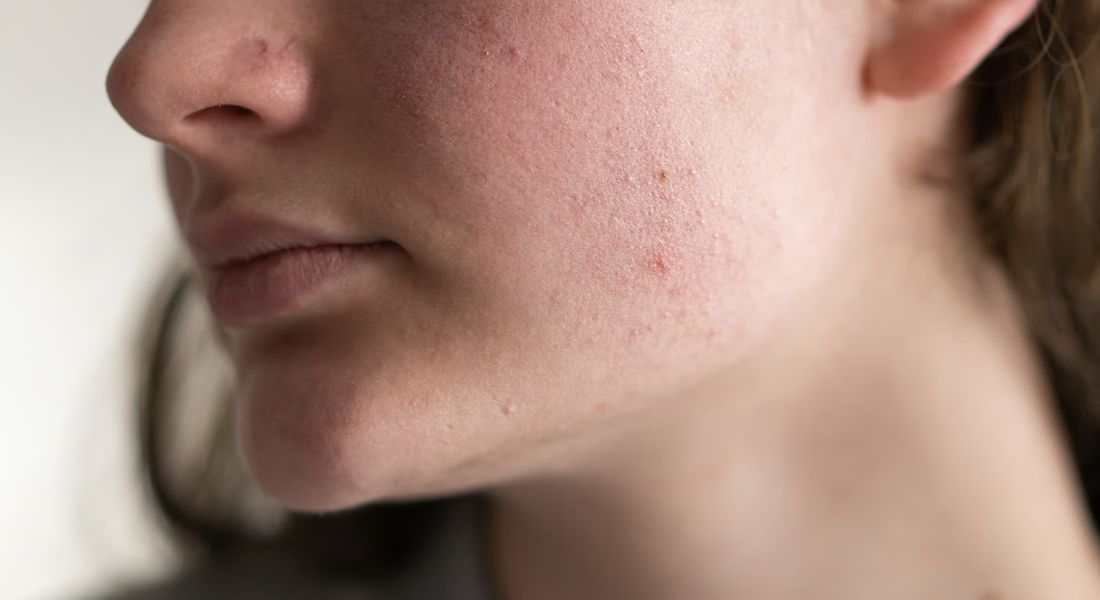
If your skin has recently begun to burn, sting, or react to products that once felt comfortable, you may feel unsettled and unsure of the cause. Sensitivity can develop unexpectedly, even if you have never described your skin as delicate. We understand that sudden changes often create understandable concern.
New reactivity does not automatically indicate an allergy. In many situations, it reflects barrier disruption or an underlying inflammatory process rather than a true immune response. We focus on identifying the root trigger before assuming a specific diagnosis.
Changes in routine, environment, stress levels, or internal health can all contribute to this shift. You may notice discomfort appearing without obvious redness or visible damage. We recognise that subtle symptoms still deserve careful attention.
Understanding why your skin has become reactive allows you to take practical steps towards recovery. Clear explanation reduces unnecessary product switching and guesswork. We guide you towards rebuilding tolerance safely and restoring lasting stability.
What Does “Sensitive Skin” Really Mean?
Sensitive skin does not represent a defined medical condition but reflects a pattern of recurring symptoms. You may experience burning, prickling, or tightness after contact with certain products or environmental factors. We recognise that these sensations can arise even in the absence of a visible disorder.
At times your skin may look entirely unchanged, despite significant discomfort. In other situations, redness, dryness, or mild inflammation can develop alongside the sensation. We observe that reactions often appear quickly after exposure to a trigger.
Heightened sensitivity frequently indicates that your natural protective layer is under strain. Recognising this link helps you respond appropriately rather than switching products repeatedly. We emphasise that understanding barrier function forms the foundation of effective management.
The Role of the Skin Barrier
Your skin barrier forms the outer surface of the epidermis and serves as your primary defence. It protects against environmental irritants, microbes, and excessive water loss. We rely on this layer to maintain stability and overall skin comfort.
A compromised barrier allows moisture to escape more readily and external substances to enter with less resistance. Dehydration increases, and deeper layers become more exposed to irritation. We often see heightened nerve sensitivity in this state, leading to burning or tightness.
Barrier breakdown is a frequent reason for abrupt changes in tolerance. Rebuilding strength through supportive care improves resilience and reduces discomfort. We focus on restoring structure so your skin regains balance and protection.
Overuse of Active Skincare Ingredients

Modern skincare products frequently contain potent active ingredients. You may benefit from retinoids, exfoliating acids, or vitamin C when used appropriately. However, combining or overusing these ingredients can overwhelm your skin barrier.
- Powerful Actives and Their Effects: Retinoids, acids, and vitamin C can enhance texture and tone. Excessive or combined application may trigger irritation.
- Risks of Product Layering: Using multiple active products together increases sensitivity risk. Even formulations you previously tolerated can become problematic over time.
- Simplifying the Routine: Reducing frequency and limiting active ingredients often eases symptoms. A simpler approach can restore balance and comfort.
When irritation develops, stepping back rather than adding more products is often effective. We encourage thoughtful use rather than constant layering. Sometimes a restrained routine delivers more stable, long-term results.
Chemical Exfoliation and Over-Exfoliation
Alpha hydroxy acids and beta hydroxy acids support controlled cell turnover and improve overall texture. You may notice enhanced brightness and smoother tone with appropriate use. These ingredients can be highly effective within a structured routine. We remain mindful that overuse can temporarily disrupt barrier integrity.
Excessive exfoliation places strain on your skin’s natural defence mechanisms. You may experience flushing, discomfort, or increased sensitivity as protective function declines. Environmental factors can penetrate more easily during this vulnerable phase. We frequently observe heightened reactivity when recovery time is insufficient.
Allowing a pause in active exfoliants enables restoration and improved tolerance. You create space for barrier repair and moisture balance to stabilise. Careful, gradual reintroduction reduces the risk of repeated irritation. We promote measured use to preserve both radiance and long-term strength.
Rosacea as an Underlying Cause
Rosacea may begin with subtle discomfort before obvious flushing appears. You might feel stinging or burning even when applying gentle products. We often find that triggers such as warmth or spicy meals can intensify this early sensitivity.
Gradual redness across your cheeks or nose can develop over time. Small surface blood vessels may become increasingly visible as the condition progresses. We recognise that these changes can emerge slowly and be overlooked in the beginning.
When you identify rosacea at an early stage, you gain better control over symptom management. Targeted treatment reduces irritation and prevents worsening flare-ups. We ensure that your care plan is specifically designed to address rosacea-related sensitivity.
Environmental Triggers
Cold air, indoor heating, and environmental pollutants place continuous strain on your skin’s protective layer. As seasons shift, you may notice abrupt changes in comfort and tolerance. We often see increased complaints during colder months when external stress is at its peak.
Ultraviolet radiation further reduces your skin’s natural defences. Even in the absence of visible sunburn, gradual exposure can heighten inflammation and sensitivity. We recognise that repeated light damage can make your skin more reactive over time.
When you adapt your routine to suit the climate, you help preserve stability and strength. Richer moisturisers and consistent shielding against environmental exposure become essential. We focus on reinforcing hydration and daily protection to maintain equilibrium.
Hormonal Shifts and Skin Reactivity

When your hormones shift, oil production and barrier strength can change noticeably. During pregnancy, menopause, or periods of stress-related imbalance, you may find that your skin becomes unexpectedly reactive. We understand that sudden sensitivity in these phases is common and often temporary.
Lower oestrogen levels can reduce skin thickness and resilience. You may experience increased dryness, tightness, or irritation as a result. We also recognise that certain hormonal acne treatments can affect how well your skin tolerates products.
When you acknowledge hormonal influence, you avoid blaming the wrong products or routines. Adjusting your skincare and medical approach during these transitions can improve comfort and stability. We tailor recommendations to reflect the changing needs of your skin.
Contact Dermatitis
Contact dermatitis develops when your skin reacts to an irritant or allergen. You may be surprised to experience a reaction even after years of using the same product. Understanding common triggers helps you recognise the cause more quickly.
- What Triggers Contact Dermatitis: Fragrance and certain preservatives are frequent causes. Sensitivity can arise suddenly despite long-term previous tolerance.
- Early and Delayed Symptoms: The reaction may begin with burning or stinging before a rash appears. Redness, scaling, or irritation can develop later.
- Identifying and Preventing Recurrence: Patch testing helps pinpoint specific allergens. Avoiding the identified trigger prevents further episodes.
Recognising subtle early symptoms allows quicker intervention. We encourage timely assessment if irritation persists. Clear identification and avoidance remain the most effective way to protect your skin barrier.
Stress and Nervous System Sensitivity
Ongoing stress places pressure on both your immune defences and nervous system, which can increase overall skin sensitivity. During challenging emotional periods, you may observe more frequent irritation or unpredictable flare-ups. We appreciate that mental strain often translates into visible physical effects.
Hormonal shifts linked to stress influence inflammatory responses and alter blood flow within the skin. These physiological changes can heighten sensations of heat, prickling, or tenderness. We acknowledge that internal imbalance can make even mild stimuli feel exaggerated.
By addressing stress proactively, you strengthen your skin’s capacity to regain equilibrium. Practices that steady your emotional state can help reduce inflammatory activity. We highlight the close relationship between psychological wellbeing and cutaneous resilience.
Sudden Sensitivity After Cosmetic Procedures
When you undergo procedures such as chemical peels, laser resurfacing, or microneedling, your skin barrier is temporarily weakened. You can expect mild sensitivity as part of the normal healing process. However, if heightened reactivity persists, we consider the possibility of delayed recovery.
If you layer treatments too closely together without allowing full repair, you increase the likelihood of irritation and prolonged inflammation. Your skin requires adequate recovery time between interventions. We ensure that procedures are carefully spaced to minimise cumulative stress.
After any aesthetic treatment, you should adopt a calm and protective skincare routine. Gentle cleansing, intensive moisturisation, and strict sun protection help rebuild resilience. We emphasise patience, as steady restoration supports healthier long-term results.
When It May Signal an Underlying Condition
If you develop persistent sensitivity together with visible rash, facial puffiness, or general unwellness, timely medical assessment is essential. Such combinations can signal inflammatory skin disease or immune-related conditions that increase reactivity. We encourage prompt evaluation so you can prevent progression and reduce ongoing discomfort.
Should your skin remain unsettled despite a simplified routine, deeper investigation becomes appropriate. Diagnostic measures such as laboratory screening or allergy patch assessment may help uncover hidden triggers. We interpret these findings carefully to understand the mechanisms behind your symptoms.
Specialist input helps you separate surface barrier disruption from a wider systemic issue. Accurate identification avoids unnecessary product changes and ineffective treatment attempts. We structure management around confirmed causes to ensure your care remains safe and targeted.
How Dermatologists Restore Skin Balance

You begin by identifying and removing anything that may be irritating your skin. When you simplify your routine to a gentle cleanser and a nourishing moisturiser, you allow your skin barrier the space it needs to repair itself. If inflammation persists, we may recommend targeted anti-inflammatory treatment to calm and restore balance.
You support recovery by choosing barrier-repair moisturisers enriched with ceramides and hydrating ingredients. These formulations strengthen the outer layer of your skin and reduce sensitivity over time. We also encourage consistent sun protection, as ultraviolet exposure can delay healing and worsen irritation.
When symptoms continue or remain unclear, you benefit from seeking specialist guidance. A dermatology assessment helps you understand the exact cause of your concerns. We ensure that your treatment plan is safe, personalised, and suited to your skin’s specific requirements.
Building Back Tolerance Safely
When skin symptoms improve, you may feel ready to restart your usual routine. Reintroducing products too quickly, however, can trigger another flare. A gradual and structured approach protects your skin barrier while rebuilding tolerance.
- Gradual Reintroduction of Actives: Active ingredients should be added back slowly once irritation settles. Frequency is increased step by step to monitor tolerance and prevent recurrence.
- One Product at a Time: Introducing a single active product makes it easier to identify triggers. Careful monitoring of your skin’s response is essential.
- Barrier Protection Through Structure: A planned schedule reduces the risk of setbacks. Patience supports long-term stability and resilience.
By progressing methodically, you reduce the likelihood of renewed sensitivity. We encourage steady adjustment rather than rushing back to a full routine. Consistency and restraint help maintain lasting skin balance.
Preventing Future Sensitivity
Reducing excessive product layering lowers the likelihood of irritation and barrier strain. You gain greater stability by selecting fragrance-free formulations whenever possible. Seasonal adjustments also help your skin adapt to environmental changes. We encourage proactive routine changes to maintain resilience throughout the year.
Introducing new products individually provides clearer insight into how your skin reacts. You can properly assess tolerance before incorporating another active ingredient. Careful observation prevents confusion about which formulation may be responsible for discomfort. We advise responding promptly to early signs such as tingling, tightness, or unexpected dryness.
Consistency delivers better outcomes than aggressive or frequent changes. You strengthen your skin by following a balanced and steady approach. Overcomplicated routines often undermine long-term comfort. We prioritise stability and sustained health rather than short-term intensity.
FAQs:
1. Can your skin suddenly become sensitive even if you never had issues before?
Yes, your skin can become reactive even if it was previously stable. We often see barrier disruption, environmental stress, or product overuse trigger new sensitivity. Sudden change does not mean permanent damage, but it does require careful adjustment.
2. Does sudden burning always mean you have developed an allergy?
No, burning or stinging does not automatically mean an allergy. You may be experiencing irritation from barrier damage rather than an immune reaction. We assess symptoms carefully before confirming allergic contact dermatitis.
3. How long does it take for your skin barrier to recover?
Mild barrier damage can improve within a few weeks if you simplify your routine. We usually recommend gentle cleansing and consistent moisturising during this time. More severe disruption may take longer and require medical guidance.
4. Should you stop all active ingredients immediately?
If your skin feels inflamed or painful, you should pause strong actives temporarily. We advise removing retinoids and exfoliating acids until comfort returns. Gradual reintroduction helps prevent another flare.
5. Can stress alone make your skin more sensitive?
Yes, stress can increase inflammatory signalling and nerve sensitivity in your skin. You may notice more frequent irritation during emotionally demanding periods. We recognise that psychological wellbeing directly influences skin resilience.
6. Is redness always present with sensitive skin?
Not necessarily. You may feel burning or tightness without visible redness. We understand that invisible symptoms can still indicate barrier compromise and require attention.
7. Can weather changes trigger sudden sensitivity?
Yes, cold air, wind, and indoor heating can weaken your skin barrier. You may notice increased dryness and reactivity during seasonal shifts. Adjusting moisturiser texture and sun protection can improve stability.
8. When should you see a dermatologist?
If sensitivity persists despite simplifying your routine, professional review is advisable. We also recommend assessment if swelling, rash, or systemic symptoms develop. Early evaluation prevents prolonged discomfort.
9. Can cosmetic treatments cause long-term sensitivity?
Most procedures cause temporary reactivity during healing. You may experience prolonged irritation if treatments are layered too closely together. We space procedures carefully to protect long-term barrier health.
10. Will your skin return to normal once sensitivity improves?
In many cases, yes. When the underlying trigger is addressed and the barrier is restored, you can regain comfort and tolerance. We focus on rebuilding strength gradually to support lasting stability.
Final Thought: Sudden Skin Sensitivity
Sudden skin sensitivity often reflects barrier disruption, product overuse, or underlying inflammatory conditions such as rosacea. Although the symptoms can feel alarming, many cases improve with simplified skincare and targeted support. Identifying the trigger is essential to prevent ongoing irritation and restore comfort. Early intervention prevents chronic reactivity from developing.
The situation is addressed through barrier repair, removal of irritants, and professional evaluation when symptoms persist. If you are considering a Dermatologist, feel free to get in touch with us at London Dermatology Centre.
References:
- Duarte, I., 2017. Sensitive skin: review of an ascending concept. International Journal of Dermatology. Available at: https://pmc.ncbi.nlm.nih.gov/articles/PMC5595600/
- Two, A.M., Wu, W., Gallo, R.L. and Hata, T.R., 2015. Rosacea: part I. Introduction, categorization, histology, pathogenesis, and risk factors. Journal of the American Academy of Dermatology, 72(5), pp.749–758. Available at: https://pubmed.ncbi.nlm.nih.gov/25890455/
- Steinhoff, M., Schauber, J. and Leyden, J.J., 2013. New insights into rosacea pathophysiology: a review of recent findings. Journal of the American Academy of Dermatology, 69(6 Suppl 1), pp.S15–S26. Available at: https://pubmed.ncbi.nlm.nih.gov/24229634/
- Aitella, E., 2025. Neurogenic inflammation in allergic contact dermatitis. Biomedicines, 13(3), p.656. Available at: https://www.mdpi.com/2227-9059/13/3/656
- Lev-Tov, H. and Maibach, H.I., 2012. The sensitive skin syndrome. Indian Journal of Dermatology, Venereology and Leprology. Available at: https://pmc.ncbi.nlm.nih.gov/articles/PMC3519246/