


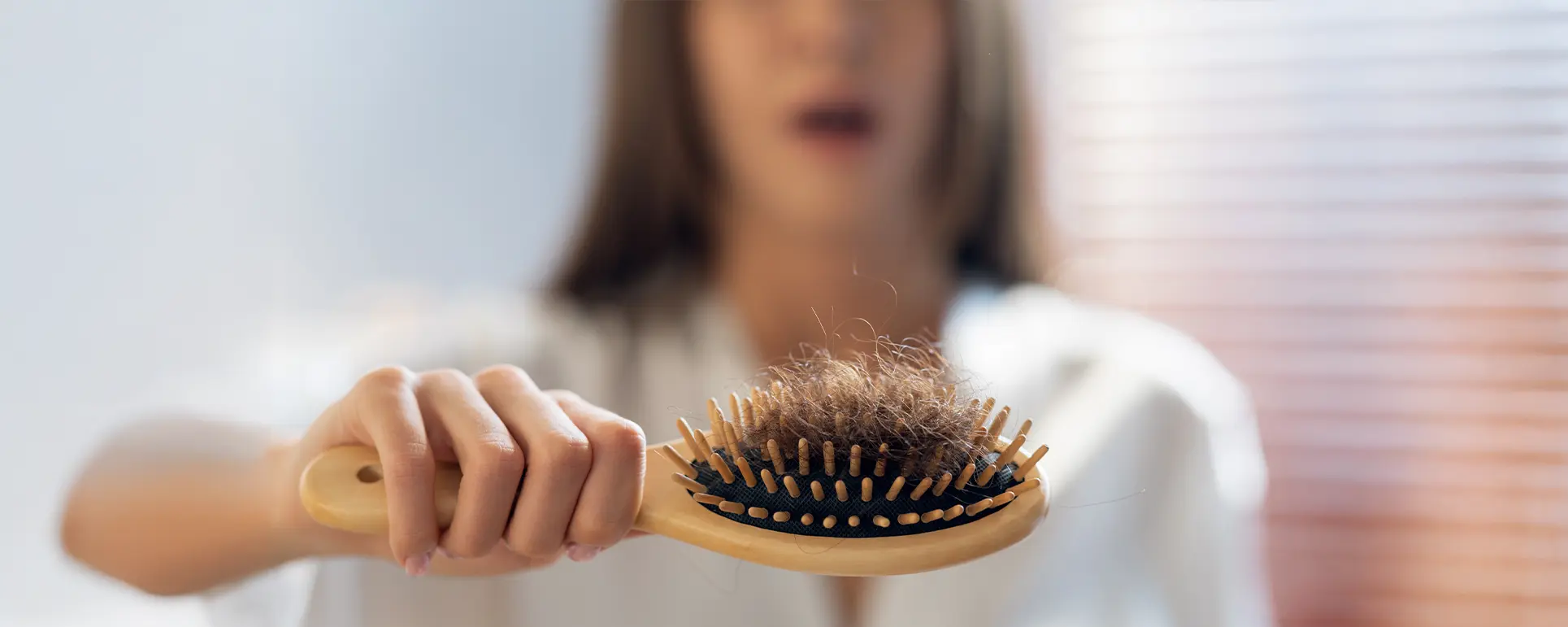
If you’ve noticed that your teenager is losing more hair than usual, I completely understand how worrying it can feel. Hair loss at a young age comes as a shock for most families because we tend to associate alopecia with adults, not children or teens. For teenagers themselves, the emotional impact can be even heavier, because their confidence, identity and self-esteem are still forming.
The truth is that alopecia in teenagers is more common than many people think. Hormonal changes, stress, nutritional deficiencies, autoimmune conditions, styling habits and even scalp infections can all play a role. The good news is that teenage alopecia is often manageable and sometimes fully reversible once the root cause is identified. In this guide, I want to walk you through why hair loss starts early, how dermatologists diagnose the underlying cause and what you can do to support your teen through the process.
Why Alopecia Happens in Teenagers
Hair loss in teenagers rarely has one single cause. It’s usually a combination of biological, emotional and lifestyle factors. Let’s explore the most common triggers and how they affect your teen’s hair cycle.
1. Hormonal Changes During Puberty
Teenagers experience major hormonal shifts during puberty. These hormones especially androgens can directly influence hair follicle activity. When androgen levels rise, the natural growth cycle of hair can become shorter, leading to shedding or thinning.
Common hormonal triggers include:
- Rapid growth spurts
- Menstrual cycle changes
- PCOS in teenage girls
- Early genetic sensitivity to androgens
- Fluctuations linked to sleep, stress and diet
If your teen has acne, oily skin, irregular periods or sudden weight gain, hormonal imbalance may be contributing to the hair loss.
2. Stress, Anxiety and Emotional Pressure
Modern teenagers face intense emotional challenges. School pressure, social media, friendships, identity struggles and exam stress can place enormous strain on their wellbeing. Stress affects the hair cycle directly, pushing more follicles into the shedding phase.
Types of stress-related alopecia include:
- Telogen effluvium: sudden shedding that occurs a few months after stress
- Trichotillomania: the compulsive habit of pulling out hair
- Stress-induced hormonal changes: elevated cortisol disrupts growth
Telogen effluvium is especially common after exam seasons, emotional trauma, sudden lifestyle changes or illness.
3. Nutritional Deficiencies
Teenagers often have irregular eating habits, restrictive diets or higher nutrient demands due to growth. Hair follicles are extremely sensitive to nutritional shortages, and even mild deficiencies can trigger alopecia.
Common deficiencies linked to teenage hair loss include:
- Iron deficiency (very common in girls)
- Vitamin D
- Vitamin B12
- Folate
- Zinc
- Protein deficiency in athletes or restrictive dieters
Skipping meals, extreme dieting, vegan diets without supplementation or high-stress lifestyles can all contribute.
4. Autoimmune Conditions (Alopecia Areata)

Alopecia areata is an autoimmune condition in which the immune system attacks hair follicles. It often begins in childhood or adolescence and can be extremely distressing due to its sudden appearance.
Typical signs include:
- Round or oval bald patches
- Smooth bare skin
- Exclamation-mark hairs
- Eyebrow or eyelash shedding
- Nail pitting
The condition can be temporary, recurring or progressive, depending on the individual.
5. Styling Practices and Traction Alopecia
Teenagers often experiment with hairstyles, and certain styling habits can damage hair follicles.
Common causes include:
- Tight ponytails
- Braids and cornrows
- Hair extensions
- Chemical straightening
- Bleaching
- Excessive heat styling
This type of alopecia often affects the hairline and temples. The good news is that it’s usually reversible if caught early and styling habits are changed.
6. Scalp Infections and Skin Conditions
Scalp conditions can easily be mistaken for alopecia and are particularly common during teenage years.
Conditions that cause shedding include:
- Tinea capitis: fungal infection, very common in children and teens
- Seborrheic dermatitis: dandruff, redness, flaking
- Psoriasis: thick scales and inflammation
- Eczema: itching and irritation
- Folliculitis: inflamed hair follicles
Tinea capitis requires oral antifungal medication shampoos alone won’t cure it.
7. Medications and Medical Conditions
Certain medications used by teens can cause hair loss, including:
- Acne treatments (isotretinoin)
- ADHD medication
- Antidepressants
- Thyroid medication
- Chemotherapy
Underlying conditions like thyroid disorders, coeliac disease, anaemia, autoimmune disorders and vitamin malabsorption can also contribute.
8. Genetics and Early Pattern Hair Loss
Although more common in adults, androgenetic alopecia can begin in the teenage years, especially in boys.
Signs include:
- Receding hairline
- Thinning at the crown
- Gradual reduction in density
- Widening part in girls
Early treatment can slow progression and stimulate regrowth.
How Dermatologists Diagnose Teenage Alopecia

Diagnosing alopecia in younger patients requires a detailed, careful and compassionate approach. The goal is to find out what’s causing the hair loss so treatment can be targeted and effective.
Here’s how dermatologists typically investigate.
1. Medical and Lifestyle History
Your dermatologist will ask about:
- Recent stress
- School or exam pressure
- Bullying or emotional changes
- Menstrual history
- Diet and nutrition
- Sleep quality
- Haircare routines
- Medication use
- Family history of alopecia
For teenagers, lifestyle factors often play a major role.
2. Scalp Examination and Pull Test
A visual exam helps identify the pattern of hair loss.
A gentle pull test may also be used to measure how many hairs come out, which helps diagnose telogen effluvium.
3. Trichoscopy (Scalp Microscopy)
Trichoscopy allows a dermatologist to see miniature hairs, broken shafts, inflammation and follicle density up close.
It helps diagnose:
- Alopecia areata
- Androgenetic alopecia
- Traction alopecia
- Scalp infections
4. Blood Tests
Blood tests are essential when teenage alopecia is unexplained.
Your dermatologist may test:
- Ferritin (iron storage)
- Vitamin D
- B12 and folate
- Thyroid hormones
- Inflammation markers
- Androgen levels (if PCOS is suspected)
Low iron and low vitamin D are extremely common contributors.
5. Fungal Swabs or Scrapings
If infection is suspected, a sample is taken for lab testing. Tinea capitis is highly treatable, but only if diagnosed correctly.
6. Psychological Assessment
If hair-pulling behaviours or emotional triggers are suspected, gentle psychological assessment may be recommended. Trichotillomania needs specialist support alongside dermatology.
Types of Alopecia Common in Teenagers
Understanding the exact type of alopecia helps guide treatment.
1. Telogen Effluvium
One of the most common causes of teenage hair loss. This condition pushes a large number of hairs into the shedding phase.
Triggers include:
- Stress
- Illness
- Hormonal changes
- Crash dieting
- Medication changes
It typically appears 2–3 months after the trigger. The good news is that telogen effluvium usually resolves once the underlying cause improves.
2. Alopecia Areata
An autoimmune condition causing sudden circular patches. It may affect the scalp, eyebrows, eyelashes or beard area.
Signs include:
- Round bald patches
- Smooth scalp
- Short, broken hairs
- Nail pitting
Treatment varies based on severity and response.
3. Traction Alopecia
Caused by tight hairstyles and continuous tension.
Common signs:
- Receding hairline
- Temple thinning
- Breakage near braided areas
Stopping tight hairstyles early can reverse the condition entirely.
4. Tinea Capitis
A fungal infection commonly seen in children and teenagers.
Symptoms include:
- Scaly patches
- Broken hairs
- Redness
- Swelling of lymph nodes
- Itchy or painful areas
This requires prescription oral antifungals.
5. Early Androgenetic Alopecia
Genetic pattern hair loss beginning earlier than expected, usually in boys.
Symptoms:
- Gradual thinning
- Receding hairline
- Widening part
Treatment is often highly effective when started early.
How Dermatologists Treat Teenage Alopecia
Treatment depends entirely on the type of alopecia and the underlying cause. A personalised approach is essential for younger patients.
1. Treating Telogen Effluvium
For stress- or illness-related shedding, treatment may include:
- Correcting deficiencies
- Improving sleep
- Encouraging a balanced diet
- Stress management
- Gentle haircare
- Short-term minoxidil (case by case)
Regrowth usually begins after a few months.
2. Treating Alopecia Areata
Options may include:
- Topical steroid creams
- Steroid injections (older teens)
- Immunotherapy
- JAK inhibitors (specialist treatment)
- PRP therapy
- Red-light or laser therapy
Treatment is long-term and requires patience.
3. Treating Traction Alopecia
The first step is removing all tension-based styling.
Dermatologists may also recommend:
- Anti-inflammatory treatments
- Growth serums
- PRP therapy
- Scalp-soothing products
Regrowth often occurs when tension is removed early.
4. Treating Tinea Capitis
Treatment always involves:
- Oral antifungal medication
- Antifungal shampoo for household prevention
- Inflammation management if needed
5. Treating Nutritional Deficiencies
Supplementation is based strictly on blood test results.
Common treatments include:
- Iron supplements
- Vitamin D
- B12
- Folate
- Zinc
Dietary improvements are also encouraged.
6. Treating Early Pattern Hair Loss
Options may include:
- Low-dose topical minoxidil
- Laser therapy
- Diet and lifestyle support
- Hormone evaluation for girls
- Specialist medication depending on age and severity
Emotional Impact: Supporting Your Teen Through Alopecia
Teenage years are emotionally intense. Hair loss at this age can deeply affect:
- Confidence
- Social interactions
- Mood
- School performance
- Mental health
Your teenager may feel embarrassed, frustrated or frightened. The way you respond has a big impact.
Ways, you can support them:
- Reassure them that help is available
- Avoid commenting on their hair loss repeatedly
- Encourage a dermatologist assessment
- Reduce pressure around school or appearance
- Be patient with their emotional reactions
A calm, supportive environment helps them cope better.
FAQs:
1. Can teenage alopecia go away on its own?
Yes, in many cases teenage alopecia can resolve naturally, especially when it’s triggered by stress, illness, hormonal changes or nutritional deficiencies. Once the underlying issue settles, the hair cycle often returns to normal and regrowth begins within a few months. However, some types of alopecia such as alopecia areata, early pattern hair loss or fungal infections usually require medical treatment. That’s why getting a proper diagnosis is so important.
2. How fast does teenage hair loss progress?
The speed of progression depends entirely on the cause. Stress-related telogen effluvium tends to appear suddenly, usually two to three months after a trigger, and may cause noticeable shedding over several weeks. Alopecia areata can progress very quickly, sometimes overnight, while traction alopecia develops gradually over months due to continuous tension from hairstyles. Genetic pattern hair loss progresses slowly but steadily. A dermatologist can help identify the pace and pattern.
3. Is teenage hair loss reversible?
Many forms of teenage alopecia are reversible, particularly telogen effluvium, traction alopecia and nutritional deficiency–related shedding. Once the root cause is treated, hair usually regrows. Even alopecia areata can recover in many cases, although it may come and go. The crucial factor is early intervention because long-term inflammation or repeated tension can eventually weaken the follicles.
4. Does stress really cause hair loss in teenagers?
Absolutely. Teenagers are especially vulnerable to stress due to academic pressure, social challenges and emotional changes. Stress triggers hormonal shifts and increases cortisol levels, which can prematurely push hairs into the shedding phase. This is why many teens notice sudden hair fall after exams, illness, breakups or lifestyle changes. Managing stress through sleep, nutrition and emotional support often leads to improvement.
5. Should I take my teenager to a dermatologist for hair loss?
Yes, if the shedding is persistent, worsening or causing visible thinning or bald patches, it’s best to see a dermatologist. Teen hair loss has many possible causes, and guessing can delay recovery. A dermatologist will assess lifestyle factors, scalp health, hormones and nutritional status to pinpoint the exact cause. Early treatment often leads to better and faster regrowth.
6. Can hormone changes during puberty cause alopecia?
Hormonal fluctuations during puberty can definitely trigger shedding. Rising androgen levels can shorten the hair growth cycle and make follicles more sensitive, especially in teens with genetic predispositions. Girls with conditions like PCOS may also notice increased hair fall alongside acne, irregular cycles or weight changes. If hormone imbalance is suspected, medical evaluation is very helpful.
7. Is diet linked to teenage hair loss?
Yes, diet plays a major role. Teenagers often skip meals, eat irregularly or follow restrictive diets, which can lead to deficiencies in iron, vitamin D, B12 and zinc all crucial for hair growth. Hair follicles are extremely sensitive to nutritional gaps, and even mild deficiencies can cause thinning. Once these nutrients are corrected based on blood tests, many teens see noticeable improvement.
8. How is alopecia areata treated in teenagers?
Treatment for alopecia areata depends on the extent and severity of the patches. Dermatologists may prescribe topical steroids, medicated foams, injections for older teens or immunotherapy to calm the immune response attacking the follicles. In some cases, advanced treatments like JAK inhibitors or PRP therapy are used. Because alopecia areata can be unpredictable, consistent monitoring and follow-up are important.
9. Can regular hairstyles really cause permanent hair loss?
Tight hairstyles such as braids, ponytails, cornrows and extensions can cause traction alopecia, especially when worn daily. In the early stages, the condition is fully reversible once the tension is removed. However, if the follicles remain under strain for years, permanent thinning can occur. Encouraging looser hairstyles and reducing heat or chemical treatments can prevent long-term damage.
10. How long does it take for teenagers to regrow lost hair?
Hair regrowth varies widely depending on the cause. In cases like telogen effluvium, improvement may begin after three months, with fuller recovery over six to nine months. Nutritional deficiency–related shedding improves once levels are corrected but may take several months for visible change. Alopecia areata regrowth is unpredictable and depends on immune response. Overall, hair grows slowly at about one centimetre per month, so patience is essential.
Final Thoughts: Supporting Teens Through Hair Loss
Teenage alopecia can feel overwhelming, both for your teen and for you as a parent. Understanding the underlying causes whether hormonal changes, stress, nutrition, autoimmune conditions, or styling habits is the first step toward effective management. Early assessment and personalised treatment from a dermatologist can make a significant difference, helping hair regrow and reducing emotional stress.
If you’re considering an alopecia clinic in London, you can contact the London Dermatology Centre. Our team offers specialised care for teenagers experiencing hair loss and can guide you through diagnosis, treatment options, and ongoing support to ensure the best outcomes for your teen.
References:
1. Palmer, V. & Valdebran, M., 2023. Central Centrifugal Cicatricial Alopecia in the Adolescent Population: An Overview of Available Literature. Life, 13(4), 1022. https://www.mdpi.com/2075-1729/13/4/1022
2. Owecka, B., Tomaszewska, A., Dobrzeniecki, K. & Owecki, M., 2024. The Hormonal Background of Hair Loss in Non‑Scarring Alopecias. Biomedicines, 12(3), 513. https://www.mdpi.com/2227-9059/12/3/513
3. Sibbald, C. et al., 2023. Alopecia Areata: An Updated Review for 2023. Dermatology and Therapy, (online). https://www.ncbi.nlm.nih.gov/pmc/articles/PMC10291119/
4. Tan, I. J. & Jafferany, M., 2024. Psychosocial impact of alopecia areata in paediatric and adolescent populations: A qualitative interview study. https://www.ncbi.nlm.nih.gov/pmc/articles/PMC11616254/
5. Losoya‑Jaquez, M.R., 2023. Androgenetic Alopecia in Children and Adolescents. Pediatric Dermatology, (online). https://pmc.ncbi.nlm.nih.gov/articles/PMC10987064/